What to see
Visiting Paul: complete guide to the Paul Valley on Santo Antão
We may earn a commission when you book through links on this page, at no extra cost to you. We don't visit or try the places we cover: we summarize published sources. How we work
In short
- Getting there: ferry from Mindelo to Porto Novo (about 1 hour), then an aluguer (shared taxi) to Paul, 45 minutes to 1 hour.
- The Ribeira do Paul valley-floor hike is 8 to 12 km (5 to 7 mi) round trip, 3 to 5 hours. The ridge crossing to Ribeira Grande is hard and a local guide is strongly advised.
- Best months are November to June. Expect €20 to €45 (about $23 to $52) a night for a double room in a family guesthouse.
- A day trip from Mindelo is very tight. Plan at least one night, ideally 2 to 3 days on Santo Antão.
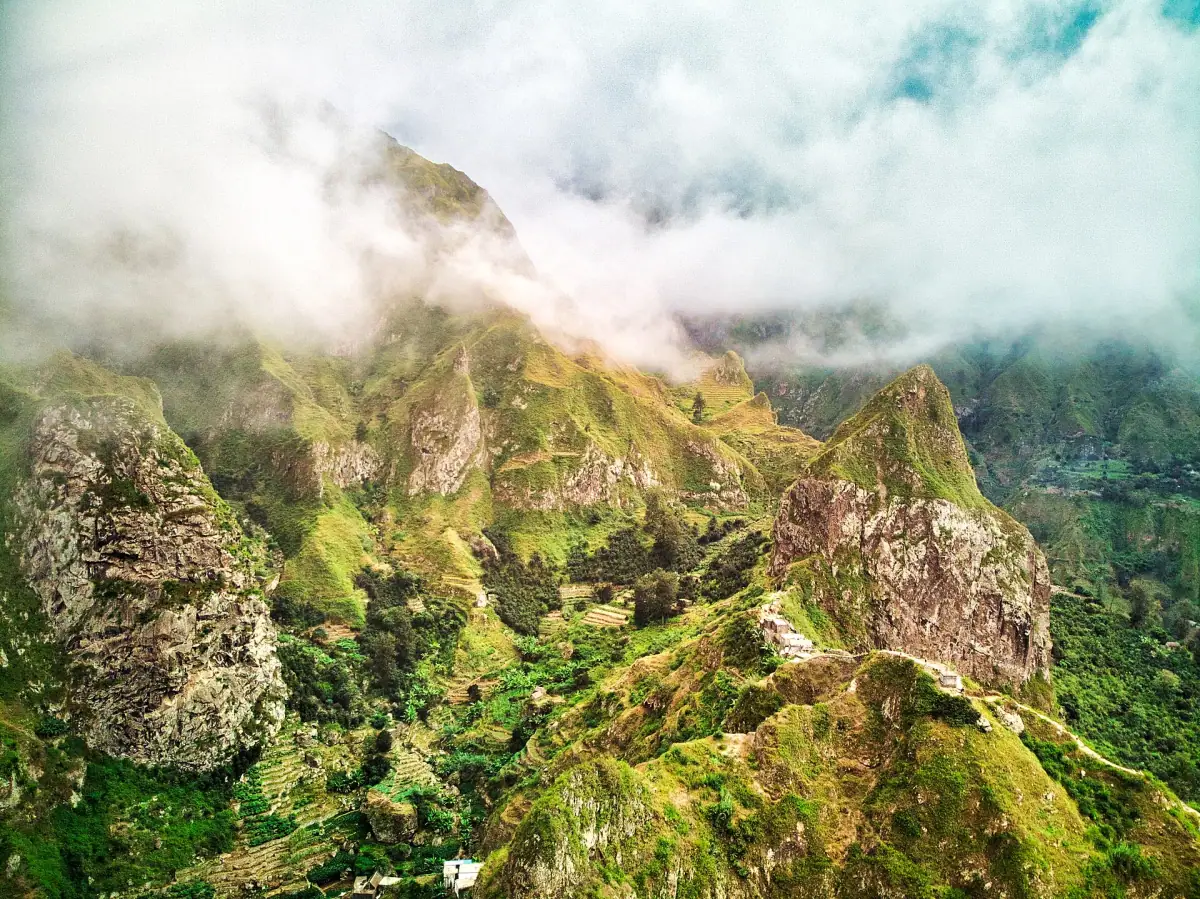
Among the islands of Cape Verde, Santo Antão holds a special place. It is the island of hikers, sheer ridges and valleys so fertile they seem to belong to a different world than the deserts of Sal or Boa Vista. At the heart of Santo Antão, the Paul Valley may be the most captivating landscape in all of Cape Verde: a deep gash carved by volcanic erosion, covered in sugarcane, banana trees, coffee plants and gardens hanging on terraces carved into the mountainside over centuries.
Visiting Paul means seeing a Cape Verde without beaches or resorts: a farming, mountain Cape Verde where time seems to slow to the pace of small stills and conversations under the trees. This complete guide covers what you need to know to plan your stay in Paul and the valley.
The Paul Valley: geography and character
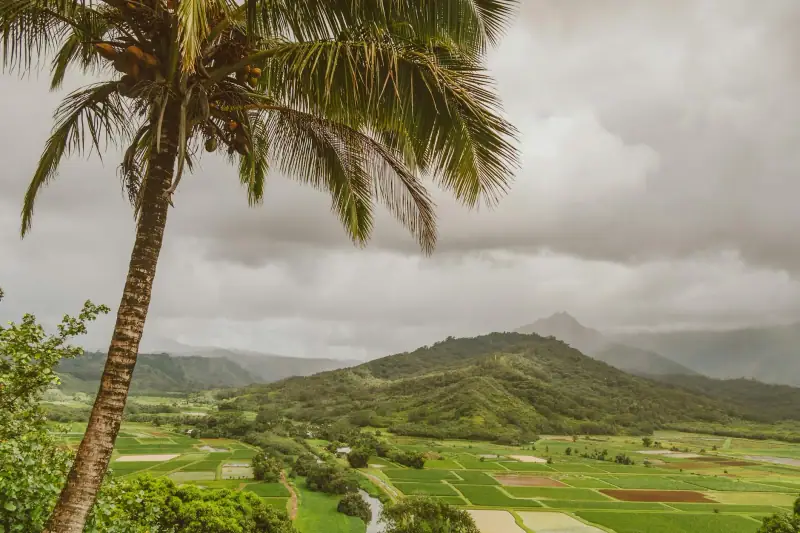
The Paul Valley (Ribeira do Paul in Portuguese) is one of the great ribeiras of Santo Antão, carved by a seasonal stream that rushes down from the volcanic massif toward the island’s north coast. The ribeira opens onto the sea on the north coast, about 15 km (9 mi) as the crow flies (and about 30 km / 19 mi by the coastal road) north of Porto Novo, the island’s main town. The two places sit on opposite sides of the island, separated by the central mountain range. The ridge road (Estrada a Corda), which peaks at over 1,300 m (4,265 ft), links Porto Novo to Ribeira Grande over about 33 to 35 km (21 to 22 mi).
Spectacular relief. In places the valley walls rise more than 1,000 m (3,280 ft), producing strikingly vertical scenery. From the valley floor, you can see the jagged ridges that separate Paul from the neighboring Ribeira Grande valley. At altitude, clouds cling to the summits and create an almost mystical atmosphere, alternating between bright sun and milky mist.
Surprisingly lush vegetation. Santo Antão is the greenest island in Cape Verde, and Paul is its symbol. The altitude and the northeast exposure catch the moisture of the trade winds, allowing intensive farming on dry-stone terraces built by hand over generations. Sugarcane, bananas, mangoes, papayas, coffee, lemons and vegetables grow in abundance where other islands see only arid rock.
The village of Paul. At the bottom of the valley, the town of Vila das Pombas (the village’s official name, seat of the municipality of Paul) has a few thousand inhabitants. Note that “Paul” refers to the valley (Ribeira do Paul) and the municipality (Concelho de Paul), not the village itself. Its colorful houses, terraces, weekly market and small grogue distilleries make it a lively, authentic village, living largely from farming and a gradually growing hiking tourism.
Flights to Cape Verde
Compare flights to Mindelo (São Vicente), the natural gateway to Santo Antão and the Paul Valley.
Hikes from Paul: the essential trails
Santo Antão is known as the best hiking destination in Cape Verde, and the Paul Valley holds several of the island’s most beautiful routes. Trails range from easy walks along the valley floor to technical ridge crossings.
The Ribeira do Paul: the valley-floor walk
The trail along the bottom of the Ribeira do Paul is probably the most emblematic hike in Paul. From the village, a drivable track and then a path follow the stream through irrigated gardens, sugarcane fields and small family farms. Along the way you will meet farmers, women washing clothes, children coming home from school and, sometimes, the sweet smell of freshly cut cane.
Distance and difficulty. About 8 to 12 km (5 to 7 mi) round trip depending on the variant, with moderate elevation gain. Easy to intermediate, accessible to most motivated walkers. Allow 3 to 5 hours of walking depending on your pace.
What you will see. Seasonal waterfalls after the rainy season, old water mills, steep terraces, stone bridges, small distilleries where you can stop to taste the local grogue, and discreet wildlife including some birds endemic to Cape Verde, among them the Iago sparrow (Passer iagoensis), seen on Santo Antão.
Tip. Start early in the morning (before 8 am) to enjoy the low light in the valley and avoid the hottest hours. The trail can be slippery after rain, so bring shoes with good tread.
The Paul to Ribeira Grande ridge crossing
For experienced hikers, the Paul to Ribeira Grande crossing along the ridge is one of the finest hikes in Cape Verde. It links the two main valleys of Santo Antão by a ridge path that overlooks both the sea to the north and the valleys below.
Distance and difficulty. About 12 to 18 km (7 to 11 mi) depending on the starting point, with 900 to 1,100 m (2,950 to 3,610 ft) of elevation gain. Hard: plan on good fitness and mountain hiking experience. Duration is 5 to 8 hours.
Views. On a clear day, the views from the ridge are among the most impressive in the archipelago: the two green valleys on either side, the Atlantic as far as the eye can see, and the silhouettes of neighboring islands (São Vicente, São Nicolau) on the horizon. The morning fog that clings to the ridges and then gradually lifts creates extraordinary photographic moods.
Guide recommended. On this route, a local guide is strongly advised: ridge trails can be confusing in fog, and several variants exist depending on your level.
The climb toward Cova and the plateau
Another option for experienced hikers is to climb from Paul toward Cova and the interior plateau of Santo Antão, a high-altitude vegetable-growing area. This route offers a very different landscape: above the clouds, the plateau is wind-swept, drier, almost lunar compared with the lushness of the valley floor.
Tours and hikes on Santo Antão
Find the best guided excursions in the Paul Valley and on the island of Santo Antão.
Paul’s grogue: the soul of the valley
You cannot talk about Paul without talking about its grogue. This sugarcane spirit is the national drink of Cape Verde, and Paul is one of the country’s best-known centers of small-scale production. Sugarcane growing in the valley goes back to Portuguese colonial times, and some family distilleries still use methods almost unchanged since the 18th century.
How Paul’s grogue is made. The cane is cut by hand in the ribeira’s fields, then carried to the distillery (a traditional copper or wooden still). The juice is fermented naturally and then distilled with steam to produce a spirit between 40 and 70% ABV depending on the producer. Craft valley versions can exceed 60%, while commercial grogue is generally around 40 to 45%. Some producers age their grogue in local wooden barrels to make a more complex, aromatic velho (aged).
Visiting a distillery. Many producers in the valley welcome informal visits from curious travelers. Most are small family operations where production is still done by hand and with wood-fired steam. You will almost always be offered a tasting, sometimes a surprisingly generous one. It is one of the most memorable experiences Paul has to offer.
Ponche. Grogue is drunk neat, but also as ponche, mixed with lime juice, cane sugar and sometimes spices. It is the traditional local cocktail, served in every bar and tasca in the valley.
Paul’s grogue by the bottle. If you want to bring bottles home, buy directly from producers or at the village market for the best quality. Prices are much lower than in the tourist shops of Mindelo or Praia.
Terraced farming: a living heritage
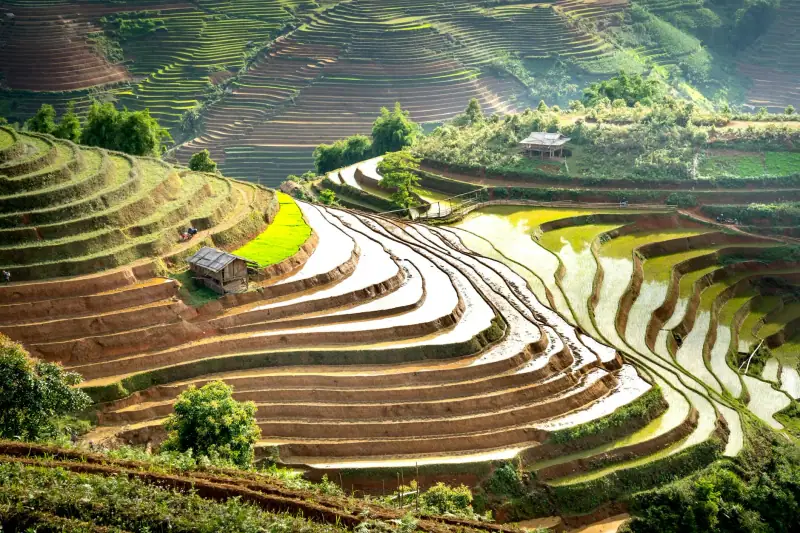
The terraced farming of the Paul Valley is one of the most striking features of the landscape. For generations, the people of Paul have shaped the almost vertical slopes of the ribeira into thousands of small irrigated terraces held by dry-stone walls.
This clever system makes it possible to farm at altitudes and on slopes that would normally be out of reach for agriculture. Irrigation comes from a network of stone channels (levadas) that capture water from high-altitude springs and redistribute it throughout the valley under an ancestral system of shared water management.
What grows in the valley. The valley’s richness comes from the variety of crops stacked by altitude:
- Low elevation (0 to 300 m / 0 to 1,000 ft): sugarcane, bananas, papayas, chili peppers.
- Middle elevation (300 to 700 m / 1,000 to 2,300 ft): mangoes, lemons, coffee (local arabica), beans, corn.
- High elevation (700 m / 2,300 ft and up): potatoes, cabbage, root vegetables, in a cooler microclimate.
This plant diversity gives the valley a changing look depending on the altitude you walk through: from lush tropical jungle below to misty moorland above.
A threatened heritage. As in many traditional farming regions, working the land in the Paul Valley struggles to attract younger generations, drawn to the cities (Mindelo, Praia) or to emigration. Some terraces are gradually being abandoned, letting wild vegetation take over again. It is a major challenge for preserving a unique cultural landscape.
The village of Paul: daily life
Beyond hiking and grogue, the village of Paul itself deserves a slow stroll. Its colorful lanes, weekly market and tascas keep local life warm and lively.
The central square. The heart of the village is built around a shaded square where residents gather at the end of the day. Children play soccer, old men chat in the shade of the trees, women come back from the market. The mood is relaxed and welcoming.
The market. The Paul market takes place in the morning several times a week. You will find fruit and vegetables from the valley (bananas, mangoes, papayas, pumpkins, beans), dried fish, local spices and sometimes crafts. It is a good place to buy supplies if you plan a picnic on a hike.
The viewpoints. Several informal viewpoints let you look over the valley from the heights of the village. The plunging view over the cultivated terraces, with the sea in the background and sometimes the island of São Vicente on the horizon, is one of the emblematic photos of Santo Antão.
The church. Paul’s church, typical of Portuguese colonial architecture in Cape Verde, is a visual landmark of the village. Simple but elegant, it comes alive on Sunday mornings at Mass, a social event as much as a spiritual one in village life.
Car rental on Santo Antão
Explore the valleys of Santo Antão at your own pace with a rental car from Porto Novo.
Where to stay in Paul
Lodging in Paul is modest but gradually developing. It is mostly family guesthouses and small hotels, far from the resorts of Sal or Boa Vista but in keeping with the authentic spirit of the valley.
Guesthouses. Several family guesthouses offer simple, clean rooms in and around Paul. They often offer half board with meals made from local products (cachupa, valley vegetables, fish). Expect to pay roughly €20 to €45 (about $23 to $52) a night for a double room in a family-run place.
Places with a view. Some guesthouses are perched on the heights of the village or halfway up the valley, with spectacular views over the ribeira. These places, often newer, target hikers and travelers looking for an authentic change of scene.
Tip. In high season (November to March), book ahead, because lodging in Paul is limited and can be full on weekends or during local festivals. Outside that period, availability is generally good.
Staying in Ribeira Grande. If Paul does not offer the lodging you want, the town of Ribeira Grande (about 7 km / 4 mi west of Paul along the northern coastal road, 10 to 15 minutes by aluguer) has a wider choice and can serve as a base for exploring several valleys of Santo Antão.
Places to stay on Santo Antão
Compare guesthouses, bed and breakfasts and hotels in Paul, Porto Novo and Ribeira Grande for your stay on Santo Antão.
Eating in Paul: local food in the valley
Food in Paul is that of rural Cape Verde: generous, simple, based on produce from the valley and the nearby sea.
Cachupa. The national dish of Cape Verde is a must-try. Cachupa rica (rich), with meat and sausages, is served in local tascas, often at lunch. Cachupa pôbre (poor), simpler with beans and vegetables, is the everyday meal of valley families.
Valley vegetables. Paul’s farming diversity shows up on the plate: zucchini, beans, sweet potatoes, corn, cooked plantains, fresh herbs. Meals at the guesthouse are often made entirely of produce grown a few hundred meters away.
Fish. Even though Paul is inland, the local market regularly has fresh fish caught on the nearby coast. Tuna, grouper and sea bream are grilled or cooked in soup (caldo de peixe), a staple.
Paul’s coffee. Santo Antão produces a local arabica coffee, grown at mid-altitude in the valleys. Paul’s coffee is less well known than Fogo coffee, the country’s top coffee reference, grown on the volcanic slopes of Mosteiros, but it is worth trying: fairly strong, with a characteristic bitterness.
Tropical fruit. Make the most of the valley’s fruit: mangoes, papayas, lemons, bananas and coconuts depending on the season. Stopping at a farm or the market to fill your backpack before a hike is a local tradition.
How to get to Paul
Step 1: Reach Mindelo or Porto Novo
By air. The nearest airport is Mindelo (São Vicente), served by international flights from Europe (notably from Lisbon, with a stopover or on seasonal charters). There is no airport on Santo Antão. From Europe, you can also connect through Praia (Santiago) and take a domestic flight to Mindelo.
From Praia (Santiago). Domestic flights connect Praia and Mindelo (about 45 minutes). Inter-island flights are now operated by CVsky (Cabo Verde Airlines stopped its domestic flights at the end of 2025): check schedules and availability on cvsky.cv when you plan.
Step 2: The Mindelo to Porto Novo ferry
The ferry between Mindelo and Porto Novo is the only way to reach Santo Antão from São Vicente (there is no airport on Santo Antão). The crossing takes about 1 hour in normal conditions. Several departures run daily, mostly in the morning and late afternoon.
The sea between São Vicente and Santo Antão can be rough, especially in winter (December to March), when the trade winds blow hardest. Summer is generally calmer for sailing in the north of the archipelago. If you are prone to seasickness, take seasickness medication before boarding.
Step 3: Porto Novo to Paul by aluguer
On arrival in Porto Novo, aluguer (shared taxis) wait for ferry passengers heading to the island’s various destinations. For Paul, allow about 45 minutes to 1 hour on a spectacular road that climbs to the ridge before dropping into the valley. The scenery between Porto Novo and Paul is already part of the trip.
Getting around Santo Antão
Car rental. Car rental companies operate in Porto Novo. A 4x4 or sturdy car is recommended for exploring secondary tracks and mountain roads. That said, the main roads between Porto Novo, Paul and Ribeira Grande are paved.
Aluguer. Shared taxis are the traditional way to travel between villages on the island. They leave when full. Practical and cheap, they let you get around without a car.
Practical information
Money. The Cape Verdean escudo (CVE) is the local currency. ATMs are found mainly in Porto Novo and Ribeira Grande; it is advisable to arrive in Paul with cash.
Language. Santo Antão Creole and Portuguese are the everyday languages. English is little spoken in the valley villages, and a few words of Portuguese or Creole are very much appreciated by residents.
Internet. 4G mobile coverage is available in the village of Paul, but can be unreliable at altitude or at the bottom of some ravines. Do not count on a constant connection during hikes.
Safety. Paul is a safe and welcoming village. The main precautions on hikes are natural ones: slippery trails after rain, changing weather on the ridges, heat at low elevation. Set out well equipped (enough water, sun protection, suitable shoes) and tell your lodging about your route if you go alone.
Health. There is no hospital in Paul. A basic health post is in the village. For any serious problem, the nearest medical center is in Ribeira Grande or Porto Novo. Travel insurance with repatriation is essential for any stay in Cape Verde, especially on islands far from major infrastructure.
Time zone. Cape Verde is on UTC-1.
A 3-day itinerary in Paul and Santo Antão
Day 1: Arrival and village discovery
Take the Mindelo to Porto Novo ferry in the morning (a departure between 7 and 9 am is recommended). Aluguer to Paul, then settle into your guesthouse. In the afternoon, take a quiet walk through the village, visit the market if it is a market day, and discover the small grogue distilleries. Relaxed evening in a local tasca with cachupa and ponche.
Day 2: Hike in the Ribeira do Paul
Start at 7:30 am for the valley-floor hike. Climb gradually along the ribeira, with stops at farms and distilleries. Picnic in the middle of the valley with supplies bought at the market that morning. Return in the afternoon, soak your feet in the stream if the season allows, and watch the sunset from a village viewpoint.
Day 3: Crossing to Ribeira Grande (advanced option)
For experienced hikers, the Paul to Ribeira Grande ridge crossing is the high point of the stay. Start at 6 am with a guide and arrive in Ribeira Grande in mid-afternoon. Aluguer or organized transport back to Porto Novo to catch the ferry to Mindelo. For the less athletic: a relaxing day in the lower valley, with a visit to a farm and a distillery, and the market.
To go further in exploring Santo Antão and Cape Verde, see our guide to hiking on Santo Antão, our guide to island hopping in Cape Verde and our complete guide to the archipelago.
Frequently asked questions
How do I get to Paul from Mindelo?
From Mindelo (São Vicente), take the ferry to Porto Novo on Santo Antão (about 1 hour). From Porto Novo, aluguer (shared taxis) run regularly to the Paul Valley. The Porto Novo to Paul trip takes about 45 minutes to 1 hour along the ridge road. There is no direct flight to Santo Antão.
When is the best time to visit Paul?
Paul is pleasant all year, but November to June offers the best conditions: clear skies, moderate heat (25 to 28 °C / 77 to 82 °F at low elevation) and lush vegetation. July to September is the rainy season, which makes the valley even greener but can interfere with some hikes when thick fog covers the ridges.
Do I need a guide to hike in the Paul Valley?
The main trails in the valley (Ribeira do Paul, the ridge between Paul and Ribeira Grande) are well marked and doable without a guide for experienced hikers. For high-mountain routes or to find secondary trails, a local guide is strongly recommended: it keeps you safe and takes you to farms, villages and distilleries you would miss on your own.
Where can I buy grogue from Paul?
The Paul Valley is known for the quality of its grogue (sugarcane spirit). You can buy directly from small producers in the valley, at the Paul market, or in village grocery stores. Craft bottles are cheaper and often better than those sold in souvenir shops in Mindelo or Praia.
Is Paul suitable for families with children?
Yes, for children comfortable with light hiking. The valley floor (Ribeira do Paul) is accessible to children aged 8 and up. The ridge trails are more physical and not recommended for very young children. The village atmosphere, contact with residents and local culture (sugarcane, crafts) make it an educational and eye-opening destination for families.
Can I visit Paul in one day from Mindelo?
Technically yes, but one day is really tight. The ferry plus aluguer ride already adds up to about 2 hours each way. That leaves little time to hike and explore the valley at an easy pace. Ideally, plan at least one night there, or combine it with a 2 to 3 day stay on Santo Antão to also see Ribeira Grande and the north of the island.
More Cape Verde guides
Keep reading
Visit Boa Vista: Complete Guide to the Island of Dunes
Everything to know about visiting Boa Vista, Cape Verde: beaches, dunes, sea turtles, kitesurfing, where to stay and how to get there.

Visiting Fogo Island: Complete Guide to Cape Verde's Volcano
Guide to visiting Fogo in Cape Verde: Pico do Fogo, Chã das Caldeiras, São Filipe, volcanic wine, hikes and practical information.
Visiting Sal Island: complete guide to the kitesurfing capital
Everything you need to visit Sal in Cape Verde: Santa Maria, Pedra de Lume, Buracona, beaches, kitesurfing, where to stay and how to get there.
Ready-made
Cape Verde itineraries
4 days
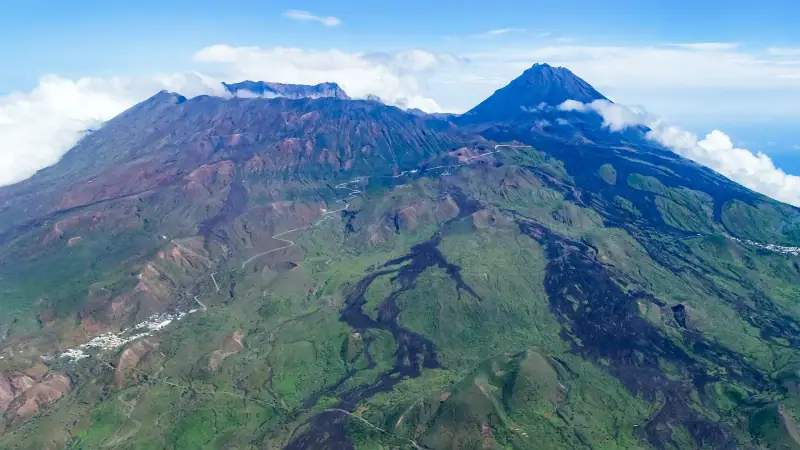
Fogo Island: complete 3-4 day itinerary (volcano, São Filipe, wine)
Detailed itinerary for 3 to 4 days on Fogo: Pico do Fogo climb, São Filipe, Chã das Caldeiras, volcanic wine and fishing villages.
7 days
Cape Verde in 7 days: the perfect week itinerary
Cape Verde in 7 days: day-by-day plans for a great week on Sal, Santiago or São Vicente, with a detailed schedule and practical tips.
Can be adapted in the planner
14 days
Island Hopping in Cape Verde: A Guide to Visiting Several Islands
SalSantiagoSão VicenteSanto Antão