What to see
Visit Boa Vista: Complete Guide to the Island of Dunes
We may earn a commission when you book through links on this page, at no extra cost to you. We don't visit or try the places we cover: we summarize published sources. How we work
In short
- Boa Vista is flat, windy and sandy: about 631 km² (244 sq mi) with long beaches, the Viana dunes and a 4x4 needed for the wild south and west coasts.
- Loggerhead turtles nest from June to October and hatch from August/September to December; go on guided night outings run by local organizations.
- Kitesurfing is best from November to June, with trade winds of 15 to 30 knots; Chaves beach is the beginner spot.
- Sal Rei is the base for local food, the market and a 5-day plan; the airport (BVC) is about 5 km (3 mi) away.
As the crow flies from the African coast, Boa Vista is the easternmost of the Cape Verde islands and, for many travelers, the most spectacular. The third-largest island in the country by area, it unrolls about 150 kilometers (93 mi) of coastline, including 50 to 80 kilometers (31 to 50 mi) of sandy beaches, a succession of empty beaches, golden dunes worthy of the Sahara and turquoise lagoons that look unreal. Less developed than Sal, more accessible than Santo Antão, Boa Vista holds a place of its own in the archipelago: that of a still-wild island where nature takes over as soon as you leave the small capital, Sal Rei.
Boa Vista in a nutshell
Boa Vista literally means “Beautiful View” in Portuguese, and the name is earned. The island is very flat, dominated by a sandy plain and a few volcanic hills in the northeast. Unlike its neighbors Santiago or Santo Antão, there are no dramatic mountains or tropical forest here: Boa Vista is an island of light, wind, sand and horizon.
Size and geography. The island covers about 631 km² (244 sq mi), with a population of barely 15,000, mostly concentrated in the main town, Sal Rei, in the northwest. The rest is nearly empty: a few fishing villages scattered around the edge, and an immensity of desert and beaches stretching to the ends of the island.
The wind. Like Sal, Boa Vista is swept by the North Atlantic trade winds, especially from November to June. This steady wind built the inland dunes, and it is what makes the island one of the best kitesurfing spots in the world. For travelers who want to relax, it also keeps the heat tempered.
The atmosphere. Despite several all-inclusive resorts around Sal Rei, Boa Vista has kept an authenticity that Sal has somewhat lost. Sal Rei is still a real village with its market, colorful lanes and local cafés. Head out to the wild beaches of the south or southwest and you quickly find total solitude.
The beaches of Boa Vista: an exceptional coastline
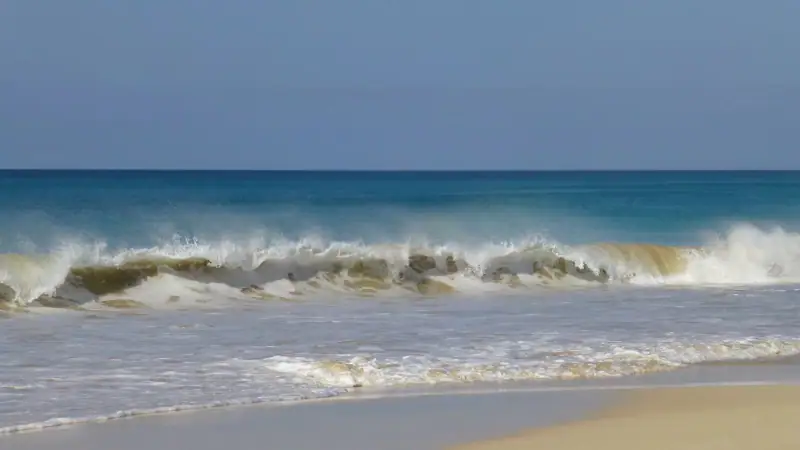
Boa Vista has probably the most impressive set of beaches in the entire Cape Verde archipelago. Kilometers of pale sand, clear water, and for the most part no construction at all along the shore. Here are the essentials.
Praia de Chaves
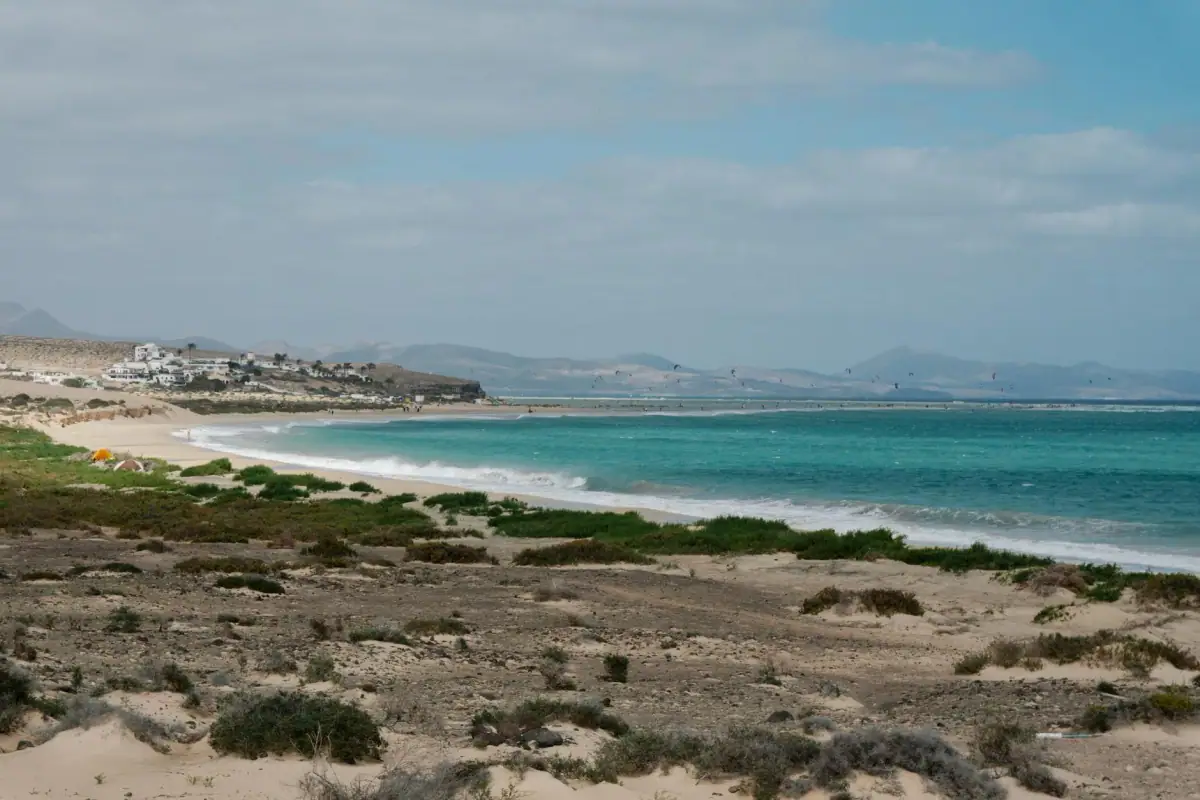
Considered the most beautiful beach reachable from Sal Rei, Praia de Chaves stretches about 6 kilometers (4 mi) north of the village, separated from the road by a series of dunes. The sand is fine and slightly golden, and the water is generally calm and turquoise on the lagoon side. It is the island’s classic family beach: a few umbrellas and loungers provided by neighboring hotels, shallow water over a long strip, an open view to the horizon.
The trade winds that blow steadily over Chaves also make it a favorite with beginner and intermediate kitesurfers, who can practice in less demanding conditions than at more exposed spots.
Getting there. The beach is about 12 km (7.5 mi) from Sal Rei. You can bike there in 45 to 60 minutes, drive in 20 to 25 minutes, or take a taxi for a few euros.
Praia de Santa Mônica
On the wild southwest coast, opposite Sal Rei, Praia de Santa Mônica is often cited as the most beautiful beach in Cape Verde, and one of the most beautiful in the Atlantic. Roughly 11 to 18 kilometers (7 to 11 mi) of pristine sand depending on the source, without a single building or a soul, with wind and waves in absolute command. The sand’s shades change with the light: pearly white in the morning, warm gold in the afternoon.
Warning. The beach has strong currents and violent waves. Swimming is discouraged or even dangerous in strong wind. The beach is made for walking, photographing and soaking in, not for swimming. Access requires a 4x4 or an organized excursion from Sal Rei (unpaved track, about 20 km / 12 mi, 45 minutes to 1 hour from the village depending on the state of the track).
Praia do Estoril and Praia de Ervatão
Praia do Estoril, a few minutes’ walk south of Sal Rei, is the village beach: lively, accessible, with tascas and fishermen. Ideal for soaking up local life and for spontaneous swims. The water is generally calm in the cove.
Praia de Ervatão, in the southeast of the island, is one of the preferred nesting beaches for loggerhead turtles. A protected natural site, reachable by excursion, where human presence is regulated to preserve nesting.
Praia de Varandinha and Ponta do Sol
Praia de Varandinha, on the island’s southwest coast, is among the most isolated and wildest. Popular with kitesurfers for its windy conditions, it is reachable only by 4x4 on an unpaved track.
Ponta do Sol is the opposite: it is Boa Vista’s northernmost cape, about 6 km (4 mi) north of Sal Rei. This rocky headland is a remarkable natural lookout: basalt cliffs plunge straight into the Atlantic, and the sunsets here are among the most dramatic on the island, visible from the northwest.
Car rental in Boa Vista
A 4x4 is essential to reach the island's wild beaches. Compare offers from the airport.
The dunes and the interior
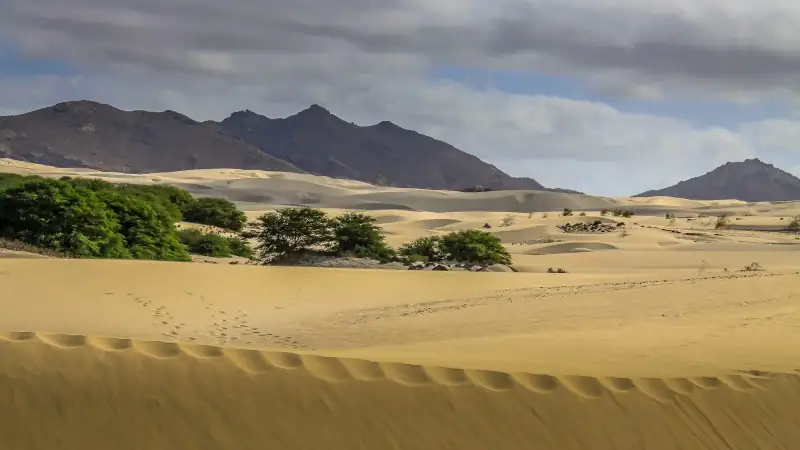
The interior of Boa Vista is one of its big surprises. Just a few kilometers from the beaches, the island turns into desert: red and ocher sand dunes, arid plains, abandoned villages, and late-day light reminiscent of the Sahara, whose winds carried part of this sand here.
The Viana dunes
The Viana Desert Dunes (or Deserto de Viana) are among the most spectacular landscapes in Cape Verde. Located about 6 kilometers (4 mi) east of Sal Rei, toward Rabil, these red-orange sand dunes extend over several square kilometers. You will find rolling formations, sharp crests and, when the wind is calm, absolute silence.
4x4 excursions from Sal Rei usually include a stop in the dunes, often late in the afternoon to enjoy the golden light. Camel rides are offered by some local operators in this area.
The abandoned village of Curral Velho
In the south of the island, the ghost village of Curral Velho is one of the strangest and most moving sites on Boa Vista. Once inhabited by fishermen and farmers, this ruined village was gradually abandoned during the 20th century, leaving behind roofless stone houses, an old church and an end-of-the-world atmosphere facing the Atlantic.
Access is only possible by 4x4 or on an organized excursion from Sal Rei, over a bumpy track along the sea.
Monte Estância
The island’s highest point, Monte Estância (about 387 meters / 1,270 ft above sea level), rises in the southeast part of Boa Vista. It is not a spectacular hike in itself, but the view from the top, in clear weather, reveals the vast extent of the island: desert on one side, ocean as far as the eye can see on the other.
Sea turtles: a unique natural treasure
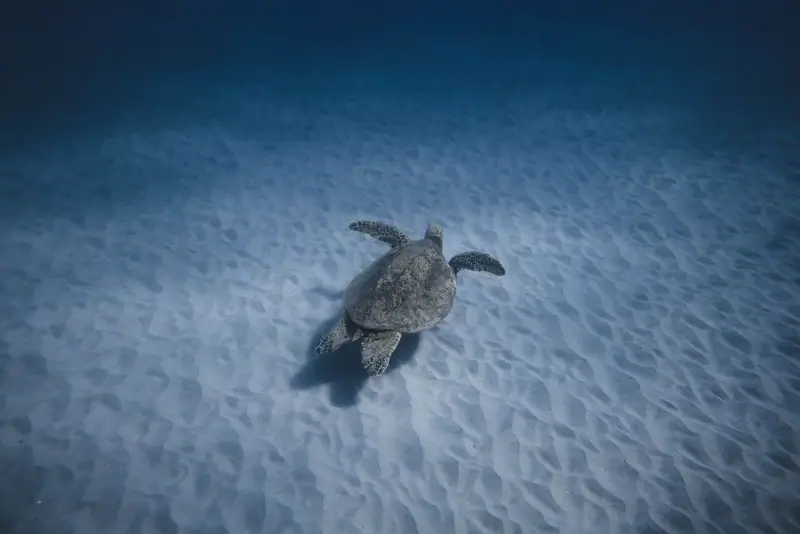
Boa Vista is one of the most important nesting sites for the loggerhead turtle (Caretta caretta) in the entire Atlantic. Every year, from June to October, hundreds of females come up the beaches at night to lay their eggs in the sand. From August/September to December, the baby turtles hatch and begin their perilous race to the sea.
How to watch the turtles
Turtle watching is strictly regulated to protect the animals. Several organizations operate on the island, notably Turtle Foundation (Fundação Tartaruga Cabo Verde) and BIOS CV, which run conservation programs and organize night visits with trained guides.
The rules are strict: no white light, no camera flash, a minimum distance kept, no noise. In return, the experience is unforgettable: watching an 80 to 120 kg (175 to 265 lb) turtle dig her nest and lay her eggs under a starry sky in Cape Verde is one of the most powerful natural experiences you can have in the archipelago.
Ideal period. July to October for egg-laying (full-moon nights are especially active), August/September to December for hatchings. Ask at your accommodation or contact the local organizations directly.
Excursions and activities on Boa Vista
Turtle watching, 4x4 safaris, boat trips and water activities in Boa Vista.
Kitesurfing, windsurfing and water activities
Boa Vista is known worldwide among kitesurfers and windsurfers. The reasons are simple: steady trade winds blowing between 15 and 30 knots (17 to 35 mph) from November to June, shallow water in some lagoons, and nearly constant sunshine.
Kitesurfing spots
Praia de Chaves is the most accessible and beginner-friendly spot, with steady conditions and a gradual entry into the water. Several kitesurfing schools have set up on the beach and offer lessons for all levels.
Praia de Varandinha and the south coast are more for experienced riders: conditions are more technical, waves are more present, and logistics require a vehicle.
Practical tips. If you come to Boa Vista mainly for kite or windsurfing, plan your trip between November and June. Gear rental and lessons are available there, but prices are not fixed, so compare several providers.
Diving and snorkeling
Boa Vista’s underwater world is little developed in terms of infrastructure, but holds nice surprises for divers. The clear waters of the west coast are home to rays, barracudas, sea turtles and moray eels. A few dive centers operate from Sal Rei and offer intro dives as well as guided outings for certified divers.
For snorkeling, the rocks north of Praia de Chaves and around the islets are the best spots reachable without special gear.
Sport fishing
Big-game fishing is a traditional activity in these waters. Boat outings can be arranged from the Sal Rei port, targeting marlin, tuna and bonito. One or two local guides offer these excursions in season.
Sal Rei: the island’s capital
Sal Rei is the living heart of Boa Vista. A small town of about 8,000 people, it holds most of the island’s shops, restaurants, lodging and social life. Its name, “King’s Salt” in Portuguese, recalls the time when salt extraction and trade were the island’s main economic activity.
The main square (Praça) is the center of gravity of the village: a paved space surrounded by a few shops, a café and the inevitable tascas, lively every evening when residents gather. This is where soccer matches are watched on a shared screen and endless conversations unfold at sunset.
The Sal Rei market is held several mornings a week and offers fruit, vegetables, fresh fish, crafts and everyday goods. A great immersion in authentic local life.
The port and the fortress. The small fishing port of Sal Rei is overlooked by the ruins of the Fortaleza do Duque de Bragança, a 19th-century Portuguese fortification, built in 1818, on an islet facing the shore. At low tide you can sometimes walk there; otherwise take a small boat for a visit of a few minutes. Magnificent view of the coast from the partially restored ramparts.
Sunsets from Sal Rei. Sal Rei’s west side, facing straight out to the Atlantic, offers spectacular sunsets from the waterfront. The golden hour, about 45 minutes before sunset, is the ideal time to post up on the harbor pier or on Estoril beach.
Food on Boa Vista
Food on Boa Vista is authentic Cape Verdean cooking, dominated by seafood and a few local dishes. The dining scene is modest compared to Mindelo or Praia, but good places exist.
What to eat:
- Cachupa: The Cape Verdean national stew, a mix of corn, beans and legumes, enriched depending on the version with smoked meat, fish or egg. The classic breakfast throughout Cape Verde.
- Grilled fish (peixe grelhado): The king of meals on Boa Vista. Tuna, grouper and snapper grilled over embers, served with milho (cornmeal), rice or potatoes. Always ask whether the fish is the catch of the day.
- Lobster (lagosta): Boa Vista is one of the islands where lobster is the most abundant and cheapest in Cape Verde. Order in advance at the harbor restaurants.
- Pastéis de bacalhau: These small, crispy, tasty fried codfish fritters are snacked on at any hour in local tascas.
- Grogue: Cape Verdean sugarcane spirit, often served mixed with lime and sugar (ponche).
Tip. Skip the all-inclusive buffets if you really want to discover local food. The tascas and small restaurants of Sal Rei serve full meals for 800 to 1,500 escudos (€7 to €14 / about $8 to $16), with a freshness and authenticity that buffets cannot match.
Where to stay in Boa Vista
Lodging on Boa Vista is split between the big all-inclusive resort complexes north of Sal Rei and the small guesthouses and apartments in the town itself. Both options have their advantages depending on your travel style.
Resorts and hotels
The big resort complexes (several of which operate on an all-inclusive basis) are grouped mainly north of Sal Rei, near the Chaves and Riu beaches. These properties offer pools, restaurants, bars, entertainment and direct beach access. In general, expect to pay €80 to €200 (about $93 to $230) a night depending on season and standard.
Guesthouses and residences in Sal Rei
For independent travelers, the guesthouses and residences in Sal Rei offer much better value and a closer look at local life. Options run between €25 and €60 (about $29 to $70) a night for a double room in a good-standard property. Downtown is within walking distance of all amenities.
Apartment rentals
Furnished apartments are available for short-term rental in Sal Rei and near the beaches. This is an excellent option for stays of more than a week or for groups.
Places to stay on Boa Vista
Compare hotels, resorts, guesthouses and apartments in Sal Rei and across the island of Boa Vista.
How to get to Boa Vista
By air
Aristides Pereira International Airport (IATA code: BVC) is located about 5 kilometers (3 mi) southeast of Sal Rei. It is the main gateway for international travelers. Direct flights operate from Lisbon, Amsterdam, London and several other European cities in high season, mainly with charter airlines (TUI, Condor) and some scheduled airlines (TAP, TAAG).
Outside the peak tourist season, direct flights can be scarcer: check connections via Lisbon or Praia.
From the other Cape Verde islands
TACV (Transportes Aéreos de Cabo Verde), back on domestic routes since early 2025, operates inter-island flights from Praia (Santiago) and Sal, along with occasional charter operators. Plan on 30 to 50 minutes of flying from Sal, about 1 hour from Praia. Note that Binter Cabo Verde, which became BestFly Cabo Verde, suspended all its operations in 2024 and no longer operates. Check domestic flight availability when you book.
Fast ferries also run between Sal and Boa Vista (about 3 to 4 hours depending on conditions), but frequency is irregular, so check recent schedules before planning a boat trip.
Getting around the island
Renting a car or 4x4 is the most flexible option for exploring Boa Vista. The wild beaches of the south and east (Santa Mônica, Varandinha, Curral Velho) are reachable only by 4x4 or on organized excursions. Several rental companies operate at the airport and in town.
Taxis: available in Sal Rei and at the airport for one-off trips. Agree on the price before getting in.
Bike or scooter: enough for the beaches near Sal Rei (Chaves, Estoril). Rental available in town.
4x4 excursions: many operators offer day safaris including the wild beaches, the Viana dunes, the village of Curral Velho and the main viewpoints.
Practical information
Currency. The Cape Verdean escudo (CVE) is the local currency. ATMs are available in Sal Rei, but it is wise to arrive with cash because outages are not rare. Most hotels and tourist restaurants accept bank cards, small tascas do not.
Language. Boa Vista Creole and Portuguese are the official languages. In the tourist sector, English is often spoken. A few words of Portuguese are always appreciated.
Safety. Boa Vista is a safe island for tourists. The usual precautions apply (do not leave valuables unattended on the beach), but the atmosphere is relaxed.
Water. Do not drink tap water. Bottled water is available everywhere.
Health. The Sal Rei medical center can handle minor emergencies. For a serious problem, a transfer to Praia or Europe is needed, so travel insurance with repatriation is strongly advised.
Time zone. Cape Verde is on UTC-1.
Electricity. Type C and F sockets (European round-pin plugs), 230 V / 50 Hz. Check that your devices accept 230 V and bring a plug adapter (see also our guide to electrical outlets in Cape Verde).
A 5-day itinerary idea for Boa Vista
Day 1: Arrival and Sal Rei
Settle in and get to know the village. Stroll along the waterfront, then watch the sunset from Estoril beach. Dinner at a local tasca with grilled fish and grogue.
Day 2: Chaves beach and kitesurfing
A day on Praia de Chaves: swimming in turquoise water, a kitesurfing lesson if you are into it, or watching the riders. Lunch with a view of the beach.
Day 3: 4x4 safari: dunes and wild beaches
4x4 excursion to the Viana dunes, the abandoned village of Curral Velho and Praia de Santa Mônica (southwest coast). Picnic in the dunes. Return to Sal Rei in late afternoon, stopping on the way at Ponta do Sol (the island’s northern cape, about 6 km / 4 mi from Sal Rei) for the sunset over the Atlantic.
Day 4: Sea turtles and diving
Morning: boat excursion or snorkeling on the west coast. Afternoon: prepare for the night turtle-watching outing (advance booking essential, June to December).
Day 5: Village, fortress and departure
Morning visit to the Sal Rei market, a trip to the port, a short boat excursion to the Fortaleza do Duque de Bragança. Final lunch with lobster, then departure.
To go deeper into your Cape Verde trip, see our comparison of Sal vs Boa Vista, our guide to the most beautiful beaches in Cape Verde and our complete guide to the archipelago.
Frequently asked questions
Boa Vista or Sal: which island should you choose?
Boa Vista is wilder and less developed than Sal, with longer beaches and a more authentic atmosphere. Sal suits travelers who want more activity and tourist infrastructure. If you like unspoiled nature, wide stretches of sand and serenity, Boa Vista is the better choice.
When is the best time to visit Boa Vista?
High season runs from November to June, with dry weather, sunshine and temperatures around 25 to 28 °C (77 to 82 °F). It is also the ideal time for sea turtles (egg-laying from June to October, hatchings from August/September to December). Kitesurfing is best from November to June thanks to steady trade winds. July to October is hotter and more humid, but less crowded.
Are Boa Vista's beaches dangerous for swimming?
Some Boa Vista beaches can have strong currents and big waves, especially Praia de Santa Mônica and Praia de Varandinha on the southwest coast. Praia de Chaves and Praia do Estoril, near Sal Rei, are calmer and suited to family swimming. Always ask locally before swimming at an isolated beach.
Can you see sea turtles on Boa Vista?
Yes, Boa Vista is one of the main nesting sites for the loggerhead turtle (Caretta caretta) in the Atlantic. Egg-laying takes place from June to October on the island's beaches, and hatchings happen from August/September to December. Local turtle protection organizations (such as Turtle Foundation and BIOS CV) run guided night outings to observe the phenomenon without disturbing the animals.
How do you get around Boa Vista?
Renting a car or a quad is the best way to explore the island freely, especially to reach remote beaches. Taxis are available in Sal Rei. For beaches near the village, a bike or scooter is enough. Note that some tracks to the wild beaches (Santa Mônica, Varandinha) require a 4x4.
Is Boa Vista suitable for families with children?
Yes, Boa Vista suits families well. The beaches near Sal Rei (Chaves, Estoril) have calm, shallow water ideal for children. The all-inclusive resorts have entertainment and pools. The island's relaxed pace and lack of heavy traffic reassure parents. Pack high-SPF sunscreen, as the sun is intense all year.
Do you need a visa to visit Boa Vista?
Boa Vista is part of Cape Verde, so Cape Verde's entry rules apply. They depend on your passport: check the official government site before you book.
More Cape Verde guides
Keep reading

Visiting Fogo Island: Complete Guide to Cape Verde's Volcano
Guide to visiting Fogo in Cape Verde: Pico do Fogo, Chã das Caldeiras, São Filipe, volcanic wine, hikes and practical information.
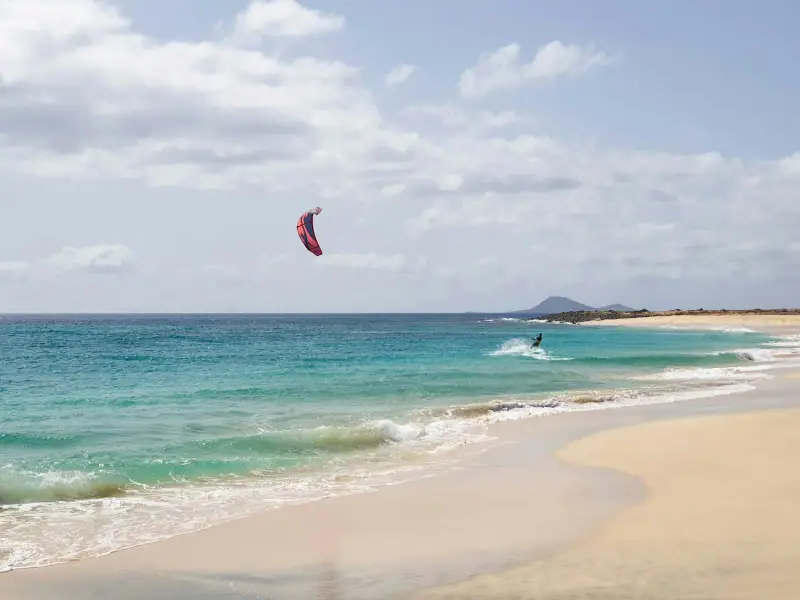
Visiting Sal Island: complete guide to the kitesurfing capital
Everything you need to visit Sal in Cape Verde: Santa Maria, Pedra de Lume, Buracona, beaches, kitesurfing, where to stay and how to get there.
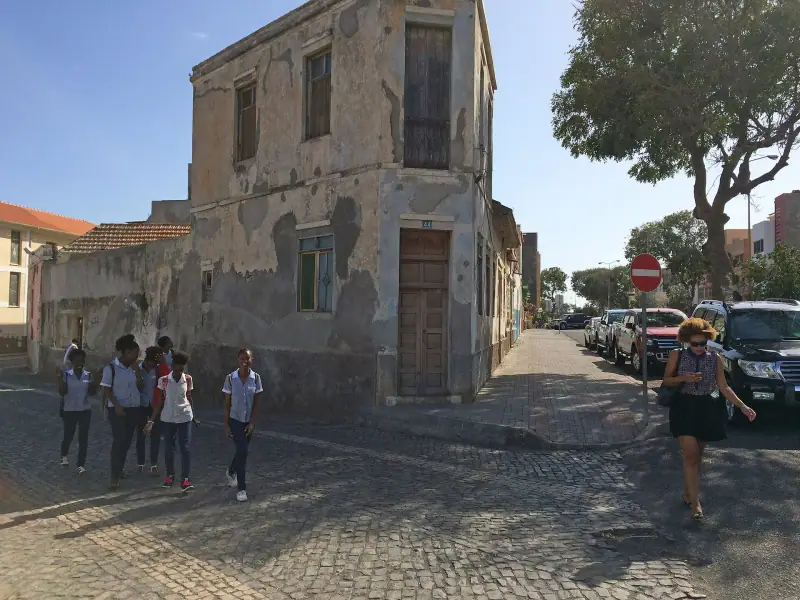
Visiting Praia: complete guide to Cape Verde's capital
Everything you need to visit Praia, the capital of Cape Verde: neighborhoods to explore, top sights, where to eat, where to stay and practical tips.
Ready-made
Cape Verde itineraries
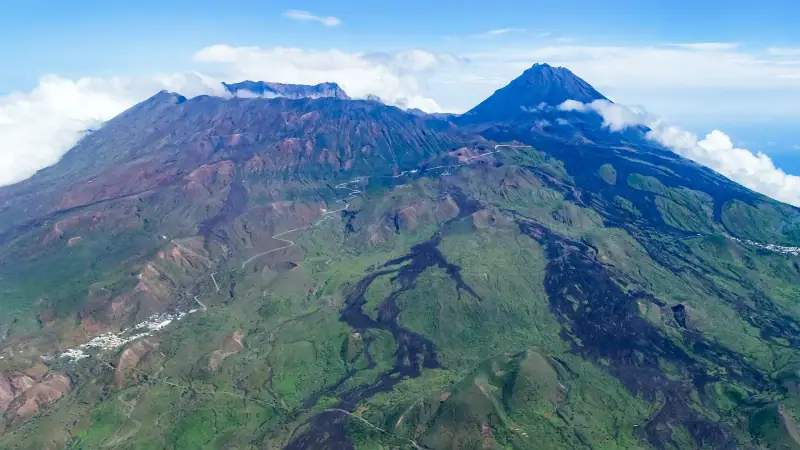
4 days
Fogo Island: complete 3-4 day itinerary (volcano, São Filipe, wine)
Detailed itinerary for 3 to 4 days on Fogo: Pico do Fogo climb, São Filipe, Chã das Caldeiras, volcanic wine and fishing villages.
7 days
Cape Verde in 7 days: the perfect week itinerary
Cape Verde in 7 days: day-by-day plans for a great week on Sal, Santiago or São Vicente, with a detailed schedule and practical tips.
Can be adapted in the planner
14 days
Island Hopping in Cape Verde: A Guide to Visiting Several Islands
SalSantiagoSão VicenteSanto Antão