What to see
Visiting Corralejo: Complete Guide to Fuerteventura's Beach Town
We may earn a commission when you book through links on this page, at no extra cost to you. We don't visit or try the places we cover: we summarize published sources. How we work
In short
- Corralejo sits at the north tip of Fuerteventura, about 40 minutes by rental car from the airport, with white dunes inside a natural park.
- Spring (March to May) and fall (September to November) are the best seasons: 22-26 °C (72-79 °F), fewer crowds.
- Lobos island is 15 minutes by boat and needs a free LobosPass permit booked before the crossing; Lanzarote is a 30-minute ferry.
- Budget runs about €60-80 (~$70-93) a day on a tight budget and €100-150 (~$116-175) mid-range; a rental car is needed to see the rest of the island.
Corralejo is where Fuerteventura shows its best side. At the island’s northern tip, this fishing village turned international resort has kept what matters: miles of white sand dunes protected as a natural park, translucent blue water worthy of the Caribbean, and a laid-back atmosphere that sets in within the first few hours.
Less than an hour from the airport, Corralejo is both an ideal base for exploring Fuerteventura and a destination in its own right. Surfing, kitesurfing, snorkeling, boat trips to Lobos island or Lanzarote, fresh fish dinners facing the ocean… Here is the complete guide to planning your stay in Corralejo.
Corralejo’s beaches: an exceptional coastline
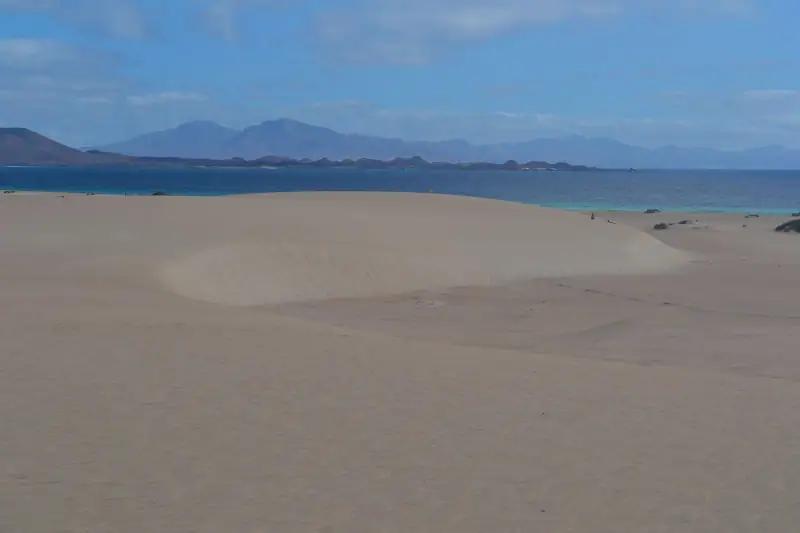
Corralejo’s main asset is without question its coastline. Stretching about 10 km (6 mi) to the south, the Corralejo Dunes Natural Park (Parque Natural de las Dunas de Corralejo) spreads out dunes of Saharan sand shaped by the trade winds.
Playa de la Bandera
Playa de la Bandera (also called the Corralejo beaches) is Fuerteventura’s postcard image. Tucked between ocher dunes and turquoise sea, this string of coves separated by small rocky points offers shallow water that is perfect for swimming. The sand is exceptionally white, carried from the Sahara by winds from the African continent.
Getting there: By car (roadside parking along the FV-1, plenty of spaces) or by bus (check the line and times locally). It is 5 km (3 mi) from the center of Corralejo.
Tip: Come early in the morning (before 10 am) or late in the afternoon (after 5 pm) to avoid the tour-bus crowds. The wind usually picks up in the afternoon, which is perfect for kitesurfing and less pleasant for sunbathing.
Playa del Moro (town beach)
A 1 km (0.6 mi) walk from the town center, Playa del Moro is the locals’ beach. Less photogenic than the big beaches of the natural park, it is still popular for its calm water, its facilities (showers, sun loungers) and its proximity to restaurants and bars.
Best for: families with young children and swimmers who want to stay close to amenities.
Playa de los Lobos (Lobos island)
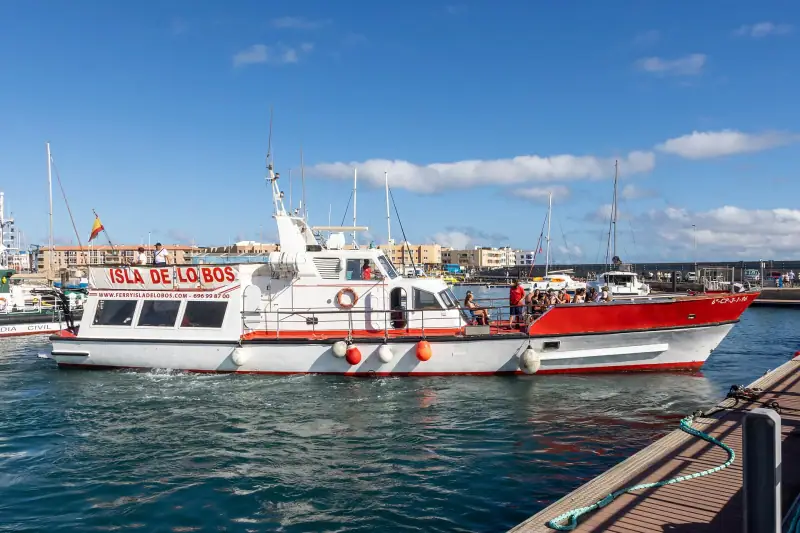
A 15-minute boat ride from Corralejo harbor, Lobos island has one of the best-preserved beaches in the whole archipelago. Playa de la Caleta is surrounded by a strict nature reserve: no cars, no restaurants, just crystal-clear water and a few dozen visitors a day (access is capped at 200 visitors at a time).
A free, named permit from the Cabildo of Fuerteventura is required. You request it online (LobosPass) before booking the crossing, for a morning slot (10 am to 2 pm) or an afternoon slot (2 pm to 6 pm). Book the boat crossing in advance, especially in high season.
Boat trip to Lobos island
Book your crossing to this protected natural paradise, often sold out in high season.
Water sports: Corralejo, kitesurfing capital
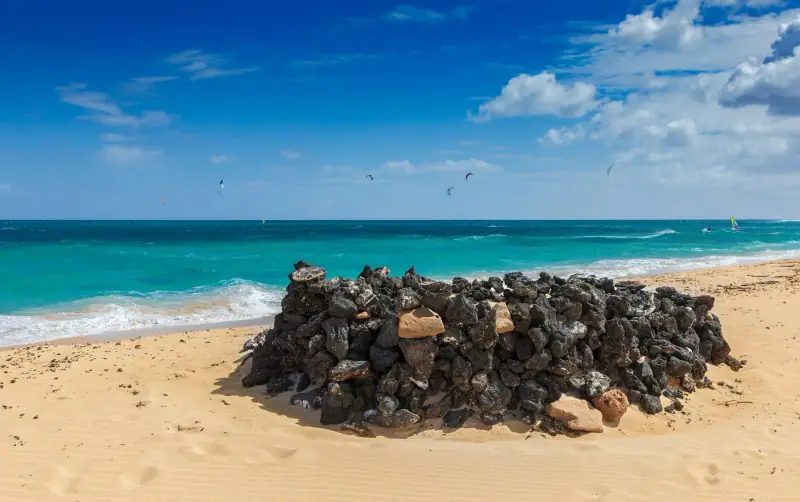
Fuerteventura is Europe’s capital of kitesurfing and windsurfing, and Corralejo is its beating heart. The trade winds blow steadily from May to October and create ideal conditions for board sports.
Kitesurfing and windsurfing
The Bandera beaches are the favorite spot for kitesurfers. Several schools offer lessons for all levels, from a first taster to advanced coaching.
Beginner level: 3 days of lessons (about €300, or ~$350) are enough to master the basics and ride on your own. The flat beach and shallow water are ideal for learning.
Advanced level: The spots at Lobos island and El Cotillo (about 21 km / 13 mi to the southwest) offer more technical conditions.
Recommended schools: Fuerteventura Kite School and Kite School Pro Center, both located on the Grandes Playas or close to the town center.
Surfing
Corralejo also has surf spots, less famous than those in the south of the island but good enough for beginners and intermediate surfers.
Glass Beach (north of the center) is ideal for learning, with soft waves and a sandy bottom. The Bandera spot can offer good waves during winter swells. Our guide to the best surf spots in the Canary Islands details the best options for your level.
Snorkeling and diving
The waters around Lobos island are home to remarkable marine life: stingrays, green turtles (frequent), octopuses and many species of tropical fish. Snorkeling there is exceptional.
Scuba diving trips leave from Corralejo with several clubs (expect €60-80, or ~$70-93, for a two-dive outing).
Central Corralejo: the old village feel
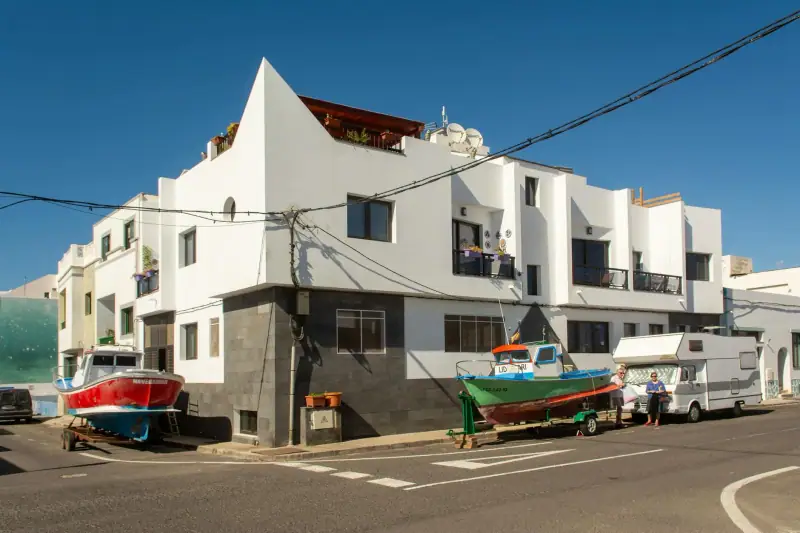
The historic center of Corralejo, what remains of the old fishing village, is concentrated around the fishing harbor and the main plaza. A few lanes with low houses and café terraces contrast with the newer resort complexes.
The harbor and the evening market
Corralejo’s harbor is the best place to feel the town’s authentic soul. Fishing boats sit next to pleasure boats and the ferries to Lobos and Lanzarote. In the evening, a craft market sets up along the promenade, with jewelry, beachwear, Canarian crafts and local products.
Market hours: Every evening in high season (April to October) from 6 pm.
Avenida Juan Carlos I
Corralejo’s main shopping street runs along the waterfront. You will find souvenir shops, tour agencies, fish restaurants and tapas bars. This is where the activity concentrates at the end of the day.
Nuestra Señora del Carmen church
Corralejo’s small white church, dedicated to Our Lady of Mount Carmel (patron saint of fishermen), is a remnant of the old village. Inside, sailors’ votive offerings and a simple décor reflect the town’s maritime history.
Car rental in Corralejo
Essential to explore Fuerteventura at your own pace: Cotillo, Betancuria, Jandía.
What to do from Corralejo: the best excursions
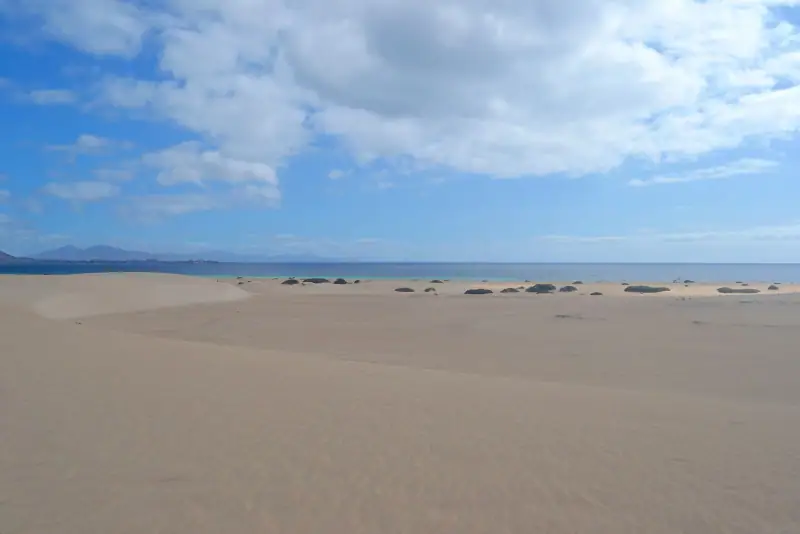
Corralejo is an ideal base for covering northern Fuerteventura and beyond.
El Cotillo and the northern lagoons
About 21 km (13 mi) west of Corralejo on the FV-10, the village of El Cotillo hides a secret few visitors know: a series of natural lagoons formed by lava reefs. The water is completely calm, sheltered from wind and waves, and perfect for swimming and snorkeling. There is no tourist infrastructure, just nature.
The village itself is authentic, with a few excellent fish restaurants and a historic watchtower.
Travel time: 20-22 minutes from Corralejo, on a scenic road along the dunes.
Lajares and the volcano road
The village of Lajares (20 minutes from Corralejo) is the heart of local crafts and alternative surf culture. The road between Corralejo and Lajares crosses a spectacular volcanic landscape: black lava fields, volcanic cones and free-roaming goats.
In Lajares, the Molino de Lajares (a restored traditional windmill) has a fine view over the central plains of Fuerteventura.
Ferry to Lanzarote
From Corralejo harbor, fast ferries reach Playa Blanca on Lanzarote in 30 minutes (Naviera Armas, Fred. Olsen). It makes a perfect day trip: visit the magnificent Timanfaya National Park, the Jameos del Agua caves or the La Geria vineyards.
Our article Lanzarote in 5 days gives you the best ideas for enjoying this volcanic neighbor.
Ferry price: about €40 (~$46) round trip per person with a vehicle. Book ahead in summer.
Lobos island for the day
Just 15 minutes by boat, Lobos is a break from the world. This reserve island of 4.5 km² (1.7 sq mi) is home to pairs of ospreys and the clearest water you may ever have seen.
A trail circles the island in 2-3 hours. Bring water and a picnic, as there is no restaurant. The last permanent home on the island was that of the Punta Martiño lighthouse keeper, until 1968; since then the island has been fully protected and uninhabited.
Food: where to eat in Corralejo
Corralejo has a varied food scene, from authentic tapas bars to seafood restaurants with ocean views.
The essentials
El Patio Canario: Traditional Canarian cooking with specialties such as papas arrugadas (wrinkled potatoes boiled in salt) with mojo verde or rojo, sancocho canario (stewed salt cod), queso de Fuerteventura (a protected-origin cheese) and gofio (toasted grain flour). Authentic setting, reasonable bill.
La Fragata: Waterfront, seafood specialties and fish of the day. The vieja (parrotfish), a typical Canarian fish, is served grilled on the brasa. Expect €25-35 (~$29-41) per person.
La Pared: One of the best addresses for quality tapas. Iberian ham, cheeses, pulpo a la gallega (octopus), gambas al ajillo: a selection of Spanish classics in a lively setting.
Tip: Avoid restaurants that display menu photos outside the door and cater only to tourists. Look for places where locals have lunch, usually on streets slightly back from the waterfront.
Morning coffee in Corralejo
Spanish café culture is alive in Corralejo. A café con leche (large coffee with milk) with a tostada con mantequilla y mermelada (toast with butter and jam) costs about €2.50-3 (~$3-3.50) in a local café, versus €7-10 (~$8-12) in a hotel. Look for bars with an Italian espresso machine behind the counter and customers reading local newspapers.
Activities and tours in Corralejo
Kitesurfing, diving, catamaran, dune excursions: all activities to book in advance.
Where to stay in Corralejo
Corralejo offers every type of lodging, from budget vacation apartments to upscale hotels facing the dunes.
Neighborhoods to stay in
Town center: Ideal if you come without a car, to enjoy village life, restaurants and the evening market. Apartments are more affordable here.
Grandes Playas waterfront: To wake up facing the dunes and turquoise sea, the all-inclusive hotels along the edge of the natural park are perfectly located. Expect €80-180 (~$93-210) a night depending on the category.
Villa or vacation rental: The favorite option for families and groups. Many villas with private pools are available on the outskirts, offering quiet and freedom. Best combined with a rental car.
Campgrounds: There is no official campground in Corralejo, but natural areas near the dunes allow discreet overnight camping (no fires, respect for the environment required).
Booking tips
Book at least 2-3 months ahead for February-March (Carnival), July-August and Christmas/New Year. In May, June, September and October, availability is better and prices are 20-30% lower.
See our guide to the best beaches in the Canary Islands to choose the beach that suits your travel style and target your lodging accordingly.
Hotels and apartments in Corralejo
From town-center apartments to hotels facing the dunes, find the best rate for your stay.
Suggested itinerary: 3 days in Corralejo
Day 1: Arrival and exploring the center
- Morning: Settle in, coffee at a local bar, first walk on Playa del Moro
- Afternoon: Visit the fishing harbor and old center, shopping on Avenida Juan Carlos I
- Evening: Seafood dinner facing the ocean, craft market at the harbor
Day 2: Grandes Playas and Lobos island
- Early morning: Leave for Lobos island (morning slot 10 am to 2 pm, LobosPass permit to get beforehand), snorkeling, walk around the island
- Back at 1 pm: Lunch in Corralejo
- Afternoon: Corralejo’s Grandes Playas, with swimming and sunset over the dunes
- Evening: Tapas and local atmosphere in the center
Day 3: On the road to El Cotillo and the north
- Morning: Drive to El Cotillo (30 minutes), swim in the natural lagoons
- Lunch: Restaurant in El Cotillo (grilled fish of the day)
- Afternoon: Stop in Lajares (crafts), scenic return across the volcanic plains
- Evening: Last night in Corralejo, farewell dinner at La Fragata
To go further and plan your whole stay on the island, see our Fuerteventura 5-day itinerary, which uses Corralejo as the main base.
Practical information
Getting there
By air: Fuerteventura airport (FUE) is served by flights from many European cities. Check flight options and durations with your airline or a flight search for your departure city.
From the airport: 40 minutes by rental car (recommended). Buses 3 then 6 via Puerto del Rosario: about 1 h 30.
Getting around
Central Corralejo is entirely walkable. For the natural park beaches (5-10 km / 3-6 mi), take the bus (check the line and times locally) or rent a bike. To explore the island, a rental car is essential.
Average budget
- Tight budget: €60-80 (~$70-93) a day (apartment, supermarkets, a few restaurants)
- Mid-range: €100-150 (~$115-175) a day (3-star hotel, lunch and dinner out, activities)
- Comfort: €200+ (~$230+) a day (oceanfront hotel, excursions, fine dining)
Our Canary Islands budget guide details the costs to expect for each type of trip.
Safety and health
Corralejo has no particular safety concerns. The main risks to know about:
Wind and sea: The trade wind can be deceptive. Even when the weather looks fine, the sea can be rough. Respect the swimming flags and never swim alone far from shore.
Sun: The UV index in the Canary Islands is high. High-protection sunscreen is essential, even on cloudy days.
Jellyfish: Present sporadically depending on currents. If in doubt, ask the lifeguards.
Corralejo in a nutshell
Corralejo is the essence of Fuerteventura distilled into one town: breathtaking beaches, a natural park within walking distance, a sea ideal for every water sport, and an atmosphere that blends Spanish friendliness with Atlantic cosmopolitanism. Neither too touristy nor too secluded, the town has found a rare balance.
Whether you come for a week of kitesurfing, a family trip with children or a romantic getaway facing the dunes, Corralejo has plenty to offer, and will very likely make you want to come back.
Frequently asked questions
Is Corralejo worth a visit?
Yes. Corralejo is one of the best addresses in the Canary Islands for beach and water-sports fans. Its white-sand dunes, turquoise water and relaxed atmosphere make it a good fit for every budget.
What is the best time to visit Corralejo?
Corralejo is pleasant all year thanks to Fuerteventura's climate. Spring (March to May) and fall (September to November) are best: moderate heat (22-26 °C / 72-79 °F), fewer people and comfortable sea temperatures. Summer can be hot and windy (trade winds), and winter is mild but windier.
How do you get from Fuerteventura airport to Corralejo?
From Fuerteventura airport (Puerto del Rosario), plan on 40 minutes by rental car (A-2 north). There is no direct bus: take bus 3 to Puerto del Rosario, then bus 6 to Corralejo (about 1 h 30 in total; check times with the operator). A taxi costs about €50-60 (~$58-70).
Can you get by without a car in Corralejo?
For central Corralejo and its nearby beaches, yes. To explore the rest of Fuerteventura (Cotillo, Jandía, Betancuria), a rental car is essential. It is also useful for the Bandera beaches inside the natural park.
Are there day trips from Corralejo?
Yes. Corralejo is the departure point for the ferry to Lobos island (15 minutes, a natural paradise) and to Lanzarote (Playa Blanca, 30 minutes). Catamaran trips, 4x4 tours in the dunes and jet ski outings leave from the port every day.
Is Corralejo good for families with children?
Absolutely. The calm lagoon waters and sheltered beaches are ideal for young children. The craft market, family restaurants and relaxed atmosphere make the town very family friendly.
More Canary Islands guides
Keep reading
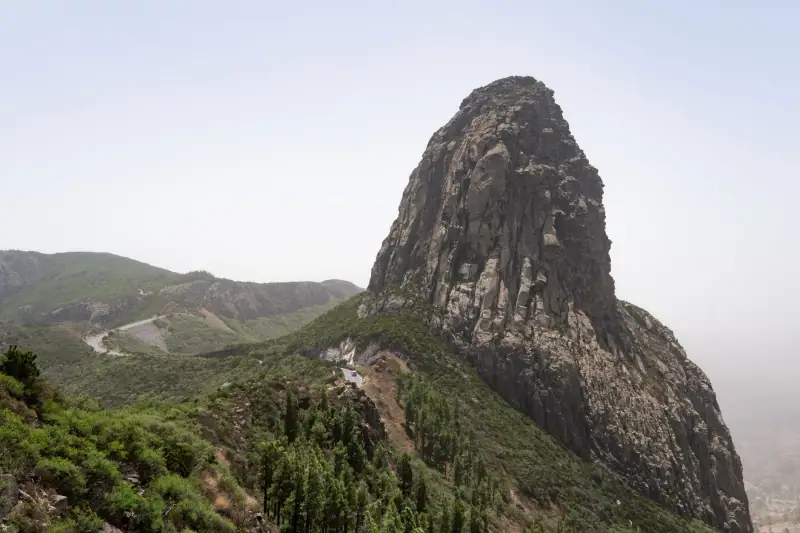
La Gomera: a complete guide to the island of forests and whistled language
La Gomera travel guide: Garajonay, El Silbo, Valle Gran Rey, hiking and food. Everything you need to visit the quietest of the Canary Islands.
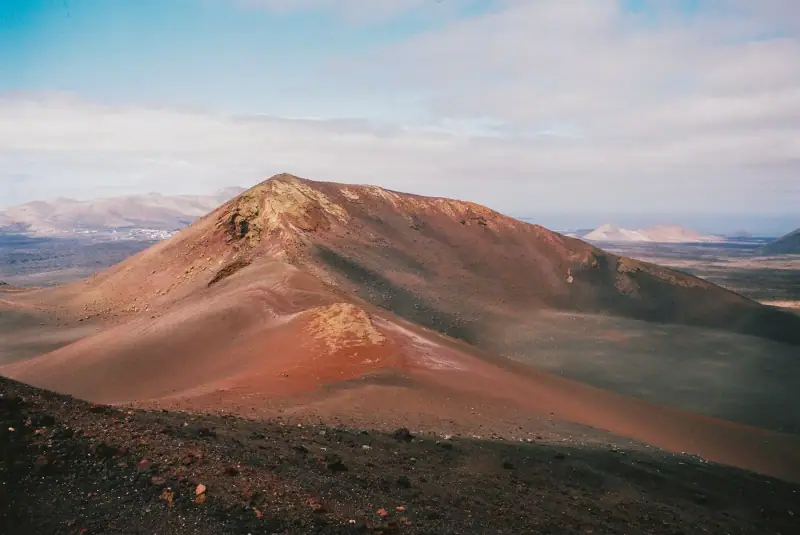
Lanzarote: a complete guide to the Canary Islands' volcanic island
Lanzarote guide: Timanfaya, César Manrique, Jameos del Agua, La Geria and Papagayo beaches. Everything you need to plan your trip to the volcanic island.
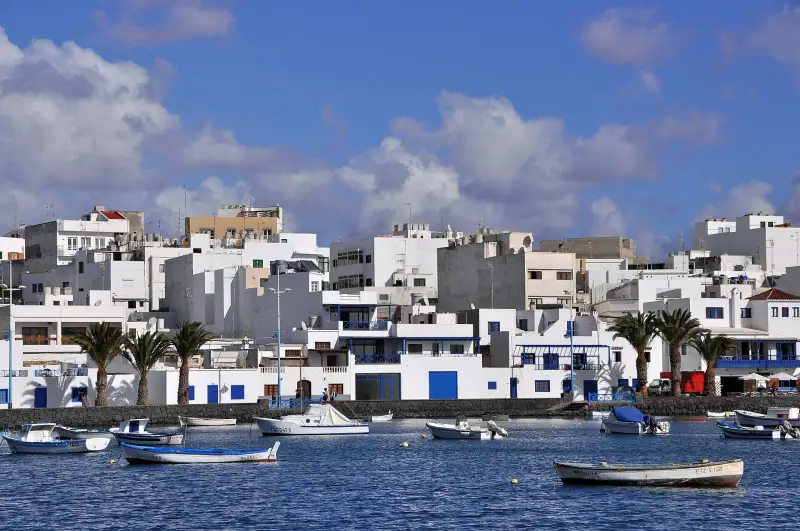
Visiting Arrecife: A Complete Guide to Lanzarote's Capital
Arrecife, capital of Lanzarote: Charco de San Ginés, historic castles, Reducto beach and the César Manrique museum. A complete guide to visiting the city.
Ready-made
Canary Islands itineraries
5 days
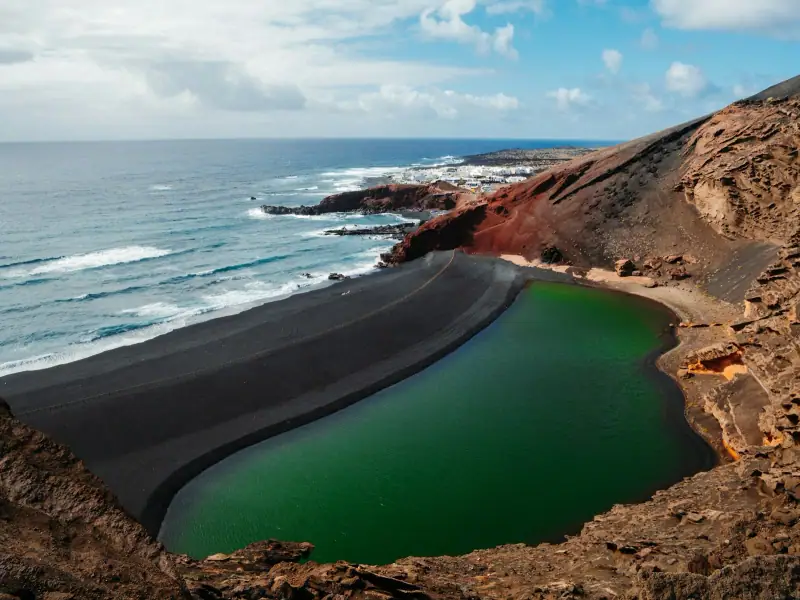
Lanzarote in 5 Days: A Complete Itinerary for the Volcanic Island
5-day Lanzarote itinerary: Timanfaya, Jameos del Agua, Playa Papagayo, César Manrique. A day-by-day plan to make the most of the volcanic island.
Can be adapted in the planner
Island Hopping in the Canary Islands: Visiting Several Islands in One Trip
Island hopping in the Canary Islands: ferries, flights, multi-island itineraries and tips to combine Tenerife, Gran Canaria, Lanzarote and Fuerteventura.
5 days
Tenerife in 5 Days Without a Car: A Realistic Bus and Tram Itinerary
Puerto de la CruzLos Cristianos