Itineraries
Fuerteventura in 5 Days: A Complete Itinerary to Discover the Island
We may earn a commission when you book through links on this page, at no extra cost to you. We don't visit or try the places we cover: we summarize published sources. How we work
Day by day
- Day 1Arrival, Grandes Playas de Corralejo, Corralejo harbor
- Day 2Boat to Isla de Lobos, El Cotillo
- Day 3Betancuria, Antigua, Montaña de Tindaya
- Day 4Pico de la Zarza hike and Cofete beach
- Day 5Playa de Sotavento, Morro Jable, departure
Where to sleep
- Corralejo2 nights
- Morro Jable2 nights
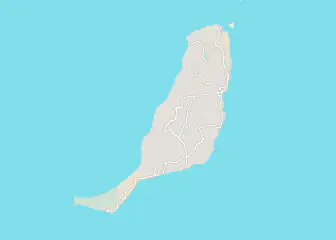
Opens the trip planner with these stops and nights already filled in. Add a stop, drop one or change the nights.
In short
- Five days covers Corralejo in the north, the inland villages (Betancuria, Antigua) and the Jandía peninsula in the south with Cofete and Sotavento.
- A rental car is essential beyond the resorts. Stay 2 to 3 nights in Corralejo, then the last 2 nights in Morro Jable.
- Isla de Lobos admits 400 visitors a day and needs a free permit: book the permit and your boat ticket in advance.
- The airport is about 1 h 10 to 1 h 15 by car (84 km / 52 mi) from Morro Jable, so plan your last day around your flight.
Fuerteventura is the second largest of the Canary Islands and one of the most authentic beach destinations in Europe. Its white sand beaches stretch for miles, its dunes look like a Saharan desert (the Sahara is only 100 km / 62 mi away), and its constant wind makes it a world capital of windsurfing and kitesurfing. In 5 days you can explore the lively north, the white villages of the interior, the wild Jandía peninsula and some of the most beautiful beaches in Spain.
This day-by-day guide is designed for travelers who want to combine beaches, cultural discovery and water sports, without spending the whole trip in a resort.
Before you go: practical information
How to get to Fuerteventura
The island’s airport is in Puerto del Rosario. Routes and airlines depend on your departure city, so check what is available from where you are flying. The crossing from Lanzarote is possible by ferry (Fred. Olsen or Naviera Armas: about 25 to 35 minutes, several departures a day), which is ideal if you combine the two islands.
Car rental: essential
Unlike Tenerife or Gran Canaria, where public transport lets you reach quite a few places, Fuerteventura requires a car to explore beyond the resorts. Book ahead, especially in high season: rates are much lower online than at the airport counter.
Car rental in Fuerteventura
Compare the offers at Puerto del Rosario airport and check the cancellation terms before you book.
Accommodation: where to stay in Fuerteventura
The island has three main areas to stay:
- Corralejo (north): ideal for surfers and for nightlife and small restaurants. Relaxed atmosphere, younger and more cosmopolitan.
- Costa Calma / Pájara (center-east): in between, handy for getting around the whole island. Quiet and less touristy.
- Morro Jable / Jandía (south): calm water, big beaches, many resorts. Ideal for families.
For this itinerary, we suggest staying in Corralejo for the first 2 to 3 nights and in Morro Jable for the last 2 nights, so you don’t drive the same roads in reverse.
Day 1: Arrival and a first beach in Corralejo
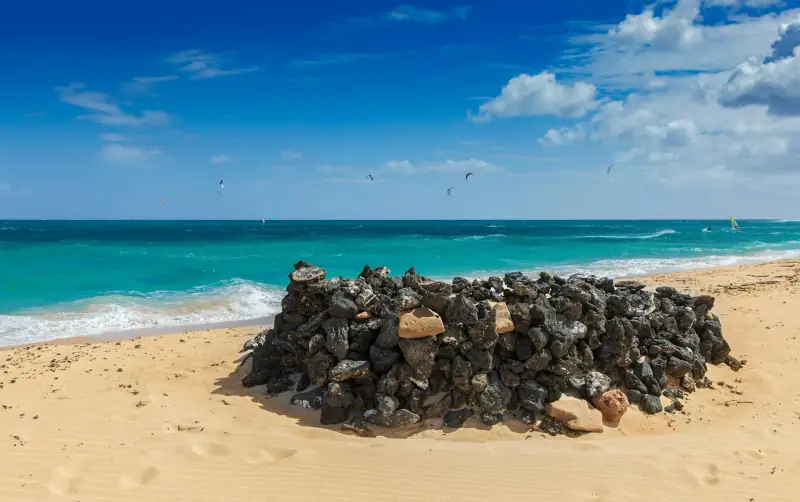
Your plane lands at Puerto del Rosario airport, right in the middle of the island. Pick up your rental car and head to Corralejo, about 28 minutes by car to the north (32 km / 20 mi). It is Fuerteventura’s liveliest town, with a picturesque harbor, a variety of restaurants and is an excellent base for exploring the north.
Afternoon: the Grandes Playas de Corralejo
Only 10 minutes south of Corralejo are the Grandes Playas de Corralejo, in the natural park of the same name. The park protects 11 km (7 mi) of golden sand beaches lined with black volcanic dunes, a striking contrast. The water is turquoise, the bottom sandy, and the waves gentle for swimming.
Tips for the first day:
- Pick a beach in the south of the park to get away from the crowds (the first beaches from Corralejo are the busiest)
- Bring SPF 50 sunscreen at minimum: the wind hides the effect of UV rays
- Watch out for currents in areas marked “peligro” (danger); swim in the permitted zones
Evening: Corralejo harbor
Stroll through the center of Corralejo and explore the harbor. Ferries leave from here for Lanzarote and for the islet of Lobos. The pedestrian streets are full of restaurants serving papas arrugadas (wrinkled potatoes) with mojo verde or mojo rojo, the signature dish of the Canary Islands.
Day 2: Corralejo natural park and El Cotillo
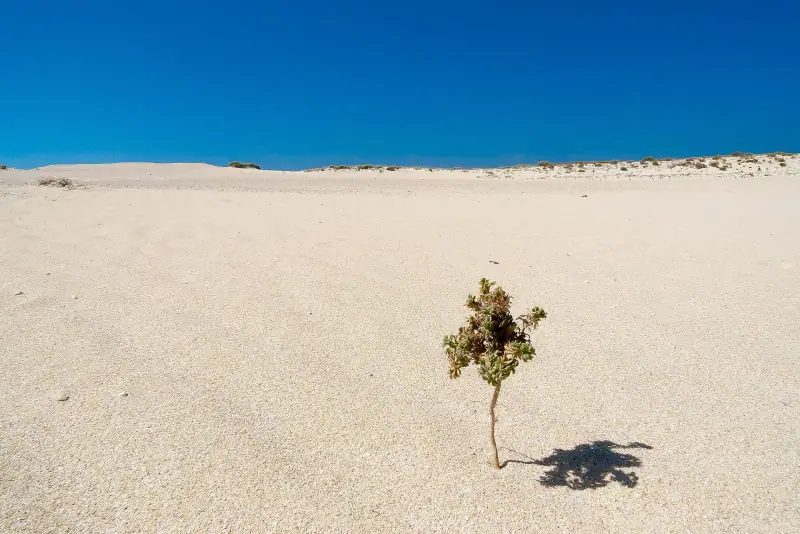
This second day is devoted entirely to the north of the island, which has some of Fuerteventura’s most spectacular scenery.
Morning: excursion to the islet of Lobos
From Corralejo harbor, a boat shuttle (20 minutes each way) takes you to Isla de Lobos, an uninhabited, protected islet classified as a nature reserve. Access is limited to 400 people a day (two slots of 200) and requires a free permit, to be requested on the Fuerteventura Cabildo website. Book your permit and your ticket in advance. The crystal-clear waters around the islet are ideal for snorkeling.
After 2 to 3 hours on Lobos, return to Corralejo for lunch.
Afternoon: El Cotillo, the fishing village
Head west on the FV-10 road to the small village of El Cotillo. This authentic fishing village is the most photographed spot in northern Fuerteventura, with its El Toston tower (an 18th-century fort) and natural pools formed by lava.
The beaches of El Cotillo:
- Las Conchas (north of the village): dozens of small coves sheltered by rocks, ideal for families and snorkeling
- Playa de la Barca (south): the classic surf and windsurf spot, reserved for experienced swimmers because of the waves
Finish with a drink at one of the small seaside bars while watching the sunset over the Atlantic. El Cotillo is one of the best places on the island for it.
Day 3: Betancuria and the island’s interior
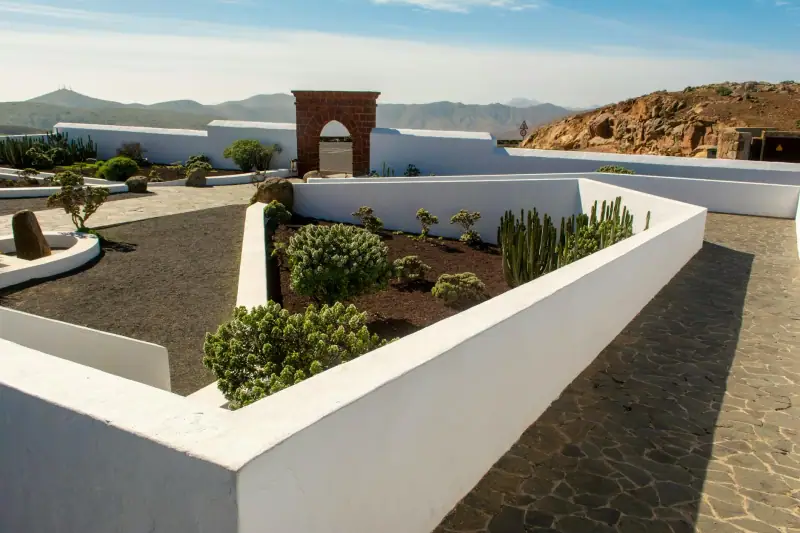
Most tourists stay glued to the beaches and miss the interior of Fuerteventura. That is a mistake: the ocher valleys, white villages and desert landscapes have a fascinating raw beauty.
Morning: Betancuria, the former capital
Betancuria is the most historic village in the Canary Islands. Founded in the 15th century by the conquistador Jean de Béthencourt, it was the first capital of the archipelago. Nestled in a valley shielded from pirates by the mountains, it has kept its medieval character.
What to see in Betancuria:
- Cathedral of Santa María de Betancuria (15th century): modest but full of history, one of the oldest in the Canary Islands
- Archaeological museum: collections on Guanche culture (the pre-colonial inhabitants)
- Arco de las Peñitas: a spectacular gorge 5 minutes by car from the village
Wander the white lanes, step into one of the local craft shops and order a café canario at one of the village’s two small bars.
Lunch: Antigua
Back on the main road, stop at Antigua, one of the island’s prettiest villages. Its restored windmill (Molino de Antigua) houses a crafts center with shops selling local products. Restaurante Era de la Corte serves hearty Canarian specialties at reasonable prices.
Hotels in Fuerteventura
From charming village rooms to beachfront resorts, find the right place to stay.
Afternoon: Montaña de Tindaya
In the northwest of the island, in the municipality of La Oliva, Montaña de Tindaya is a sacred site for the ancient Guanches. The tabletop mountain of phonolite rock holds rock engravings of footprints (podomorphs) dating back several millennia. Access to the summit is regulated and requires a permit from the Canarian government, but the base of the mountain can be visited freely and the view is worth the stop.
Late in the afternoon, head down to Morro Jable or Costa Calma to spend your last two nights there. It is the best starting point for exploring Jandía.
Day 4: The Jandía peninsula and Cofete beach
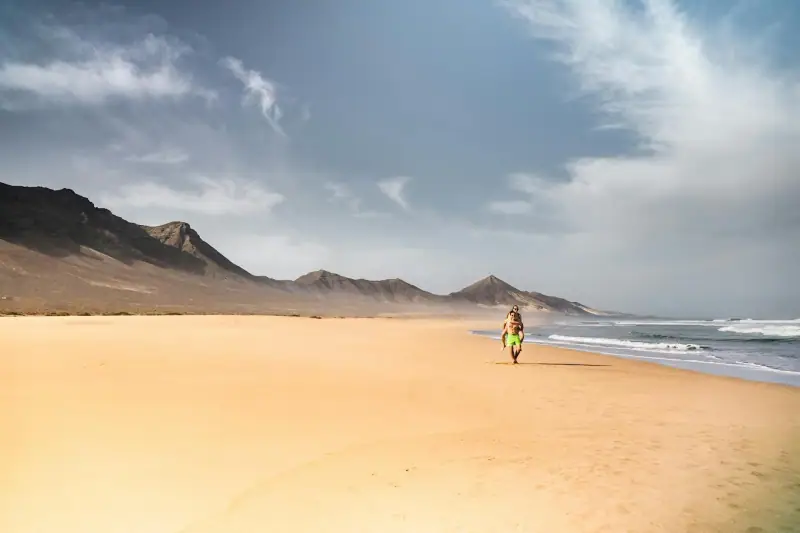
This is the day most travelers cite as the highlight of their stay in Fuerteventura. The Jandía peninsula takes up the whole south of the island and has its wildest landscapes.
Morning: climbing Pico de la Zarza
Get up early to climb Pico de la Zarza, the highest point of Fuerteventura at 807 m (2,648 ft). The hiking trail (about 13 to 14 km / 8 to 8.5 mi round trip) crosses heaths of endemic shrubs and offers spectacular panoramic views:
- The east side: Sotavento beach and its kiteboarding lagoon
- The west side: Cofete beach and the Atlantic as far as the eye can see
Practical information:
- Start: parking lot at the edge of the Jandía golf course, near Morro Jable (reachable by car)
- Duration: 4 to 5 hours round trip depending on your pace
- Difficulty: moderate (600 m / 1,970 ft of elevation gain)
- Take plenty of water and start before 9 am to avoid the heat
Cofete beach: the wildest beach in the Canary Islands
After the hike, head down to Playa de Cofete. Reachable only by a dirt track (8 km / 5 mi from the hamlet of Cofete, passable in a regular car but slowly), this beach remains one of the best preserved and least visited in the Canary Islands.
The beach stretches 12 kilometers (7.5 mi) without a break, with the Jandía mountains behind it. The water is cold (Atlantic current) and swimming is not recommended along most of the beach because of the currents. But the raw beauty of the place is incomparable, and it is here that you will understand why Fuerteventura is nicknamed “the island of wind and sand”.
Worth noting: the mysterious villa in the middle of the beach is Villa Winter, the former home of a German engineer surrounded by many legends (Nazi base, submarine refuge…). Several books and documentaries have been devoted to it.
Tours and activities in Fuerteventura
Surf lessons, kitesurfing, diving, a trip to the islet of Lobos: book your activities in advance.
Day 5: Sotavento and departure
Your last day is devoted to the east coast of Jandía, which is calmer and better suited to swimming.
Morning: Playa de Sotavento
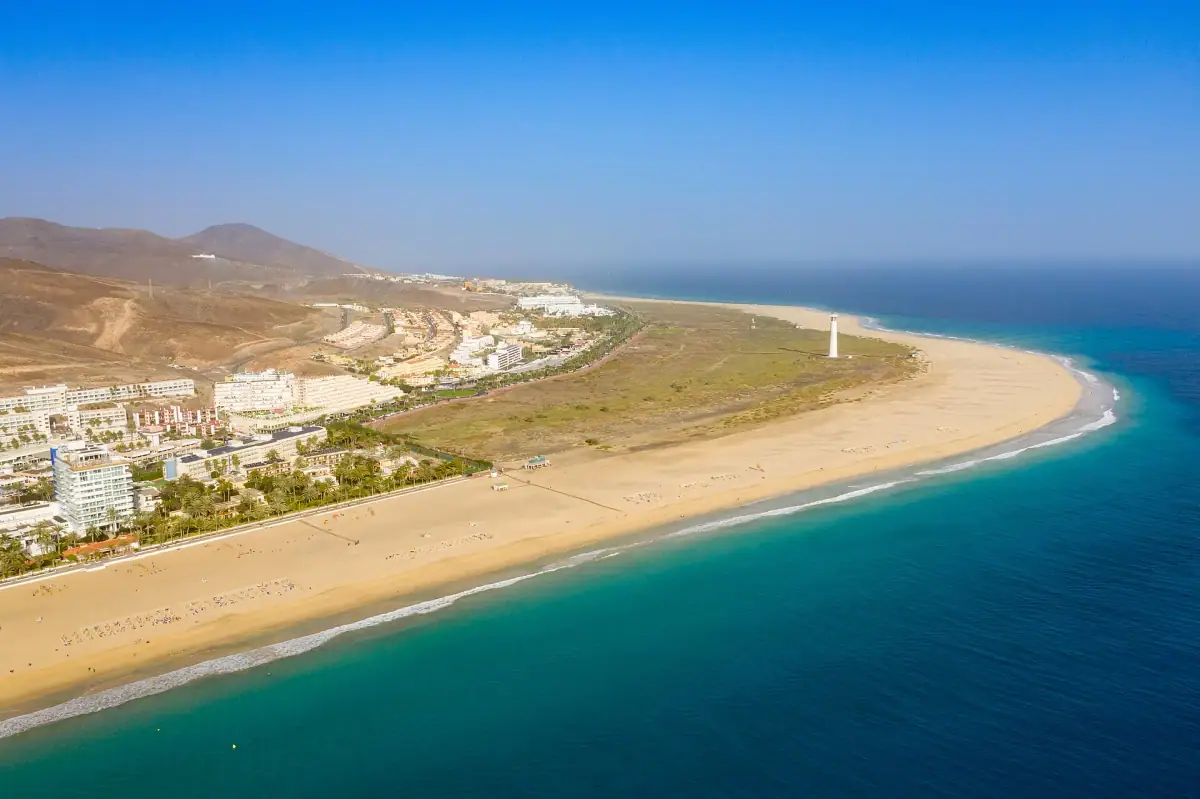
Playa de Sotavento is probably the most iconic beach in Fuerteventura. Every year in July it hosts the Windsurf & Kitesurf World Championship, one of the most important competitions in the world in these disciplines.
The beach owes its reputation to its unique natural layout: a long strip of white sand that, depending on the tide, forms a turquoise lagoon sheltered from the wind. At low tide, the lagoon extends for several hundred meters, and the photos are spectacular.
What to do at Sotavento:
- Swim in the lagoon (calm water, perfect for children)
- Try kitesurfing or windsurfing with the local schools
- Take a long walk on the sand
- Watch the competitors (in season)
Lunch in Morro Jable
The village of Morro Jable, at the tip of the peninsula, is livelier than Cofete but keeps an authentic charm. The old fishermen’s port (pescadores) contrasts with the big neighboring hotels. Try the fresh fish of the day at one of the seafront restaurants.
Afternoon and departure
Depending on your flight time, you can:
- Take one last swim at Playa de la Cebada (translucent water, great for snorkeling)
- Visit Las Playitas, a small, authentic and little-visited fishing village
- Shop for souvenirs in Gran Tarajal (the island’s third-largest town)
The airport is about 1 h 10 to 1 h 15 by car from Morro Jable (84 km / 52 mi). Plan to be at the airport 2 hours before a domestic flight and 2 h 30 before an international one.
Practical tips for Fuerteventura
Average daily budget
| Category | Budget | Comfort | Premium |
|---|---|---|---|
| Lodging | €50-80/night (~$58-93) | €90-150/night (~$105-175) | €180-300/night (~$210-350) |
| Meals | €20-30/day (~$23-35) | €35-55/day (~$41-64) | €60-100/day (~$70-115) |
| Activities | €20-30/day (~$23-35) | €40-70/day (~$46-81) | €80-150/day (~$93-175) |
| Transport (car) | €25-35/day (~$29-41) | €35-50/day (~$41-58) | €50-80/day (~$58-93) |
The wind: friend or foe?
The wind is everywhere in Fuerteventura, and it is what makes the island the capital of windsurfing and kitesurfing. In practice:
- The east coast (Sotavento, Caleta de Fuste, Corralejo) is sheltered from the wind (the lee side), so swimming is more pleasant
- The west coast (El Cotillo, Cofete) gets the wind head-on, with a stronger swell that suits surfing
- The windiest months are July and August (northeast trade winds)
- Pack layers for the evening: the wind cools the evenings even in summer
Local food to try
- Papas arrugadas con mojo: the national dish of the Canary Islands, served everywhere
- Gofio: roasted corn or wheat flour, the base of many traditional dishes
- Queso majorero: Fuerteventura goat cheese, PDO, the best known in the Canary Islands
- Caldo de pescado: thick fish soup, typical of fishing villages
- Bienmesabe: a dessert made with almonds and honey, of Mallorcan origin and adapted to the Canary Islands
Safety tips
- Never underestimate the wind and waves: some beaches look calm but the currents can be strong
- Sunscreen and hydration: wind plus sun dries out the skin quickly
- Dirt tracks: check that your rental insurance covers unpaved roads before heading to Cofete
- Book ahead: the islet of Lobos, surf lessons and the best tables should be reserved in advance in high season
Fuerteventura is an island you have to earn: you need to go beyond the resorts to find its raw beauty. This 5-day program takes you to the wildest beaches, the most authentic villages and the most legendary water sports spots in the archipelago. To combine several islands in one trip, see our guide to island hopping in the Canary Islands. And if you want to know when to go for the best conditions, our article on the best time to visit the Canary Islands will help you plan. Finally, if surfing at El Cotillo tempted you, discover all the spots in our surfing in the Canary Islands guide.
Frequently asked questions
How many days do you need to visit Fuerteventura?
5 to 7 days is ideal. In 5 well-organized days you can see Corralejo in the north, the inland villages and the Jandía peninsula in the south without rushing. A week lets you explore more hidden beaches and small villages.
Do you need a car in Fuerteventura?
Yes, a car is essential to see the island beyond the resorts. The TIADHE bus network links the main towns but with few departures. For remote beaches like Cofete or the inland villages, you can't do without one.
What is the best time to go to Fuerteventura?
Fuerteventura is a good destination 12 months a year. March to June and September to November offer the best balance: fewer tourists, mild temperatures (22-26 °C / 72-79 °F) and moderate wind. July and August are the busiest. December to February is best for surfing (stronger swell).
What are the best beaches in Fuerteventura?
The essentials are Playa de Sotavento (the famous kiteboarding lagoon), Playa de Cofete (wild and unspoiled), Playa de la Barca in El Cotillo (surf), Grandes Playas de Corralejo (natural park) and Playa de Morro Jable (calm water in the south).
Can you hike in Fuerteventura?
Yes, although the terrain is less dramatic than in Tenerife. The climb to Pico de la Zarza (807 m / 2,648 ft, the island's highest point) with views of Cofete, the trails of Corralejo natural park, and the base of Montaña de Tindaya (a sacred site of the island's first inhabitants; access to the summit is regulated and requires a permit) are the most interesting hikes.
Fuerteventura or Lanzarote: which one should you choose?
Fuerteventura is a paradise for beaches, surfing and kiteboarding, with white sand beaches among the longest in Europe. Lanzarote offers unique volcanic architecture and a stronger cultural side (Manrique, museums). For a pure beach vacation, choose Fuerteventura. For a more cultural and scenic trip, choose Lanzarote.
More Canary Islands guides
Keep reading
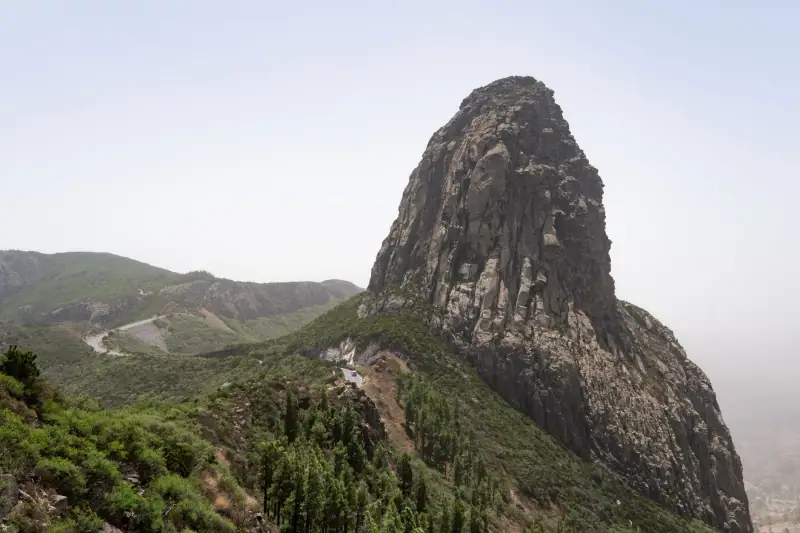
La Gomera: a complete guide to the island of forests and whistled language
La Gomera travel guide: Garajonay, El Silbo, Valle Gran Rey, hiking and food. Everything you need to visit the quietest of the Canary Islands.
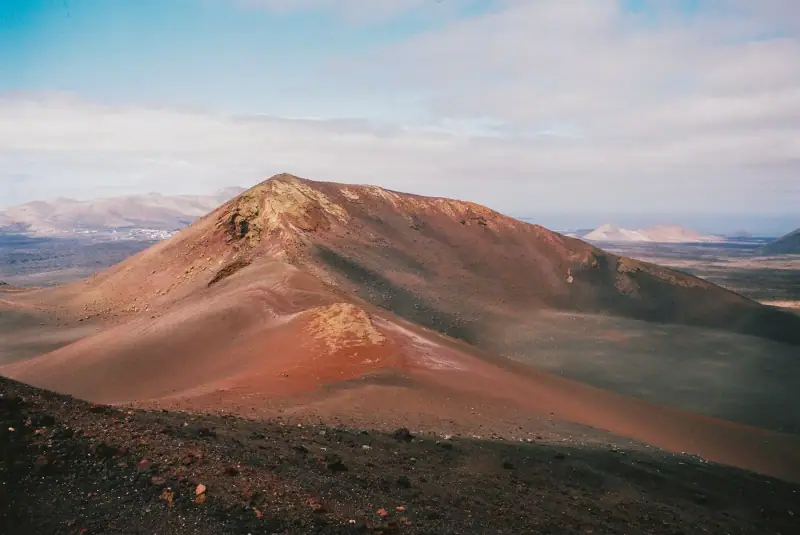
Lanzarote: a complete guide to the Canary Islands' volcanic island
Lanzarote guide: Timanfaya, César Manrique, Jameos del Agua, La Geria and Papagayo beaches. Everything you need to plan your trip to the volcanic island.
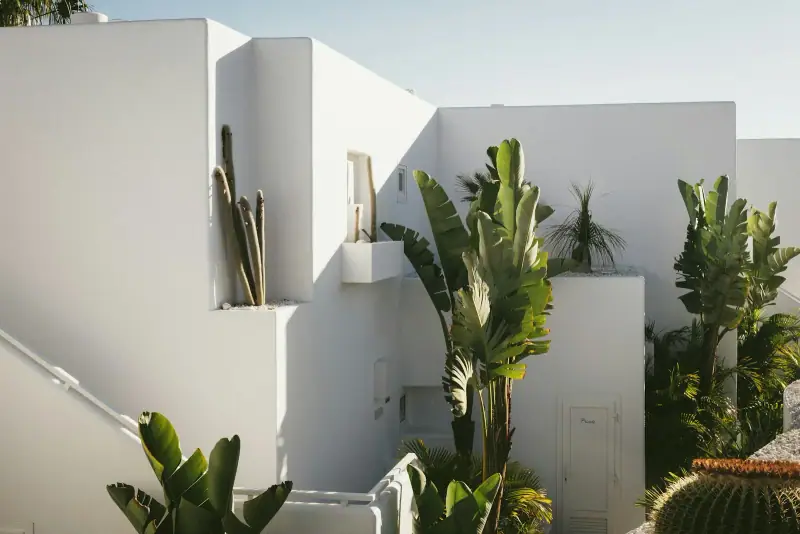
Where to Stay in Lanzarote: Best Neighborhoods and Resort Areas
Choose where to stay in Lanzarote: Puerto del Carmen, Costa Teguise, Playa Blanca... Every area and budget, with typical nightly prices.
Ready-made
Canary Islands itineraries
5 days
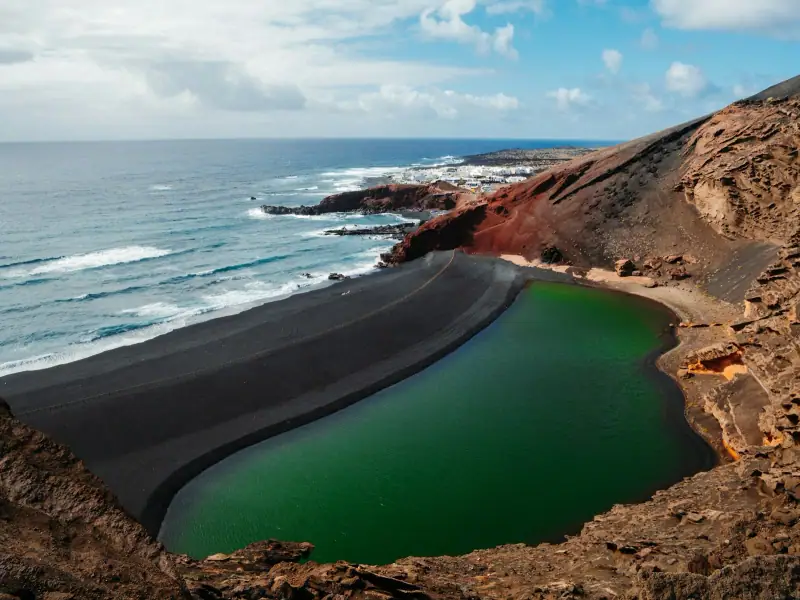
Lanzarote in 5 Days: A Complete Itinerary for the Volcanic Island
5-day Lanzarote itinerary: Timanfaya, Jameos del Agua, Playa Papagayo, César Manrique. A day-by-day plan to make the most of the volcanic island.
Can be adapted in the planner
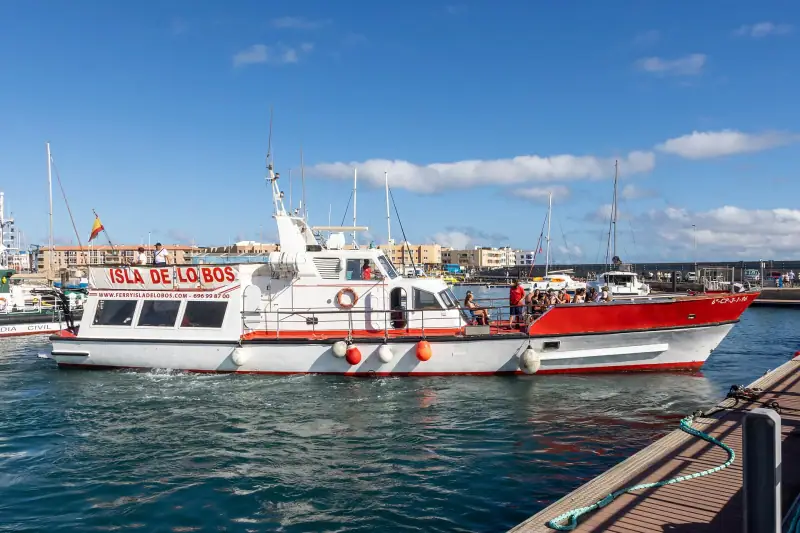
Island Hopping in the Canary Islands: Visiting Several Islands in One Trip
Island hopping in the Canary Islands: ferries, flights, multi-island itineraries and tips to combine Tenerife, Gran Canaria, Lanzarote and Fuerteventura.
5 days
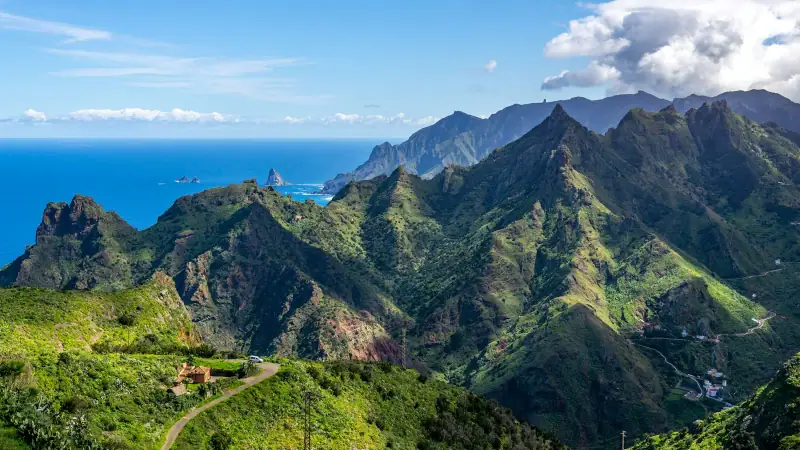
Tenerife in 5 Days Without a Car: A Realistic Bus and Tram Itinerary
Puerto de la CruzLos Cristianos