Itineraries
Lanzarote in 5 Days: A Complete Itinerary for the Volcanic Island
We may earn a commission when you book through links on this page, at no extra cost to you. We don't visit or try the places we cover: we summarize published sources. How we work
Day by day
- Day 1Arrival, Playa Grande, Arrecife castles, Puerto del Carmen dinner
- Day 2Timanfaya National Park, La Geria vineyards, Salinas de Janubio
- Day 3Jameos del Agua, Cueva de los Verdes, Fundación César Manrique
- Day 4Playa Blanca, Papagayo coves, Famara, Haría
- Day 5Teguise, then activities depending on departure time
Where to sleep
- Puerto del Carmen4 nights
Opens the trip planner with these stops and nights already filled in. Add a stop, drop one or change the nights.
In short
- Five days covers Timanfaya and La Geria (day 2), the César Manrique sites in the north (day 3) and the southern beaches with Playa Papagayo (day 4).
- A rental car is essential; Puerto del Carmen is the most practical base, 10 minutes from the airport.
- Timanfaya requires a time slot booked in advance on the official Cabildo de Lanzarote site: €30 per adult (about $35) according to the article's day 2 section.
- Budget roughly €140-260 (~$162-302) per person per day, including lodging, meals, car and entrance fees.
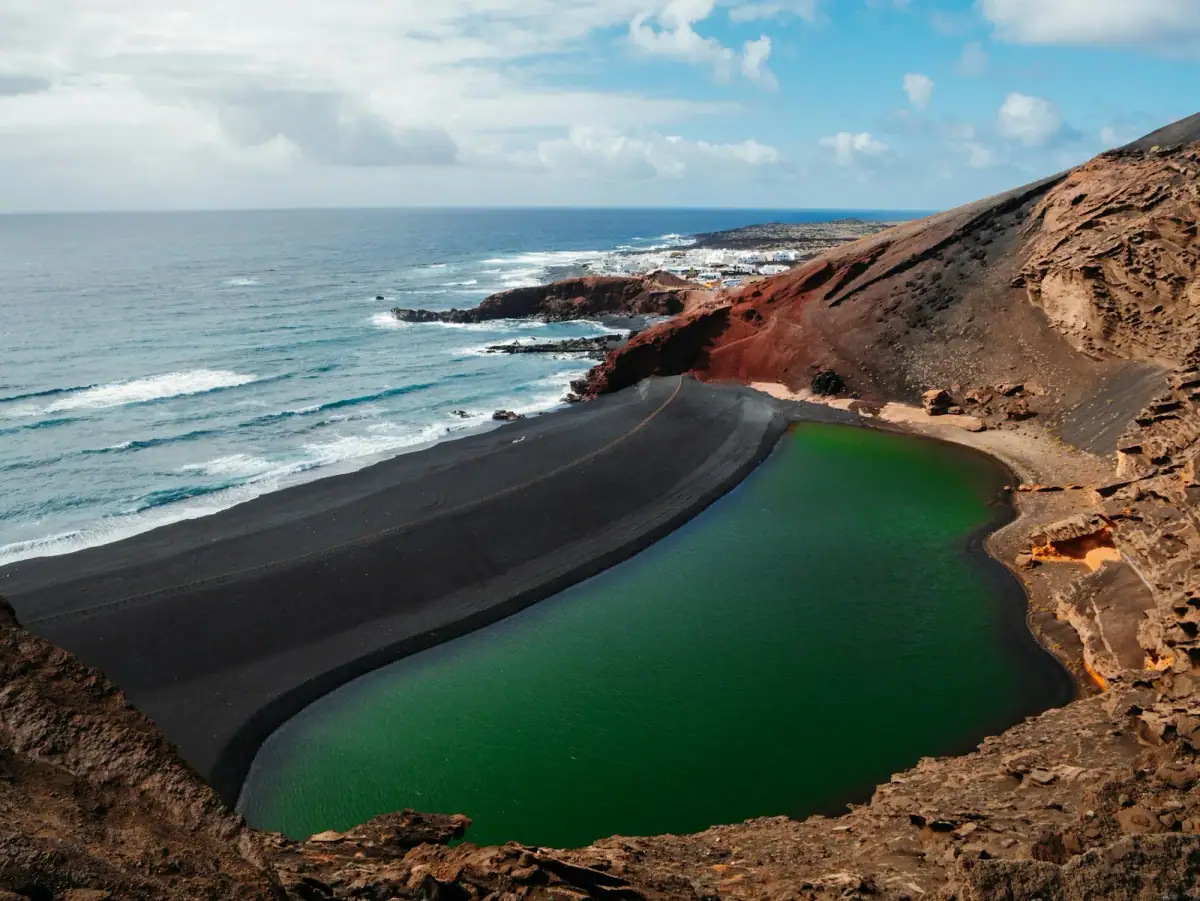
Lanzarote is an island apart. Nowhere else in the Canary Islands, or even in Europe, will you find this lunar landscape of black lava, these vines dug into volcanic craters, these round white buildings blended into the desert. César Manrique’s island is at once strange, bewitching and deeply beautiful. This guide offers a 5-day itinerary to explore all its facets, from Timanfaya park to the turquoise beaches of the south, including the most spectacular caves in the Canary Islands.
Practical information before you go
How to get to Lanzarote
Lanzarote’s international airport (ACE) is in Arrecife, the capital. Routes and fares depend on your departure city, so check the airlines that serve the island from where you are flying.
Getting around the island
A rental car is essential in Lanzarote. There is no train, and buses are infrequent except around Arrecife. The island is small (846 km² / 327 sq mi) and all the roads are in good condition. A small city car (such as a Seat Ibiza or Volkswagen Polo) is plenty. Book ahead in high season to avoid shortages and get the best rate.
Car rental in Lanzarote
Compare offers from Arrecife airport. Book ahead for the best prices.
Where to stay
Puerto del Carmen is the ideal base for this itinerary. This beach resort is central, lively in the evening, and only 10 minutes from the airport. It offers a wide range of lodging for every budget. If you prefer more quiet, Costa Teguise (northeast) is a pleasant alternative, ideal for families.
Budget
| Item | Average budget per day |
|---|---|
| Lodging (double room) | €60-120 (~$70-140) |
| Meals (lunch + dinner) | €25-45 (~$29-52) |
| Car rental | €25-45 (~$29-52) |
| Entrance fees to sights | €30-50 (~$35-58) |
| Estimated total | €140-260 (~$162-302) / day / person |
Day 1: Arrival and Puerto del Carmen
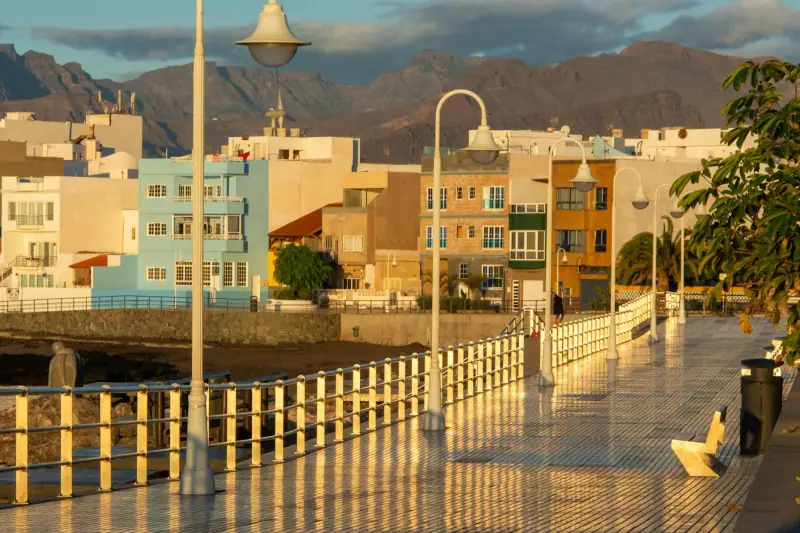
Morning: settling in and a first look around
After you arrive at the airport and pick up your car, head to your lodging in Puerto del Carmen. If you arrive early, leave your bags at the front desk and go explore the seafront promenade.
Playa Grande in Puerto del Carmen stretches for about 1.2 km (0.75 mi). It is one of the busiest beaches on the island, with calm, golden water that is ideal for a first swim.
Afternoon: Arrecife, the overlooked capital
Arrecife, the capital of Lanzarote, is often overlooked by tourists. That is a mistake. The city has an authentic charm with its white streets and waterfront.
What to see in Arrecife:
- Castillo de San Gabriel: a 16th-century fortress on an islet linked by a bridge. Panoramic views of the lagoon and the city.
- Castillo de San José: converted into a contemporary art museum by César Manrique, with a permanent collection of Spanish abstract art. The panoramic restaurant has one of the best views of the harbor.
- La Marina: a sunset stroll along the marina, ideal for a pre-dinner drink.
Evening: dinner in Puerto del Carmen
Head back to Puerto del Carmen for dinner. Calle de la Roca and the streets around it have the best restaurants. Try the papas arrugadas (wrinkled potatoes) with mojo rojo sauce, the croquetas de queso, or a pulpo a la gallega given a Canarian twist.
Day 2: Timanfaya and La Geria
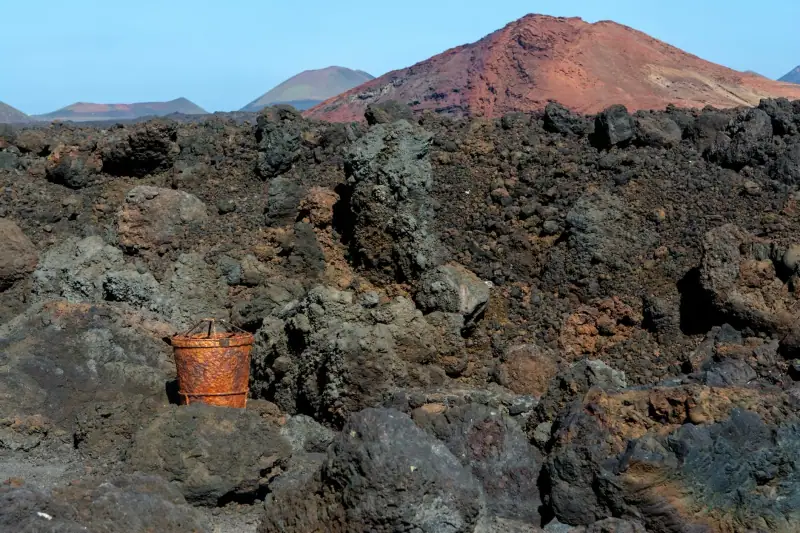
This is the most anticipated day, the most iconic and also the strangest. Plan for a full day.
Morning: Timanfaya National Park
Leave at 8:30 am to be among the first into the park. Timanfaya (pronounced “Timanafia”) was born from the volcanic eruptions of 1730-1736, among the longest in modern history. In 6 years, the lava covered more than 200 km² (77 sq mi) of farmland and entire villages.
Be sure to book your time slot in advance on the official Cabildo de Lanzarote website (€30 per adult, about $35). The visit includes:
- The Volcano Route (Ruta de los Volcanes bus): 40 minutes through the heart of the lava fields, with a unique view of the craters and solidified lava flows. Multilingual audio commentary.
- The geothermal demonstrations: at just 10 meters (33 ft) deep, the temperature still reaches 120 °C (248 °F). Guides pour water into a hole and a column of steam shoots up instantly. A fire is lit in a crevice, proof that the heat is still there.
- El Diablo: the panoramic restaurant in the heart of the park, where grilled food is cooked with geothermal energy. The food is decent but the experience is unique.
Guided Timanfaya tour
Visit Timanfaya and La Geria with a local guide who knows the island's secrets.
Afternoon: La Geria, vines in the volcanoes
About 30 minutes from Timanfaya is one of the most unusual wine landscapes in the world. La Geria is a protected designation of origin where the vines, mainly Malvasía, grow in craters dug by hand into volcanic ash. Each vine is protected by a half-moon stone wall (zoco) that shields it from the wind and holds the night moisture.
The result is a medium-dry white wine with notes of tropical fruit and volcanic minerality, truly unique.
What to do in La Geria:
- Stop at the El Grifo winery (founded in 1775, the oldest in the Canary Islands): cellar visit and tasting. Allow 1 hour.
- Have a light lunch at Bodega Stratus with plates of local cheese and cured meats and a glass of Malvasía.
To learn more about Canary Islands wines, read our article on Canary Islands wines.
Late afternoon: Salinas de Janubio
On the way back to Puerto del Carmen, a stop at the Janubio salt flats is a must. These salt pans in a volcanic crater form a checkerboard of pools with pink, green and white reflections depending on the time of day and the season. It is one of the island’s few romantically kitschy landscapes.
Day 3: César Manrique and the north of the island
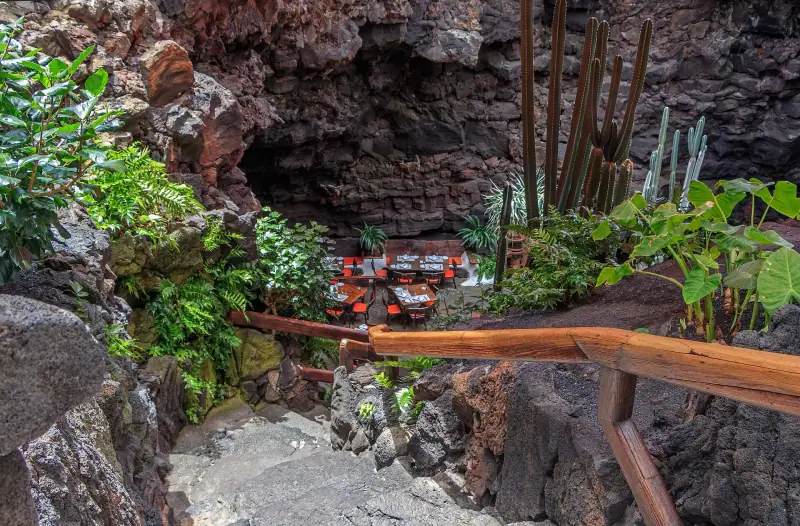
Morning: Jameos del Agua
Jameos del Agua is probably the most surprising site in Lanzarote. This volcanic cave (a lava tube) goes down to the sea and holds an underground saltwater lake that is home to blind albino crabs (Munidopsis polymorpha), an endemic species found nowhere else on Earth.
César Manrique turned this place into an extraordinary cultural space: a tropical garden in the rock, an auditorium carved into the volcano, a panoramic restaurant. The visit takes 1 h 30 and starts at 10 am. Admission: €17 per adult (about $20).
A 5-minute walk away, the Cueva de los Verdes is the land section of the same lava tube. A 50-minute guided tour takes you through about 1 km (0.6 mi) of the rock’s interior. The final sound and light show is one of the best you will see in a cave.
Lunch: Arrieta or Órzola
The small fishing port of Arrieta has a few excellent seafood restaurants. Try the cherne (grouper) or the lapas (limpets grilled with butter and lime) on a terrace facing the ocean.
If you have a little time, go up to the port of Órzola (the northernmost on the island) to watch the fishermen come back with their morning catch.
Afternoon: Fundación César Manrique
César Manrique (1919-1992) is the artistic genius who shaped the soul of Lanzarote. A painter, sculptor, architect and ecologist ahead of his time, he set the rules that give the island its visual character: white and black houses, no billboards, limited building height.
His home and studio in Tahíche, turned into a foundation after his death, is built in and around five natural volcanic bubbles linked together. It is at once a contemporary art museum, an architectural statement and a unique sensory experience.
Open every day (including public holidays) from 10 am to 5:30 pm (closed January 1). Admission: €8 per adult (about $9).
Other Manrique works worth seeing:
- Mirador del Río: a viewpoint overlooking the El Río strait and the island of La Graciosa. Breathtaking views, with architecture built into the cliff.
- Cactus Garden (Jardín de Cactus): 4,500 cacti of 450 species in a former volcanic crater. One of the most beautiful botanical gardens in the Canary Islands.
Hotels in Lanzarote
The best places to stay in Puerto del Carmen, Costa Teguise and Playa Blanca.
Day 4: Southern beaches and Playa Papagayo
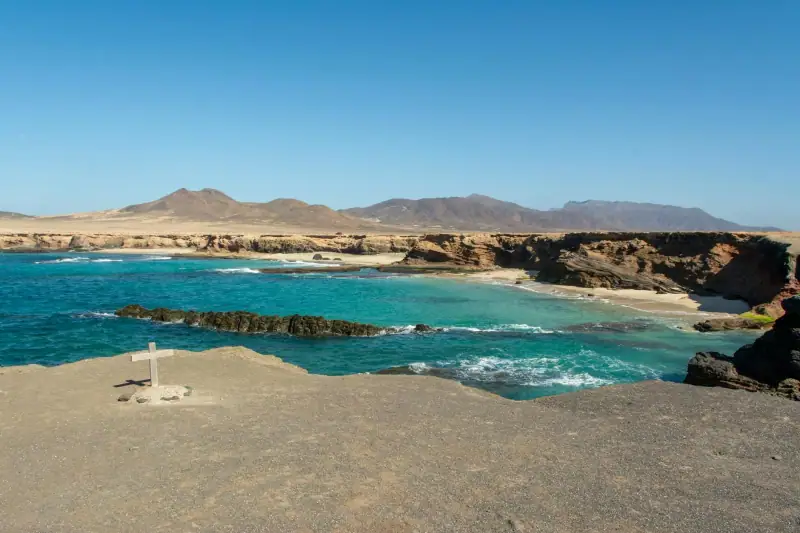
The beach day. The south of Lanzarote has the island’s most turquoise water and best preserved beaches.
Morning: Playa Blanca and the south coast
Playa Blanca is the southernmost beach resort in Lanzarote. A fishing village turned resort, it has kept a more authentic feel than Puerto del Carmen. Its promenade runs along a series of small coves with crystal-clear water.
From Playa Blanca, head for Punta de Papagayo. The road (a dirt track at the end, €3 toll, about $3) leads to a group of absolutely gorgeous coves: fine white sand, clear turquoise water, ocher cliffs dropping into the sea. This is where Lanzarote looks like the Caribbean.
The Papagayo coves:
- Playa del Papagayo: the best known, the largest, the easiest to reach
- Playa Mujeres: quieter, with even clearer water
- Puerto Muelas: the most secluded, reached by a small path
Arrive before 10 am to find a parking spot and choose your cove. In high season, tourists from Playa Blanca arrive on foot in the afternoon.
Lunch: picnic or a restaurant in Playa Blanca
Prepare a picnic the day before (there are excellent supermarkets in Arrecife or Puerto del Carmen) or return to Playa Blanca for lunch. The restaurant El Almacén serves fresh tapas facing the harbor.
Afternoon: Famara and the northwest cliffs
On the opposite side of the island from Papagayo is Famara beach. This wild, windswept 6 km (3.7 mi) shoreline is a paradise for surfers and kitesurfers. The water is cold and the waves powerful, so it is not ideal for family swimming, but watching the riders is striking.
Behind Famara rises the Risco de Famara, a 600 m (1,970 ft) cliff with the most dramatic view on the island. The road that climbs toward the village of Haría above this cliff is one of the most beautiful drives in Lanzarote.
Haría, the “village of a thousand palm trees”, is César Manrique’s birthplace. Its white lanes, its square shaded by century-old palms and its Saturday morning crafts market make it a must-stop.
To discover the most beautiful beaches of the archipelago, see our guide to Canary Islands beaches.
Day 5: Teguise and last discoveries
Morning: Teguise, the former capital
Teguise was the capital of Lanzarote for about four centuries (until 1852). This white village perched on a hill has kept its colonial architecture remarkably intact.
What to see in Teguise:
- Castillo de Santa Bárbara (Castillo de Guanapay): a 16th-century fortress at the top of a volcano, with a museum on piracy. The 360° view of the island is exceptional.
- Palacio Spínola: an 18th-century palace, now an ethnographic museum
- San Miguel Church: one of the oldest in the Canary Islands (16th century)
- The Sunday market: if you are in Lanzarote on a Sunday, the Teguise market (8 am to 2 pm) is one of the largest and most authentic in the archipelago. Local crafts, regional products, traditional music. Access, parking and buses: see our guide to the Teguise market.
Afternoon: depending on your departure time
If your flight is in the evening, use the afternoon for extra activities, depending on your interests:
Option 1: Catamaran or sailing Catamaran trips from Puerto del Carmen let you watch dolphins and turtles in their natural habitat. Some include snorkeling at prime spots (2 h 30 to 4 h, €40-70 per person / about $46-81).
Option 2: Snorkeling or diving The seabed around Lanzarote is among the richest in the Canary Islands: wrecks, underwater caves, manta rays, turtles, moray eels. The island’s marine reserve has allowed wildlife to recover. To learn more, read our article on diving in the Canary Islands.
Option 3: Beach time Go back to Playa Grande in Puerto del Carmen for a last swim and a sunset over the Atlantic before your flight.
Activities in Lanzarote
Catamaran, diving, quad tours, paragliding: book your activities in advance.
Itinerary summary
| Day | Program | Area |
|---|---|---|
| Day 1 | Arrival, Playa Grande, Arrecife | Puerto del Carmen / Arrecife |
| Day 2 | Timanfaya, La Geria, Salinas de Janubio | Center / West |
| Day 3 | Jameos del Agua, Cueva de los Verdes, Fundación Manrique | North |
| Day 4 | Playa Papagayo, Famara, Haría | South / Northwest |
| Day 5 | Teguise, free time for activities | Center / Puerto del Carmen |
Extra tips
What to do if you have more time
With 7 or 10 days, you can add:
- La Graciosa: the island just to the north, reached by ferry from Órzola (about 25 minutes, Líneas Marítimas Romero or Biosfera Express). No cars, empty beaches, a timeless atmosphere. One or two days is enough; see the ferry times and prices for La Graciosa.
- Combining with Fuerteventura: the ferry from Playa Blanca takes 25 to 35 minutes to reach Corralejo. See our guide to island hopping in the Canary Islands to plan the combination.
Highlights you won’t regret
- Timanfaya: book as soon as you book your flight. Slots go quickly.
- Jameos del Agua: the most unique experience on the island.
- Playa Papagayo: arrive early and stay until the golden hour of the afternoon.
- A glass of Malvasía in La Geria: you won’t find that taste anywhere else.
What you can skip
- The water parks in Puerto del Carmen: functional but of no particular interest.
- Hotel buffets every night: Canarian food deserves better than that.
Lanzarote is a destination that leaves a lasting mark on those who visit. Its Martian landscape, its living volcanic history and the constant presence of César Manrique’s work make it a truly distinct island in the Canary archipelago. Five days is enough to see the essentials, but few visitors don’t dream of coming back.
Sources
- Lanzarote Art, Culture and Tourism Centers: prices checked November 2026
- Lanzarote Art, Culture and Tourism Centers: prices checked November 2026
Frequently asked questions
How many days do you need in Lanzarote?
5 days is the ideal length to see the essentials of Lanzarote: Timanfaya, the works of César Manrique, the beaches of the south and the north of the island. With 7 days you can explore at a more relaxed pace and add water activities or excursions.
What is the best base for visiting Lanzarote?
Puerto del Carmen is the most practical base: central, well served, close to the airport (10 min) and the main attractions. Costa Teguise is quieter and family-friendly. Playa Blanca suits you if you want to be close to the south and to the ferry to Fuerteventura.
Do you need to rent a car in Lanzarote?
Yes, a car is essential in Lanzarote. Public transport is limited and most of the iconic sites (Timanfaya, La Geria, Playa Papagayo) can only be reached by car. Allow €25-45 a day (about $29-52) for a small city car.
Can you enter Timanfaya park on your own?
No. Since 2024, access to Timanfaya is regulated: you must book your time slot in advance on the park's official website (about €30 per person / about $35). The visit includes the volcano route by bus and the geothermal demonstrations. Without a reservation, you may not be able to enter.
When is the best time to visit Lanzarote?
Lanzarote can be visited year-round thanks to its stable climate. Spring (March-May) and fall (September-November) are ideal: mild temperatures (22-26 °C / 72-79 °F) and fewer people. Winter (December-March) draws many Europeans escaping the cold. Summer is hot but the wind eases the heat.
Can you island-hop from Lanzarote?
Yes, Fuerteventura is only 25 to 35 minutes by ferry from Playa Blanca (Fred. Olsen or Naviera Armas, €20-35 round trip / about $23-41). It is the ideal combination: 5 days in Lanzarote plus 5 to 6 days in Fuerteventura for a 10 to 11 day stay in the eastern Canary Islands.
More Canary Islands guides
Keep reading
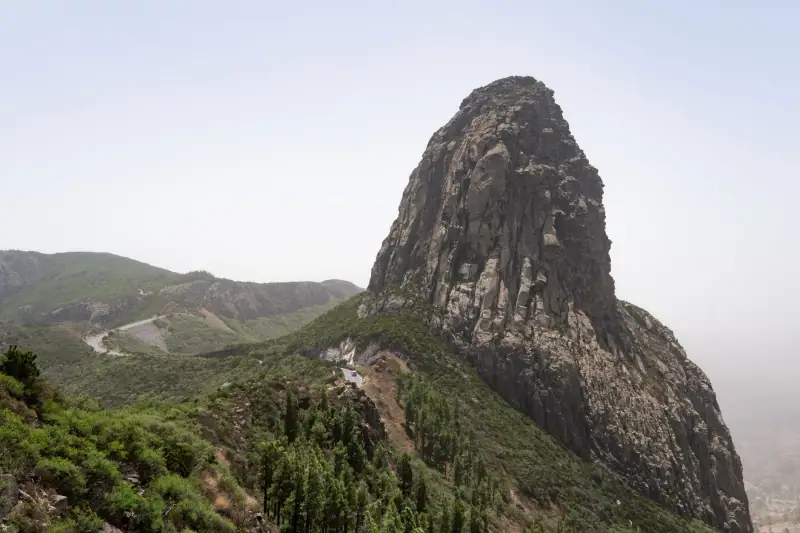
La Gomera: a complete guide to the island of forests and whistled language
La Gomera travel guide: Garajonay, El Silbo, Valle Gran Rey, hiking and food. Everything you need to visit the quietest of the Canary Islands.
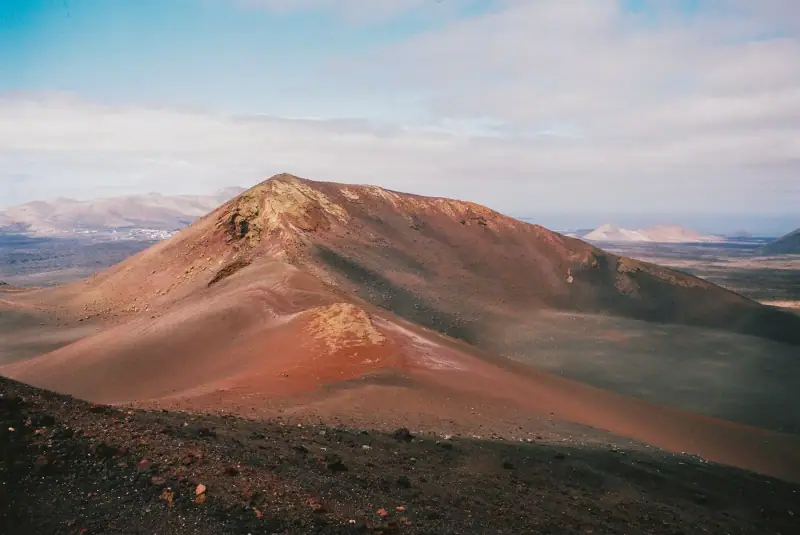
Lanzarote: a complete guide to the Canary Islands' volcanic island
Lanzarote guide: Timanfaya, César Manrique, Jameos del Agua, La Geria and Papagayo beaches. Everything you need to plan your trip to the volcanic island.
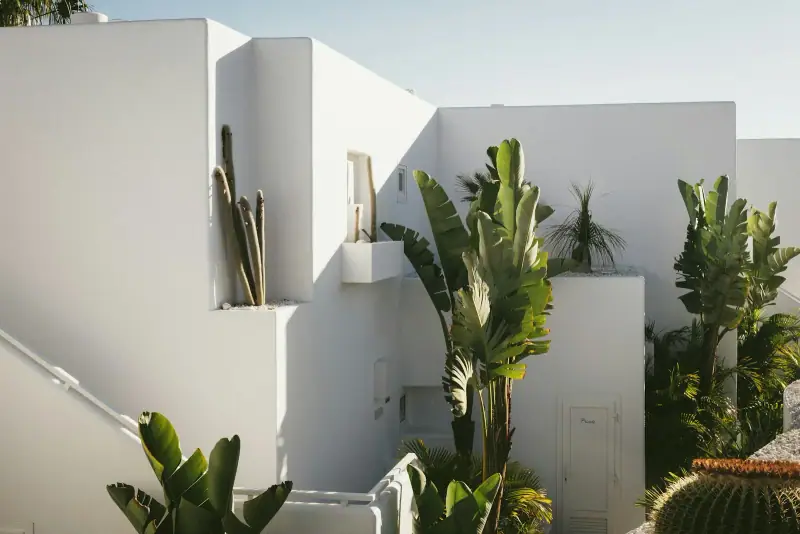
Where to Stay in Lanzarote: Best Neighborhoods and Resort Areas
Choose where to stay in Lanzarote: Puerto del Carmen, Costa Teguise, Playa Blanca... Every area and budget, with typical nightly prices.
Ready-made
Canary Islands itineraries
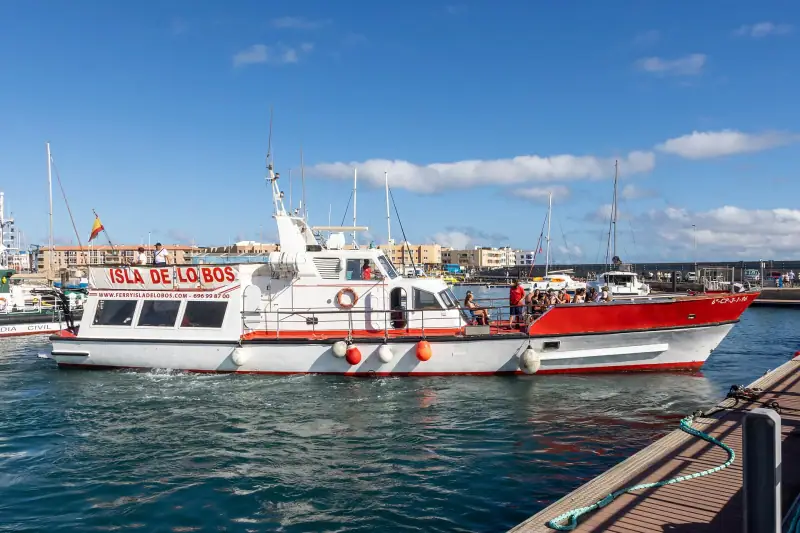
Island Hopping in the Canary Islands: Visiting Several Islands in One Trip
Island hopping in the Canary Islands: ferries, flights, multi-island itineraries and tips to combine Tenerife, Gran Canaria, Lanzarote and Fuerteventura.
5 days
Tenerife in 5 Days Without a Car: A Realistic Bus and Tram Itinerary
Puerto de la CruzLos Cristianos
5 days
Fuerteventura in 5 Days: A Complete Itinerary to Discover the Island
CorralejoMorro Jable
Can be adapted in the planner