Food & drink
Brazilian Food: 15 Specialties to Try, from Feijoada to Açaí
We may earn a commission when you book through links on this page, at no extra cost to you. We don't visit or try the places we cover: we summarize published sources. How we work
In short
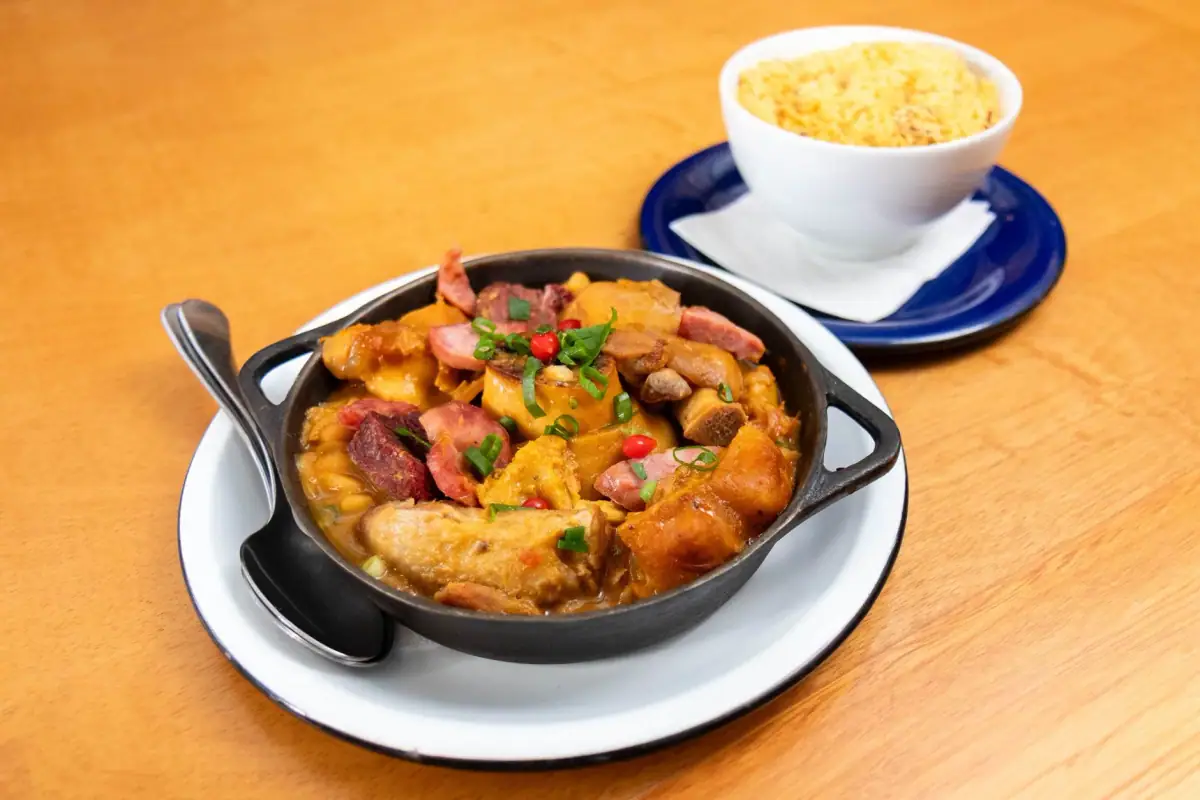
- Feijoada, a black bean and pork stew served with rice, farofa, collard greens and orange slices, is the country's emblematic dish; in Rio it is traditionally served on Saturday lunchtime.
- In Bahia, taste acarajé, moqueca baiana and vatapá; in the Amazon, açaí is traditionally a savory side with fish and cassava flour.
- Por-quilo restaurants, where your plate is weighed at the till, and the prato feito (plate of the day) are the easiest and most economical way to eat lunch.
- A service charge of about 10% is frequently added to the bill, so an extra tip is usually not needed.
When you think of Brazilian food, you first imagine grilled meat and the caipirinha. That is reductive: in a country-continent shaped by Indigenous traditions, African heritage, Portuguese presence and waves of European and Asian immigration, each region has its own recipes. Beans, cassava, coconut, river fish, tropical fruit: here are the specialties to try during your trip, with a few pointers for eating smart as you go.
The basics of the Brazilian table
Before exploring the regions, a few ingredients come back almost everywhere and are worth knowing. Rice and beans (arroz e feijão) form the daily side for most meals, black in the Southeast, rather brown or red depending on the region. Cassava comes in many forms: toasted flour, starch, or cooked root. Finally, farofa, a cassava flour lightly toasted with butter or onion, is sprinkled over meat and beans to add crunch.
Lunch is often the main meal. Many restaurants offer a prato feito, a complete plate of the day at a low price, and “por quilo” buffets where the plate is weighed at the till. It is the best way to taste several dishes without knowing the vocabulary. In the evening, people eat lighter, sometimes around a simple sandwich or a pizza, which is also very popular in the country.
Feijoada: the emblematic dish of Rio de Janeiro and the Southeast
Feijoada is a black bean stew simmered for a long time with various pork meats, salted or smoked. It is served with white rice, farofa, thinly sliced collard greens and orange slices that help digestion. In many Rio de Janeiro restaurants, it is traditionally offered at Saturday lunchtime, but some places also serve it on Wednesday or all week: ask there.
Plan for a hearty meal and a quiet afternoon. Many Brazilians accompany feijoada with a caipirinha, a drink made from cachaça (sugarcane spirit), lime and sugar. Beware: it is stronger than it looks. If you want to digest with a walk, Copacabana beach is not far: the guide to what to do in Rio de Janeiro details the visits to combine with a lunch.
In the same region, look out for the salgados (savory snacks) sold at small counters: coxinha, a teardrop-shaped chicken croquette, pastel, a fried turnover filled with meat or cheese, or pão de queijo, found throughout the country.
Food tours in Rio de Janeiro
Tastings, markets and food visits with a local guide: compare the culinary experiences available.
Minas Gerais: pão de queijo and earthy cooking
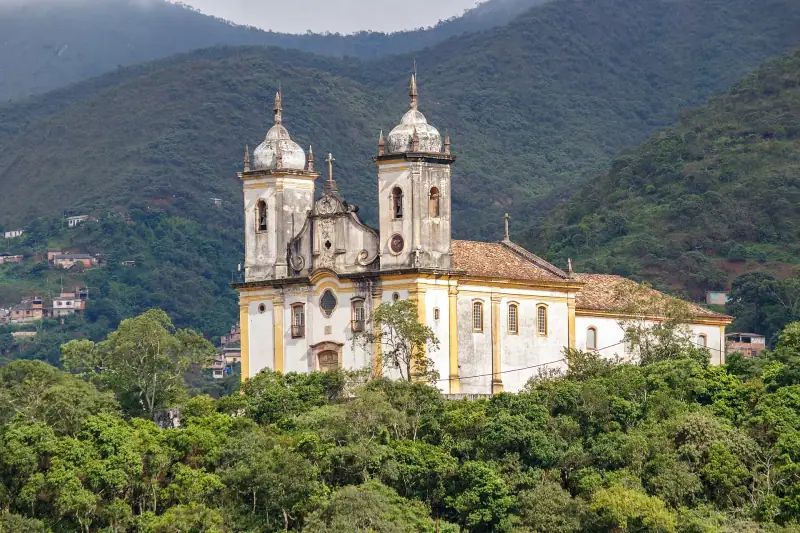
Pão de queijo is a small cheese bread, soft inside and slightly crispy outside, made with cassava starch. It is associated with the state of Minas Gerais, where it is considered an institution, but it is found today throughout the country, from breakfast to the afternoon snack. It is naturally wheat-free, which appeals to travelers who avoid gluten (check the recipe with the cook in case of allergy, however).
Mineira cooking, more rustic, is known for its simmered dishes, beans, local cheeses and desserts made from milk and fruit. Brazilian coffee, served in a small, very sweet cup, readily goes with this sweetness. If you like it that way, ask for it “sem açúcar” to drink it unsweetened.
Bahia and Salvador: acarajé, moqueca and Afro-Brazilian flavors
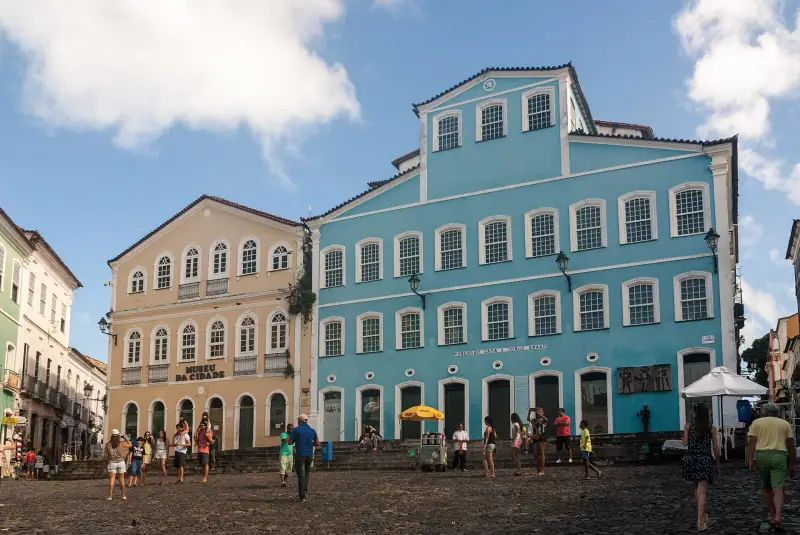
Bahia is probably the region where African influence is most visible on the plate, notably in Salvador. The key ingredient is dendê, a red-orange palm oil with a pronounced taste. Three dishes sum up this cuisine:
- Acarajé: a bean (fradinho) fritter fried in dendê oil, split in two and filled with vatapá, dried shrimp and condiments. It is sold in the street by the “baianas”, vendors dressed in traditional white attire.
- Moqueca baiana: a fish or seafood stew simmered with coconut milk, tomatoes, peppers, cilantro and dendê, served with rice and farofa.
- Vatapá: a thick cream made from bread or rice flour, coconut milk, shrimp and dendê oil.
Moqueca also exists in the neighboring state of Espírito Santo (moqueca capixaba), but without dendê and cooked in a clay pot. Both versions hold their own: it is up to you to compare them. To stay near Salvador’s historic neighborhoods and within walking distance of tasting places, compare the lodging available for your dates.
Hotels in Salvador de Bahia
Compare accommodation in the historic center and by the sea for your travel dates.
The Northeast: tapioca, seafood and beach cooking
On the Northeast coast, from Recife to Fortaleza, food is often enjoyed with your feet in the sand. Beach “barracas” serve grilled fish, shrimp, coalho cheese grilled on a skewer and fresh coconut water, drunk straight from the fruit. Coalho cheese and carne de sol (lightly salted dried beef) are regional classics.
At any hour, you will also come across tapioca, a cassava starch crepe cooked in a pan, filled with cheese, coconut or dried meat. It is a light, gluten-free breakfast or snack, much loved by Brazilians. For dessert, try the local fruits: cashew, guava, mango, maracujá (passion fruit) or cupuaçu, often offered as fresh juice or ice cream.
The Amazon and Pará: açaí, tucupi and river fish
It is in the Amazon, and particularly in Pará state, that açaí was born as a staple food. There this purple berry is eaten as a thick, unsweetened purée, with fried or dried fish and cassava flour. By contrast, the “açaí bowl” enjoyed on the beaches of Rio or Florianópolis, frozen, sweet and topped with granola and banana, is an urban version that has become very popular.
Other Amazonian specialties are more surprising for newcomers:
- Tucupi, a yellow juice from cooked, fermented cassava, with a sour taste, that is the base of soups and sauces;
- Tacacá, a hot soup made from tucupi, cassava gum, dried shrimp and jambu, an herb that causes a numbing sensation on the lips;
- River fish such as pirarucu, one of the largest freshwater fish, or tambaqui, grilled or in stew.
If you plan this trip, the dry season is generally more comfortable: read the guide on when to go to Brazil to choose the right period by region.
The South and gaúcho churrasco
Churrasco, or meat grilled over embers, is associated with the gaúcho tradition of Rio Grande do Sul, in the far south of the country, but it has spread everywhere. In a churrascaria, the most common formula is the rodízio: waiters go from table to table with large skewers and carve meat at will, including picanha (a cut of beef with a fat cap), a favorite cut. A buffet of salads and sides generally completes the service. For how the token works, the meats and the prices, see the guide to the rodízio churrascaria.
A few tips so you are not caught off guard: a token or a small color marker on the table generally signals that you want to continue or stop. Do not hesitate to ask for the doneness you want, and keep room for the buffet sides. Vegetarians will often find something to eat at the buffet, but the country remains very meat-focused: it is better to plan ahead.
In the Foz do Iguaçu area, where you reach the falls, people eat churrasco as well as freshwater fish. Read the article on Iguaçu Falls, Brazilian side to organize your visit.
Desserts, drinks and sweets not to miss
Brazilians have a taste for sugar, and the desserts prove it:
- Brigadeiro: a chocolate ball made from condensed milk, rolled in sprinkles, very present at birthday parties;
- Pudim de leite: a condensed-milk flan topped with caramel;
- Quindim: a shiny yellow sweet made with coconut and egg yolk;
- Ice cream and tropical fruit sorbets, in neighborhood “sorveterias”.
For drinks, besides the caipirinha, try guaraná, a local soda made from an Amazonian berry, pure cachaça sipped neat, and chope, a draft beer served very cold. Fresh fruit juices (suco) are ordered almost everywhere, sometimes with milk, water or ice. For water, most travelers prefer bottled or filtered mineral water.
Cooking classes and tastings in Brazil
Learn to prepare moqueca, caipirinha or brigadeiro with a local cook.
Practical tips for eating well in Brazil
A few habits simplify your meals and limit bad surprises:
- Favor places frequented by locals, especially for street food: a high turnover of dishes is a good sign.
- Check the bill: a service charge of about 10% is frequently added to the bill, so an extra tip is usually not needed. Ask if in doubt, and read the guide to tipping in restaurants in Brazil.
- Carry more than one way to pay: cards are widely accepted in town, but keep a little cash for beaches and markets. The instant payment system Pix is very widespread among Brazilians, but it requires a local account.
- Stay careful about your safety when going out in the evening: choose restaurants in busy neighborhoods, get around by taxi or ride-hailing rather than on foot late at night and avoid showing your phone and jewelry. Check your government’s travel advice for Brazil before leaving (travel.state.gov in the US, GOV.UK in the UK, travel.gc.ca in Canada, Smartraveller in Australia).
- Mention your allergies and diets: a few words of Portuguese (“sem glúten”, “sem carne”) help a lot.
- Take out travel insurance covering medical costs and repatriation.
To combine food and sightseeing, you can also see the guide to choosing where to stay in Rio de Janeiro and stay close to good tables.
Taste Brazil with a guide
Food tours, cooking classes and tastings bookable online, with free cancellation on most activities.
Frequently asked questions about Brazilian food
Answers to the most common questions are grouped in the FAQ below. In short: taste feijoada in Rio, acarajé and moqueca in Salvador, traditional açaí in the Amazon and churrasco in the South. Always choose places frequented by locals, take the time to lunch as they do, and stay curious about fruits and juices you do not know yet. Bom apetite!
Frequently asked questions
What is Brazil's national dish?
Feijoada, a black bean stew simmered with pork, is generally considered the country's emblematic dish. It is served with rice, farofa, collard greens and orange slices, often at Saturday lunchtime.
What should you absolutely taste in Bahia?
Acarajé (a bean fritter fried in dendê palm oil), moqueca baiana (a fish stew with coconut milk) and vatapá are the three classics of Bahian cooking, with an Afro-Brazilian influence.
What is a "por quilo" restaurant?
It is a buffet where you serve yourself freely, then the plate is weighed at the till. It is a very common lunch formula, practical and generally economical, to taste several dishes without making a mistake.
Can you drink tap water in Brazil?
Travelers generally drink bottled or filtered mineral water, as a precaution. Ask your lodging for advice.
Is Brazilian açaí always sweet?
No. In most coastal cities, açaí is eaten as a frozen bowl with granola and banana. In the Amazon, notably in Pará state, it is traditionally consumed rather as a savory side, for example with fish and cassava flour.
More Brazil guides
Keep reading

Budget for a Trip to Brazil: Real Costs and Three Costed Profiles
How much does a trip to Brazil cost? Lodging, transport, meals, activities: prices by item, three daily budgets and tips to spend less.

What to See in the Brazilian Amazon: Beyond Manaus, Anavilhanas, Alter do Chão and Belém
What to see in the Amazon region: Anavilhanas archipelago, Tapajós beaches at Alter do Chão, Belém's Ver-o-Peso market, Parintins. Tips, health and safety.

What to See in Northeast Brazil: Beaches, Dunes and Colonial Towns
What to see in Brazil's Northeast: Recife, Olinda, Porto de Galinhas, Jericoacoara, Lençóis Maranhenses, Fernando de Noronha. Tips, seasons and safety.
Ready-made
Brazil itineraries

15 days
2-Week Brazil Itinerary: Rio, Paraty, Iguaçu and Salvador
Rio de JaneiroParatyFoz do IguaçuSalvador de Bahia