Things to do
Sare caves: book ahead or on site? Prices, hours, kids
We may earn a commission when you book through links on this page, at no extra cost to you. We don't visit or try the places we cover: we summarize published sources. How we work
In short
- Booking is essential, as places per visit are limited: choose the date, time slot and language online or at a Basque Country tourist office.
- 2026 fares: adult €10 (about $12), teen aged 14 to 17 and student €8.50 (about $10), child aged 5 to 13 €6 (about $7), Family Pass €32 (about $37).
- It is about 14 °C (57 °F) inside all year; strollers, animals and photos are not allowed in the cave.
- Open all year with reduced winter hours (afternoons only from November 2, 2026 to January 3, 2027); closed December 24 and 25 and January 1.
In short: booking the Sare caves is essential, as places per visit are limited: you choose the date, time and language online. Expect to pay €10 (about $12) per adult in 2026, and a temperature of 14 °C (57 °F) inside all year.
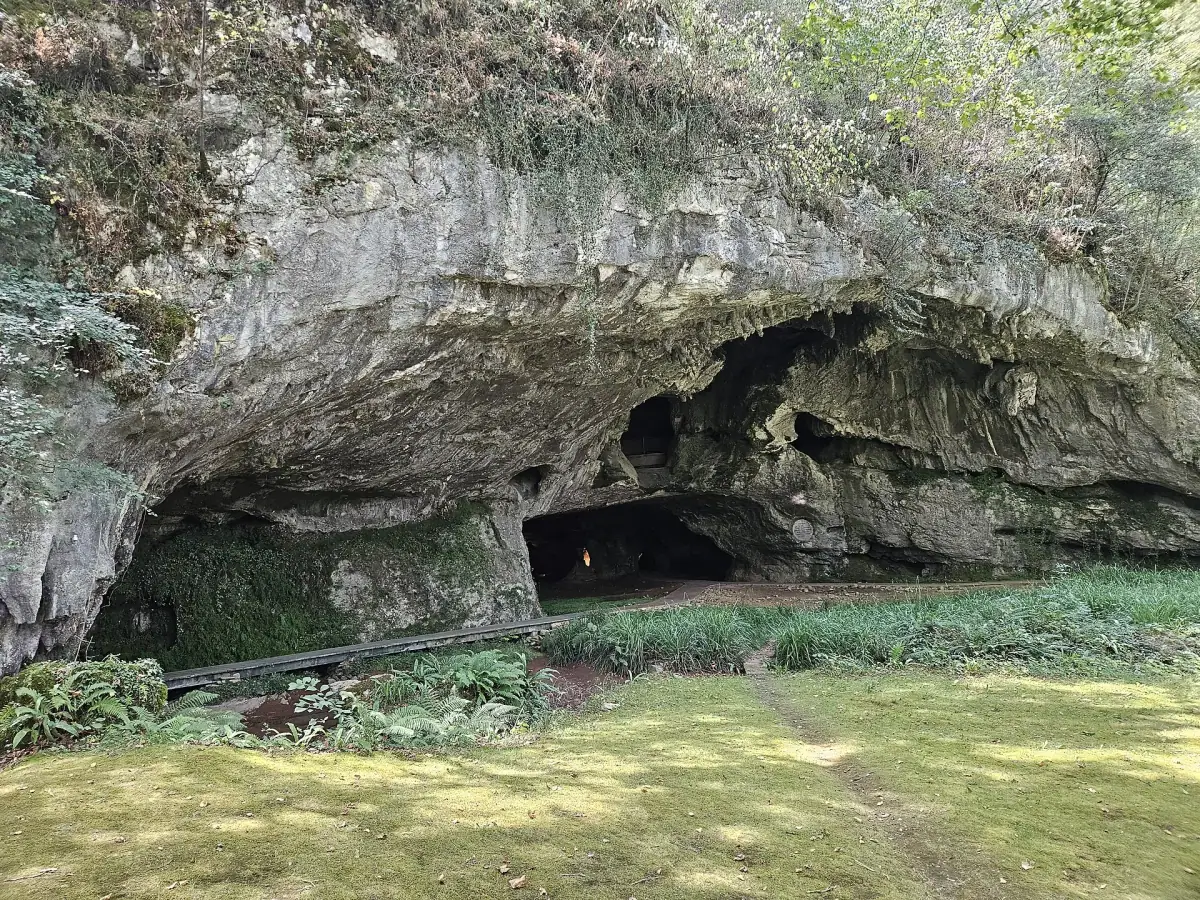
The Sare caves are one of the best fallback plans in the Basque Country when La Rhune is in the clouds. But you do not turn up unannounced: here is how to book, how much it costs, when to go and what to know with children.
Booking the Sare caves: ahead or on site?
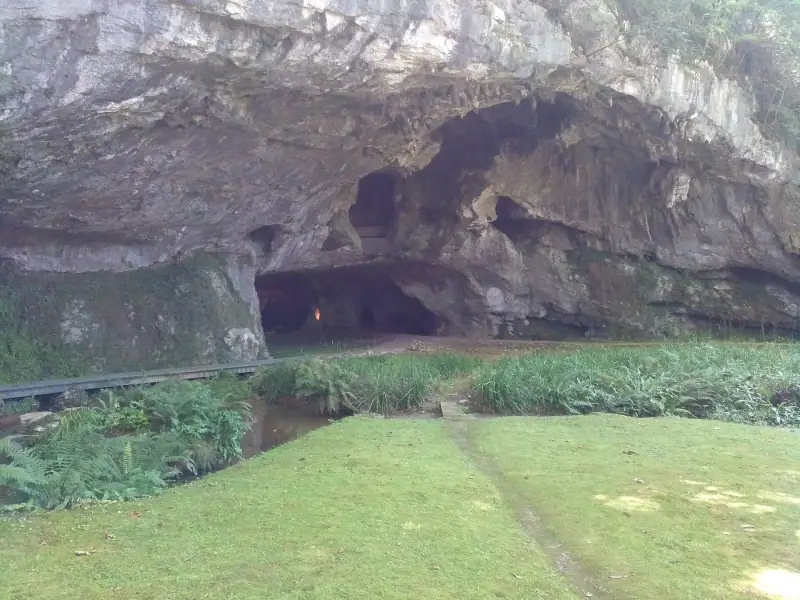
Book ahead. The site states that “as the number of places is limited, booking is essential.” So there is no “we’ll see on site” approach as with other sites in the region.
Two ways to book:
- Online on the caves’ booking service: you choose the date, time slot and language of the visit;
- At a Basque Country tourist office, useful if you are already on the coast and want to book for the same afternoon.
Guided visits are offered in French, English, Basque and Spanish. Groups of more than 20 people must book beforehand; above 35, they are split into two groups 15 minutes apart.
In summer and during school vacations
With limited places per visit, it is better to book a few days ahead in July-August and during school vacations. On rainy days, slots likely go faster, since everyone is looking for an indoor activity: book as soon as the weather turns.
Off season
From April to June and in September-October, slots are easier to get, but booking online remains the right habit: it takes two minutes and avoids leaving empty-handed after 30 minutes on the road.
Sare caves fares in 2026
| Ticket | Fare |
|---|---|
| Adult | €10 (about $12) |
| Teen (14 to 17) and student (with card) | €8.50 (about $10) |
| Child (5 to 13) | €6 (about $7) |
| Family Pass (2 adults + 3 paying children) | €32 (about $37) |
| Adult with a disability | €6.50 (about $8) |
| Teen or student with a disability | €5.50 (about $6) |
| Child with a disability (5 to 13) | €4 (about $5) |
The official listing mentions no fare for children under 5. The same prices appear on the listing for 2027: they are therefore stable from one year to the next, but confirm them when you book. To place this outing in a whole stay, see our Basque Country budget.
Hours: when to visit the Sare caves?
The site is open all year. The 2026 hours from the official listing:
| Period | Hours |
|---|---|
| February 9 to March 29 | 2 pm-5 pm Monday to Friday; 1 pm-5 pm on weekends and during French school vacations |
| March 30 to July 5 | 9:45 am-6 pm every day |
| July 6 to August 30 | 9:30 am-7:30 pm every day |
| August 31 to November 1 | 9:45 am-6 pm every day |
| November 2 to January 3, 2027 | 2 pm-5 pm Monday to Friday; 1 pm-5 pm on weekends and during French school vacations |
Closed on December 24 and 25 and January 1. These are the site’s opening ranges: the exact time of your guided visit depends on what remains available when you book.
To avoid the crowd, aim for opening time or late afternoon in summer. In winter, the afternoon is the only option: the caves suit a program of “morning in Espelette or Ainhoa, afternoon underground.” Our guide to inland Labourd offers this kind of sequence.
Stay near Sare for a stress-free visit
Hotels and guesthouses in Saint-Jean-de-Luz, a little under half an hour's drive from the caves: compare for your dates.
How does the visit work?
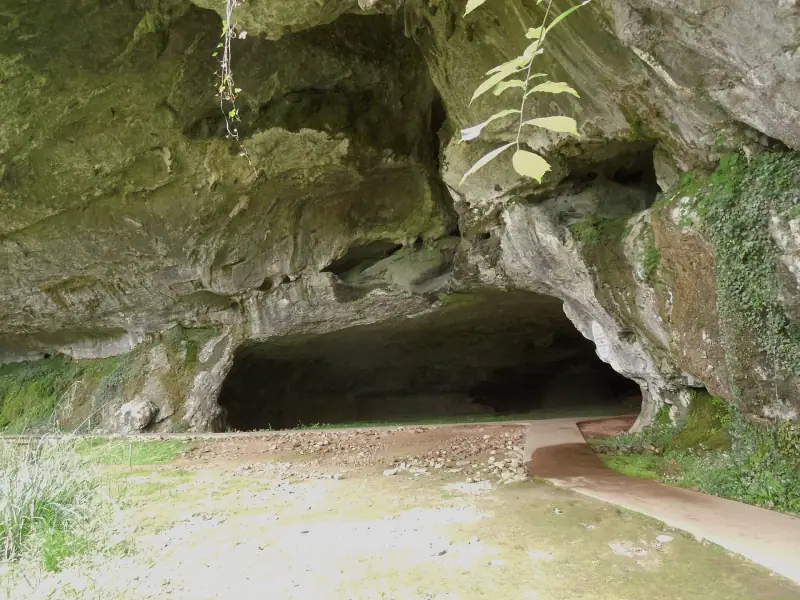
It is a guided visit of a developed underground route, covering geology, prehistory, nature and the origins of the Basque people. The official listings do not state the exact length: allow about an hour there, welcome included, and arrive a little before your slot.
Good to know before entering:
- 14 °C (57 °F) all year: the coolness is pleasant in August, but bring a jacket the rest of the time;
- Photos are forbidden in the cave, as are strollers and animals;
- Free audioguide to download, as well as signs in French, English, Basque and Spanish;
- Free access outside: the museum and the megalithic park can be visited without a cave ticket.
The site also has a bar-restaurant in summer, a picnic area and a shop.
The Sare caves with children
Children are accepted from the “5 to 13” fare, and the guided visit can interest the most curious: geology, prehistory and the origins of the Basques. With very young children, keep two practical constraints in mind:
- No stroller in the cave: bring a baby carrier;
- No photos, which avoids holding a phone in your hand on a damp route.
The museum and megalithic park, free to enter, are a consolation prize if a slot is full. For other ideas by age and weather, see our activities with kids in the Basque Country.
Reduced mobility
Part of the route can be followed with a staff member. The official listing asks you to notify the site at least 2 days ahead, and one to two days ahead for other disabilities.
If you have doubts about your ability to follow the whole route, contact the caves before booking rather than the same morning. A reduced rate exists for visitors with disabilities (see the table above), and the site is also adapted for the hard of hearing according to the official page. A partial visit remains possible: it is better to talk to the team than to give up.
Getting there and parking
The caves are at chemin Lezeko bidea, in Sare. According to the official site, free parking is available at the site and a bus stop is at the entrance. From the coast, allow a little under half an hour’s drive. Without a car, bus line 45 serves Sare from Saint-Jean-de-Luz; check the timetable and stop before leaving. Our guide to getting around the Basque Country by train, bus or car details the options.
A guided excursion to complete the day
Guided tours, tastings and accompanied outings in the Basque Country: compare offers and their cancellation terms.
Caves, La Rhune or village: what to choose by weather?
| Weather | Best choice |
|---|---|
| Rain or fog on the mountain | Sare caves, then a coffee in the village |
| Clear sky in the morning | La Rhune first, caves in the afternoon if mist rises |
| Heat wave | Caves (14 °C / 57 °F) in the middle of the day |
| Full visit | Museum and megalithic park, free access |
If La Rhune is clear, also read our guide to the La Rhune cog train: the departure is at the Col de Saint-Ignace, very close to Sare, and the two outings combine in a day. For walking, our selection of hikes in the Basque Country offers walks starting from the area.
Taste the products of the Basque Country
Tastings, producer visits and Basque cooking classes: an idea for the other half of the day.
Checklist before leaving
- Book the slot and the language of the visit;
- Check the season’s hours (afternoons only in winter);
- Bring a jacket and good shoes;
- Leave the stroller, the dog and the camera behind;
- Arrive a little before your slot.
Sources
Frequently asked questions
Do you need to book for the Sare caves?
Yes. According to the official Tourisme 64 listing and the caves' website, the number of visitors per visit is limited and booking is essential. It is done online, where you choose the date, time slot and language, or at a Basque Country tourist office.
How much do the Sare caves cost in 2026?
The adult fare is €10 (about $12), child aged 5 to 13 €6 (about $7), teen aged 14 to 17 and student €8.50 (about $10). A Family Pass at €32 (about $37) covers 2 adults and 3 paying children. A reduced rate exists for people with disabilities. Always check the fare when you book.
What is the temperature in the Sare caves?
About 14 °C (57 °F) all year, whatever the weather outside. Bring a small jacket even in midsummer, and shoes that grip on damp ground.
Can you visit the Sare caves with a stroller or a dog?
No: strollers and animals are not admitted in the cave, nor are photos. For a baby, plan a baby carrier. People with reduced mobility can follow part of the visit with a staff member, to be reported at least 2 days ahead.
Are the Sare caves open in winter?
Yes, the site is open all year, with reduced hours in winter. From November 2, 2026 to January 3, 2027, visits run from 2 pm to 5 pm Monday to Friday and from 1 pm to 5 pm on weekends and during French school vacations. The site is closed on December 24 and 25 and January 1.
What else is there to do in Sare if the visit is full?
The museum and megalithic park on the site are free to enter, the village of Sare can be explored on foot, and the ride up La Rhune on the cog train is possible when the sky is clear. The neighboring villages of Ainhoa and Espelette round out a half day well.
More Basque Country guides
Keep reading
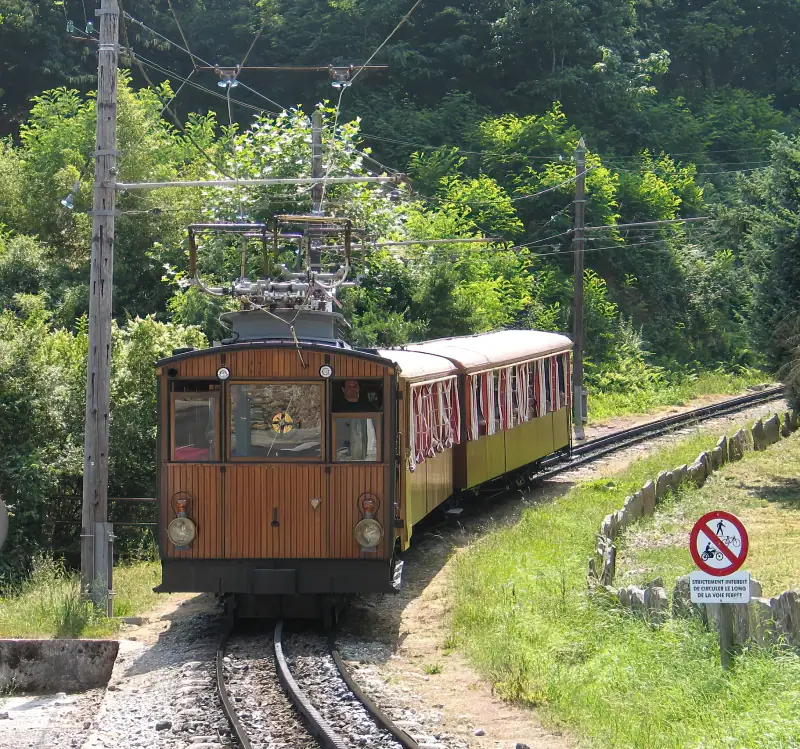
La Rhune cog train: book ahead or on the day? Prices, hours, weather
La Rhune cog train: do you need to book? 2026 fares, hours by season, parking, strollers, dogs and weather for the ride up from Sare.
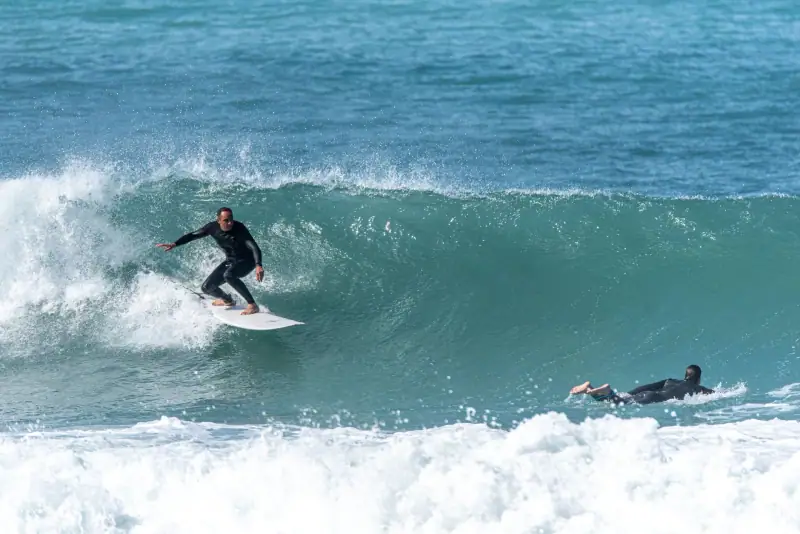
Surfing in Biarritz and on the Basque coast: spots, schools and tips
Learn or progress at surfing in Biarritz, Anglet and Guéthary: spots, tides, gear, schools and beginner mistakes to avoid.
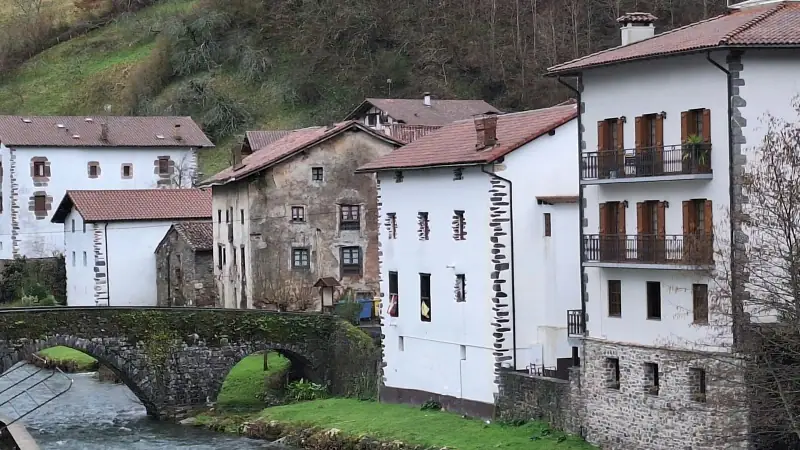
Basque Country budget: what a trip costs (3 priced profiles)
How much does a Basque Country trip cost? Real costs by item, three priced budgets (frugal, comfort, premium) and tips to spend less.
Ready-made
Basque Country itineraries
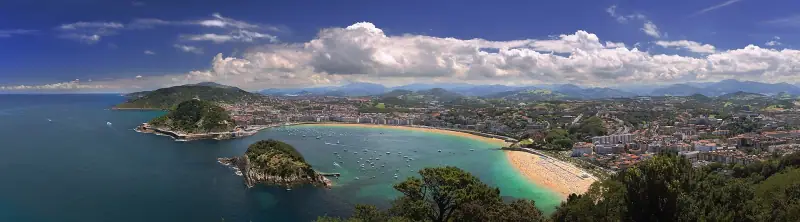
1 day
San Sebastián in 1 day from the Basque coast: itinerary and tips
One day in San Sebastián from Biarritz, Saint-Jean-de-Luz or Hendaye: how to get there, what to see and where to taste pintxos.
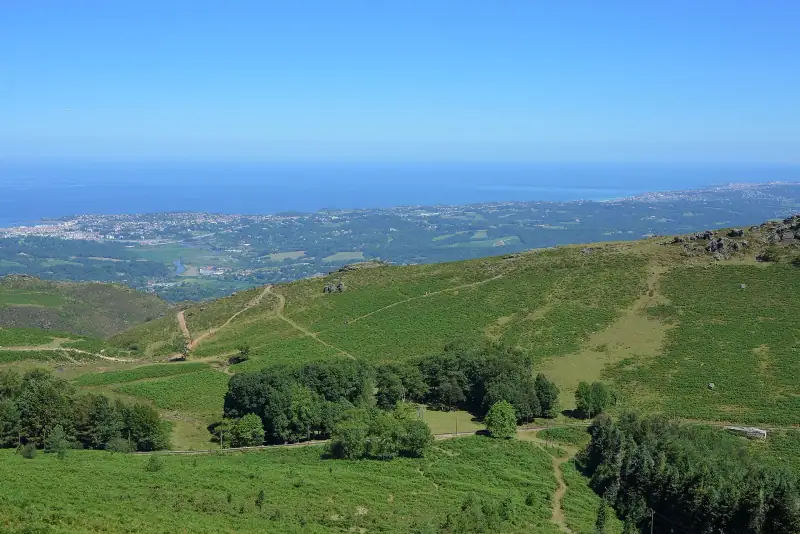
5 days
The Basque Country in 5 days with kids: stops and pace
The Basque Country with kids in 5 days: drive times, beaches, La Rhune cog train, Sare caves and a rainy-day plan B, at a child's pace.
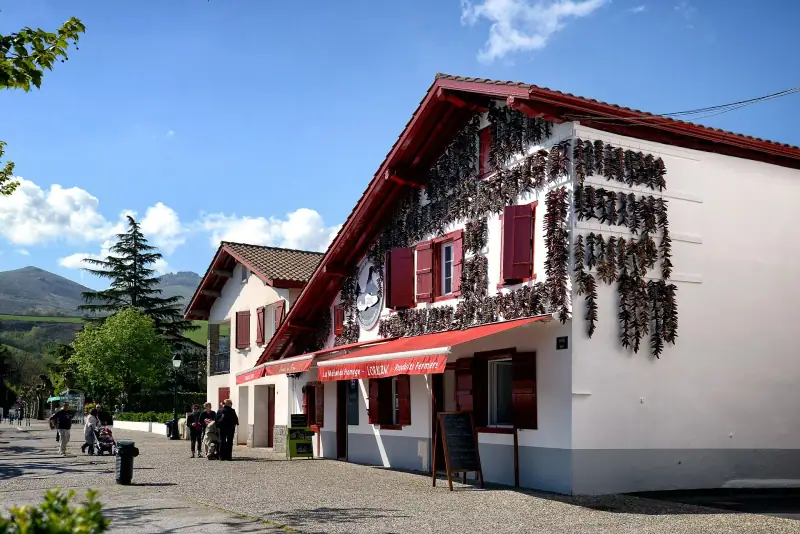
3 days
3 days in the Basque Country: coast and inland itinerary
A 3-day Basque Country itinerary: Biarritz, Bayonne, Saint-Jean-de-Luz, Espelette and La Rhune, with distances, tips and good addresses.