Where to stay
Where to stay in Formentera: a guide to the best areas for your budget
We may earn a commission when you book through links on this page, at no extra cost to you. We don't visit or try the places we cover: we summarize published sources. How we work
In short
- Es Pujols is the main resort (€100-300 a night in high season, about $116-350); La Savina is handy for the ferry; Migjorn is calm along the island's longest beach; La Mola is rural and isolated.
- Formentera is one of the priciest Balearic destinations in July-August: a decent apartment costs €100-250 a night (about $116-290); prices drop 40 to 60% in May or September.
- Book 4 to 6 months ahead for July-August, 2 to 3 months for June and September, about a month for May and October.
- Wild camping is strictly forbidden and the island has no official campsite; most hotels and restaurants close from November to April.
Formentera is the smallest and best preserved of the larger Balearic Islands. With fewer than 12,000 permanent residents and a deliberate policy of limiting tourism, the accommodation offer is intentionally small, which also makes it one of the most sought-after and expensive destinations in the Mediterranean in summer. Choosing the right area to stay changes your experience of the island radically.
This guide presents Formentera’s different accommodation areas with their pros, cons and the types of places you will find there, so you can book knowing what to expect.
La Savina: the arrival port
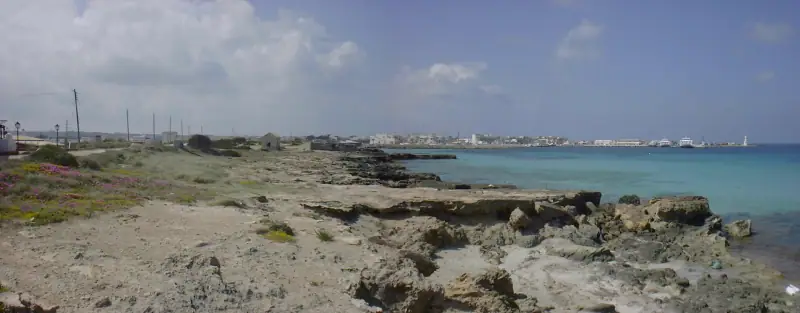
La Savina is Formentera’s only port, and it is where all the ferries from Ibiza land. The fast ferry trip takes about 30 to 40 minutes; the classic ferry takes about an hour. This busy little port is the starting point for every discovery of the island.
Sleeping in La Savina has an obvious practical advantage: you are a short walk from the ferries, ideal if you arrive in the evening or leave very early in the morning. A few hotels and apartments sit right next to the port, with views over the salt lagoons (Estany Pudent and Estany des Peix, protected natural areas).
Atmosphere: functional, lively in the morning and evening when ferries come and go, calm at night Budget: mid-range (€80-200 a night in high season, about $93-232) Who it suits: travelers arriving late, short stays, cyclists who want to set off exploring early
Major drawback: La Savina is not a beach resort. There is no beach right at the port. The best beaches (Ses Illetes, Es Pujols, Migjorn) are 10 to 20 minutes away by bike or scooter.
The village of Sant Francesc Xavier (the island’s administrative capital) is about 3.5 kilometers (2.2 mi) from La Savina, on a slight uphill. Most of the island’s services are concentrated here: pharmacies, supermarkets, banks, post office. A few guesthouses and small boutique hotels are located here, in a more village-like and less touristy atmosphere.
Es Pujols: Formentera’s main resort
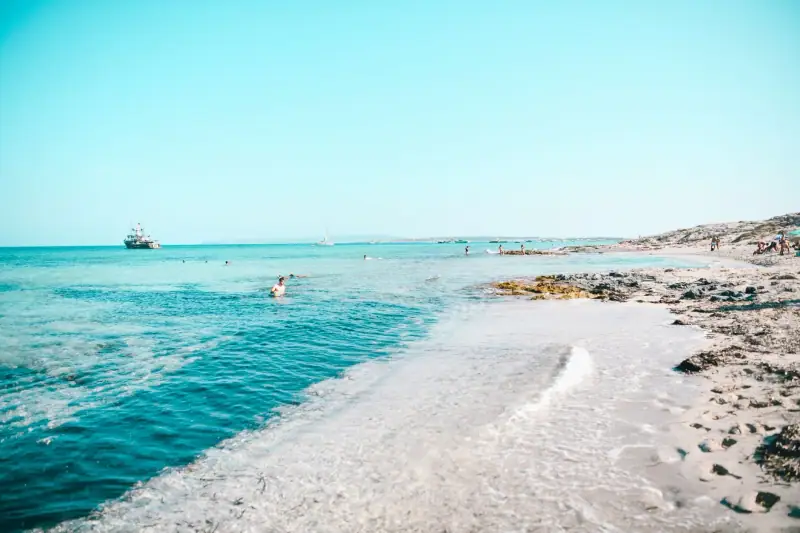
Es Pujols is without question Formentera’s tourist center. On the island’s north coast, about 5 to 6 kilometers (3 to 4 mi) from La Savina, this village holds the vast majority of the island’s hotels, apartments, restaurants and shops. Its white-sand beach, with shallow and very clear water, is one of the most accessible and busiest.
It is the only area of Formentera where you will find real “resort life”: a seafront promenade, lively terraces in the evening, bike and scooter rentals, supermarkets. In the evening, Es Pujols’ main street is the island’s main meeting point for dinner or a drink.
Atmosphere: lively without excess, family and young, relaxed Budget: mid-range to high (€100-300 a night in high season, about $116-350) Who it suits: couples, families with children, first stays in Formentera
Types of accommodation in Es Pujols
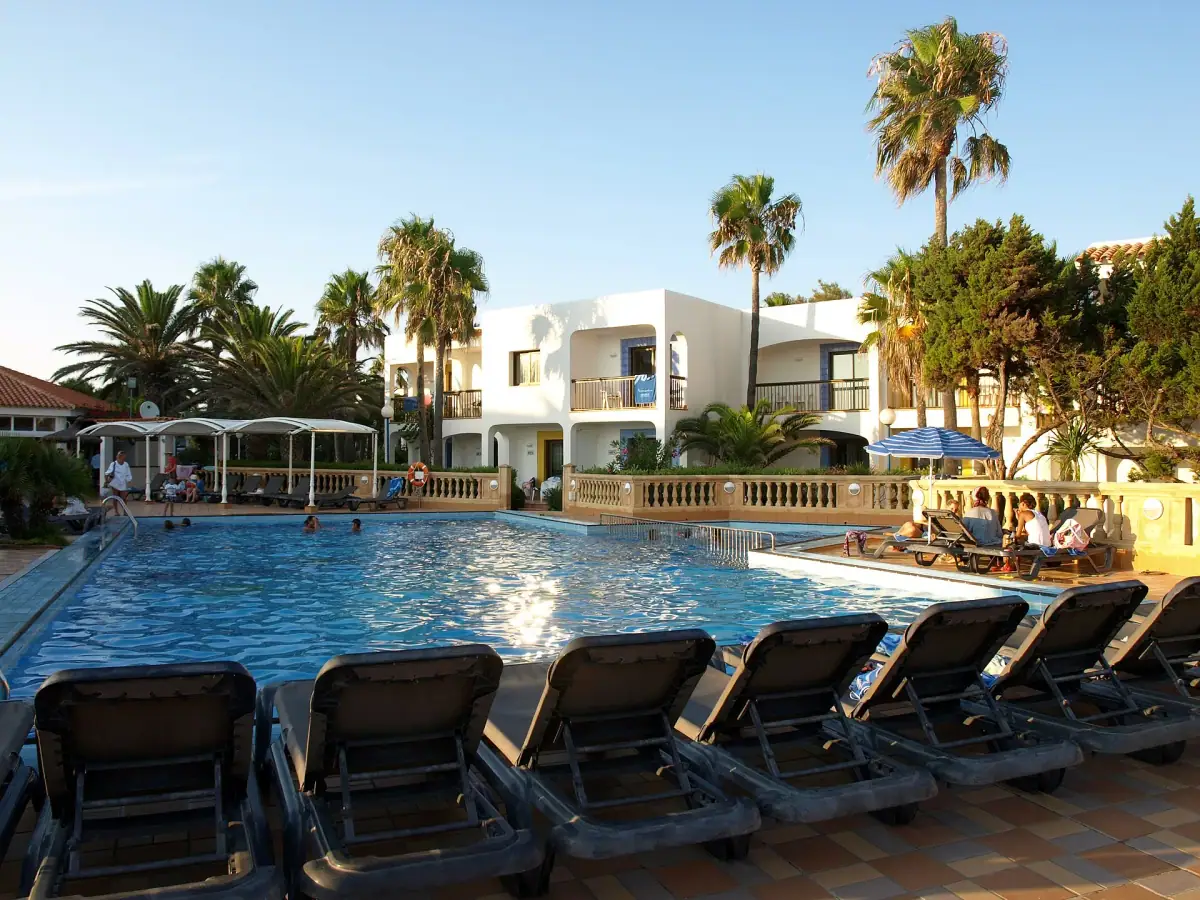
The offer is mainly rental apartments and aparthotels (a setup with reception and a pool, but in a self-contained apartment). Classic hotels are fewer than in Mallorca or Ibiza, because Formentera’s strict regulations limit new construction.
The places closest to the beach are in high demand and are booked several months ahead. Within reasonable walking distance (5 to 10 minutes), there are more affordable options without sacrificing quality.
Nearby: from Es Pujols, the famous beach of Ses Illetes is reachable by bike in about 30 minutes or on foot in 80 to 90 minutes (4.6 km, or 2.9 mi). From La Savina the trip is shorter: about 15 minutes by bike and 40 minutes on foot (2.6 km, or 1.6 mi). This white sand spit flanked by turquoise water is considered by many rankings one of the most beautiful beaches in Europe.
Hotels and apartments in Es Pujols
Book early: the offer is limited and demand is very strong in July-August.
Migjorn beach: the wild south coast
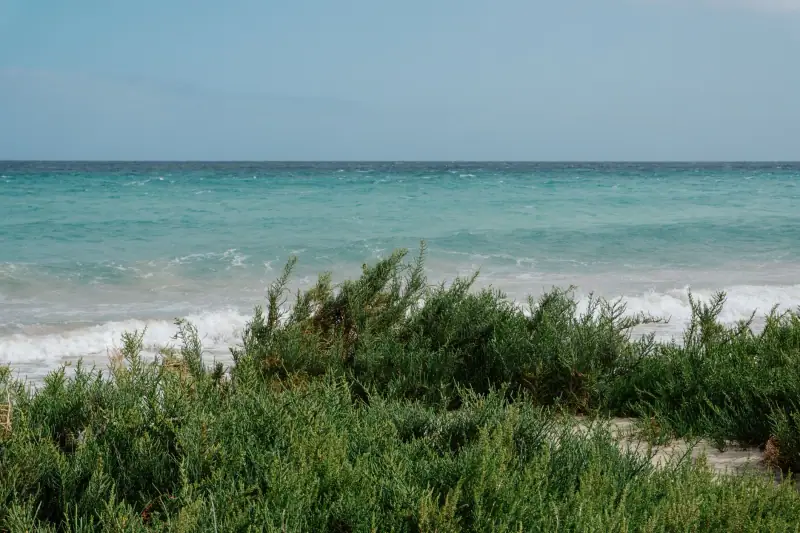
Migjorn beach stretches along the entire south coast of Formentera, about 8 kilometers (5 mi) long. It is the island’s largest beach, less known to day-trippers and much quieter than Es Pujols or Ses Illetes.
Sleeping at Migjorn means choosing a radically different atmosphere: fewer people, dunes lined with Mediterranean vegetation (pine, rosemary, juniper), crystal-clear water and an open horizon facing Africa. Most places to stay are right on the beach or a very short distance away, often in small independent hotels or unusual guesthouses.
Atmosphere: calm, natural, bohemian and relaxed Budget: mid-range to high (€90-250 a night in high season, about $105-290) Who it suits: couples seeking tranquility, nature lovers, travelers fleeing the crowds
The Migjorn zones
Migjorn beach is long and not uniform. Several sectors are generally distinguished:
- West Migjorn (La Savina side): more accessible, a few beach restaurants by the sea, a laid-back atmosphere
- Central Migjorn: the heart of the beach with the most sought-after places
- East Migjorn (toward El Pilar): the wildest sector, few buildings, ideal for those who love solitude
The coastal road along Migjorn is little used and makes a lovely evening bike ride, with magnificent views of the cliffs and the sea.
La Mola and El Pilar de la Mola: the authentic east
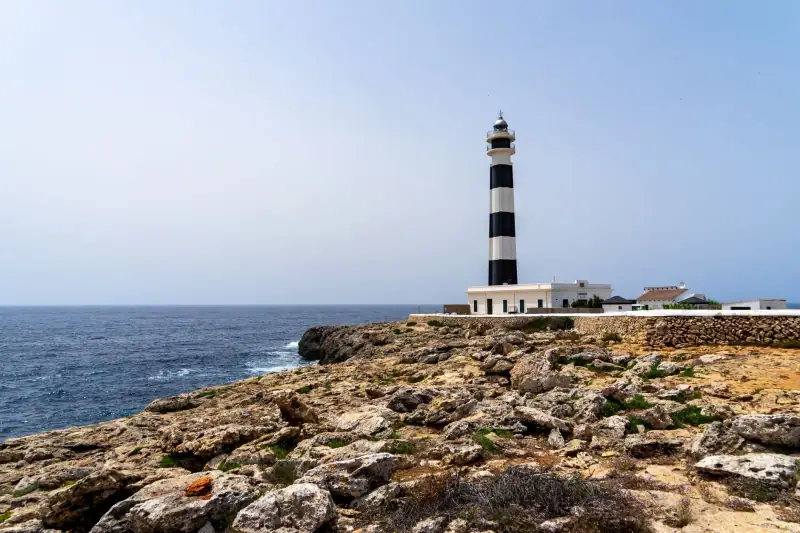
The La Mola plateau occupies the whole eastern part of Formentera. This high ground (up to about 190 meters, or 623 ft, above sea level) offers spectacular panoramas over the sea and dense vegetation. Its emblem is the Faro de la Mola, a 19th-century lighthouse that gave Jules Verne the setting for his novel Hector Servadac (1877); a commemorative monolith in his honor was erected near the lighthouse in 1978.
The village of El Pilar de la Mola is an authentic small town known for its crafts market (held twice a week in season), its few typical restaurants and its preserved atmosphere.
La Mola has the island’s smallest accommodation offer. You mainly find:
- Guesthouses and small family-run inns
- Rural houses rented by the week
- Agroturismos (farm stays) in the surroundings
Atmosphere: rural, authentic, isolated, very calm Budget: variable (€60-180 a night depending on the place, about $70-210) Who it suits: alternative travelers, hiking fans, those who want to get away from the crowds
Important point: from La Mola, a bike is not enough to get back to Es Pujols or La Savina (the descent from the plateau is several kilometers of road). A scooter or car is recommended for stays in this area.
Scooter or car rental in Formentera
Essential for exploring La Mola and the isolated coves of the east of the island.
Villa rentals and alternative accommodation
Formentera is particularly well suited to renting villas or independent houses by the week. This option is popular with families and groups of friends who want a private garden, a pool and more independence.
Peer-to-peer rental platforms offer a wide choice of traditional fincas (farmhouses restored with local materials) and modern villas with pools. This option often works out cheaper per person than a hotel, especially for stays of a week or more.
Where to look: the Migjorn and La Mola areas hold the most isolated and spacious houses. Around Es Pujols and Sant Francesc, houses are closer to amenities.
Camping: wild camping is strictly forbidden in Formentera because of fire risk and the protection of natural areas. The island has no official campsite. Ask the Consell de Formentera for the current regulations.
Accommodation budget summary for Formentera
| Area | Budget/night (high season) | Atmosphere | Who it suits |
|---|---|---|---|
| La Savina | €80-200 (~$93-232) | Practical, port | Short stay, late arrival |
| Sant Francesc Xavier | €70-180 (~$81-210) | Village, services | Families, quiet stay |
| Es Pujols | €100-300 (~$116-350) | Lively, seaside | Couples, families, first stay |
| Migjorn beach | €90-250 (~$105-290) | Natural, calm | Couples, nature, bohemian |
| La Mola / El Pilar | €60-180 (~$70-210) | Rural, isolated | Alternative travelers, hikers |
Indicative prices for July-August. In May-June and September-October, expect 40 to 60% less.
When to book
Formentera is perhaps the Balearic island where booking early matters most. The reason is simple: the accommodation offer is deliberately limited to preserve the island’s ecological balance.
July and August: book at least 4 to 6 months ahead. Apartments and hotels right on the beachfront are full by February or March.
June and September: book 2 to 3 months ahead. The weather is excellent (25-28 °C, or 77-82 °F) and the island is much less crowded. These months are the best compromise of quality, price and calm.
May and October: a month ahead is generally enough. Some places start closing from mid-October.
November-April: the vast majority of hotels and restaurants close. Formentera is a very seasonal island. A few places stay open year-round, mainly around Sant Francesc Xavier.
All places to stay in Formentera
Compare hotels, apartments and villas across the island.
Preparing your stay
Once you have chosen where to stay, see our complete guide to Formentera to plan your activities and miss none of the highlights. If you only have 3 days, our day-by-day Formentera itinerary will guide you step by step. And to pick the best beaches for your stay, see our selection of the most beautiful beaches of the Balearic Islands.
Formentera rewards those who prepare ahead. With a deliberately limited accommodation offer and very strong demand in high season, booking early is not an option but a necessity, especially if you are aiming for beachfront places. In return, you will have access to one of the most beautiful islands in the Mediterranean, with its unreal blue waters and preserved landscapes.
Frequently asked questions
What is the best area to stay in Formentera?
Es Pujols is ideal for vacationers who want to be close to beaches, restaurants and entertainment. La Savina suits you if you arrive late and leave early. Migjorn offers calm and proximity to the island's longest beach.
Is Formentera expensive for accommodation?
Yes, Formentera is one of the most expensive destinations in the Balearic Islands in high season (July-August). A decent apartment costs between €100 and €250 a night (about $116-290). In May or September, prices drop by 40 to 60%.
Can you camp in Formentera?
Wild camping is strictly forbidden in Formentera. The island has no official campsite: to sleep, you must choose an apartment, an aparthotel or a hotel. Ask the Consell de Formentera for the current regulations.
Do you need to rent a car if you stay in Formentera?
In Es Pujols or La Savina, a bicycle or scooter is enough for most trips. Formentera is very bike-friendly (marked paths all over the island). A car is useful to reach the isolated areas of La Mola or eastern Migjorn.
Is it better to stay in Formentera or make a round trip from Ibiza?
If you have at least 2 nights to give to Formentera, sleep on the island: you will enjoy it in the early morning and evening, away from day-trippers. For just one day, a round-trip ferry from Ibiza is workable.
When should you book accommodation in Formentera?
For July and August, book at least 4 to 6 months ahead: the accommodation offer is limited and demand very high. In June and September, 2 to 3 months is enough. In May and October, a month ahead is generally enough.
More Balearic Islands guides
Keep reading
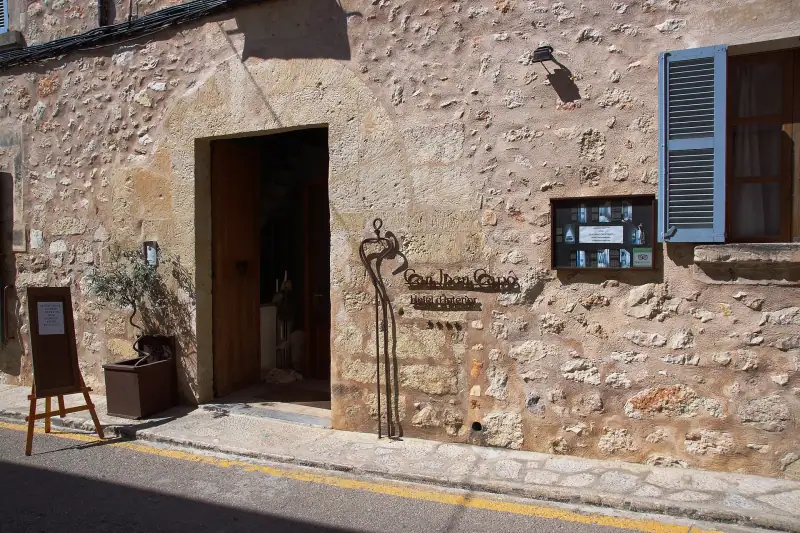
Where to stay in Santanyí or Cala d'Or (Mallorca): village or resort, with or without a car?
Santanyí or Cala d'Or: which area to pick in southeastern Mallorca? Village, coves, market, TIB 515e bus and car compared.
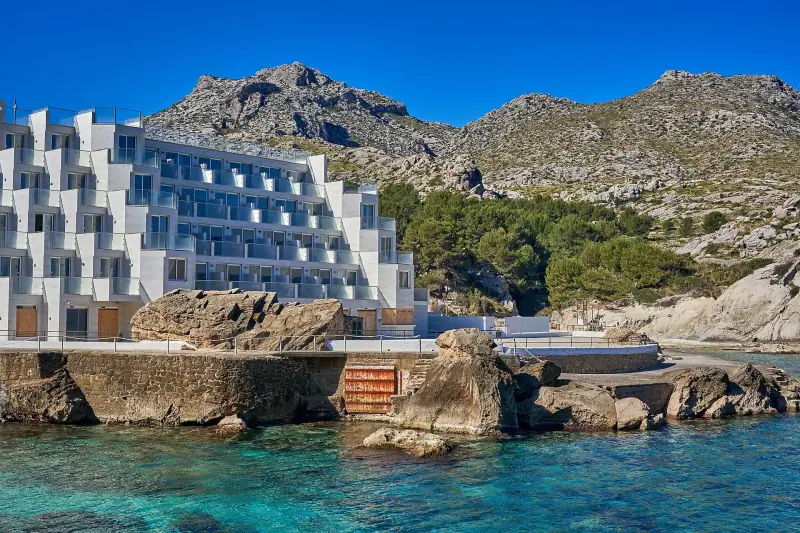
Where to stay in Pollença: old town or Port de Pollença, without a car?
Pollença old town or Port de Pollença: which area to pick in Mallorca, with or without a car? Buses, markets, beach and budgets compared.
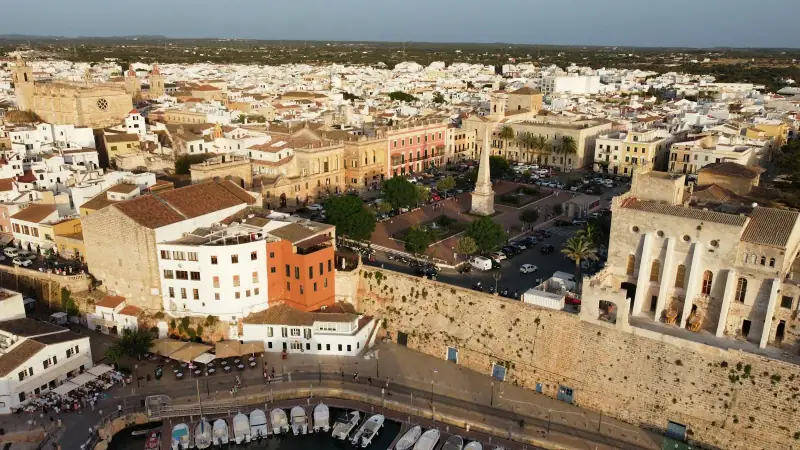
Where to stay in Ciutadella: a guide to the best areas and places to stay
Where to stay in Ciutadella? Barri Antic, old harbor, western coves: a full guide to areas and places to stay in Ciutadella de Menorca, Menorca.
Ready-made
Balearic Islands itineraries
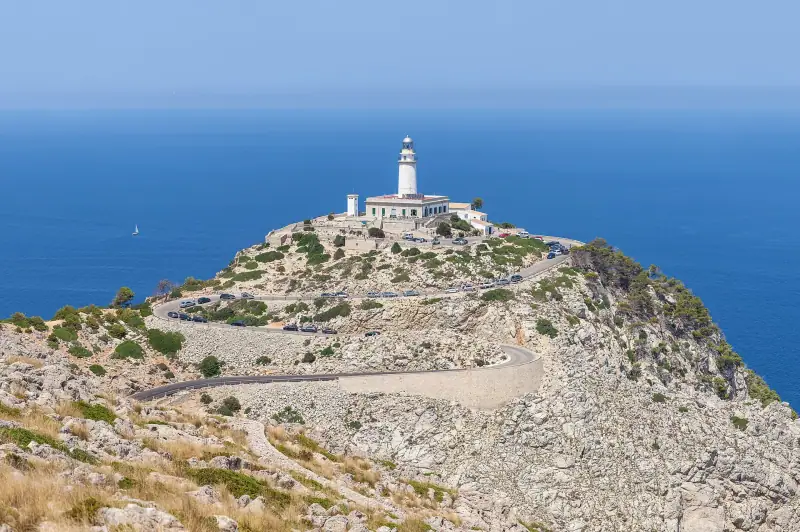
5 days
3 days
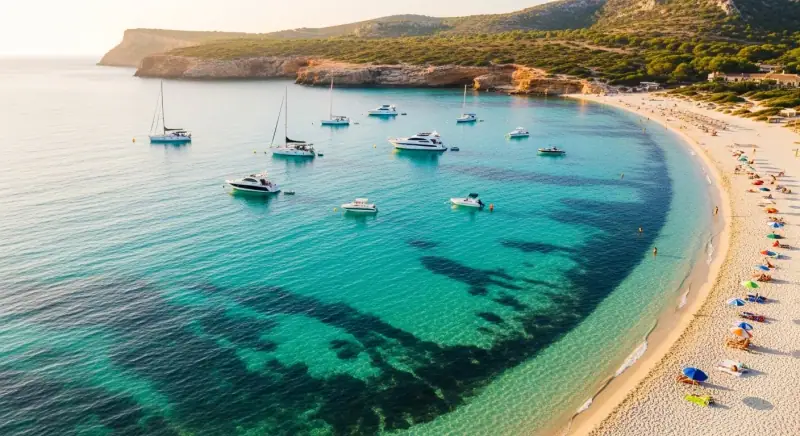
Formentera in 3 days: a complete itinerary, beaches and practical tips
Discover Formentera in 3 days: the best beaches, Illetes, La Mola, the salt lagoons. Day-by-day itinerary, transport and places to stay.
7 days
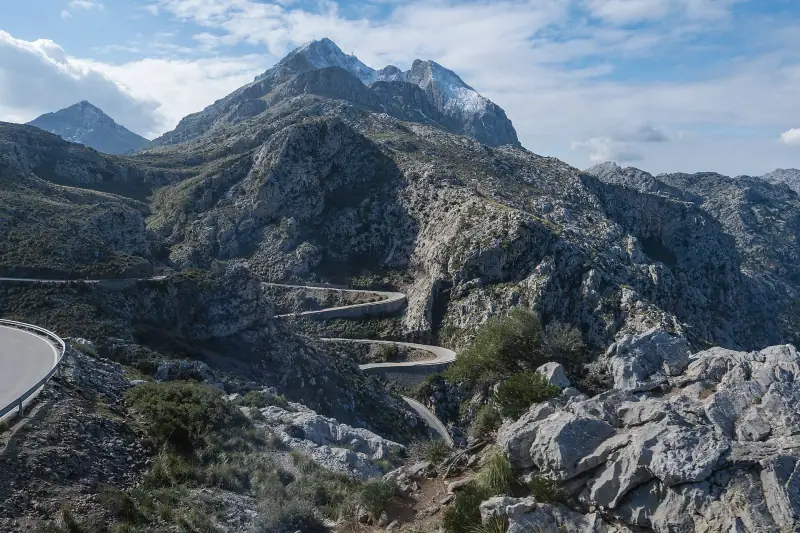
Mallorca in 7 days: a complete itinerary to discover the island
7-day Mallorca itinerary: Palma, Serra de Tramuntana, wild coves, picturesque villages. A practical day-by-day guide for a perfect road trip.