What to see
Visiting Mirissa: beaches, whale watching and surf in Sri Lanka
We may earn a commission when you book through links on this page, at no extra cost to you. We don't visit or try the places we cover: we summarize published sources. How we work
In short
- Whale-watching season is November to April; boats leave around 5-6 am and trips last 4 to 6 hours, generally €30 to 50 (about $35 to 58) per person.
- Mirissa has beginner to intermediate surf, best from May to October; Weligama, about 6 km (4 mi) west, is even easier for beginners.
- Mirissa is about 150 km (93 mi) south of Colombo (2 h to 2 h 30 by car on the Southern Expressway) and 35 km (22 mi) east of Galle.
- Beach swimming is generally calm from November to April; from May to October currents can be strong. Respect the safety flags.
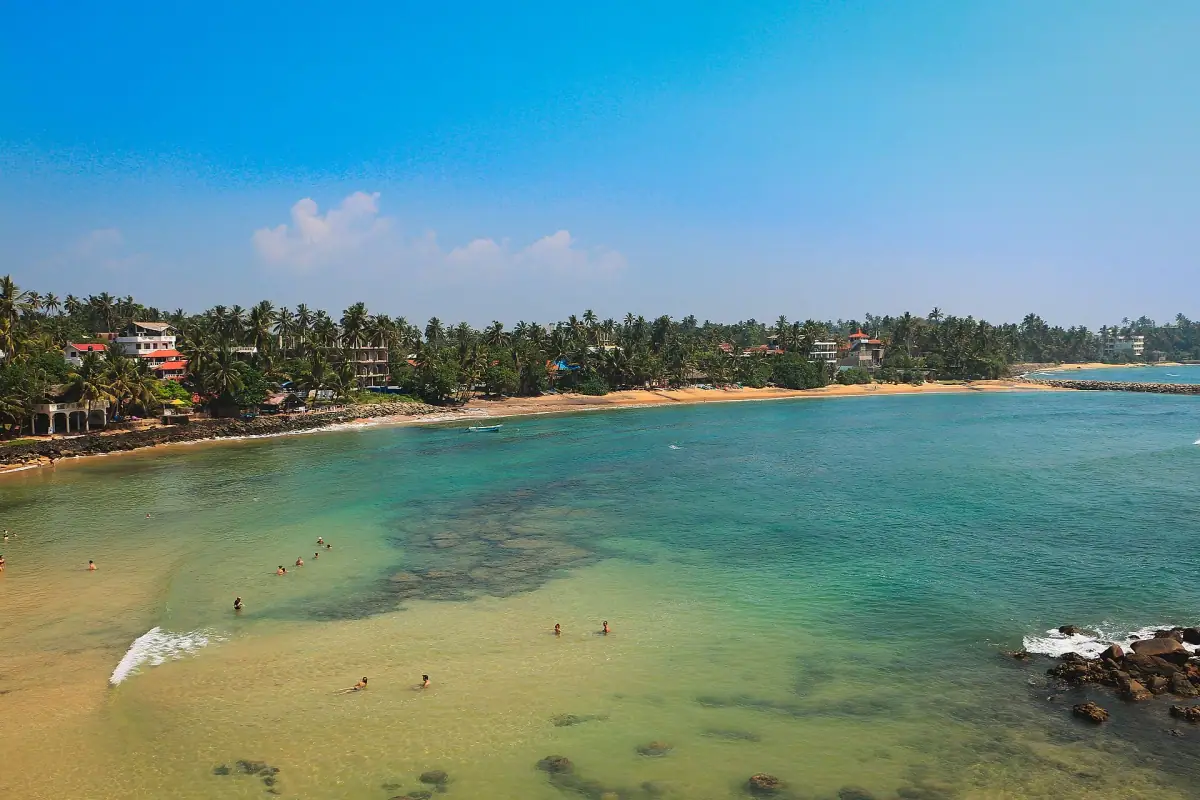
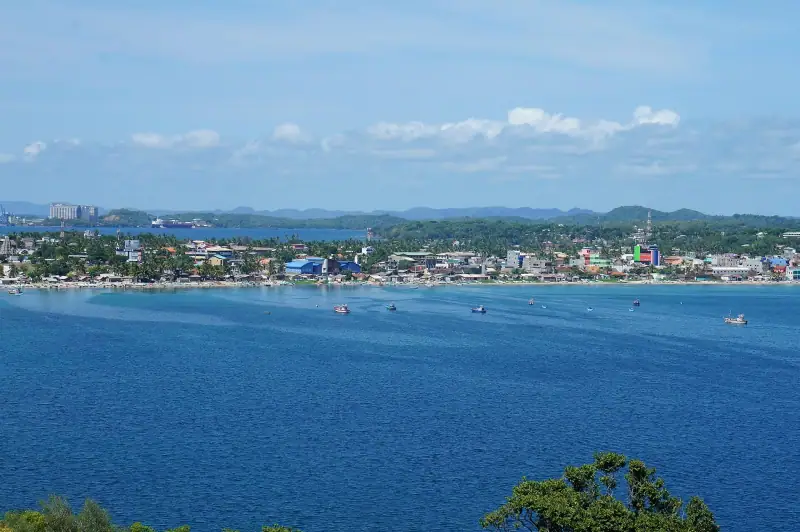
Some places seem made to slow time down. Mirissa is one of them. Tucked into a crescent cove on Sri Lanka’s south coast, about thirty kilometers (19 mi) east of Galle, this former fishing town has become in a few decades one of the best-loved spots on the island, without losing its quiet and slightly wild character.
What makes Mirissa unique is the rare combination it offers: a fine-sand beach lined with palm trees, a turquoise sea ideal for surfing and swimming, and at the far end of the bay a small rocky islet, Parrot Rock, reachable at low tide, from which you take in the whole beach at a glance. But the real star of Mirissa is what happens offshore: the deep waters south of the island shelter one of the most accessible blue whale populations on the planet. Every year, between November and April, hundreds of travelers come here at dawn to board converted fishing boats and try to glimpse the largest animal ever to have lived.
Mirissa is not a big town, not even really a village in the strict sense. It is more a long beach with guesthouses, fish restaurants and surfboard rental shops on either side. And that is exactly why people love it.
Whale watching: seeing blue whales
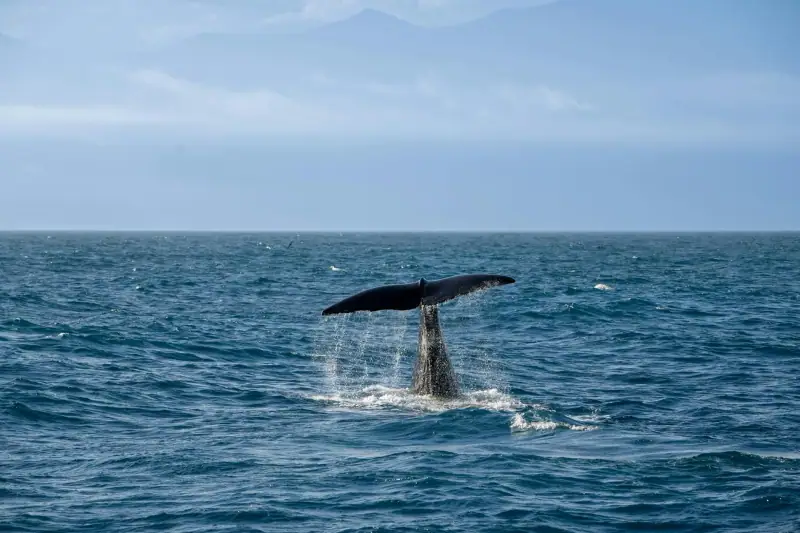
Whale watching in Mirissa is, without question, one of the most striking experiences Sri Lanka can offer. The waters of the south coast, deep and rich in krill, attract blue whales (Balaenoptera musculus) every year, the heaviest and longest animals ever to have lived on Earth, able to exceed 25 m (82 ft) in length and weigh up to 180 tonnes (about 200 US tons). Seeing such a creature emerge a few dozen meters from the boat, blow a spout several meters high, then dive back into the opacity of the ocean leaves an indelible impression.
The ideal season runs from November to April, with a peak from November to March. This is the northeast monsoon period: the sea is calm off the south coast, and the whales come up toward the surface to feed. Outside this season, trips are often canceled because of swell.
How a trip at sea works
Excursions leave from Mirissa’s small harbor, generally between 5 and 6 am. You should arrive 15 to 20 minutes before departure for boarding formalities. The trip lasts between 4 and 6 hours depending on conditions and the location of the cetaceans.
Reputable operators follow Sri Lankan whale-watching regulations (check with the Department of Wildlife Conservation or the Sri Lanka Tourism Development Authority), which in particular forbid approaching within 100 m (330 ft) of whales and encircling the animals. When you book, prefer operators that respect these rules; boats that get too close or cut across the whales’ path are to be avoided, also for your own safety.
In addition to blue whales, trips often see sperm whales, spinner dolphins in pods of several hundred individuals, and sometimes Risso’s dolphins or even orcas. Manta rays are also reported between December and March.
Practical tips for whale watching:
- If you are prone to seasickness, ask your doctor or a travel clinic what to bring before the trip; the swell offshore can be considerable
- Dress in layers (it is cool at sea early in the morning)
- Bring sunscreen, water and a windbreaker
- Book ahead in high season, especially in January-February (the busiest period)
- Prices generally range between €30 and 50 (about $35 to 58) per person depending on the operator and the type of boat (to be confirmed with the operator)
Whale-watching excursions in Mirissa
Certified trips at sea, with naturalist guides available.
Mirissa beach and Parrot Rock
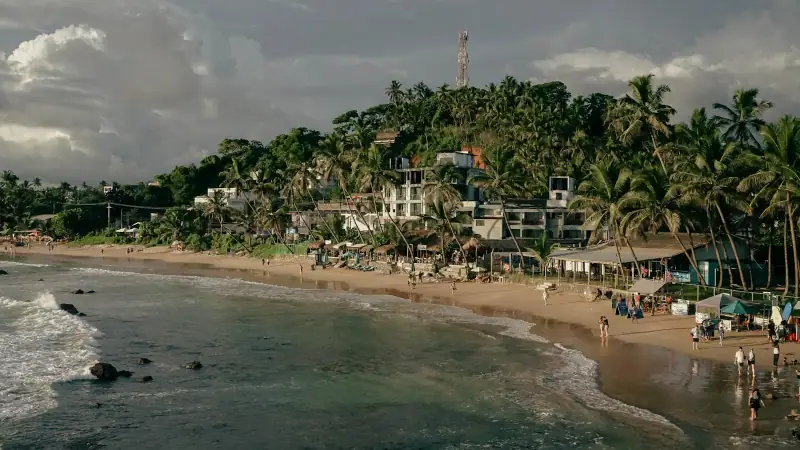
Mirissa beach stretches about 800 m (2,620 ft) in an arc, lined with coconut palms, some of which lean almost horizontally over the water. The sand is golden, and the sea shifts from light turquoise to deep blue depending on the hour and the season. In high season, about twenty beach restaurants and bars liven up the seafront from breakfast until night.
Parrot Rock: the iconic rock
At the east end of the beach, Parrot Rock is a small rocky islet crowned with palm trees, linked to the beach by a ford passable at low tide. It is one of the most photographed sites in Sri Lanka, and one of those that justify the word “postcard”. From the top of the rock (reachable in a few minutes of scrambling), you overlook the whole bay with a 180° view over the Indian Ocean. The golden hour of sunset is especially spectacular there.
Caution: the crossing to Parrot Rock can be dangerous when the sea is strong. Check conditions before attempting it, and avoid it in the rainy season.
Snorkeling around the rock
The seabed around Parrot Rock shelters a modest but living coral reef, with parrotfish, clownfish and sea urchins among the corals. Snorkeling is accessible to all levels; masks and snorkels can be rented from several vendors on the beach (indicative price about 500 LKR, to be checked locally).
Surfing in Mirissa
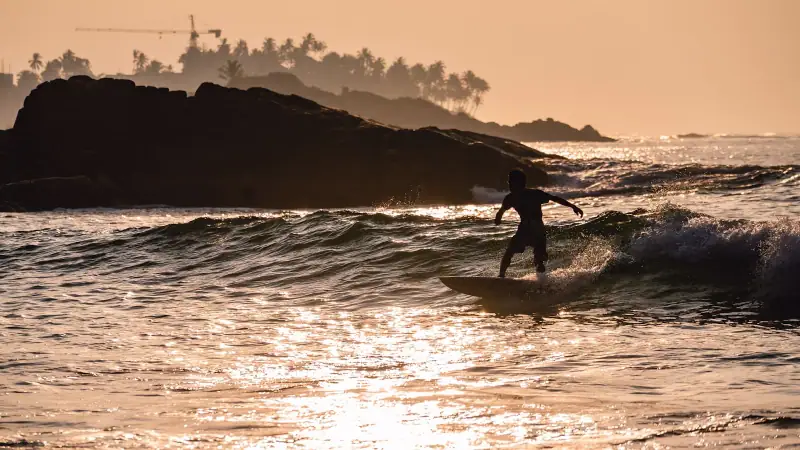
Mirissa offers good surf conditions, especially during the southwest rainy season (May to October), when waves formed by depressions in the Indian Ocean break on the coast. Mirissa’s waves are ideal for beginner to intermediate surfers: neither too long nor too powerful, they let you progress without being battered by the ocean.
The left part of the bay (west side, near the rocky point) produces the best waves, with regular lefts that can last several seconds. The center and right of the beach are more suitable for beginners.
Surf schools offer lessons by the day or the week. Allow about 3,000-4,000 LKR for a 2-hour lesson including board and vest. Most instructors speak English.
If you are looking for longer, more accessible waves to start completely from scratch, Weligama (about 6 km / 4 mi west of Mirissa) is even better suited: the bay is more sheltered, the waves more regular, and the surf scene is very well organized with experienced instructors.
Surf and snorkeling activities
Surf lessons, equipment rental, diving and snorkeling on the south coast.
Food: eating in Mirissa
Mirissa is above all a seafood destination. Nearly all the beachfront restaurants display fresh fish, crustaceans and shellfish caught that very morning by the village’s boats. The ritual is simple: you choose your catch from what is laid on ice, specify how it is cooked (grilled, curry or fried), and wait for it to arrive at the table with rice, a coconut sambol and sautéed vegetables.
The local seafood platter
The seafood platter is the dish to order. Depending on the season, it includes tuna, prawns, squid, barracuda, red snapper and sometimes lobster. Prices vary with what you choose, but allow roughly 1,500 to 3,500 LKR per person for a full meal with a drink (prices to be checked locally, as menus vary).
To eat at the best price, avoid first-row beach restaurants (a 20 to 30% markup for the view) and opt for the small places set back in the lanes parallel to the beach, where you find excellent rice and curry for 250-400 LKR.
In the morning: hoppers and coconut rice
Hoppers (rice-flour bowl pancakes, crispy at the edges and soft in the center) are found in the small eateries that open early in the morning. They are eaten sweet (with honey and coconut jam) or savory (with an egg cooked inside). It is the ideal breakfast before a whale-watching trip: light, cheap and delicious. Our guide to Sri Lankan food details all the dishes to try during your stay.
Getting to Mirissa
From Colombo
Mirissa is about 150 km (93 mi) south of Colombo. By car via the Southern Expressway, allow about 2 h to 2 h 30 depending on traffic leaving the capital. A private transfer from Bandaranaike airport generally costs between €40 and 60 (about $46 to 70) for a group.
By bus from Colombo, several lines serve the south coast. Direct buses to Matara (about 10 km / 6 mi east of Mirissa) stop at the Mirissa junction. Allow about 3 to 4 hours (a fare of a few hundred rupees depending on the type of bus, to be checked locally).
Mirissa has a small station on the Colombo-Matara coastal line (check times with Sri Lanka Railways, as not all trains necessarily stop there). Weligama station (about 6 km / 4 mi west) is also on this line. From Weligama, a tuk-tuk to Mirissa costs about 400-600 LKR.
From Galle
Mirissa is about 35 km (22 mi) east of Galle. By local bus from Galle station, allow 45 minutes to 1 hour (a fare of a few dozen rupees, to be checked locally). By tuk-tuk, allow about 45 minutes and a fare to negotiate (around 1,500 to 2,000 LKR, indicative; the PickMe app gives you a fixed price). It is the ideal combination: spend two nights in Galle to explore the Fort, then head down to Mirissa to finish the coastal stay. Our guide to Galle details all the options from the historic town.
From Ella or Kandy
There is no direct link from the Hill Country. From Ella, allow about 3 to 4 hours by car via Wellawaya then the south coast (Tangalle, Matara). From Kandy, allow about 4 h 30 to 5 h via Colombo or cutting across inland roads via Ratnapura.
Where to stay in Mirissa
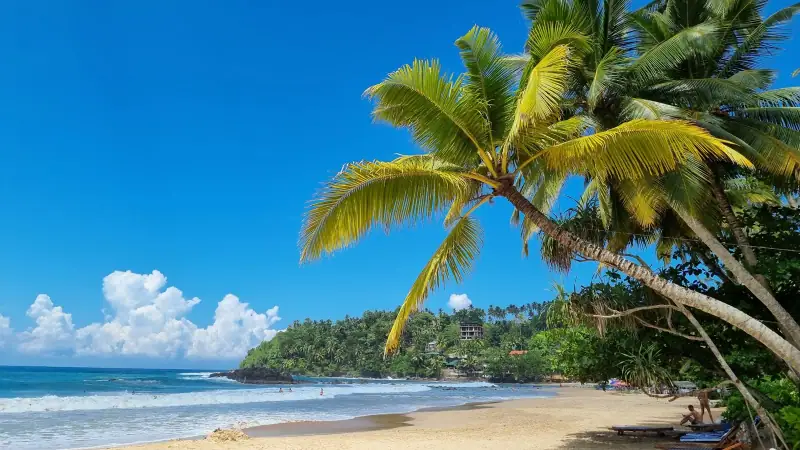
Mirissa has no large international hotel, which adds to its charm. Accommodation consists mainly of family guesthouses, garden bungalows and small boutique hotels, most run by Sri Lankan families. This intimacy is one of the reasons travelers come back year after year.
On the beach or nearby
Beachfront accommodation has the obvious advantage of direct access to the sea and sunsets from the terrace. In high season (December-March), allow between €30 and 70 (about $35 to 80) for a double room with a view. In low season, the same rooms drop to €15-35 (about $17 to 41).
Set back from the beach: good value
Guesthouses 200-500 m (650-1,640 ft) from the beach generally offer excellent value, with lush tropical gardens, homemade breakfasts and a calmer atmosphere. For €20-40 (about $23 to 46) in high season, you can get a room with air conditioning, a private bathroom and access to a terrace or a pool. See our south coast vs east coast comparison to compare with the alternatives in Tangalle or Arugam Bay.
Places to stay in Mirissa
Guesthouses, bungalows and boutique hotels facing the beach or in tropical gardens.
When to visit Mirissa
Sri Lanka’s south coast is subject to two opposite climate regimes depending on the season:
November to April (high season): This is the ideal period for Mirissa. The sea is calm, the sky clear most of the time, and temperatures range between 27 °C and 32 °C (81 to 90 °F). It is also whale-watching season. Hotels fill up quickly in December-January, so book ahead.
May to October (southwest rainy season): The monsoon hits the south coast with showers that are generally short but intense. The sea can be rough, swimming less pleasant and whale-watching trips canceled. On the other hand, the vegetation is an intense green, prices fall by 30 to 50%, and the beach is much less crowded. It is the ideal season for surfing. Our guide to the best time to visit Sri Lanka helps you plan according to your priorities.
Practical information
Getting around: Mirissa is easy to cover on foot along the beach. For excursions nearby (Weligama, Tangalle, Galle), tuk-tuks are everywhere and prices are negotiable. The PickMe app (the local equivalent of Uber) works well in the area and lets you avoid fare discussions.
Money: There is no large bank in Mirissa village. The nearest ATMs are in Weligama (10 km / 6 mi) or on the main road near the junction. Most hotels and restaurants accept cash payments (LKR); cards are accepted in more touristy places. Always carry a little cash.
Tuk-tuks and bargaining: The standard price for a local tuk-tuk trip (within Mirissa) is 200-400 LKR. For Weligama, allow about 600-800 LKR. Always settle the price BEFORE getting in the vehicle.
Wi-Fi: Most guesthouses and restaurants offer Wi-Fi, of variable quality. If you need a reliable connection, a local SIM card (Dialog or Mobitel, available at the airport or in town) is the best option, as data plans are very affordable in Sri Lanka. You can also check your carrier’s international plan or use a travel eSIM.
Safety at sea: Respect the swimming flags and never underestimate currents. In the rainy season, even in apparently good weather, rip currents can be dangerous. Ask locals or equipment renters for advice on the day’s conditions.
Mirissa fits naturally into a 7-day Sri Lanka itinerary as the final stop on the south coast, after Galle. It is also the ideal gateway to head back up to the Hill Country or continue east toward Tangalle and Arugam Bay. More than any other destination on the island, Mirissa embodies this rare balance between accessibility and authenticity, between the thrill of the open sea and the softness of a fine-sand beach under the palms.
Frequently asked questions
When can you go whale watching in Mirissa?
The best time to see whales off Mirissa is November to April. These are the months when blue whales and sperm whales move up toward Sri Lanka's south coast. Trips leave early in the morning (around 5-6 am) and last between 4 and 6 hours. Outside this season, the sea can be rough and trips are canceled.
Is Mirissa good for surfing?
Mirissa has waves suited to beginner and intermediate surfers, especially from May to October (southwest monsoon). The main beach offers relatively gentle rights and lefts. For longer, easier waves, Weligama (about 6 km / 4 mi west) is even more accessible to beginners, with well-established surf schools.
How do you get from Galle to Mirissa?
Mirissa is about 35 km (22 mi) east of Galle. By local bus from Galle station, allow 45 minutes to 1 hour (a fare of a few dozen rupees, to be checked locally). By tuk-tuk, allow about 45 minutes and 1,500 to 2,000 LKR. By rental car or private van, the trip along the coast takes about 40 minutes.
Is Mirissa an expensive destination?
Mirissa remains one of the most affordable destinations on the south coast. You can find comfortable guesthouses from €15-25 (about $17-29) a night, and seafront restaurants serve seafood platters for €5-10 (about $6-12). In high season (December-March), prices rise by 30 to 50%, especially for places with sea views.
Is there anything else to do in Mirissa besides the beach?
Yes! Beyond the beach and whale watching, Mirissa is a starting point for snorkeling around Parrot Rock (the small islet at the end of the beach), sea kayak trips, and visits to the tea and spice plantations of the hinterland. The village of Weligama, about 6 km (4 mi) away, is ideal for watching stilt fishermen, a tradition unique to Sri Lanka.
Can you see dolphins in Mirissa?
Yes, whale-watching trips regularly see spinner dolphins in addition to whales. These dolphins move in large pods and put on impressive shows around the boats. Orcas and Risso's dolphins have also been reported in these waters, though more rarely.
Is Mirissa safe for swimming?
In high season (November-April), the sea is generally calm and well suited to swimming, especially in the middle of the beach. In the rainy season (May-October), currents can be strong and swimming is discouraged on the west side. The beach safety flags indicate safe zones. Beware of side currents and avoid swimming alone far from shore.
More Sri Lanka guides
Keep reading
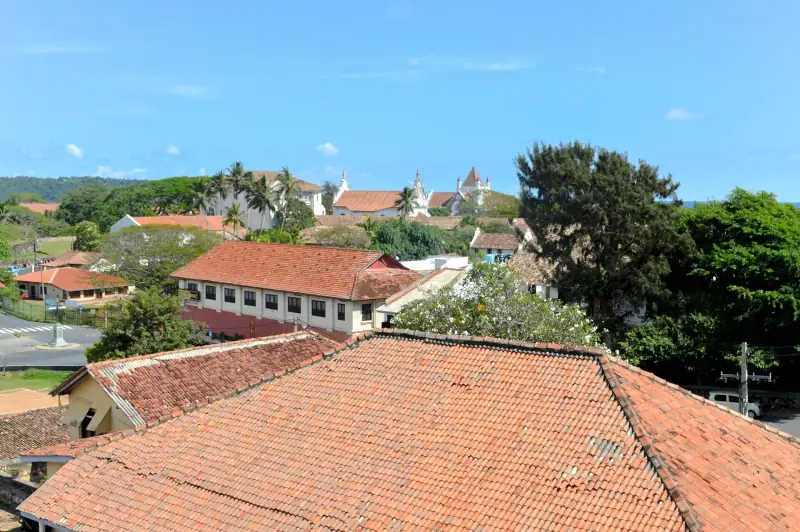
Visiting Galle: complete guide to Sri Lanka's Dutch fort
Everything to visit Galle: the UNESCO Fort, Unawatuna's beaches, restaurants, where to stay and how to get there from Colombo. 2026 guide.
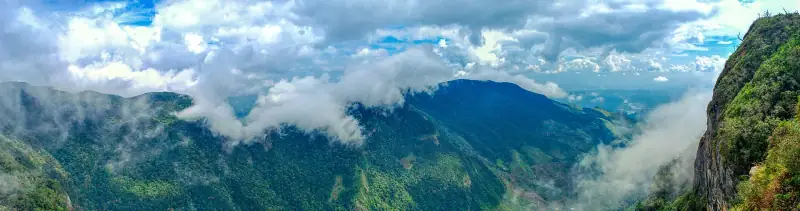
Horton Plains and World's End: hours, ticket price and getting there without a car
Horton Plains and World's End: opening hours, ticket, when to see the cliff before clouds, and how to get there without a car from Nuwara Eliya or Ella.
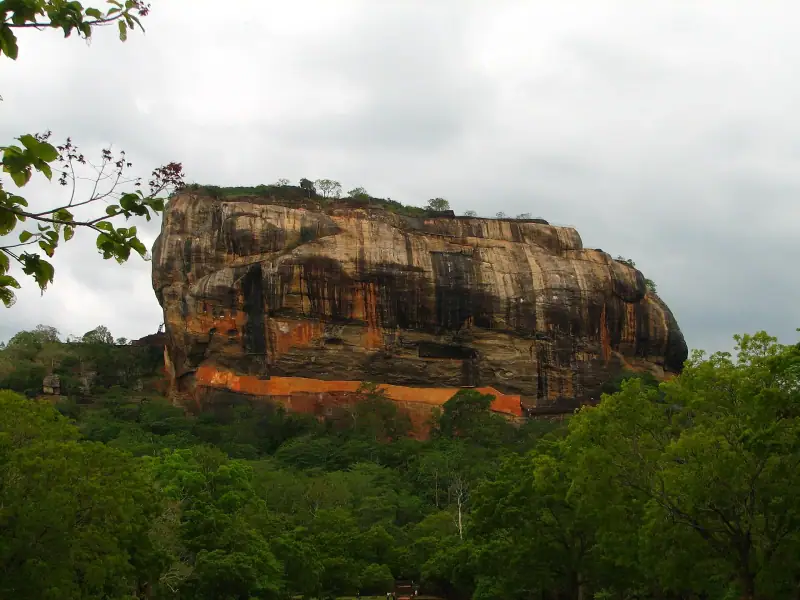
Sigiriya and the Cultural Triangle: complete guide to the sites
Complete guide to Sigiriya and the Cultural Triangle: Dambulla, Anuradhapura, Polonnaruwa. Practical tips, hours, prices and an optimized route.
Ready-made
Sri Lanka itineraries
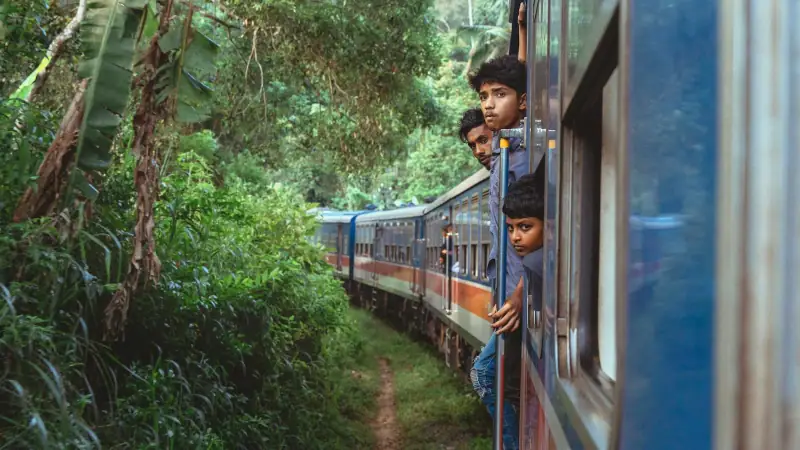
10 days
Sri Lanka in 10 days with kids: stops and pace
NegomboSigiriyaKandyHikkaduwa
Can be adapted in the planner
10 days
Sri Lanka east coast road trip: from Trincomalee to Arugam Bay
Sri Lanka east coast road trip itinerary: Trincomalee, Batticaloa, Arugam Bay in 7 to 10 days. Wild beaches, surf, nature and Tamil culture.
14 days
Sri Lanka road trip: a 2-week itinerary by car
14-day Sri Lanka road trip: complete itinerary with the Cultural Triangle, Hill Country and south coast. By car, with or without a driver.