What to see
Visiting Galle: complete guide to Sri Lanka's Dutch fort
We may earn a commission when you book through links on this page, at no extra cost to you. We don't visit or try the places we cover: we summarize published sources. How we work
In short
- One full day is enough for Galle Fort; allow 2 nights to add Unawatuna beach (5 km / 3 mi away) and a whale-watching trip from Mirissa.
- The coastal train from Colombo takes 2 h 30 to 3 h; by car or van on the Southern Expressway, about 2 hours. Check the train line's status first.
- Best season on the south coast is December to March; the southwest monsoon runs May to September, with prices dropping 30 to 50%.
- Galle is one of the safest towns for tourists; decline unsolicited tuk-tuk offers to visit jewelry or gem shops.
Galle is one of those cities that grab you right away. Approaching by the coastal train from Colombo, you first see the gray granite ramparts rising out of the Indian Ocean, massive and unshakable, as if they had always been there. Then the train pulls into the station, and the city opens up: Galle Fort, a UNESCO World Heritage Site since 1988, is both a colonial relic and a living, inhabited, ever-moving neighborhood.
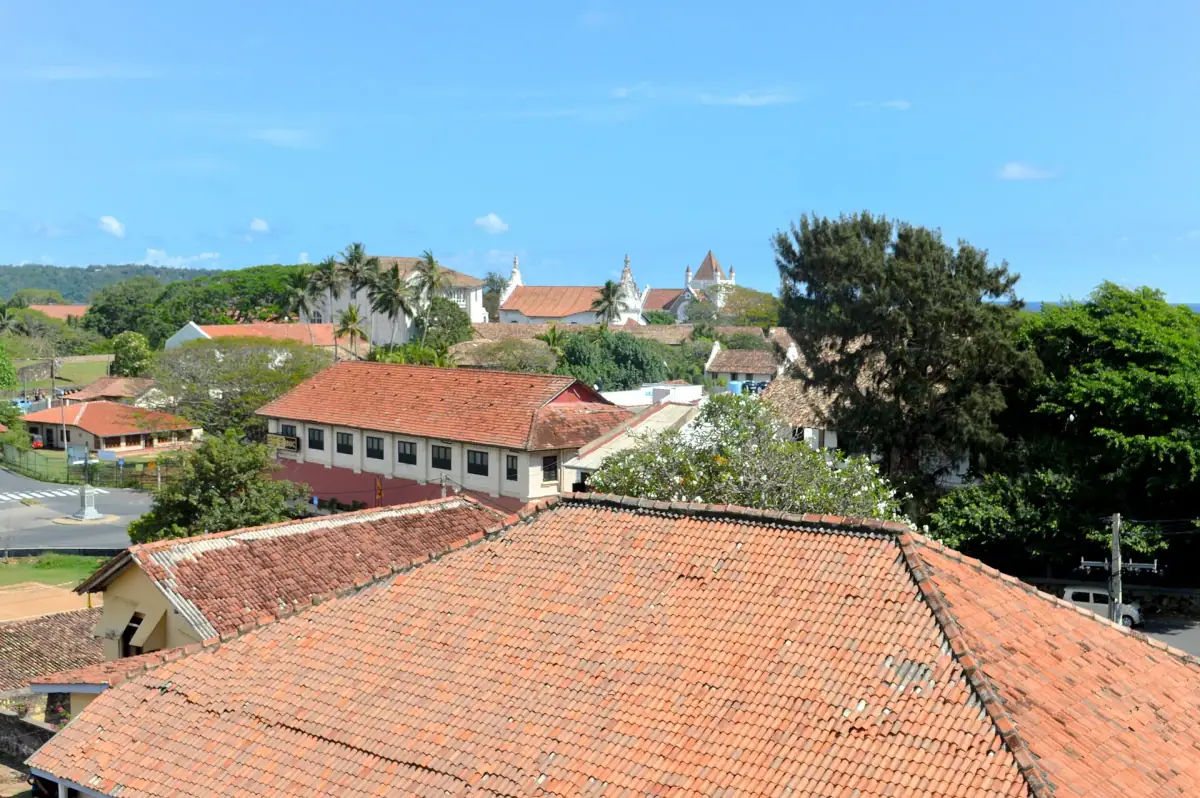
Built by the Portuguese in 1588 and then greatly expanded by the Dutch from 1663, Galle fortress is today the best-preserved colonial monument in South Asia. Inside its walls are cobbled streets, Dutch houses with red tile roofs, craft shops, cafés with vintage furniture and boutique hotels among the most elegant in the country. Outside, the Indian Ocean stretches out of sight, and fishermen in their colorful wooden outriggers head out every morning at dawn as they have for centuries.
Galle is often reduced to half a day in rushed itineraries. That is a mistake. This city deserves at least two nights: time to get lost in its lanes in the golden evening light, to settle on a corner of the ramparts and watch the sun sink into the ocean, and to explore the beaches and excursions around it.
Galle Fort: the historic heart of the city
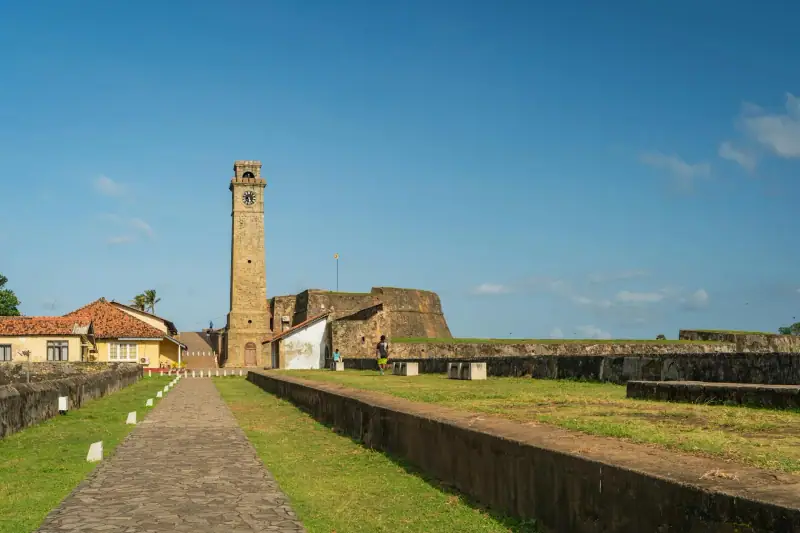
Galle Fort covers about 36 hectares (89 acres) in the southern part of the city, entirely ringed by granite ramparts that have withstood the centuries and even the 2004 tsunami, which spared the Fort while devastating the surrounding coastal areas. Inside, the district keeps a remarkably intact Dutch layout: perpendicular streets, blocks of regular proportions and public buildings with carefully made facades.
A walk on the ramparts is the first thing to do on arrival. The walkway is freely accessible from several entry points, notably the Main Gate on the land side or the Aeolus bastion on the sea side. From the top, the views are magnificent: the turquoise ocean on one side, the red roofs of the Fort and the green hills of the interior on the other. In the late afternoon, the western ramparts become the meeting place for locals and travelers to admire the sunset, an informal and very photogenic daily ritual.
Highlights of the Fort:
- Galle Lighthouse: the light site dates from 1848 (the oldest in Sri Lanka), but the current lighthouse, rebuilt after a fire, dates from 1938-1939. From the Utrecht bastion, it stands out nicely against the blue sky.
- Dutch Reformed Church (Groote Kerk): dating from 1755, it is one of the oldest Protestant churches in South Asia. The floor paved with tombstones and the silent atmosphere are worth the visit.
- Galle National Museum: housed in a former Dutch warehouse, it traces Galle’s history from the era of the Sinhalese kingdoms to the colonial period. Modest entry fee, slightly dated presentation but fascinating historical documents.
- Leyn Baan Street and Pedlar Street: the two main streets of the Fort are lined with restored colonial houses that hold antique shops, art galleries, jewelry workshops and trendy cafés.
Excursions in Galle
Guided tours of the Fort, whale watching in Mirissa, snorkeling and boat tours.
The beaches around Galle
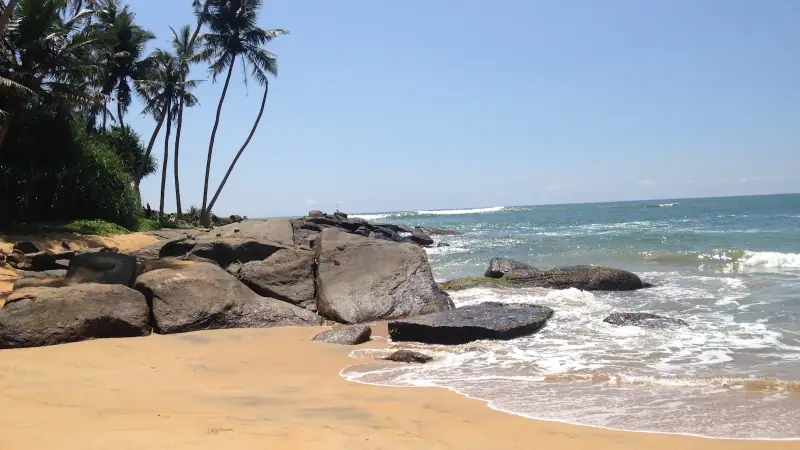
Galle’s appeal is also its immediate access to some of the most beautiful beaches in Sri Lanka. Within 30 minutes, you can alternate between cultural exploration and lazing by the ocean.
Unawatuna: the classic beach
Only 5 km (3 mi) east of the Fort, Unawatuna is the best-known and most accessible beach in the area. Its crescent bay, protected by a coral reef, offers calm turquoise water ideal for swimming, especially in high season (December-March) when the waves are gentle. The seafront is lively with a succession of grilled-fish restaurants, cocktail bars and surf shops.
For snorkeling fans, Unawatuna’s reef shelters varied marine life: parrotfish, moray eels, stingrays and, with luck, sea turtles grazing on the seagrass. Mask and snorkel rentals are easy to find on the beach (about 500 LKR).
Jungle Beach: the secret cove
About a 20-minute walk from Unawatuna, following the coastal path past the Buddhist temple on the point, Jungle Beach is a small cove tucked between rocks and dense forest. The atmosphere is radically different: no buildings, no commercial sun loungers, just a fine-sand beach and crystal-clear water. Very popular with locals on weekends, it stays quiet on weekdays.
Mirissa: whale watching and surf
Thirty km (19 mi) east of Galle, Mirissa is the starting point for whale-watching trips. Between November and April, the waters off Sri Lanka’s south coast are among the best in the world for seeing blue whales, the largest animals ever to have existed, as well as sperm whales, spinner dolphins and orcas. Trips leave early in the morning (5-6 am) from Mirissa harbor and last about 4 to 5 hours. Book ahead in high season.
Mirissa also has a lovely arched beach with waves suited to beginner surfers, a good selection of affordable guesthouses and a relaxed nightlife. Our guide to the beaches of Sri Lanka compares all the options on the south coast.
Hotels in Galle
From colonial houses in the Fort to beach villas in Unawatuna.
Food: eating in Galle
Galle, and the Fort in particular, is a food destination in its own right in Sri Lanka. The combination of an international clientele, a strong local culinary tradition and direct access to fresh Indian Ocean seafood has fostered a creative and diverse restaurant scene.
In the Fort: restaurants and cafés
The Fort’s restaurants often offer creative fusion cooking that mixes Sri Lankan, Dutch and contemporary influences. Seafood naturally takes center stage: grilled prawns in coconut curry, spiny lobster roasted in sesame oil, fried squid with spices. Prices are higher than elsewhere in the country, but the quality and the setting (restored colonial houses, flower-filled terraces) justify the bill.
In the morning, several cafés open early in the Fort to welcome early walkers on the ramparts. You find good espresso, toast with coconut jam, plates of eggs and tropical smoothies. Look for the small terraces hidden in inner courtyards; some of the best places are invisible from the street.
Outside the Fort: eating local
For a more authentic and cheaper experience, leave the Fort by the main gate and head up toward the modern town’s market. The local kades (small local restaurants) serve full rice and curry for 200-300 LKR: jasmine rice, lentil dal, vegetable curry, coconut sambol, crispy papadum. The meal is usually served on a banana leaf or a stainless-steel plate, surrounded by half a dozen small side dishes.
Street 23 and its surroundings in the modern part of Galle concentrate several places popular with locals. The morning hoppers, those rice-flour bowl pancakes, are easy to find in small restaurants open from 6 am. To go further on Sri Lankan food, our food guide gives you all the keys.
Rent a car in Galle
Explore the south coast and the interior at your own pace with a rental vehicle.
Getting to Galle
From Colombo
By train (recommended): The coastal train from Colombo Fort to Galle is one of the most beautiful rail journeys on the island. It literally hugs the coast for many kilometers, sometimes only a few meters from the ocean. In high season, pictures of waves splashing against the windows circulate on social media; the reality is even more impressive. The trip takes about 2 h 30 to 3 h depending on the train. Second class costs about 200-300 LKR; first class (reserved seats, ventilation) about 500 LKR. Book ahead in high season with Sri Lanka Railways (official booking portal or station) and check the status of the line before you go.
By bus: Frequent buses link Colombo to Galle via the southern expressway. About 2 hours, price around 150-200 LKR. Less scenic than the train, but faster.
By car or private van: The Southern Expressway links Colombo to Galle in about 1 h 30 to 2 h (depending on traffic leaving Colombo). A private transfer from Colombo airport costs about €35-50 (~$41-58) for a group.
From Mirissa or Tangalle
Frequent, inexpensive buses run all along the south coast. Allow 30 minutes from Mirissa and 1 h 30 from Tangalle. By tuk-tuk from Mirissa, allow 30-40 minutes and about 800-1,000 LKR.
From Ella or Kandy
There is no direct train. By private car or van, allow about 3 hours from Ella via Wellawaya, and 3 h 30 from Kandy via Colombo or the inland roads. The Sri Lanka road trip usually includes Galle as a stop between the Hill Country and the east coast.
Where to stay in Galle
Galle offers a range of accommodation that reflects the city’s double identity: the historic, upscale Fort on one side, the more affordable beaches of Unawatuna on the other.
Sleeping in the Fort
Sleeping inside the Fort walls is a unique experience. The Dutch colonial houses have gradually been converted into boutique hotels and charming guesthouses, often with leafy inner courtyards, high ceilings and dark wood furniture reminiscent of the spice era. Prices are naturally higher than elsewhere in the country: allow €50-120 (~$58-140) a night for a good boutique hotel.
The only drawback: the nearest beach is at Unawatuna (5 km / 3 mi), so you need a tuk-tuk to swim. But for immersion in Galle’s historic atmosphere, nothing compares.
Budget in the Fort (€20-40, ~$23-46): A few family guesthouses are still going in the Fort, often in less renovated but charming houses. Look for buildings in the northern, less touristy part of the Fort for the best deals.
Sleeping in Unawatuna
Unawatuna (5 km / 3 mi from the Fort) is the ideal alternative for those who want to combine discovering the Fort with direct beach access. The village is lively in the evening, with a good selection of fish restaurants and bars. Accommodation is plentiful and for all budgets: garden bungalows, family guesthouses, small hotels with a pool.
Allow €15-30 (~$17-35) for a decent double room in low season, €30-60 (~$35-70) in high season (December-March).
For a full selection, see the south coast vs east coast comparison to choose according to your travel style.
Flights to Sri Lanka
Bandaranaike International Airport (CMB) near Colombo is the main gateway. Compare prices and find the best deals.
When to visit Galle
Sri Lanka’s south coast enjoys favorable weather from November to April, with little rain and temperatures between 25 °C and 32 °C (77 to 90 °F). It is the high tourist season, and prices in Galle and Unawatuna rise accordingly.
December-March is the ideal time: calm sea, great for swimming, snorkeling and whale watching in Mirissa. Hotels fill up fast, so book ahead, especially to sleep in the Fort.
The rainy season (May-September) hits the south coast with the southwest monsoon. Beaches are less inviting and the sea can be rough. That said, showers are often short and intense, and the Fort remains very pleasant to visit on foot. Prices fall by 30 to 50%, a good deal for flexible travelers.
October-November is a transition period: the monsoon recedes, the sea calms, and prices have not yet reached their peak. It is often the right compromise between weather and price. Our guide to the best time to go helps you refine your decision according to your priorities.
Practical information for Galle
Getting around Galle: The Fort is visited entirely on foot, and it is the only way to appreciate its details, hidden courtyards and lanes. To get to Unawatuna, take a tuk-tuk (about 500-700 LKR from the Fort, 15 min). For Mirissa, a tuk-tuk costs about 1,500-2,000 LKR, or take the local bus from Galle station (30 min, 50-80 LKR).
The PickMe app (the local equivalent of Uber) works in Galle and lets you avoid haggling with tuk-tuk drivers. Fixed prices, online payment possible.
Money: ATMs are available near the Fort’s main gate and in the modern town. Shops and restaurants in the Fort often accept credit cards, but more modest guesthouses and local restaurants prefer cash.
Safety: Galle is one of the safest cities for tourists. Beware only of unsolicited tuk-tuks that offer to take you to jewelry or gem shops, a widespread practice all along the south coast.
Dress in religious sites: The Buddhist temples around the Fort and in Unawatuna require removing your shoes and covering shoulders and knees. Bring a light sarong in your bag.
Galle fits naturally into a 7-day Sri Lanka itinerary as a stop on the south coast, between Colombo and Mirissa. It is also a perfect starting point to head back up to the Hill Country or to follow the coast toward Arugam Bay on the east coast. But beyond its logistical value, Galle is a destination in its own right, one of those rare places where history, natural beauty and food combine with a nonchalant elegance that makes you want to stay longer than planned.
Frequently asked questions
How long does it take to visit Galle?
A full day is enough to explore Galle Fort thoroughly: ramparts, museums, shops and restaurants. Allow 2 nights to also enjoy Unawatuna beach (5 km / 3 mi away) and excursions to Mirissa for whale watching.
How do you get from Colombo to Galle?
The Colombo to Galle coastal train is one of the most beautiful railway lines in Sri Lanka. The trip takes 2 h 30 to 3 h and runs along the Indian Ocean with spectacular views. In high season, book first class ahead with Sri Lanka Railways and check the status of the line before you go. By car or private van, allow about 2 hours on the Southern Expressway.
Is Galle Fort dangerous?
No, Galle is one of the safest towns in Sri Lanka for tourists. The Fort in particular is calm and very pleasant on foot. The classic scams involve tuk-tuk drivers who offer to take you to jewelry shops or gem workshops; politely decline.
What is the best time to visit Galle?
High season on the south coast runs from December to March, with ideal sunny weather. The southwest monsoon hits the coast from May to September, making the sea rough, but the rain is often short and intermittent. Low season (June-August) offers very attractive prices.
Are there nice beaches near Galle?
Yes! Unawatuna is only 5 km (3 mi) from Galle Fort, a sheltered bay with turquoise water ideal for swimming and snorkeling. Jungle Beach, reachable on foot from Unawatuna, is wilder and less crowded. Mirissa, 30 km (19 mi) to the east, is the starting point for whale-watching trips.
Can you go whale watching from Galle?
Yes, but boats leave mainly from Mirissa, about 30 km (19 mi) east of Galle. The ideal season to see blue whales and sperm whales is November to April. Book an early-morning trip to maximize your chances.
What is the food like in Galle?
Galle, and the Fort in particular, has some of the best restaurants in Sri Lanka. The colonial-tropical mix has attracted talented chefs who offer creative fusion cooking based on fresh seafood. There are also excellent breakfast cafés and local warung for authentic eating without breaking the bank.
More Sri Lanka guides
Keep reading
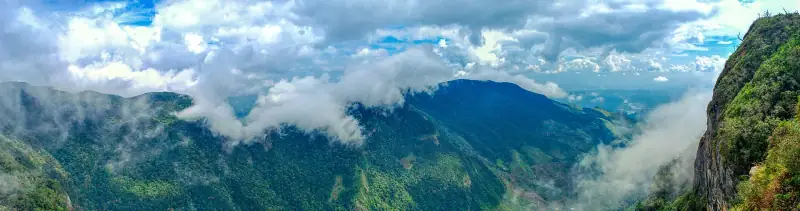
Horton Plains and World's End: hours, ticket price and getting there without a car
Horton Plains and World's End: opening hours, ticket, when to see the cliff before clouds, and how to get there without a car from Nuwara Eliya or Ella.
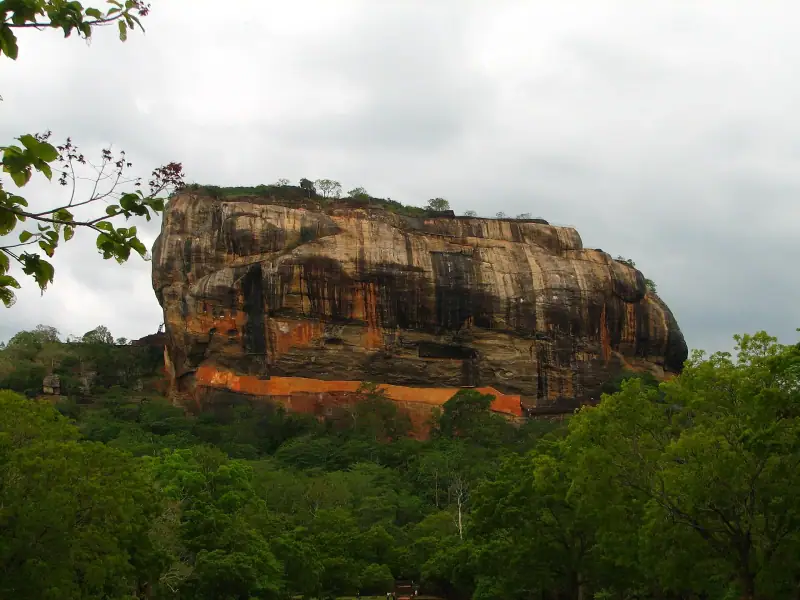
Sigiriya and the Cultural Triangle: complete guide to the sites
Complete guide to Sigiriya and the Cultural Triangle: Dambulla, Anuradhapura, Polonnaruwa. Practical tips, hours, prices and an optimized route.
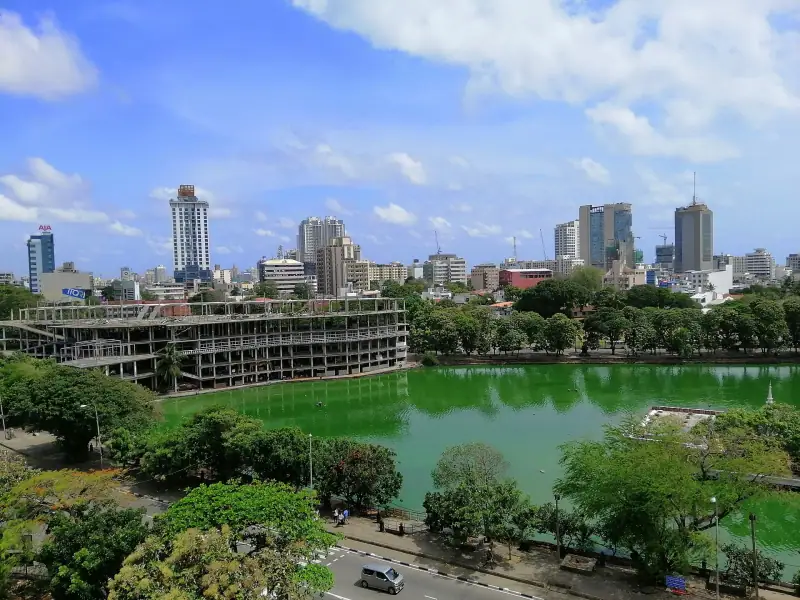
Visiting Colombo: complete guide to Sri Lanka's capital
Complete guide to visiting Colombo: Fort, Pettah, Gangaramaya, Galle Face Green, Cinnamon Gardens. What to see and do, where to stay and how to get there.
Ready-made
Sri Lanka itineraries
10 days
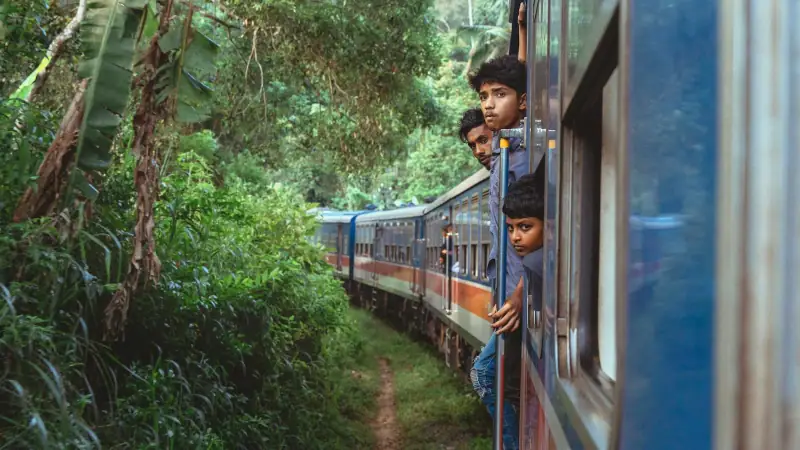
Sri Lanka in 10 days with kids: stops and pace
NegomboSigiriyaKandyHikkaduwa
Can be adapted in the planner
10 days
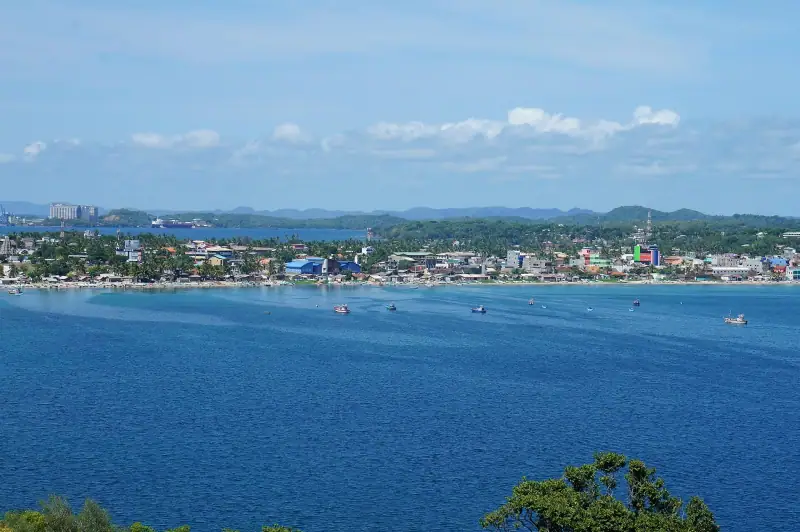
Sri Lanka east coast road trip: from Trincomalee to Arugam Bay
Sri Lanka east coast road trip itinerary: Trincomalee, Batticaloa, Arugam Bay in 7 to 10 days. Wild beaches, surf, nature and Tamil culture.
14 days
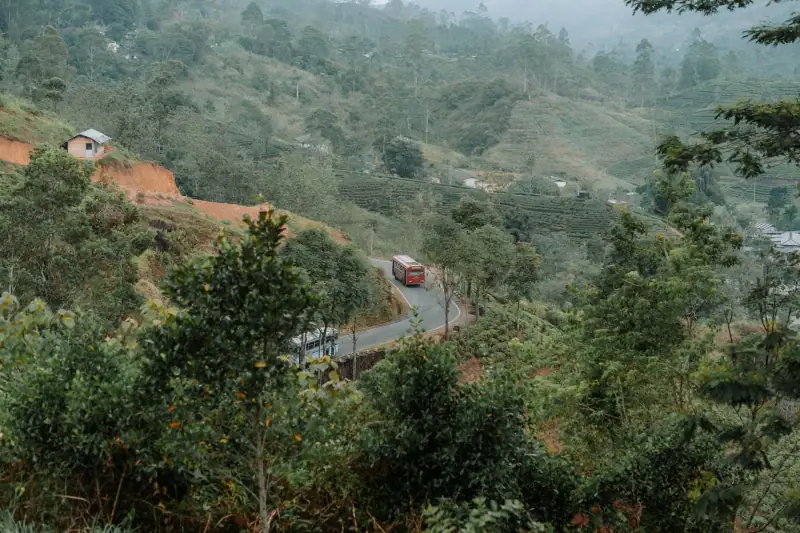
Sri Lanka road trip: a 2-week itinerary by car
14-day Sri Lanka road trip: complete itinerary with the Cultural Triangle, Hill Country and south coast. By car, with or without a driver.