Plan your trip
Best time to visit Sri Lanka: a month-by-month guide
We may earn a commission when you book through links on this page, at no extra cost to you. We don't visit or try the places we cover: we summarize published sources. How we work
In short
- December to March is ideal for the south and west coasts and the Cultural Triangle; April to September suits the east coast. January-February are driest in the south.
- Two monsoons alternate: southwest (May to September, west and south coasts and central hills) and northeast (October to January, east coast and north).
- Whale watching off Mirissa is best from December to April; prices are highest in February and up to 40% lower from May to September.
- Temperature depends on altitude: 28-33 °C (82-91 °F) on the coastal plains, 15-22 °C (59-72 °F) by day in Nuwara Eliya, with nights of 8-12 °C (46-54 °F).
Sri Lanka is one of the few destinations in the world that offers good weather somewhere on its territory in every season. The key is to understand its particular climate system: the island has two coasts exposed to two different monsoons, which creates an alternation of dry and rainy seasons that complement each other geographically.
Understanding this mechanism will let you make the most of your trip: combine the south coast and the Cultural Triangle in full sun, or explore the wild east coast while other tourists crowd the beaches of the west.
Sri Lanka’s climate system explained
Sri Lanka is subject to two distinct monsoons that arrive in succession from opposite directions.
The southwest monsoon (Yala) hits the west and south coasts as well as the central hills from May to September. It is the more intense monsoon: it brings heavy rain, sometimes floods in low-lying areas, and makes the sea rough on the south and west coasts. The east coast, on the other hand, stays sunny during this period.
The northeast monsoon (Maha) arrives from October to January and mainly affects the east coast and the north of the island. The south and west coasts, as well as the Hill Country, then enjoy pleasant weather.
Between these two monsoons, inter-seasons (February-April and September-October) bring intermittent rain but allow travel everywhere.
The month-by-month calendar
December to March: the golden high season
This is the most popular time to visit Sri Lanka, and for good reason. The south and west coast are at their finest, with an intense blue sky and a calm turquoise sea.
December:
- South and west coast: perfect (beaches, Galle, Mirissa)
- Cultural Triangle: ideal, bearable heat
- Hill Country: cool and sunny
- East coast: start of the northeast monsoon, some rain
- Whales at Mirissa: start of the season (December-April)
- Temperatures: 28-31 °C (82-88 °F) at low altitude, 15-20 °C (59-68 °F) in Nuwara Eliya
January:
- The best month for the south coast: the calmest sea of the year
- Cultural Triangle: light drizzle but good weather dominates
- Hill Country: clear and cool, ideal for hiking
- Christmas, New Year and the end of January → higher prices
February:
- Exceptional month across the island
- Whale watching at its peak at Mirissa
- Very heavy tourist crowds
- Highest prices of the year
March:
- End of the high season
- Rising temperatures
- Good period for diving fans (maximum visibility)
Hotels in Sri Lanka
Book early for the high season (December-March).
April to June: the transition and the start of the monsoon
April:
- Inter-season: intermittent rain everywhere
- Sinhala and Tamil New Year celebrations (April 13-14): lively festivities but some shops closed
- Good time for hiking in the Hill Country before the monsoon
- Temperatures: hot and humid, 30-33 °C (86-91 °F)
May:
- Start of the southwest monsoon
- South and west coast: rough sea, heavy afternoon rain
- Cultural Triangle: frequent rain but short spells of sun
- Hill Country: misty and green, pretty but humid
- East coast: start of the good season! Trincomalee and Arugam Bay open up.
June:
- Monsoon established in the west
- East coast: superb, calm sea, nearly deserted beaches
- Hill Country: some hikes possible between showers
- Low prices on the south and west coast
July to September: the east’s good season
This is the ideal period to explore the east coast, still spared from mass tourism.
July:
- East coast: peak of the good season
- Minneriya park: “The Gathering” (elephant gathering), a unique spectacle
- Surfing in Arugam Bay: perfect waves
- South coast: frequent rain, but dry spells are possible in some years
- Esala Perahera festival in Kandy (late July-August): one of the largest processions in Asia
August:
- Same favorable conditions as July on the east coast
- Cultural Triangle: dry periods possible
- Hill Country climate: humid but never really unpleasant
September:
- End of the southwest monsoon
- The south coast starts to clear
- East coast: still beautiful
- Good compromise for visiting both coasts
October to November: the inter-season
October:
- Second inter-season: rain possible everywhere
- Start of the northeast monsoon on the east coast
- South coast: gradually recovering, a few sunny days
- A period to avoid if you do not like weather surprises
November:
- South and west coast: the good season is starting gently
- Cultural Triangle: weather improving
- East coast: active monsoon, not good for beaches
- Good period for groups who want mid-range rates
Summary table by region
| Month | South/west coast | Cultural Triangle | Hill Country | East coast |
|---|---|---|---|---|
| Dec-Feb | ⭐⭐⭐ Excellent | ⭐⭐⭐ Excellent | ⭐⭐ Good | ⭐ Rain |
| Mar-Apr | ⭐⭐ Good | ⭐⭐ Good | ⭐⭐ Good | ⭐⭐ Good |
| May-Jun | ⭐ Monsoon | ⭐ Rain | ⭐⭐ Fair | ⭐⭐⭐ Excellent |
| Jul-Sep | ⭐ Monsoon | ⭐⭐ Variable | ⭐⭐ Variable | ⭐⭐⭐ Excellent |
| Oct-Nov | ⭐⭐ Improving | ⭐⭐ Variable | ⭐⭐ Variable | ⭐ Monsoon |
Temperatures by altitude
Sri Lanka is a tropical country, but altitude creates very different microclimates:
Coastal plains (Colombo, Galle, Trincomalee): 28-33 °C (82-91 °F) all year, high humidity.
Kandy (500 m / 1,640 ft): 25-30 °C (77-86 °F) by day, 20-22 °C (68-72 °F) at night. Pleasant and less stifling than the coast.
Ella (1,000 m / 3,280 ft): 22-26 °C (72-79 °F) by day, 16-19 °C (61-66 °F) at night. Perfect for sleeping without air conditioning.
Nuwara Eliya (1,900 m / 6,230 ft): 15-22 °C (59-72 °F) by day, 8-12 °C (46-54 °F) at night. Sweaters are essential!
Adam’s Peak (2,243 m / 7,359 ft): cold at night for the climb (5-10 °C / 41-50 °F), take a warm coat.
Recommendation
For an ideal first trip, aim for January to March. You will enjoy good weather across the whole island except the east coast, a calm sea for water activities, and optimal conditions for whale watching at Mirissa. Book your accommodation at least 3 months ahead, as it is high season.
To travel in low season and save money, May to September offers prices up to 40% lower and an east coast in full splendor. Combine Trincomalee, the Cultural Triangle (early in the day before the showers) and the Hill Country for an original itinerary.
Whatever period you choose, Sri Lanka will surprise you. The diversity of its landscapes and the warmth of its people make every trip a unique experience, regardless of the weather. The essential thing is to adapt your itinerary to the climate conditions of the season. See our itinerary guide to plan your circuit according to the season you choose.
Frequently asked questions
What is the best time to visit Sri Lanka overall?
December to March is ideal for the south coast, the west and the Cultural Triangle. April to September suits the east coast better. January and February are generally the driest and most pleasant months on the south coast.
Can you go to Sri Lanka during the monsoon?
Yes, but by adapting your itinerary. When the monsoon hits the west (May-October), the east coast is perfect. And vice versa. Sri Lanka never really has a "bad season" if you choose the right region.
When can you see whales in Sri Lanka?
The best period for watching blue whales off Mirissa is December to April. Trips at sea are possible from November to March in good weather conditions.
Which month is the cheapest to go to Sri Lanka?
May to September is low season on the west coast, with lower accommodation prices. If you target the east coast in this period, you combine savings and good weather.
Is it hot all year in Sri Lanka?
Yes, temperatures are hot all year at sea level (28-32 °C / 82-90 °F). In the hills (Kandy, Ella, Nuwara Eliya), it is cooler, around 18-24 °C (64-75 °F). Nights can be cold at altitude.
More Sri Lanka guides
Keep reading
Sri Lanka budget: how much to plan for a trip
How much does a trip to Sri Lanka cost? Accommodation, food, transport, activities. Detailed budget by type of traveler.
Hiking in Sri Lanka: the most beautiful trails
The best hikes in Sri Lanka: Adam's Peak, Ella Rock, Horton Plains, the Knuckles. Practical guides, difficulty levels and tips for each trek.
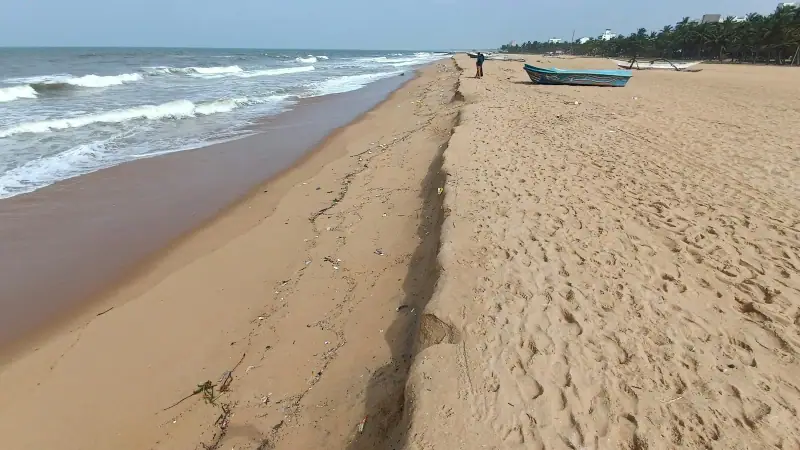
Negombo or Colombo: where to sleep near the airport in Sri Lanka?
Early or late flight in Colombo? Negombo vs downtown compared: distances, travel times, hotel prices and tips to choose well.
Ready-made
Sri Lanka itineraries
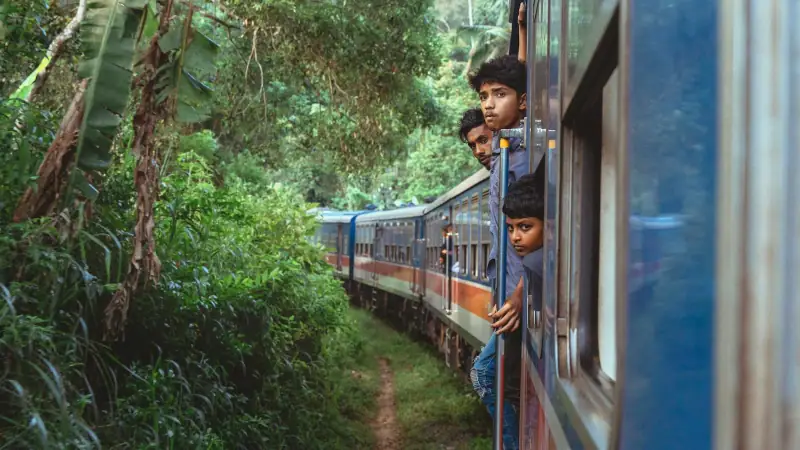
10 days
Sri Lanka in 10 days with kids: stops and pace
NegomboSigiriyaKandyHikkaduwa
Can be adapted in the planner
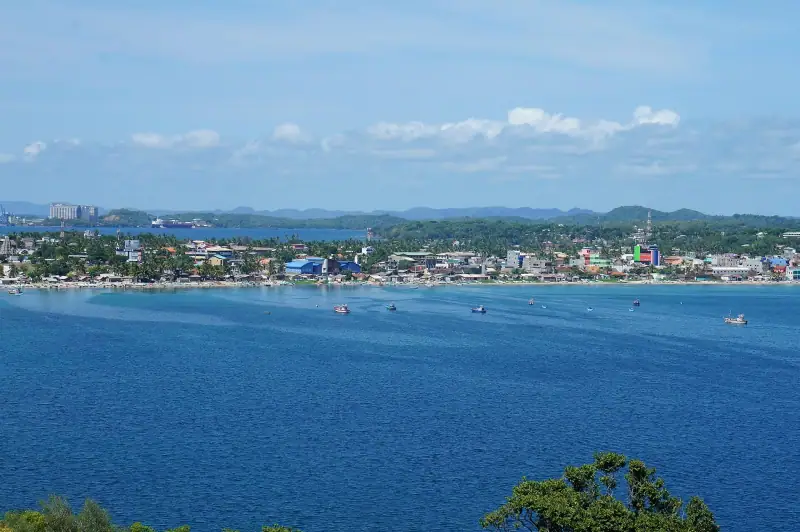
10 days
Sri Lanka east coast road trip: from Trincomalee to Arugam Bay
Sri Lanka east coast road trip itinerary: Trincomalee, Batticaloa, Arugam Bay in 7 to 10 days. Wild beaches, surf, nature and Tamil culture.
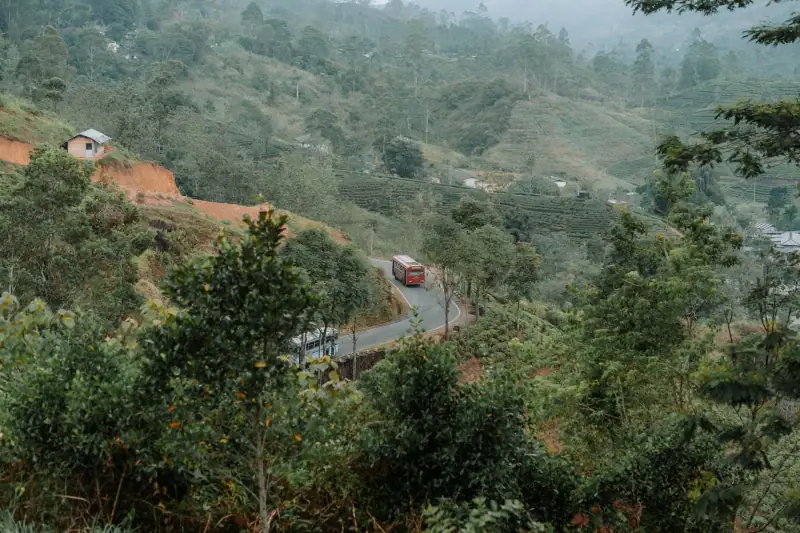
14 days
Sri Lanka road trip: a 2-week itinerary by car
14-day Sri Lanka road trip: complete itinerary with the Cultural Triangle, Hill Country and south coast. By car, with or without a driver.