What to see
Visiting Maribor: a complete guide to Slovenia's second city
We may earn a commission when you book through links on this page, at no extra cost to you. We don't visit or try the places we cover: we summarize published sources. How we work
In short
- Maribor is about 120 km (75 mi) from Ljubljana: 1 h 15 to 1 h 30 by car on the A1, 2 h 30 to 3 h by train or 1 h 30 to 2 h by express bus.
- One day covers the historic center, the Stara Trta (the world's oldest productive vine, over 400 years old), the Lent district and the Drava; add Pohorje or the vineyards with 2 days.
- A cable car from the city leads up to Pohorje for skiing in winter and hiking or biking in summer.
- The Lent Festival (June-July) is Slovenia's largest open-air festival; the Old Vine Festival is usually in late September.
Maribor is the great unknown of Slovenia for international travelers. The country’s second city, with about 95,000 residents and the cultural and economic capital of eastern Slovenia, it combines an exceptionally well-preserved medieval old town, a deep link to local winegrowing and immediate access to the mountains. And yet very few travelers who go to Ljubljana or Bled think of pushing on to Maribor, only 120 km (75 mi) to the east.
That is both their loss and our gain. Maribor remains an authentic city, not saturated with mass tourism, where student life (the University of Maribor is the second largest in Slovenia) mixes with a thousand-year winegrowing tradition and a lively cultural scene. A stay in Maribor, even a short one, gives the feeling of discovering a different Slovenia: less postcard than Bled, less cosmopolitan than Ljubljana, but with a quiet richness that leaves a lasting mark.
The historic center: between castle, cathedral and main square
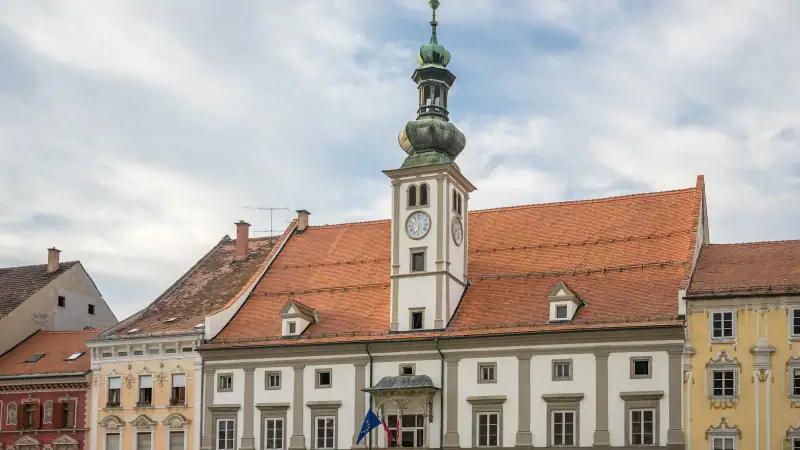
The heart of Maribor is compact and pleasant to explore on foot. The main square (Glavni trg) is the natural starting point of any visit. Surrounded by baroque and Renaissance facades, it holds a Plague Column (1743), erected in memory of the victims of the 1680 epidemic, and the Neptune fountain in the center. The atmosphere is lively all day, thanks in particular to the many café terraces.
Maribor Castle
Just above the main square stands Maribor Castle (Mariborski grad), a medieval fortress whose origins go back to the 12th century. Remodeled several times until the 18th century, it now has a mixed architecture of Gothic, Renaissance and baroque elements. It houses the Maribor Regional Museum, which traces the history of Slovenian Styria from prehistory to the present day, with a rich collection of weapons, costumes and archaeological objects.
The castle’s inner courtyard, with its multi-level arcades, is one of the most photographed places in the city.
St. John the Baptist Cathedral
A few steps away, the Cathedral of St. John the Baptist (Stolna cerkev sv. Janeza Krstnika) is Maribor’s main religious building. Founded in the 12th century and remodeled in the 15th and 16th centuries in a late Gothic style, it is recognized by its sturdy square bell tower. The interior, sober and slender, keeps several remarkable Gothic elements. Entry is free and the visit takes only about fifteen minutes.
The Jewish Tower and the medieval Jewish quarter
In the Middle Ages Maribor had one of the most important Jewish communities in central Europe. After the expulsion of 1496 the quarter was broken up, but several architectural traces remain: the Jewish Tower (Judovski stolp) is one of the best-preserved medieval towers in the city, and the medieval synagogue (14th century), one of the oldest in central Europe still standing, now houses an art gallery and a memorial space. Jewish Street (Judovska ulica) lets you mentally trace the geography of this vanished quarter.
The Stara Trta: the world’s oldest vine
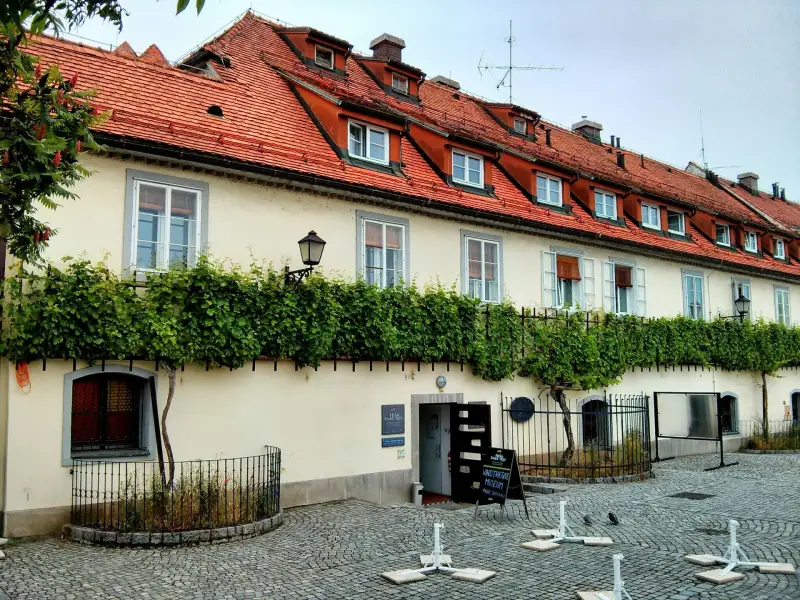
This is probably the main reason Maribor deserves a special place in any guide to Slovenia. The Stara Trta (Old Vine) is certified by Guinness World Records as the oldest productive vine in the world: this vine of the Žametovka variety (a local red grape) is more than 400 years old and still produces a few kilograms of grapes each fall.
It grows against the facade of the Old Vine House (Hiša Stare Trte), a restored Renaissance building in the Lent district. The ground floor houses an exhibition space on the history of the vine and wine in Maribor, as well as a shop that sells bottles of the precious wine made from its grapes: only a few hundred bottles a year, distributed to dignitaries around the world.
Vineyard excursions in Maribor
Tastings of Slovenian Styrian wines and cellar visits around Maribor.
The Old Vine House is part of any walk through the Lent district (free access from outside). Every year at the end of summer (usually late September), the Old Vine Festival celebrates the harvest with entertainment, wine markets and concerts, a popular event nationwide.
The Lent district: the historic bank of the Drava
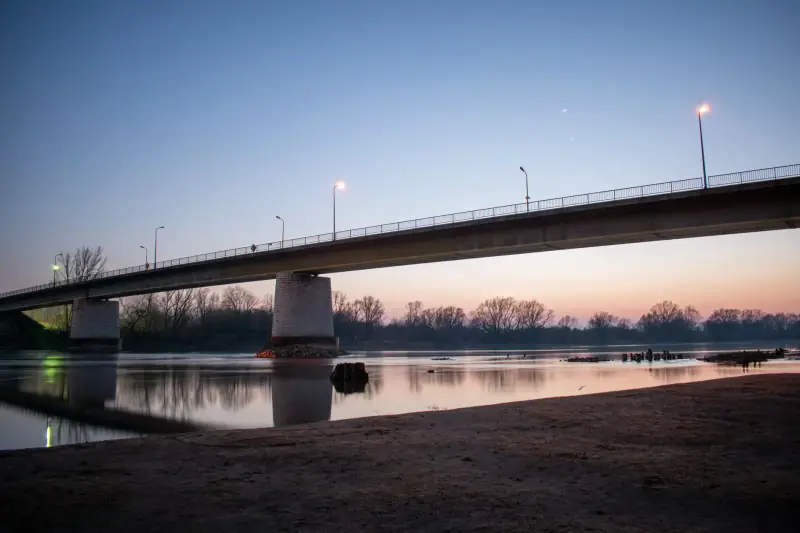
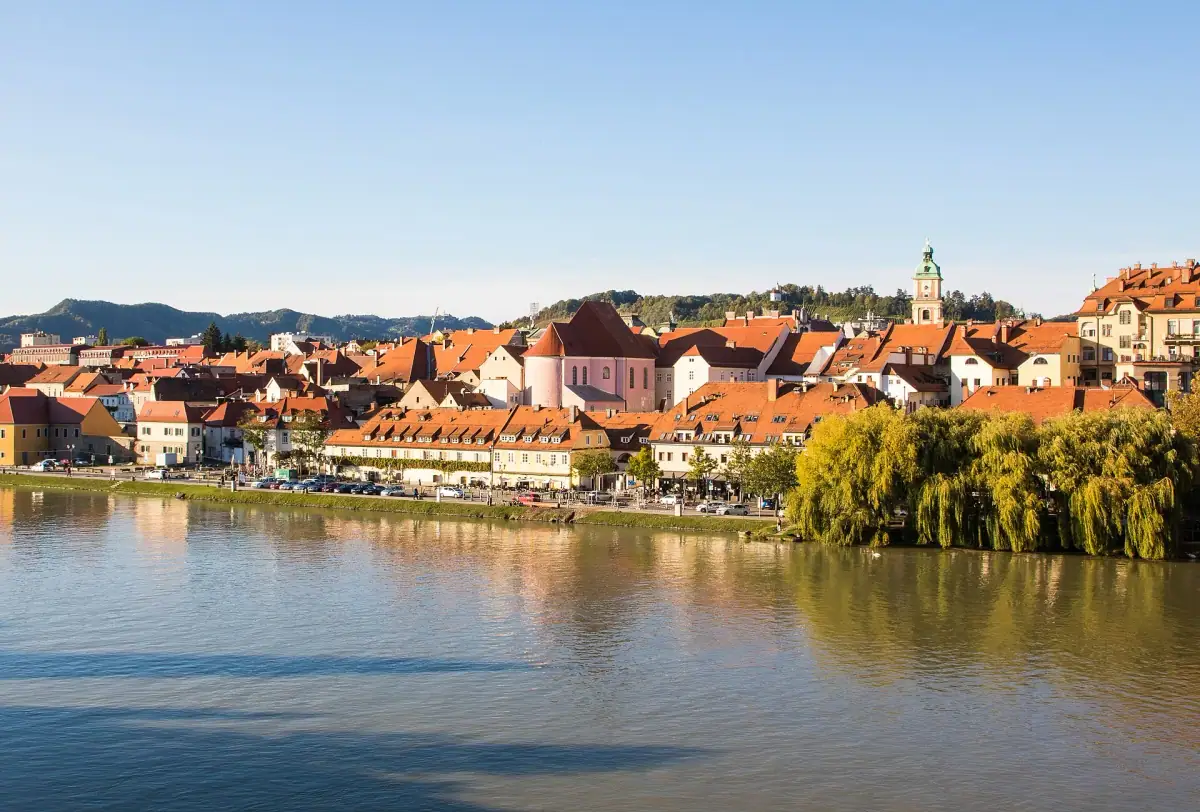
The Lent is the medieval district stretching along the left bank of the Drava, the river that crosses Maribor from west to east. It is one of the most pleasant places in the city for a walk, especially in the evening: the landscaped riverbank, half-timbered houses and café terraces create a gentle, lively atmosphere.
The Lent holds several important monuments gathered within a few hundred meters:
- The Old Vine House and the Stara Trta
- The Water Tower (Vodni stolp, 16th century), a former defense tower converted into a wine cellar
- The Lent Mill (Mlinarjev stolp), a medieval tower
- The Judgment Tower (Sodni stolp)
- The Old Bridge (Stari most), a 16th-century stone pedestrian bridge that spans the Drava and links the Lent to the residential Koroška district
In summer, terraces and performance stages set up on the Lent riverfront, notably during the Lent Festival, the largest open-air festival in Slovenia, held every year in June-July and drawing tens of thousands of visitors with concerts, shows and entertainment over several days.
Pohorje: skiing and hiking minutes from the center
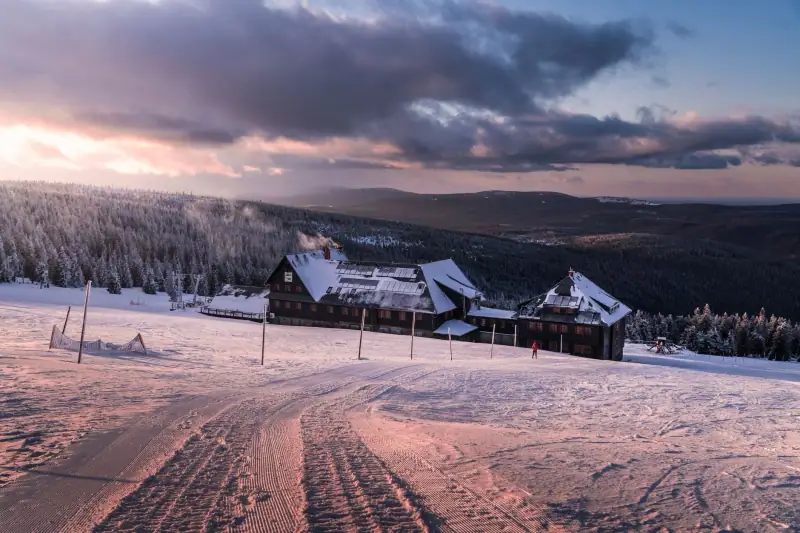
One of Maribor’s major assets is its immediate proximity to Pohorje, a wooded mountain massif southwest of the city. A cable car (gondola) leaves directly from the Zgornje Radvanje district, southwest of the city center, and reaches the upper Pohorje plateau in a few minutes.
In winter: skiing
Pohorje has one of the most accessible ski areas in Slovenia, with several runs for all levels, day passes at reasonable prices and generally good snow from December to March. People from Maribor and all of northeastern Slovenia come to ski there on weekends. Alpine ski World Cup events (women’s giant slalom) have been held there.
In summer: hiking and biking
Outside the winter season, Pohorje turns into a hiking and mountain biking ground. Many marked trails cross its beech and spruce forests, passing through clearings, peat bogs and mountain lakes such as Črno jezero (literally “Black Lake”). The panorama over the city of Maribor and the Drava plain from the heights is remarkable in clear weather.
Food in Maribor: Styria on the plate
Maribor sits at the crossroads of Austrian, Hungarian and Slovenian culinary influences, a legacy of its past under the Habsburg Empire. The cooking of Slovenian Styria is hearty and flavorful, focused on meat, game and farm produce, with pride of place for local wines.
Specialties of the region
- Styrian roast pork: prepared with local herbs and often served with fermented cabbage (kislo zelje), it is the region’s signature dish.
- Game soup (divjačinska juha): thick, fragrant, served with dark bread, it reflects the hunting tradition in the forests of Pohorje.
- Štruklji: rolls of dough filled with fresh cheese, walnuts or pumpkin, served as a starter or dessert depending on the version. A Slovenian classic that Maribor makes in its most traditional forms.
- Styrian Welschriesling (Rajnski rizling): a dry white of great elegance, made on the sunny slopes of Slovenian Styria. The vineyards around Maribor, notably at Jeruzalem (about 55-60 km / 34-37 mi east by road), produce some of the best whites in Slovenia.
Where to eat
Maribor’s historic center has a good range of restaurants, from the most traditional to the most creative. The streets around the main square (Glavni trg) and the Lent district hold many pleasant terraces. For less touristy meals, the districts near the university offer cheaper options. The covered markets and the open-air market (Tržnica) let you buy local products and wines directly from producers.
Our guide to Slovenian food gives you all the keys to eating like a local in Slovenia.
Where to stay in Maribor
Maribor offers a wider range of accommodation than Bled or Piran, with options for all budgets.
In the historic center
Several hotels and guesthouses occupy historic buildings in the city center, a short walk from the main square and the Lent district. Sleeping in the center lets you get around on foot for all your visits. High-season prices are generally more affordable than in Ljubljana or Bled.
Around Pohorje
For mountain or ski fans, accommodation (hotels, chalets, guesthouses) is available directly on the Pohorje plateau, reached by road or cable car. Ideal for stays focused on outdoor activities.
Hotels in Maribor
From the historic center to the foot of Pohorje, every accommodation option.
How to get to Maribor and get around
From Ljubljana
- By car: A1 motorway (Ljubljana to Maribor), about 120 km (75 mi), 1 h 15 to 1 h 30.
- By train: direct services several times a day from Ljubljana’s central station. About 2 h 30 to 3 h depending on the type of train. Intercity trains are the fastest.
- By bus: express lines link the two cities in 1 h 30 to 2 h. Tickets are often cheaper than the train.
From Vienna (Austria)
Maribor is very accessible from Vienna (about 255-260 km / 158-162 mi by road), with direct trains from Vienna Central Station. This is an interesting option for fitting Maribor into an itinerary combining Austria and Slovenia.
Getting around town
Maribor’s historic center is compact and entirely walkable. For Pohorje, the cable car leaves from the Zgornje Radvanje district, reached by local bus or taxi from the center. Bike rental is popular for riding along the Drava on the developed cycle paths.
To explore the Slovenian Styrian vineyards around Maribor, a car is strongly recommended.
Car rental in Maribor
Essential for exploring the vineyards, Pohorje and the surroundings at your own pace.
How long to spend in Maribor
- Half a day: possible from Ljubljana or Bled, but limited to the bare minimum (main square, Lent, Stara Trta).
- 1 full day: lets you see the historic center, the Stara Trta, the Lent district, the castle-museum and a trip up Pohorje.
- 2 days: ideal for adding an excursion to the Styrian vineyards, a hike on Pohorje and an evening enjoying local life.
- 3 days or more: for wine, history or mountain enthusiasts; lets you explore the surroundings (Jeruzalem, Ptuj 30 km / 19 mi away) thoroughly.
Maribor fits naturally into a road trip in Slovenia or a 7-day itinerary that would start from Ljubljana, reach the Julian Alps and then come back down toward the east.
Practical tips for visiting Maribor
- The city is very affordable compared with Ljubljana or Bled: restaurants, transport and accommodation are noticeably cheaper. See our Slovenia budget guide to plan your trip.
- When to go? The best time to visit Slovenia also applies to Maribor. June and September are particularly pleasant for combining city and mountains.
- Currency is the euro (Slovenia has been in the euro area since 2007). ATMs are numerous in the city center.
- Language: Slovenian is the official language, but English and German (an Austrian legacy) work well in hotels, museums and restaurants.
- Lent Festival: if you can aim for late June or early July, the festival is an experience in itself, with a very eclectic program on several open-air stages along the Drava.
- Hiking on Pohorje: check the weather conditions before going up. Even in summer, the weather can change quickly on the plateau.
Maribor is proof that a lesser-known Slovenia can be just as captivating. Its centuries-old vine, its Styrian wines, its medieval district on the Drava and its direct access to the mountains make it a prime stop on any in-depth trip to this small country. It deserves far more than being relegated to a stopover on the road to Vienna.
Frequently asked questions
How do you get to Maribor from Ljubljana?
Maribor is about 120 km (75 mi) from Ljubljana. By car on the A1 motorway, the trip takes about 1 h 15 to 1 h 30 depending on traffic. Direct trains link Ljubljana to Maribor several times a day, in about 2 h 30 to 3 h depending on the type of train. Express buses are also available, taking about 1 h 30 to 2 h.
What makes Maribor unique in Slovenia?
Maribor is home to the world's oldest productive vine, the Stara Trta, more than 400 years old and certified by Guinness World Records. The city also has a remarkable medieval historic district along the Drava (the Lent), and is surrounded by the Pohorje massif, reached directly by cable car from the city center.
Can you visit Maribor in one day from Ljubljana?
Yes, one day lets you see the essentials: the historic center, the Stara Trta, the Lent district and the Drava waterfront. To add Pohorje or an excursion to the Styrian vineyards, allow 2 days minimum.
What is the best time to visit Maribor?
Spring (April-May) and fall (September-October) are ideal: pleasant temperatures and active vineyards. In late September, the city celebrates the Stara Trta (Old Vine) at an annual festival (check the dates with the tourist office). Winter is mild for skiing on Pohorje. July-August are pleasant but busier.
Is Pohorje really worth the detour?
Absolutely. Reached by cable car from the center of Maribor, Pohorje offers skiing in winter (a well-equipped ski area), hiking, mountain biking and a mountain lake in summer. It is one of Maribor's major assets compared with other Slovenian towns of similar size.
Does Maribor produce wine?
Maribor is at the heart of the Slovenian Styria wine region, one of the most important in Slovenia. The city itself is surrounded by vineyards on the surrounding hills. The Stara Trta, the world's oldest vine, grows in the middle of the historic center. The wines of the region, notably whites such as Styrian Riesling and Pinot Gris, are internationally recognized.
More Slovenia guides
Keep reading
Visiting Bovec: a complete guide to Slovenia's adventure capital
Discover Bovec and the Soča: rafting, canyoning, Julian Alps hikes, Boka Waterfall and practical tips for an unforgettable stay.
Visiting Ljubljana: a complete guide to Slovenia's capital
Complete guide to visiting Ljubljana: castle, old town, districts, food, where to stay and practical tips for the capital of Slovenia.
Visiting Postojna: a complete guide to the caves and Predjama Castle
Discover Postojna, capital of the Slovenian Karst: Postojna Cave, Predjama Castle, hikes and practical tips to plan your stay.
Ready-made
Slovenia itineraries
10 days
Slovenia in 10 days: the complete itinerary to see it all
LjubljanaBledBovecPiran or KoperLjubljana
5 days
Slovenia road trip: the complete guide to driving the country
Plan your Slovenia road trip: itineraries, scenic roads, practical tips and the highlights you should not miss by car.
6 days