Where to stay
Where to Stay in Catania: Best Areas and Hotels
We may earn a commission when you book through links on this page, at no extra cost to you. We don't visit or try the places we cover: we summarize published sources. How we work
In short
- The centro storico, around Piazza del Duomo and Via Etnea, is the best area for most visitors: everything is within walking distance.
- Mid-range rooms run about €60-120 per night (~$70-140); budget rooms €30-60 (~$35-70); upscale €120-300 (~$140-350).
- Catania is a good base for Mount Etna (Rifugio Sapienza, about 50-60 minutes by car), Taormina (1 h) and Syracuse (1 h 20).
- Fontanarossa Airport is 5 km (3 mi) from the center; the Alibus takes about 20 minutes for around €4 (~$5).
Catania is Sicily’s great overlooked city. Less celebrated than Palermo, less idyllic than Taormina, it is nonetheless one of the island’s most fascinating cities, and often the one most appreciated by those who stay a few days. Its UNESCO-listed Baroque center, built of black lava stone after the earthquake of 1693, gives it a unique atmosphere, dark and luminous at once. And in the permanent background, Mount Etna, Europe’s largest active volcano, dominates the horizon.
Choosing where to stay in Catania is simpler than in Taormina or Palermo: the city is human-sized and well organized, and most of the interesting places to stay are concentrated in the historic center and its immediate surroundings.
Catania’s neighborhoods: where to stay
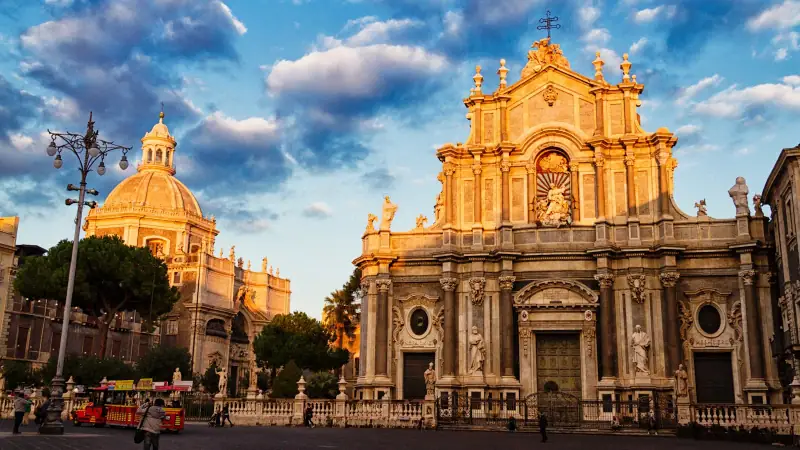
Catania divides into several zones with distinct atmospheres. Understanding the city’s geography will help you choose the right location for your priorities.
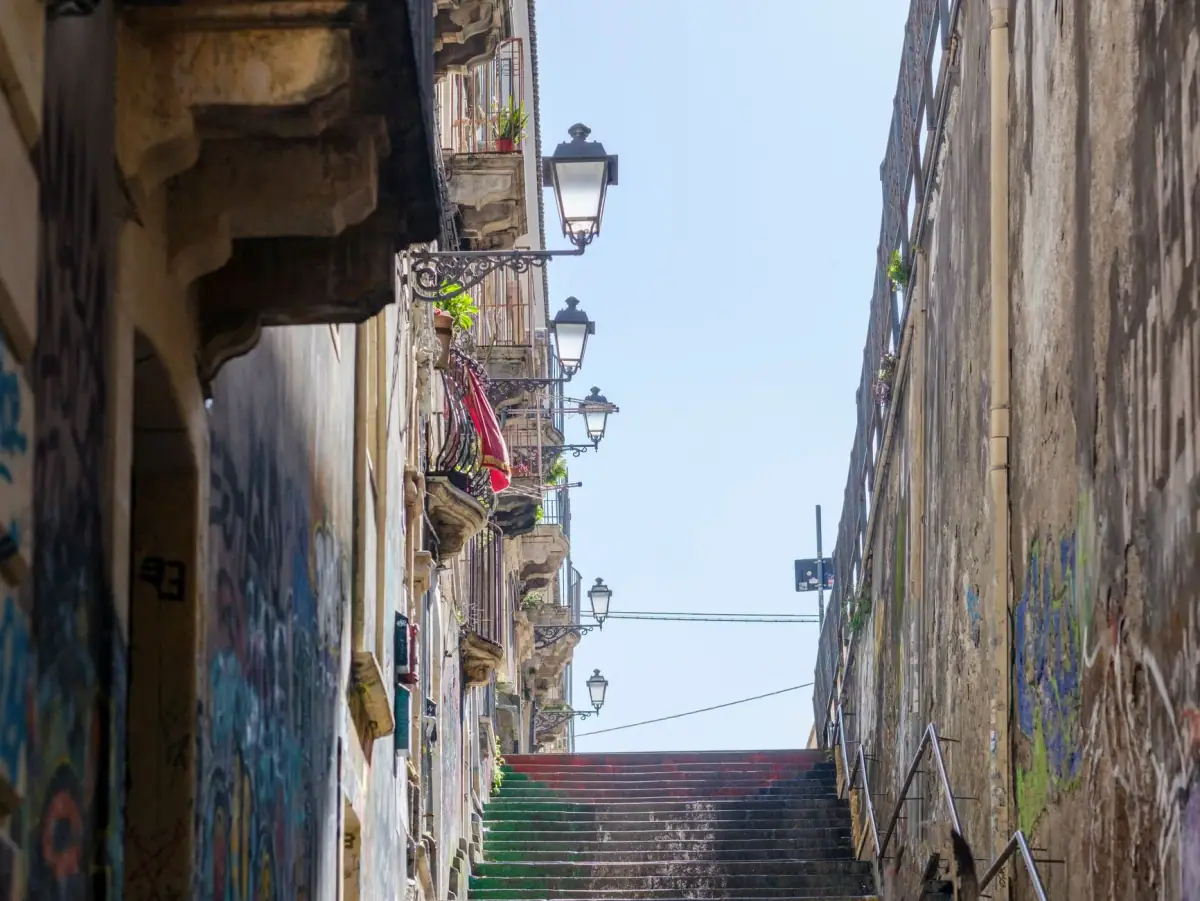
The centro storico (historic center) spreads around Piazza del Duomo and along Via Etnea, the city’s main artery. This is where you find the finest Baroque monuments, traditional markets such as the famous Pescheria (fish market), and most of the restaurants and bars used by locals. Sleeping in this area means being within walking distance of everything and immersing yourself in local life. It is our recommendation for most travelers.
Via Etnea and its surroundings form the northern extension of the center, with a more residential and shopping atmosphere. The street climbs toward Mount Etna; on a clear day, the view of the volcano from the upper part of Via Etnea is striking. The area is pleasant, less touristy and slightly calmer than the Duomo area.
The Ognina district, north of the center, is a fishing hamlet absorbed into the city. With its small harbors cut into black lava rock and its local fish restaurants, it offers an authentic atmosphere far from tourist clichés. A good choice for travelers who want quiet without leaving the city.
The La Plaja area, to the east, is Catania’s beach sector. It has a few beach-oriented hotels, handy for families or travelers who put swimming first. On the other hand, it is farther from the monuments, and you should allow 15-20 minutes on foot or a short bus ride to reach the historic center.
Places to stay by budget
Upscale and luxury (€120-300 per night / ~$140-350)
Catania has several high-end properties that compare well with Sicily’s big destinations. The best are often set in restored 18th-century Baroque palaces, with richly decorated interiors, rooftop terraces and sometimes pools. The view of Mount Etna from the terraces of some historic-center hotels is spectacular.
What you will find in this range:
- Carefully decorated suites and rooms in historic buildings
- Generous breakfasts with local Sicilian products
- Attentive service and personalized advice for visiting the region
- Often a panoramic terrace with a view of the rooftops and Mount Etna
- Concierges who organize excursions and transfers
Catania’s main asset in this segment: the value for money is much better than in Taormina. For the same budget, you get more spacious, more authentic and less crowded places.
Mid-range (€60-120 per night / ~$70-140)
This is the range that offers the best balance in Catania. The city is far more accessible than Taormina or the north coast, and travelers looking for comfortable lodging without breaking the bank will find many options in the historic center.
What you will find:
- Charming B&Bs in old apartments with high ceilings
- Small family-run hotels well located 5 to 10 minutes’ walk from the Duomo
- Whole-apartment rentals, often more spacious than a standard hotel
- Independent guesthouses with homemade breakfasts
Tips for this range:
- Look for B&Bs on the streets next to Via Etnea rather than directly on the main artery: you gain quiet for the same price
- Check access from the airport: the Alibus stops at several points in the center, so make sure the hotel is a reasonable distance away
- The lanes around Piazza Bellini (dedicated to the composer born here) have a few charming, well-placed addresses
Budget (€30-60 per night / ~$35-70)
Catania is one of the Italian cities where it is still possible to sleep decently at a modest price. Several hostels and small B&Bs offer decent rooms in historic buildings, sometimes with a balcony over an inner courtyard.
Budget strategies:
- Apartment rental platforms often give the best space for the price for 2+ nights
- In low season (November to March, excluding the Christmas holidays), prices fall by 30 to 40%
- The area around the central station (Stazione Centrale) has practical budget options if you travel by train, but the atmosphere is less pleasant
Catania, gateway to Mount Etna
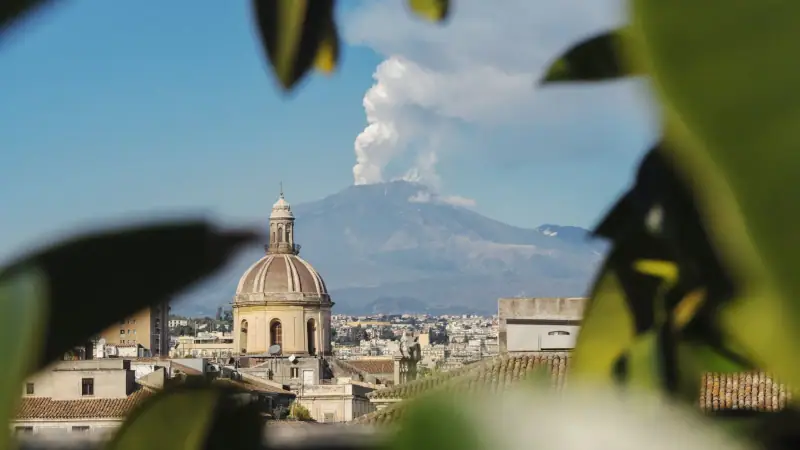
One of the great advantages of sleeping in Catania is the immediate proximity of Mount Etna. The volcano’s south side, with the park entrance at Rifugio Sapienza, is about 50-60 minutes by car from the city center. It is the usual starting point for excursions, with a cable car that climbs to 2,500 meters (8,200 ft).
Many local agencies offer guided excursions from Catania, generally for half a day or a full day. The park’s certified guides accompany you safely on the craters. Expect about €55 (~$64) per person for the cable car alone (round trip) and €80-100 (~$93-115) for an organized excursion with transport, cable car and guide (check rates and opening with the Funivia dell’Etna or the agency).
To prepare your hike, see our complete guide to hiking on Mount Etna.
Beaches reachable from Catania
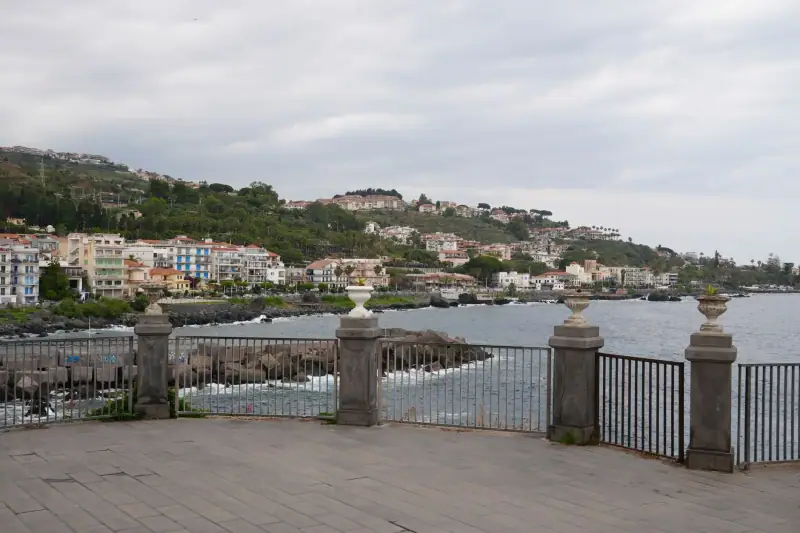
Contrary to a common belief, Catania is not only a cultural city. Its immediate surroundings offer decent beach options.
La Plaja is Catania’s urban beach, less than 3 km (2 mi) from the center. Large and long, with the dark volcanic sand typical of Sicily’s east coast. Reachable by bus or bike. Ideal for a quick swim after a morning of cultural visits.
Aci Trezza and Aci Castello, about 10-12 km (6-7 mi) to the north, are two coastal villages with character. Aci Castello has a Norman castle perched on a lava rock above the sea. Aci Trezza, made famous by Verga’s novel I Malavoglia, has a picturesque harbor surrounded by spectacular volcanic rocks, the Faraglioni of the Cyclopes in Greek mythology. Reachable by bus from Catania (regular line, about 40-60 minutes depending on traffic).
The beaches of Fondachello and Mascali, farther north, are less known to tourists and often less crowded in summer.
For a full selection, see our guide to the best beaches in Sicily.
Getting to Catania
Catania has Sicily’s largest and best-served airport, and it is often the entry point where trips to the island begin.
From Fontanarossa Airport (CTA), the most practical option is the Alibus, which links the airport to the central station (Stazione Centrale) and several stops in the center in 20-30 minutes for about €4 (~$5). Official taxis are available at the arrivals exit, with a fixed fare of about €27 (~$31) to the city center (experimental scheme until December 31, 2026: check the fare before getting in). Some upscale hotels offer private transfers.
From Taormina: Interbus bus or train (about 1 h). Taormina has no station in the center; the “Taormina-Giardini” railway station is below the town.
From Palermo: Train (from 3 h for fast trains to 4 h 30-5 h for regional trains) or Flixbus (about 3 h 30). The rail line crosses the north of the island with remarkable scenery.
From Syracuse: Train (about 1 h 20) or bus. The service is frequent and comfortable.
Rental car in Catania
Essential for exploring Mount Etna and the east coast at your own pace.
Practical tips for sleeping in Catania
Book ahead in summer. Catania is a major tourist hub and the good hotels in the center fill quickly in July-August. Two to three months ahead in high season is good practice.
Stay in the historic center. Most of Catania’s sights (Duomo, Elephant Fountain, Pescheria, Roman theater, Via Crociferi) are reachable on foot from the center. Sleeping on the outskirts means taking public transport for every visit.
Catania is an excellent base for day trips. From Catania you can easily reach Taormina (1 h), Syracuse (1 h 20), Mount Etna (35 min), Cefalù (2 h) and even the Aeolian Islands (via the port of Milazzo, 1 h 30 by car). With a car, it is the best-positioned city for exploring eastern and southern Sicily.
Ask your host for advice. Catanians are particularly warm with visitors. Your B&B host often knows the best local addresses: the restaurants only locals go to, the quiet hours to visit the Pescheria, the beaches without tourists in August.
Watch out for parking. If you arrive by car, find out about your hotel’s parking before booking. The historic center is partly blue-zone (paid) or ZTL (limited traffic zone). Many hotels offer parking arranged with a nearby garage.
To plan your stay, see our complete guide to visiting Catania and our 7-day Sicily itinerary.
Frequently asked questions
What is the best area to stay in Catania?
The centro storico, around Piazza del Duomo and Via Etnea, is ideal for being within walking distance of everything. It is lively, well served and has the most authentic atmosphere. For a calmer stay, the Ognina district, set slightly back to the north, suits families better.
Is Catania a safe city for tourists?
Catania is an accessible tourist destination. As in any large Italian city, it is advisable to stay alert in market areas and not to display valuables. The tourist areas of the historic center are generally safe by day and by night.
Is it better to stay in Catania or Taormina to visit Mount Etna?
Both towns are good starting points for Mount Etna. Catania is closer to the south entrance of the park (Rifugio Sapienza, about 50-60 minutes by car). Taormina is more touristy and more expensive. Catania offers better value and a more authentic local life.
How do you get to Catania from the airport?
Fontanarossa Airport is only 5 km (3 mi) from the city center. The Alibus links the airport to the center in 20 minutes for about €4 (~$5). A taxi costs about €27 (~$31) to the center (a fixed fare set by the city on an experimental basis until December 31, 2026: check with the driver).
How much does a hotel night cost in Catania?
Catania is clearly cheaper than Taormina. In high season (July-August), expect €60-90 (~$70-105) for a good mid-range hotel and €100-180 (~$115-210) for more comfortable properties. In low season, decent rooms start at €40-50 (~$46-58).
Are there beaches in Catania?
Yes. La Plaja beach, east of the center, is 15 minutes away by bus. It is long, with dark volcanic sand. For more picturesque beaches, head to Aci Trezza or Aci Castello (about 10-12 km / 6-7 mi north), reachable by bus (40-60 min depending on traffic).
More Sicily guides
Keep reading
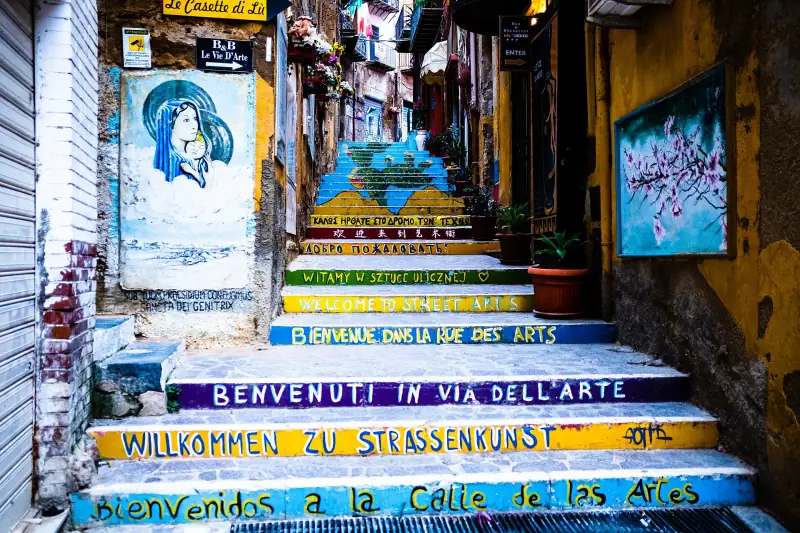
Where to Stay in Agrigento: Hotels, Areas and Practical Tips
Where to stay in Agrigento: Valley of the Temples hotels, charming B&Bs and San Leone beach. A complete guide by area and by budget.
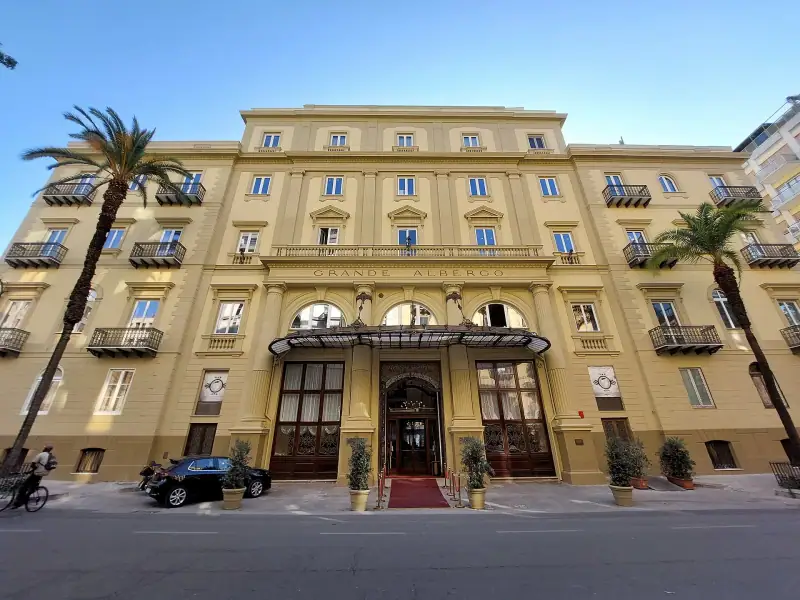
Where to Stay in Palermo: Best Areas and Hotels
A complete guide to where to stay in Palermo: historic neighborhoods, boutique hotels, B&Bs and places to stay by budget. Everything to choose well.
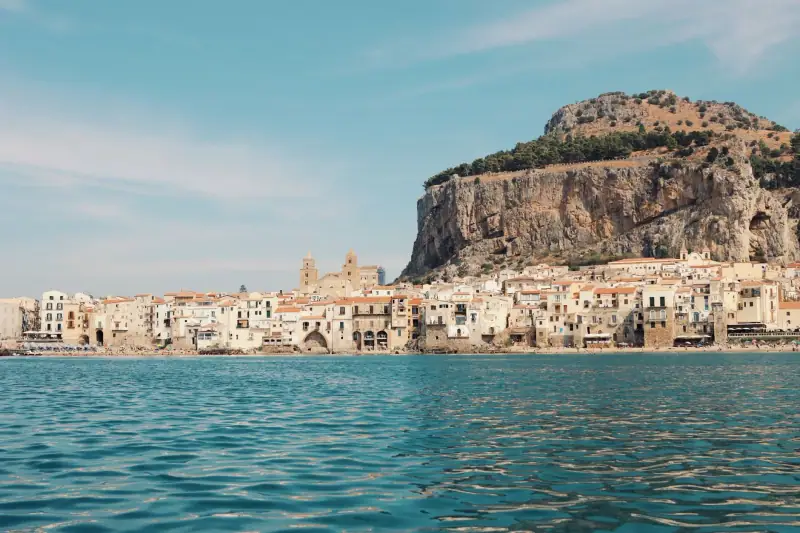
Where to Stay in Cefalù: Hotels, B&Bs and Areas to Choose From
A complete guide to places to stay in Cefalù: best areas, charming hotels, budget B&Bs and seasonal tips. Find where to sleep for your budget.
Ready-made
Sicily itineraries
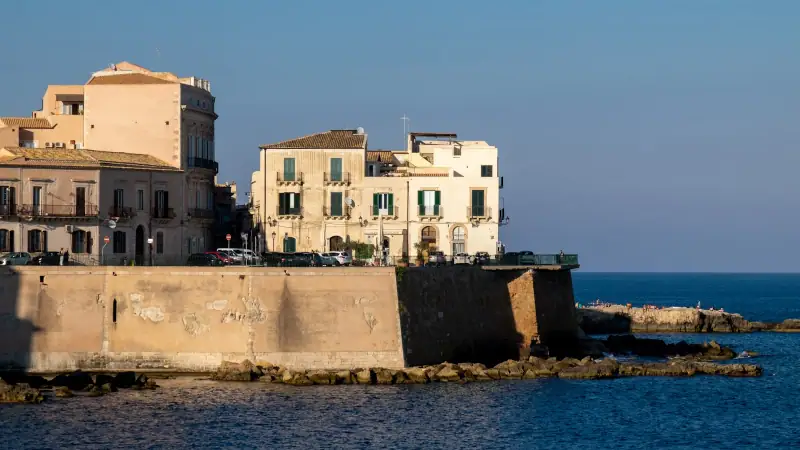
6 days
Southeast Sicily Itinerary: Syracuse, Noto, Ragusa and Agrigento in 6 Days
SyracuseRagusa or NotoAgrigento
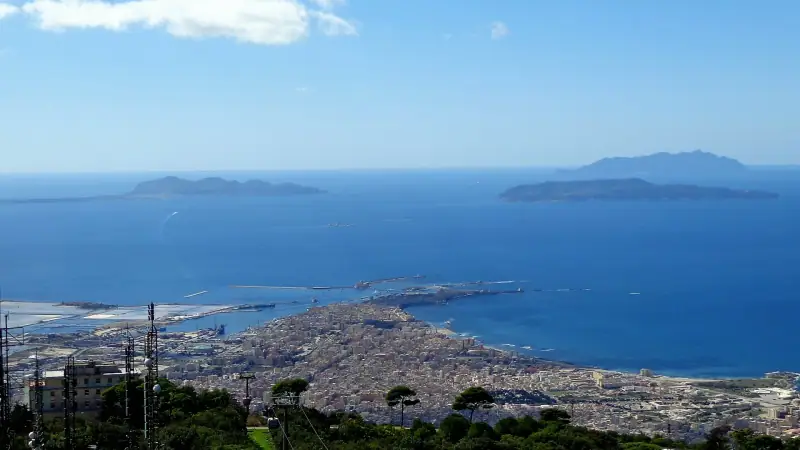
5 days
Western Sicily in 5 Days: Trapani, Marsala and the Aegadian Islands
A 5-day itinerary in western Sicily: Trapani and its salt pans, Marsala and its wine, Segesta, the Aegadian Islands. Practical tips for 2026.
14 days
Sicily Road Trip: The Full Island Loop in 14 Days
A 2-week Sicily road trip itinerary: full loop of Palermo, Mount Etna, Syracuse, Agrigento and Trapani, with practical tips for driving the island.