What to see
Visit Agrigento: A Complete Guide to the Valley of the Temples
We may earn a commission when you book through links on this page, at no extra cost to you. We don't visit or try the places we cover: we summarize published sources. How we work
In short
- Allow 3 to 4 hours for the Valley of the Temples (east and west zones plus the museum); a full day adds the centro storico and the Scala dei Turchi.
- April, May, September and October are best (12-27 °C / 54-81 °F); July-August reaches 38-42 °C (100-108 °F) there.
- The Temple of Concordia (built around 440 BC) is the best preserved; the site has been UNESCO-listed since 1997.
- A night in Agrigento is strongly recommended; from Palermo, the train takes about 2 h, from €11 (~$13) if booked in advance.
Agrigento may be the most moving archaeological site in the Mediterranean. Its Valley of the Temples, a row of Doric temples of the 5th century BC set on a hill overlooking the sea, is not just an open-air museum: it is proof that beauty can cross 25 centuries without losing an ounce of its power. A UNESCO World Heritage site since 1997, Agrigento is a highlight of any trip to Sicily.
Agrigento in a few words
Agrigento is a city of 55,227 inhabitants (2025) in southwestern Sicily, clinging to a hill at 230 meters (755 ft) above sea level, facing the sea. The modern city is built above the ancient Greek city of Akragas, one of the most important Greek colonies in the Mediterranean, founded around 580 BC by settlers from Gela, itself a colony founded by Rhodians and Cretans.
At its peak, in the 5th century BC, Akragas had between 200,000 and 300,000 inhabitants, an ancient metropolis comparable to Athens or Carthage. It was this period of extraordinary wealth that produced the series of temples we still admire today. The philosopher Empedocles was born here; Pindar called it “the most beautiful city inhabited by mortals”.
The city was successively conquered by the Carthaginians, the Romans, the Arabs, the Normans and the Aragonese, each leaving traces in the medieval upper town. But it is its Greek heritage that continues to attract the whole world.
1. The Valley of the Temples: the heart of the site
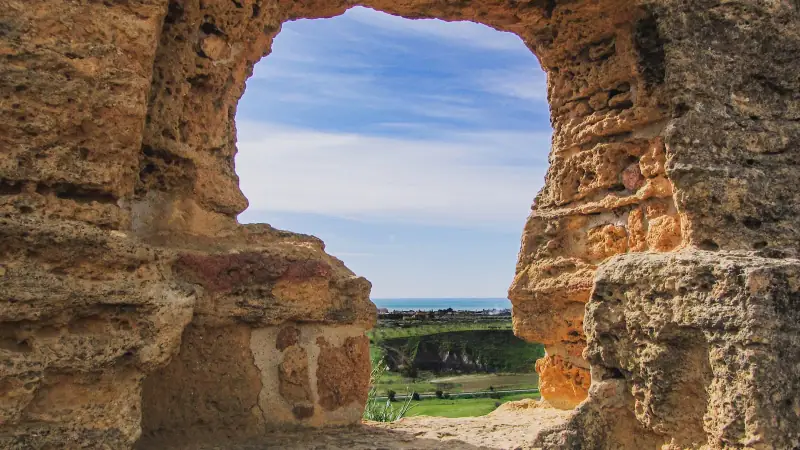
The Valley of the Temples (Valle dei Templi) is not a valley in the topographic sense: it is an elongated east-west ridge, about 3 km (2 mi) south of the modern city, on which the Greeks of Akragas erected their temples facing the sea. The visit is organized in two main zones.
The east zone (the best preserved)
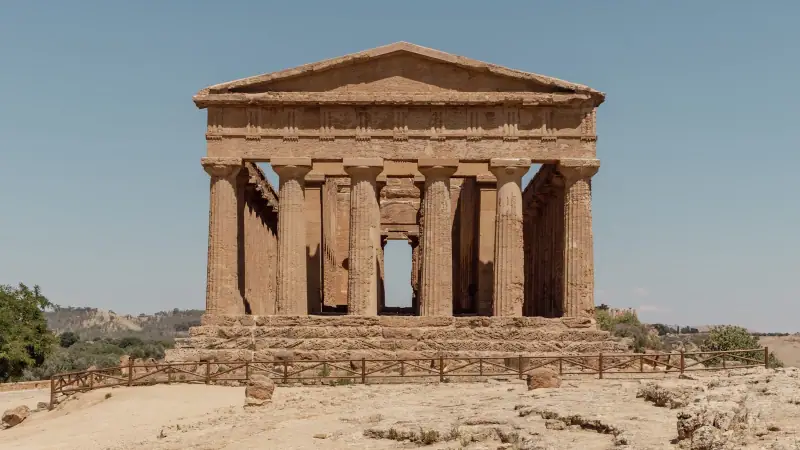
The Temple of Concordia is Agrigento’s flagship monument, and one of the best-preserved Greek temples in the world after the Parthenon. Built around 440 BC in Sicilian Doric style, it measures 39.44 × 16.91 meters (129 × 55 ft) and has 34 columns still standing. Its golden color at sunset is a visual experience in itself.
Its exceptional survival is explained by its conversion into a Christian church in the 6th century AD: the columns were partly walled in to create walls, and the temple became the basilica of San Gregorio delle Rape. The openings cut into the columns are still visible.
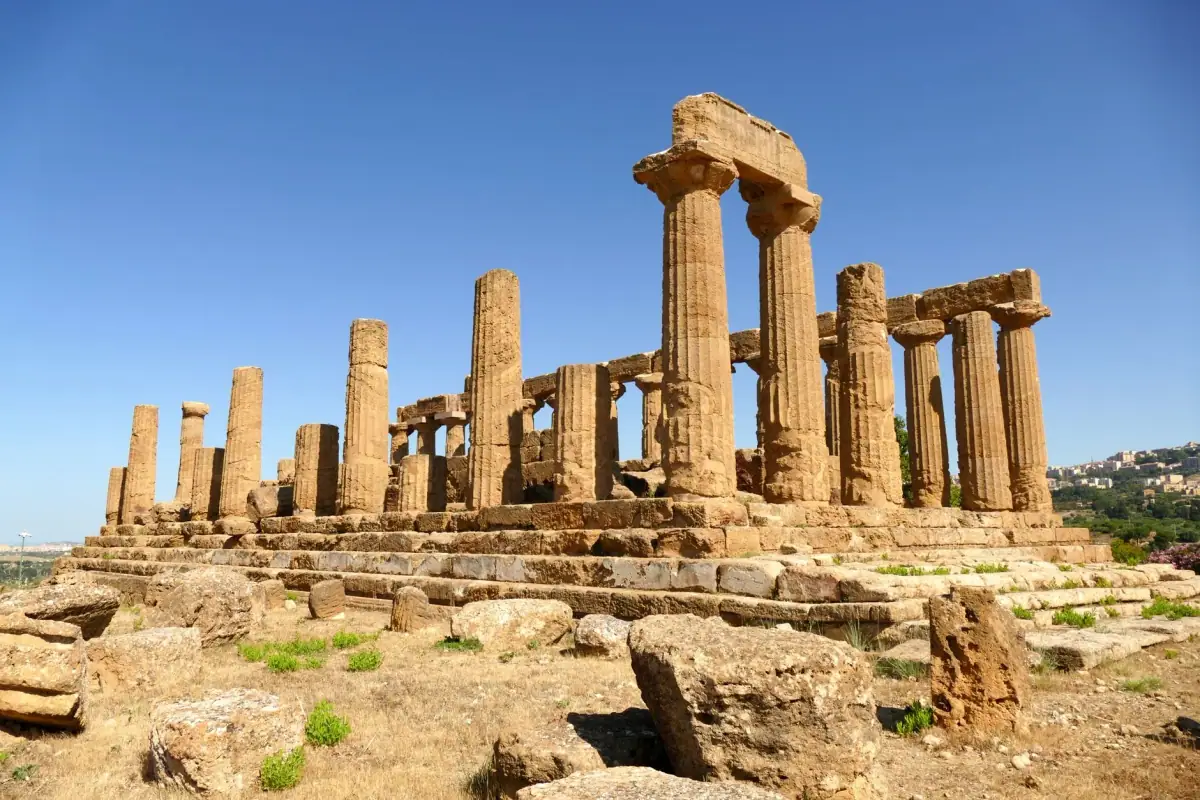
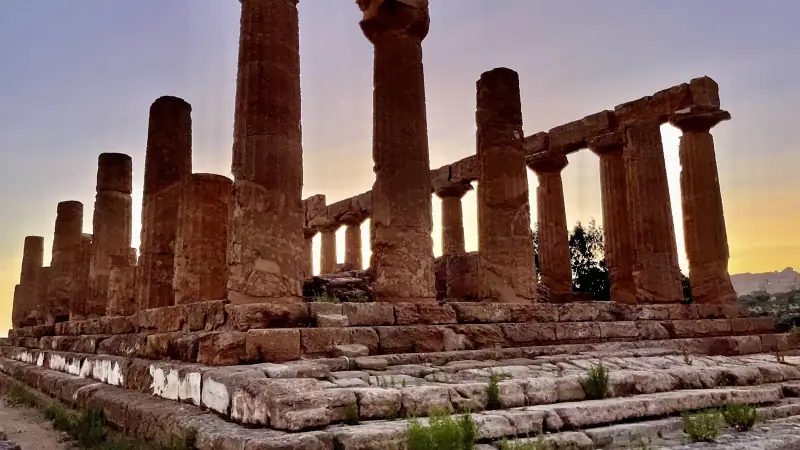
The Temple of Hera (or Temple of Juno), built in the 460s-450s BC, occupies the highest point of the ridge. Burned by the Carthaginians in 406 BC, it keeps 34 columns arranged in a 6×13 configuration (6 columns across, 13 along) and its sacrificial altar. The view from this temple takes in the whole valley and the sea in the distance, one of the most striking panoramas in Sicily.
Guided visit of the Valley of the Temples
Discover the history of Akragas with an archaeologist or specialist guide. Historical context and anecdotes the signs do not tell.
The west zone (the monumental ruins)
The Temple of Olympian Zeus (Tempio di Giove Olimpico) is the most fascinating of the destroyed temples. Begun around 480 BC after the victory over the Carthaginians at the Battle of Himera, it was the largest Doric temple ever undertaken in the Greek world (56 × 113 meters / 184 × 371 ft). It was never finished: Agrigento was sacked by the Carthaginians in 406 BC before the work was complete. Today it lies in majestic ruins, strewn with Cyclopean blocks.
Its unique feature: the telamons, giant human figures (7.65 meters / 25 ft tall) that served as engaged columns. A plaster reconstruction can be seen in the archaeological museum; a fragmentary original lies in situ on the site.
The Temple of the Dioscuri (Castor and Pollux) is Agrigento’s postcard: four columns and a fragment of entablature reassembled in the 19th century, standing against the Sicilian sky. Photographically splendid, though technically a partial reconstruction.
The Temple of Heracles (Hercules), the oldest on the site (late 6th century BC, around 510-500 BC), keeps eight columns restored in 1924 by Alexander Hardcastle, a retired British Royal Engineers officer who financed the excavations. According to ancient legend, its columns could be encircled by the arms of a single man, hence the attribution to Heracles.
2. The Pietro Griffo Regional Archaeological Museum
Halfway between the modern city and the temples, the Regional Archaeological Museum is one of the richest in Sicily for Greek archaeology. Do not neglect it: it is the key to understanding what you see at the site.
The major collections:
- The reconstructed telamon: The only complete reconstruction of a giant figure from the Temple of Zeus (7.65 m / 25 ft tall), assembled from original fragments. Its scale gives a dizzying idea of the original temple’s enormity.
- The Greek vase collection: Red-figure and black-figure ceramics, among the finest found in Sicily.
- Roman sarcophagi: Notably the sarcophagus of Hippolytus and Phaedra (2nd century AD), a masterpiece of narrative sculpture.
- The coins of Akragas: The city struck its own coins, decorated with an eagle and a crab, pieces of exceptional finesse.
- Lead tablets: Tablets covered with magical inscriptions (defixiones), ritual curses addressed to enemies, buried in tombs.
Hours: Every day 9 am to 7:30 pm (last entry 7 pm). Price: Included in the combined Valley of the Temples ticket.
Where to stay in Agrigento
Hotels and B&Bs a short distance from the Valley of the Temples or in the medieval centro storico. Sunrise over the temples from your terrace.
3. Agrigento’s centro storico
The medieval upper town is often forgotten by hurried visitors, too focused on the temples. That is a mistake: Agrigento’s centro storico is one of the most authentic in Sicily, not very touristy, with an intact local atmosphere.
San Gerlando Cathedral (11th century, founded by the Normans) dominates the town with its squat mass. It keeps a letter of Saint Paul, authentic or not, we will never know, and several relics. The bell tower dates from the 15th century (1470), built by Canon Giovanni Montaperto. From the forecourt, a panoramic view of the valley.
The church of Santa Maria dei Greci is built directly on the foundations of a Doric temple of the 5th century BC (probably dedicated to Athena). You can see the original columns in the floor of the church and in the crypt, a tangle of 25 centuries of religious history.
Via Atenea is the main street of the centro storico, a lively shopping artery lined with Baroque palaces. Ideal for the evening passeggiata, Sicilian cafés and local craft shops (ceramics, pottery).
Via Fodera and the medieval district: Getting lost in the lanes behind Via Atenea, you come upon stone staircases, walled-up arches, palace interiors glimpsed through half-open doorways. The centro storico reveals itself slowly, on foot, without a map.
4. The Scala dei Turchi: the white cliffs
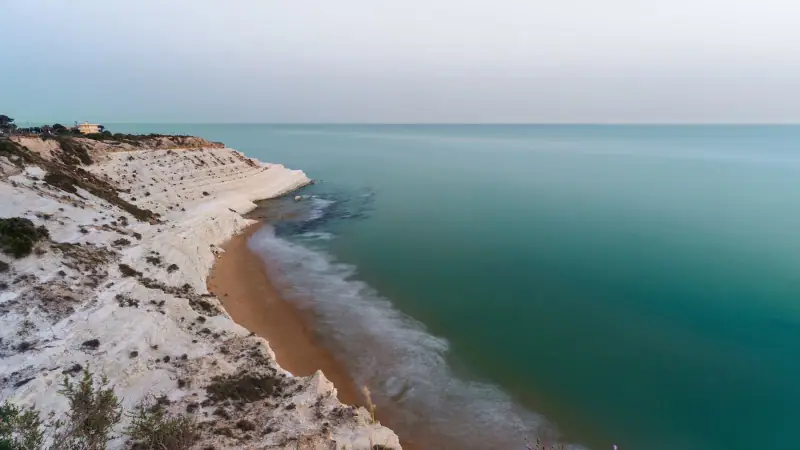
About 15 km (9 mi) west of Agrigento, the Scala dei Turchi (Stairway of the Turks) is one of Sicily’s most photographed natural formations: a white marl cliff (crumbly limestone rock) sculpted by erosion into natural steps overlooking a turquoise sea.
The name comes from the tradition that Turkish and Barbary pirates took refuge here during their raids on the Sicilian coasts. The stair shape made it easy to land light boats.
How to get there: By car (paid parking there, €5-10 / ~$6-12) or from Agrigento by local bus from the station (line to Realmonte, about 30 min). Warning: White marl is slippery when wet; rubber-soled shoes are essential. Swimming is possible from the adjacent beach (Punta Grande).
The Scala dei Turchi is very busy in July-August. Come early in the morning or late in the afternoon to avoid the crowd and enjoy the best photographic light.
Rental car in Agrigento
Essential for exploring the Scala dei Turchi, the beaches and the surrounding villages at your own pace.
5. Beaches around Agrigento
The province of Agrigento has some of Sicily’s most beautiful beaches, often less crowded than those of the north or east.
San Leone is Agrigento’s main beach, about 6 km (4 mi) from the center. Wide, with golden sand, it is lined with restaurants and lidi (beach establishments with loungers and umbrellas). Sea breeze in the evening, family atmosphere. Bus from the station in summer.
Punta Grande (near the Scala dei Turchi): a small fine-sand beach framed by white cliffs. Crystal-clear water, little natural shade. Arrive early.
Torre Salsa: About 20-30 km (12-19 mi) to the west, this beach protected as a WWF nature reserve is one of the wildest in Sicily. Sand dunes, dune vegetation, sea turtles (nesting area). Access on foot from the parking lot (20 minutes’ walk through the dunes).
Eraclea Minoa: About 25 km (15 mi) to the west, this white-sand beach is next to the ruins of an ancient Greek city (Eraclea Minoa), with a small, partly preserved Greek theater. A perfect combination of archaeological site and swimming.
6. The Sagra del Mandorlo in Fiore: the almond blossom festival
In February, the hills around Agrigento are covered with almond blossoms in an explosion of white and pink. The Sagra del Mandorlo in Fiore (Almond Blossom Festival), officially organized since 1937 (although the concept was born in 1934), celebrates this natural spectacle and is one of Sicily’s loveliest folk festivals.
Every year, delegations in traditional costume from around the world (Greece, Andalusia, Bavaria, Brittany…) parade among the temples and in the streets of the city. Folk music, dances, crafts and local products (almonds, honey, wine) animate the city for several days.
Dates: Early March (formerly February, a change since the 2000s depending on weather conditions and the almond bloom).
Practical information
How to get to Agrigento
By train: From Palermo (2 h, from €11 / ~$13 if booked in advance, regular service), from Catania (5 h 30 to 7 h depending on connections at Caltanissetta or Canicattì). Agrigento Centrale station is a 15-minute walk from Via Atenea.
By car: From Palermo via the A19 then the SS640 (about 2 h to 2 h 15). From Catania via the A19 and the E931 (about 1 h 50 to 2 h 15, 161 km / 100 mi). The SS115 follows the south coast and offers a scenic but longer drive.
By bus: Autoservizi Cuffaro and Sais run services from Palermo (2 h, about €9-12 / ~$10-14). From Catania, connections are less direct.
Getting around the site
The Valley of the Temples site is 3 km (2 mi) from the station: taxi (€8-10 / ~$9-12), local bus (line 1 or 2, variable frequency), or on foot (45 min) via Viale dei Templi. Once there, the visit is done entirely on foot. As the heat is intense in summer, prefer a morning visit (opening at 8:30 am) or late afternoon.
Indicative budget for Agrigento
| Item | Budget |
|---|---|
| Valley of the Temples + museum ticket | €15.50 (~$18) |
| Lunch (local trattoria) | €12-18 (~$14-21) |
| Double B&B, historic center | €55-85 (~$64-99) per night |
| Hotel with temple view | €90-160 (~$105-185) per night |
| Taxi, station to sites | €8-10 (~$9-12) |
For an overview of the costs of a stay, see our Sicily budget guide.
When to visit Agrigento
Ideal: April-May and September-October. Pleasant temperatures (April 12-19 °C / 54-66 °F, May 16-23 °C / 61-73 °F, September 21-27 °C / 70-81 °F, October 18-24 °C / 64-75 °F), reasonable crowds.
To avoid: July-August (38-42 °C / 100-108 °F, full sun exposure among the temples). If you have no choice, visit between 8:30 and 11 am, and come back after 5 pm.
Winter: December-March, the temples are nearly deserted and the winter Mediterranean light is very beautiful. Some museums may have reduced hours.
Flights to Sicily
Compare flights to Palermo (1 h 30 from Agrigento) or Catania (2 h 30).
Agrigento in 2 days: suggested itinerary
Day 1: the temples and sunset
Morning (8:30 am to 12:30 pm):
- Arrive at the Valley of the Temples at opening (8:30 am)
- East zone: Temple of Heracles, Temple of Concordia, Temple of Hera
- Enjoy the morning light and the lack of crowds
Afternoon (1 to 5 pm):
- Lunch in a trattoria in the temples district (Kokalos, Concordia Ristorante)
- Pietro Griffo Archaeological Museum (2 to 4:30 pm)
- West zone: Temple of Zeus, Temple of the Dioscuri
Evening:
- Back in town, passeggiata on Via Atenea
- Dinner in the centro storico
Day 2: the coast and the white cliffs
Morning:
- Scala dei Turchi (arrive before 9 am for the light and the cool)
- Swim at Punta Grande
Afternoon:
- San Leone beach or an excursion to Eraclea Minoa
- Return and discover the church of Santa Maria dei Greci and the cathedral
To fit Agrigento into a wider trip, our Sicily road trip offers a complete itinerary including Palermo, Agrigento, Syracuse and Taormina.
What you will only see in Agrigento
Agrigento is not just an archaeological site. It is a living city with its own personality. A few experiences that only this place offers:
Almond trees in bloom in winter: In February, walking among the temples in a cloud of white blossoms is an experience summer travelers will never know.
The Temple of Concordia at sunset: The golden light of late afternoon turns the limestone of the columns into living gold. Stay until closing.
The night among the temples: In summer, illuminated night visits reveal the temples from a radically different angle, and often more moving than by day. Check the program on the official website (parcovalledeitempli.it) before your visit.
The view from the Temple of Hera: Perched at the eastern end of the ridge, this temple offers the only panorama that takes in the whole valley, the sea and the modern city at once. A framing that even drone photos reproduce poorly.
To discover the island’s other archaeological sites, see our guide to the Greek temples in Sicily.
Agrigento is one of those places that are not easily forgotten. The Valley of the Temples is not a museum: it is a silent dialogue between 2,500 years of human history and a Mediterranean sky that has not changed. Take the time to be present there.
Frequently asked questions
How long does it take to visit the Valley of the Temples in Agrigento?
Allow 3 to 4 hours for the Valley of the Temples, visiting both zones (east and west) at your own pace, with a stop at the archaeological museum. A full day lets you see everything without rushing, including Agrigento's centro storico and a stop at the Scala dei Turchi.
What is the best time to visit Agrigento?
April, May and September-October are ideal: pleasant temperatures (April 12-19 °C / 54-66 °F, May 16-23 °C / 61-73 °F, September 21-27 °C / 70-81 °F, October 18-24 °C / 64-75 °F), few crowds, beautiful light on the temples. Avoid July-August (crushing heat of 38-42 °C / 100-108 °F, crowds). In February, the almond trees in bloom create an exceptional sight during the Sagra del Mandorlo in Fiore.
How do you get to Agrigento from Palermo?
By train from Palermo Centrale: about 2 h (Trenitalia, every 1-2 hours, from €11 / ~$13 if booked in advance). By car: A19 motorway then SS640, about 1 h 30 to 2 h. By bus: Autoservizi Cuffaro or Sais run Palermo-Agrigento services in 2 h, leaving from via Balsamo.
Is the Valley of the Temples open at night?
On some summer evenings (generally June to September), the area is open until 11 pm for illuminated night visits. The temples are magnificent lit at night; check the program on the official website (parcovalledeitempli.it) before your visit.
What is the entrance fee for the Valley of the Temples?
Rates vary by operator and season. As a guide: Valley of the Temples alone about €12-17 (~$14-20) full price. Combined Valley + archaeological museum ticket about €15-22 (~$17-26) full price. Reduced and free rates exist for some visitors, depending on age and nationality. Check current rates on parcovalledeitempli.it before you go.
Can you visit Agrigento as a day trip from Palermo?
Yes, it is doable in a busy day (early start, evening return), but a night in town is strongly recommended. It lets you see the temples at sunrise (incomparable light), explore the medieval centro storico in the evening, and discover the Scala dei Turchi without rushing.
More Sicily guides
Keep reading
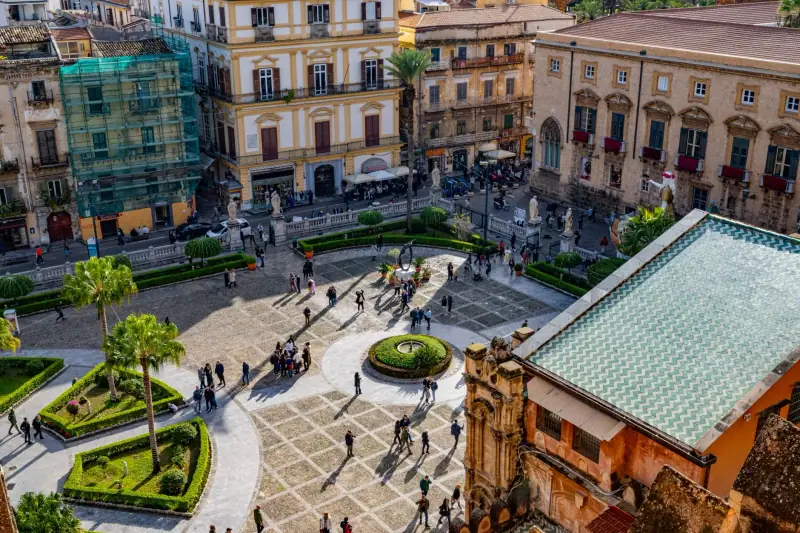
Palermo Highlights: The 12 Sights Not to Miss
What to see in Palermo? Our selection of 12 highlights: Cappella Palatina, markets, cathedral, Kalsa, Monreale. Practical guide with hours and tips.
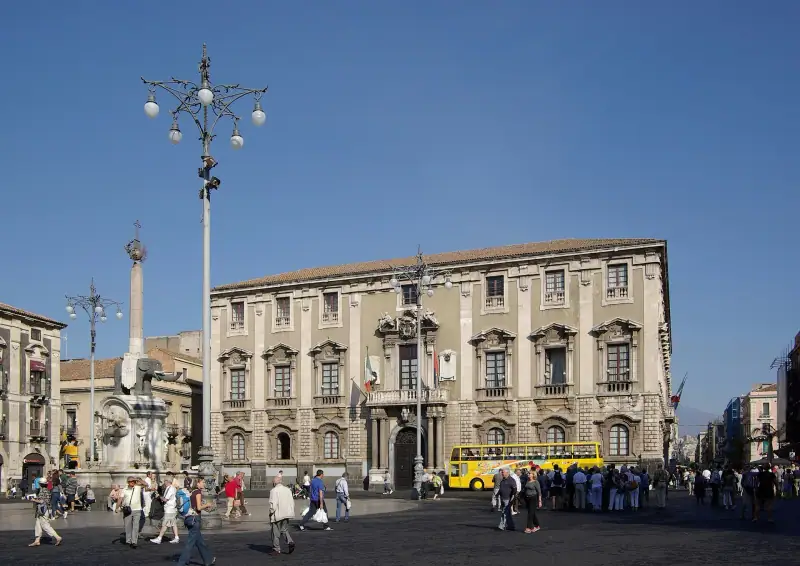
Visit Catania: A Complete Guide to the City of Mount Etna
What to do in Catania? Pescheria, Piazza del Duomo, a Baroque stroll, Mount Etna within reach. Complete guide with practical tips and good addresses.
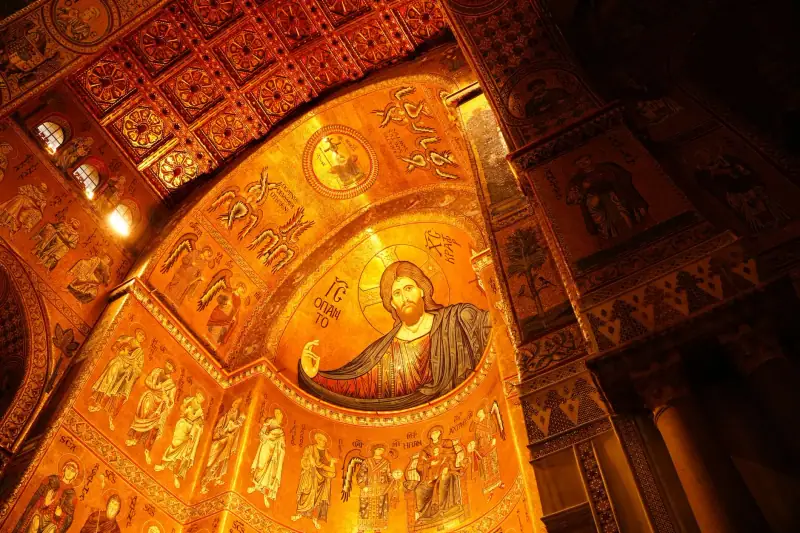
Monreale from Palermo Without a Car: Bus 389, Hours and Prices
How to get from Palermo to Monreale by bus without a car: AMAT line 389, a €1.40 ticket, cathedral hours, cloister, terraces and how long to allow.
Ready-made
Sicily itineraries
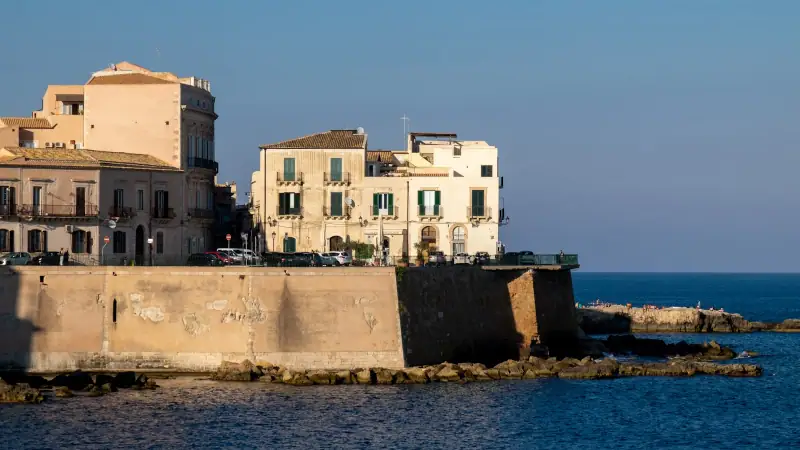
6 days
Southeast Sicily Itinerary: Syracuse, Noto, Ragusa and Agrigento in 6 Days
SyracuseRagusa or NotoAgrigento
5 days
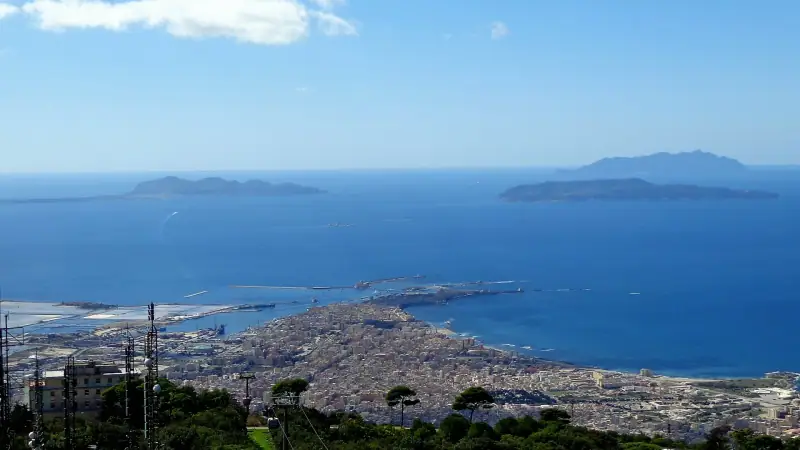
Western Sicily in 5 Days: Trapani, Marsala and the Aegadian Islands
A 5-day itinerary in western Sicily: Trapani and its salt pans, Marsala and its wine, Segesta, the Aegadian Islands. Practical tips for 2026.
14 days
Sicily Road Trip: The Full Island Loop in 14 Days
A 2-week Sicily road trip itinerary: full loop of Palermo, Mount Etna, Syracuse, Agrigento and Trapani, with practical tips for driving the island.