What to see
Visiting Fort William: a complete guide to Scotland's outdoor capital
We may earn a commission when you book through links on this page, at no extra cost to you. We don't visit or try the places we cover: we summarize published sources. How we work
In short
- Allow 2 to 3 days for Fort William and its immediate surroundings, or 4 to 5 days with the Jacobite Steam Train, Glenfinnan, Glencoe and Loch Lomond.
- Ben Nevis (1,345 m / 4,413 ft) is a 17 km (10.5 mi) round trip taking 7 to 9 hours; bring waterproofs and warm layers even in summer.
- The Jacobite Steam Train runs roughly May to October, costs about £70-75 round trip in standard class, and sells out weeks ahead.
- A car is strongly recommended: Glencoe is 25 km (16 mi) south and Glenfinnan 28 km (17 mi) west.
Fort William is often called the “outdoor capital of the UK,” and the title is deserved. Tucked at the head of Loch Linnhe, this Scottish Highlands town of about 10,000 people is surrounded by breathtaking mountains, wild glens and mysterious lochs. This is where the climb of Ben Nevis begins, the highest peak in the British Isles at 1,345 m (4,413 ft), and where the famous Jacobite Steam Train departs, made world famous by its crossing of the Glenfinnan Viaduct, the same one that served as the setting for the Hogwarts Express in the Harry Potter saga.
But Fort William is much more than a launch pad for legendary attractions. The town has a pleasant waterfront along Loch Linnhe, a lively shopping district, museums tracing the history of the Jacobites and the Highlands, and an authentically Scottish atmosphere far from the tourist bustle of Edinburgh. Whether you are an experienced hiker, a culture lover or a traveler looking for grand landscapes, Fort William is an ideal starting point for discovering the Highlands at their wildest.
Getting your bearings in Fort William
Fort William stretches mainly along High Street, its main pedestrian street, and the waterfront along Loch Linnhe. The town is compact and the center is easy to cover on foot. The main attractions, however, are spread around the town and require a vehicle.
The town center: High Street holds the shops, cafés, restaurants and outdoor gear rental shops. It is also where the railway station is, the starting point of the Jacobite Steam Train. The West End Hotel and the loch shore are a few minutes’ walk away.
Glen Nevis: About 3 km (2 mi) southeast of the center, the Glen Nevis valley is the starting point for hikes to Ben Nevis and the Glen Nevis gorge. The Visitor Centre is here and provides all the practical information on routes.
Banavie and the Caledonian Canal: About 3 km (2 mi) northwest of the center, the Banavie district is home to Neptune’s Staircase, the longest staircase of locks in the UK on the Caledonian Canal (8 consecutive locks). A must-stop for lovers of industrial heritage.
The surroundings: Glencoe is about 25 km (16 mi) south via the A82. Glenfinnan and its viaduct are about 28 km (17 mi) west via the A830. The Isle of Skye is about 1 h 30 away by car.
Car rental in Fort William
Essential for exploring the surroundings: Glencoe, Glenfinnan, Skye. Compare offers from the main rental companies starting from Fort William.
Ben Nevis: the roof of the British Isles
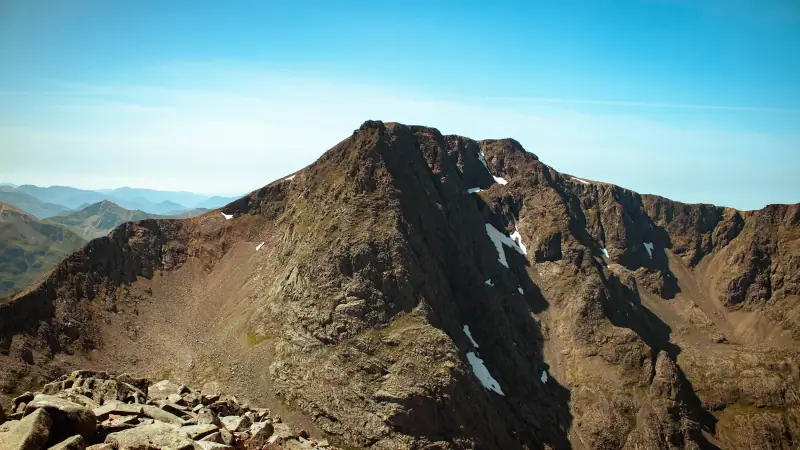
Ben Nevis is the main reason thousands of hikers converge on Fort William every year. At 1,345 m (4,413 ft), it is the highest point not only of Scotland but of all of Great Britain and Ireland. Don’t expect a simple pastoral hill: Ben Nevis is a serious mountain, with a summit plateau often wrapped in cloud, strong winds and temperatures that stay cold even in midsummer.
The main path, called the Mountain Track or Pony Track, starts at the Ben Nevis Visitor Centre in Glen Nevis. It climbs in steady zigzags over about 17 km (10.5 mi) round trip, with an elevation gain of 1,350 m (4,430 ft). The ascent alone generally takes 3 to 5 hours depending on pace, and the descent another 2 to 3 hours. The path is well marked and requires no mountaineering skills, but good fitness is essential.
At the summit, clear days offer views as far as Ireland and the Hebrides. But those days are rare: Ben Nevis is famous for its unpredictable weather and the mist that wraps it more than 300 days a year. Always carry waterproof clothing, warm layers and enough water and food, whatever the weather down below.
Practical tip: Start early in the morning (before 8 am in high season) to avoid the crowds and enjoy the cool air. You pay for parking at the Visitor Centre. In summer, Ben Nevis hosts an annual race (the Ben Nevis Race) that draws hundreds of runners, so check the dates if you want to climb in peace.
The Jacobite Steam Train: the Hogwarts Express in Scotland
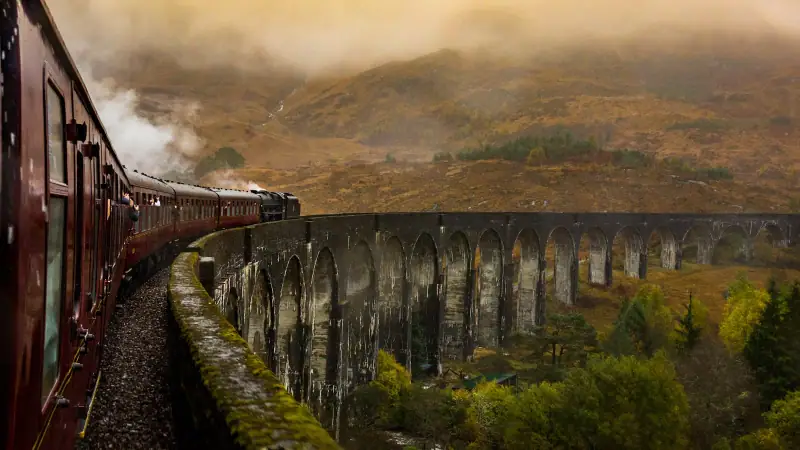
Among the most iconic experiences in the Scottish Highlands, the Jacobite Steam Train holds a special place. This historic steam train links Fort William to Mallaig on the west coast, covering 67 km (42 mi) through one of the most spectacular landscapes in Europe. The journey takes about 2 hours each way, with one panorama after another of lochs, glens and coastal bays.
The star of the trip is undoubtedly the Glenfinnan Viaduct, about 28 km (17 mi) from Fort William. This 21-arch concrete structure, built between 1897 and 1901, became world famous after its repeated appearances in the Harry Potter saga. The train slows slightly as it crosses, giving you a few seconds of an unbeatable view of the valley and Loch Shiel below.
The Jacobite generally runs from May to about the end of October, with a morning service and, depending on the dates, a second one in the afternoon (check the calendar for the year). Tickets are booked well in advance on the West Coast Railways website and are sold as round trips: the stop in Mallaig lets you visit the harbor and its fishing activity.
Accommodation in Fort William
Charming B&Bs, hotels with loch views or hostels for hikers: find your base in Fort William.
Glenfinnan: the viaduct and the Jacobite monument
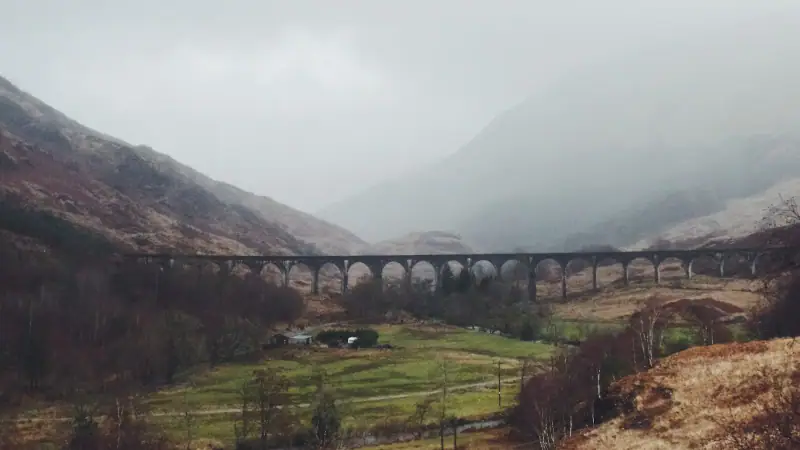
Located 28 km (17 mi) west of Fort William on the A830 (the Road to the Isles), the village of Glenfinnan is a double pilgrimage: for Harry Potter fans who come to photograph the viaduct, and for lovers of Scottish history who come to pay their respects at the Jacobite monument.
The Glenfinnan Viaduct can be viewed from the viewpoint built by the National Trust for Scotland, reached by a short path (about 20 minutes round trip). To photograph the train passing, you need to know the schedule in advance and get into position early, as the viewpoint is often crowded in high season.
The Glenfinnan Monument marks the spot where Bonnie Prince Charlie raised his standard in August 1745 to launch the Jacobite uprising. The 18 m (59 ft) tower, topped by an anonymous Highlander soldier, overlooks the head of Loch Shiel. The inside of the tower is accessible (narrow staircase) and offers a magnificent view of the loch. The National Trust for Scotland Visitor Centre has a detailed exhibition on the Jacobite rebellion and the Battle of Culloden. Admission to the monument is generally paid.
Glencoe: Scotland’s most dramatic glen
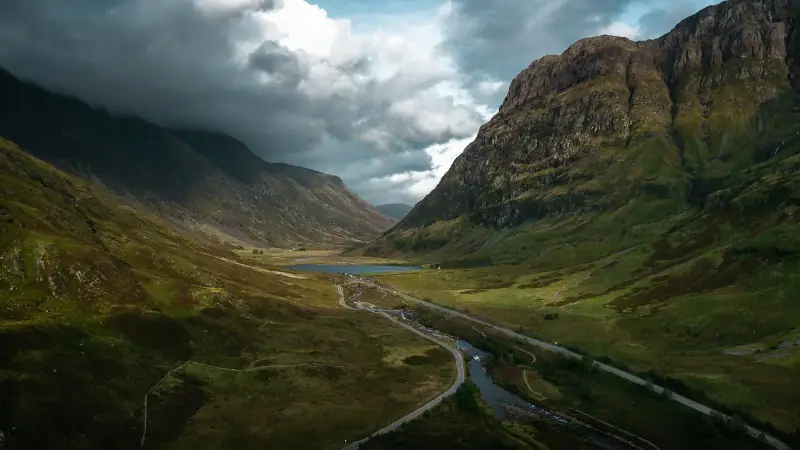
About 25 km (16 mi) south of Fort William on the A82, Glencoe is often considered the most beautiful and most dramatic of Scotland’s glens. Framed by mountains with sheer walls (the Three Sisters, Aonach Eagach), the valley has a special atmosphere, mixing wild beauty and tragic history.
The Massacre of Glencoe in February 1692 remains etched in Scotland’s collective memory: government soldiers under the Campbells killed their MacDonald hosts after sharing their roof, betraying the sacred laws of Highland hospitality. The Glencoe Visitor Centre (run by the National Trust for Scotland) recounts this dark episode with nuance and accuracy.
For hikers, Glencoe offers routes at every level. The Hidden Valley (Coire Gabhail), nestled between two peaks of the Three Sisters, is a classic that fit walkers can do in a few hours. Glencoe Lochan, a small forest planted by Lord Strathcona (1st Baron Strathcona and Mount Royal) in the 1890s, offers easier family walks.
The shores of Loch Linnhe and Banavie
Loch Linnhe runs alongside Fort William for several kilometers and offers pleasant walks along its waterfront. In the evening, the reflections of the setting sun on the loch and the mountains around it make for exceptional photos.
At Banavie, about 3 km (2 mi) northwest of the town center, Neptune’s Staircase is the longest staircase of contiguous locks in the UK on the Caledonian Canal: 8 locks let boats climb or descend about 20 m (66 ft) over a distance of 500 m (1,640 ft). It is a fascinating place to watch, especially when sailboats and pleasure craft pass through in summer. Access is open and free.
Activities and excursions around Fort William
Guided Ben Nevis climb, kayaking on Loch Linnhe, Glencoe visit: book your activities in advance.
Nevis Range: skiing and mountain biking in Scotland
About 3 km (2 mi) northeast of Fort William, Nevis Range is the highest and one of the northernmost ski areas in the UK. You reach it by car and then by cable car (the Gondola). In winter (generally December to April depending on snow), the slopes welcome skiers and snowboarders on terrain from beginner to advanced, with a top elevation of around 1,200 m (3,940 ft).
Outside the ski season, the gondola runs in the warmer months to take visitors to an exceptional panorama over Ben Nevis, the Highlands and Loch Linnhe. It is one of the best viewpoints in the area reachable without physical effort. In summer, Nevis Range also becomes a downhill biking paradise, with trails that have hosted several rounds of the UCI Mountain Bike World Cup.
Where to eat and drink in Fort William
Fort William is not known for a sophisticated food scene, but it has solid places to eat after a day in the Highlands.
The town center has several traditional pubs serving generous Scottish food: fish and chips, haggis (stuffed sheep’s stomach, the national specialty), stovies (a potato and meat stew) and restorative soups in every season. The shores of Loch Linnhe have a few restaurants with water views.
As for whisky, a must in Scotland, several pubs in the center offer selections of single malts from Highland and island distilleries. Don’t leave without tasting a local whisky in the atmosphere of an authentic Scottish pub, by the fireplace if you visit in the low season.
For groceries and hiking supplies, supermarkets and outdoor shops line High Street.
Planning your stay in Fort William: sample itinerary
Day 1: Arrival and settling in Settle in at Fort William, stroll along the shores of Loch Linnhe and explore High Street. In late afternoon, scout the Glen Nevis Visitor Centre for the next day’s hike.
Day 2: Ben Nevis or Glen Nevis Depending on your level, attempt the summit of Ben Nevis (a full day) or explore the Glen Nevis valley and its gorge (an accessible half day). Evening at the pub to recover.
Day 3: Jacobite Steam Train and Glenfinnan Take the morning train to Mallaig. Enjoy the ride, visit Mallaig and its harbor, then return in the afternoon. On the way (or by car the next day), stop at the Glenfinnan Monument.
Day 4: Glencoe and Loch Lomond Drive south on the A82: Glencoe, the Visitor Centre and a hike in the valley. If you continue toward Glasgow or Edinburgh, Loch Lomond is about 1 h 30 from Glencoe.
Flights to Scotland
Find the best flight deals to Glasgow or Edinburgh, the airports closest to Fort William.
Practical tips for visiting Fort William
Getting there:
- By car from Edinburgh: about 215 km (134 mi), allow 2 h 15 to 2 h 45 via Stirling, the A84, A85 and then the A82.
- By car from Glasgow: about 155 km (96 mi), allow 2 h to 2 h 30 via the A82 direct.
- By train from Glasgow: the West Highland Line is a scenic ride of about 3 h 45, ideal if you don’t have a car.
- By train from Edinburgh: change in Glasgow, total time about 4 h 30 to 5 h.
Getting around locally: Renting a car is strongly recommended for exploring the area. Without a car, organized excursions from Fort William let you visit Glencoe, Glenfinnan and Loch Ness.
Accommodation: Fort William has a good choice of B&Bs, guesthouses and hotels for every budget. In high season (June to August), book ahead, especially if you want to be near the center or Glen Nevis.
Weather: The Highlands climate is changeable in any season. Always bring waterproof clothing and layers for hiking. Summers are mild (12-18 °C / 54-64 °F in the daytime) but thunderstorms are frequent. Winter can be cold with snow at altitude.
Midges: Midges (tiny biting gnats) are present from late May to September, especially in the morning and evening in calm, humid weather. Bring an effective repellent if you hike in season.
Frequently asked questions
How many days do I need to visit Fort William?
Allow 2 to 3 days for Fort William and its immediate surroundings: Ben Nevis, Glen Nevis and the shores of Loch Linnhe. If you want to include the Jacobite Steam Train, Glenfinnan, Glencoe and Loch Lomond, plan on 4 to 5 days.
How do I get to Fort William from Edinburgh?
By car from Edinburgh, allow about 2 h 15 to 2 h 45 via Stirling, the A84, A85 and then the A82 (depending on traffic), about 215 km (134 mi). By train, the trip is indirect and takes about 4 h 30 to 5 h with a change in Glasgow. A car is strongly recommended for exploring the area.
Is Fort William a good base for exploring the Highlands?
Absolutely. Fort William is ideally placed for trips into the southern and western Highlands: Glencoe is about 25 km (16 mi) south, Glenfinnan 28 km (17 mi) west, and the Isle of Skye is about 1 h 30 away via the Kyle of Lochalsh bridge. It is the best base for combining hiking, Jacobite heritage and wild landscapes.
Can I climb Ben Nevis without experience?
The main Ben Nevis path (the Mountain Track or Pony Track) is accessible to fit walkers with no mountaineering experience. Allow about 7 to 9 hours round trip from the Glen Nevis Visitor Centre. Good fitness, waterproof hiking boots and warm clothing are essential, even in summer: the summit can be in fog and temperatures there often fall below freezing.
How do I book the Jacobite Steam Train?
The Jacobite Steam Train (also called the West Coast Railway) generally runs from May to about the end of October (check the dates each year). It is very popular, notably because it resembles the Hogwarts Express in Harry Potter, and seats are booked several weeks ahead on the official West Coast Railways website. Fort William-Mallaig tickets are sold as round trips (check the official site to see whether a one-way fare is offered).
What is the best time to visit Fort William?
May to September offers the best weather. June and July are the sunniest but also the busiest. May is often recommended for its calm and green landscapes. In winter, Fort William attracts skiers to Nevis Range, the northernmost ski area in the UK, generally open from December to April depending on snow.
Is Fort William expensive?
Fort William is cheaper than Edinburgh. Accommodation (B&Bs, hotels, hostels) is affordable, especially off-season. A typical daily budget with meals and activities is around €60 to 100 (about $70-115) per person, excluding organized excursions (the Jacobite Steam Train costs about £70 to 75 round trip in standard class, more in first class).
More Scotland guides
Keep reading
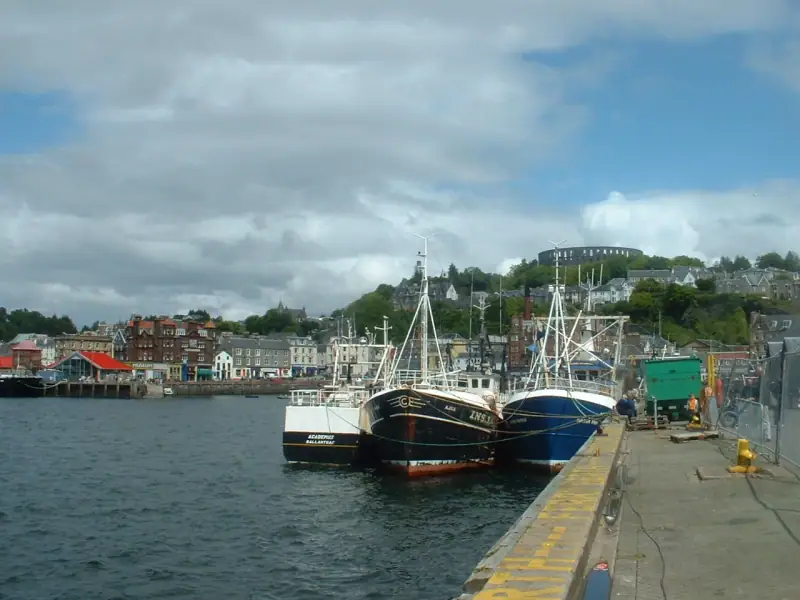
Visiting Oban: A Complete Guide to the Gateway to the Isles
What to see and do in Oban: McCaig's Tower, the distillery, ferries to the Hebrides, Mull and Iona. A complete guide to plan your stay in Scotland.
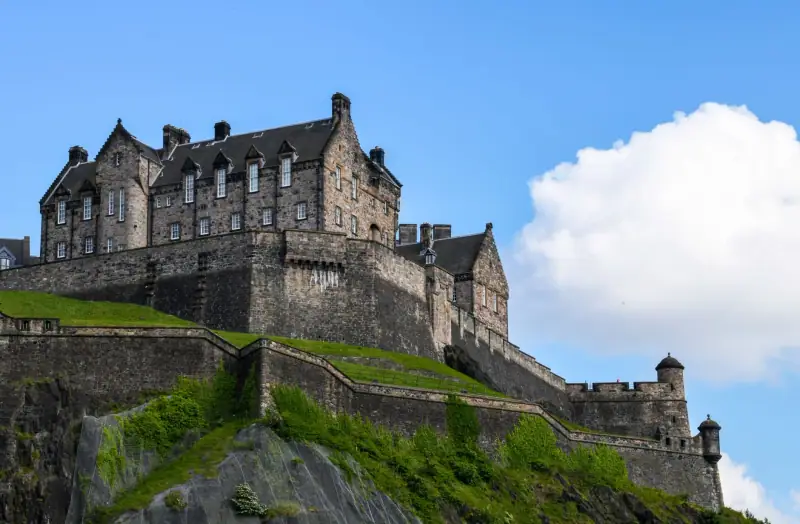
Edinburgh top sights: what to see and do in the capital
Edinburgh's top sights: the castle, Royal Mile, Arthur's Seat, free museums, Old Town and New Town. A complete guide so you miss nothing.
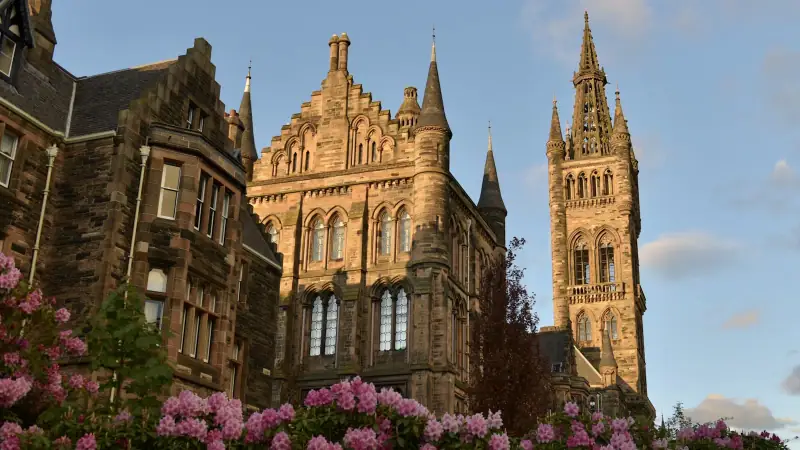
Visiting Glasgow: a complete guide to Scotland's largest city
What to see and do in Glasgow: Kelvingrove, Mackintosh, Merchant City, West End, free museums. A complete guide to plan your Glasgow trip.
Ready-made
Scotland itineraries
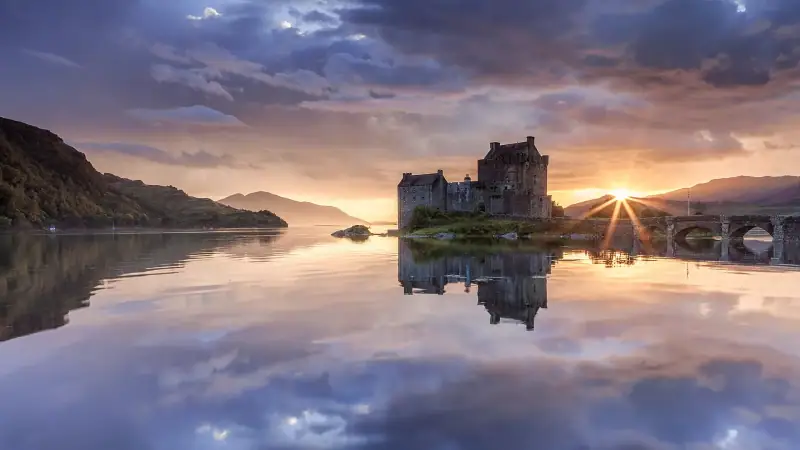
7 days
Scotland in 7 days: the perfect one-week itinerary
EdinburghFort WilliamInvernessPortree
14 days
Scotland road trip: the complete 2-week guide
Plan a 14-day Scotland road trip: full itinerary from the Lowlands to the far north, with logistics, places to stay and sights.
6 days
Scotland road trip in October: 6-day itinerary, roads and daylight hours
PitlochryInvernessPortreeFort William