What to see
Edinburgh top sights: what to see and do in the capital
We may earn a commission when you book through links on this page, at no extra cost to you. We don't visit or try the places we cover: we summarize published sources. How we work
In short
- Plan at least 2 days for the essentials (castle, Royal Mile, Arthur's Seat), and 3 to 4 days for a relaxed pace with the museums and Leith.
- Edinburgh Castle costs about £23.50 online and Holyroodhouse about £22; the main national museums are free.
- Avoid August (Fringe Festival). May and June are the best compromise of weather, long days and fewer crowds.
- The city center is compact and walkable, but some streets are very steep.
Edinburgh is one of the most beautiful and most visited cities in the world. Its medieval castle towering over the city from a volcanic rock, its maze of alleys, its world-class free museums and its festive atmosphere all year round make it a destination people come back to again and again. Here is a complete guide to all the top sights.
Getting your bearings in Edinburgh
Edinburgh can look complicated on a map, but the city is actually very easy to read once you understand its two main axes:
The Royal Mile: The historic thoroughfare that runs from Edinburgh Castle (at the top, to the west) to the Palace of Holyroodhouse (at the bottom, to the east). Almost a mile long (1.6 km), it forms the backbone of the Old Town.
Princes Street: The main shopping street, which borders Princes Street Gardens at the foot of the castle, separating the Old Town (to the south, higher up) from the New Town (to the north, lower down). This is where you find most of the stores, the Balmoral Hotel and Waverley Station.
Edinburgh Castle: the ultimate symbol
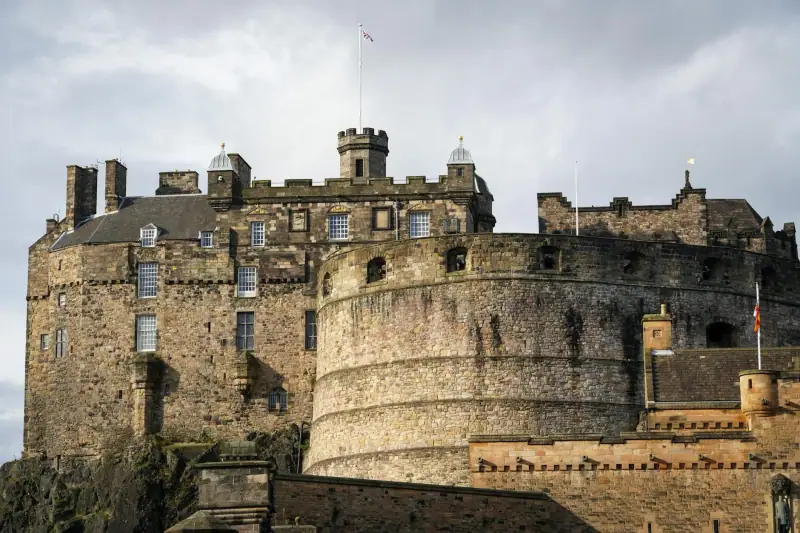
Admission: about £23.50 per adult online | Recommended time: 2-3 hours | Booking: online booking required in high season
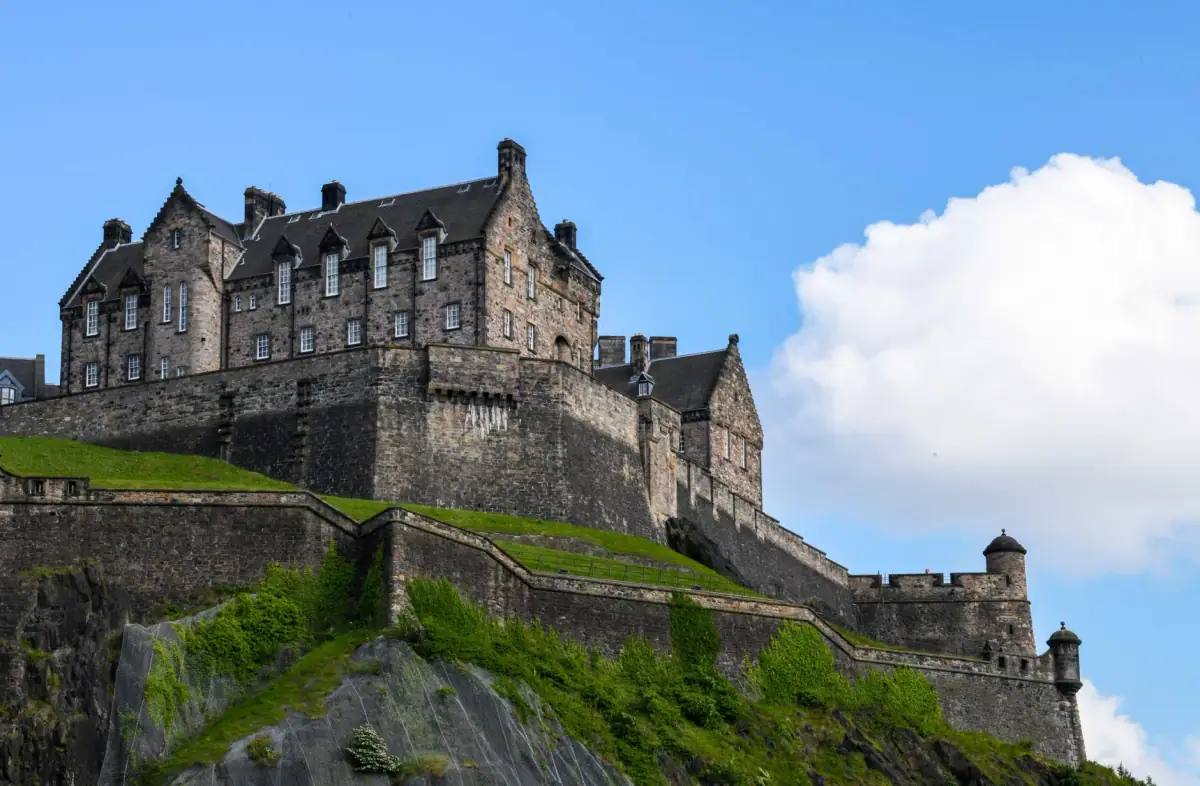
Edinburgh Castle sits on Castle Rock, a volcanic rock formed 340 million years ago. It is the most visited monument in Scotland (2 million visitors a year).
What to see:
- The Honours of Scotland (Scottish Crown Jewels): the crown, scepter and Sword of State, the oldest crown jewels in the British Isles (dating from the 15th century)
- The Stone of Destiny: the coronation seat of the kings of Scotland since the 9th century, returned from England in 1996 after 700 years away
- St Margaret’s Chapel (c. 1130): the oldest structure in the city, beautiful in its simplicity
- The One O’Clock Gun: a cannon fired at 1 pm (except Sundays) from the ramparts, a tradition since 1861
Tip: Arrive as soon as it opens (9:30 am). The line can reach 2 hours in summer if you haven’t booked. The view of the city from the ramparts is breathtaking.
The Royal Mile: the historic thoroughfare
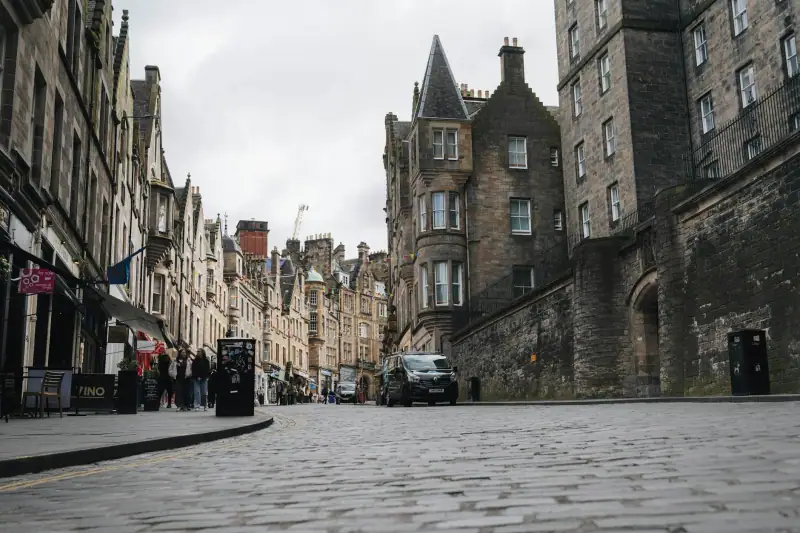
The Royal Mile is not one street but a succession of streets (Castlehill, Lawnmarket, High Street, Canongate) running from the castle to the palace. It packs in museums, historic pubs, souvenir shops (quality varies) and medieval buildings dating from the 16th century.
Closes and wynds: The side streets leading off the Royal Mile deserve as much attention as the main street. Each “close” (alley) has its own story. Mary King’s Close, buried under the city since the 18th century, can be visited on a guided tour (paid, very popular).
Don’t miss:
- Gladstone’s Land (NT): restored 17th-century merchant’s house
- John Knox House: home of the Protestant reformer (16th century)
- The Museum of Edinburgh: history of the city, free
- Canongate Kirkyard: cemetery where Adam Smith, David Hume and many historical figures are buried
Palace of Holyroodhouse: the royal residence
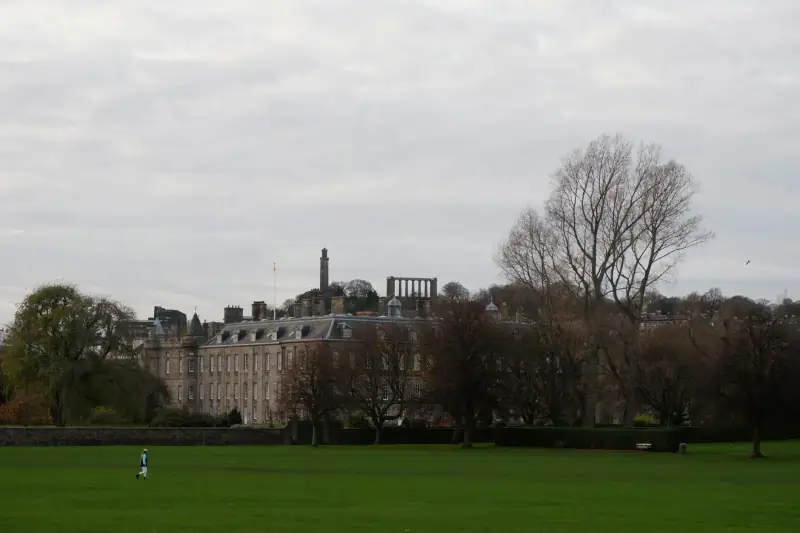
Admission: about £22 per adult online (the palace closes for a few days in summer during royal stays, so check) | Time: 1.5-2 hours
The Palace of Holyroodhouse is King Charles III’s official residence in Scotland. Every year he stays at the palace in early July for “Holyrood Week” (official ceremonies).
The history: It is above all the residence of Mary, Queen of Scots (1561-1567) that fascinates visitors. Within these walls her secretary David Rizzio was murdered by the men of her husband Lord Darnley (1566, 56 stab wounds).
The Galleries: The collection of royal portraits is displayed in the ballroom.
Holyrood Park: Behind the palace, this 260-hectare (640-acre) park has three lochs, cliffs, and the famous Arthur’s Seat.
Arthur’s Seat: the mountain in the city
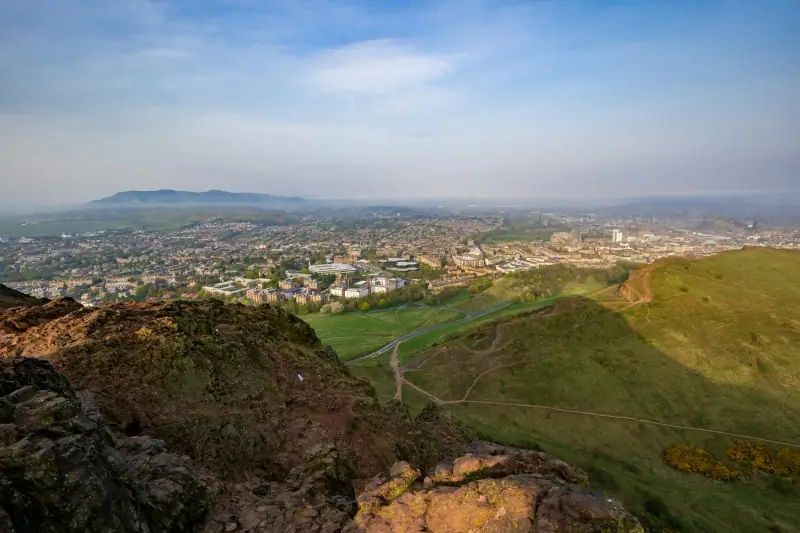
Arthur’s Seat is a 251 m (823 ft) extinct volcano rising from Holyrood Park, a 20-minute walk from the Royal Mile. The easy climb (45-60 minutes from the palace gardens) rewards you with a 360-degree view of Edinburgh, the Firth of Forth, the Highlands to the north and the Pentland Hills to the south.
Tips:
- Set off at dawn to avoid the crowds and watch the sun rise over the city, which is magical
- The summit is often swept by wind, so bring a layer
- Several routes up are possible; the easiest starts from Dunsapie Loch
The free museums: culture without breaking the bank
Edinburgh has world-class free national museums.
National Museum of Scotland ★★★★★
One of the best museums in the UK. The story of Scotland from its origins (Jurassic sea fossils) to the industrial and modern era, in a renovated Victorian building with a magnificent covered courtyard. Dolly the cloned sheep is on display. Allow at least half a day.
Scottish National Gallery ★★★★
A fine collection of Old Master paintings (Botticelli, Rubens, Rembrandt, Poussin, Constable) and Impressionists. A neoclassical building on Princes Street Gardens.
Scottish National Portrait Gallery ★★★★
A magnificent neo-Gothic building devoted to portraits of famous Scots: Mary, Queen of Scots, Robert Burns, Adam Smith, Sean Connery, and more.
Scottish National Gallery of Modern Art ★★★
Two buildings (Modern One and Modern Two) in sculpture gardens. An international collection of 20th- and 21st-century art.
Hotels in Edinburgh
From the Old Town to the New Town, find your ideal place to stay.
The New Town: perfect Georgian planning
The New Town (built in the 18th century) is a masterpiece of Georgian urban planning and a UNESCO World Heritage Site. Its wide sandstone avenues, squares and private gardens form a striking contrast with the medieval Old Town to the south.
What to see:
- Princes Street Gardens: public gardens at the foot of the castle, with sculptures and fountains
- George Street: the New Town’s main thoroughfare, with elegant pubs and restaurants
- Charlotte Square: the most perfect square in the New Town, home to the Georgian House (NT, about £13.50; check that it is open before your visit)
- Calton Hill: a hill at the end of Princes Street, with several monuments and a panoramic view of the city
Underground Edinburgh
Edinburgh is built on layers of history. Centuries of construction have buried old buildings beneath today’s streets.
The Real Mary King’s Close (check the price on the official website): entire 17th-century streets preserved beneath the present city, with gripping stories. One of the most popular visits.
Edinburgh Vaults: the vaults under South Bridge, used as workshops and dwellings in the 18th century before being forgotten. Several companies offer ghost tours.
Leith: the trendy port
3 km (2 mi) from the center, Leith is Edinburgh’s old port. Now transformed into a food and cultural district, it deserves half a day.
What to see:
- The Royal Yacht Britannia (about £21): Queen Elizabeth II’s former royal yacht, moored in the port
- The Shore: the quays, with restaurants in renovated warehouses
- Ocean Terminal: shopping center on the waterfront
Where to eat: Leith has the best tables in Edinburgh, with several Michelin stars and many trendy bistros.
The ideal 3-day Edinburgh itinerary
Day 1: Edinburgh Castle (morning) → Royal Mile (afternoon) → Grassmarket (evening)
Day 2: Arthur’s Seat (sunrise) → National Museum (morning) → New Town and Princes Street (afternoon) → Leith for dinner
Day 3: Palace of Holyroodhouse (morning) → Scottish National Gallery (midday) → Calton Hill (sunset) → Old Town pub for dinner
To find out where to stay during your trip, see our guide on where to stay in Edinburgh. For restaurants, see our guide to the best restaurants in Edinburgh.
Frequently asked questions
How many days do I need to visit Edinburgh?
At least 2 days for the essentials (castle, Royal Mile, Arthur's Seat). Allow 3-4 days to visit at a pleasant pace and include the national museums, Leith and the surroundings (Rosslyn Chapel, the Firth of Forth coast).
Is Edinburgh a good city to visit on foot?
Absolutely. Edinburgh is one of the easiest cities in Europe to explore on foot. The historic center is compact, but watch out for very steep streets (Edinburgh is built on volcanic hills).
When should I visit Edinburgh to avoid the crowds?
Avoid August (Fringe Festival, when the city's population triples). November to March is quiet and cheaper, but the days are short. May-June is the best compromise: good weather, long days, before the high season.
Are the museums free in Edinburgh?
Yes. The main museums are free: National Museum of Scotland, Scottish National Gallery, Scottish National Portrait Gallery, Modern One and Modern Two. Among the big attractions, only Edinburgh Castle (about £23.50 online) and the Palace of Holyroodhouse (about £22) charge admission.
What is the Edinburgh Festival Fringe?
The Edinburgh Festival Fringe is the largest arts festival in the world, held every year in August. Thousands of shows (theater, comedy, dance, music) are staged in hundreds of venues across the city over 3 weeks.
More Scotland guides
Keep reading
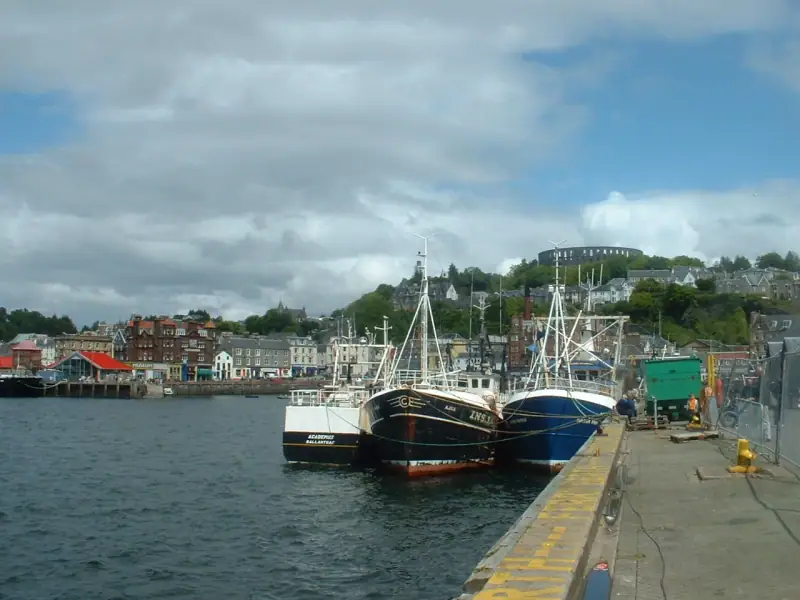
Visiting Oban: A Complete Guide to the Gateway to the Isles
What to see and do in Oban: McCaig's Tower, the distillery, ferries to the Hebrides, Mull and Iona. A complete guide to plan your stay in Scotland.
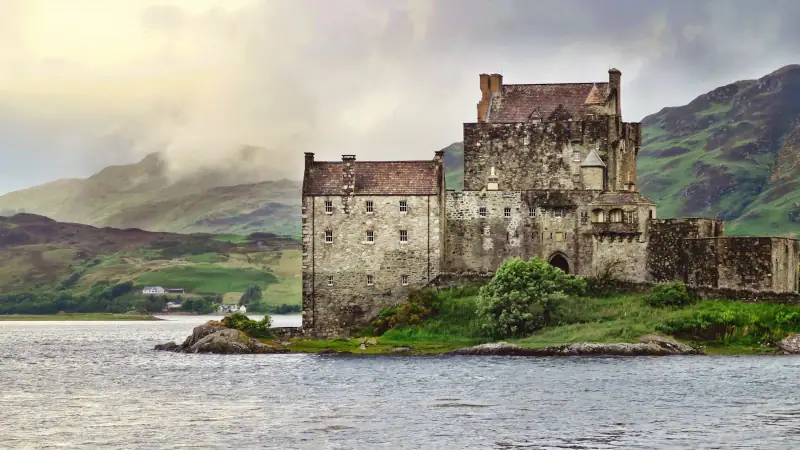
Visiting Fort William: a complete guide to Scotland's outdoor capital
What to see and do in Fort William: Ben Nevis, Jacobite Steam Train, Glenfinnan, Glencoe. A complete guide to plan your Highlands trip.
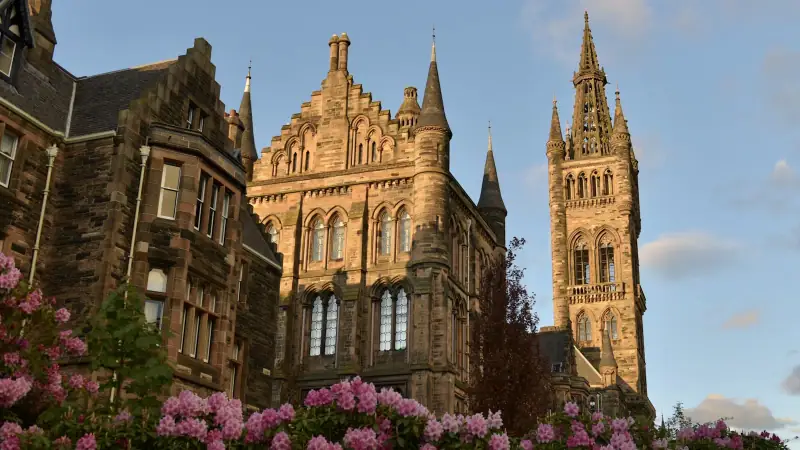
Visiting Glasgow: a complete guide to Scotland's largest city
What to see and do in Glasgow: Kelvingrove, Mackintosh, Merchant City, West End, free museums. A complete guide to plan your Glasgow trip.
Ready-made
Scotland itineraries
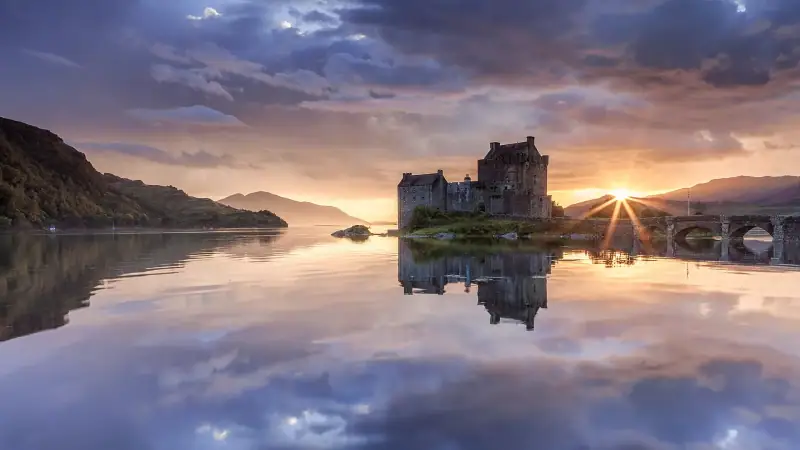
7 days
Scotland in 7 days: the perfect one-week itinerary
EdinburghFort WilliamInvernessPortree
14 days
Scotland road trip: the complete 2-week guide
Plan a 14-day Scotland road trip: full itinerary from the Lowlands to the far north, with logistics, places to stay and sights.

6 days
Scotland road trip in October: 6-day itinerary, roads and daylight hours
PitlochryInvernessPortreeFort William