Things to do
Golf in Scotland: Playing St Andrews and the Best Courses
We may earn a commission when you book through links on this page, at no extra cost to you. We don't visit or try the places we cover: we summarize published sources. How we work
In short
- The Old Course at St Andrews costs about £355 in high season; the ballot (lottery) is the main way in, entered before 2 pm for play two days later.
- A certified handicap of 36 maximum is required for the Old Course; many other links are open to everyone.
- May and September are the best months; July and August are the busiest and most expensive.
- A car is essential: most major courses are on the coast with little public transport.
Scotland is the birthplace of golf. It was here, on the wind-swept North Sea coasts, that the first golfers played their shots in the 15th century. Today the country has about 550 courses, more per person than anywhere else in the world, and attracts players from everywhere, from curious beginners to enthusiasts who dream of walking the legendary fairways of St Andrews. This guide explains everything you need to organize your golf trip to Scotland.
Why Scotland is the world capital of golf
The history of Scottish golf goes back at least to the 15th century. The first written mentions date from 1457, when King James II of Scotland tried, without much success, to ban the game because it distracted his subjects from archery. The first official rules were codified in 1744 at Leith by the Gentlemen Golfers of Edinburgh (later the Honourable Company of Edinburgh Golfers). In 1754, the Society of St Andrews Golfers, ancestor of the Royal and Ancient Golf Club (R&A), was founded at St Andrews and adopted these existing rules. Today the R&A codifies the rules of golf together with the USGA.
Scottish geography shaped the game. The “links”, narrow strips of land between the sea and the arable land, with sandy soil and short vegetation, are the original environment of golf. The wind, the hollows (natural bunkers), the firm and fast turf, the absence of trees: these conditions defined the essence of the game and remain a very different experience from the parkland golf played in the rest of the world.
Playing in Scotland is therefore much more than a round of golf: it is an immersion in the history of a game.
Flights to Edinburgh or Glasgow
The two main airports give easy access to all the major Scottish courses.
St Andrews: the heart of world golf
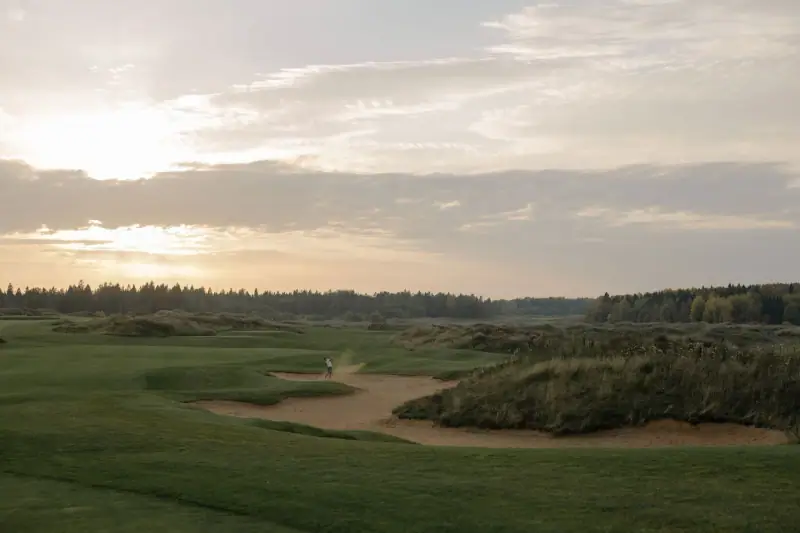
The Old Course, the most legendary
The Old Course at St Andrews is probably the most famous golf course in the world. This public 18-hole course runs along the east coast of Fife, between the town of St Andrews and the sea. It has hosted the British Open Championship (The Open) 30 times to date (most recently in 2022), with the 31st edition planned for 2027. These editions include memorable moments involving Tiger Woods, Jack Nicklaus, Seve Ballesteros and many other legends.
The course is open to the public and run by the St Andrews Links Trust, a not-for-profit foundation. But playing the Old Course is not easy: demand far exceeds supply, especially from May to September.
The ballot system: To play the Old Course in high season, the main method is to enter the ballot (lottery) on the St Andrews Links Trust website. You enter before 2 pm to play the day after next. If you are drawn, you receive a confirmation and can book your tee time. The odds of being selected vary by period: lower in July-August, better in May or September.
Direct booking: Groups (4 people) can book up to a year in advance. Requests open at the end of summer for the following year (check the date on standrews.com) and the popular slots go very fast.
Singles: Solo players have a chance to play by turning up directly at the starter’s hut before the morning tee-off (generally 7:30-8 am). Unallocated spots for the day are sometimes available.
A certified handicap is required for the Old Course: 36 maximum, for men and women alike (or the WHS equivalent). Bring your handicap card or certificates.
The other St Andrews Links courses
The St Andrews Links Trust runs seven historic courses on the St Andrews links (including the Castle Course, opened in 2008), plus Craigtoun (formerly the Duke’s), taken over more recently: it is the largest public golf complex in Europe. The prices below are indicative, so check them on standrews.com:
- New Course (18 holes): opened in 1895, considered one of the best in Great Britain. Green fee about £120-165 depending on season. Bookable in advance without a ballot.
- Jubilee Course (18 holes): newer, slightly longer and more technical. About £95-140.
- Eden Course (18 holes): a more accessible course, ideal for intermediate players. About £60-90.
- Strathtyrum Course (18 holes): designed for high handicaps and families. About £40-60.
- Balgove Course (9 holes): perfect for beginners and children. About £15-25.
- Castle Course (18 holes): opened in 2008, perched on cliffs with a spectacular sea view. The newest and most demanding course of the complex. About £120-170.
If playing the Old Course proves impossible or too expensive, the New Course remains an excellent alternative, often judged almost as impressive and far easier to book.
Places to stay in St Andrews
Hotels and B&Bs near the links for golfers. Book early in high season.
Scotland’s other great courses
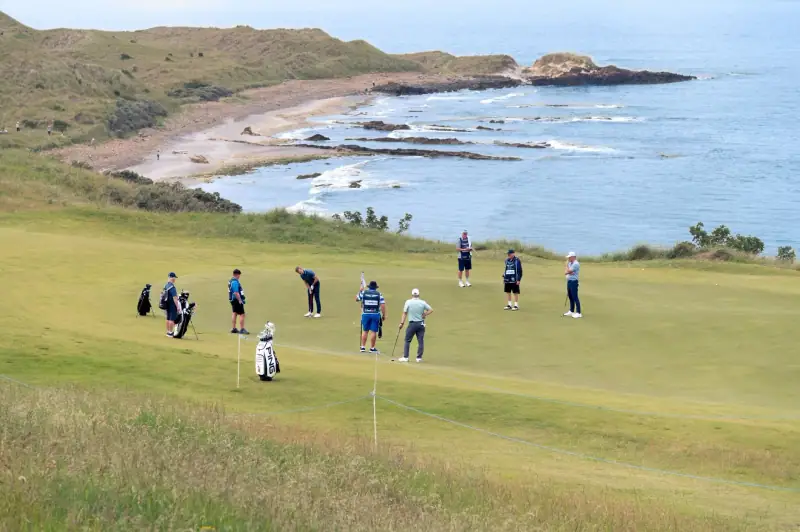
Carnoustie: the most feared course
Carnoustie Golf Links, in the county of Angus about 105-120 km (65-75 mi) from Edinburgh by road (about 1 hour 30 minutes of driving), is known as one of the toughest links in Scotland. Its Championship course has hosted the Open several times and is known for its often merciless weather.
The Championship course is open to the public. Green fee around £360 in high season (May-October 2026). There is also a Burnside Course (secondary course) that is more accessible. Bookings at carnoustiegolflinks.co.uk.
Muirfield: the most selective club
The Honourable Company of Edinburgh Golfers at Muirfield, in East Lothian about 30 km (19 mi) from Edinburgh (about 40 minutes by car), is one of the most exclusive clubs in the world. It has hosted the Open 16 times.
Muirfield is not entirely public: visitors are accepted only on Tuesdays and Thursdays, and a letter of introduction from a recognized club is generally required. Green fee around £395 in season (2026), and summer slots go very early: check availability with the club. The standard is very high, so this is an experience for serious golfers.
Royal Troon: cradle of the Open on the Ayrshire coast
Royal Troon is on the west coast, in Ayrshire, about 50 km (31 mi) southwest of Glasgow (about 50 minutes by car). It has hosted the Open many times. The most famous hole is the “Postage Stamp”, the 8th, one of the shortest and trickiest holes in the Open.
Visitors are accepted on Mondays, Tuesdays and Thursdays. Green fee about £395 in 2026. Advance booking is necessary.
Royal Dornoch: the northern jewel
For adventurous golfers willing to head up into the Highlands, Royal Dornoch, near Inverness (about 1 hour to the north), is often cited among the 10 best courses in the world. The setting is stunning and the atmosphere far less touristy than at St Andrews.
Green fee about £360 in high season (2026). Advance booking is possible at royaldornoch.com.
Gleneagles: the most luxurious golf resort
Located about 1 hour from Edinburgh but only 25-30 minutes from Perth, Gleneagles Hotel is the best-known golf resort in Scotland. It has three courses, including the PGA Centenary Course, which hosted the 2014 Ryder Cup. The complex also includes a spa, fine-dining restaurants and activities such as horse riding and clay pigeon shooting.
It is a luxury experience in its own right: green fees on the resort courses are included for guests or offered separately at a premium rate (about £375 and up). Worth noting for a high-end golf trip.
Car rental in Scotland
Essential for linking courses. Book from Edinburgh or Glasgow airport.
Organizing your golf trip in Scotland
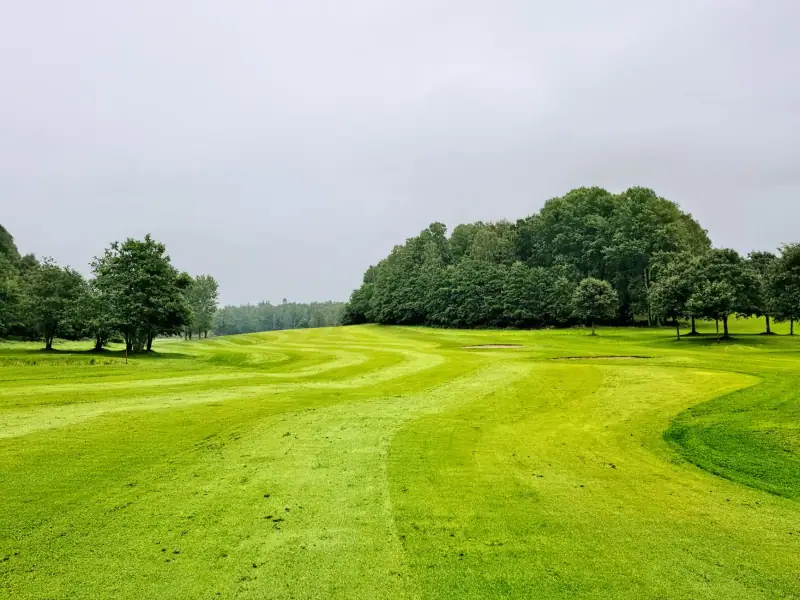
How to plan your golf itinerary
A car is essential for a golf trip in Scotland. Most of the major courses are on the coasts and have little or no public transport access. A road trip combining golf and discovery of the country is the ideal formula.
East Coast circuit (7-10 days): Edinburgh → Muirfield (East Lothian) → North Berwick (affordable public links) → St Andrews → Carnoustie → Royal Dornoch. This circuit heads up the east coast toward the north.
West Coast circuit (5-7 days): Glasgow → Royal Troon → Turnberry (Ayrshire) → back via Glasgow. Shorter but rich in legendary links.
Combined circuit (10-14 days): The grand tour for enthusiasts: Edinburgh, eastern Scotland, St Andrews, then north to the Highlands and Royal Dornoch, before heading back down to Glasgow and the west coast. This circuit gives a complete overview of golfing Scotland.
For general advice on Scottish roads, our guide to the Scotland road trip will help you prepare your itinerary.
How much to budget for a golf trip
Golf in Scotland can be affordable or very expensive depending on your choices. Here is an indicative range:
Budget option: Many public courses in Scotland cost between £20 and £60 for a green fee. Courses of decent quality, often lesser known, let you play at very reasonable rates. Expect about £50-80 a day combining B&B lodging and regional courses.
Mid-range option: Including the New Course at St Andrews, a few quality courses in East Lothian and Carnoustie, expect about £800-1,500 per person for a week (excluding flights).
Premium option: Old Course, Muirfield, Royal Troon, Gleneagles… Budgets easily climb to £3,000-5,000+ per person for a week of high-end golf.
Our article on the budget for visiting Scotland will give you more general benchmarks on the cost of living.
When to go for golf
May and September are the best months: long days, fewer tourists than in midsummer, sometimes slightly lower prices, and the weather, though not guaranteed, is often pleasant. In June and July, you get up to 17 hours of natural daylight a day, which allows two outings a day.
July and August: peak season, maximum prices, bookings needed very far in advance (especially for the Old Course). The crowds are out, particularly during the Open Championship.
April: possible, but weather conditions are more uncertain. Some courses may still be under winter maintenance.
October to March: some courses close or reduce their hours, and the cold and wind are more present. But prices fall and the atmosphere is unique if you enjoy bracing conditions.
See our guide to the best time to visit Scotland to combine golf and cultural discovery.
Practical tips for visiting golfers
Etiquette on the links
Playing on a Scottish links involves a few unwritten rules:
- Pace of play is taken very seriously. Play 18 holes in 4 to 4.5 hours at most. If your group is slow, let the group behind play through.
- Divots must be replaced or filled with the sand mix available in golf bags.
- Pitch marks on the greens must be carefully repaired.
- Bunkers: always rake after you play.
- The dress code varies by club. Collared shirts are generally required, and jeans are often banned. Check before you go.
Gear and shoes
Scottish links are exposed to wind and rain, sometimes even in summer. Bring:
- A light waterproof jacket (even in good weather)
- Extra golf gloves (a wet glove is unusable)
- Plenty of balls, as the rough and deep bunkers swallow them quickly
- Waterproof golf shoes with spikes (soft spikes are required at most clubs)
If you do not want to travel with your full bag, club rental is available at most major club pro shops.
Organized golf packages and tours
Many operators offer all-inclusive golf packages in Scotland: course bookings, golf-friendly lodging, transfers and sometimes a caddie. These packages are especially useful for the Old Course (where getting in via the ballot is stressful to handle alone) and for multi-course itineraries.
Organized golf tours in Scotland
Course bookings, lodging and transfers included. Ideal for the Old Course.
St Andrews beyond golf
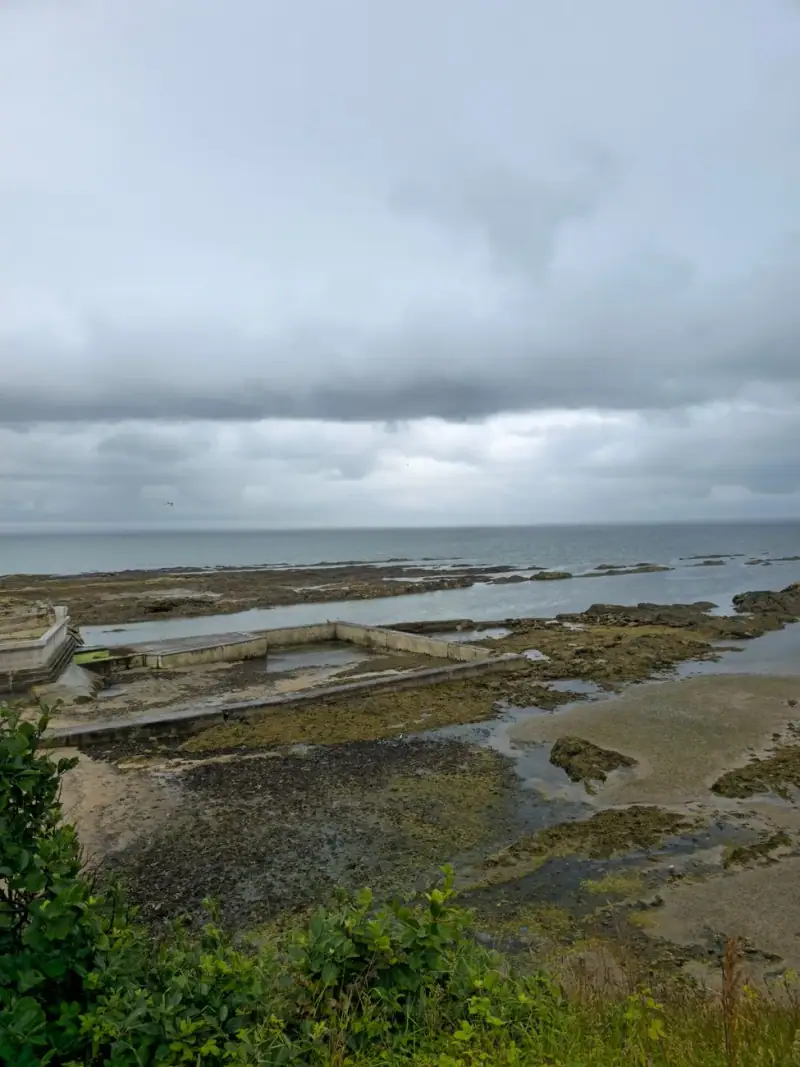
If you travel to St Andrews for golf, it would be a shame not to explore the town. St Andrews is a charming medieval university town. Its university, founded in 1413 (15th century), is the oldest in Scotland and the third oldest in the English-speaking world. The town has:
- The ruins of St Andrews Cathedral, one of the largest ever built in Scotland
- St Andrews Castle, on the cliff edge, with its dungeons and medieval siege mines
- The local Royal Mile (South Street and Market Street) with its independent shops, pubs and cafés
- The beaches of West Sands and East Sands, perfect for a walk after a round of golf
- A remarkable choice of restaurants, from traditional fish & chips to fine dining
Our complete guide to visiting St Andrews gives you all the information to enjoy the town beyond the fairways.
And if you have time, the Scotland road trip lets you explore landscapes far beyond the links: lochs, castles and islands await you.
Key takeaways
Scotland is a dream destination for golfers of every level. Golf is accessible here, with hundreds of public courses offering reasonable green fees, and the natural setting has no equal in the world. The Old Course at St Andrews remains the Holy Grail, but even if you cannot book it, the alternatives (New Course, Carnoustie, Royal Dornoch) offer equally memorable experiences.
Plan ahead, especially for the major courses in high season, pack a waterproof jacket, and enjoy every shot in this country where the grass is always greener, literally.
Frequently asked questions
How do you book the Old Course at St Andrews?
The ballot (lottery) is the main method: enter online at standrews.com before 2 pm to play the day after next. Single players can also try their luck on the same morning at the starter's hut as soon as it opens. Groups must book well in advance, sometimes a year ahead for the summer months.
How much is a green fee at St Andrews?
The Old Course costs about £355 per person in high season (late April to mid-October in 2026). The other St Andrews Links Trust courses are cheaper: the New Course and Jubilee Course around £120-170, Eden and Strathtyrum between £50 and £90 (indicative prices, check standrews.com). The 9-hole Balgove course is ideal for beginners (about £20).
Do you need to be a good golfer to play in Scotland?
No, there are courses for every level. However, for the Old Course at St Andrews, a certified handicap is required (36 maximum, for men and women alike). Many other links are open to everyone. An average level is enough for most public Scottish courses.
What is the best season for golf in Scotland?
May to September is ideal: the days are very long (up to 17 hours of daylight in June), temperatures are mild (15-20 °C / 59-68 °F) and the courses are in good condition. July and August are the busiest months. April-May offers a good balance between acceptable weather and gentler prices. Winter is possible but cold and often windy.
How many golf courses are there in Scotland?
Scotland has about 550 golf courses, more courses per person than any other country in the world. Golf is said to have been invented here in the 15th century, and the earliest written records mention games played on the links of St Andrews as early as 1552.
Can you rent golf clubs in Scotland?
Yes, club rental is available at practically all major courses and club pro shops. Expect about £30 to £60 a day depending on the quality of the set. Many golf-oriented hotels also offer rental to their guests.
More Scotland guides
Keep reading
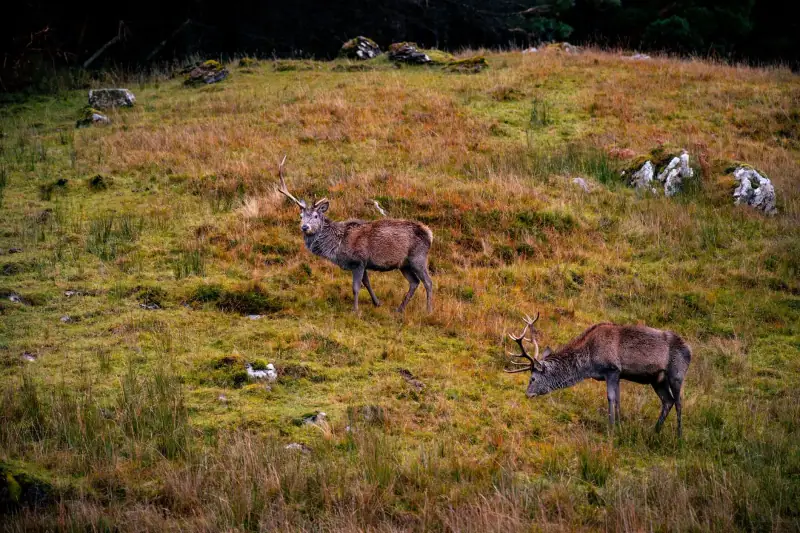
Wildlife in Scotland: Where to See Eagles, Dolphins and Red Deer
Guide to wildlife watching in Scotland: golden eagles, sea eagles, Moray Firth dolphins, red deer, otters, puffins and seals, with the best spots and seasons.
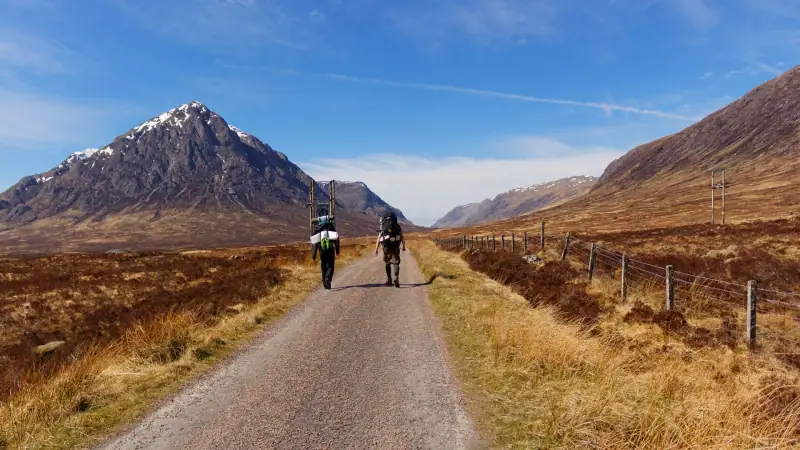
Hiking in the Highlands: The Best Trails in Scotland
The best hikes in the Scottish Highlands: Ben Nevis, Quiraing, Glencoe, Torridon. Levels, times, safety advice and gear.
Scotland travel budget: how much to plan for your trip
Estimate your Scotland travel budget: accommodation, transport, meals, activities. Tips to travel for less without sacrificing the experience.
Ready-made
Scotland itineraries
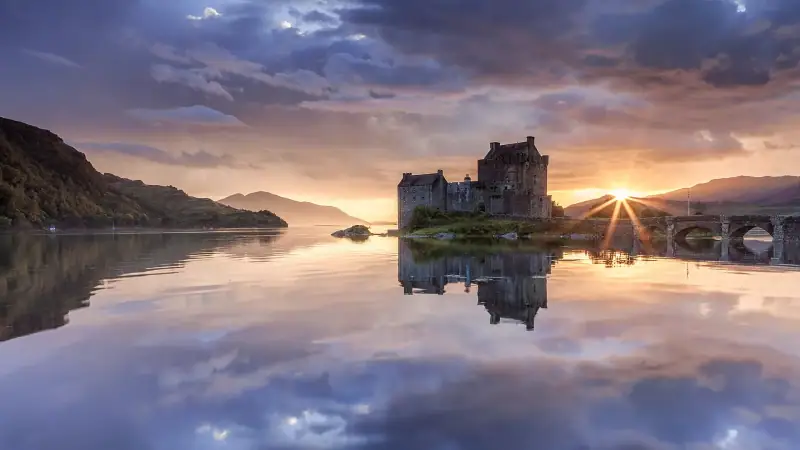
7 days
Scotland in 7 days: the perfect one-week itinerary
EdinburghFort WilliamInvernessPortree
14 days
Scotland road trip: the complete 2-week guide
Plan a 14-day Scotland road trip: full itinerary from the Lowlands to the far north, with logistics, places to stay and sights.
6 days
Scotland road trip in October: 6-day itinerary, roads and daylight hours
PitlochryInvernessPortreeFort William