Plan your trip
Best time to visit Scotland: a month-by-month guide
We may earn a commission when you book through links on this page, at no extra cost to you. We don't visit or try the places we cover: we summarize published sources. How we work
In short
- May is the best compromise between weather, scenery, prices and crowds; June gives the longest days, with daylight until about 10 pm in Edinburgh.
- September is the best month for the Highlands: the midges are gone and the fall colors start. Midges run from May to September, peaking in July and August.
- August brings the Edinburgh festivals and the highest accommodation prices in the city. December to February has the shortest days.
- Northern lights are best seen from September to March in the north (Orkney, Shetland, northern Highlands).
The question “when should I go to Scotland?” comes up in almost every conversation about the country. The honest answer: there is no bad season to visit Scotland, but some periods are clearly better depending on what you are looking for. Here is a complete month-by-month guide to help you choose the ideal time for your trip.
Scottish climate in a nutshell
Scotland has a temperate oceanic climate, influenced by the Atlantic and the Gulf Stream. That means:
- Relatively mild temperatures in every season (rarely below -5 °C / 23 °F, rarely above 25 °C / 77 °F)
- Rainfall spread across the whole year
- Very changeable, unpredictable weather, even in summer
- Big contrasts between the west coast (very wet) and the east coast (drier)
- Exceptionally long days in summer and very short ones in winter
Average temperatures by season:
| Season | Edinburgh | Highlands | Hebrides |
|---|---|---|---|
| Winter (Dec-Feb) | 4-7 °C (39-45 °F) | 1-5 °C (34-41 °F) | 5-8 °C (41-46 °F) |
| Spring (Mar-May) | 7-13 °C (45-55 °F) | 5-11 °C (41-52 °F) | 8-13 °C (46-55 °F) |
| Summer (Jun-Aug) | 15-19 °C (59-66 °F) | 13-17 °C (55-63 °F) | 13-17 °C (55-63 °F) |
| Autumn (Sep-Nov) | 10-15 °C (50-59 °F) | 8-13 °C (46-55 °F) | 10-14 °C (50-57 °F) |
Spring (March to May): renewal
Spring is one of the best times to visit Scotland, especially May.
March
The end of winter, but the start of the light. Days lengthen quickly; Edinburgh gains 4 minutes of daylight a day in March. The Highlands can still be snowy at altitude, offering beautiful scenery. Few tourists, low prices. Cool temperatures (5-10 °C / 41-50 °F). Mountain roads can be closed after a snowfall.
April
Nature wakes up. Lambs appear in the fields (an adorable sight). Castles and tourist attractions reopen after the winter closure. Easter holidays bring a slight rise in crowds and prices. Temperatures climb to 8-13 °C (46-55 °F). The midges are not here yet.
May
One of the best months to visit Scotland. Yellow gorse lights up the Highlands. Rhododendrons bloom spectacularly in gardens like Crarae or Inverewe. Long days (16 hours of daylight), pleasant temperatures (10-15 °C / 50-59 °F), no invasive midges yet, fewer tourists than in summer. Prices still reasonable.
Summer (June to August): high season
Summer is the peak tourist season, with its pros and cons.
June
Exceptional. This is the month of the summer solstice (June 21): in the northern Highlands and the Hebrides, the sun barely sets. In Edinburgh it is still light at 10 pm. Midges start to appear in damp areas but remain manageable. Temperatures: 14-18 °C (57-64 °F). Glasgow has a music festival too (Celtic Connections is held in January, but there are other events in June).
July
High season at its peak. It is the warmest month (16-20 °C / 61-68 °F in Edinburgh) but also the busiest and most expensive. Midges are at their worst in the Highlands, so repellent is essential. Book accommodation and rental cars well in advance.
August
The month of the famous Edinburgh Festival (Fringe Festival, International Festival, Military Tattoo, Book Festival, Comedy Festival). The city is overrun with visitors and Edinburgh accommodation prices hit their maximum. If you are going to the Highlands rather than Edinburgh, August is still an excellent time.
Hotels in Scotland
Book early for the summer months: they fill up fast.
Autumn (September to November): the color season
Autumn is perhaps the most beautiful season in the Highlands, and a blessed time for photographers.
September
The best time for the Highlands. The midges disappear. The Highlands start to turn red, orange and gold. Birch and larch woods on the hills make striking pictures. September drizzle gives the lochs a mysterious atmosphere. Prices drop after the summer. Temperatures: 12-16 °C (54-61 °F).
October
The color show is at its peak. Pitlochry and Perthshire are especially beautiful. Days shorten quickly (11-12 hours of daylight). First night frosts in the Highlands. Opening hours at some sites are reduced.
November
Transition to winter. The trees are bare. The Highlands can be wild and impressive. The red deer season is at its peak (the rut in October-November offers spectacular scenes). Few tourists. Many B&Bs close for the winter. Very short days (8-9 hours of daylight).
Winter (December to February): magic and auroras
Winter in Scotland is not the best time for sightseeing in general, but it offers unique experiences.
December
Edinburgh at Christmas is beautiful. Christmas markets on Princes Street, an outdoor ice rink, lights. Hotels are expensive at this time. The Highlands can be snowy and spectacular, but mountain roads are sometimes closed. Hogmanay (December 31 in Edinburgh) is a legendary party that party lovers should experience at least once.
January
The quietest month of the year. Edinburgh is more affordable. Whisky distilleries are open and often less crowded. In the north (Orkney, Shetland, Caithness), the chances of seeing the northern lights are highest. Very short days (7-8 hours of daylight). Many places to stay in the Highlands are closed.
February
The start of rising temperatures. Days get longer. Snowdrops bloom in gardens and woods. A few winter festivals. Cheaper than the rest of the year.
Seasonal activities in Scotland
Whisky tours, hikes, Highland Games excursions...
Major events not to miss
January
- Celtic Connections (Glasgow): the largest Celtic music festival in the world (late January)
- Burns Night (January 25): an evening devoted to national poet Robert Burns, with haggis and whisky in every pub
April
- Beltane Fire Festival (Edinburgh, April 30): a re-creation of the Celtic fire festival on Calton Hill
June
- Royal Highland Show (mid-June) (Edinburgh): a large agricultural and equestrian fair
July-August
- Highland Games: traditional contests (caber toss, hurdle jumping, etc.) in many Highland villages. Braemar, in September, is the most famous.
August
- Edinburgh International Festival + Fringe Festival: 3 weeks of shows, concerts and theater. The city doubles its population.
- Edinburgh Military Tattoo: a military show on the castle esplanade
September
- Braemar Gathering (first Saturdays of September): the most prestigious Highland Games, traditionally attended by the royal family
December-January
- Hogmanay in Edinburgh (December 31): a legendary New Year
Summary: which period to choose?
| Criterion | Best period |
|---|---|
| Weather and sunshine | May-June, August |
| Green landscapes | June-July |
| Fall colors | September-October |
| Few tourists | March-April, October-November |
| Low prices | November-March (excluding Christmas/New Year) |
| Edinburgh Festival | August |
| No midges | October to April |
| Northern lights | November to February |
| Long days | June (daylight until 10 pm) |
| Accessible Highlands | May to October |
Our overall recommendation: travel in May for the best compromise between weather, scenery, prices and few tourists. June if you can afford to spend a bit more. September for fall colors and the end of the midges. Read our complete Scotland guide to plan your stay.
Frequently asked questions
Which month is the sunniest in Scotland?
May and June are generally the sunniest months in Scotland, with an average of 6 to 7 hours of sunshine a day. June also has the shortest nights of the year.
When should you avoid going to Scotland?
November to January have the shortest days and the toughest weather. Avoid these months if you want to enjoy the outdoor scenery. December can be lovely in Edinburgh at Christmas, but the Highlands are often inaccessible.
Are there midges in Scotland all year?
Midges (biting gnats) are present from May to September, with a peak in July and August. Outside that period you can explore the Highlands without them.
Can you see the northern lights in Scotland?
Yes. Scotland is one of the closest destinations in Europe for watching the northern lights. The ideal period is September to March, in sparsely populated areas of the north such as Orkney, Shetland or the northern Highlands.
What is Hogmanay?
Hogmanay is the Scottish New Year celebration, held on December 31 with unmatched fervor. Edinburgh hosts one of the biggest Hogmanay parties in the world, with concerts, fireworks and an electric atmosphere in the streets.
More Scotland guides
Keep reading
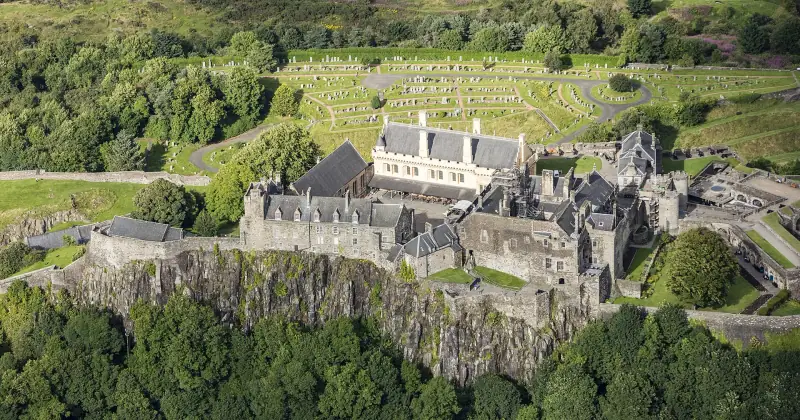
Scotland travel budget: how much to plan for your trip
Estimate your Scotland travel budget: accommodation, transport, meals, activities. Tips to travel for less without sacrificing the experience.
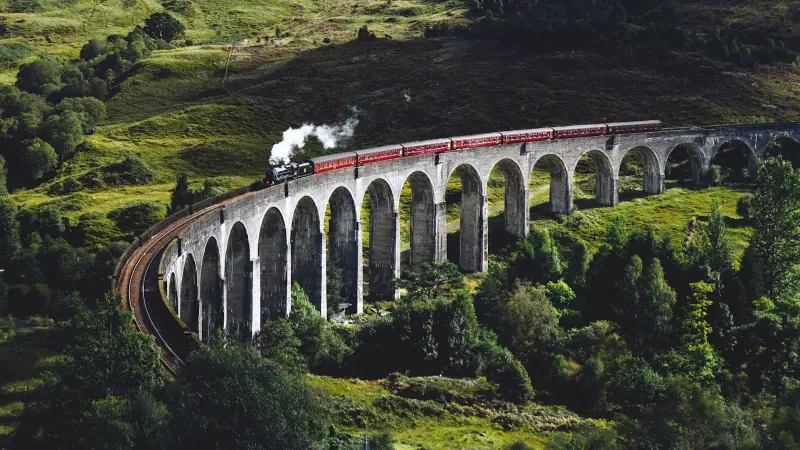
Visiting Scotland Without a Car: Train, Bus and Ferry, the Complete 2026 Guide
Can you visit Scotland without a car? ScotRail, Citylink, CalMac: routes, passes, prices and itineraries to explore the Highlands by public transport.
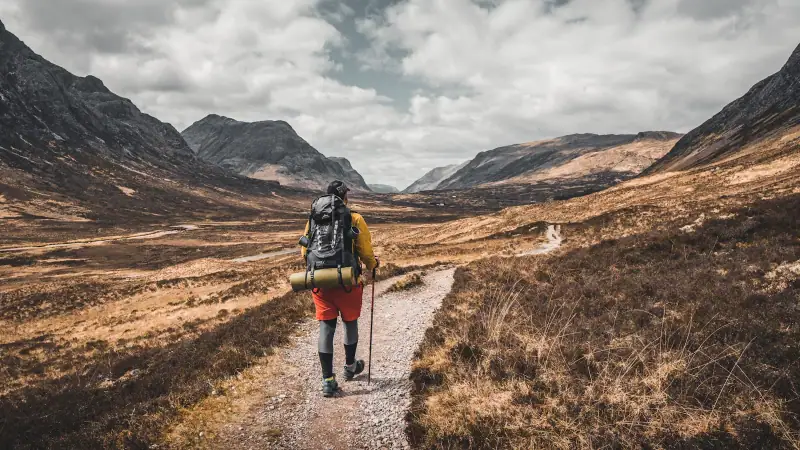
Hiking the West Highland Way without a tour company: budget, stages and lodging
Hike the West Highland Way in Scotland without a tour company: 7-8 day itinerary, real budget, lodging, luggage transfer and practical tips.
Ready-made
Scotland itineraries
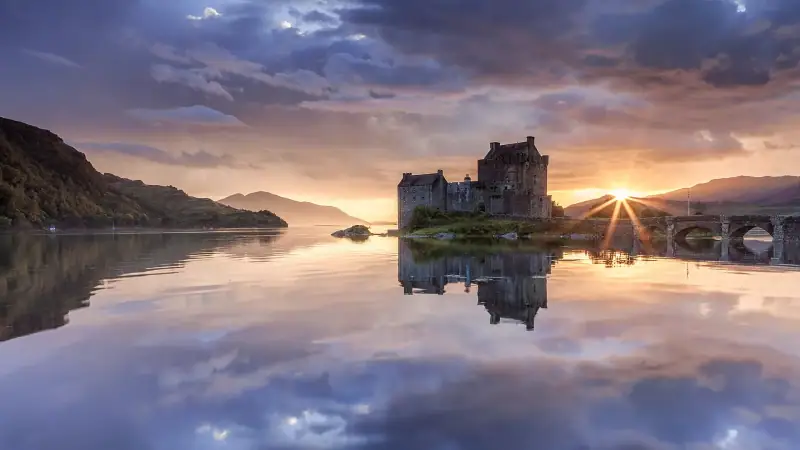
7 days
Scotland in 7 days: the perfect one-week itinerary
EdinburghFort WilliamInvernessPortree
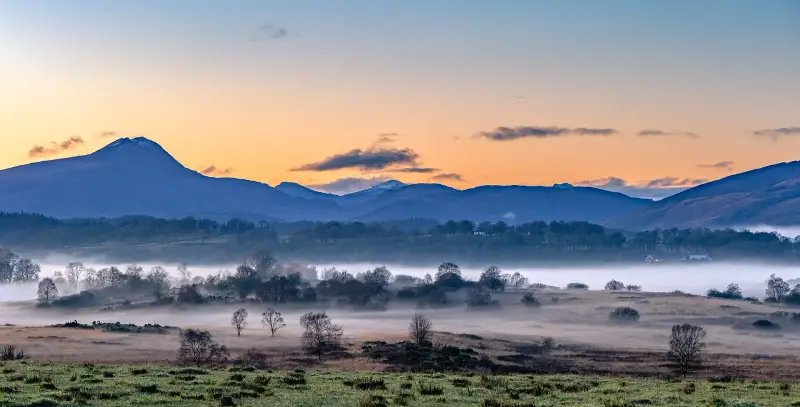
14 days
Scotland road trip: the complete 2-week guide
Plan a 14-day Scotland road trip: full itinerary from the Lowlands to the far north, with logistics, places to stay and sights.
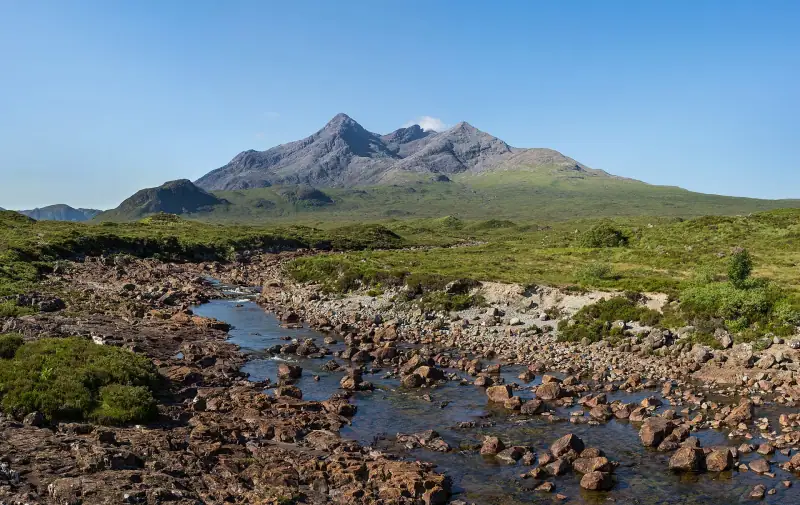
6 days
Scotland road trip in October: 6-day itinerary, roads and daylight hours
PitlochryInvernessPortreeFort William