What to see
Lima Highlights: What to See and Do in Peru's Capital
We may earn a commission when you book through links on this page, at no extra cost to you. We don't visit or try the places we cover: we summarize published sources. How we work
In short
- Allow at least 2 days: one for the historic center and the Larco Museum, one for Miraflores, Barranco and the food scene; 3 days gives time for more museums.
- The Larco Museum shows 45,000 objects spanning 5,000 years of pre-Inca civilizations (14 USD, open daily 9 am to 10 pm, allow 2 to 3 hours).
- The San Francisco Convent catacombs are visited by guided tour only (20 USD, 1 h 30, closed Mondays); the guard changes at the Government Palace on Fridays at 11:45 am.
- Miraflores, Barranco and the historic center are the three key districts; avoid walking alone in the center at night.
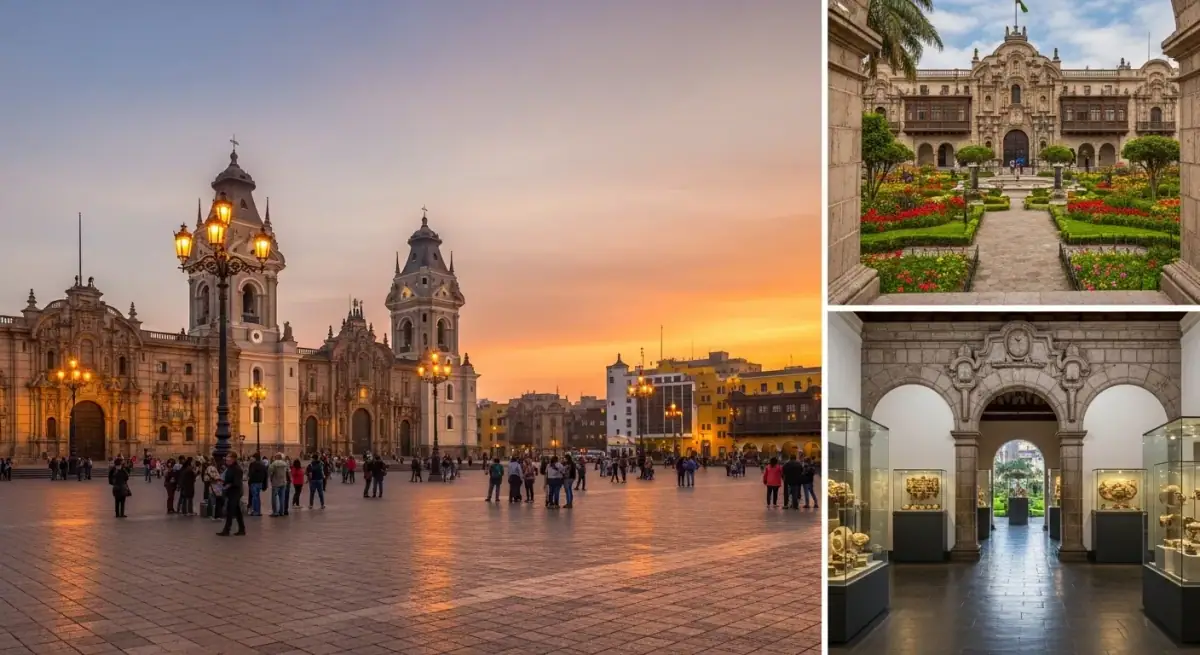
Lima is often seen as a mere transit stop before Cusco. It is a mistake too many travelers make, and then regret. Lima is one of the most fascinating capitals in Latin America: a UNESCO-listed historic center, world-class museums, a food scene among the five best in the world, and a cultural life of a richness few Latin American cities can match. Here are the highlights.
The Historic Center: colonial Lima
Plaza Mayor (Plaza de Armas)
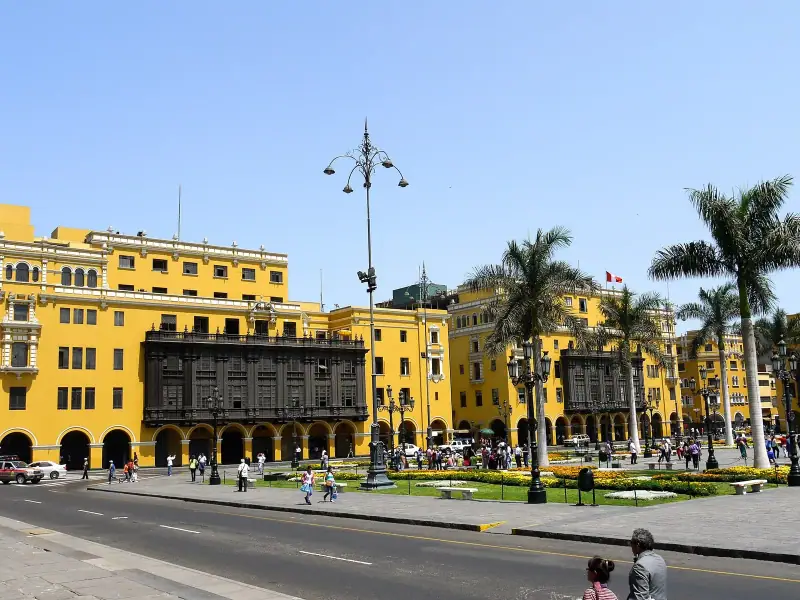
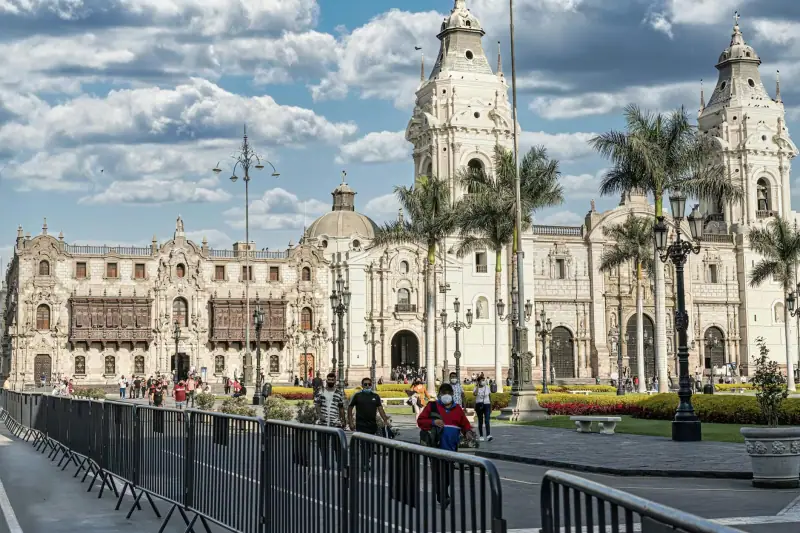
The historic heart of Lima, founded in 1535 by Francisco Pizarro. Surrounded by the Cathedral, the Archbishop’s Palace and the Government Palace, the Plaza Mayor is one of the most beautiful colonial squares in South America.
What you will see there:
- Government Palace: Seat of the Peruvian presidency, built on the ruins of the palace of Taulichusco (local Inca chief). Changing of the guard on Fridays at 11:45 am, an impressive military show.
- Lima Cathedral: Built from 1535, destroyed and rebuilt several times after earthquakes. Presumed burial place of Francisco Pizarro (a mummy in the cathedral bears his name). Fine cathedral museum with colonial ornaments.
- Municipal Palace: Remarkable carved wooden balcony.
San Francisco Convent and its catacombs
A short walk from the Plaza Mayor, the San Francisco Convent (1774) is one of the best-preserved monuments of colonial Lima. The library holds thousands of old books. But it is the catacombs that make the visit memorable: underground galleries that held the bones of 25,000 people; Lima had no separate cemetery before 1808.
Visit: 20 USD, 1 h 30, guided only (guides in Spanish and English). Closed Mondays.
Jirón de la Unión
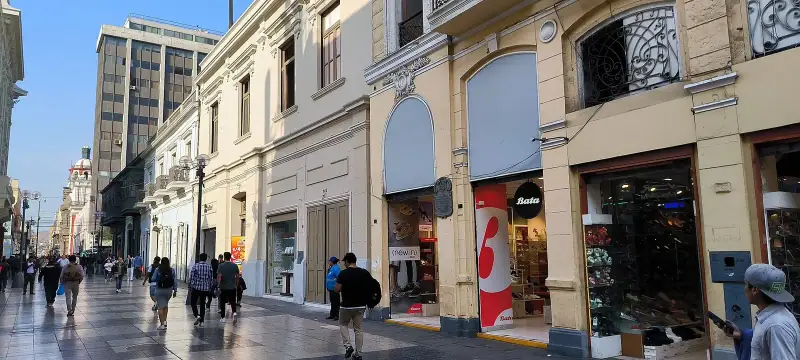
This pedestrian street links the Plaza Mayor to the Plaza San Martín. Constantly lively, it is lined with colonial buildings, churches and restaurants. Do not miss the Iglesia de la Merced (1535, one of the oldest in Lima) and the Iglesia San Agustín.
Lima’s museums
Larco Museum (Pueblo Libre)
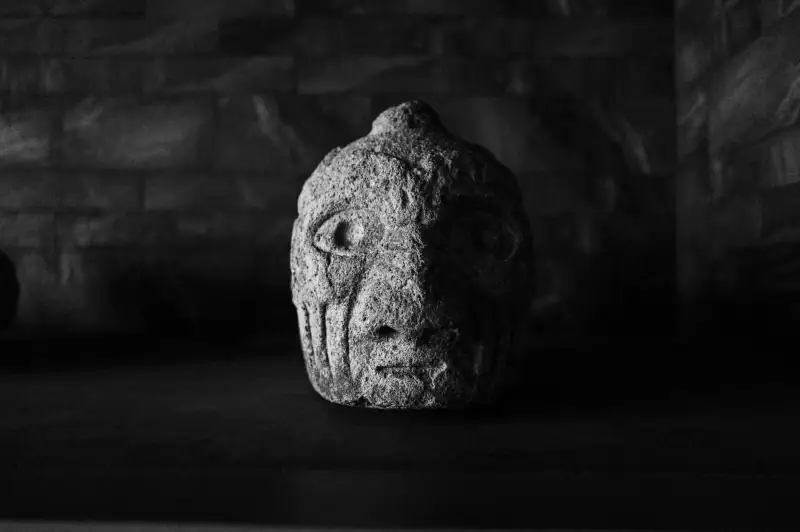
The most important museum in Lima and one of the finest pre-Columbian museums in the world. Housed in an 18th-century baroque mansion, it presents 45,000 objects covering 5,000 years of pre-Hispanic Peruvian civilizations: Moche ceramics, Paracas textiles, Chimú jewelry, Inca ritual objects.
Highlight: The pre-Columbian erotic art room (an entire room devoted to explicit Moche ceramics, unfiltered!). And the storerooms: unlike most museums, the Larco displays its ENTIRE collection in huge basement display cases. 45,000 objects on view.
Visit: 14 USD (garden, restaurant and café included). Open daily from 9 am to 10 pm. Allow 2 to 3 hours.
National Museum (Museo de la Nación)
Peru’s national museum presents the history of pre-Hispanic civilizations from Chavín to the Inca Empire. Collections of textiles, ceramics, gold objects and documentaries. Less impressive than the Larco but more comprehensive on Peruvian history. Admission: 15 soles.
MALI (Lima Art Museum)
Lima’s major art museum, in a neo-Renaissance palace, presents Peruvian art from prehistory to the present day: colonial painting, Andean folk art, contemporary art. Fine temporary exhibitions. Admission: 30 soles.
Huaca Pucllana (Miraflores)
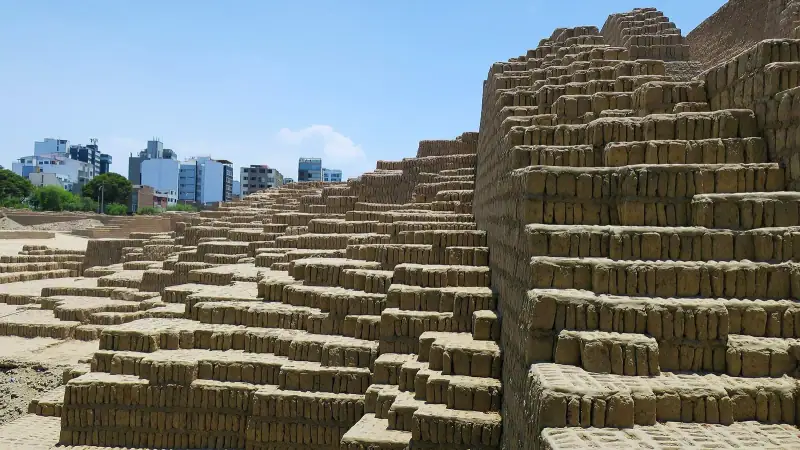
In the middle of the residential district of Miraflores, a pyramid of the Lima culture (AD 200-700) rises between modern buildings. An archaeological site still being excavated, with a guided visit (until nightfall, with the site illuminated). Admission: 15 soles.
Miraflores: the Malecón and the cliffs
Malecón de la Reserva and Malecón Cisneros
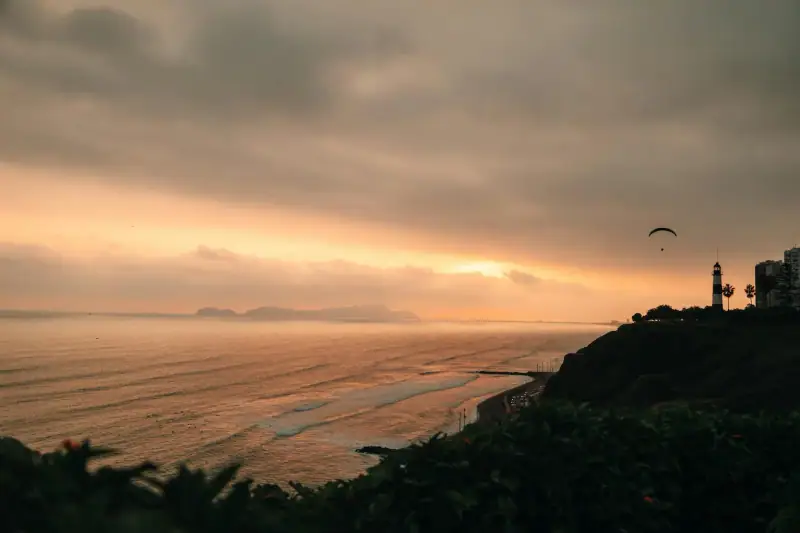
Miraflores’ clifftop promenade offers one of the most dramatic views in Lima: 70 m (230 ft) above the Pacific, cliffs plunging into the ocean, paragliders flying over the waves, and offshore, sometimes, sea lions playing in the surf.
Activities on the Malecón:
- Tandem paragliding over the Pacific (80-100 USD, agencies there)
- Jogging or cycling on the bike paths
- Sunset view (the best light of the day)
Parque Kennedy
Miraflores’ central square, constantly lively with artisans, musicians and… dozens of cats. Parque Kennedy is famous for its colony of cats well fed by the locals. Surrounded by restaurants, galleries and cafés.
Larcomar
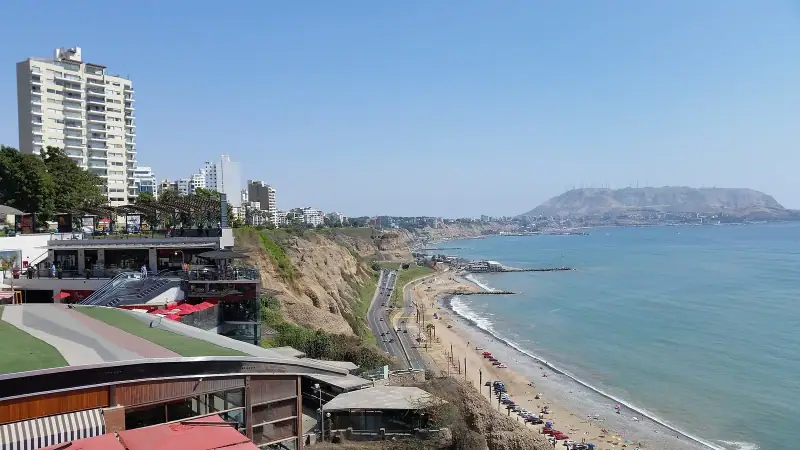
The Larcomar shopping center is built into the cliffside, suspended above the Pacific. Shops, cinemas, restaurants and a superb ocean view. A good spot for a sunset drink.
Hotels in Miraflores
Stay facing the Pacific in Lima's best neighborhood.
Barranco: the bohemian district
Barranco is to Lima what Greenwich Village is to New York. This residential coastal district, south of Miraflores, has become Lima’s cultural and artistic center.
Barranco highlights:
- Puente de los Suspiros (Bridge of Sighs): Lima’s most romantic bridge, overlooking a ravine covered in geraniums
- Art galleries: Concentrated around the Plaza de Barranco and Sáenz Peña street
- Barranco Beer Company: Lima’s first craft brewery, in a former warehouse
- Estadio Municipal: Venerable bullring, now a concert hall
- Las Vistas de San Martín: Lookout with a view of the Pacific
- La Noche, Sargento Pimienta, Ayahuasca Bar: Lima’s best bars
The best way to explore Barranco is to get lost on foot in its lanes: colorful republican-era houses, cascading bougainvillea, artists’ studios with open windows, the smell of roasting coffee.
Lima’s food scene
Lima has been recognized as the best food destination in Latin America for over a decade. See our dedicated articles:
- Guide to Peruvian food
- The best restaurants in Lima
Food highlights in Lima:
- Surquillo Market: the supply market of Lima’s great chefs. Extraordinary variety of products (chili peppers, herbs, fresh fish, exotic fruits)
- Ceviche at the Mercado Municipal: cheaper and just as good as in the restaurants
- La Mar (Miraflores): the temple of ceviche
- Central (Miraflores): regularly the best restaurant in Latin America
Suggested program for Lima
Day 1: Historic and cultural Lima
- 9 am: Historic center: Plaza Mayor, Cathedral, Government Palace
- 11 am: Visit the San Francisco Convent and its catacombs
- 1 pm: Lunch in a criolla restaurant in the center (lechon sandwich or ceviche)
- 3 pm: Larco Museum (Pueblo Libre), 2 to 3 hours
- 7 pm: Drink on the Malecón at sunset
- 8:30 pm: Fine-dining dinner in Miraflores or Barranco
Day 2: Miraflores and Barranco
- 9 am: Breakfast at a café on Parque Kennedy
- 10 am: Huaca Pucllana (pre-Columbian pyramid in the middle of Miraflores)
- 11:30 am: Surquillo Market (for the food-curious)
- 1 pm: Ceviche lunch (La Mar or Sonia)
- 3 pm: Stroll in Barranco: art galleries, Puente de los Suspiros
- 5 pm: Paragliding on the Malecón (optional)
- 8 pm: Dinner in Barranco (Isolina or Canta Rana for criolla cuisine)
Lima is the city that proves a trip to Peru begins well before arriving in Cusco. It deserves to be lived, not flown over. Take the time to sit in a Barranco café, to visit the rooms of the Inca empire at the Larco, to taste a ceviche of white fish freshly caught on the Pacific coast. Lima is beautiful, alive, and still keeps many secrets to discover.
Frequently asked questions
How long does it take to visit Lima?
Allow at least 2 days to see the essentials of Lima: one day for the historic center and the Larco Museum, one day for Miraflores, Barranco and the food scene. 3 days allow a more relaxed visit including the museums.
Is Lima's historic center dangerous?
Lima's historic center is safe during the day for tourists in the tourist areas (Plaza Mayor, Jirón de la Unión, San Francisco convent). Avoid walking there alone at night and watch your belongings.
What is the best museum in Lima?
The Larco Museum (Pueblo Libre) is unanimously considered the best museum in Lima and one of the best pre-Columbian museums in the world. Its collection of 45,000 objects covering 5,000 years of pre-Inca civilizations is exceptional.
Can you visit Lima in one day?
In one day, you can see the essentials in express mode: morning in the historic center, afternoon at the Larco Museum or in Miraflores, evening in a fine-dining restaurant. But Lima really deserves 2 to 3 days to be properly appreciated.
What are the most interesting neighborhoods in Lima?
Miraflores (cliffs over the Pacific, fine-dining restaurants), Barranco (bohemian and artistic), and the Historic Center (UNESCO heritage) are the three key neighborhoods.
More Peru guides
Keep reading
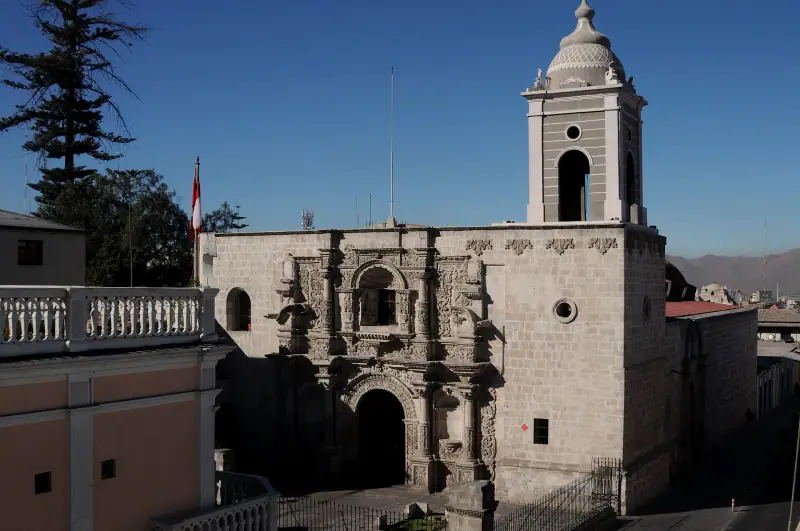
Visiting Arequipa: Complete Guide to Peru's White City
Complete Arequipa guide: Santa Catalina Monastery, Colca Canyon, UNESCO, hotels and practical tips for your stay in Peru's White City.
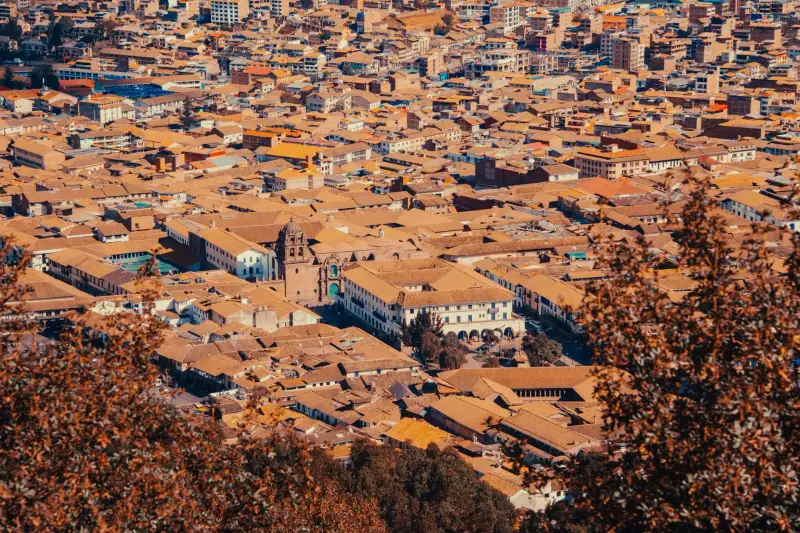
Visiting Cusco: Complete Guide to the Former Inca Capital
Complete Cusco guide: Plaza de Armas, Qorikancha, Sacsayhuamán, San Blas, Sacred Valley. Where to stay, food, the Boleto Turístico and itineraries.
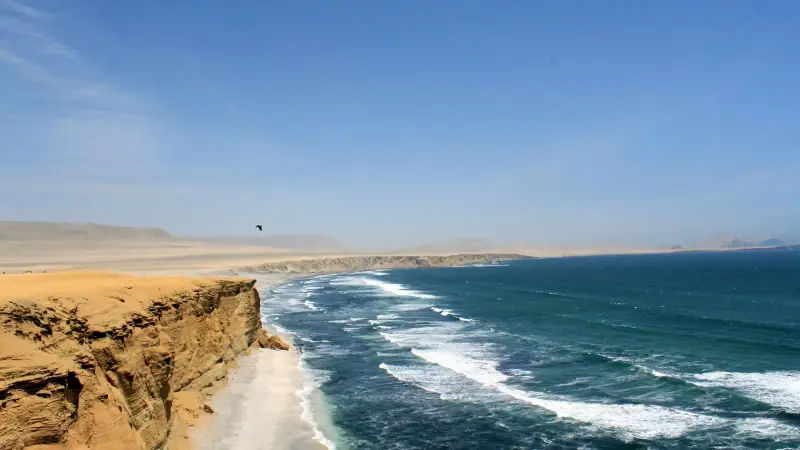
Visiting the Peruvian Coast: Complete Guide to the Pacific Coast
Complete guide to the Peruvian coast: Lima, Paracas, Huacachina, Nazca Lines, Trujillo and Máncora. UNESCO sites, desert and Pacific beaches.
Ready-made
Peru itineraries
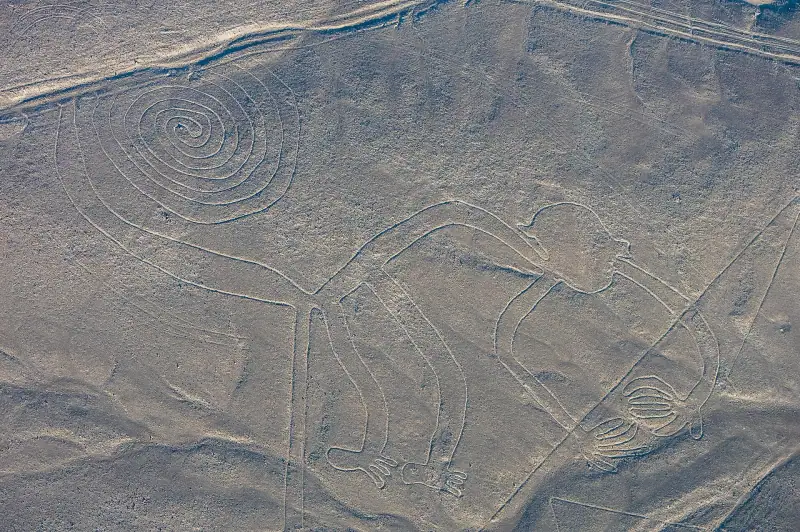
7 days
Peru in 7 Days: The Ideal One-Week Itinerary
LimaCuscoAguas CalientesCusco
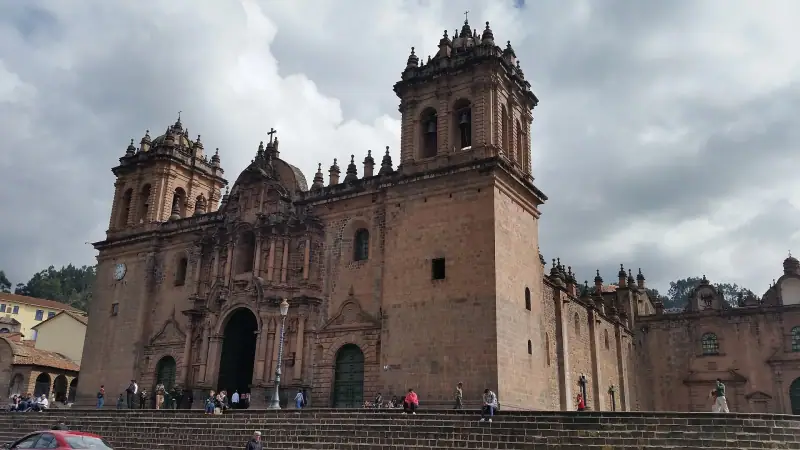
12 days
Peru Sierra Road Trip: 12 Days from Cusco to Huaraz
12-day Peruvian Sierra road trip: Cusco, Machu Picchu, Lake Titicaca, Arequipa, Colca, Huaraz. Complete itinerary with budget.
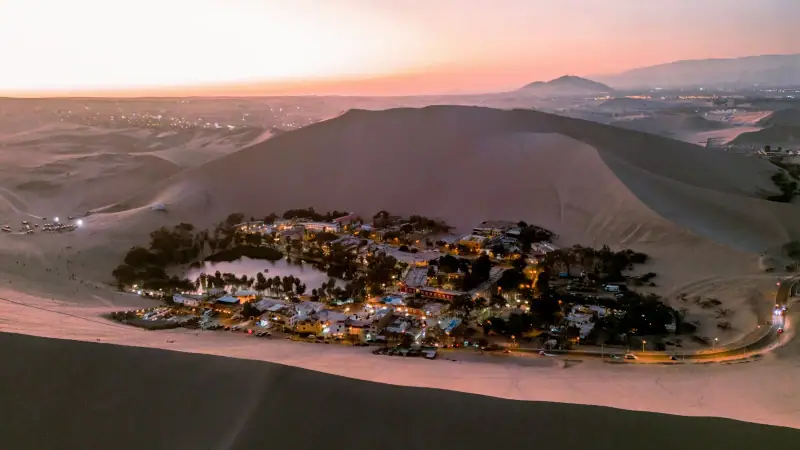
4 days
Lima, Paracas, Huacachina and Nazca in 4 Days by Bus: Doable Without a Car?
Lima, Paracas, Huacachina and Nazca in 4 days by bus: stages, km, real travel times, recommended departures and what to sacrifice to keep the pace.