Things to do
Diving in Papua New Guinea: the best sites
We may earn a commission when you book through links on this page, at no extra cost to you. We don't visit or try the places we cover: we summarize published sources. How we work
In short
- PNG sits in the Coral Triangle, with warm water (26 to 29 °C / 79 to 84 °F) and visibility often over 30 m (98 ft); the best conditions run May to November.
- Top areas: Kimbe Bay (the best of PNG), Madang (wrecks and reefs), Tufi (underwater fjords), Rabaul (wartime wrecks at 15 to 50 m / 49 to 164 ft) and Milne Bay (macro diving).
- Open Water is the minimum for most sites; Advanced is needed for deep wrecks (over 25 m / 82 ft).
- Take dive-specific insurance covering decompression accidents; the only hyperbaric chamber in Papua New Guinea is in Port Moresby, with evacuation to Cairns, Australia, for serious cases.
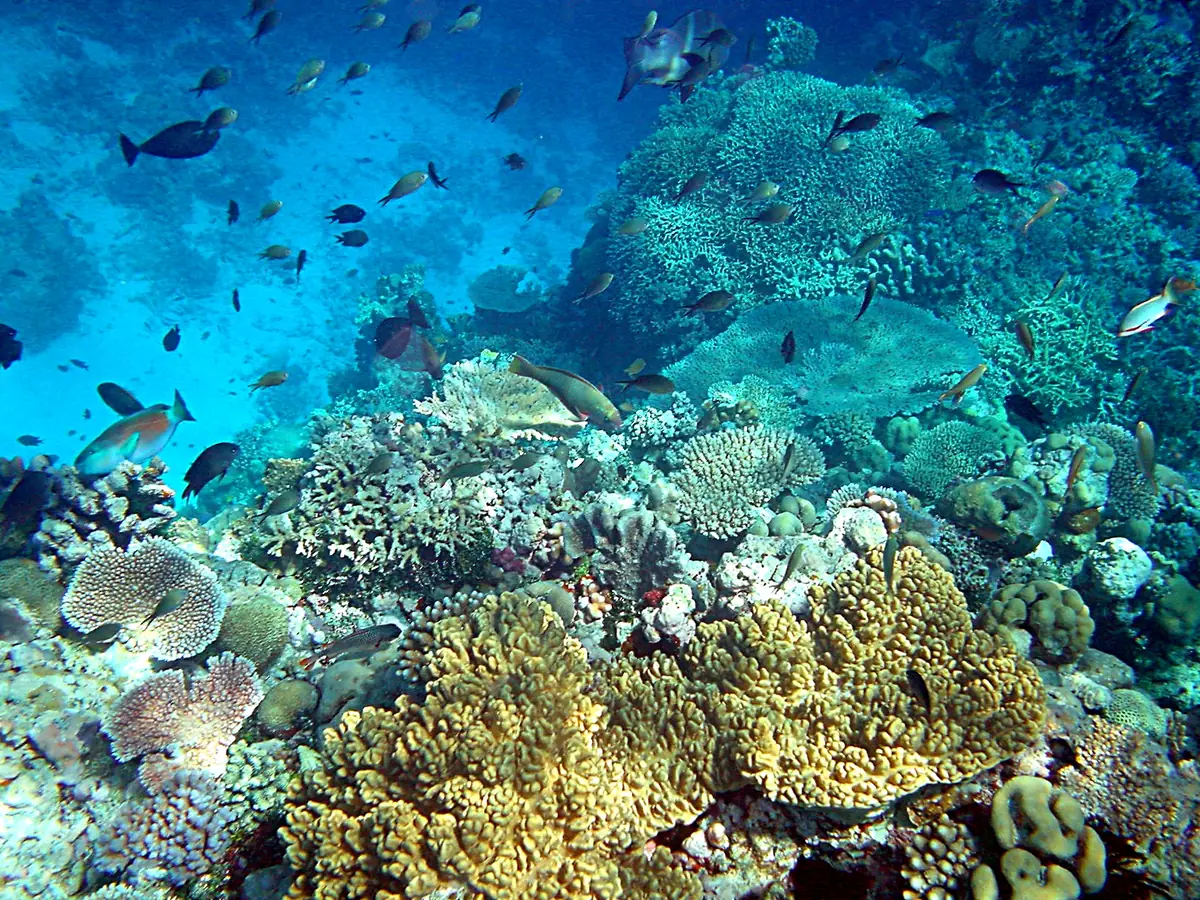
Papua New Guinea is an exceptional diving destination. Regularly ranked among the world’s top five dive destinations, it offers a unique combination few places can match: pristine coral reefs of extraordinary biodiversity, historic World War II wrecks, unique underwater geological formations and warm water (26 to 29 °C / 79 to 84 °F) with visibility often above 30 meters (98 ft).
Here is the complete guide to the best dive sites in Papua New Guinea.
Why dive in PNG?
Biodiversity. PNG lies in the Coral Triangle, the world’s richest marine biodiversity zone. Endemic nudibranchs, mimic octopuses, mandarin fish and blue-spotted rays will leave you speechless.
Wrecks. The Pacific War left dozens of wrecks in PNG waters: Japanese and American warships, submarines, sunken aircraft. These wrecks, colonized by 80 years of corals and marine life, make for dives with a unique atmosphere, mixing history and nature.
No crowds. Compared with destinations like the Maldives or Thailand, PNG is still little visited. You will not meet 40 divers on the same site. The reefs are intact, the wildlife little stressed.
The best dive sites
Kimbe Bay (West New Britain): the best of PNG
Kimbe Bay is often named PNG’s number one dive destination. The bay, about 50 km (31 mi) across, is dotted with underwater volcanic pinnacles rising from great depths to the surface, each colonized by an extraordinary density of hard and soft corals.
What you will see:
- Soft coral gardens of every color
- Manta rays being cleaned on the pinnacles
- Reef sharks sleeping under overhangs
- Swirling schools of barracuda
- More than 800 fish species recorded in the bay
- Green turtles in abundance
Level required: all levels (Open Water minimum). Some deep pinnacles require PADI Advanced. Base: Walindi Plantation Resort (see the lodges guide and the comparison for sleeping in Kimbe). Best time: October to May (manta rays), May to October (maximum visibility).
Madang: wrecks and reefs
Madang offers a unique combination of reef dives and wreck dives. Madang Bay is protected by a double barrier of reefs that keeps the water clear and calm.
Top sites:
- Henry Leith: a coastal freighter scuttled as an artificial reef, at 18 to 24 m (59 to 79 ft), covered in coral and home to moray eels, groupers and schools of damselfish
- Barracuda Point: a coral wall dropping to 40+ m (131+ ft) with abundant wildlife (barracuda, reef sharks, turtles)
- MV Henry Bay: a freighter at 15 to 20 m (49 to 66 ft), easily accessible, ideal for beginner divers
- Magic Passage: a drift in a tidal current through a reef canyon, spectacular
Level required: Open Water minimum. For deep wrecks, PADI Advanced recommended. Base: Madang Resort / Niugini Dive Adventures (see the Madang lodging guide).
Tufi (Oro Province): underwater fjords
Tufi is unique in the world: coastal fjords that continue underwater offer geological formations found nowhere else in Melanesia. Vertical coral walls drop 60 to 80 meters (197 to 262 ft), covered in giant soft corals and multicolored gorgonians.
Tufi’s specialties:
- Exceptional visibility (up to 50 m / 164 ft on some days)
- Soft corals the size of trees
- Giant stingrays in sandy areas
- Humpback whales passing through July to October
- Reef sharks sleeping in underwater caves
Base: Tufi Resort (reachable only by air from Port Moresby or Popondetta). Level required: all levels. Deep dives for PADI Advanced.
Rabaul (New Britain): history underwater
Rabaul harbor was the scene of Operation Cartwheel in 1944, when American aircraft sank most of the Japanese fleet anchored in the bay. The result: an exceptional concentration of wrecks at depths from 15 to 50 meters (49 to 164 ft).
Emblematic Rabaul wrecks:
- Submarine I-1: a Japanese submarine sunk at 30 m (98 ft), almost intact, a favorite of reef sharks
- Manko Maru: a Japanese freighter at 15 to 30 m (49 to 98 ft), easy and beautiful
- B-17 Flying Fortress: an American bomber at 17 m (56 ft) in crystal-clear conditions
- Hakkai Maru: a large freighter with its funnels still in place
Note: Diving at Rabaul is done from Kokopo (the new town, 20 km / 12 mi away). Local operators arrange boat transfers.
Milne Bay: the bay of rays and octopuses
Milne Bay, at PNG’s eastern tip, is less known than Kimbe Bay but just as remarkable. It is one of the world’s best macro diving destinations: the sandy lagoon floor teems with extraordinary creatures easily missed if you do not know how to look.
Milne Bay specialties:
- Endemic mimic octopus
- Ribbontail rays
- Camouflaged lizardfish and stonefish
- Pygmy seahorses on gorgonians
- Spectacular night dives (octopuses, shrimp, mandarin fish)
Access: flight from Port Moresby to Alotau. Several liveaboard operators are based in Alotau.
Practical information for diving in PNG
Equipment
- Short 3 mm wetsuit (water at 26 to 29 °C / 79 to 84 °F)
- Lycra or a long wetsuit for night dives or long dives
- All lodges provide complete equipment
- Bring your own mask and fins if you have wide feet or a particular face shape
Certification required
- PADI Open Water minimum for most sites
- PADI Advanced for deep wrecks (over 25 m / 82 ft)
- Rescue Diver or equivalent recommended for remote sites
- Discover Scuba Diving option available for non-certified divers
Dive insurance
Take out dive-specific insurance (DAN or equivalent) covering decompression accidents and the hyperbaric chamber. The only chamber in the country is in Port Moresby; serious cases are evacuated to Cairns (Australia).
Liveaboards
To cover several regions by diving, cruise boats (liveaboards) are an excellent option. They let you dive 4 to 5 times a day at remote sites while sleeping on the boat. Price: €250 to €450 per night all-inclusive (about $290 to $520).
Diving in PNG is an experience that stays with you for life. These waters have swallowed battles, sheltered vanished cultures and preserved a biodiversity that humanity is still discovering. Go down, look, and come back changed.
Frequently asked questions
What diving level is required in PNG?
PNG offers sites for all levels. Madang has dives from 10 to 15 m (33 to 49 ft) accessible to beginners. Rabaul's deep wrecks (25 to 40 m / 82 to 131 ft) require an advanced certification (PADI Advanced). Kimbe Bay's coral walls can drop to 60 m (197 ft) for technical divers.
Can you learn to dive in PNG?
Yes, Madang Resort (Niugini Dive Adventures) and other centers offer PADI Open Water courses. The clarity of the water and the richness of the reefs make it an ideal setting to start. Expect to pay €300 to €450 (about $350 to $520) for a full Open Water course.
What is the underwater visibility in PNG?
Visibility is exceptional in PNG, often between 25 and 40 meters (82 and 131 ft) at Madang and Kimbe Bay. The best conditions occur from May to November. In the wet season, run-off can reduce visibility to 10 to 15 m (33 to 49 ft) near the coast.
Are there dangerous sharks in PNG?
Sharks are present at all PNG sites (reef sharks, whitetip sharks, sometimes tiger sharks offshore). They are generally non-aggressive. Always follow your dive guide's instructions and do not dive with wounds or bleeding.
Is PNG better than the Maldives or the Red Sea for diving?
Kimbe Bay and Tufi are often ranked among the world's best dive destinations, rivaling the Maldives for biodiversity. PNG's main advantage: fewer crowds, unique historic wrecks and little-impacted reefs. The main drawback: harder access and higher logistics cost.
More Papua New Guinea guides
Keep reading
Birdwatching in Papua New Guinea: birds of paradise and endemic species
Watching birds of paradise in PNG: best sites, seasons and tips for birdwatching endemic species in Papua New Guinea.
Climbing Mount Wilhelm in Papua New Guinea without an international agency: guide prices and duration
Can you climb Mount Wilhelm, Papua New Guinea's highest peak, without an international agency? Local guide prices, duration, route and preparation.
Papua New Guinea travel budget: how much to plan for
How much does a trip to PNG cost? Lodging, transport and activities: a complete budget guide to travel Papua New Guinea without surprises.
Ready-made
Papua New Guinea itineraries
7 days
Papua New Guinea in 7 days: the ideal first-trip itinerary
Port MoresbyGorokaMount HagenPort Moresby

5 days
10 days
Papua New Guinea in 10 days: Highlands, Madang and the Sepik
Port MoresbyGorokaMadangWewak and the Sepik