Itineraries
Papua New Guinea in 10 days: Highlands, Madang and the Sepik
We may earn a commission when you book through links on this page, at no extra cost to you. We don't visit or try the places we cover: we summarize published sources. How we work
Day by day
- Days 1-2Port Moresby: arrival, National Museum, Ela Beach
- Days 3-4Fly to Goroka, market, Asaro Mudmen, village mumu lunch
- Days 5-6Fly to Madang, wreck diving, Madang market
- Days 7-9Fly to Wewak, Sepik River canoe, Haus Tambaran villages
- Day 10Fly Wewak to Port Moresby and depart
Where to sleep
- Port Moresby2 nights
- Goroka2 nights
- Madang2 nights
- Wewak and the Sepik3 nights
In short
- Ten days combine three experiences: Highlands tribes (Goroka), Madang's reefs and wartime wrecks, and the Sepik River, with Port Moresby at both ends.
- Plan 3 to 4 domestic flights (Port Moresby, Goroka, Madang, Wewak) with Air Niugini or PNG Air, booked 6 to 8 weeks ahead.
- A local guide is strongly recommended for the Highlands and the Sepik; weight limits on domestic flights are strict (often 15 to 20 kg / 33 to 44 lb checked).
- Indicative budget: €3,500 to €6,000 per person (about $4,060 to $6,960) excluding the international flight.
Ten days is a good format to go beyond the surface in Papua New Guinea. It is neither the express flyover of 7 days nor the 3-week expedition reserved for seasoned adventurers: 10 days let you combine three fundamentally different experiences, the Highlands tribes, the reefs of Madang and total immersion on the Sepik River. A trip in three acts, both accessible and deeply disorienting.
Preparation and logistics
Before you leave, several steps are essential for this itinerary:
- Entry rules: they depend on your passport. Check the official travel advice of your government before you book: travel.state.gov (US), GOV.UK (UK), travel.gc.ca (Canada), Smartraveller (Australia) (checked November 2026). Also note the free digital arrival card (PNGDAC), to be completed within 72 hours before arrival: since August 2026, airlines check it at check-in, before issuing the boarding pass. See the entry formalities and visa guide for the full steps.
- Domestic flights: book these first. The Port Moresby–Goroka, Goroka–Madang (or Port Moresby–Madang), Madang–Wewak and Wewak–Port Moresby legs with Air Niugini or PNG Air should be confirmed 6 to 8 weeks ahead, sometimes more in high season.
- Local guide for the Highlands and the Sepik: strongly recommended. Contact Trans Niugini Tours or PNG specialist agencies for tailor-made support.
- Health: ask your doctor or a travel clinic what applies to your trip, and see the official travel health pages (CDC in the US, TravelHealthPro in the UK).
- Money: the Papua New Guinean kina (PGK) is the local currency. Bring Australian or US dollars in cash, which can be exchanged at banks and large hotels. ATMs are rare outside the main towns.
Day-by-day itinerary
Days 1-2: Port Moresby, history and culture
Day 1: arrival and recovery
Arriving at Jacksons International Airport in Port Moresby brings an immediate change of scene: tropics, humid heat, a colorful crowd. Immigration formalities can take 1 h 30 to 2 h. Transfer to your hotel only by licensed taxi or official shuttle, and do not get into unmarked vehicles.
The first day is for recovering from a long flight (usually via Sydney, Singapore or Manila). Dinner and night at the hotel.
Day 2: cultural Port Moresby
In the morning, visit the National Museum and Art Gallery of PNG in Waigani. Its collection of Melanesian art is one of the richest in the Pacific: Sepik sculptures, Highlands headdresses, ceremonial canoes. Allow 2 to 3 hours.
In the afternoon, stroll along Ela Beach with a local guide. Crafts sold by street vendors (woven bilums, carvings) make for good first purchases at reasonable prices. At the end of the day, watch the sunset from the heights of the city.
Evening logistics: confirm your flights and check your hotel booking in Goroka.
Days 3-4: Goroka and the Highlands
Day 3: arrival in Goroka
The Port Moresby–Goroka flight takes about 1 h 10 to 1 h 25 depending on the operator. Landing at 1,600 m (5,250 ft), ringed by green peaks, is already spectacular. Goroka, capital of Eastern Highlands province, is a pleasant, temperate town (18 to 24 °C / 64 to 75 °F in the daytime).
The afternoon is ideal for exploring the Goroka central market: stalls of kaukau, taro, plantain bananas, spices, medicinal herbs, and sellers in traditional dress. It is one of the most photogenic markets in the Highlands.
In the evening, meet your local guide to plan the next day in the villages.
Day 4: tribal immersion
This is often the day that leaves the deepest mark on travelers. With your guide, you head to one or two villages around Goroka.
On the program:
- Meeting the Asaro Valley Mudmen: warriors whose bodies are covered in white clay and who wear ghostly masks, perpetuating a tradition tied to a local legend of survival against invading enemies. This demonstration, organized in agreement with the communities, is respectful and authentic.
- A visit to a community garden where men and women grow local varieties of kaukau, some of them generations old.
- Lunch in the village: mumu cooking (earth oven), pork and vegetables steamed in the ground on heated stones. Incomparable flavors.
Highlands excursions
Village visits, tribal encounters and authentic cultural experiences.
Days 5-6: Madang, the diving capital
Day 5: flight to Madang
The Goroka–Madang route exists as a direct flight with some operators; otherwise you sometimes have to connect through Port Moresby (allow 1 h 30 to 2 h of total flying). Madang, on PNG’s north coast, is a town lined with mangroves and coral reefs, nicknamed “the prettiest town in the Pacific”.
Settle in and have lunch by the sea. The afternoon can go to an introductory dive or snorkeling in the bay. The water is warm (27 to 29 °C / 81 to 84 °F) and visibility is excellent.
Day 6: diving and wrecks
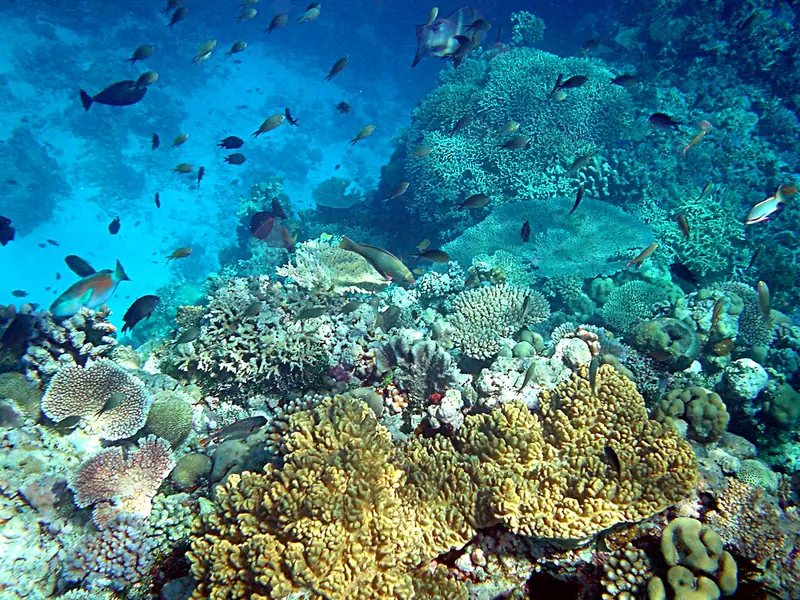
Madang is one of the world’s great dive destinations, notably for its World War II wrecks sunk in the bay and now covered with corals and abundant marine life: manta rays, reef sharks, giant groupers, nudibranchs.
Accessible dive sites include shallow table reefs (ideal for beginners) and current-swept walls for certified divers. Local dive clubs offer equipment rental, certified guides and PADI courses. To learn more about the spots, see the PNG diving guide.
In the afternoon, walk around town: the Madang market is lively and colorful, with sellers of fish, fruit and crafts from the neighboring islands.
Evening logistics: pack for the flight to Wewak the next morning. Weight limits on domestic flights are strict (often 15 to 20 kg / 33 to 44 lb checked, 7 kg / 15 lb carry-on).
Days 7-9: the Sepik, river of masks and spirits
Day 7: arrival in Wewak and first contact with the Sepik
The Madang–Wewak flight takes about 45 minutes to 1 hour. Wewak is the town of East Sepik province and the starting point for exploring the Sepik basin, one of the world’s largest river systems, with about 200 to 300 distinct languages and cultures in its basin.
In the afternoon, meet your boatman or river guide and take a first canoe trip on one of the tributaries near Wewak to get used to the rhythm of the river.
Night: in a guesthouse in Wewak or, if arranged in advance, in a river village homestay.
Day 8: sailing the Sepik
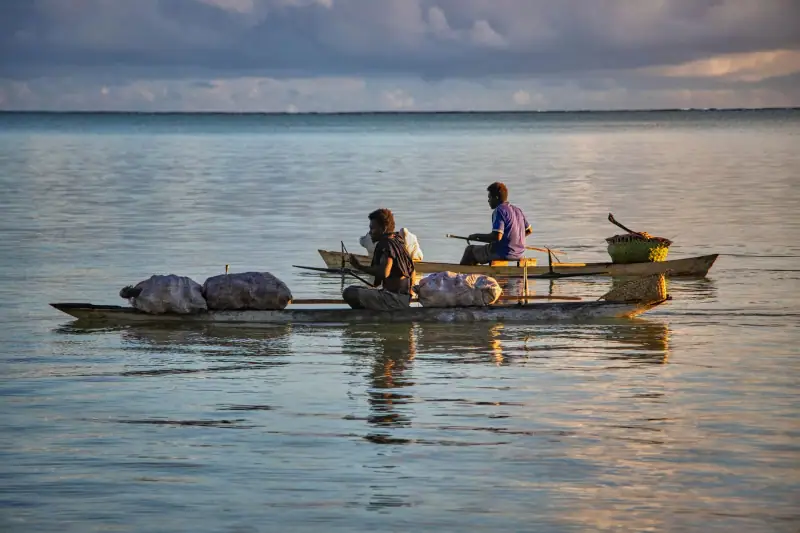
The day in a motorized canoe on the Sepik is the most singular experience of this itinerary. You travel on a wide, brown river, surrounded by gallery forest and floodplains. Wildlife is abundant: egrets, herons and monitor lizards.
The villages on the Sepik’s banks are famous worldwide for their mask carvers. Each village has its own motifs, its own symbolic language, its own relationship to ancestral spirits. The Haus Tambaran (spirit houses, decorated with relief facades and totems) are masterpieces of vernacular architecture.
Stop in one or two villages: meet carvers (Sepik masks are among the most sought-after tribal art objects in the world) and visit a Haus Tambaran with your guide-interpreter. Buy crafts directly from the artisans.
Good to know: prices and the availability of carvers vary from one village to another and change with the seasons. Your local guide will negotiate access terms and a fair price.
Day 9: deep Sepik or back to Wewak
Depending on your comfort level and logistics, this day can take two forms:
- Adventure option: an extra night in a river village (arranged when booking), with a dawn start to watch birds and the morning mist on the river. Birds of paradise are present in this region.
- Comfort option: a morning of sailing, return to Wewak, and an afternoon of rest before the next day’s flight.
Day 10: back to Port Moresby and departure
Morning: Wewak–Port Moresby flight (about 1 h 30). Arrival in early afternoon depending on schedules. If your international flight leaves in the evening, you have time for a last round of the airport shops or lunch at the hotel.
Return flight: Port Moresby to your international connection (for example Sydney, Singapore or Manila).
Lodging in Port Moresby
Secure, comfortable hotels for your nights in the capital.
Variations and extensions
Replace Goroka with Mount Hagen
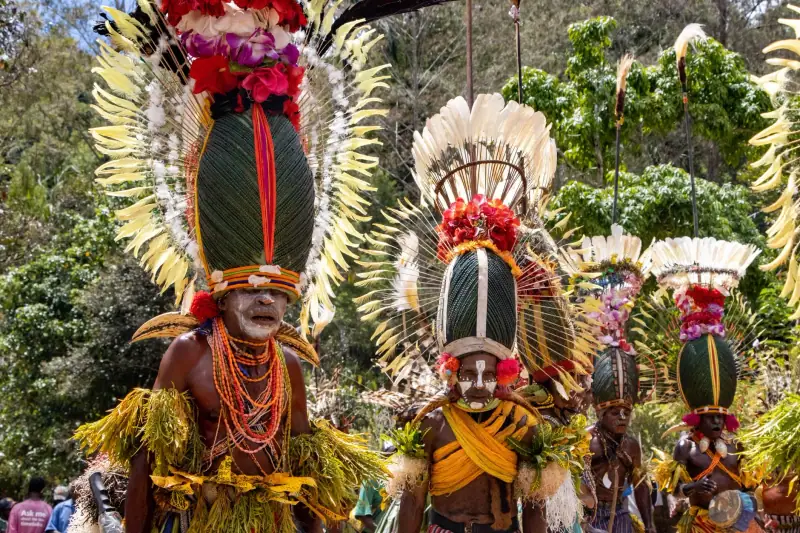
If you travel in August (Mount Hagen Show) or September (Goroka Show), adapt the Highlands stage accordingly. The Mount Hagen Show is one of the largest tribal gatherings in Oceania, with more than 100 groups coming to dance and show off their traditional finery. Book Mount Hagen hotels 4 to 6 months ahead for this period. The festivals and events guide details dates and logistics.
Add the islands (Rabaul)
If your budget and schedule allow, add 2 days in Rabaul in New Britain. Volcanic calderas, World War II wrecks and Tolai culture make it an unforgettable stop. Allow for an extra Port Moresby–Rabaul flight (about 2 h to 2 h 30).
The Kokoda Trek option
For fit hikers, the Kokoda Trek (96 km / 60 mi, 7 to 10 days) can replace all or part of this itinerary. It is PNG’s hardest and most historically charged trekking experience. See the Kokoda Trek guide before committing.
What to pack
Pack light: domestic flights in PNG have strict limits (15 to 20 kg / 33 to 44 lb maximum checked, depending on the aircraft). A 40 to 50 L backpack is ideal. Leave heavy suitcases at home.
Clothing:
- Light outfits for the coast and the Sepik (heat and humidity)
- A sweater or fleece for cool Highlands nights (temperatures can drop to 10 to 15 °C / 50 to 59 °F at night in Goroka)
- A light waterproof or poncho (tropical showers are sudden)
Specific gear:
- High-DEET insect repellent (essential on the Sepik)
- Water purification tablets or a portable filter
- Headlamp with spare batteries
- A full travel first-aid kit (ask your doctor or a travel clinic what to include)
Camera gear:
- Waterproof camera or waterproof cover (Sepik canoe, Madang diving)
- Power bank: electricity is unreliable in the villages
- Plenty of memory cards: you will take a lot of photos
Practical tips
Safety: Port Moresby has a difficult reputation, but by staying in recommended areas and using licensed taxis, the risk is manageable. Avoid going out alone at night. In the Highlands and on the Sepik, a local guide is the best safety guarantee.
Communication: mobile networks are decent in Port Moresby, Goroka and Madang. On the Sepik, there is almost no connection. Warn your family and friends about the blackout before leaving. Buy a Digicel SIM card at Port Moresby airport, or check your carrier’s international plan or use a travel eSIM.
Cultural respect: always ask permission before photographing people. In villages, wait to be invited in. Dress modestly (shoulders and knees covered) when visiting villages and attending ceremonies.
Money: bring enough kina or Australian dollars in cash before leaving Port Moresby. ATMs are rare in Goroka, very rare in Madang and nonexistent on the Sepik.
Go further
Before finalizing this itinerary, see these companion guides:
- Where to stay in Madang: a selection of hotels and lodges for every budget
- Visiting Wewak and the Sepik province: cultural background and detailed logistics
- Diving in Papua New Guinea: the best spots and certified clubs
- Budget and prices in PNG: detailed estimates for 10 days
Ten days in Papua New Guinea do not fade. The smoke of the mumu rising at dawn in a Highlands village, the silence of the Sepik at daybreak, the corals of Madang seen through a mask: these images belong to the kind of memories that change the way you look at the world. PNG is not an easy country to travel in. That is exactly why it remains so rare.
Sources
- Kokoda Track Authority: figures checked November 2026
- Papua New Guinea Tourism Promotion Authority: figures checked November 2026
Frequently asked questions
Can you do 10 days in Papua New Guinea without a tour agency?
It is possible for experienced travelers, but a local guide is strongly recommended for the Highlands and the Sepik. Logistics (domestic flights, transfers, village access) are complex, and a local fixer makes the trip much smoother and safer. For the Port Moresby and Madang stages, you can manage on your own.
How much does a 10-day trip to PNG cost?
Indicative budget: €3,500 to €6,000 per person all-in (about $4,060 to $6,960), excluding the international flight, depending on comfort level. The main expense is domestic flights (expect €300 to €600, about $350 to $695, for 4 to 5 domestic flights). See the PNG budget guide for details.
Which domestic flights do you need to book for this itinerary?
You will need 3 to 4 domestic flights: Port Moresby–Goroka, Goroka–Madang (or via POM), Madang–Wewak, Wewak–Port Moresby. Air Niugini and PNG Air operate these routes. Book at least 6 to 8 weeks ahead, because flights fill quickly.
What is the best time of year for this itinerary?
The dry season (May to October) is ideal for the Highlands and the Sepik. Madang is pleasant all year for diving. August and September are the big festival months (Mount Hagen Show in August, Goroka Show in September): a unique opportunity, but you must book very early.
Is diving in Madang suitable for beginners?
Yes. Madang's reefs have sites for every level, from shallow dives (5 to 15 m / 16 to 49 ft) for beginners to deep World War II wreck dives for certified divers. Several dive clubs offer introductory dives and PADI courses.
Is the Sepik River dangerous?
The Sepik is not dangerous in itself, but precautions are needed: ask your doctor or a travel clinic what applies to your trip (see the CDC and TravelHealthPro pages) and use strong insect repellent. Always travel with a local guide or boatman who knows the river. Floods can rise quickly in the rainy season.
More Papua New Guinea guides
Keep reading
Diving in Papua New Guinea: the best sites
PNG diving guide: Madang, Kimbe Bay, Tufi, Milne Bay and Rabaul. The best spots, wrecks and reefs in Papua New Guinea for divers of all levels.
Papua New Guinea travel budget: how much to plan for
How much does a trip to PNG cost? Lodging, transport and activities: a complete budget guide to travel Papua New Guinea without surprises.
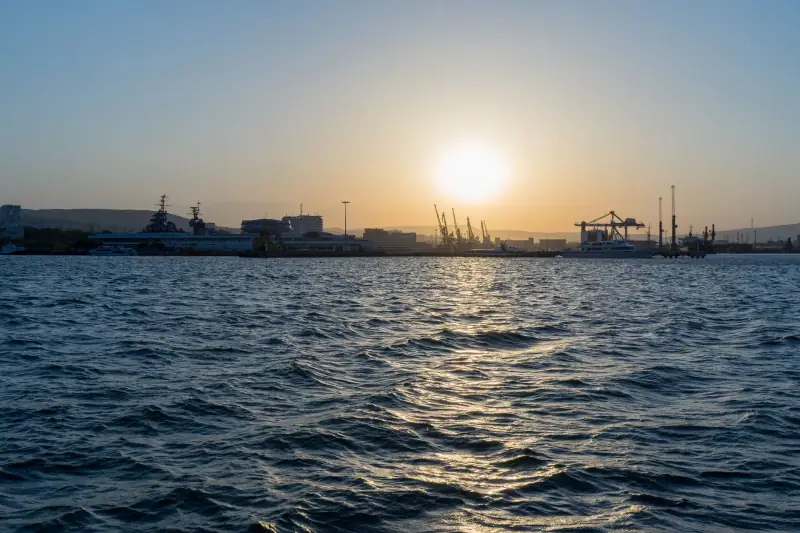
Visiting Port Moresby: a complete guide to Papua New Guinea's capital
Complete guide to Port Moresby: Hanuabada village, national museum, Nature Park, Kokoda, neighborhoods and safety tips for PNG's capital.
Ready-made
Papua New Guinea itineraries
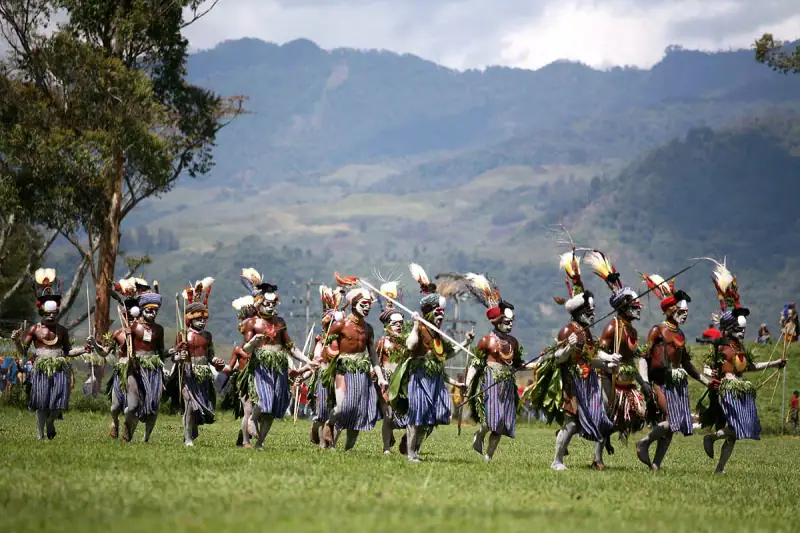
7 days
Papua New Guinea in 7 days: the ideal first-trip itinerary
Port MoresbyGorokaMount HagenPort Moresby

5 days