Things to do
Birdwatching in Papua New Guinea: birds of paradise and endemic species
We may earn a commission when you book through links on this page, at no extra cost to you. We don't visit or try the places we cover: we summarize published sources. How we work
In short
- Papua New Guinea has more than 700 bird species, including about 38 of the world's 42 birds of paradise, and hundreds of endemics.
- Best sites: Ambua Lodge near Tari (up to 6 bird-of-paradise species in one outing), Varirata National Park (about 40 km / 25 mi from Port Moresby), Crater Mountain and McAdam National Park.
- A local guide is essential: birds display in specific trees early in the morning (5 am to 8 am), and the dry season (May to October) offers the best conditions.
- Never approach a wild cassowary: it can charge when threatened, especially females with chicks.
Papua New Guinea is a paradise for bird lovers, quite literally. Most of the world’s 42 or so species of birds of paradise live in PNG’s forests and gardens. To these jewels are added hundreds of endemic species found nowhere else: megapodes, giant crowned pigeons, and the majestic helmeted cassowary. Welcome to the land of birds.
Birds of paradise: mythical creatures
Why birds of paradise?
Birds of paradise are one of the most spectacular examples of sexual selection in nature. Over millions of years, males have developed plumes, finery and displays of absolutely stunning extravagance to seduce females who are themselves much duller. Some birds of paradise have 60 cm (24 in) feathers extending beyond their body, others sport crests, colored breast shields or iridescent barbules that change color with the light.
Each species has its own unique display: the greater bird of paradise shakes its yellow flank plumes while hopping on a branch, the king bird of paradise forms an arc of feathers around its body.
Species not to miss
Superb bird of paradise (Lophorina superba): probably the most photographed species in PNG. The black male spreads a metallic green breast shield and a blue cape like a superhero’s cape. It displays on carefully cleared display grounds in the Highlands forest.
Greater bird of paradise (Paradisaea apoda): the largest of the genus, with yellow and cream flank plumes that can reach 70 cm (28 in). Common in lowland forest and gardens of the Sepik.
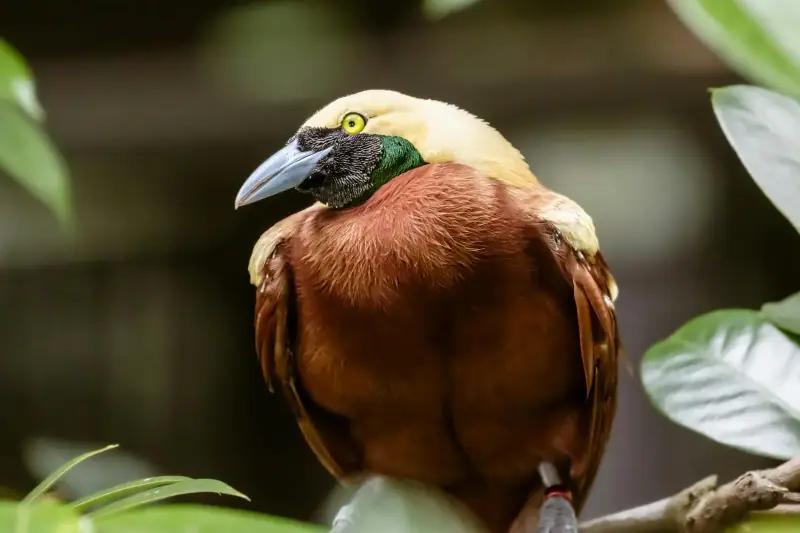
Raggiana bird of paradise (Paradisaea raggiana): PNG’s national bird, with red and orange flank plumes. Seen throughout PNG, notably in the gardens of Port Moresby (national museum).
The best birdwatching sites
Ambua Lodge (Tari, Southern Highlands)
This is the world’s Mecca for watching birds of paradise. Located at 2,100 meters (6,890 ft) in the cloud forest above Tari, Ambua Lodge is the ideal starting point to see up to 6 species of birds of paradise in a single outing. The local Huli guides know every perching tree, every display vine.
Species at Ambua: superb bird of paradise, Huon bird of paradise, bronze-winged bird of paradise, black-throated bird of paradise, magnificent bird of paradise, mountain whistler.
How to get there: flight from Port Moresby or Mount Hagen to Mendi, then road (2 h) or charter flight to Tari. You can book the lodge directly.
Varirata National Park (Port Moresby)
Only 40 km (25 mi) from Port Moresby, Varirata is PNG’s most easily accessible national park. In 2 to 3 hours of walking at dawn, you can watch the Raggiana bird of paradise in its usual trees, along with dozens of other forest species.
Ideal for: a first birding experience in PNG, accessible from Port Moresby without a domestic flight.
Crater Mountain Wildlife Management Area (Eastern Highlands)
A protected area in the Eastern Highlands, managed by the local community with the support of the Papua New Guinea Institute of Biological Research. Lodging in a community guesthouse, local guides. Excellent for the superb bird of paradise and mountain forest species.
McAdam National Park (Wau, Morobe Province)
McAdam’s primary forests are home to a remarkable diversity of species: several birds of paradise, the green-headed cuckoo, the green-rumped pigeon and other rarities. Accessible from Lae.
Other remarkable species
The helmeted cassowary (Casuarius casuarius)
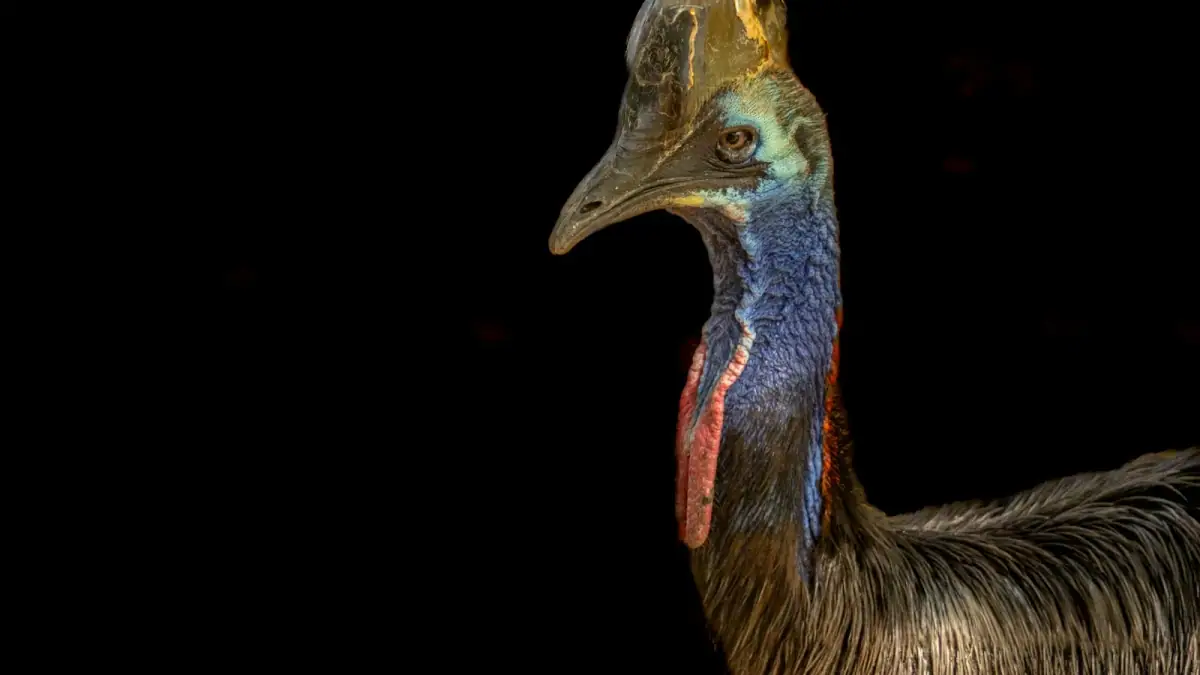
The cassowary is the largest bird in Melanesia and one of the rarest. It is black, with a blue and red head bearing a characteristic bony casque. Despite its prehistoric look, the cassowary is above all a shy animal of the dense forest, hard to observe because it flees at the slightest noise.
Oro Province and the forest areas of the north coast are the best viewing areas. Keep a safe distance: the claws of its 3 toes can inflict severe injuries.
The Victoria crowned pigeon (Goura victoria)
One of the most beautiful birds in the Pacific. A large ground pigeon (the size of a turkey) with a lace-like crown of blue-gray feathers. It lives in the lowland forest of Papua. Seen in lightly disturbed primary-forest areas of Sandaun Province and the Sepik.
The megapode (Megapodius freycinet)
This “mound builder” incubates its eggs in heaps of decomposing vegetation rather than sitting on them. The mounds can reach several meters in height. Megapodes are found throughout PNG, notably on islands and coastal areas.
Resources for birders
- Reference book: Birds of New Guinea (Beehler & Pratt), the essential field guide
- eBird list: recent sightings are available at ebird.org/region/PG
- Specialist operators: Birding Papua New Guinea (birding-png.org), Trans Niugini Tours
Practical tips for birdwatching
- Get up early: the first 2 hours after sunrise are the most active for birds
- Wear dark colors (khaki, green, brown): avoid white and bright colors
- Stay quiet: speak in a low voice, walk softly, turn off ringtones
- Trust your guide: he or she knows the display trees and the birds’ habits
- Be patient: some rare species take several hours of waiting
- Accept the conditions: the forest is humid, there are mosquitoes, the terrain is sometimes difficult. That is the price of magic.
Papua New Guinea is the Pacific’s last great sanctuary of feathered wildlife. Every outing in its forest is a discovery: a call you have never heard, a flash of iridescent feather in a ray of sunlight, a bird of paradise dancing as if evolution had wanted to put all its fantasy there. This country fully deserves its nickname of paradise.
Frequently asked questions
How many bird species can you see in PNG?
Papua New Guinea is home to more than 700 bird species, including about 38 species of birds of paradise (out of 42 in the world), and hundreds of endemic species. It is one of the richest birding destinations in the world.
What is the best time to see birds of paradise?
Male birds of paradise perform their courtship display all year, but the dry seasons (May to October) offer the best viewing conditions: less dense vegetation, passable trails, better light. Local guides know the usual perching trees.
Do you need a guide to watch birds of paradise?
Yes, absolutely. Birds of paradise often display in specific trees, at specific times (early morning, 5 am to 8 am). Only local guides who have known these sites for years can take you where the birds are sure to be seen. Without a guide, you can wait for hours without seeing anything.
Is the cassowary dangerous?
The helmeted cassowary, PNG's largest bird, can indeed be dangerous. It has sharp claws and can charge if it feels threatened, particularly females with chicks. Never approach a wild cassowary. Accidents are rare but real.
What gear do you need for birding in PNG?
Powerful binoculars (8x42 or 10x42 minimum), a PNG bird identification guide (Beehler & Pratt), dark, quiet clothing, and an audio recorder for songs. Also bring an effective insect repellent, because the best outings are at dawn in humid forests.
More Papua New Guinea guides
Keep reading
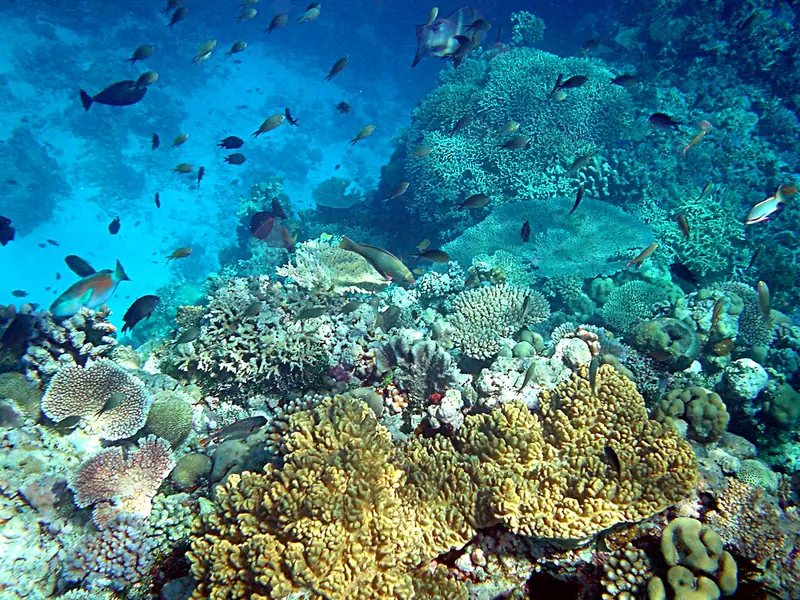
Diving in Papua New Guinea: the best sites
PNG diving guide: Madang, Kimbe Bay, Tufi, Milne Bay and Rabaul. The best spots, wrecks and reefs in Papua New Guinea for divers of all levels.
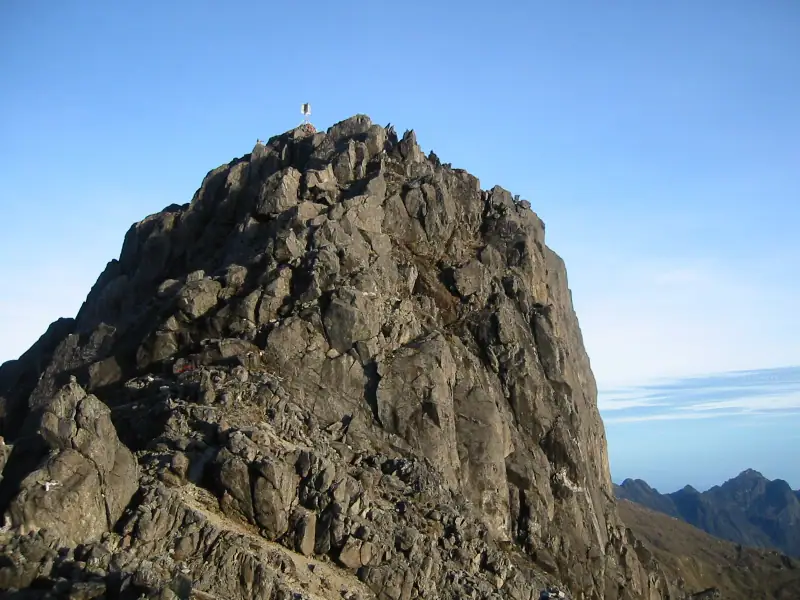
Climbing Mount Wilhelm in Papua New Guinea without an international agency: guide prices and duration
Can you climb Mount Wilhelm, Papua New Guinea's highest peak, without an international agency? Local guide prices, duration, route and preparation.
Papua New Guinea travel budget: how much to plan for
How much does a trip to PNG cost? Lodging, transport and activities: a complete budget guide to travel Papua New Guinea without surprises.
Ready-made
Papua New Guinea itineraries
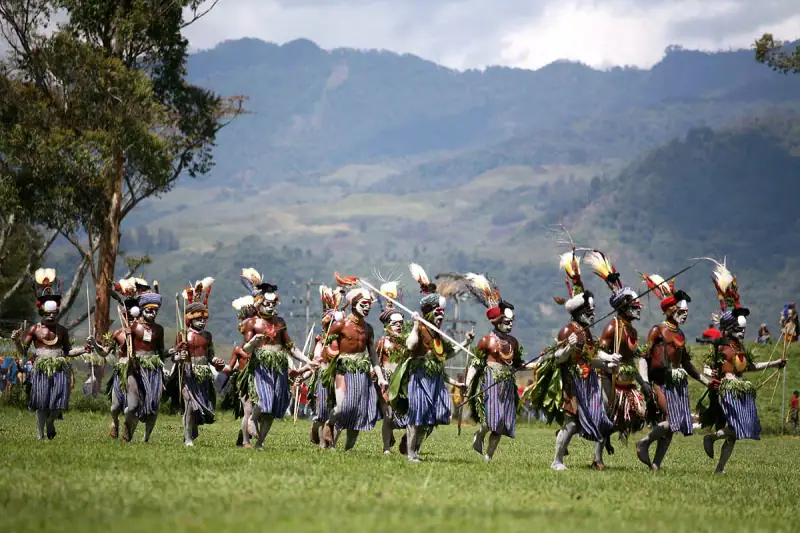
7 days
Papua New Guinea in 7 days: the ideal first-trip itinerary
Port MoresbyGorokaMount HagenPort Moresby

5 days

10 days
Papua New Guinea in 10 days: Highlands, Madang and the Sepik
Port MoresbyGorokaMadangWewak and the Sepik