Plan your trip
Best time to visit Papua New Guinea
We may earn a commission when you book through links on this page, at no extra cost to you. We don't visit or try the places we cover: we summarize published sources. How we work
In short
- The dry season (May to October) is generally the best time overall: roads are more passable, trekking is easier and the big festivals take place.
- The Mount Hagen Cultural Show is in August and the Goroka Show in September; book hotels 4 to 6 months ahead for festival weeks.
- The wet season (November to April) brings heavy rain and cut Highlands roads, but prices run 20 to 40% lower than in high season.
- Diving is excellent year-round in Madang and New Britain; the Kokoda Trek is best from May to September.
Papua New Guinea is a destination whose climate varies considerably by region and altitude. There is no universal “perfect season” for the whole country, but understanding each region’s climate dynamics will let you plan the best trip for your interests.
Understanding PNG’s climate
PNG is a country of extreme climate contrasts. The Highlands can be cold at night (below 10 °C / 50 °F at 2,500 m / 8,200 ft), while the north coast bathes in constant humid heat (30 to 35 °C / 86 to 95 °F). Rainfall varies from 1,500 mm (59 in) a year on some dry coasts to more than 10,000 mm (394 in) in exposed areas of the Highlands.
The two main seasons
The dry season (May to October) is generally considered the best time to visit PNG. Rainfall drops in most regions, mountain roads are more passable, and conditions are better for trekking and excursions. It is also the high tourist season, with the big cultural festivals.
The wet season (November to April) brings heavy, sometimes torrential rain. Roads in the Highlands can be cut for several days. However, vegetation is lusher, wildlife more active and prices noticeably lower.
Month by month: what to do and when
January - February
Wet season everywhere. Rainfall is intense in most regions. The Highlands are often cloudy and cold. The Pacific islands (New Britain, New Ireland) can be hit by tropical depressions. Avoid for trekking and outdoor activities. On the other hand, diving in Madang offers acceptable visibility and the water is at its warmest (28 to 29 °C / 82 to 84 °F).
Ideal for: coastal diving, discovering local markets, an urban stay in Port Moresby.
March - April
Transition to the dry season. Rains start to ease in the Highlands. It is a good time for coastal areas like Madang, where conditions begin to improve. Wildlife is still very active after the wet season. The forests are vividly green.
Ideal for: birdwatching, diving, coastal areas.
May - June
Start of the dry season: an excellent time. The weather settles in most regions. The Highlands are pleasant (daytime temperatures of 15 to 25 °C / 59 to 77 °F). One of the best periods for the Kokoda Trek, diving and excursions in remote regions. Prices begin to rise slightly.
Ideal for: Kokoda Trek, Highlands, diving in Madang, Sepik excursions.
July - August
Peak of the dry season. This is the most pleasant time to travel in the Highlands. Nights can be cool at high altitude but days are sunny and bright. The Mount Hagen Cultural Show is held in August and is one of the most spectacular cultural events in Melanesia. Mountain treks are in their best conditions. It is the high tourist season: book lodging and domestic flights well in advance.
Ideal for: cultural festivals, Highlands, trekking, birdwatching.
September - October
Excellent time, end of the dry season. The Goroka Show is held in September (September 18-20 in 2026) and gathers hundreds of tribes in traditional costume. The atmosphere is electric. Weather conditions remain excellent. October marks the start of the transition to the wet season in some lowland areas.
Ideal for: festivals, Highlands, diving, regional circuits.
November - December
Gradual return of the wet season. The first rains return to the Highlands. Coasts and islands are still pleasant in November. Diving peaks in some areas (Kimbe Bay in New Britain, Milne Bay). The year-end holidays cause a slight rise in hotel prices.
Ideal for: advanced diving, New Britain, Milne Bay.
Temperatures and rainfall by region
Highlands (Goroka, Mount Hagen)
- Elevation: 1,500 to 2,600 m (4,920 to 8,530 ft)
- Temperatures: 12 to 25 °C (54 to 77 °F) in the dry season, 10 to 22 °C (50 to 72 °F) in the wet season
- Rain: spread across the year, peaking December to March
- Best time: June to October
North coast (Madang, Wewak)
- Elevation: 0 to 50 m (0 to 164 ft)
- Temperatures: 28 to 34 °C (82 to 93 °F) all year
- Humidity: very high (80 to 90%)
- Rain: mainly November to April
- Best time: May to November
Islands (Rabaul, New Britain)
- Temperatures: 27 to 33 °C (81 to 91 °F) all year
- Cyclone season: December to April
- Best time for diving: October to May
Port Moresby and the south coast
- Climate: drier than the north coast (rain shadow)
- Temperatures: 25 to 33 °C (77 to 91 °F)
- Dry season: April to November
- Best time: June to October
The big festivals
PNG’s cultural festivals are among the most spectacular in the world and are worth building your trip around.
| Festival | Place | Period |
|---|---|---|
| Mount Hagen Cultural Show | Mount Hagen | August (2nd weekend) |
| Goroka Show | Goroka | September (18-20 in 2026) |
| Hiri Moale Festival | Port Moresby | September |
| Morobe Show | Lae | October |
| Mask Festival | Rabaul | July |
| Crocodile Festival | Popondetta | October |
See the guide to Papua New Guinea’s festivals for all the details.
Recommendations by type of trip
For the Highlands and festivals: July to September is the ideal window. Book 4 to 6 months ahead for festival weeks.
For diving in Madang or New Britain: May to November offers the best conditions. Kimbe Bay is remarkable from October to May.
For the Kokoda Trek: May to September. Avoid the rainy season (November to March) at all costs, when trails are muddy and dangerous.
For watching birds of paradise: the dry season (May to October) is best, because males display more actively and the thinner vegetation makes viewing easier.
For a tight budget: November to March offers prices 20 to 40% below high season, but with significant weather constraints.
PNG rewards those who prepare well. Whatever period you choose, the key is to arrive with flexibility, curiosity and a good dose of humor in the face of the unexpected, because in PNG, the unexpected is part of the trip.
Frequently asked questions
What is the best season to visit the Highlands?
The dry season (May to October) is ideal for the Highlands. Tracks are passable, views are clear and trekking conditions are at their best. This is also when the big Goroka and Mount Hagen festivals take place.
Can you travel in PNG during the rainy season?
Yes, but with significant constraints: cut roads, difficult access to remote areas and intense humidity. Some activities, such as diving in Madang, are actually better in November and December (warmer water, excellent visibility).
When are the big festivals in Papua New Guinea?
The Goroka Show is held in September and the Mount Hagen Cultural Show in August. These are the two biggest events and are worth planning well in advance.
Is PNG affected by cyclones?
The north coasts and the islands can be hit by tropical cyclones, mainly between November and April. The cyclone season in PNG is less severe than in Fiji or Vanuatu, but still worth watching.
What is the best time for diving?
Madang and New Britain offer excellent diving all year. Visibility is generally at its best from May to October. The rainy season (November to April) brings more nutrients and more active marine life, notably manta rays.
More Papua New Guinea guides
Keep reading
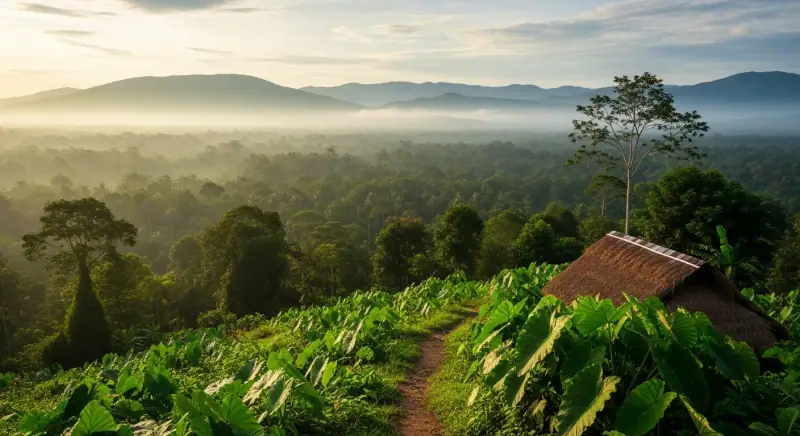
Papua New Guinea travel budget: how much to plan for
How much does a trip to PNG cost? Lodging, transport and activities: a complete budget guide to travel Papua New Guinea without surprises.
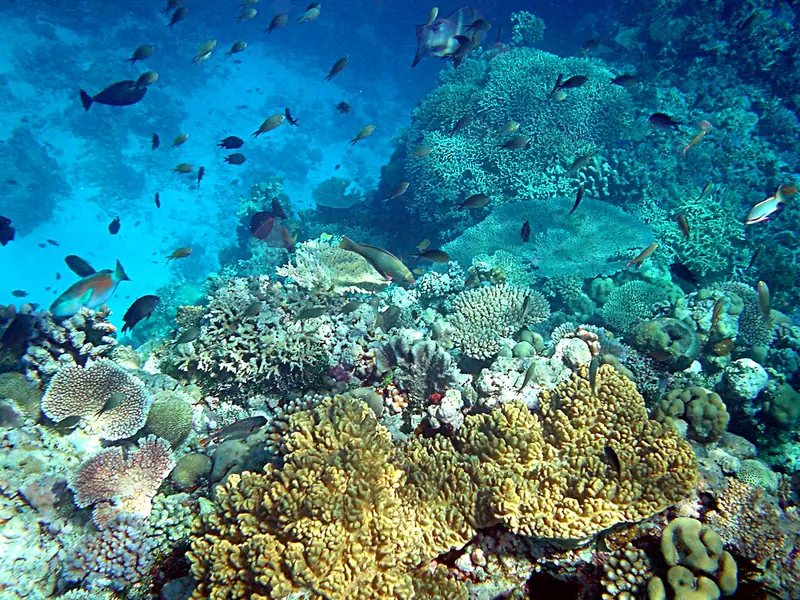
Diving in Papua New Guinea: the best sites
PNG diving guide: Madang, Kimbe Bay, Tufi, Milne Bay and Rabaul. The best spots, wrecks and reefs in Papua New Guinea for divers of all levels.
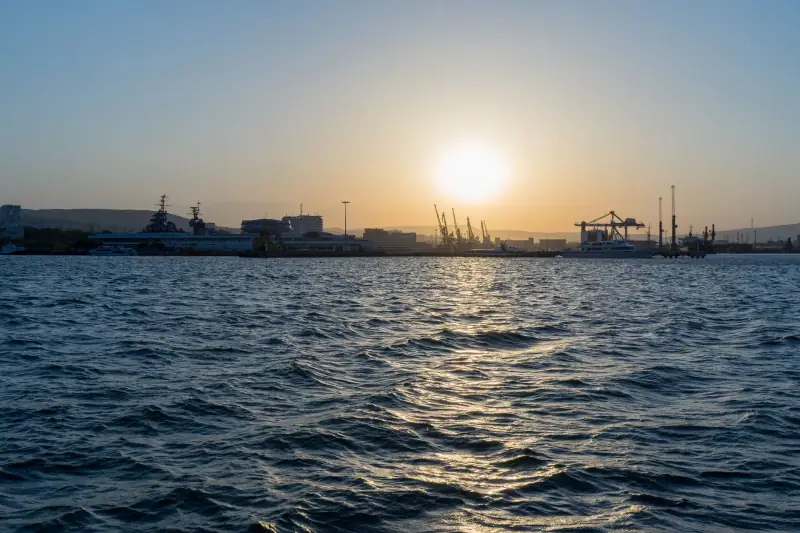
Visiting Port Moresby: a complete guide to Papua New Guinea's capital
Complete guide to Port Moresby: Hanuabada village, national museum, Nature Park, Kokoda, neighborhoods and safety tips for PNG's capital.
Ready-made
Papua New Guinea itineraries
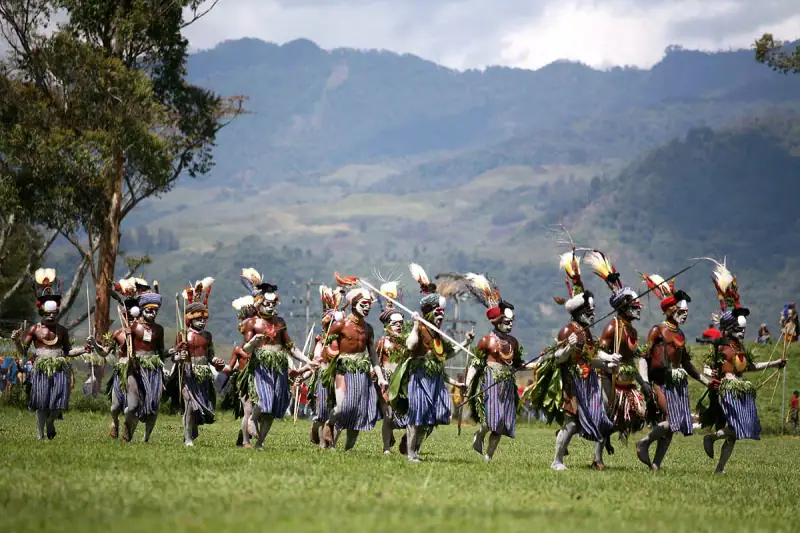
7 days
Papua New Guinea in 7 days: the ideal first-trip itinerary
Port MoresbyGorokaMount HagenPort Moresby

5 days
10 days
Papua New Guinea in 10 days: Highlands, Madang and the Sepik
Port MoresbyGorokaMadangWewak and the Sepik