What to see
Visiting Kiruna: a complete guide to Sweden's Arctic city
We may earn a commission when you book through links on this page, at no extra cost to you. We don't visit or try the places we cover: we summarize published sources. How we work
In short
- Kiruna is 145 km (90 mi) above the Arctic Circle; the LKAB mine tour goes 540 m (1,771 ft) down, takes 3 hours, about 590 SEK (€55 / $64).
- The ICEHOTEL is at Jukkasjärvi, 17 km (11 mi) from Kiruna, about 20 minutes by shuttle or taxi; a day visit is possible without staying overnight.
- Abisko National Park, about 94 km (58 mi) west, is considered one of the best places in the world for the aurora; the season runs from September to March.
- SJ night train service from Stockholm was heavily reduced in 2026, with a return announced for December 2026: check sj.se before booking.
Kiruna is one of the northernmost towns in the world, set in the wild heart of Swedish Lapland. At 145 km (90 mi) north of the Arctic Circle, this mining town of 23,000 inhabitants fascinates with its paradoxes: titanic heavy industry coexisting with Arctic landscapes of absolute beauty, an unprecedented historic urban relocation, and the magic of a hotel built entirely of ice a few kilometers away.
Kiruna is also the ideal starting point for exploring the wonders of Swedish Lapland: Abisko National Park, the Sámi reindeer plains, some of the most accessible northern lights in northern Europe, and an Arctic silence that restores the soul.
Kiruna: the story of an extraordinary mining town
Kiruna owes its existence to an exceptional geological discovery: one of the largest iron ore deposits in the world, spotted in the late 19th century. The mining company LKAB (Luossavaara-Kiirunavaara Aktiebolag) began extraction in 1898-1899, and the town was born around this industry. Within a few decades, Kiruna became Sweden’s first mining city.
The LKAB mine: an underground monster
Today, the Kiruna mine is one of the largest and most modern in the world. It extracts about 27 million tonnes of iron ore a year, at a depth that now exceeds 1,300 meters (4,265 ft). This ore, processed into high-purity iron pellets, is carried by train to the port of Narvik (Norway) for export worldwide.
The LKAB Visitor Center offers fascinating guided tours 540 meters (1,771 ft) underground. You board an electric bus to descend into the galleries, see the automated transport tunnels and understand the colossal engineering of this permanent worksite. An experience that stays with you, even for those usually indifferent to geology.
- Duration: about 3 h (transfer included)
- Price: ~590 SEK (about €55 / $64) per adult, ~190 SEK for children aged 6 to 15 (110 cm / 43 in minimum)
- Booking: recommended online, places are limited
- Tip: choose the morning tour; the galleries are cool (a constant 8 °C / 46 °F), so bring an extra layer
The great move of Kiruna
Kiruna is at the heart of an urban project without precedent in modern history: moving an entire town. The mine’s underground galleries have weakened the subsoil beneath a growing part of the city. Since 2004, the Swedish authorities and LKAB have jointly funded the relocation of Kiruna to a new site, about 3 km (1.9 mi) to the northeast.
This “Stadsflytt” (city move) is an extraordinary architectural and logistical challenge:
- About 3,000 homes have already been built in the new Kiruna
- The new town hall (Stadshuset), opened in 2018, is an award-winning architectural work with futuristic lines, inspired by iron ore crystals
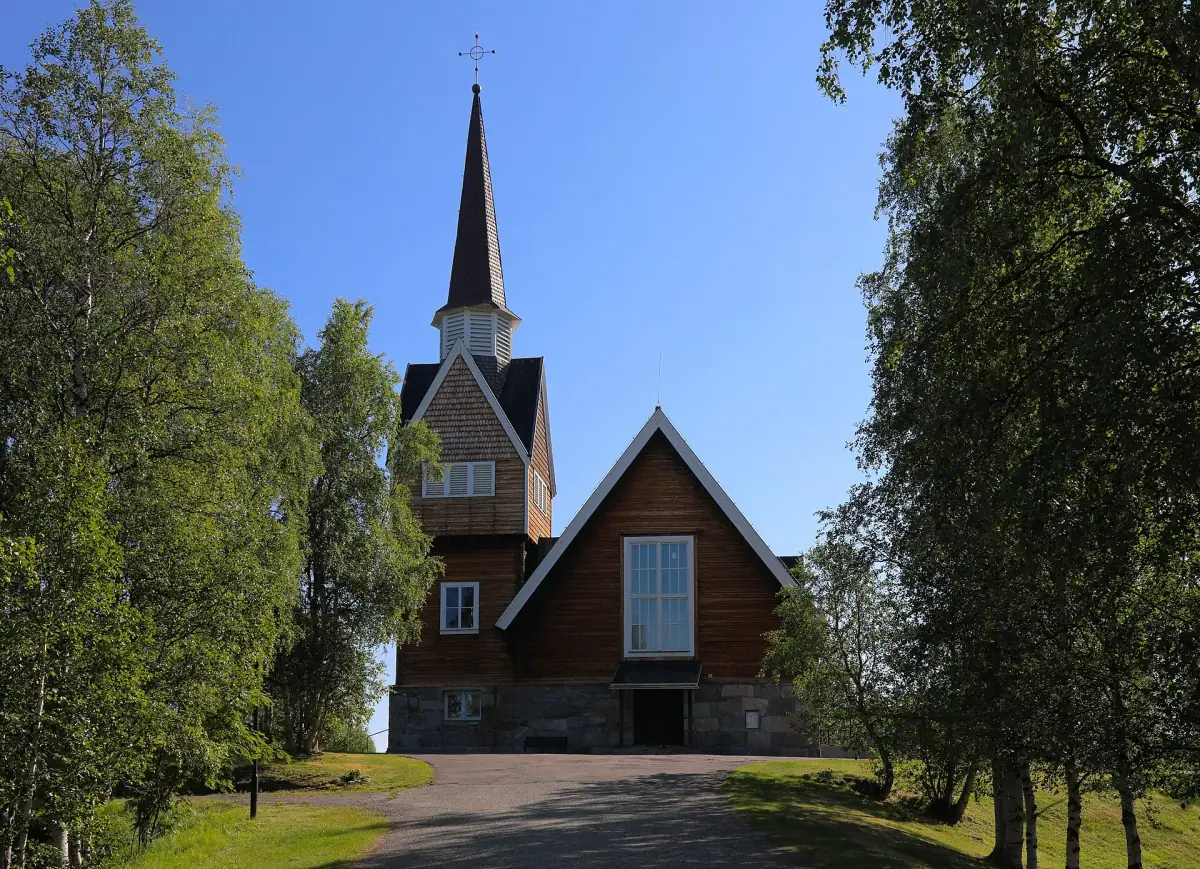
- The Kiruna church (Kiruna kyrka), voted Sweden’s most beautiful building in 2001, was moved in one piece in August 2025 to the new town center (reopening planned for late 2026)
- The complete relocation is planned to run until 2035-2040
This transformation makes Kiruna a unique city in the world, halfway between industrial past and Arctic future.
The Jukkasjärvi ICEHOTEL: an Arctic legend
Just 17 km (11 mi) from Kiruna, on the banks of the frozen Torne River, stands the world’s most famous ice hotel. The Jukkasjärvi ICEHOTEL was born in 1989 from a crazy idea: build an entire hotel from the ice of the local river, let it melt each spring and rebuild it the following winter.
How does the ICEHOTEL work?
Each autumn, artists from around the world are invited to design and sculpt themed rooms in ice and snow. The result is an immersive, ephemeral art gallery: each room is a unique sculpture with its own visual universe.
ICEHOTEL Classic (seasonal):
- Open from December to April
- Room temperature: -5 to -8 °C (23 to 18 °F)
- Guests sleep in Arctic sleeping bags on ice beds covered with reindeer skins
- Every room is different, created by different artists
- Price: from €400 a night (~$465) for a standard room (cold room), up to €1,800 (~$2,090) for an artist suite
ICEHOTEL 365 (permanent):
- Open all year thanks to solar panels powering a refrigeration system
- Lets you have the experience even in summer
- More expensive than a seasonal room (refrigeration is costly)
Visiting without sleeping
Don’t have the budget (or the desire) to spend the night in the cold? The ICEHOTEL can be visited for the day:
- Guided tour: 30 minutes with a guide, access to the art galleries, price to check on icehotel.com (about 325 SEK, or about €30 / $35, for a day visit)
- Ice Bar: enjoy a cocktail served in an ice glass, at a bar sculpted entirely from ice. Entry ~200 SEK including a drink
- Ice Breakfast: a breakfast package in the ice restaurant, for those who want the atmosphere without the night
The shuttle from central Kiruna costs about €15-20 round trip (~$17-23), or rent a car for more freedom.
The northern lights in Kiruna and Abisko
If Kiruna is already an exceptional destination for the northern lights, Abisko National Park, about 94 km (58 mi) to the west, is considered one of the five best places in the world for this luminous phenomenon.
Why Abisko?
Abisko enjoys a unique microclimate due to Lake Torneträsk: winds coming down from the mountains create a nearly permanent zone of clear sky, even when the rest of the region is under cloud. Scientists speak of the “Abisko blue hole,” a natural weather window that offers privileged viewing conditions.
The Aurora Sky Station, reached by chairlift from Abisko (open in winter, October to late March depending on the season), offers panoramic views at 900 m (2,950 ft) altitude for exceptional viewing conditions. Check prices and hours at auroraskystation.se.
Watching the aurora from Kiruna
Kiruna itself is a very good viewing site. 10-15 minutes by car from the center, you are in total darkness:
- Lake Luossajärvi: north of town, an easy-to-reach frozen lake, ideal for the aurora
- Kiirunavaara hill: the mine’s summit offers a 360° panorama; check whether night excursions are organized
- Any frozen lake away from the city lights is enough for quality viewing
Practical tips:
- Minimum recommended KP index: 2-3 for Kiruna (the latitude favors the aurora even with low activity)
- Useful apps: Space Weather, My Aurora Forecast, Aurora Alerts
- Dress for -20 to -30 °C (-4 to -22 °F) at least: auroras can last 2-3 hours
- Best time window: 9 pm-2 am
To learn everything about this phenomenon, see our complete guide to the northern lights in Lapland.
Northern lights excursions in Kiruna
Snowmobile safaris, guided night outings, Abisko visits: book your aurora activities in Kiruna.
Winter activities in Kiruna
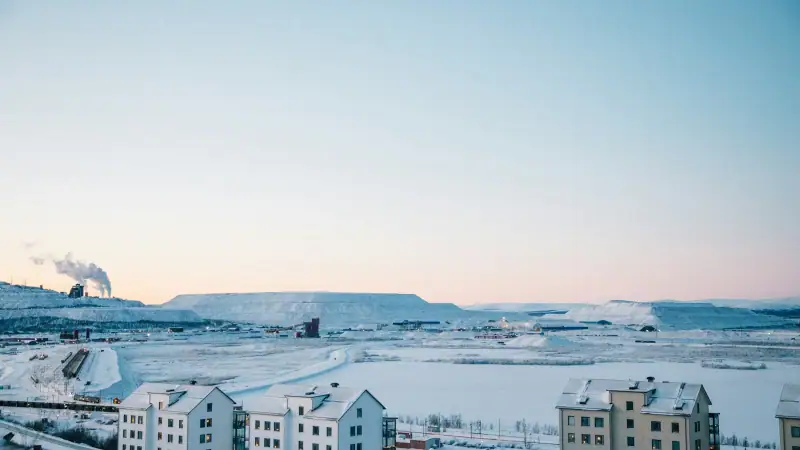
Kiruna and its surroundings offer an exceptional range of Arctic activities, often less crowded (and cheaper) than in Finnish or Norwegian Lapland.
Snowmobile safari
The wild expanses of Swedish Lapland are an ideal playground for snowmobiling. Hundreds of kilometers of marked trails cross birch forests, frozen lakes and Arctic hills. Local operators (Arctic Adventures Kiruna, Kiruna Adventures) offer:
- 2-hour safari: ~900 SEK (about €80 / $93), a perfect introduction
- Half day: ~1,400 SEK (about €125 / $145) with a break in a cabin for coffee and a wood-fire meal
- Full day: ~2,200 SEK (about €200 / $230) with a trip to the shores of Lake Torneträsk
To go deeper, read our guide to snowmobiling in Lapland.
Dog sledding
The Kiruna area has several husky and sled dog kennels. A ride of one to two hours through the snowy forest leaves lasting memories. Most excursions let you drive your own sled:
- Short trip (1 h): ~800 SEK (about €70 / $80) per sled (2 people)
- Half day: ~1,600 SEK (about €140 / $160) with lunch in a kota
- Multi-day independent trip (for enthusiasts)
Skiing and hiking in Abisko
Abisko National Park offers exceptional cross-country skiing conditions with a groomed trail network. The Kungsleden (King’s Trail), one of Scandinavia’s most famous long-distance trails, passes through Abisko. In winter it is done on touring skis or snowshoes.
Kebnekaise: 70 km (43 mi) from Kiruna, Sweden’s highest peak (2,096.8 m / 6,879 ft) attracts mountaineers in summer and ski tourers in winter. Local guides organize supervised outings.
Sámi culture in Kiruna
The Kiruna region is traditional Sámi territory. The Girjas Sameby community (the Girjas Sámi village) still manages reindeer herds in the surrounding mountains today. Several cultural experiences are offered:
- Visit to a Sámi camp: presentation of traditions, tasting of specialties (dried reindeer, joik), a ride in a pulka (a Sámi sled pulled by a reindeer)
- Ájtte Museum in Jokkmokk (2 h drive): the largest museum devoted to Sámi culture in Sweden
- Jokkmokk Market (early February each year): Sweden’s most important traditional Sámi festival, with craft sales, reindeer races and festivities. Worth catching if your stay coincides.
Accommodation in Kiruna
Kiruna has a range of accommodation for every budget, from the design hotel to the rustic forest chalet.
Hotels and guesthouses in town
- Arctic Retreat Kiruna: contemporary hotel in the heart of the new Kiruna, comfortable rooms with mountain views, spa. ~900-1,500 SEK/night (about €80-135 / $93-155)
- Scandic Kiruna: reliable Scandinavian chain, ideally located, breakfast included. ~700-1,100 SEK (about €63-100 / $73-115)
- Camp Ripan: a complex at the edge of the forest with cabins, a fine-dining restaurant, a spa with an outdoor hot tub. ~1,500-3,000 SEK (about €135-270 / $155-315) depending on cabin type
Unusual places to stay
- ICEHOTEL Jukkasjärvi: the absolute reference for a night on ice (see the dedicated section above). 17 km (11 mi) from Kiruna
- Treehotel at Harads: 7 tree-suspended cabins including the famous “Bird’s Nest,” about 300 km (186 mi) away. A detour if you have time
- Katas (Sámi tents): some operators offer sleeping in heated katas on a frozen lake shore for an authentic nomadic experience
Hostels and tight budgets
For budget travelers, a few guesthouses and youth hostels offer dorms at 200-350 SEK (about €18-32 / $21-37) a night, with kitchen access.
Accommodation in Kiruna
Hotels, chalets, cabins: compare and book your lodging in Kiruna with free cancellation.
Food and restaurants in Kiruna
Kiruna’s cuisine reflects Sámi and Lappish identity: quality local produce, revisited ancestral recipes, and a Nordic generosity that warms you after a day outdoors.
Specialties to try
Reindeer (ren in Swedish): a must-try. Roasted, smoked, as steak or in stew, reindeer meat is tender and delicate, slightly gamey. The “renfilé” (pan-fried reindeer fillet) with lingonberry sauce and sautéed potatoes is the emblem of Swedish Lapland gastronomy.
Arctic char (röding): a fish of cold Lapland lakes, cousin of the trout, with fine pink flesh. Smoked, grilled or as gravlax, it is one of the finest flavors of Arctic waters.
Palt: potato dough dumplings filled with pork or reindeer, boiled and served with melted butter and lingonberry jam. A hearty country dish of northern Sweden that warms the soul.
Lingonberries (lingon): accompany almost every dish of northern Sweden. As a sauce, jam, dessert or simply fresh-picked in the forest.
Restaurants worth knowing
Restaurang Ripan (Camp Ripan) is Kiruna’s best fine-dining restaurant. Local products worked creatively: reindeer, Arctic char, wild berries. Exceptional setting among the forest cabins. ★★★
Bishops Arms is a classic Swedish pub with a good selection of craft beers and solid brasserie food (reindeer burgers, fish and chips). ★★
Kallis Krog serves homemade Swedish cooking in a warm atmosphere, with an affordable daily menu. Ideal for lunch after the mine visit. ★★
How to get to Kiruna and get around
By air
Kiruna Airport (KRN), 8 km (5 mi) from the center, receives flights from Stockholm-Arlanda (SAS, Norwegian) in 1 h 30 to 1 h 45. Seasonal flights sometimes arrive from other Scandinavian cities. A taxi from the airport costs about 200 SEK (about €18 / $21); shuttles exist in high season.
By night train
The SJ night train from Stockholm usually serves Kiruna (about 15 h, with a stop at Abisko). Note: service was heavily reduced in spring 2026, with a return announced for December 2026; check services and fares on sj.se before booking. When it runs, it is a romantic and often economical option that takes you straight into the heart of Lapland.
By car
From Luleå (on the Baltic coast): 3 h on the E10 via Gällivare. From Tromsø (Norway): 3 h 30 via the E8 and E10. A car is recommended to explore the region, especially to reach Abisko, Jukkasjärvi and remote lakes.
Car rental in Kiruna
Compare car rental offers at Kiruna airport to explore Swedish Lapland freely.
Kiruna in practice: essential tips
When to go
| Period | Conditions | Best for |
|---|---|---|
| Sep-Oct | First snows, aurora, autumn colors | Photographers, early-season aurora chasers |
| Nov-Jan | Polar night (no sun), extreme cold (-25 to -35 °C / -13 to -31 °F), frequent aurora | Northern lights, seasonal ICEHOTEL |
| Feb-Mar | Sun gradually returns, cold still intense, excellent snow | Skiing, snowmobile, families, best value |
| Apr-May | Very long days, spring skiing, lake thaw, reindeer migration | Hikers, lovers of golden light |
| Jun-Jul | Midnight sun, summer hikes, no snow in town | Hiking, Kungsleden, midnight sun |
To plan your trip, also see our article on the best time to visit Lapland.
Temperatures and clothing
In winter, Kiruna is one of the coldest towns in Sweden:
- November-March: average temperatures of -10 to -20 °C (14 to -4 °F), lows that can reach -40 °C (-40 °F)
- The 3-layer rule is absolutely essential (thermal base / fleece / waterproof windbreaker)
- Insulated boots rated to -40 °C, mittens (not simple gloves), a balaclava and a hat covering the ears
Currency and language
- Currency: Swedish krona (SEK). Check the current exchange rate before you go
- Language: Swedish. English is nearly universal in tourist businesses
- Payment: Sweden is almost entirely cashless; cards are accepted everywhere, even for small amounts
Practical information
- Time zone: UTC+1 (Central European Time)
- Entry rules: they depend on your passport. Check the official travel advice of your government before you book: travel.state.gov (US), GOV.UK (UK), travel.gc.ca (Canada), Smartraveller (Australia) (checked November 2026).
- Health: Kiruna has a hospital for emergencies. For health questions before you go, ask your doctor or a travel clinic, and see the official travel health pages (CDC in the US, TravelHealthPro in the UK).
Kiruna and Swedish Lapland: fitting into a wider itinerary
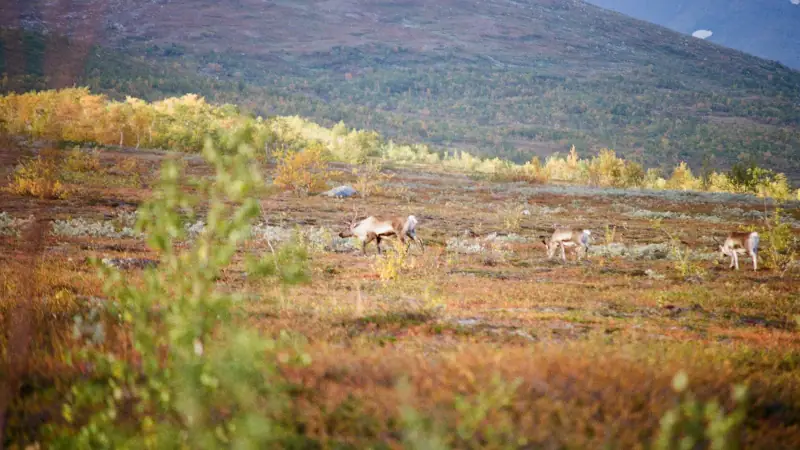
Kiruna pairs perfectly with other Lapland destinations on an Arctic road trip. From Kiruna, it is easy to reach:
- Abisko (94 km / 58 mi west, 1 h): northern lights, Kungsleden hiking, Aurora Sky Station
- Narvik, Norway (182 km / 113 mi west, 2 h 30): fjords, World War II museum, ore port
- Tromsø, Norway (390 km / 242 mi northwest, 5 h 52): the big Norwegian Arctic city with its museums and nightlife
- Inari, Finland (471 km / 293 mi east, 7 h 25): center of Finnish Sámi culture, on Lake Inari
For a 10-14 day stay, a Rovaniemi → Inari → Kiruna → Abisko → Tromsø combination makes one of the finest Arctic itineraries in Europe. See our guide Lapland in 7 days for planning ideas.
Kiruna embodies like few towns the complex soul of the Far North: an exceptional industrial history, an architectural rebirth unique in the world, and wild, generous Lapland nature stretching as far as the eye can see. Whether you come to sleep in an ice palace at Jukkasjärvi, descend into the bowels of Europe’s largest iron mine, track the northern lights on the shores of Lake Torneträsk or simply let the Arctic silence envelop you, Kiruna will give you an experience you will not find anywhere else. Also see our selection of the best hotels and igloos in Lapland to complete your stay.
Frequently asked questions
How do you get to Kiruna from Stockholm?
By air: direct flights from Stockholm-Arlanda (ARN) with SAS and Norwegian, about 1 h 30 to 1 h 45. By train: an SJ night train usually serves Kiruna from Stockholm (about 15 hours, with a stop at Abisko), but service was heavily reduced in 2026 and a return is announced for December 2026: check the timetables on sj.se before booking. It is the cheapest and most scenic option for seeing the Lapland landscapes. By car from Luleå: allow 3 hours on the E10.
What is the best time to visit Kiruna?
For the northern lights: September to March, with a peak in November-January. For the midnight sun: late May to mid-July (an extraordinary show). For the ICEHOTEL: December to April (the permanent part is open all year thanks to refrigeration). March-April offers the best compromise: milder temperatures, guaranteed snow and longer days.
Can you visit the Kiruna mine?
Yes, the LKAB underground mine offers impressive guided tours 540 meters (1,771 ft) deep. The tour lasts about 3 hours (transfer included) and lets you see the galleries, the transport tunnels and the mine museum. Price: about 590 Swedish kronor (about €55 / $64) per adult. Online booking recommended (limited places). Tours run all year, but times vary by season: check them before you go.
Why is Kiruna being moved?
The LKAB mine, operating since 1900, goes deeper every year. The underground galleries have weakened the ground beneath a large part of the town. Since 2004, Kiruna has been gradually moved to the northeast, about 3 km (1.9 mi). It is the largest urban relocation in modern history: thousands of homes, historic monuments, the town hall and even the Swedish church have been or are being moved.
Is the ICEHOTEL in Kiruna itself?
No, the ICEHOTEL is at Jukkasjärvi, 17 km (11 mi) from Kiruna. A shuttle or taxi easily covers the trip in 20 minutes. The ICEHOTEL can be visited for the day (without overnight), letting you see the artistic rooms carved from ice and enjoy a drink at the Ice Bar. A full night remains possible for a unique experience from €400 (~$465) a room.
What budget should you plan for a stay in Kiruna?
Sweden is slightly more expensive than Finland. Expect €130-200 per person per day (~$150-230) for a comfortable stay (hotel or chalet accommodation + meals + one activity). The mine visit costs about €55 (~$64), snowmobile safaris €80-160 (~$93-185), aurora excursions €80-120 (~$93-140). In a hostel or budget accommodation, the budget falls to €80-120 a day (~$93-140).
More Lapland guides
Keep reading
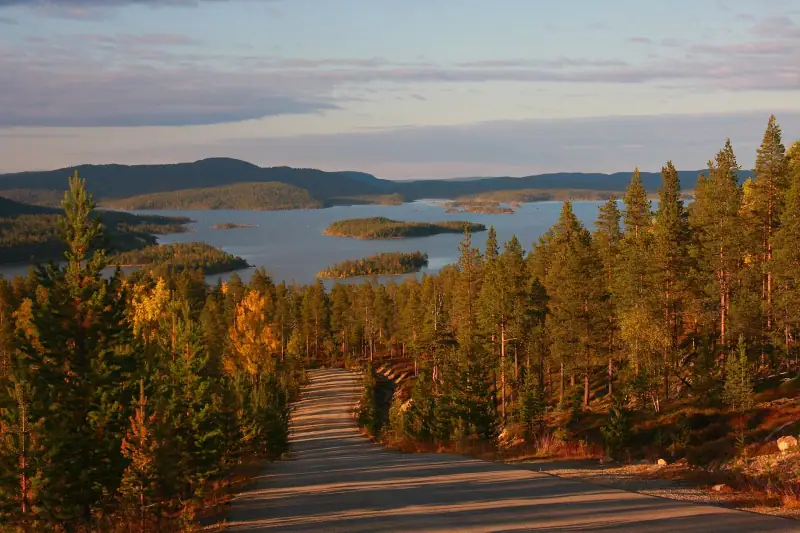
Visiting Inari: a complete guide to the heart of Sámi Lapland
Visiting Inari in Finnish Lapland: Lake Inari, Siida museum, northern lights and Arctic activities. Complete guide to plan your stay.
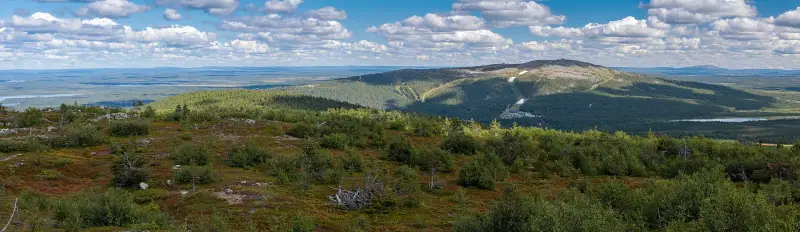
Visiting Levi: a complete guide to Lapland's ski resort
Complete guide to visiting Levi in Finnish Lapland: skiing, northern lights, activities, accommodation and practical tips for a successful stay.
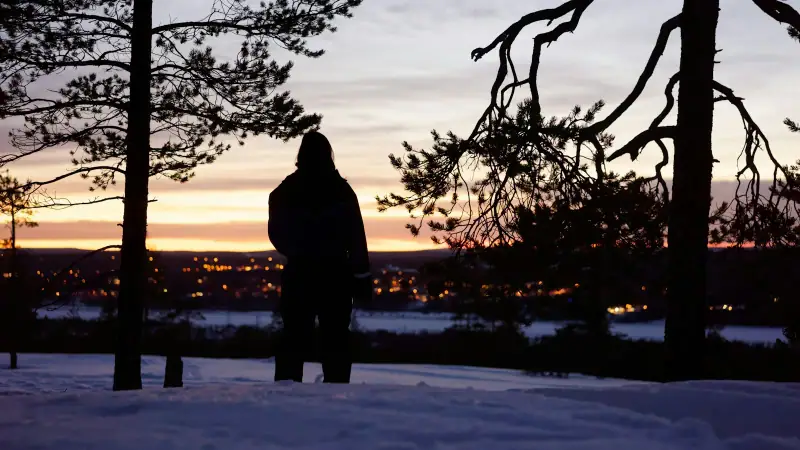
Rovaniemi: what to see and do, the essentials
Rovaniemi must-sees: Arktikum museum, Santa Claus Village, Ounasvaara, restaurants and activities. Complete guide to Lapland's capital.
Ready-made
Lapland itineraries
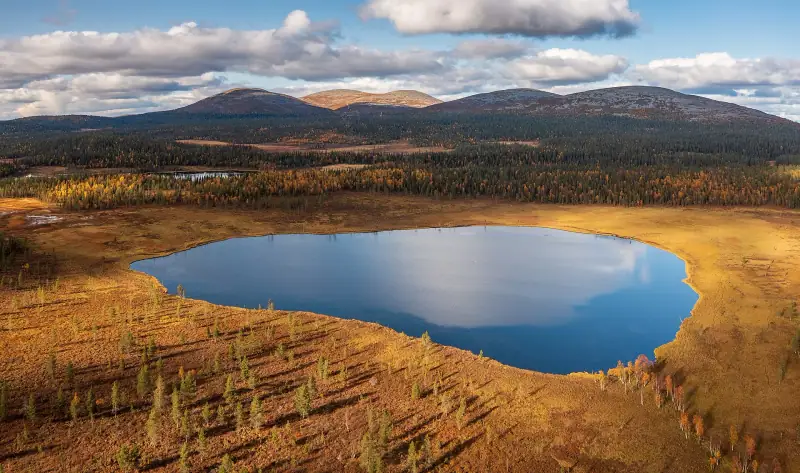
7 days
Lapland in 7 days: a complete one-week itinerary
RovaniemiSaariselkäRovaniemi
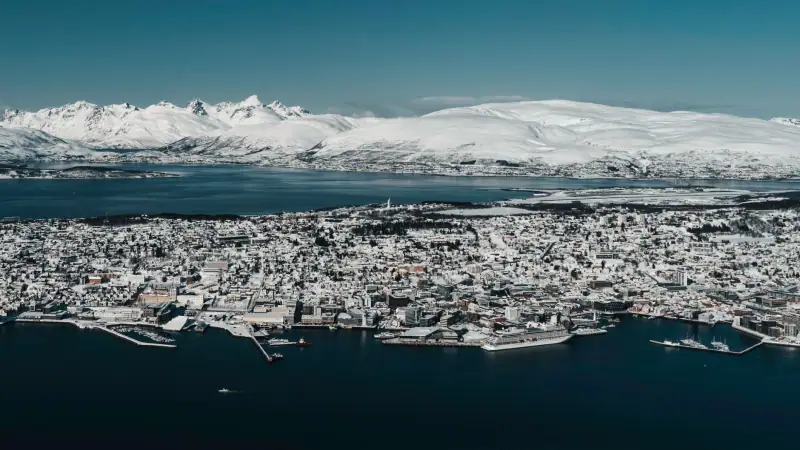
7 days
Rovaniemi and Tromsø in one week: is it doable? A realistic itinerary
RovaniemiKilpisjärviTromsø
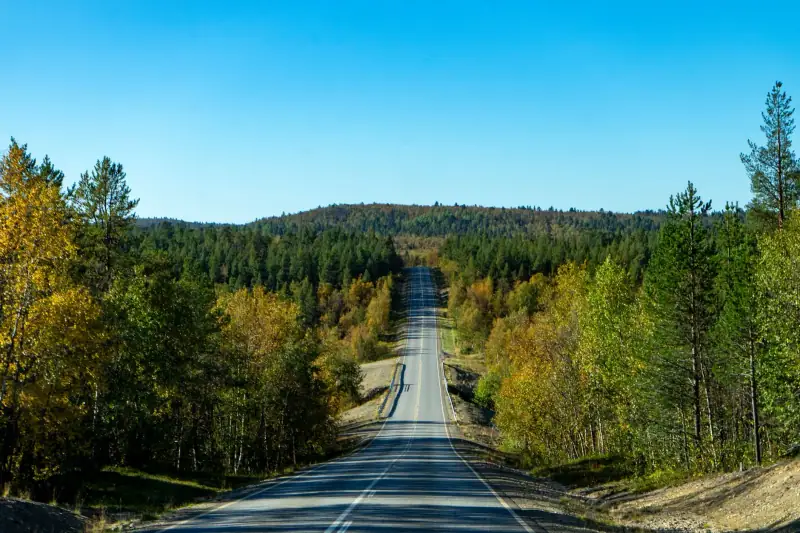
14 days
Lapland road trip: a 10 to 14-day itinerary by car
RovaniemiSaariselkäInariKarasjokAltaTromsøKiruna