Plan your trip
Best time to visit Lapland: month by month
We may earn a commission when you book through links on this page, at no extra cost to you. We don't visit or try the places we cover: we summarize published sources. How we work
In short
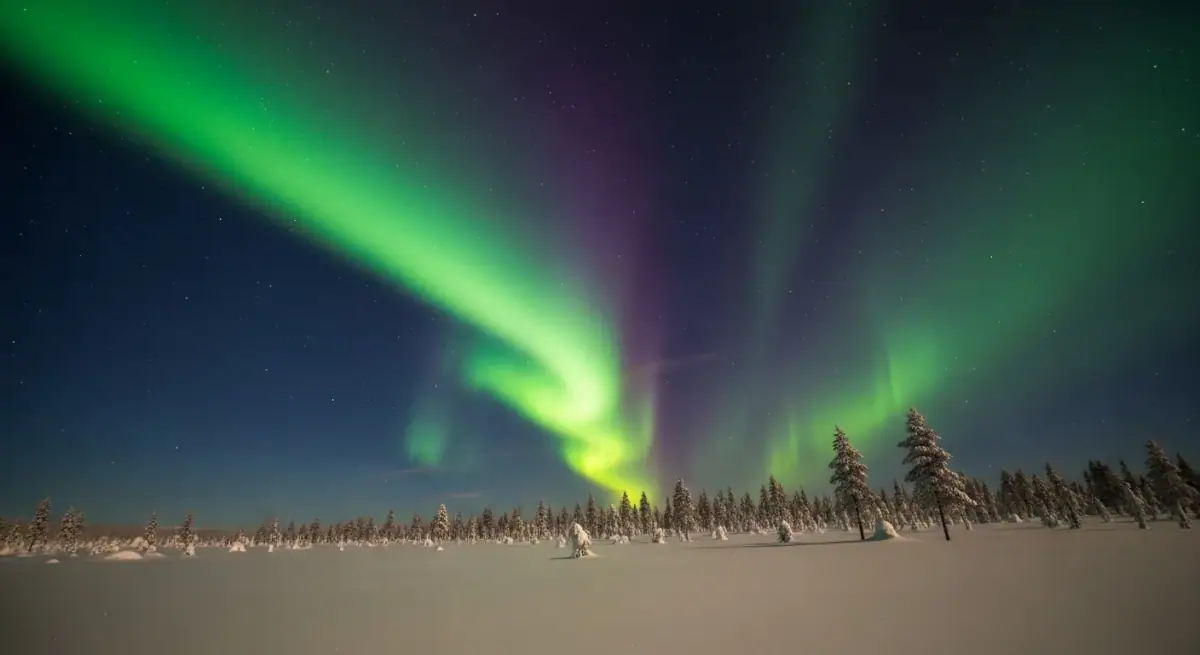
- February and March are the main recommendation for winter: returning sun (3 to 8 hours of daylight), abundant snow, all activities open and frequent aurora.
- December is the peak season and the most expensive; book 4 to 6 months ahead. May is the cheapest and quietest month, but few activities run.
- The aurora season runs from September to March; June and July have the midnight sun but no aurora because nights are too bright.
- In summer, expect abundant mosquitoes (bring a strong repellent); August-September brings the ruska autumn colors.
Choosing when to travel to Lapland is perhaps the most important decision in your planning. Unlike most destinations, Lapland changes radically with the seasons: from an all-white world at polar temperatures in winter to a land of greenery and perpetual light in summer. Each season has its own charms, drawbacks and exclusive activities.
Here is a month-by-month breakdown to help you choose the ideal time for your priorities.
Season-by-season calendar
November: the first snows
November marks the start of the winter season in Lapland. Snow settles in gradually, first in the northernmost regions, then across the territory. Temperatures drop to an average of -5 to -15 °C (23 to 5 °F).
Pros:
- Prices still reasonable before the Christmas high season
- First northern lights of the season under clear skies
- Authentic atmosphere with few tourists
- Fresh, pristine snow
Cons:
- Few organized activities, some camps still closed
- Little daylight (3 to 4 hours in Rovaniemi)
- Snow sometimes insufficient for some activities (dog sledding)
Verdict: Ideal for lovers of authenticity and quiet, but less suited to families with children.
December: Christmas magic
December is the absolute high season in Lapland, especially around the Christmas holidays. Rovaniemi and its Santa Claus Village welcome hundreds of thousands of visitors. The polar night is at its peak.
Pros:
- Incomparable Christmas magic, especially for children
- Guaranteed snow and fairy-tale landscapes
- Many activities: reindeer sleigh, dog sledding, snowmobiling
- Polar night: a once-in-a-lifetime experience
Cons:
- Very high prices (hotels, activities, flights)
- Big crowds, especially in Rovaniemi
- Very cold temperatures (-15 to -30 °C / 5 to -22 °F)
- Little daylight for photos
Verdict: The most magical period, but also the most expensive. Book 4 to 6 months ahead.
Christmas stays in Lapland
Find the best offers for Christmas in Lapland.
January: deep winter
January is the coldest month of the year in Lapland. Temperatures regularly reach -25 to -35 °C (-13 to -31 °F) in the northernmost areas. It is also a period of great calm after the festive rush.
Pros:
- Abundant snow and perfect winter conditions
- Fewer tourists than in December
- Prices slightly lower than the Christmas high season
- Long nights suited to the northern lights
- Intimate, wild atmosphere
Cons:
- Extreme cold requiring specialized gear
- Very limited daylight
- Some activities canceled in severe cold
Verdict: For lovers of deep cold and extreme experiences. The Arctic winter in its purest form.
February-March: the best winter period
February and March are the best bet for visiting Lapland in winter. The sun gradually returns, days lengthen, snow stays abundant and conditions are ideal for all activities.
Pros:
- Returning sun (3 to 8 hours of daylight depending on the month)
- Snow at its best in quality and quantity
- Temperatures slightly less extreme than in January
- All activities available: skiing, snowmobiling, dog sledding
- Northern lights still very frequent, especially around the equinoxes
- Golden-hour light that is absolutely magical for photos
Cons:
- High season with high prices
- Book 3 to 4 months ahead
Verdict: The top pick for winter. The best compromise between snow conditions, light, aurora and comfort.
April: between two seasons
April is a transition period. Snow starts to melt at low altitude, but winter conditions persist in the north and at altitude. Snow activities remain possible until mid-April in the northernmost areas.
Pros:
- Lower prices than in winter
- Long days with plenty of light
- Spring skiing still possible (Levi resort until May)
- Start of hiking activities in the south
Cons:
- Melted snow in the south, less photogenic landscapes
- Poorly defined transition period
- Some igloo hotels and ice cabins closed
Verdict: A compromise period for lovers of spring skiing and early hiking.
May: between two seasons (part two)
May is the least touristy period of the year. The snow has gone in the south, but summer activities are not yet fully running. Mosquitoes are starting to show their sting.
Pros:
- Lowest prices of the year
- Nature waking up, first buds
- Very few tourists, very attentive welcome
Cons:
- Few activities available
- Landscapes in an unattractive transitional state
- Mosquitoes already present in the north
Verdict: Not recommended, except for travelers on a very tight budget looking for absolute quiet.
June-July: the midnight sun
Summer Lapland is little known but absolutely magnificent. The midnight sun, the phenomenon in which the sun does not set for weeks, creates a light and atmosphere unique in the world.
Pros:
- Midnight sun: an extraordinary natural phenomenon
- Lush nature, wildflowers, deep blue lakes
- Pleasant temperatures (15-22 °C / 59-72 °F)
- Hiking in the national parks
- Kayaking, fishing, wildlife watching
- Fewer tourists than in winter (except Tromsø)
Cons:
- Abundant mosquitoes (bring a strong repellent!)
- No northern lights (nights too bright)
- White nights can disturb sleep
Verdict: Ideal for lovers of the outdoors and light. A little-known but splendid Lapland.
August-September: autumn colors
The Lapland autumn (ruska in Finnish) is one of the most beautiful natural spectacles in the world. The forests turn red, orange and gold. And in late September, the first northern lights return.
Pros:
- Spectacular autumn colors (ruska) in August-September
- Northern lights return from late August
- Fewer mosquitoes
- Hiking in ideal conditions
- Mid-range prices
Cons:
- Changeable weather, risk of rain
- Cool nights (5-10 °C / 41-50 °F in September)
- Some summer activities still available, winter ones not yet
Verdict: One of the best periods for lovers of photography and wild nature.
Month-by-month comparison table
| Month | Aurora | Snow | Sun | Prices | Crowds |
|---|---|---|---|---|---|
| November | ✅ | ⚠️ | ❌ | 💰 | ⚫ |
| December | ✅ | ✅ | ❌ | 💰💰💰 | 🔴 |
| January | ✅ | ✅ | ⚠️ | 💰💰 | 🟡 |
| February | ✅ | ✅ | ✅ | 💰💰💰 | 🔴 |
| March | ✅ | ✅ | ✅ | 💰💰 | 🟡 |
| April | ❌ | ⚠️ | ✅ | 💰 | ⚫ |
| May | ❌ | ❌ | ✅ | 💰 | ⚫ |
| June | ❌ | ❌ | ☀️24h | 💰💰 | 🟢 |
| July | ❌ | ❌ | ☀️24h | 💰💰 | 🟢 |
| August | ⚠️ | ❌ | ✅ | 💰 | 🟢 |
| September | ✅ | ❌ | ✅ | 💰 | 🟢 |
| October | ✅ | ⚠️ | ⚠️ | 💰 | ⚫ |
Average temperatures in Rovaniemi
- January: -13 °C / 9 °F (min -22 °C / -8 °F, max -4 °C / 25 °F)
- February: -12 °C / 10 °F (min -20 °C / -4 °F, max -3 °C / 27 °F)
- March: -6 °C / 21 °F (min -14 °C / 7 °F, max 2 °C / 36 °F)
- June: 13 °C / 55 °F (min 7 °C / 45 °F, max 20 °C / 68 °F)
- July: 16 °C / 61 °F (min 10 °C / 50 °F, max 22 °C / 72 °F)
- September: 7 °C / 45 °F (min 3 °C / 37 °F, max 12 °C / 54 °F)
Recommendations by profile
Northern lights above all: late September-October (dark nights, high solar activity) or February-March (good weather more often).
Christmas and Santa Claus experience: December, book 4 to 6 months ahead.
Hiking and summer nature: July-August for nature and activities, with fewer mosquitoes in late August.
Tight budget: November or October for reduced prices with still some aurora.
Family with children: December for the magic, or February for snow plus light plus activities.
Nature photography: ruska (mid-August to late September) or the winter light in March.
Whatever period you choose, Lapland will not disappoint. Each season reveals a different face of this extraordinary Arctic region, and many people return to discover the other side they have not yet experienced.
Sources
Frequently asked questions
What is the best time to see the northern lights in Lapland?
The best time to watch the northern lights is September to March. The most favorable months are September-October (dark nights, high solar activity around the equinoxes) and February-March (nice clear skies, and longer days so you can enjoy the landscape too).
When is Lapland cheapest?
The cheapest period is May (between the snow season and summer), as well as October-November before the Christmas high season. These months offer reduced prices but more limited activities.
Can you go to Lapland in summer?
Absolutely! Summer Lapland (June to August) offers the unique midnight sun, spectacular nature, hiking, kayaking and wildlife safaris. It is a very different experience from winter, but just as beautiful.
What is the best time for Lapland with children?
For families, December is the magical period par excellence, with Santa Claus, snow and winter activities. February-March is also excellent: better snow conditions, daylight for activities and temperatures a little less extreme than in December.
When is the polar night in Lapland?
The polar night (Kaamos in Finnish) mainly affects northern Lapland, from late November to mid-January depending on latitude. In Rovaniemi (on the Arctic Circle), the sun only truly disappears around the solstice, but it stays very low and days are very short in December (the "blue light"). The farther north you go, the longer the period: in Utsjoki, the sun does not rise for more than 50 days.
More Lapland guides
Keep reading
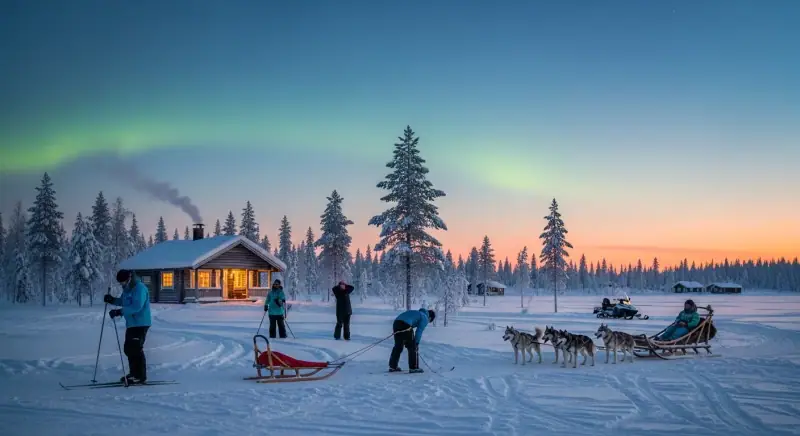
Lapland budget: how much does a trip cost?
How much does a Lapland trip cost? Detailed budget by range, prices for activities, lodging, flights and tips to cut your spending.
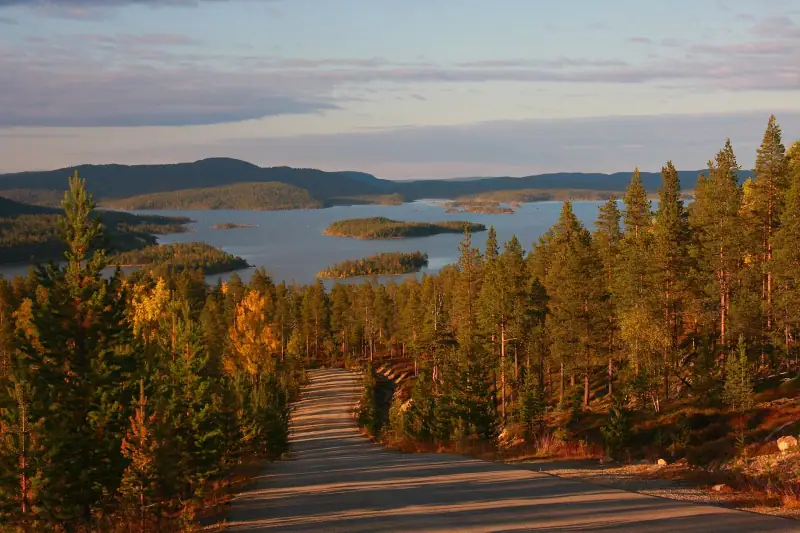
Visiting Inari: a complete guide to the heart of Sámi Lapland
Visiting Inari in Finnish Lapland: Lake Inari, Siida museum, northern lights and Arctic activities. Complete guide to plan your stay.
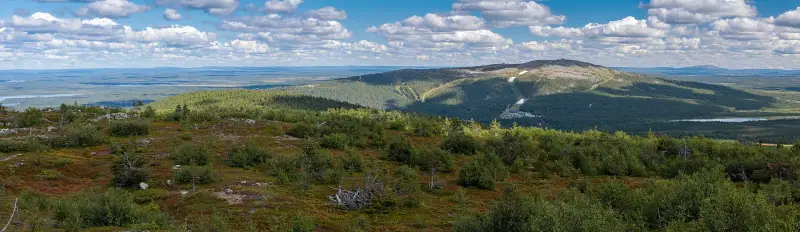
Visiting Levi: a complete guide to Lapland's ski resort
Complete guide to visiting Levi in Finnish Lapland: skiing, northern lights, activities, accommodation and practical tips for a successful stay.
Ready-made
Lapland itineraries
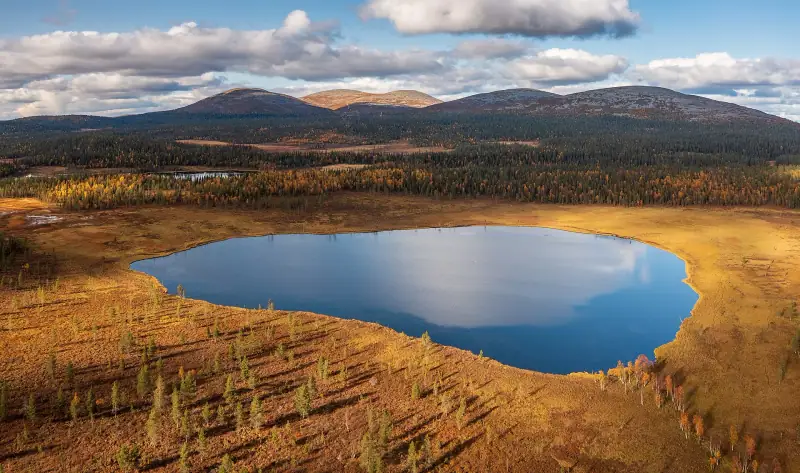
7 days
Lapland in 7 days: a complete one-week itinerary
RovaniemiSaariselkäRovaniemi
7 days
Rovaniemi and Tromsø in one week: is it doable? A realistic itinerary
RovaniemiKilpisjärviTromsø
14 days
Lapland road trip: a 10 to 14-day itinerary by car
RovaniemiSaariselkäInariKarasjokAltaTromsøKiruna