What to see
Complete guide to visiting the Italian Lakes: Como, Maggiore, Garda, Orta and Iseo
We may earn a commission when you book through links on this page, at no extra cost to you. We don't visit or try the places we cover: we summarize published sources. How we work
In short
- Three to four days are enough for one lake such as Como; plan about a week for two lakes (Como and Maggiore) and ten days to add Lake Garda.
- May, June and September are generally the best compromise between weather, full boat service and manageable crowds; July and August mean crowds and high prices.
- Como and Maggiore work well without a car (train from Milan, then boats); a car is more useful on Lake Garda or for a multi-lake circuit, where limited-traffic zones (ZTL) matter.
- The article's budget profiles are about €90 (~$105), €190 (~$220) and €380 (~$440) per person per day, excluding travel to the area.
At the foot of the Alps, between Lombardy, Piedmont, Veneto and Trentino, a series of large glacial lakes makes up one of the most sought-after regions of Italy. Villages with colorful façades, villas surrounded by gardens, Baroque islands, medieval castles, vineyards and mountains plunging into the water: the setting can charm couples looking for romance as well as families, hikers and food lovers.
This guide is the starting point of your whole trip. It presents the five main lakes, their towns and highlights, then answers the practical questions: when to go, how to get there and around, where to stay and how much to plan. Each section links to a detailed article for more. Distances and durations are approximate: always check official timetables and prices before booking, as they vary with the season.
The Italian Lakes at a glance
When people talk about the “Italian lakes,” they usually think of the three giants: Como, Maggiore and Garda. But two smaller lakes also deserve a place in an itinerary: Orta and Iseo. Each has its own character.
| Lake | Region | Atmosphere | Key towns and sights |
|---|---|---|---|
| Como | Lombardy | Spectacular, elegant, very “postcard” | Como, Bellagio, Varenna, Menaggio |
| Maggiore | Piedmont, Lombardy (and Switzerland) | Belle Époque, gardens, islands | Stresa, Borromean Islands |
| Garda | Lombardy, Veneto, Trentino | Seaside, sporty, family-friendly | Sirmione, Riva del Garda, Malcesine |
| Orta | Piedmont | Intimate, calm, romantic | Orta San Giulio, San Giulio Island |
| Iseo | Lombardy | Authentic, little visited | Monte Isola, Lovere, Franciacorta |
Lake Garda is the largest of the Italian lakes, which explains why distances there are greater than elsewhere. Lake Como, narrower, is split into three branches and its villages face each other across the water. Lake Maggiore is shared between Italy and Switzerland. Orta is a small secret lake, and Iseo remains one of the least known to foreign visitors.
If you are still unsure which lake to pick, our comparison of which Italian lake to choose helps you decide based on your traveler profile. Here is a portrait of each.
Lake Como: villas, villages and mountains
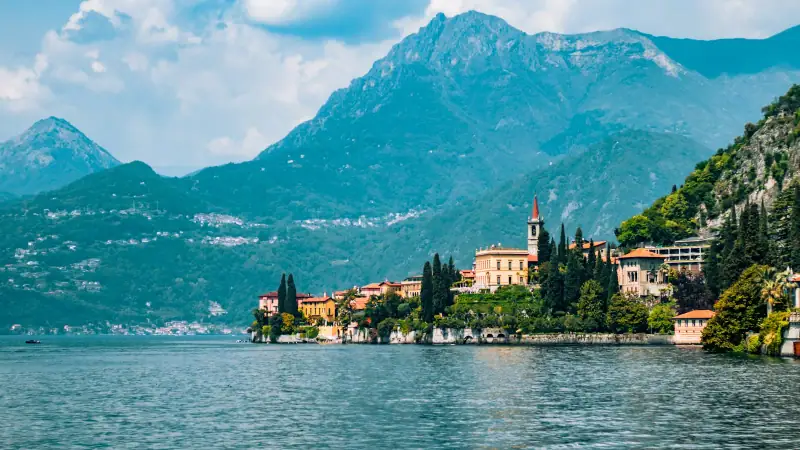
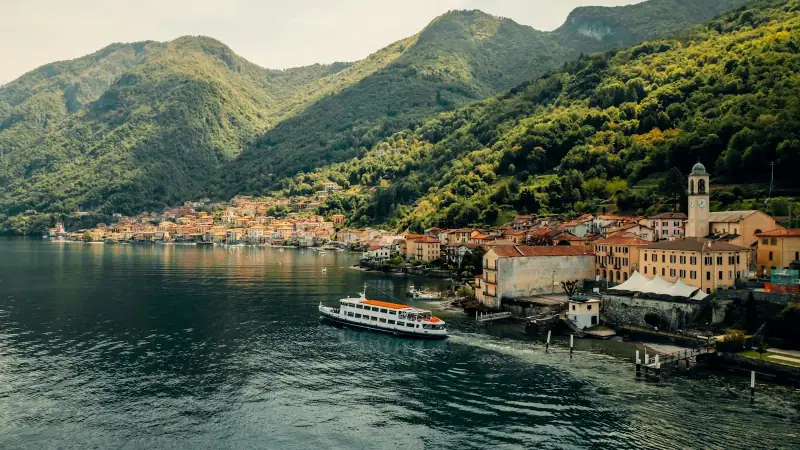
Lake Como is probably the most famous of all. Its upside-down Y shape, its steep shores where mountains drop straight into the water and its colorful villages give it the look of a film set. It is also the easiest to reach from Milan, which makes it an ideal gateway for a first stay.
Como, the town at the foot of the lake
Como, at the southwest end of the lake, is a real town with a pedestrian historic center, a cathedral, a waterside promenade and a station linked to Milan in about an hour. It is a practical and more affordable base than the star villages. You can spend half a day there, wander the lanes, then board a boat to reach the rest of the lake.
Bellagio, the pearl of the lake
Bellagio occupies the point that separates the two southern branches of the lake. Stepped lanes, shops, café terraces and villa gardens: it is the best-known village, and therefore also the busiest and most expensive in high season. Its central location still makes it a prime base, with boats to both shores.
Varenna and the east shore
Varenna, on the eastern shore, charms with its pastel-colored houses, small harbor and sloping lanes. It is served by train via Lecco, and calmer than Bellagio in the evening, once the day visitors have left.
Menaggio, Tremezzo and the villas
On the west shore, Menaggio and Tremezzo give access to two major villas open to visits: Villa Carlotta, in Tremezzo, known for its gardens, and Villa del Balbianello, near Lenno. They are among the lake’s highlights for history and photography fans.
For a day-by-day program among these stops, see our 3-day Lake Como itinerary. And if you are looking for the right place to stay, our guide where to stay on Lake Como compares Bellagio, Varenna, Como and Menaggio.
Hotels, guesthouses and apartments in Como, Bellagio or Varenna: compare prices and reviews, and filter by view and proximity to the landing stages.
Lake Maggiore: Borromean Islands and Belle Époque elegance
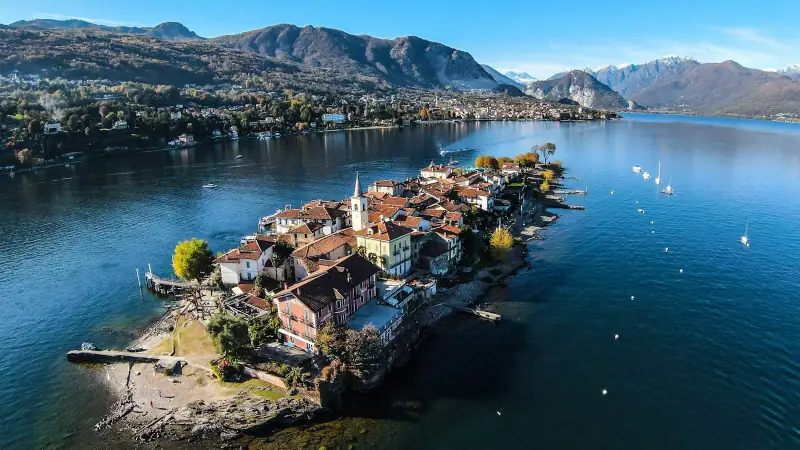
Lake Maggiore stretches between Piedmont, Lombardy and Switzerland. On the Italian side, its main resort town is Stresa, whose majestic hotels and flowered promenade recall the time when European aristocrats vacationed there. The atmosphere is more restrained than at Como, more focused on history, gardens and rest.
Stresa, a great base
Stresa is reachable by train from Milan in a little over an hour, and is the natural starting point for exploring the lake. From the town, a cable car leads to Mottarone, a viewpoint with views of the lake and, in clear weather, the surrounding Alpine peaks.
The Borromean Islands
The great draw of Lake Maggiore is the Borromean Islands, reached in a few minutes by boat from Stresa:
- Isola Bella: a Baroque palace and terraced gardens, which you can visit;
- Isola Madre: a large botanical garden with a peaceful atmosphere;
- Isola dei Pescatori: a still-inhabited fishing village, with its lanes and waterside restaurants.
You can see them in the same day, combining the three stops. Our article on the Borromean Islands covers the visiting order, what to see on each and how to avoid the crowds.
Lake Garda: the biggest and liveliest
Shared between three regions, Lake Garda is the largest and the most beach-resort-like. Its milder climate explains the presence of olive and citrus trees on some shores. It is the lake of families, sporty travelers and swimming lovers, with pebble and sand beaches, amusement parks nearby and many water activities.
Sirmione and the south of the lake
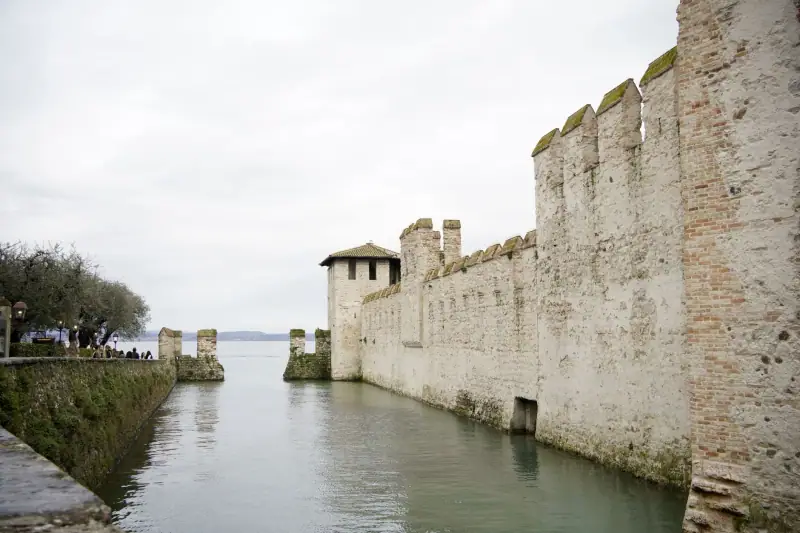
Sirmione juts into the lake at the end of a thin peninsula. You enter it over a drawbridge, in front of the medieval Scaliger Castle surrounded by water. At the tip of the peninsula, the Roman remains called the Grottoes of Catullus overlook the lake, and the thermal springs give the town a wellness vocation. It has no station: you get there by bus from Desenzano or Peschiera, or by car. Our guide to visiting Sirmione covers the castle, grottoes and baths.
The north: Riva del Garda and Malcesine
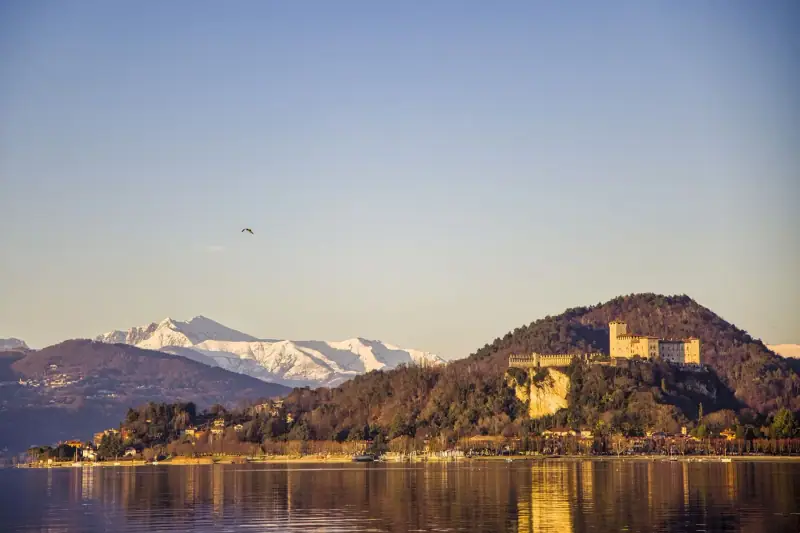
In the north, the lake narrows between higher mountains, and the atmosphere becomes alpine. Riva del Garda is a hub for sailing and windsurfing, while Malcesine charms with its castle perched over the lake and the Monte Baldo cable car. Hikers and active travelers will feel at home. Details of the activities are in our article on northern Lake Garda.
Boat rides, guided visits and day excursions: compare offers for tastings, cruises and activities around the big lakes.
The small lakes: Orta and Iseo
If your stay lasts more than five or six days, add one of the two “small” lakes: they offer a quiet counterpoint to the big names.
Lake Orta
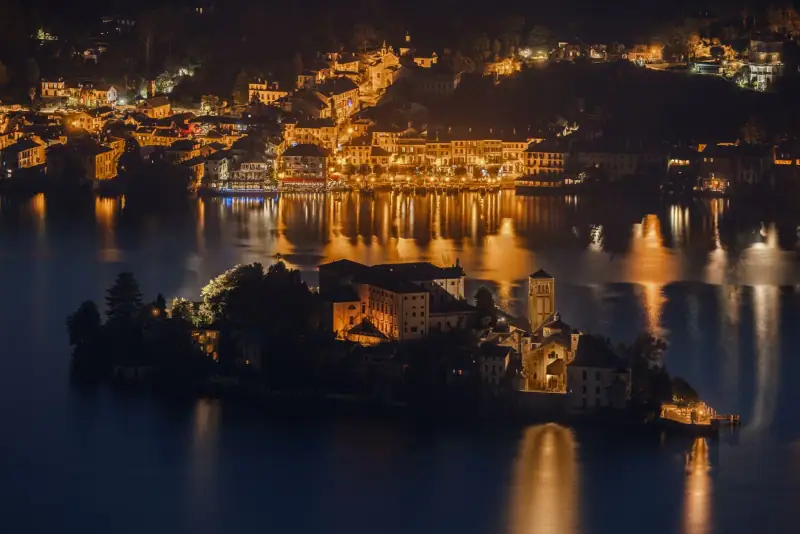
West of Lake Maggiore, Lake Orta is a small, intimate jewel. Its main village, Orta San Giulio, is built on a peninsula, with a cobbled square opening onto the water and lanes lined with old palaces. Facing the village, San Giulio Island holds a basilica and an abbey. The Sacro Monte of Orta, a UNESCO World Heritage site, overlooks the town with its chapels in a wooded park. Our guide Orta San Giulio and San Giulio Island helps you plan a day there.
Lake Iseo
Between Bergamo and Brescia, Lake Iseo remains one of the least visited. It holds Monte Isola, considered the largest lake island in Italy, where you get around on foot, by bike or by shuttle, with fishing villages and trails. Farther south, Franciacorta is a wine region known for its sparkling wines. All this is covered in our article Monte Isola, Lovere and Franciacorta.
When to go to the Italian Lakes
The lakes’ climate is relatively mild thanks to the regulating effect of the water, but the seasons are distinct, and the time of year changes the experience a lot.
- April and May: spring wakes the gardens, azaleas and rhododendrons bloom, boats resume longer schedules and crowds are still moderate. Days can be cool and a little rainy.
- June: days are long and warm, villages lively, without the stifling heat of midsummer.
- July and August: peak season. It is hot and swimming is pleasant, but crowds are at their maximum, prices climb and car parks saturate. Book far ahead.
- September: for many travelers, the best month. The water is still warm, the light is beautiful and crowds thin out. The harvest begins in the wine regions.
- October: fall colors brighten the mountains, but days shorten and some activities slow down.
- November to March: the low season. Villages are calm and prices low, but many hotels, restaurants and gardens close or reduce their hours, and boat links become scarce.
Our guide to the best time to visit the Italian lakes covers each month, with climate, events and tips by profile. As a general rule, May, June and September are the three best choices for most visitors.
How to get to the Italian Lakes
By plane
Most travelers go through Milan, which has several airports. Malpensa is the most practical for Lakes Como and Maggiore, with an express train to central Milan. Bergamo (Orio al Serio) mainly serves European flights and is well placed for Lake Iseo and Lake Como. For Lake Garda, Verona is the closest airport. Fares vary strongly by date: compare several airports before booking.
Three airports for five lakes: compare fares for your dates and the lake you target first.
By train
Milan is the big rail hub: from the central station, trains reach Como, Varenna and Stresa, as well as Desenzano del Garda and Peschiera del Garda, at the southern end of Lake Garda, on the main Milan-Venice line. It is often the simplest and cheapest solution for a first stop.
Entry rules
Entry rules depend on your passport. Check the official travel advice of your government before you book: travel.state.gov (US), GOV.UK (UK), travel.gc.ca (Canada), Smartraveller (Australia) (checked November 2026). For a Swiss border crossing, check the rules before you go.
Getting around: boat, train, bus or car
Getting around the Italian lakes takes a little planning: shores are steep and villages cling to the slope. Here are the essentials.
- The boat is the most pleasant means of transport, and part of the public transit network. On Lake Como, crossings link Bellagio, Varenna and Menaggio, and a ferry even carries cars. On Lake Maggiore, the Borromean Islands are a few minutes from Stresa. On Lake Garda, boats mainly serve excursions and crossings from one shore to the other.
- The train is perfect for the main axes (Milan, Como, Varenna, Stresa, south of Lake Garda), but several heavily visited places have no station, such as Sirmione.
- The bus fills the gaps in the network, notably on the west shore of Lake Como and around Lake Garda.
- The car gives freedom to link several lakes, but shore roads are narrow, parking is expensive and scarce, and the limited-traffic zones (ZTL) of historic centers can mean heavy fines.
A simple rule: for a single lake, Como or Maggiore, leave the car and combine train and boat; for Lake Garda or a multi-lake circuit, renting makes sense. Schedules, passes and pitfalls are covered in our guide to getting around the Italian lakes.
Where to stay on the Italian Lakes
The choice of base shapes your stay. The general rule: the farther you get from the “postcard village,” the lower the prices, and a short trip by train or boat is often all it takes to get back.
- On Lake Como, Bellagio is ideal for its central position, but expensive. Varenna is quieter, Como more affordable and very well linked to Milan, Menaggio a good compromise on the west shore.
- On Lake Maggiore, Stresa remains the most practical base for the Borromean Islands, with a wide choice of hotels. Staying in a neighboring town can lower the bill.
- On Lake Garda, the choice depends on your plan: Sirmione and Desenzano in the south for relaxation and thermal baths, Riva del Garda and Malcesine in the north for sport and mountains.
- On the small lakes, Orta San Giulio offers a romantic stay in an intimate setting, while Lake Iseo suits those who want to avoid the crowds.
A few tips valid everywhere: book early for summer, as the best-located accommodation goes quickly; check the cancellation conditions; plan for the tourist tax, paid on the spot; and choose a place close to a landing stage or station if you travel without a car. For cobbled lanes and stairs, pack light.
What budget to plan
The Italian lakes are not a cheap destination, but you can adjust your spending. Our budget article uses three profiles per person per day, excluding travel to the area:
| Profile | Budget per day | Over 7 days |
|---|---|---|
| Thrifty | about €90 (~$105) | about €630 (~$730) |
| Comfort | about €190 (~$220) | about €1,330 (~$1,545) |
| High-end | about €380 (~$440) | about €2,660 (~$3,085) |
Accommodation is the biggest expense, with very large gaps between an iconic village in summer and a neighboring town out of season. Local transport stays reasonable if you stick to trains, buses and regular ferries, whereas car rental, fuel and parking quickly push up the bill. For meals, the difference mostly comes from location: a terrace facing the lake costs clearly more than a slice of pizza or lunch on a side street.
A few ways to save: travel in May, June or September rather than midsummer, stay outside the star villages, use regional trains from Milan and compare boat passes before buying single tickets. The detailed figures, item by item, are in our guide to the Italian Lakes budget.
From a small hotel to an apartment with a view: filter by lake, budget and rating to find good value.
What to eat on the Italian Lakes
Each lake has its specialties, often based on freshwater fish, mountain products or the local production of olive oil and wine. Lombard, Piedmontese and Venetian cooking sit side by side: risottos, polenta, cured meats, cheeses, fresh pasta and regional desserts vary from one lake to another. Lake Garda is also known for its olive oils and white wines, and Franciacorta for its sparkling wines.
To taste rather than simply eat, some excursions offer cooking classes, wine tastings or producer visits, which let you meet local people. Our article what to eat in the Italian lakes covers the specialties lake by lake, with tips for choosing a restaurant.
How to organize your stay
Here are three typical plans by length. They are deliberately simple: it is better to see fewer lakes and have time to enjoy them than to make ten stops without a breather.
A long weekend (3 to 4 days): a single lake
Choose Lake Como if it is your first time: Milan is close, the train is simple and you can visit the villages by boat. Follow our three-day itinerary, which links Como, Bellagio and Varenna.
A week: two lakes
Combine Como and Maggiore: trains and buses let you go from one to the other without a car. Spend three or four days on Como, then two or three days around Stresa and the Borromean Islands. If you travel with children or like swimming, replace Lake Maggiore with Lake Garda.
Ten days: three lakes, or two plus a secret lake
With ten days, add Lake Garda, or slip in a stop at a small lake: Orta between Maggiore and Como, Iseo between Como and Garda. The idea is to limit base changes to two or three, so you do not spend most of the stay packing and unpacking.
By type of traveler
- Couples: Bellagio, Varenna, Orta San Giulio, a dinner by the lake, a villa and its gardens;
- Families: Lake Garda, with its beaches, nearby parks and boat rides;
- Active travelers: Riva del Garda and Malcesine for sailing, hiking and mountain biking;
- History lovers: Lake Como villas, the Isola Bella palace, Grottoes of Catullus, Sacro Monte of Orta;
- Food lovers: Franciacorta, Lake Garda olive oil and wine producers, local markets.
Day excursions, villa visits, wine tastings and cruises departing from Milan or the lakes: book ahead to avoid queues.
Tips for a successful trip
- Limit the number of lakes: a relaxed trip beats a marathon. Two lakes in a week is a good pace.
- Start early: the best-known villages are much more pleasant before groups and day-trippers arrive. In the evening, after the day visitors leave, the atmosphere becomes peaceful again.
- Book accommodation early: especially for summer and weekends, as the best places fill first.
- Bring comfortable shoes: villages have cobbled streets, stairs and slopes.
- Keep slack in your schedule: boats and buses do not run as often as in a big city, and the last evening departure can be early.
- Watch out for ZTLs if you rent a car, and park at the entrance of villages.
- Consider insurance: travel insurance and, depending on how you travel, insurance for the rental vehicle.
- Check visiting hours of villas, gardens and castles before you set out: many close in low season or one day a week.
In summary
The Italian lakes offer much more than a setting: five distinct worlds, reachable in a short time from Milan, with rich heritage, careful cooking and landscapes that change with each season. For a first trip, go for Lake Como, add Lake Maggiore if you have a week, and save Lake Garda for family vacations or active travelers. Choose May, June or September, travel light and leave the car behind when you can.
To keep planning, explore our guides: which Italian lake to choose, best time to go, budget, entry requirements, getting around, where to stay on Lake Como and what to eat. For specific places: Lake Como in 3 days, Borromean Islands, Sirmione, northern Lake Garda, Orta San Giulio and Lake Iseo.
Frequently asked questions
How many days do you need to visit the Italian Lakes?
Three to four days are enough to discover a single lake, such as Como, without rushing. To combine two lakes, for example Como and Maggiore, plan closer to a week. With ten days, you can add Lake Garda. Trying to see everything in a weekend would mostly have you spend your time in transport.
What is the most beautiful lake in Italy?
It depends on what you are looking for. Lake Como is the most spectacular, with its steep shores and villas. Lake Maggiore charms with its Borromean Islands and gardens. Lake Garda, the largest, suits families and fans of swimming and water sports better. Our comparison covers these differences.
What is the best time to visit the Italian Lakes?
May, June and September generally offer the best compromise between pleasant weather, full boat service and manageable crowds. July and August are peak season, with crowds and high prices. Winter is quiet, but part of the visits, hotels and boat links run at a reduced pace.
Can you visit the Italian Lakes without a car?
Yes, especially on Lakes Como and Maggiore. The train from Milan leads to the main towns, then boats link the villages. A car becomes more useful on Lake Garda, which is more spread out, or to link several lakes. If you rent one, watch out for limited-traffic zones and parking.
Are the Italian Lakes expensive?
The most famous villages, such as Bellagio, are among the most expensive in northern Italy, especially in summer. You can, however, control the bill by staying in a neighboring town, traveling out of season and using trains and regular ferries. Our budget article gives three profiles with figures.
Do you need a passport to go to the Italian Lakes?
Entry rules depend on your passport. Check the official travel advice of your government before you book: travel.state.gov (US), GOV.UK (UK), travel.gc.ca (Canada), Smartraveller (Australia) (checked November 2026). If you plan an excursion to Switzerland from Lakes Como or Maggiore, check the border rules before you go.
More Italian Lakes guides
Keep reading
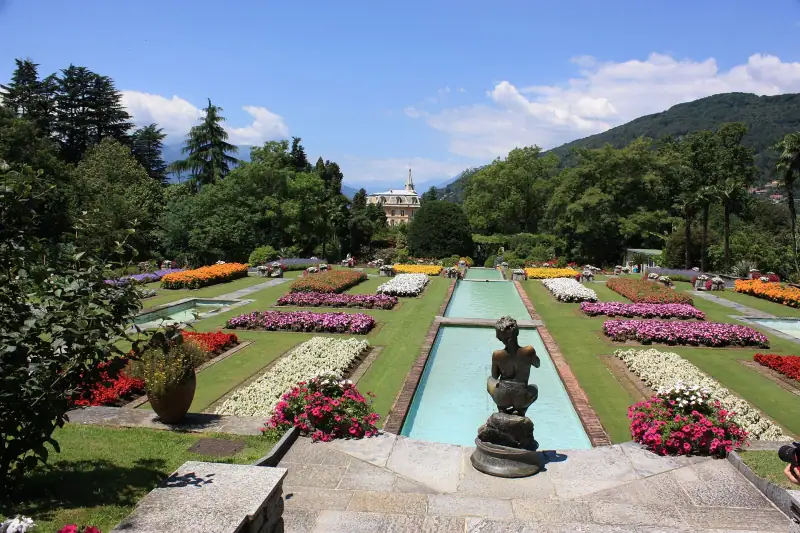
Villa Taranto in Verbania: getting there by boat, what to see and how long to allow
Villa Taranto, the botanical garden of Verbania on Lake Maggiore: boat access from Stresa, visit length, what to see, combined ticket and tips.
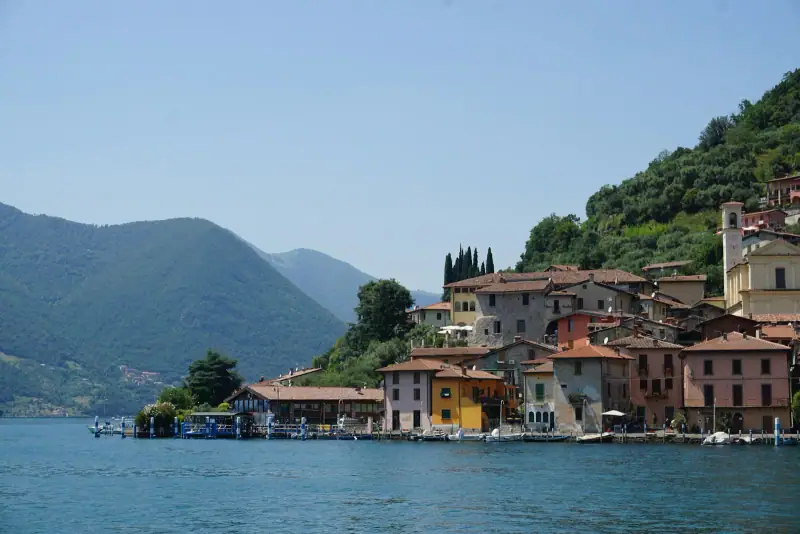
Visiting Lake Iseo: Monte Isola, Lovere and Franciacorta
Visit Lake Iseo, the quietest Lombard lake: car-free Monte Isola, Iseo, Lovere, Pisogne, Franciacorta wines, train access and tips.
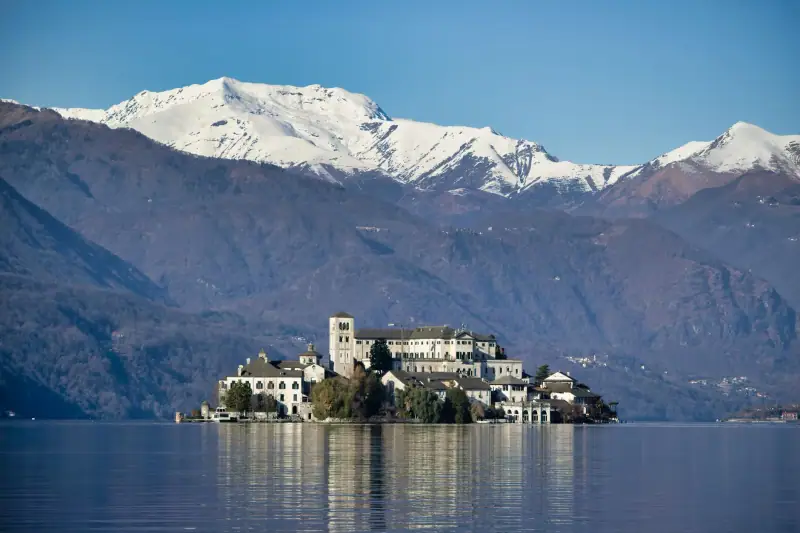
Visiting Orta San Giulio and San Giulio Island: a Lake Orta guide
Visit Orta San Giulio and San Giulio Island on Lake Orta: lanes, Sacro Monte, boat, access from Milan and Stresa, where to stay and when to go.
Ready-made
Italian Lakes itineraries
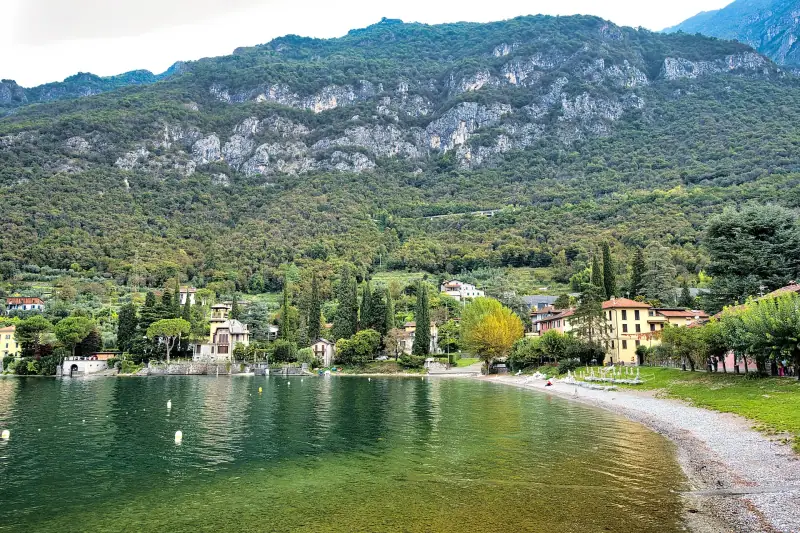
3 days
Lake Como in 3 days: Como, Bellagio and Varenna itinerary
What to see on Lake Como in 3 days? A day-by-day plan by boat and on foot: Como, Tremezzina villas, Bellagio and Varenna, no car needed.
5 days
Italian Lakes in 5 days without a car: a realistic train and boat itinerary
ComoVarennaStresaDesenzano del Garda
7 days
7-day Italian Lakes road trip: Maggiore, Como and Garda
A 7-day drive through Lake Maggiore, Lake Orta, Lake Como and Lake Garda: stops, driving times, driving and parking tips.