What to see
Visiting Protaras: A Complete Guide to Cyprus's Family Resort
We may earn a commission when you book through links on this page, at no extra cost to you. We don't visit or try the places we cover: we summarize published sources. How we work
In short
- Fig Tree Bay (about 500 m / 1,640 ft of fine white sand, shallow for 20 to 30 m) is Protaras's signature beach; Green Bay and Konnos Bay are quieter.
- Cape Greco National Park starts less than 5 km (3 mi) south; the coastal trail is about 10 km (6 mi), with little shade.
- Larnaca Airport (LCA) is 65 to 67 km (40 to 42 mi) away: 40 to 50 minutes by taxi (€55 to 65, ~$64 to 75).
- June and September are ideal; most hotels and restaurants close from November to March.
Protaras. The name does not yet ring as loud as Ayia Napa or Paphos in the collective imagination, and that may be its greatest strength. About 12 kilometers (7 mi) northeast of Ayia Napa, on Cyprus’s east coast, Protaras is the beach resort regulars jealously keep as a secret: beaches that travel guides rank among the most beautiful in the Mediterranean, water of staggering clarity, and a relaxed family atmosphere that mass tourism has not yet entirely spoiled.
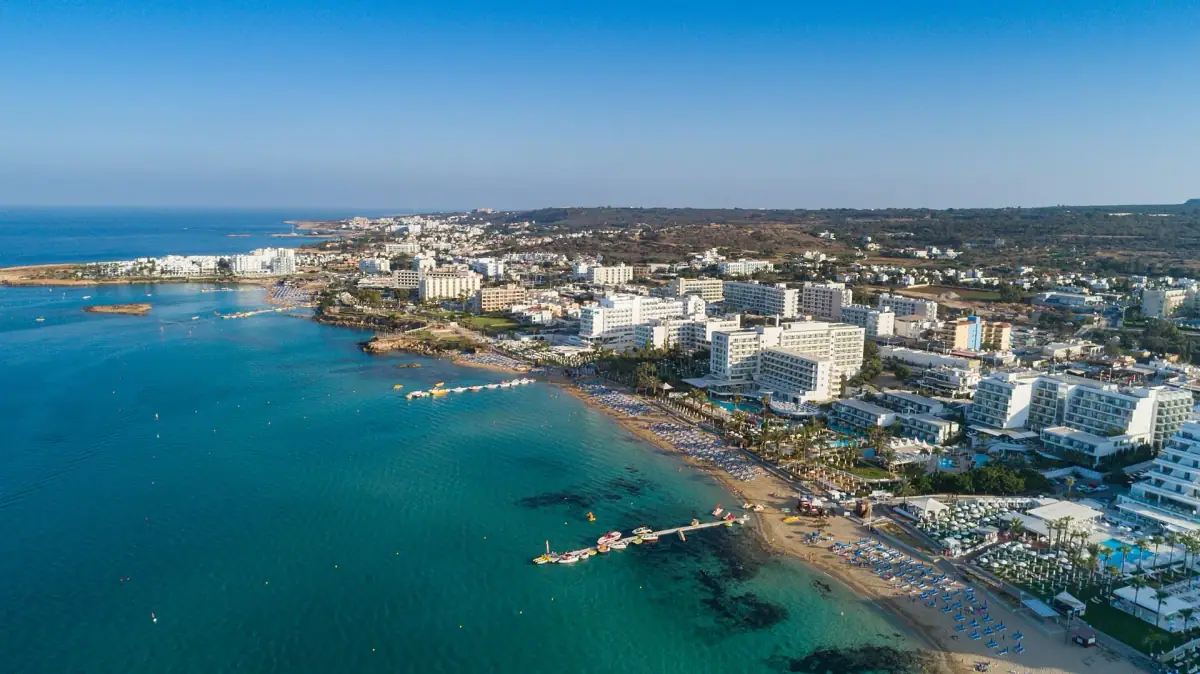
Fig Tree Bay, Protaras’s emblematic beach, is one of those rare beaches that does not disappoint. You arrive, lay your towel on very fine white sand, step into warm turquoise water that is clear down to three meters (10 ft), and understand why so many travelers come back every year. This guide gives you all the keys to visiting Protaras wisely, whether you come for a day from Ayia Napa or for a full week.
Fig Tree Bay: the beach that built Protaras’s reputation
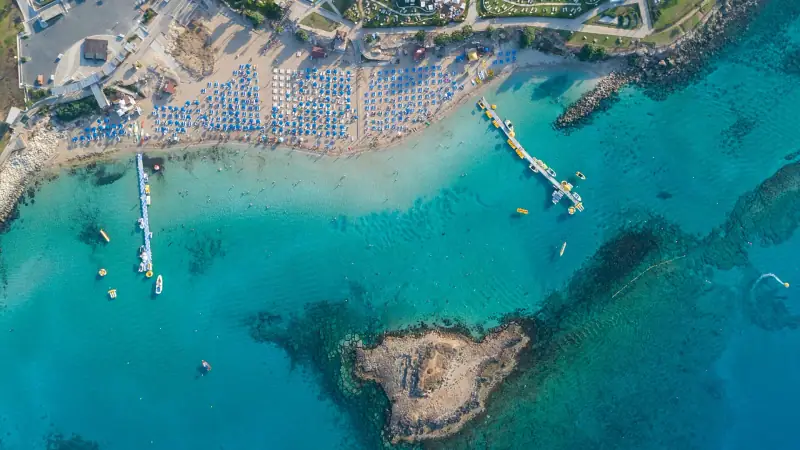
Fig Tree Bay (the “bay of the fig tree”) is the jewel of Protaras and one of the most photographed beaches in Cyprus. Its name comes from an old solitary fig tree that long shaded the north end of the beach, and it is still there.
Why Fig Tree Bay is exceptional
The beach is about 500 meters (1,640 ft) long and some fifty meters (165 ft) wide, facing due east toward the Mediterranean. Several features set it apart from most European beaches:
- The sand: very fine white sand, almost coral-like, that stays at a pleasant temperature even in the afternoon heat and does not burn your feet
- The water: an intense turquoise visible from the shore, with clarity of 3 to 5 meters (10 to 16 ft) that lets you see the fish and the sandy bottom from the surface
- The depth: the water is shallow for 20 to 30 meters (65 to 100 ft), deepening very gradually, ideal for children and cautious swimmers
- Cleanliness: Fig Tree Bay is regularly awarded the Blue Flag, a mark of water quality and impeccable beach maintenance
- Calm: despite the tourist numbers, the absence of jet skis and motorized water sports in the swimming area guarantees a serene atmosphere
The back of the beach is lined with palm trees, a few restaurants and beach bars, and the Protaras pedestrian promenade. Loungers and parasols can be rented (about €10 to 15, ~$12 to 17, for 2 loungers + 1 parasol for the day).
When to go to Fig Tree Bay
- Early morning (8-10 am): the sand is almost empty, the low light brings out the colors, the water is cool
- Late afternoon (5-7 pm): the crowd thins, the golden light is ideal for photos, the water has had all day to warm up
- July-August: the beach is packed from 10 am. Arrive very early or reserve loungers ahead through the seafront hotels
Hotels in Protaras
From family aparthotels to seafront resorts with a pool, find the ideal accommodation in Protaras.
Protaras’s other beaches
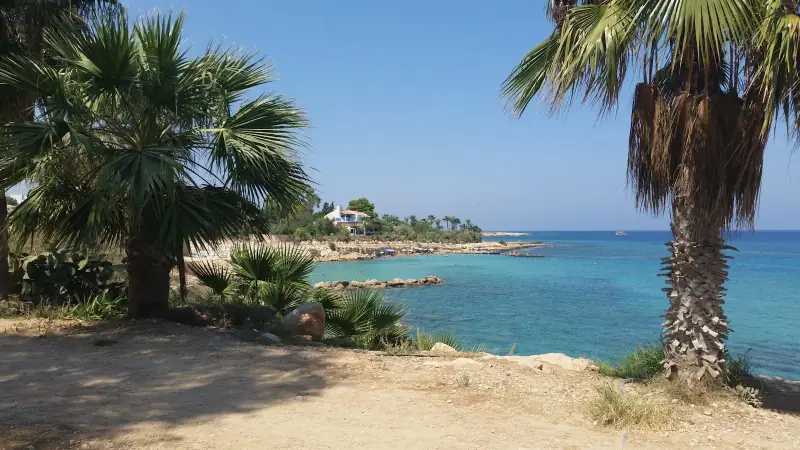
Protaras is not just Fig Tree Bay. The coast around the village has a succession of beaches and coves, often less crowded and just as beautiful.
Green Bay
South of Fig Tree Bay, on the other side of the small rocky cape, Green Bay is smaller (200 meters / 655 ft long) and less well known. Its water is just as translucent, but the beach is wilder: fewer facilities, fewer people. Reached by a path from the promenade or by kayak from Fig Tree Bay. Ideal for snorkeling, as the rocks at its ends shelter fine marine life.
Konnos Bay
About 5 km (3 mi) south of Protaras, at the entrance to Cape Greco National Park, Konnos Bay is one of the finest coves on the east coast. Sheltered by two rocky capes that create a natural haven, it offers particularly intense green-blue water and a more natural atmosphere than the Protaras beaches proper.
Access: the Konnos Bay road is signposted from the main Protaras-Cape Greco road, with paid parking in summer (~€3, ~$3.50). The beach takes some effort: 150 steps from the parking lot, but the sight is worth it.
Activities at Konnos Bay: kayak and pedal boat rental, snorkeling on the eastern reef.
Pernera Beach and Loukia Beach
Southwest of Protaras, toward the village of Pernera, several fine-sand coves follow one another along the coast. Pernera Beach (reached on foot from the village of Pernera) is popular with locals: fewer tourists, a few family tavernas set back from the beach.
Cape Greco: wild nature at Protaras’s doorstep
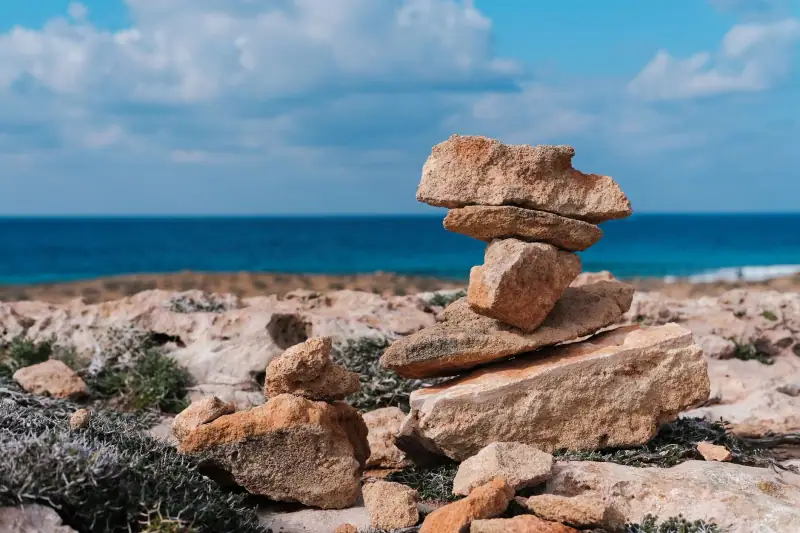
Cape Greco National Park (Kavo Greko) begins less than 5 km (3 mi) south of Fig Tree Bay and is one of the most spectacular natural sites in Cyprus. This limestone headland jutting into the sea offers a unique combination of dramatic cliffs, sea caves and wild Mediterranean vegetation. The trails are detailed in the guide to hiking at Cape Greco.
Sea caves and cliffs
The Cape Greco coast is carved by the sea into a succession of arches, caves and cavities. The most accessible:
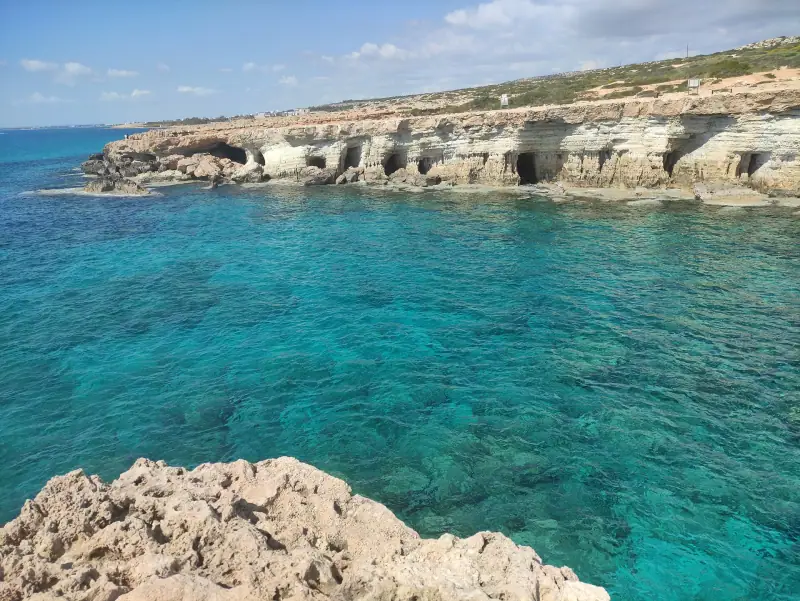
- The Sea Caves (4.7 km / 2.9 mi south of Fig Tree Bay): cavities hollowed by erosion in the white limestone cliffs, reached from a parking lot. Some can be explored by swimming or by kayak, with passages where the sea rushes in roaring. Early in the morning, the light filtering into the caves creates striking effects.
- The Konnos natural arch: visible from the coastal path, an arch of limestone plunging into the turquoise sea, one of the most reproduced images of Cyprus.
- The Agioi Anargyroi chapel on the cape: a tiny white chapel at the tip of the headland, with a 360° view of the Mediterranean and Famagusta Bay. An exceptional sunset from this point.
Hiking at Cape Greco
The park has a marked coastal trail of about 10 km (6 mi) between Ayia Napa and Konnos Bay. The most spectacular stretch runs along the cliffs for 5 km (3 mi) between the Cape Greco parking lot and Konnos Bay. Moderate elevation gain (150 to 200 m / 490 to 655 ft), suitable for all fitness levels, but with no shade: leave early in the morning with plenty of water.
Viewpoints: Cape Greco is also one of the best stargazing spots in Cyprus on a clear night, away from the light pollution of the coastal resorts.
Activities and excursions in Protaras
Sea kayaking, diving at Cape Greco, boat trips and snorkeling: book your activities from Protaras.
Diving and snorkeling in Protaras
The Protaras and Cape Greco coast is one of the best diving areas in Cyprus. The water is exceptionally clear (visibility 20 to 30 m / 65 to 100 ft) and the seabed combines several types of ecosystems: posidonia seagrass beds, rocky reefs, limestone walls and underwater caves.
Emblematic dive sites
- The White Rock Cave: an underwater cave at 10 meters (33 ft) depth south of Fig Tree Bay, accessible to beginner divers. A narrow passage opens onto a large inner cavity lit by shafts of light.
- The Cape Greco Canyon: for experienced divers (18 to 30 m / 60 to 100 ft), a fissure in the limestone rock that shelters gorgonians, moray eels and schools of barracuda.
- Konnos Bay Rocky Reef: a shallow reef (5 to 15 m / 16 to 50 ft) ideal for snorkeling and beginner diving, with groupers, rays and octopus regularly seen.
- MUSAN (Ayia Napa Underwater Museum): off Ayia Napa, Jason deCaires Taylor’s underwater sculptures can be reached from Protaras via local dive centers (8 meters / 26 ft deep, ideal visibility).
Dive centers in Protaras
Several PADI centers are based in Protaras and offer introductory dives, courses and guided trips:
- Introductory dives from €74 (~$86)
- Guided dives (1 or 2 tanks): €40 to 70 (~$46 to 81)
- Full PADI Open Water courses: €350 to 420 (~$405 to 490)
What to see in Protaras: culture and sights
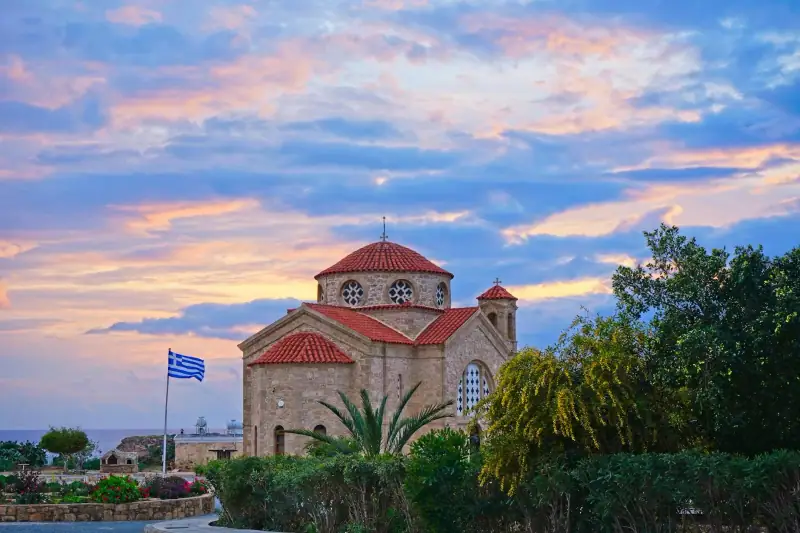
The chapel of Agios Elias
Perched on a hill about 115 meters (377 ft) above the Protaras promenade, the chapel of Agios Elias (St. Elias) is the resort’s top viewpoint. From its forecourt you take in all of Fig Tree Bay at a glance, the coast toward Ayia Napa to the south and the hills of Paralimni to the west. The path climbs from the promenade in 15 to 20 minutes on foot. The chapel is open to visitors (modest dress required).
The church of Agios Nikolaos
In the village of Protaras, near the small fishing harbor, the church of Agios Nikolaos (St. Nicholas) is the village’s main place of worship. Its sober architecture, Orthodox icons and closeness to the shore make it a cultural landmark for local residents and a welcome spiritual pause at the edge of a beach resort.
Paralimni: the authentic town
7 to 8 km (4 to 5 mi) inland, Paralimni is the “real” town of the region (about 15,000 inhabitants), where Cypriots live when the tourists leave. Its central square has three churches, Agios Georgios (in two versions: an old one from the 14th century and a modern one from the 1960s) and Agia Anna (13th century, the oldest), making Paralimni one of the few places in Cyprus with three churches in one spot. Its local tavernas without tourist prices and its Saturday weekly market offer an interesting counterpoint to the beach-resort atmosphere. Ideal for an authentic lunch away from the beaches.
Paralimni Lake (actually a seasonal wetland) is a site for flamingos in winter and spring, although Larnaca Salt Lake, 55 km (34 mi) to the south, is the main and more reliable place to see flamingos in Cyprus (up to 20,000 birds in winter).
Food in Protaras
Protaras’s food is dominated by the tourist restaurants on the promenade, but a few places let you discover authentic Cypriot cooking.
Cypriot essentials
- Meze: the quintessential Cypriot meal, a succession of 15 to 20 shared small plates (hummus, taramosalata, grilled halloumi, loukaniko, souvlaki, kleftiko, keftedakia) for €18 to 25 per person (~$21 to 29). Several tavernas in Protaras and Paralimni offer it.
- Halloumi: this semi-salted cheese made from sheep, goat and cow milk, a protected Cypriot specialty, is eaten grilled (as a starter), melted in a pita sandwich, or fried with watermelon, a sweet-salty pairing characteristic of the island.
- Fresh fish: groupers, gilthead sea bream, salema and locally caught squid. Seafront restaurants display the morning’s catch: it is fresh or it is not.
- Zivania: Cypriot pomace brandy (40 to 60% alcohol), served as a digestif in tavernas. A tradition worth trying.
Meal budget
In Protaras, prices are slightly lower than in Ayia Napa away from the beach, but remain tourist-oriented:
- Full meze in a taverna: €20 to 28 per person (~$23 to 32)
- Simple meal (souvlaki or pita): €8 to 12 (~$9 to 14)
- Dinner in a seafront restaurant: €30 to 50 per person (~$35 to 58)
- Cypriot coffee on a terrace: €2 to 3 (~$2.30 to 3.50)
To save money, the supermarkets on the promenade and pita kiosks offer full meals for €5 to 8 (~$6 to 9).
A 3-day Protaras itinerary
Day 1: Arrival and Fig Tree Bay
Morning: settle into the hotel. First swim at Fig Tree Bay; take time to soak in the quality of the water before the beach fills up. Snorkeling around the rocks at the ends of the beach.
Afternoon: climb to the chapel of Agios Elias for the coastal panorama (20 minutes’ walk from the promenade). Stroll along the seafront to Green Bay. Return along the promenade with a stop in a local café.
Evening: dinner in a taverna on the promenade or in the village. Meze recommended for a first evening.
Day 2: Cape Greco and diving
Morning: leave at 8 am for Cape Greco (5 km / 3 mi south). Hike the coastal trail: 2 to 3 hours for the cliffs stretch + Agioi Anargyroi chapel. Exceptional view of the sea from the headland.
Midday: swimming and snorkeling at Konnos Bay (150 steps from the parking lot, worth it). Picnic on the beach.
Afternoon: back to Protaras. Guided dive with a local center (book the day before) or explore the Sea Caves by kayak from Fig Tree Bay.
Evening: sunset from the Agioi Anargyroi chapel at Cape Greco (5 km / 3 mi by car), then a fresh-fish dinner back in Protaras.
Day 3: Paralimni and a coastal excursion
Morning: excursion to Paralimni (5 km / 3 mi inland). Visit the central square, lunch in a local taverna (cheaper than Protaras, more authentic).
Afternoon: RIB boat or catamaran trip from Protaras harbor. Most operators offer a coastal circuit that includes MUSAN (the Ayia Napa underwater museum), the sea caves and a swim at Cape Greco (~€45 to 55, ~$52 to 64, 3 to 4 hours).
Evening: free time: a last swim at Fig Tree Bay at sunset, an end-of-stay dinner.
Practical information
How to get to Protaras
By air: Larnaca Airport (LCA) is the nearest, 65 to 67 km (40 to 42 mi) away (40 to 50 min by car, €55 to 65 by taxi, ~$64 to 75).
Paphos Airport (PFO) is about 180 km (112 mi) away (2 h to 2 h 15 by road); book it only if you are combining with Cyprus’s west coast.
Bus from Larnaca: there is no confirmed direct link between the airport and Protaras: allow a local bus to the center of Larnaca, then an Intercity bus to Paralimni/Protaras (check timetables and season on intercity-buses.com). A shared shuttle from the airport (about €15 per adult, ~$17, about 1 h 05) is a simple alternative.
Bus from Ayia Napa: local lines 101 and 102 link Ayia Napa to Fig Tree Bay and Protaras in 20 to 27 minutes (€1.50, ~$1.75, frequent in summer).
Getting around Protaras
The promenade: Protaras has a 3 km (1.9 mi) pedestrian seafront linking the main beaches, restaurants and shops. All the central beaches are reachable on foot from the resort’s hotels.
Local buses: in summer, lines 101 and 102 run regularly (€1.50 to 2 a trip, ~$1.75 to 2.30), linking Paralimni-Protaras-Ayia Napa and Cape Greco.
Taxis: available from the seafront and hotels. Allow €15 to 20 (~$17 to 23) to Ayia Napa, €25 to 30 (~$29 to 35) to Paralimni.
Rental car: recommended for Cape Greco, Konnos Bay and trips to Larnaca or Nicosia. Allow €25 to 45 a day (~$29 to 52). Reminder: you drive on the left in Cyprus. Check driver’s license requirements with your rental company.
Bike: several bike and e-scooter rental shops on the promenade. Cycling is ideal for reaching neighboring beaches and the start of Cape Greco (5 km / 3 mi of partly marked coastal track).
Budget in Protaras
Protaras is slightly cheaper than Ayia Napa for accommodation, comparable for dining:
| Item | Budget | Comfort |
|---|---|---|
| Accommodation (night) | €55-85 (~$64-99) | €110-200 (~$128-230) |
| Meals (per day) | €20-35 (~$23-41) | €45-75 (~$52-87) |
| Local transport | €5-15 (~$6-17) | €15-35 (~$17-41) |
| Activities | €15-35 (~$17-41) | €50-100 (~$58-115) |
| Total / day | €95-170 (~$110-195) | €220-410 (~$255-475) |
For a full analysis of prices and tips for controlling your Cyprus budget, see the Cyprus budget guide.
Accommodation in Protaras
Protaras’s accommodation is dominated by aparthotels and family resorts with a pool, which sets it apart from Ayia Napa (more geared to large beach hotels). Several accommodation areas:
- Fig Tree Bay seafront: the best locations, direct beach access, highest prices (€150 to 300 a night in high season, ~$175 to 350). Booking several months ahead is recommended.
- Protaras promenade: 5 to 10 minutes’ walk from Fig Tree Bay, wider price range (€60 to 150 a night, ~$70 to 175).
- Protaras village / Pernera: quieter, less touristy, ideal for a long stay or a tight budget.
Car rental in Protaras
Essential for exploring Cape Greco, Konnos Bay and ranging out to Larnaca and Nicosia from Protaras.
Protaras in your Cyprus trip
Protaras naturally combines with Ayia Napa (12 to 13 km / 7 to 8 mi south) for a week in the east coast region: Protaras for the day and beaches, Ayia Napa for an evening or an excursion to MUSAN. This pairing is also the most common stay pattern in summer.
Ranging out from Protaras, Larnaca is 55 km (34 mi) away (45 minutes), an ideal excursion for the Church of St. Lazarus, the salt lake and the flamingos. For a 7 to 10-day stay including Protaras, Larnaca, Limassol and Paphos, the Cyprus road trip offers a ready-made itinerary.
Finally, if Cyprus’s beaches are your priority, the guide to the best beaches in Cyprus compares Fig Tree Bay with the island’s other must-see spots.
Protaras has the rare quality of satisfying two kinds of travelers at once: those looking for the most beautiful beaches in the Mediterranean, and those who want a stress-free week, as a family or a couple, in a beach resort that has not yet lost its sense of proportion. If you hesitate between Protaras and Ayia Napa, choose Protaras to sleep, and spend an evening in Ayia Napa if you feel like it.
Frequently asked questions
Is Protaras suitable for families with children?
Protaras is probably the best family destination in all of Cyprus. Its beaches such as Fig Tree Bay and Green Bay have shallow, calm, crystal-clear water, ideal for little ones. The atmosphere is much quieter than Ayia Napa: no big nightclub, a promenade lined with family restaurants, and a water park (WaterWorld) about 15 to 20 minutes away. Accommodation is mostly aparthotels and family resorts with a pool.
What is the best beach in Protaras?
Fig Tree Bay is unquestionably the most famous: very fine white sand, turquoise water of exceptional clarity, shallow for 20 to 30 meters (65 to 100 ft). It is regularly ranked among the most beautiful beaches in the Mediterranean. For more calm, Green Bay (south of the cape) and Konnos Bay (5 km / 3 mi away) offer a wilder atmosphere with the same water quality.
What is the difference between Protaras and Ayia Napa?
Ayia Napa (12 to 13 km / 7 to 8 mi south) is known for its nightlife, big nightclubs and very lively beaches. Protaras is more family-oriented, calmer and less crowded. Protaras's beaches are generally judged more beautiful and the water cleaner. Prices are slightly higher in Protaras for quality accommodation, but the atmosphere is completely different. Many travelers choose Protaras as a base and spend an evening in Ayia Napa.
How do you get to Protaras from Larnaca Airport?
Larnaca Airport (LCA) is about 65 to 67 km (40 to 42 mi) from Protaras. By taxi, allow €55 to 65 (~$64 to 75) and 40 to 50 minutes. By bus, you generally need to go through Larnaca and then take an Intercity bus to Paralimni/Protaras (check timetables on intercity-buses.com); shared shuttles from the airport also exist (about €15 per adult, ~$17, about 1 h 05). Renting a car at the airport is the most practical solution if you plan to explore the area.
Do you need a car in Protaras?
To enjoy only Fig Tree Bay and the Protaras promenade, a car is not essential in season (shuttles and taxis are available). A car is, however, strongly recommended to explore Cape Greco, get to Konnos Bay, range out to Ayia Napa and Larnaca, and discover the hinterland. You drive on the left in Cyprus, on generally well-maintained roads.
When should you go to Protaras?
June and September are ideal: warm sea (24 to 26 °C / 75 to 79 °F), reliable sun, fewer people than July-August. July and August offer the best beach conditions but concentrate most of the tourists. May is pleasant for hiking at Cape Greco. Winter (November-March) is off season: most hotels and restaurants close, but the village keeps an authentic local life.
Are there things to do in Protaras apart from the beaches?
Yes. Cape Greco (a national park 5 km / 3 mi away) is a highlight: limestone cliffs, sea caves, coastal hikes and diving. The chapel of Agios Elias on the hill offers a 360° panorama over the whole east coast. The Protaras promenade links the beaches and restaurants over 3 km (1.9 mi). And Paralimni, 7 to 8 km (4 to 5 mi) inland, is an authentic Cypriot town off the tourist circuit, with three churches in its center.
More Cyprus guides
Keep reading
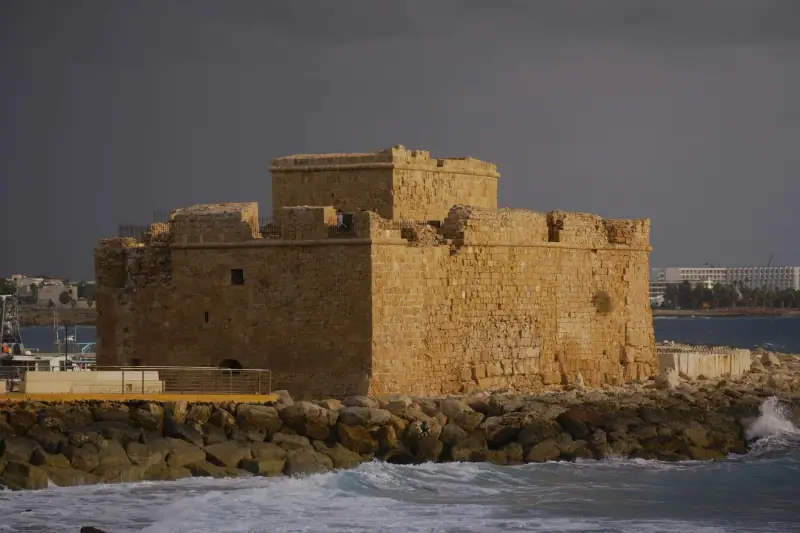
Visiting Paphos: A Complete Guide to the City of Aphrodite
Visit Paphos: UNESCO Roman mosaics, Tombs of the Kings, the harbor castle, Aphrodite's Rock, Coral Bay and the Akamas. A complete guide.
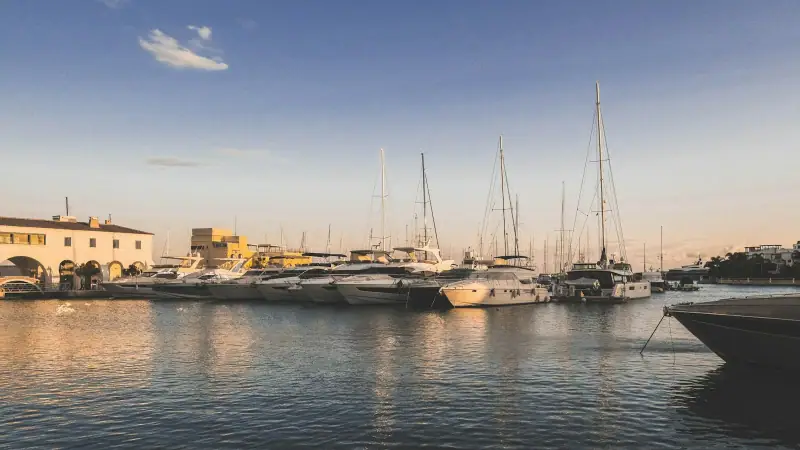
Visiting Limassol: A Complete Guide to Cyprus's Second City
Everything you need to visit Limassol: medieval castle, old town, marina, beaches, wine and food. A complete guide with a 2-day itinerary.
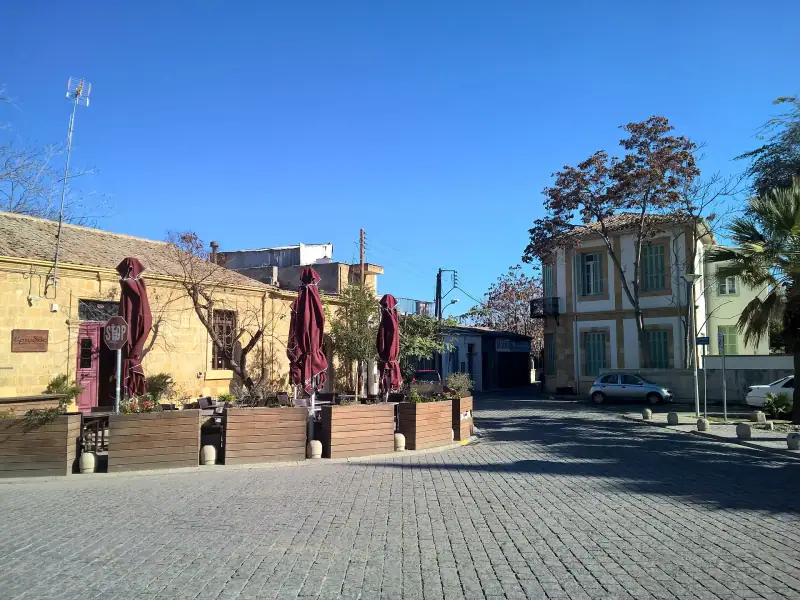
Visiting Nicosia: A Complete Guide to Cyprus's Divided Capital
Complete guide to Nicosia: Venetian walls, the Green Line, the Cyprus Museum, Laiki Yitonia and the north. The world's only divided capital.
Ready-made
Cyprus itineraries
5 days
Cyprus in 5 Days Without a Car: A Realistic Bus Itinerary
LarnacaLimassol
7 days
Cyprus in 7 Days: A Complete Day-by-Day Itinerary
Cyprus 7-day itinerary: the best plan for a full week. From Paphos to Ayia Napa via Limassol, Nicosia and the Troodos, day by day.
Cyprus Road Trip: The Complete Itinerary Around the Island
Drive around Cyprus in 10 to 14 days. Complete itinerary, essential stops and practical tips for an unforgettable road trip.