Itineraries
Cyprus Road Trip: The Complete Itinerary Around the Island
We may earn a commission when you book through links on this page, at no extra cost to you. We don't visit or try the places we cover: we summarize published sources. How we work
In short
- Allow 10 to 14 days for a full, relaxed loop of about 800 km (497 mi) of perimeter; 7 days is the minimum, with some stops shortened.
- Six stages: Paphos and the west (2-3 days), the Troodos (2-3), Limassol (2), Larnaca (1-2), Nicosia (1-2), the east coast (2-3).
- You drive on the left. Book the car ahead and take photos of it before leaving; most rental companies forbid taking the car to the north.
- Estimated budget for 10 days, excluding flights: €1,300 to 2,800 (~$1,510 to 3,250).
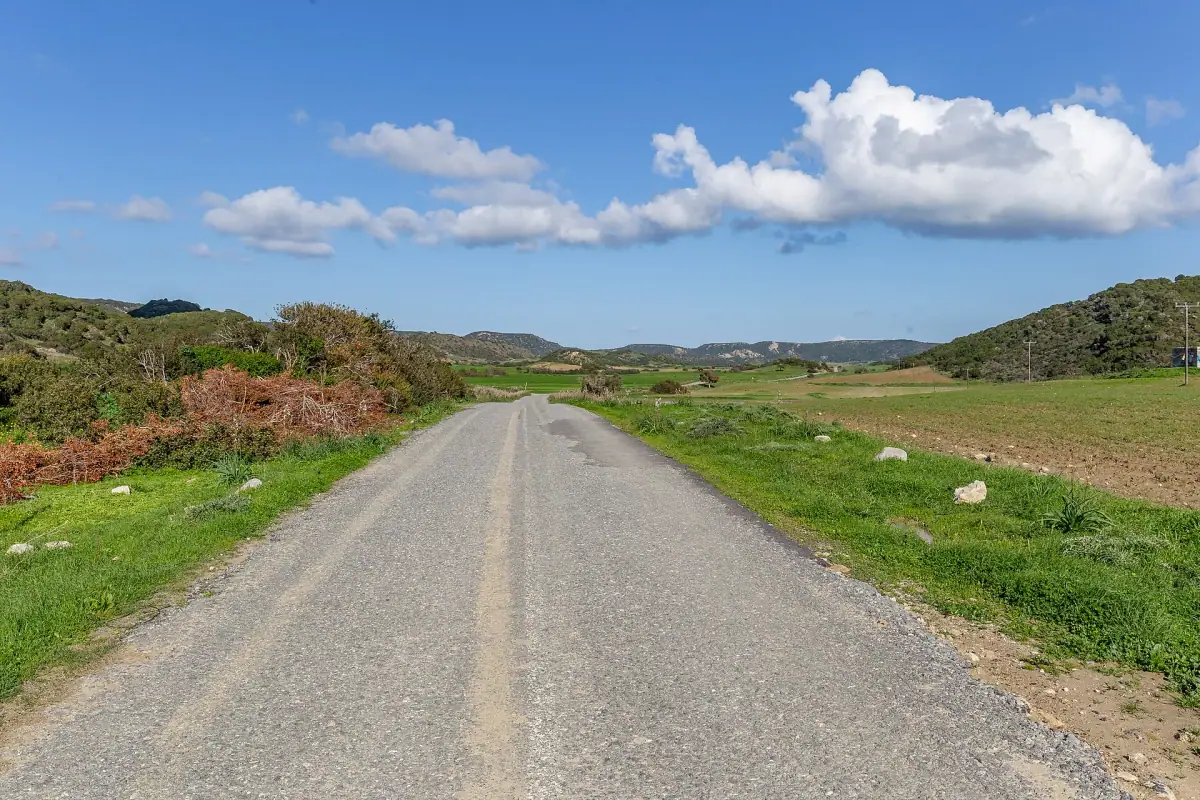
Driving around Cyprus is one of the most memorable experiences the eastern Mediterranean offers. The island is small enough to cover entirely in one to two weeks, yet rich enough that every kilometer holds a surprise. From the white cliffs of Governor’s Beach to the golden monasteries of the Troodos, from the wild beaches of the west coast to world-class archaeological sites: this road trip takes you to every face of Cyprus.
Before you go: the essentials
Renting your car
Book your car before you leave home, as you will often save 20 to 40% compared with the rental-desk price. For a 10 to 14-day road trip, a small sedan is enough. An automatic is recommended if you are not used to driving on the left.
Key points:
- Check what your credit card insurance covers (some cards cover rentals partly)
- Read the insurance conditions carefully (deductible, rim/tire coverage)
- Take photos of the vehicle before leaving to avoid disputes on return
Driving on the left
This is the most important point to remember before this road trip. In Cyprus, you drive on the left as in the United Kingdom, a legacy of British colonial rule.
Practical tips:
- The first few hours are the hardest: take your time
- At roundabouts, vehicles coming from the right have priority… but you go around clockwise
- When leaving a parking lot, a restaurant or a gas station, take time to look left first
- Your passenger is your ally: ask them to remind you to stay on the left
The complete itinerary (10-14 days)
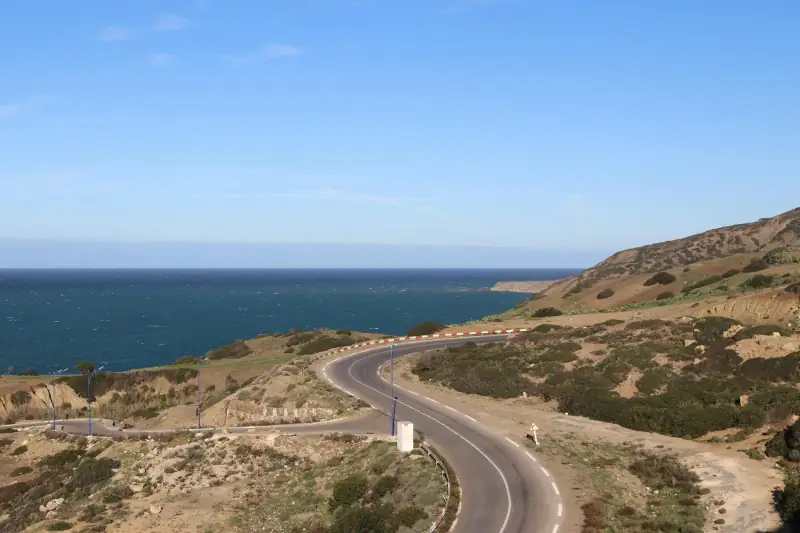
Stage 1: Paphos and the west coast (2-3 days)
What to see:
- Paphos Archaeological Park (UNESCO Roman mosaics)
- Tombs of the Kings
- Medieval harbor
- Coral Bay and its beaches
- Aphrodite’s Rock (Petra tou Romiou)
- St. Neophytos Monastery
Where to stay: Kato Paphos for proximity to the sites, or Coral Bay for the beach.
Do not miss: arrive at Petra tou Romiou in the late afternoon for the sunset; the sight is unforgettable.
Stage 2: The Troodos (2-3 days)
Coming up from Paphos or Limassol, the Troodos Mountains are an essential stop.
What to see:
- Kykkos Monastery (the most opulent in Cyprus)
- Mount Olympus (1,952 m / 6,404 ft)
- The villages of Platres, Kakopetria, Omodos
- The Atalante and Artemis hiking trails
- Caledonia Falls
- Commandaria vineyards (historic wine region)
Where to stay: agrotourism hotels in the villages, an authentic experience at very reasonable prices.
Tip: set off early in the morning for hikes (cool and light).
Stage 3: Limassol and the south coast (2 days)
What to see:
- Limassol medieval castle
- Renovated old town
- Marina
- Kourion archaeological site (Roman theater with a sea view)
- Temple of Apollo Hylates
- Governor’s Beach (spectacular white cliffs)
Where to stay: old town or seafront depending on your budget.
For restaurants, see the guide to the best tables in Limassol.
Stage 4: Larnaca and the coast (1-2 days)
What to see:
- Church and tomb of St. Lazarus
- Ottoman fort
- Finikoudes promenade
- Salt lake (flamingos in winter)
- Hala Sultan Tekke (mosque on the salt lake)
- Mackenzie Beach
Where to stay: Larnaca is more affordable than the other coastal cities.
Stage 5: Nicosia (1-2 days)
What to see:
- Cyprus Museum
- Walled old town and Venetian walls
- St. John’s Cathedral
- Leventis Museum
- Ledra Street checkpoint and a visit to northern Nicosia
Where to stay: in the old town or nearby.
To learn everything about the capital, read the guide to Nicosia’s must-sees.
Stage 6: East coast, Ayia Napa and Protaras (2-3 days)
What to see:
- Nissi Beach
- Ayia Napa medieval monastery
- Cape Greco marine park
- Fig Tree Bay in Protaras
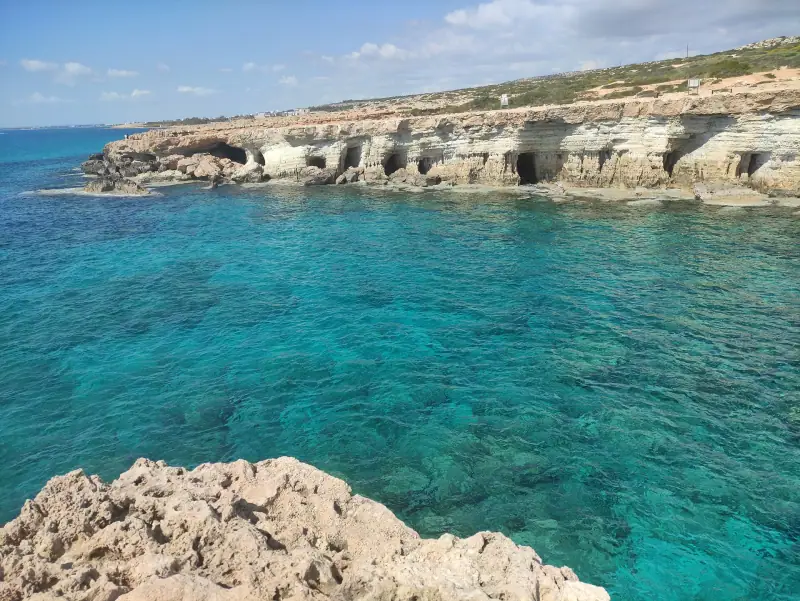
- Cape Greco sea caves
- Ayia Napa Thalassa Museum
Where to stay: Ayia Napa (lively) or Protaras (calmer and more family-oriented).
Practical tips for the road trip
Planning
- Download Google Maps offline before leaving; coverage in rural areas can be limited
- Build in flexibility: the unexpected (traffic jams in villages, finding a hidden beach) is part of the road trip
- Avoid driving at night in the Troodos: the roads are winding and poorly lit
Fuel
- Gas stations are plentiful in towns and on the main roads
- In rural areas and the Troodos, fill up whenever you pass a station
Parking
- Free in most villages and tourist sites
- Paid in town centers (Nicosia, Limassol, Paphos): bring coins or the local app
- Some archaeological sites have paid parking (generally €2 to 3, ~$2.30 to 3.50)
Road trip budget
For a 10-day road trip with a rental car:
- Car rental: €200 to 350 (~$230 to 405) (depending on season and category)
- Fuel: €80 to 120 (~$93 to 140)
- Accommodation: €600 to 1,400 (~$695 to 1,625) (depending on range)
- Food: €350 to 700 (~$405 to 810)
- Sites and activities: €100 to 200 (~$115 to 230)
- Estimated total (excluding flights): €1,300 to 2,800 (~$1,510 to 3,250)
For all the budget advice, see the article how much does a trip to Cyprus cost.
Frequently asked questions
How long does it take to drive around Cyprus?
Cyprus's perimeter is about 800 km (497 mi), but with stops and detours, allow 10 to 14 days for a full, relaxed road trip. With a minimum of 7 days you get an overview, but some stops will have to be shortened.
Is driving on the left difficult in Cyprus?
Driving on the left takes about half a day of adjustment for most drivers. The main risks are at roundabouts and when leaving parking lots. Take your time for the first few hours and stay focused.
Are the roads in good condition in Cyprus?
The main roads (A1, A2, A3 highways) are excellent. Secondary roads in the villages and the Troodos are sometimes narrow and winding but generally in good condition. A 4x4 is not essential except for the Troodos forest tracks.
What kind of car should you rent for a road trip in Cyprus?
A small city car is enough for the main roads. Choose an automatic if you are not used to driving on the left. An SUV or 4x4 is recommended if you want to explore the Troodos forest tracks or reach secluded beaches.
Can you cross into the northern part of Cyprus by car?
Yes, but with your own rental car it is more complicated: most rental companies contractually forbid taking their vehicle to the north. You can cross on foot at the Nicosia checkpoint and take a taxi or rent a car there in the north. What you need to cross depends on your passport: check the official travel advice of your government before you go (travel.state.gov (US), GOV.UK (UK), travel.gc.ca (Canada), Smartraveller (Australia), checked November 2026).
More Cyprus guides
Keep reading
Things to Do in Ayia Napa: Beaches, Cape Greco and Must-Do Activities
What to do in Ayia Napa? Nissi Beach, Cape Greco, sea caves, water sports and nightlife: the complete guide to the best activities in Ayia Napa.
Where to Stay in Ayia Napa: Areas, Hotels and Practical Tips
Where to stay in Ayia Napa: the town center, Nissi Beach, Makronissos and Cape Greco, with options by budget and type of trip.
Visiting Paphos: A Complete Guide to the City of Aphrodite
Visit Paphos: UNESCO Roman mosaics, Tombs of the Kings, the harbor castle, Aphrodite's Rock, Coral Bay and the Akamas. A complete guide.
Ready-made
Cyprus itineraries
5 days
Cyprus in 5 Days Without a Car: A Realistic Bus Itinerary
LarnacaLimassol
7 days
Cyprus in 7 Days: A Complete Day-by-Day Itinerary
Cyprus 7-day itinerary: the best plan for a full week. From Paphos to Ayia Napa via Limassol, Nicosia and the Troodos, day by day.