What to see
Visiting Limassol: A Complete Guide to Cyprus's Second City
We may earn a commission when you book through links on this page, at no extra cost to you. We don't visit or try the places we cover: we summarize published sources. How we work
In short
- Two days cover the essentials: day 1 for the castle, old town, promenade and marina; day 2 for Kolossi, Erimi, Omodos and Amathus.
- Limassol Castle costs €4.50 (~$5); Kolossi Castle and the Amathus site cost €2.50 each (~$3).
- Commandaria wine villages such as Omodos and Koilani are 45 to 60 minutes from Limassol; a car is strongly recommended for them.
- Larnaca Airport (LCA) is 67 km (42 mi) away (~50 minutes); a taxi costs €50 to 65 (~$58 to 75).
Limassol is the city travelers often discover by chance, and leave with regret. The second-largest city in Cyprus and first in energy and cosmopolitanism, it lacks the picturesque charm of Paphos and the beach-resort reputation of Ayia Napa, but it has something those towns do not: genuine personality. Greek shopkeepers, Russian expats, Lebanese businessmen and British retirees rub shoulders in a relaxed Mediterranean atmosphere, steps from a medieval castle where Richard the Lionheart celebrated his wedding in 1191.
This guide takes you through everything Limassol has to offer: from the lively old town to the ultramodern marina, from the Crusader castle to the Commandaria vineyards, from wild beaches to the dining tables that lift Cypriot cooking to the level it deserves.
A little history: Limassol, port of crusaders and merchants
Limassol (Lemesos in Greek, Limasol in medieval French) is not the oldest city in Cyprus, but it is perhaps the richest in historical twists. The modern city grew on the site of a small Byzantine town, but it was the Crusades that gave it strategic importance.
In 1191, Richard the Lionheart, king of England on his way to the Third Crusade, stopped in Cyprus after his fiancée Berengaria of Navarre was captured by Isaac Komnenos, the island’s Byzantine governor. Richard conquered Cyprus in a few weeks, sold the island to the Templars, and married Berengaria in Limassol, in the chapel of the present medieval castle. It was one of the most decisive royal weddings of the Western Middle Ages.
The island then passed to the Lusignans, a Frankish family who ruled for three centuries and made Cyprus one of the most prosperous crusader kingdoms. Limassol became a major trading port between Europe and the East: silks, spices, sugar cane grown on the island and above all the famous Commandaria wine, perhaps the oldest wine still produced in the world, passed through its quays.
After Venetian and then Ottoman rule (1571-1878), Cyprus came under British protection. Limassol took on new momentum as a military and commercial port, before becoming the modern, prosperous city we know today.
Limassol Castle: where Richard the Lionheart married
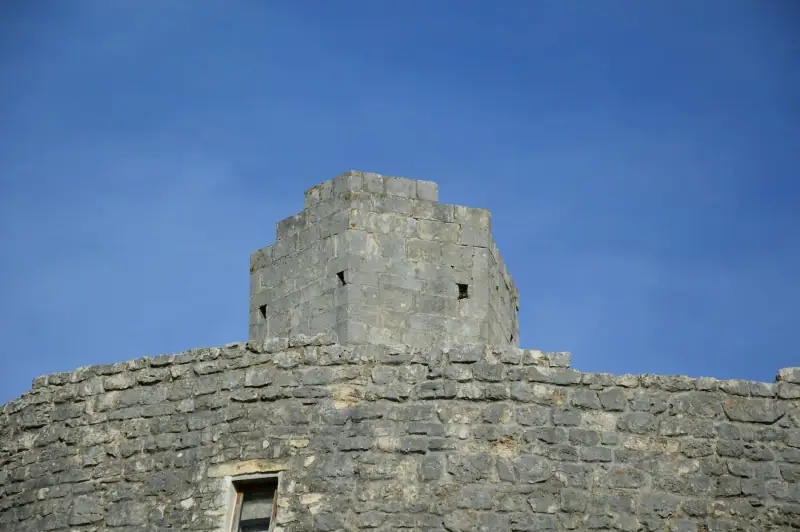
Limassol’s medieval castle is the city’s top sight. Originally built by Guy de Lusignan in 1193 (late 12th century) on the foundations of a Byzantine chapel, probably the exact spot where Richard the Lionheart married Berengaria of Navarre in May 1191, it was considerably altered in the 14th century, then enlarged and remodeled by the Venetians and Ottomans.
What you will see inside:
- The Cyprus Medieval Museum: housed in the castle’s halls, it presents an exceptional collection of armor, coins, sculptures and everyday objects from the Frankish and Byzantine eras. Effigies of crusader knights, Lusignan family coats of arms and Ottoman artillery pieces tell the island’s eventful story better than any book.
- The underground vaults: the vaulted cellars that once served as a prison give an idea of medieval living conditions. The atmosphere is striking.
- The ramparts: the upper terrace offers a fine view of the old harbor, the rooftops of the old town and the sea.
Practical information: open Mon-Fri 9 am-5 pm, Sat-Sun 10 am-5 pm (closed on public holidays; check before you come). Admission €4.50 (~$5). Allow 1 to 1.5 hours for a full visit. The castle is two minutes’ walk from the seafront.
Limassol’s old town and bazaar
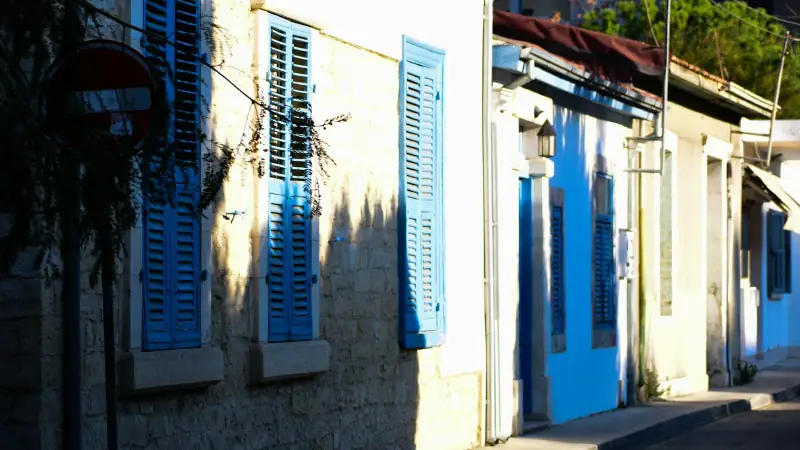
Around the castle spreads Limassol’s old town: a district of narrow lanes, neoclassical houses with wrought-iron balconies and converted former mosques, interspersed with family grocers, traditional cafés (kafeneion) and small craft shops.
The covered bazaar (Agora) is the lively heart of the district: pickled olives in ten varieties, fresh halloumi wrapped in dried mint leaves, rose Turkish delight (rahat lokum), local wines and zivania (Cypriot pomace brandy at 45% alcohol). Take time to taste before you buy; vendors are generally generous with samples.
Anexartisias Street is the old town’s main artery: restaurants, wine bars, art galleries and shops by Cypriot designers follow one another in restored buildings with Venetian facades. The evening atmosphere, especially on a terrace, is typically Mediterranean.
The Grand Mosque (Djami Kebir) stands in the middle of the old town: a former Catholic church of Saint Catherine turned into a mosque in the 16th century. Its minaret stands out against the blue sky. It can be visited outside prayer times (respectful dress required).
Hotels in Limassol old town
Stay steps from the medieval castle and the bazaar to explore the city on foot without wasting time.
Limassol’s promenade and marina
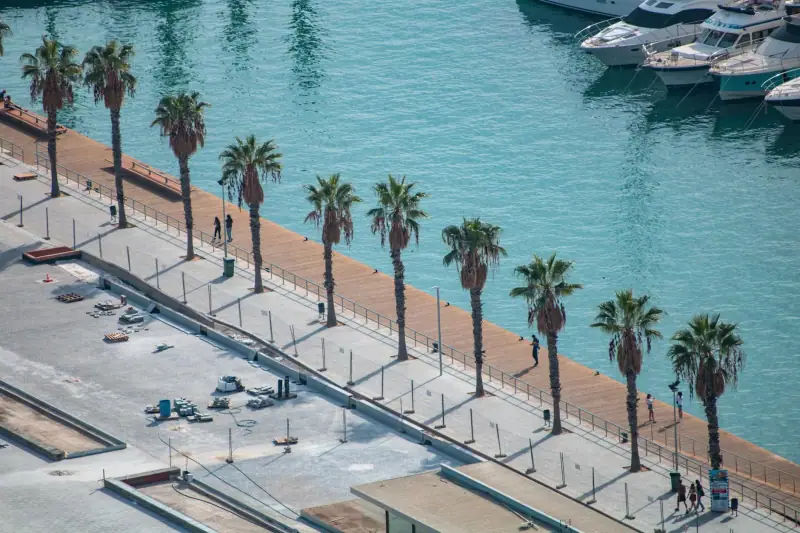
Limassol’s seafront promenade runs for more than 12 kilometers (7.5 mi) along the coast, from the marina in the west to the Amathus district in the east. It is one of the longest seaside promenades in the eastern Mediterranean: a boulevard of palm trees, bike paths, café terraces and sandy beaches.
Limassol Marina
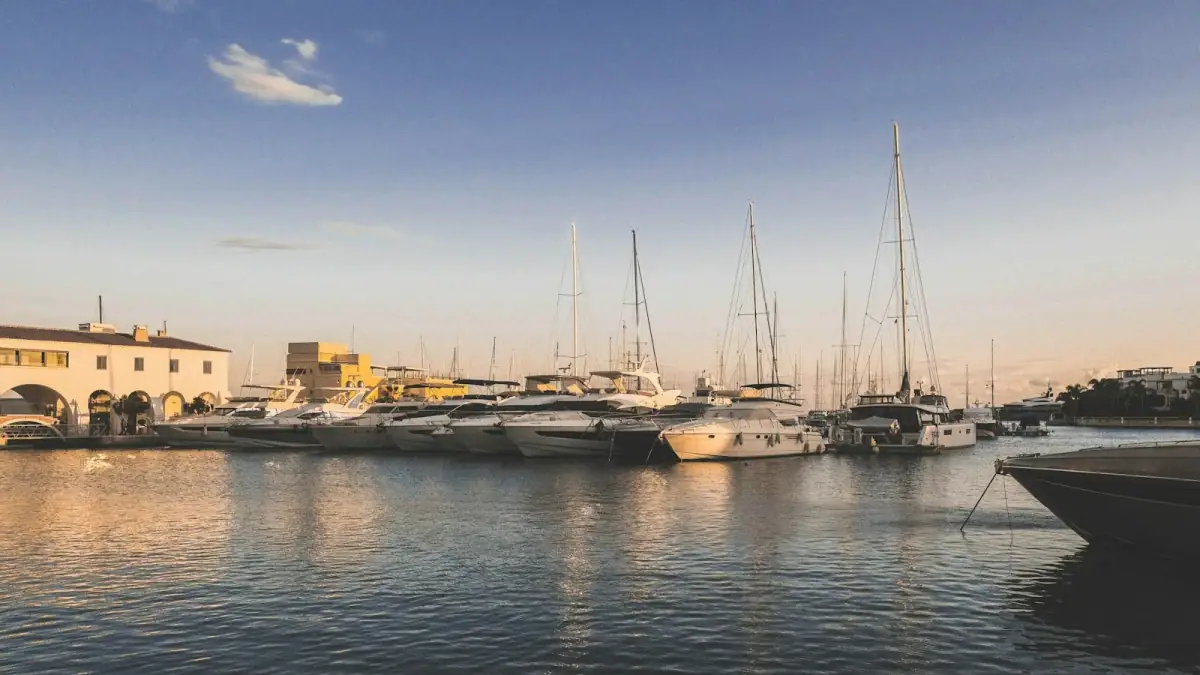
At the western end of the promenade, Limassol Marina is one of the island’s most ambitious projects: opened in 2014, it hosts 650 pleasure yachts in an ultramodern complex with fine-dining restaurants, luxury shops and residential apartments. The contemporary architecture deliberately contrasts with the medieval old town a few hundred meters away.
The marina is worth the detour for its fresh-fish restaurants with direct views of the sailboats, waterfront cocktail bars and the buzz in the evening. This is the Limassol of yachts and wealthy expats, a side of the city radically different from the Ottoman bazaar.
Limassol’s beaches
- Dasoudi Beach (3 km / 2 mi east): developed beach under a pine grove, with showers, loungers and calm water. Ideal for families. Café-restaurant alongside.
- Amathus Beach (11 km / 7 mi east): a long beach of golden sand facing the big luxury hotels of the hotel zone. Non-residents can rent loungers and umbrellas.
- Lady’s Mile (8 km / 5 mi west): an 8 km (5 mi) natural beach between the port and the Akrotiri peninsula. Beige sand, shallow water, no facilities: wild Limassol steps from the center.
- Governor’s Beach (30 km / 19 mi east): white limestone cliffs, black pebbles, secluded coves. One of the finest coasts in Cyprus. Worth the detour if you have a car.
Limassol and the Commandaria vineyards
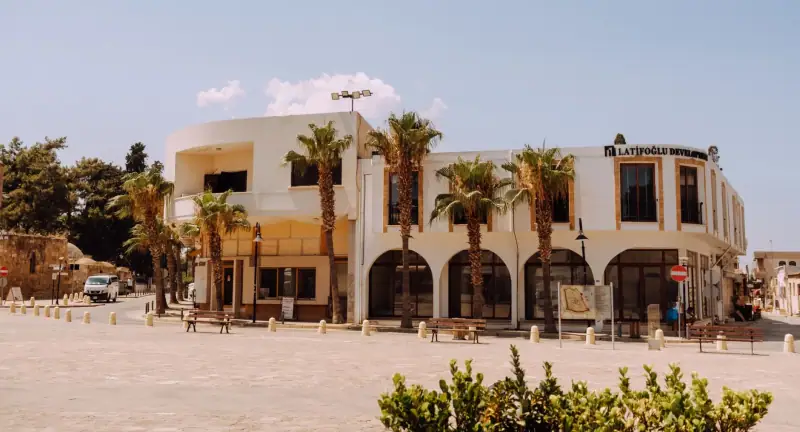
Limassol is the wine capital of Cyprus. The wine region on the foothills of the Troodos north of the city produces Commandaria, probably the oldest sweet wine still in commercial production in the world, mentioned in texts from antiquity and which Richard the Lionheart is said to have called “the wine of kings and the king of wines.”
The vineyard circuit
45 to 60 minutes from Limassol, the wine villages of the Troodos offer one of the finest excursions in Cyprus:
Omodos is the most visited wine village: its cobbled lanes, Monastery of the Holy Cross (13th century, which holds relics of the True Cross) and wine cooperatives attract visitors from all over the world. Tastings of Commandaria and local red wines (Maratheftiko, Xynisteri) in a setting of honey-colored stone houses.
Koilani is more authentic and less touristy: family cellars dug into the rock, artisanal production of zivania (distilled pomace) and the atmosphere of a preserved Cypriot village.
Other wine regions: Vouni Panagias (Paphos District)
Vouni Panagias (Paphos District) is one of the island’s finest wineries, set at 850 m (2,790 ft) in the Paphos forest. Unlike Commandaria, it is a distinct wine region (Vouni Panagias-Ambelitis Wine Route) geographically separate from the Troodos. It is worth the detour for its terraced vines (an estate of about 45 hectares / 111 acres) and its ultramodern winery, which offers guided tours and tastings with local charcuterie. The scenic road is about 1 hour from Limassol (to the northwest).
The Cyprus Wine Museum in Erimi
13 km (8 mi) west of Limassol, the Cyprus Wine Museum traces the history of Cypriot viticulture from antiquity to today. Archaeological objects (amphorae, oil and grape presses), explanatory panels on native grape varieties and a wine tasting at the end of the visit (admission ~€5, ~$6; with tasting ~€10, ~$12).
Car rental in Limassol
Essential for the Troodos vineyards, Kolossi, Governor's Beach and the Amathus archaeological sites.
Kolossi Castle: a crusader castle among the vines
14 km (9 mi) west of Limassol, Kolossi Castle is one of the best preserved in Cyprus and one of the most evocative of the Frankish period. This square tower, 22 meters (72 ft) high, built by the Knights Hospitaller of St. John in the 15th century on the ruins of an earlier fortress, stands amid the vineyards that once produced Commandaria.
The Hospitallers set up their Grand Commandery here, hence the name of the wine, and managed the agricultural production of their vast Cypriot estates from this castle.
What is worth the visit:
- The spiral staircase climbing to the battlements, with a panoramic view of the vineyards and the distant coast
- The traces of sugar cane presses in the inner courtyard (Cyprus produced a large part of the sugar consumed in Europe in the Middle Ages)
- The partly preserved frescoes in the first-floor rooms
- The Lusignan coat of arms carved on the main facade
Practical information: admission €2.50 (~$3). Open daily: 8:30 am-5 pm (Sept 16-April 15), 8:30 am-7:30 pm (April 16-Sept 15). Very easy to combine with a visit to Erimi and Omodos on the same day.
The archaeological site of Amathus
11 km (7 mi) east of Limassol, the ancient city of Amathus is one of the most important city-kingdoms of the island. Founded around 1050 BC (11th century BC), it was inhabited continuously for more than fifteen centuries before being abandoned in the Byzantine era.
Excavations have uncovered an acropolis, temples dedicated to Aphrodite and Heracles (the city’s two patron deities), a colonnaded agora and an ancient harbor whose jetties are still visible under 2 to 3 meters (7 to 10 ft) of water.
The site is large (allow 1.5 hours for the visit) and has little shade, so come early in the morning in summer. Admission €2.50 (~$3). Archaeology buffs will find at the Limassol Archaeological Museum (in the municipal garden) a complementary collection of objects found at Amathus and nearby.
Food in Limassol
Limassol has the best food scene in Cyprus. The concentration of wealthy expats, demanding tourists and Cypriots who studied in Europe has created a varied, high-quality dining scene, from the traditional taverna to the fine-dining restaurant overlooking the marina.
Traditional tavernas
In the old town and around the market, tavernas serve classic Cypriot cooking at honest prices:
- Full meze (15 to 20 small plates): expect €20 to 28 per person (~$23 to 32), drinks included. The ultimate Cypriot dining experience: hummus, taramosalata, grilled halloumi, kolokasi (sautéed taro), soutzoukakia (spicy meatballs), sheftalia (grilled pork sausages), pork and lamb souvlaki.
- Grilled halloumi: Cyprus’s signature cheese. In Limassol, ask for handmade village halloumi (χωριάτικο χαλλούμι), saltier and firmer than industrial versions.
- Afelia: pork marinated in red wine and coriander. The most typical and flavorful Cypriot dish.
Fine dining and the marina
The marina is home to several of Limassol’s reference restaurants, with waterfront terraces and inventive menus that reinterpret Cypriot cooking with modern techniques. Budget: €40 to 60 per person (~$46 to 70).
Cafés and pastries
The kafeneion (traditional Greek café) is the place to watch everyday Cypriot life. A café frappé (iced frappé), a loukoumas (honey fritter) and an hour in an old town kafeneion: it is one of Limassol’s most authentic experiences.
Activities and excursions in Limassol
Catamaran cruises, vineyard tours, kayaking, diving and guided tours of the old town.
Visiting Limassol in 2 days: recommended itinerary
Day 1: The historic city and the seafront
Morning: start with the medieval castle when it opens. Take time to explore the medieval museum and the view from the ramparts. Then stroll through the old town toward the covered bazaar: taste fresh halloumi, olives and Turkish delight. Walk up to the Djami Kebir to see the mosque.
Lunch: in an old town taverna, ask for the full meze for a complete introduction to Cypriot cooking.
Afternoon: the seafront promenade from the old harbor to the marina. Stop at Dasoudi Beach for a swim. In the late afternoon, relax at the marina with a view of the yachts.
Evening: dinner at the marina (fresh fish, Mediterranean cooking) or back to the old town for a more affordable traditional taverna.
Day 2: Vineyards and archaeological sites
Morning: leave early for Kolossi (14 km / 9 mi, 30 min). Visit the Crusader castle. Continue to Erimi for the Cyprus Wine Museum. Then head up to Omodos for lunch.
Lunch: in Omodos, at one of the village tavernas facing the monastery. Commandaria tasting included.
Afternoon: return to Limassol along the coast road. Stop at the Amathus archaeological site (45 minutes). If energy allows, Governor’s Beach (30 km / 19 mi east) for sunset over the white cliffs.
Evening: back in Limassol, free dinner in the Anexartisias district.
Practical information for visiting Limassol
How to get to Limassol
By air: the nearest airport is Larnaca (LCA), 67 km (42 mi) to the east (~50 minutes). Paphos (PFO) airport is 65 km (40 mi) to the west (50 minutes). Shuttles and Intercity buses link both airports to Limassol. By taxi from Larnaca: €50 to 65 (~$58 to 75).
From Larnaca Airport: no direct Intercity bus. Expect either the Limassol Airport Express (about 1 h, fare to check) or a change from an urban bus to Intercity (longer, about €5.50, ~$6); check timetables and fares before you go. Intercity bus from Paphos: 1 h, about €5 (~$6). From Nicosia: 1 h 15, about €4 (~$5).
Cruise port: Limassol is Cyprus’s main cruise port. Large liners (MSC, Costa, Royal Caribbean) call from April to November.
Getting around Limassol
On foot: the old town, the castle and the promenade to the marina can be covered on foot (allow 30 to 40 minutes’ walk end to end).
City buses: the EMEL network covers the seafront, the hotel zone and residential districts. Ticket about €2 (~$2.30). Frequency varies.
Rental car: recommended for Kolossi, Amathus, the vineyards and Governor’s Beach. Allow €28 to 40 a day (~$32 to 46). Reminder: you drive on the left in Cyprus.
Bikes and scooters: self-service bike stations line the seafront promenade.
Budget in Limassol
Limassol is more expensive than Larnaca but remains reasonable by western Mediterranean standards:
| Item | Budget | Comfort |
|---|---|---|
| Accommodation (night) | €50-70 (~$58-81) | €100-150 (~$115-175) |
| Meals (per day) | €25-35 (~$29-41) | €50-80 (~$58-93) |
| Local transport | €5-10 (~$6-12) | €20-30 (~$23-35) |
| Activities | €10-25 (~$12-29) | €40-70 (~$46-81) |
| Total / day | €90-140 (~$105-160) | €210-330 (~$245-385) |
For a full overview of the Cyprus budget and tips for saving, see the dedicated guide.
Limassol in your Cyprus trip
Limassol is ideally placed for ranging out across the island. 1 hour from Larnaca and its airport, 1 hour from Paphos, 1 h 15 from Nicosia and 45 minutes from the Troodos peaks, it is the ideal logistical base for a Cyprus road trip.
If you are torn between Paphos and Limassol as a base, note that Limassol offers more intense urban life, richer food and a livelier nightlife scene, while Paphos is calmer, more classically touristy and closer to the archaeological sites of the west. For a stay of more than five days, alternating between the two cities is the best formula.
To plan your full stay, see the complete guide to Cyprus and the article on where to stay in Limassol for details on areas and recommended hotels.
Limassol is unlike any other Cypriot city. It is at once the most modern and the most rooted in its crusader history, the most cosmopolitan and the most Cypriot at heart. Take time to get lost in it: that is where you will find the real island.
Frequently asked questions
Is Limassol worth a detour in Cyprus?
Absolutely. Limassol is the liveliest and most cosmopolitan city in Cyprus. It offers a unique mix of history (the medieval castle where Richard the Lionheart married), culture (a lively old town, museums), pleasant urban beaches and one of the best food and nightlife scenes on the island. It is also the ideal gateway to the Troodos vineyards and Kolossi Castle.
How many days do you need to visit Limassol?
Two days let you see the essentials: one day for the old town (castle, bazaar, promenade), one day for the surroundings (Kolossi, the Amathus archaeological site, a beach). With three days, you can add an excursion to the Troodos vineyards or a day at Lady's Mile beach.
When should you go to Limassol?
April-June and September-October are the best periods: pleasant temperatures (22 to 28 °C / 72 to 82 °F), warm sea from May, few crowds. July-August is very hot (35 to 38 °C / 95 to 100 °F) and busy. The Limassol Carnival in February-March is a festive event unique in Cyprus, if you enjoy a party atmosphere.
Where is Limassol on the island of Cyprus?
Limassol (Lemesos in Greek) is on the south coast of Cyprus, between Paphos to the west (~69 km / 43 mi, ~50 min) and Larnaca to the east (~67 km / 42 mi, ~1 h). It is the second-largest city in Cyprus after Nicosia, and the island's main commercial and cruise port.
What are the best beaches near Limassol?
Dasoudi Beach (3 km / 2 mi east of the center) is a developed beach with umbrella pines, ideal for families. Amathus Beach (11 km / 7 mi east) is a long beach of golden sand with calm water. Lady's Mile (8 km / 5 mi west) is an 8 km natural beach between the industrial port and the Akrotiri peninsula, known for its long wild stretch. For the clearest water, head to Governor's Beach (30 km / 19 mi east), with spectacular white cliffs and black pebbles.
Can you take an excursion from Limassol to the Troodos?
Yes, and it is one of the most recommended excursions from Limassol. The Commandaria vineyards (villages of Koilani, Omodos) are 45 to 60 minutes by road, climbing toward the Troodos Mountains. The village of Omodos, with its monastery and wine cooperatives, is a highlight. The scenic road to Platres and the Caledonia waterfalls is easily added to the day.
Do you need a car to visit Limassol?
The old town and the promenade can be explored on foot. But a car is strongly recommended for Kolossi, Amathus, the farther beaches (Lady's Mile, Governor's Beach) and excursions to the Troodos and the vineyards. You drive on the left, as everywhere in Cyprus.
More Cyprus guides
Keep reading
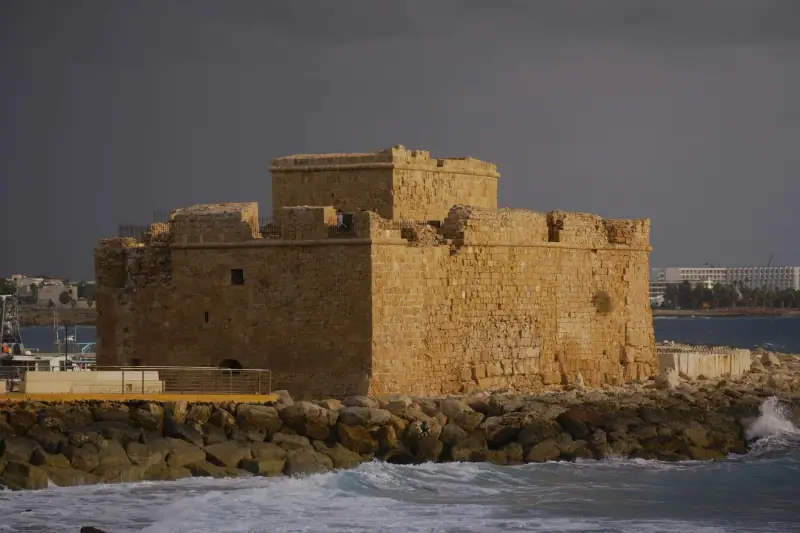
Visiting Paphos: A Complete Guide to the City of Aphrodite
Visit Paphos: UNESCO Roman mosaics, Tombs of the Kings, the harbor castle, Aphrodite's Rock, Coral Bay and the Akamas. A complete guide.
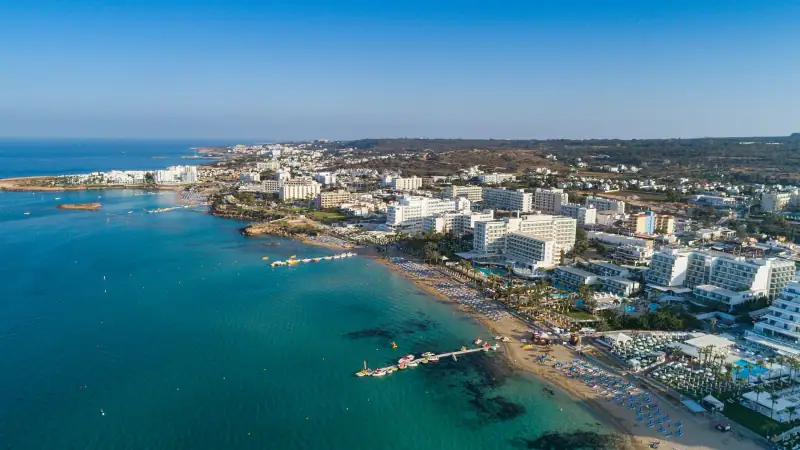
Visiting Protaras: A Complete Guide to Cyprus's Family Resort
Complete guide to Protaras: Fig Tree Bay, Cape Greco, beaches, diving, activities and practical information for Cyprus's east coast.
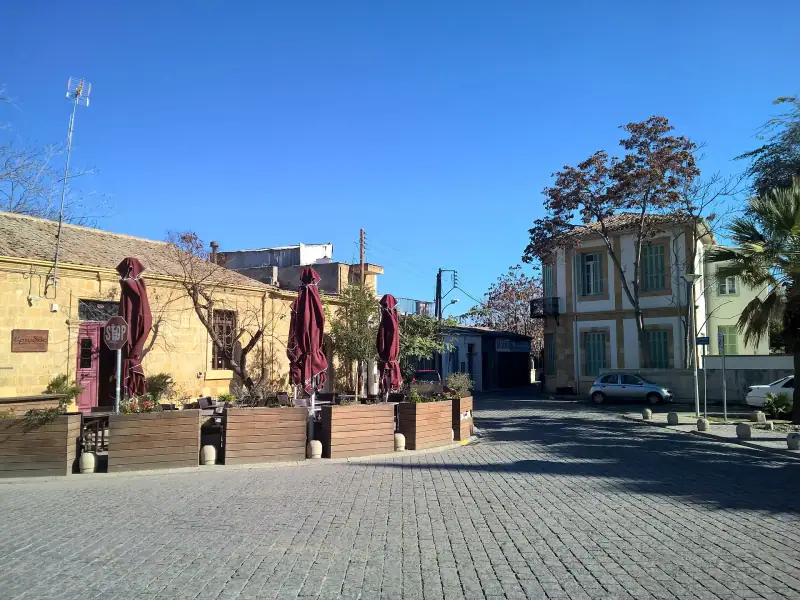
Visiting Nicosia: A Complete Guide to Cyprus's Divided Capital
Complete guide to Nicosia: Venetian walls, the Green Line, the Cyprus Museum, Laiki Yitonia and the north. The world's only divided capital.
Ready-made
Cyprus itineraries
5 days
Cyprus in 5 Days Without a Car: A Realistic Bus Itinerary
LarnacaLimassol
7 days
Cyprus in 7 Days: A Complete Day-by-Day Itinerary
Cyprus 7-day itinerary: the best plan for a full week. From Paphos to Ayia Napa via Limassol, Nicosia and the Troodos, day by day.
Cyprus Road Trip: The Complete Itinerary Around the Island
Drive around Cyprus in 10 to 14 days. Complete itinerary, essential stops and practical tips for an unforgettable road trip.