Things to do
Hiking in the Cardamom Mountains: Ecotourism Guide to Cambodia
We may earn a commission when you book through links on this page, at no extra cost to you. We don't visit or try the places we cover: we summarize published sources. How we work
In short
- Chi Phat, a community-based ecotourism village, is the main starting point; treks run from 1 to 5 days and a local guide is mandatory.
- Koh Kong town, about 4 hours from Phnom Penh, is the gateway; Tatai, about 19 km (12 mi) east, offers kayaking and waterfalls.
- Best season for hiking is November to April; July to October brings full waterfalls but muddy trails and many leeches.
- Budget roughly $20-40 for a 1-day trek and $60-120 for 2-3 days; the Cham Yeam / Hat Lek border crossing to Thailand is reported closed to travelers.
In Cambodia, everyone knows Angkor and its thousand-year-old temples, the beaches of Koh Rong and the melancholy of Phnom Penh. But the Cardamom Mountains, Chuor Phnom Kravanh in Khmer, remain the country’s great secret. This colossal massif, one of the last blocks of intact tropical forest in Southeast Asia, holds about 800,000 to 1 million hectares (2 to 2.5 million acres) of preserved Cambodian forest in the southwest of the country. Asian elephants, sun bears, gibbons, Siamese crocodiles: the wildlife of the Cardamoms is breathtaking. And thanks to well-established community-based ecotourism programs, it is now possible to explore this natural sanctuary while directly supporting local people.
This guide covers what you need to know to plan your hike in the Cardamoms: the starting bases, the activities available, the wildlife to look for, the budget and practical tips.
Why are the Cardamoms worth a detour?
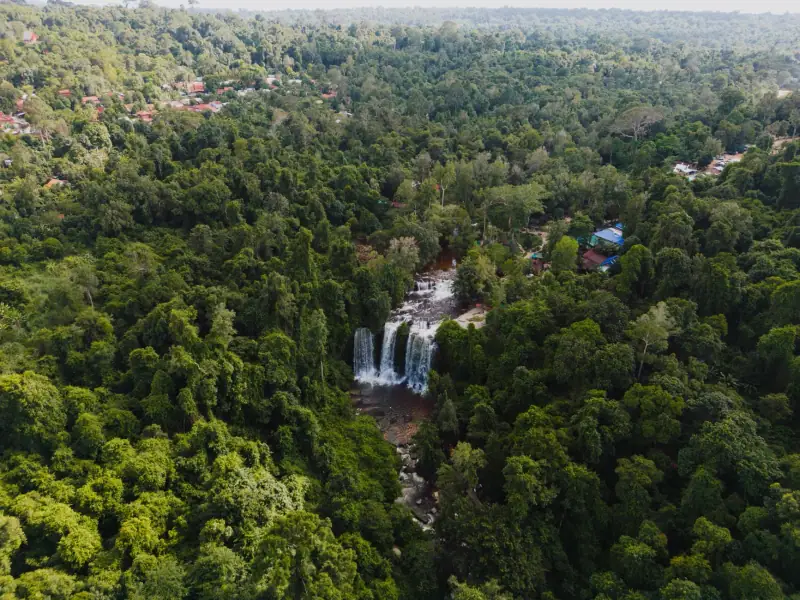
The Cardamom Mountains span Koh Kong, Pursat and Kampong Speu provinces. Together with the Dâmrei Mountains (Elephant Mountains, farther south), they form one of the largest blocks of continuous forest in Southeast Asia. This green expanse is not a single national park but a set of protected areas and classified forests managed by different bodies, including Wildlife Alliance, a conservation NGO very active in the region.
What makes the Cardamoms unique:
- Near-pristine humid tropical forest, with canopies more than 40 meters (130 ft) high
- Exceptional biodiversity: more than 60 mammal species and more than 400 recorded bird species
- Community-based ecotourism programs among the best known in Southeast Asia (Chi Phat)
- No mass tourism: here you will rarely be surrounded by crowds
What you will not find: comfortable infrastructure, air conditioning or big hotels. The Cardamoms are the raw experience of Cambodian nature, for travelers ready to accept simple conditions in exchange for an immersion with no equivalent.
Lodging in Koh Kong
Koh Kong town is the ideal gateway to the Cardamoms. Book with free cancellation.
Chi Phat: Cambodia’s ecotourism village

Chi Phat is the essential starting point for exploring the Cardamoms. This small village on the Preak Piphot River, in Koh Kong province, has become, since the 2000s, a model of community-based ecotourism (CBET) supported by the NGO Wildlife Alliance.
The principle is simple but effective: residents who once poached wildlife are now trained to guide tourists through the forest, prepare meals, and rent hammocks and kayaks. The money stays in the village. The forest is protected. And travelers get a rare immersion with guides who know the jungle like their own backyard, because that is literally what it is.
Treks available at Chi Phat
The Chi Phat CBET program offers a range of hikes suited to all levels and durations:
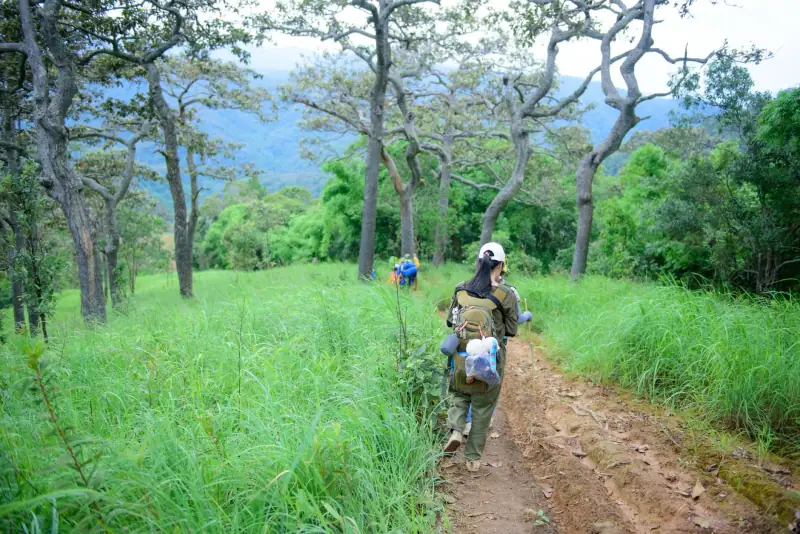
1-day trek: Ideal as a first taste, this route goes into the primary forest for a few hours. You cross dense forest, look for animal tracks and learn to identify trees from the guide’s knowledge. Allow a half day to a full day depending on the route chosen.
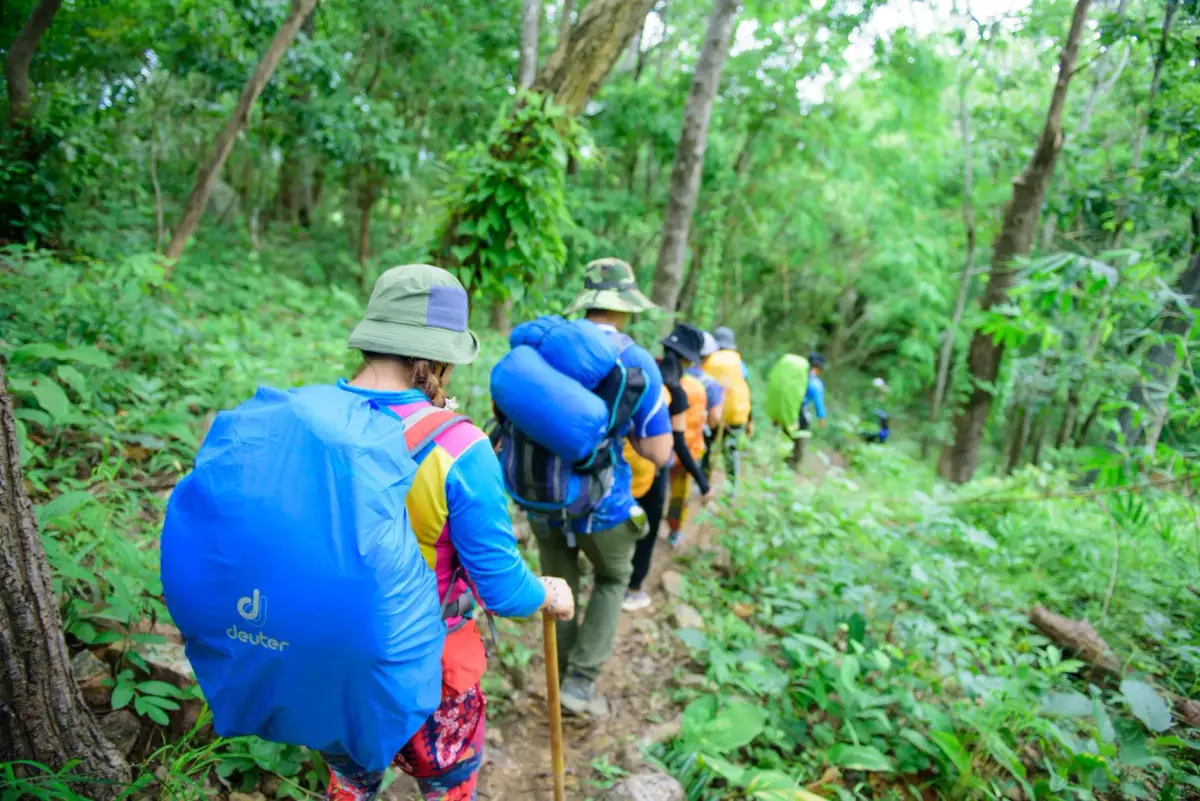
2- to 3-day trek: The most popular format. You sleep in a hammock in the jungle (rudimentary shelters are set up at the bivouac sites), cook with the guides and reach more remote areas. Trails cross closed-canopy forest, follow streams and climb to ridges with views over Cambodia’s coastal plain.
4- to 5-day trek: For experienced walkers. These long-distance routes reach extremely wild areas, ford rivers and offer a chance to observe nocturnal wildlife. The expert guides of Chi Phat know the areas where elephants and bears pass.
Chi Phat practicalities
- Booking: Contact the Chi Phat CBET office before you arrive (by email or through Wildlife Alliance). Booking ahead is strongly recommended, especially in high season.
- Guides: A local guide is required for all treks and is included in the CBET fee. Prices vary by duration and route (expect ranges from a few dozen to about a hundred dollars for a multi-day trek).
- Lodging: Very simple family guesthouses in the village (room with fan and mosquito net) or hammock nights in the jungle on multi-day treks.
- Meals: Cooked by village families or the guides, based on rice, local vegetables, eggs and sometimes river fish. A vegetarian diet is possible on request.
Tatai: river, kayaking and waterfalls
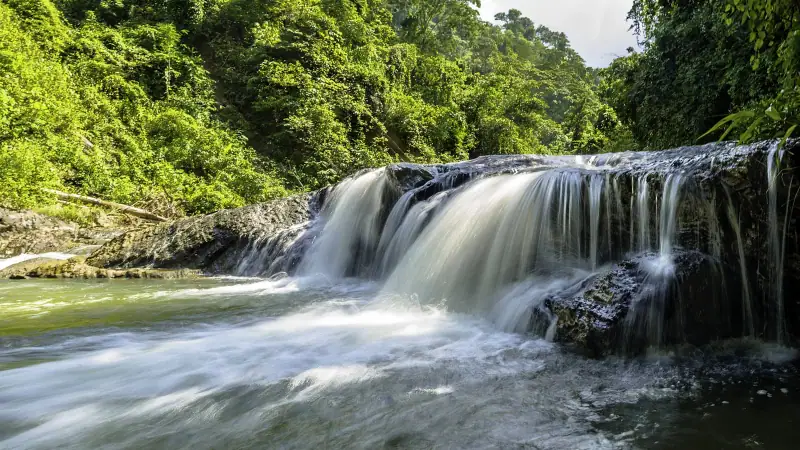
About 20 minutes east of Koh Kong town (~19 km / 12 mi on Highway 48, toward Phnom Penh), Tatai is another jewel of the Cardamoms, more accessible than Chi Phat and ideal for a first contact with the nature of southwest Cambodia.
The Tatai River (or Preak Tatai) runs through a valley framed by dense forest before flowing into the Gulf of Thailand. Its main draw is the Tatai waterfalls, reachable by kayak or boat from the village.
Kayaking on the Tatai River
Kayaking is the main activity at Tatai. Several lodges and local operators offer 2- to 4-hour outings on the river, sometimes in clear-bottom kayaks (polycarbonate hull) to watch aquatic life. The river’s calm waters suit beginners and families with children.
Paddling upstream, you cross mangroves, spot kingfishers and herons on the banks, and reach the Tatai waterfalls, a series of rapids and spectacular falls, especially impressive in the rainy season (July to October).
The Tatai waterfall
The main fall forms a curtain of water about 10 meters (33 ft) high set in tropical greenery. Swimming is allowed (outside flood periods) and is refreshing after the hike or the kayak ride. A forest trail follows the river so you can reach it on foot from some lodges.
Activities and excursions in the Cardamoms
Kayaking, hiking, wildlife watching. Book your activities in advance to guarantee a guide.
Koh Kong: gateway to the Cardamoms
Koh Kong is the essential base town for exploring the Cardamoms. The provincial capital of the same name, it lies about 4 hours from Phnom Penh (via Highway 4 to Sre Ambel, then Highway 48 to Koh Kong), or only 15-30 minutes from the Cham Yeam / Hat Lek border post (Thai side), 8-10 km (5-6 mi) away (post currently closed to travelers).
The town itself is modest, with few tourist attractions beyond a few lively markets and the banks of the Kaoh Pao River. But its geographic position makes it the ideal logistics hub:
- North: access to Chi Phat and deep-forest treks (via Andoung Tuek)
- East: the Tatai River and its eco-lodges (~19 km / 12 mi on Highway 48, toward Phnom Penh)
- South: the coast and a few deserted beaches in Koh Kong province
How to get to Koh Kong
From Phnom Penh: Several bus companies run Phnom Penh to Koh Kong (allow about 4 hours). Shared taxis leave regularly from the central market. A private taxi takes about 4 hours depending on road conditions.
From Thailand: Koh Kong used to be the most convenient entry point for travelers coming from Bangkok or the Thai islands in the gulf, but the Cham Yeam / Hat Lek border crossing has been closed to travelers since June 2025, with no reopening date announced. Go through Phnom Penh or Sihanoukville, and check the situation with the authorities or your embassy before traveling.
From Sihanoukville: From Sihanoukville, take Highway 4 north to Sre Ambel, then Highway 48 west to Koh Kong. The whole trip takes about 3 to 4 hours by bus or taxi.
Lodging in Koh Kong
Lodging in Koh Kong ranges from simple guesthouses in town to eco-lodges on the Tatai River. The eco-lodges (several dozen kilometers outside town) offer a fuller immersion in nature, with direct access to kayaking and the forest. They are generally more expensive but often include meals and activities.
Wildlife and flora of the Cardamoms
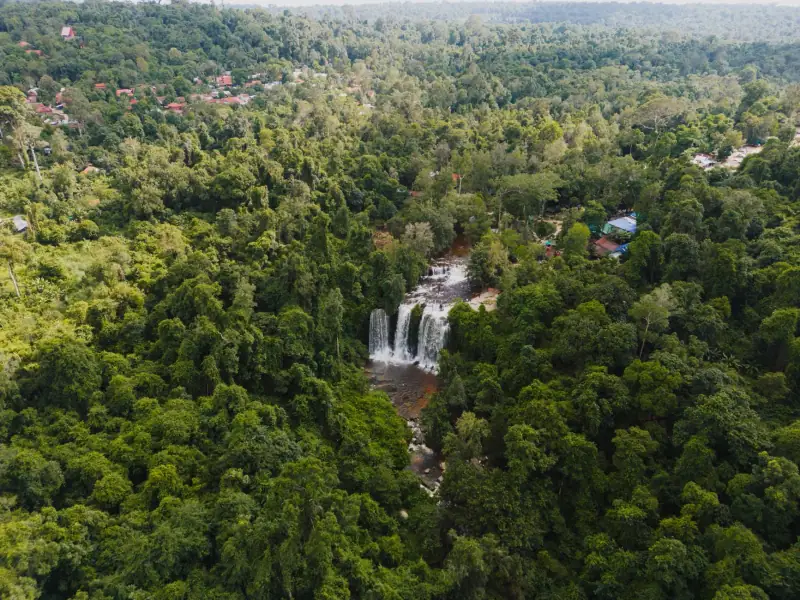
The Cardamom Mountains are one of the most important biodiversity refuges on the Asian continent. The forest is mainly evergreen tropical forest, with species such as dipterocarps, giant fig trees and bamboo in the wetter areas.
Large mammals
- Asian elephant (Elephas maximus): A wild population lives in the Cardamoms. The chances of seeing an elephant in the wild remain low, but guides know the crossing areas and recent tracks. Several conservation projects track the herds by GPS.
- Sun bear (Helarctos malayanus): The smallest bear in the world lives in the Cardamoms. Hard to see, but the characteristic claw marks on trees (it climbs to feed on honey) are common along the trails.
- Clouded leopard (Neofelis nebulosa): This tree-dwelling cat, an expert climber, lives in dense forest. Extremely elusive, it is only very rarely seen.
- Pileated gibbon (Hylobates pileatus): Its shrill calls at sunrise are one of the most unforgettable sounds of the Cambodian jungle. This emblematic species of the Cardamoms, with an estimated population of about 35,000 individuals in Cambodia (the largest population in the world, out of ~65,000 in total according to the IUCN), is one of the best preserved in the world.
- Siamese crocodile (Crocodylus siamensis): Critically endangered, this freshwater crocodile survives in a few rivers of the Cardamoms. A reintroduction program is run by the NGO Fauna & Flora International.
Birds
With more than 400 species recorded in the region, the Cardamoms are a paradise for birders. Emblematic species include the great hornbill (one of the largest birds in Asia), kingfishers, the green peafowl (Pavo muticus, vulnerable) and pittas. The Chi Phat guides can identify species and know the best viewing sites.
Flights to Phnom Penh
Phnom Penh is Cambodia's main gateway. Compare flights to plan your stay in the Cardamoms.
Practical tips for your hike
Essential gear
The Cardamom rainforest calls for a few practical precautions:
Clothing:
- Light long pants (protection against leeches and insects)
- Long sleeves for forest hikes
- Waterproof hiking shoes or sandals with stiff soles (vegetation on the ground can be slippery)
- Warm clothing for nights at altitude (optional depending on the season)
Protection:
- High-concentration mosquito repellent (DEET or picaridin)
- Sun protection for open areas and rivers
- Salt (against leeches, very effective)
Electronics:
- Solar charger or power bank (no electricity in the jungle)
- Headlamp (essential for bivouacs)
- Camera with zoom for wildlife watching
Leeches: how to handle them
Leeches in the Cardamoms are common in the rainy season and in high humidity. They pose no particular medical danger (their bites are painless and carry little risk of infection), but can be unpleasant. Local guides advise salting the leech quickly to make it let go, then disinfecting the wound.
Long pants tucked into your socks, or tall hiking socks, significantly limit the risk.
Health and safety
Malaria: The Koh Kong region and the Cardamoms are in a malaria risk zone. Consult a travel medicine doctor before departure for suitable prophylaxis. Mosquitoes are most active at sunset and at night.
Water: Never drink river water without filtering or purifying it. The Chi Phat guides prepare drinking water on treks. Bring purification tablets or a filter as a backup.
Phone connection: There is no network coverage in the deep forest. Leave your itinerary with your lodging before heading out on a trek.
What budget should you plan?
A stay in the Cardamoms is reasonably priced compared with other Cambodian destinations, but trek activities carry a price that reflects their community nature:
| Item | Estimated range |
|---|---|
| Lodging in Koh Kong (guesthouse) | $10-25/night |
| Tatai River eco-lodge (room) | $40-120/night |
| Chi Phat guesthouse | $8-15/night |
| 1-day trek (guide + CBET program) | $20-40/person |
| 2-3 day trek (guide, meals, bivouac) | $60-120/person |
| Kayaking at Tatai | $15-25/half day |
| Bus Phnom Penh to Koh Kong | $7-12 |
These rates are indicative and may vary by season and operator. Check current rates directly with the Chi Phat CBET office or the lodges.
When to go to the Cardamoms
The ideal period depends on the activities you have in mind:
November to April (dry season): The best period for hiking. Trails are passable, the heat is bearable (28-33 °C / 82-91 °F in the daytime), and rain-related risks are limited. It is also high tourist season, so book ahead.
May-June (transition): The first rains turn the forest green again and fill the streams. Temperatures stay high and hikes remain possible, with some rainy spells.
July to October (rainy season): The Tatai waterfalls and rivers are at their maximum level, which is spectacular. But some hiking trails become hard to reach, and leeches are especially numerous. Eco-lodges and kayak stays are possible despite the rain.
To combine the Cardamoms with the south coast and the islands, favor November to April, the favorable period for the whole Koh Kong region.
Car rental in Cambodia
To explore Koh Kong province and its surroundings at your own pace, compare rental offers.
Fitting the Cardamoms into your Cambodia route
The Cardamoms combine naturally with several destinations in southern Cambodia:
Option 1: Phnom Penh → Koh Kong → Cardamoms → South coast From Phnom Penh, get to Koh Kong (4 hours by bus), explore the Cardamoms (2-3 days at Chi Phat and/or Tatai), then head back down to Kampot, Kep and the south coast by bus or taxi. This 7- to 10-day route combines wild nature and beaches without ever doubling back.
Option 2: South coast → Koh Kong → Thai border Going up from Sihanoukville or Kampot to Koh Kong (3-4 hours by road), you can add 2-3 days of nature in the Cardamoms before, in normal times, crossing the border into Thailand at Hat Lek. This post is currently closed (see above): check its status before building a multi-country route.
Option 3: Full Cambodia with a Cardamoms stop On a 2- to 3-week route covering Phnom Penh, Siem Reap, Angkor and the south coast, add 3-4 days in Koh Kong and the Cardamoms to get off the classic tourist track. The contrast between the Angkor temples and the Cardamom jungle is one of Cambodia’s great riches.
For ready-made itineraries, see our guides to a Cambodia circuit and Cambodia in 10 days.
The Cardamoms and conservation: responsible ecotourism
It is impossible to talk about the Cardamoms without mentioning the conservation context of your visit. The region long suffered from intensive poaching and deforestation. Species such as the tiger (functionally extinct in Cambodia, last camera-trap sighting around 2007) have probably disappeared from the massif, and the Javan rhinoceros was declared extinct in mainland Indochina in 2011 (last confirmed population in Vietnam).
Since the 2000s, NGOs such as Wildlife Alliance and Fauna & Flora International have worked with local communities to turn hunters into forest guardians. Chi Phat is the most emblematic example of this successful transformation.
By choosing community-based ecotourism in the Cardamoms, you contribute directly to:
- Paying local guides and host families
- Indirectly funding anti-poaching patrols
- Giving the standing forest economic value (more profitable than logging or hunting)
It is one of the rare cases where travel actively helps conservation.
To plan your stay on Cambodia’s south coast before or after the Cardamoms, read our South coast of Cambodia guide and our article on the islands of Cambodia.
Frequently asked questions
Where are the Cardamom Mountains in Cambodia?
The Cardamom Mountains (Chuor Phnom Kravanh in Khmer) extend across southwestern Cambodia, mainly in Koh Kong, Pursat and Kampong Speu provinces. The massif covers more than 4 million hectares (about 10 million acres, including the Thai side), of which roughly 800,000 to 1 million hectares (2 to 2.5 million acres) is intact Cambodian rainforest.
How do you get to Chi Phat from Phnom Penh?
From Phnom Penh, take a bus or taxi to Andoung Tuek (about 4 to 5 hours by road), then a motorboat on the Preak Piphot River to Chi Phat (about 2 hours) or a motorbike taxi along the track (40-45 min). Local operators arrange transfers from Koh Kong town, about 1.5 hours by road from Andoung Tuek.
What activities are available at Chi Phat?
Chi Phat offers a wide range of community-based ecotourism activities: 1- to 5-day forest treks, wildlife watching, river kayaking, waterfall visits, hammock nights in the jungle and village visits. All activities are run by local guides trained through the CBET (Community-Based Ecotourism) program.
Is there wildlife to see in the Cardamoms?
Yes, the Cardamoms hold some of the richest biodiversity in Southeast Asia: Asian elephants, sun bears, clouded leopards, gibbons and critically endangered Siamese crocodiles. Large mammals are hard to spot, but birds (hornbills, kingfishers, orioles) and reptiles are regularly seen.
When is the best time to visit the Cardamoms?
The best time for hiking is November to April (dry season): trails are passable and the heat is less intense. From July to October (rainy season), waterfalls are at their peak and vegetation is lush, but tracks can be muddy. Avoid June to August for long treks.
More Cambodia guides
Keep reading
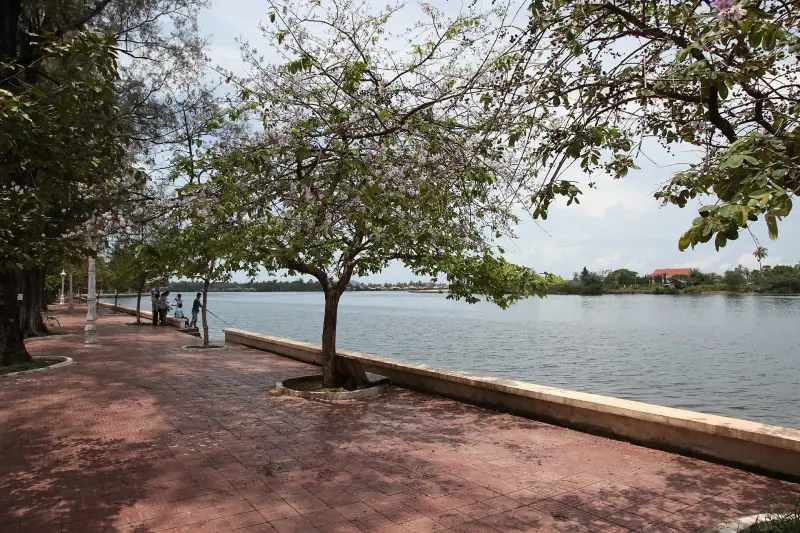
Kampot and Kep: What to Do, See and Eat in Southern Cambodia
Guide to Kampot and Kep: top activities, day trips, Kampot pepper, Kep crab, beaches and places to stay. Everything you need for southern Cambodia.
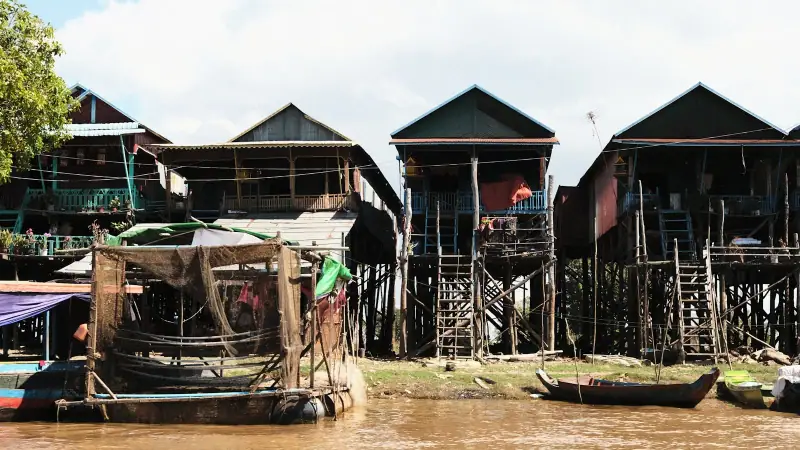
Visiting Tonle Sap: Floating Villages, Boat Trips and Nature in Cambodia
Complete guide to Tonle Sap lake: floating villages, Kampong Phluk, Chong Kneas, the Prek Toal bird sanctuary and excursions from Siem Reap.
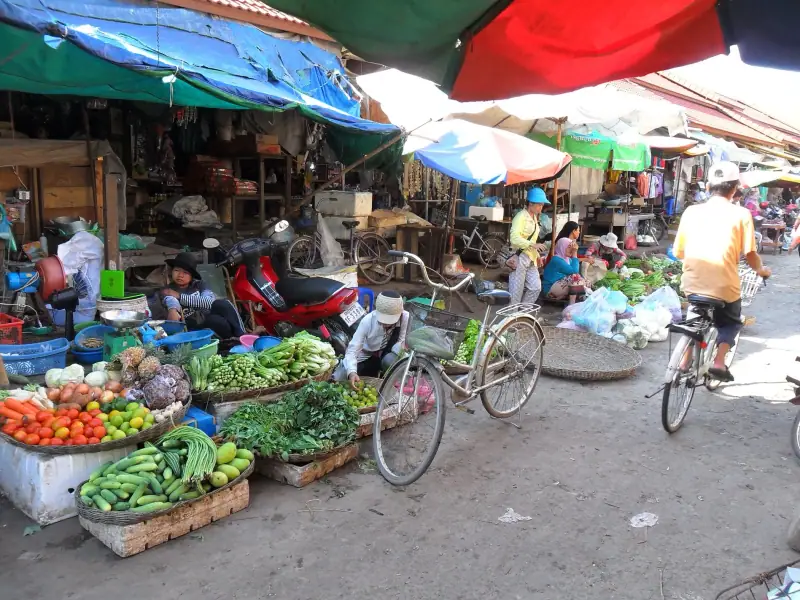
Cambodia Travel Budget: How Much Does a Trip Cost in 2026?
How much does a trip to Cambodia cost? Daily budgets, hotel prices, transport, meals and activities so you can plan your stay without surprises.
Ready-made
Cambodia itineraries
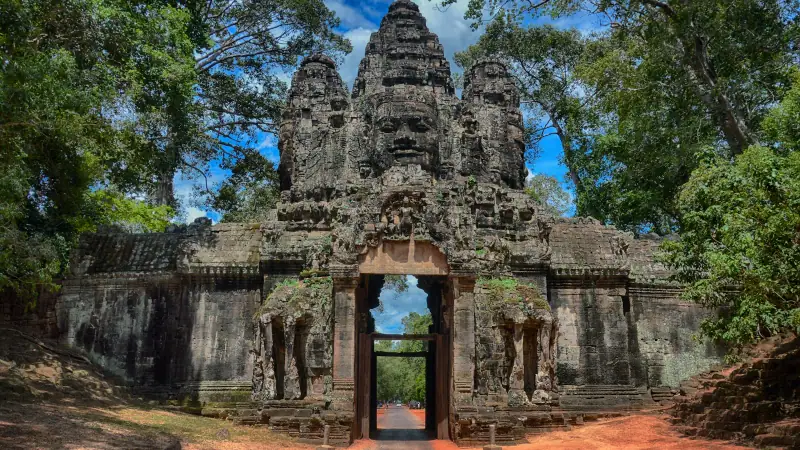
12 days
Cambodia in 12 Days with Kids: Stops, Distances and a Realistic Pace
Siem ReapPhnom PenhKampotKoh Rong Samloem
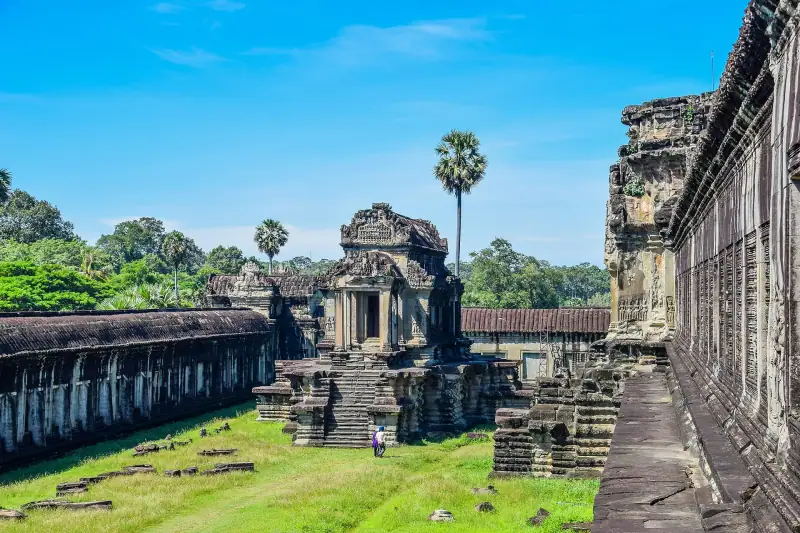
7 days
Cambodia in 7 Days: The Perfect One-Week Itinerary
Phnom PenhSiem Reap
Can be adapted in the planner
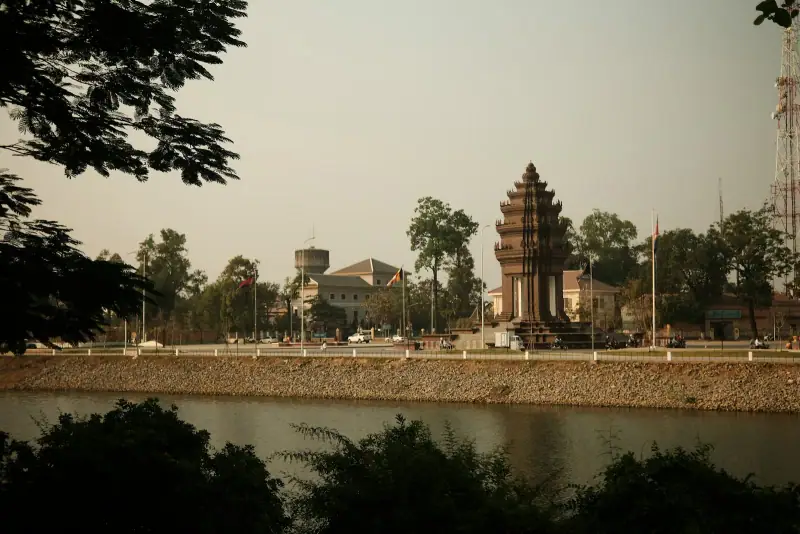
4 days
Road Trip in Northwest Cambodia: Battambang and Around in 4 Days
4-day road trip itinerary in northwest Cambodia: bamboo train, rice paddies, Phnom Sampeau bats and Angkorian temples away from the crowds.
Can be adapted in the planner