What to see
Furnas: complete guide to São Miguel's volcanic village
We may earn a commission when you book through links on this page, at no extra cost to you. We don't visit or try the places we cover: we summarize published sources. How we work
In short
- Furnas is about 40 km (25 mi) east of Ponta Delgada, a 40 to 50 minute drive; a full day covers the main sights.
- The cozido das Furnas cooks 6 to 7 hours in volcanic ground; lunch only, costs about €15 to €25 (about $17 to $29), and you should book ahead.
- The Terra Nostra Garden has a thermal pool at about 35 to 40 °C (95 to 104 °F) that stains swimsuits; the caldeiras by the lake are not for swimming.
- Caldeira Velha, about 20 to 25 km (12 to 15 mi) north, has natural pools you can swim in; entry is about €10 (about $12).
In the vast collapsed caldera of eastern São Miguel, there is a village where the ground breathes. Columns of white steam rise from the shore of the lagoon, pots cook slowly a meter (3 ft) beneath walkers’ feet, and the air smells of sulfur, gently and not unpleasantly, a constant reminder that you are walking on a living volcano. Welcome to Furnas, one of the most spectacular geothermal sites in Europe and an essential stop on any trip to São Miguel.
About 40 kilometers (25 mi) east of Ponta Delgada, Furnas is more than a geological curiosity. It is also a botanical garden of worldwide reputation, the birthplace of a traditional dish cooked by the heat of the Earth, and a valley of quiet beauty that blue hydrangeas fill every summer. Here is what you need to know to make the most of it.
The caldeiras and fumaroles: where the earth boils
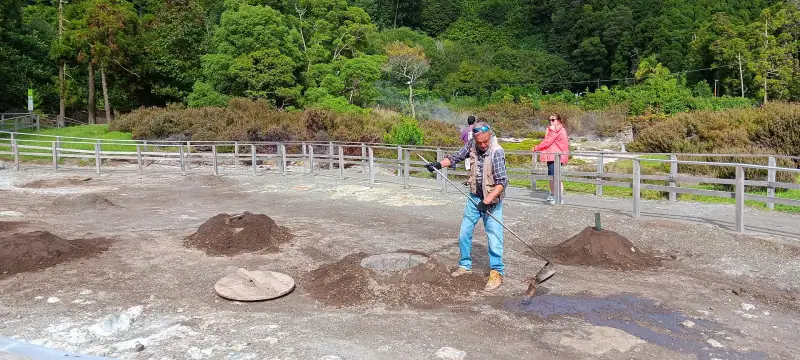
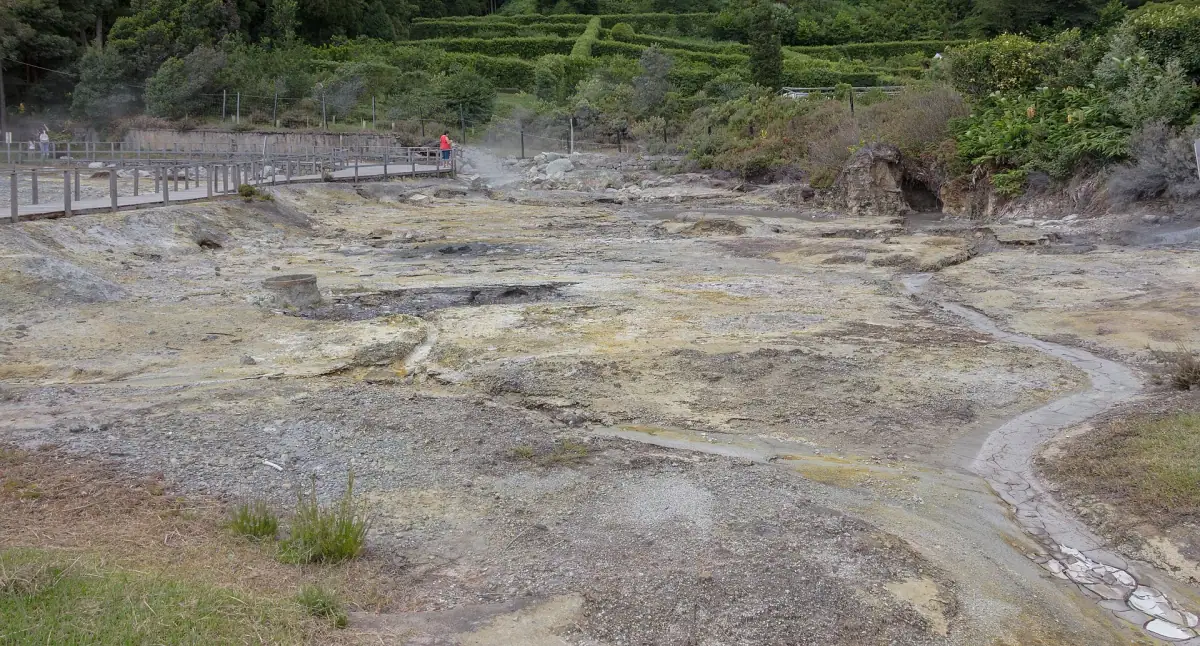
The first thing most visitors do on arriving in Furnas is head to the caldeiras das Furnas, a geothermal site right on the edge of the Lagoa das Furnas, about 2 km (1.2 mi) from the village. The contrast is striking: the calm surface of the volcanic lake on one side, and on the other a steaming shore where some twenty springs bubble, gush and spit jets of sulfurous steam, coloring the rocks yellow, ochre and rust.
The access path runs along the lake for about 500 meters (1,640 ft) and lets you approach the different springs from a few meters away. Some boil violently, others smoke silently. The temperature of the geothermal water varies by spring: the hottest reach close to 100 °C (212 °F). Information panels show the types of springs (sulfurous, iron-rich, carbonated) and their temperatures. The ground around is warm underfoot even outside the visible spring areas.
One unexpected detail: this is exactly where the pots of cozido das Furnas are buried (more on that below). The holes dug in the volcanic ground, marked with small signs, are easy to see. You immediately understand why this cooking practice has survived for centuries.
Practical tips: Access to the caldeiras is free and open year-round. Early morning (before 9 am) offers the best light for photography and fewer tourists. Stay strictly on the marked paths: the ground outside the developed areas can be unstable and hides geothermal pockets. Closed-toe shoes are recommended.
Tours of Furnas and São Miguel
Guided tours including Furnas, Lagoa do Fogo and São Miguel's volcanic sites, departing from Ponta Delgada.
Cozido das Furnas: the dish cooked by the Earth
There is probably no culinary experience more directly tied to the geology of a place. Cozido das Furnas is a local version of cozido à portuguesa, the traditional Portuguese stew of meats, cured sausages, vegetables and beans, with one defining feature: how it is cooked. The pots, loaded with all the ingredients, are lowered into holes dug about a meter (3 ft) deep in the hot volcanic ground by the lake and cooked slowly for six to seven hours in natural geothermal heat.
The ground’s heat at this spot is enough to reach and hold a cooking temperature of about 90 to 98 °C (194 to 208 °F) at the depth of the pots. The holes are opened each morning around 5 to 6 am, the pots lowered, then lifted out in late morning for lunch service. The contents are transferred to serving dishes and served to customers of the village restaurants who have placed an order.
A typical cozido das Furnas includes chicken, pork, beef, chorizo (chouriço), morcela (blood sausage), Portuguese cabbage, carrots, potatoes, sweet potatoes and beans, all tender and fragrant, with a softness that only slow cooking gives. Served with local corn bread and a glass of Azorean wine, it is one of the most memorable meals the archipelago can offer.
Practical: Several restaurants around the village serve cozido das Furnas at lunch only. Quantities are limited by the number of pots, so book ahead, especially in high season (May to September). Expect to pay about €15 to €25 (about $17 to $29) per person for a full dish with a drink. Some restaurants offer a set menu including a plate of local cheeses and desserts.
The Terra Nostra Garden: a garden inside a volcano
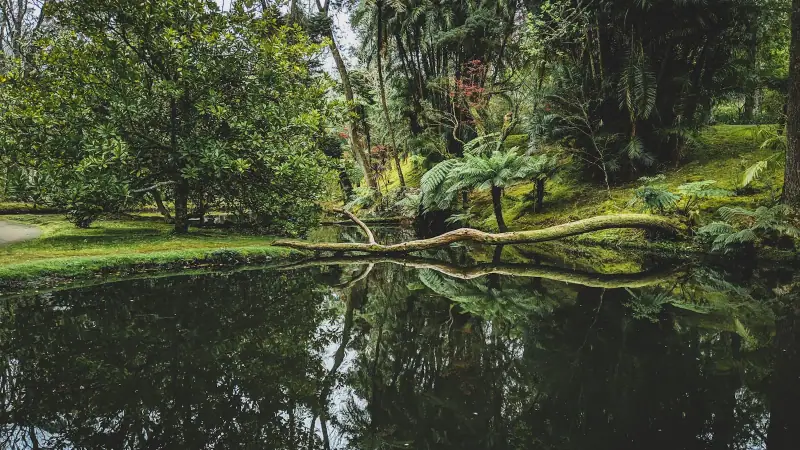
A few minutes’ walk from the village center, the Parque Terra Nostra is one of the finest botanical gardens in the Azores, and one of the most unusual in Europe. Founded in 1780 (late 18th century) by the American merchant Thomas Hickling, then developed significantly in the 19th century, this 12-hectare (30-acre) garden fills the floor of the Furnas valley in a humid, warm microclimate that favors tropical vegetation of a lushness rare at these latitudes.
The plant collection is remarkable: old camellias, some reaching the size of small trees, monumental araucarias, tree ferns several meters tall, cycads, Canary Island palms, sequoias, ginkgos, giant bamboo and an exceptional display of species native to the Azores. In winter and spring, the camellia bloom turns the garden pink and white.
The thermal pool
The highlight of the Terra Nostra Garden is its large thermal pool, fed by a natural iron-rich spring. The water, at about 35 to 40 °C (95 to 104 °F), is ochre-brown because of its high iron and mineral content, which gives it a reputation for being good for joints and skin but will inevitably stain your swimsuit. Bring an old one you don’t mind staining.
The pool is large (several dozen meters across) and shallow. Soaking in this hot mineral water among giant araucarias and ferns is a singular experience, somewhere between a natural spa and a garden of Eden. On weekdays or early in the morning, crowds are moderate. On July and August afternoons, it can get busy.
Practical: Admission to the Parque Terra Nostra includes the garden and the pool. Opening hours vary by season (generally open during the day). Check exact prices and hours on the official website before your visit, as they can change.
Places to stay in Furnas
Guesthouses and hotels in the heart of the volcanic valley, so you can enjoy the sights at your own pace.
Lagoa das Furnas: the lake at the bottom of the crater
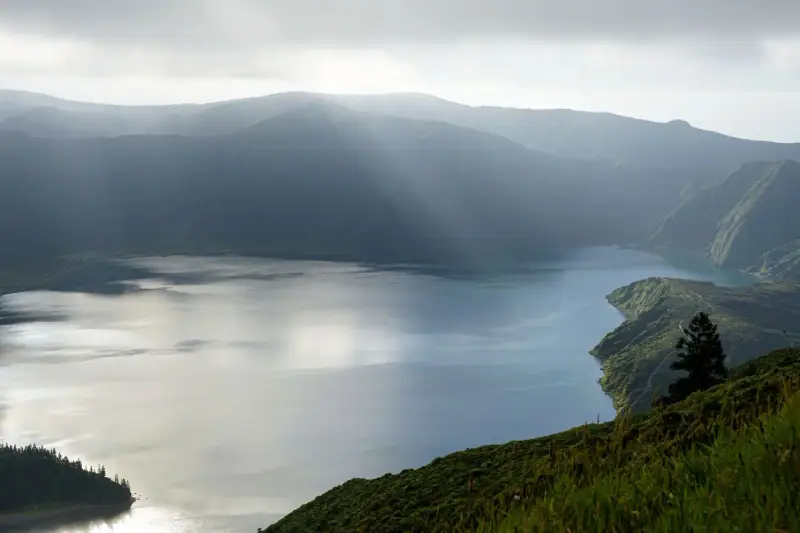
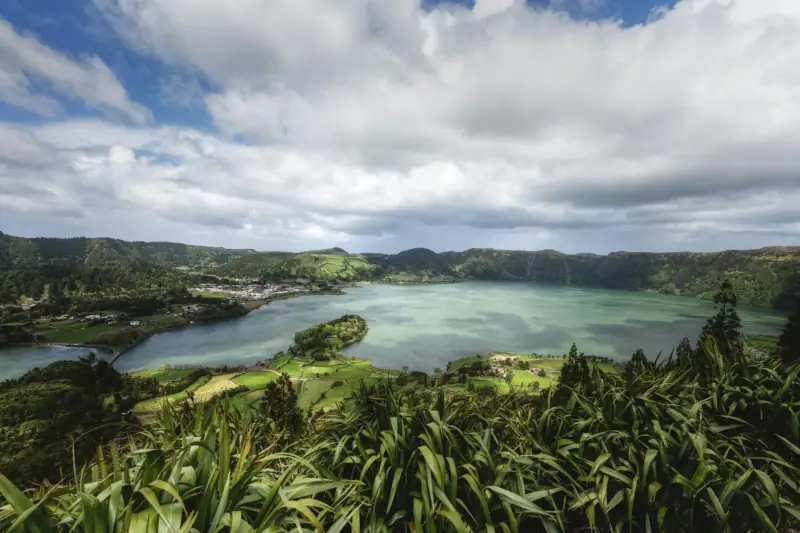
The Lagoa das Furnas is the volcanic lake that fills the floor of the old Furnas caldera. It covers about 2 km² (0.8 sq mi) at an elevation of about 280 meters (920 ft), surrounded by slopes covered in Japanese cryptomeria (conifers introduced to fight erosion), hydrangeas and dense vegetation. The water is calm and a deep blue-green, and the morning mist that often clings to the shores adds to the mysterious feel of the place.
Driving around the lake (about 8 to 10 km / 5 to 6 mi) is recommended to appreciate its different sides: the north shore has the most open views over the water, while the south shore runs along the caldeiras and fumaroles. The village of Furnas stretches along the eastern end of the lake.
The Pico do Ferro viewpoint
For an overview of the Furnas valley and the Lagoa das Furnas, Pico do Ferro is the essential viewpoint. Reached by a small road from the village, this viewpoint at about 600 meters (1,970 ft) offers an exceptional panorama over the whole caldera: the lake below, the wooded slopes all around, the smoke of the caldeiras visible from above and, in clear weather, the endless green pastures typical of São Miguel.
Pico do Ferro is especially spectacular early in the morning, when the mist gradually lifts from the bottom of the caldera, or at the end of the day in low light. The access road is narrow but passable in an ordinary car.
Hikes around Furnas
The Furnas valley is also good hiking terrain, with several marked trails for different levels.
Caldera rim trail
Trails follow the heights of the caldera and allow a partial or full loop of the old crater’s rim. These routes cross forests of cryptomeria and laurisilva (the native Macaronesian forest), with openings onto views of the lake below. The trails are generally well maintained but can be muddy and slippery after rain, which is frequent in this part of the island.
Hikes toward Sete Cidades and Lagoa do Fogo
From Furnas, routes lead to other emblematic sites on São Miguel. Lagoa do Fogo, in the center of the island, is reached by a road from Vila Franca do Campo or Ribeira Grande, about 28 km (17 mi) northwest of Furnas. It makes a day trip that combines naturally with Furnas. For everything on hiking in the archipelago, see our guide to hiking in the Azores.
Recommended gear: Waterproof hiking shoes, a light rain jacket (showers can be brief but intense), sunscreen. Download the trail map before you set out, as mobile coverage can be unreliable in the valley.
Other hot springs and spas in Furnas
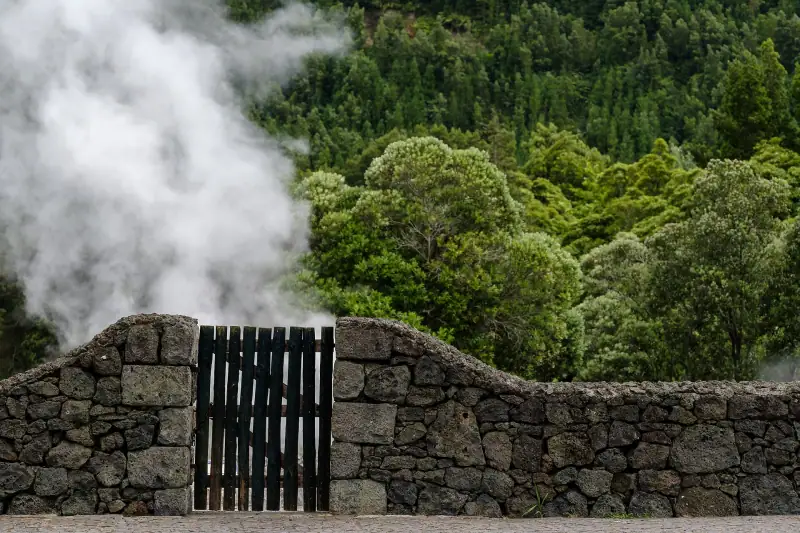
Furnas has several kinds of thermal facilities, from the most natural to the most developed.
Caldeira Velha
About 20 to 25 km (12 to 15 mi) north of Furnas (on the road toward Ribeira Grande, EN5-2A), Caldeira Velha is another geothermal site on São Miguel, with a waterfall and two natural thermal pools in a sheltered forest setting. Unlike the caldeiras of Furnas, you can swim in these pools (one hotter, one milder). It is a natural site run by the regional authorities, with an entrance fee. Access is by a short walk down from the parking lot. For everything on the hot springs you can use in the archipelago, read our guide to hot springs in the Azores.
Furnas’s carbonated waters
Furnas is known for its natural sparkling waters, rich in CO₂ of volcanic origin. Several fountains in the village dispense naturally fizzy, slightly iron-tasting water. These waters have long been credited with digestive benefits and are still used for therapeutic purposes in some local establishments. Tasting the water straight from the source is a curiosity worth trying.
Furnas in bloom: the hydrangeas
From June to August, the blue hydrangeas lining all of São Miguel’s roads are especially dense in the Furnas valley. Whole hedges, gardens, roadsides and the lake’s edges all turn blue. This phenomenon, which has become the iconic image of São Miguel, is due to the natural acidity of the volcanic soil, which intensifies the blue pigment of the hydrangeas.
The effect peaks in June and July. Even as you approach the valley from Ponta Delgada, once the road starts descending toward Furnas, walls of blue hydrangeas frame the road on both sides. A few pink and white hydrangeas join the palette, but blue dominates by far.
Practical information for visiting Furnas
Getting there from Ponta Delgada
By car: Furnas is about 35 to 40 km (22 to 25 mi) east of Ponta Delgada on the EN1-1A (toward Lagoa, Ribeira Quente). Allow 40 to 50 minutes. The road is well maintained and fully signposted. You can also go through the north of the island (via Nordeste), a longer but very scenic drive.
Guided tour: Many operators in Ponta Delgada offer day tours including Furnas, often combined with Lagoa do Fogo, the Caldeira Velha springs and sometimes Nordeste. This is the most practical solution if you don’t have a car. These tours can be booked on the spot or online.
Public transport: Bus links exist between Ponta Delgada and Furnas, but schedules are limited and poorly suited to sightseeing. Renting a car is clearly preferable.
Getting around Furnas
The village of Furnas is small and can be covered entirely on foot. The Terra Nostra Garden is a few minutes’ walk from the village center. The caldeiras by the lake are about 2 km (1.2 mi) from the village (reachable on foot along the lakeshore or by car on the road that circles the lake). Pico do Ferro requires a car.
Where to stay in Furnas
Sleeping in Furnas rather than Ponta Delgada lets you enjoy the village’s distinctive atmosphere in the evening (once the tour buses have left) and visit the caldeiras early in the morning in peace. Accommodation is more limited than in Ponta Delgada but includes several guesthouses (pensões) and hotels in and around the village. For an overview of the best options on São Miguel, see our guide to where to stay in São Miguel.
Lodging budget: Guesthouse room €50 to €80 per night (about $58 to $93), 3 to 4-star hotel €90 to €150 per night (about $105 to $175).
Budget for a day in Furnas
- Terra Nostra Garden admission (garden + thermal pool): price varies by source and season (check the park’s official website before you go).
- Cozido das Furnas lunch: about €15 to €25 (about $17 to $29) per person, drink included.
- Caldeiras and Pico do Ferro viewpoint: free.
- Caldeira Velha (if combined): paid entry, about €10 (about $12) per adult for full access to the pools (ticket to buy online on the Azores nature parks portal).
- Car rental from Ponta Delgada: from €30 to €40 per day (about $35 to $46), indicative price, varies widely by season and rental company.
Total budget for a day (excluding car): about €30 to €45 (about $35 to $52) per person for a full program.
For an overview of what to budget for your trip to the archipelago, see our complete guide to the Azores budget.
Car rental in São Miguel
Essential for exploring Furnas, Lagoa do Fogo and the rest of the island at your own pace.
Suggested itinerary: a perfect day in Furnas
Morning: the caldeiras and the thermal bath
- 7:30 am: Leave Ponta Delgada by car. The road crosses the farmland of Lagoa then climbs gently east.
- 8:15 to 8:45 am: Stop at the Pico do Ferro viewpoint for the morning view over the caldera. The light is ideal and mist still clings to the bottom of the lake.
- 9 am: Head down to the Terra Nostra Garden at opening. Walk through the botanical garden, then soak in the thermal pool (bring your swimsuit). The water is soft and enveloping in the morning.
- 10:30 am: Back to the village, coffee at one of the small local spots.
Midday: the geothermal cozido
- 11 to 11:30 am: Visit the caldeiras by the lake (500-meter / 1,640-ft path). Look at the buried pots and the fumaroles.
- 12:30 pm: Lunch at one of the village restaurants serving cozido das Furnas. Book the day before in high season.
- 2 pm: Drive around the lake (allow 30 to 40 min). Photo stops on the north shore.
Afternoon: Caldeira Velha
- 3 pm: Drive to Caldeira Velha (about 25 to 30 min north). Walk down to the thermal pools under the waterfall. Swim in the natural pools if you feel like it.
- 4:30 pm: Return to Ponta Delgada along the north coast (via Ribeira Grande, with Lagoa do Fogo in view if the weather is clear) or directly by the main road.
- 6 to 6:30 pm: Arrive in Ponta Delgada.
To fit Furnas into a full circuit of the island, see our guide to the São Miguel road trip.
Furnas is one of those destinations that always exceeds expectations. You come to see steam rising from the ground, and you leave with the memory of a lunch cooked by the heat of the Earth, a soak in ochre water among century-old araucarias and a morning mist that turns the caldera into an otherworldly landscape. It shows that the Azores are not only beautiful: they are alive.
Frequently asked questions
Where is Furnas and how do you get there from Ponta Delgada?
Furnas is a village in the east of São Miguel, about 35 to 40 km (22 to 25 mi) from Ponta Delgada. The most direct route takes the EN1-1A east, about 40 to 50 minutes by car. There is no practical public transport link for tourists: a rental car or a guided tour from Ponta Delgada are the most convenient options. Some operators offer day tours combining Furnas, Lagoa do Fogo and other sites in central-eastern São Miguel.
What is cozido das Furnas and where can you try it?
Cozido das Furnas is a traditional Portuguese stew (cozido à portuguesa) that is cooked with geothermal heat. Cast-iron pots holding meats (chicken, pork, beef, chorizo, morcela), vegetables (cabbage, carrots, potatoes, sweet potatoes) and beans are buried about 1 m (3 ft) deep in the hot volcanic ground by the Lagoa das Furnas and cooked slowly for 6 to 7 hours. Several restaurants in Furnas serve this signature dish, mainly at lunch. You generally need to book or arrive early because quantities are limited.
Is it better to visit Furnas for half a day or a full day?
A full day is recommended to see the essentials: the Terra Nostra Garden (allow 1 h 30 to 2 h with the thermal bath), lunch with cozido das Furnas, a walk among the caldeiras and fumaroles by the lake (45 min), a drive around the lake and the Pico do Ferro viewpoint. Half a day from Ponta Delgada is possible but forces you to choose. If you stay in Furnas itself, a night there lets you enjoy the village in the evening and visit the sites at your own pace.
What is there to do at the Terra Nostra Garden?
The Terra Nostra Garden (Parque Terra Nostra) is a 12-hectare (30-acre) botanical garden founded in the 19th century, set in the heart of the Furnas valley. It holds an exceptional collection of plants from five continents: giant camellias, araucarias, tree ferns, cycads, palms and species native to the Azores. The highlight is its large natural thermal pool fed by iron-rich springs at about 35 to 40 °C (95 to 104 °F). The ochre water stains swimsuits, so bring an old one. Admission includes the garden and the thermal pool. Swimming in the morning helps you avoid the afternoon crowds.
Can you swim in the thermal springs of Furnas?
Yes, but the options differ by site. The thermal pool at the Terra Nostra Garden is the main place to bathe in geothermal water: a large open-air pool at about 35 to 40 °C (95 to 104 °F), included in the garden admission. The caldeiras and fumaroles by the Lagoa das Furnas are not swimming areas: they are points of intense geothermal heat (temperatures up to 100 °C / 212 °F) and some of the water is acidic. Stay on the marked paths near the caldeiras.
What is the best time to visit Furnas?
Furnas can be visited year-round because its geothermal attractions are permanent. May to September has the mildest weather and the gardens are in full bloom. June and July are the tourist peak: the Terra Nostra Garden and the cozido restaurants can be crowded, so book ahead. Autumn (September to October) is an excellent time: vegetation still green, fewer visitors, pleasant temperatures. In winter, mist and frequent rain give the caldeiras a mystical atmosphere, but conditions can be less comfortable for hiking.
More Azores guides
Keep reading
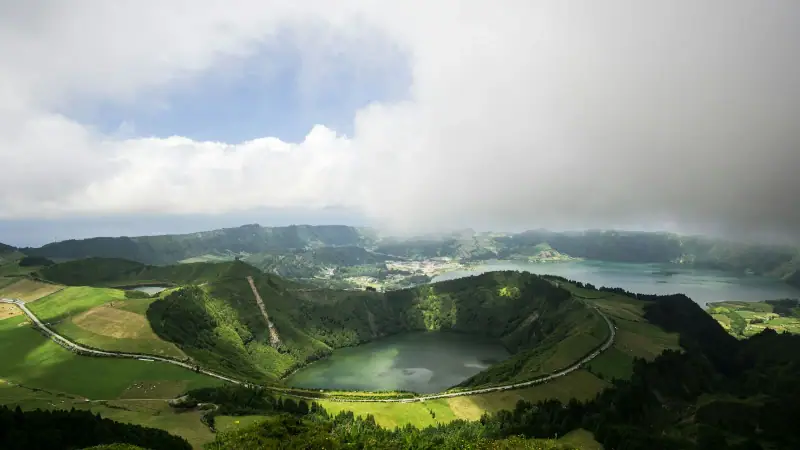
Azores Lakes and Volcanoes: The Main Natural Sites
The most beautiful volcanic lakes in the Azores. Sete Cidades, Fogo, Furnas, Algar do Carvão: the archipelago's natural wonders.
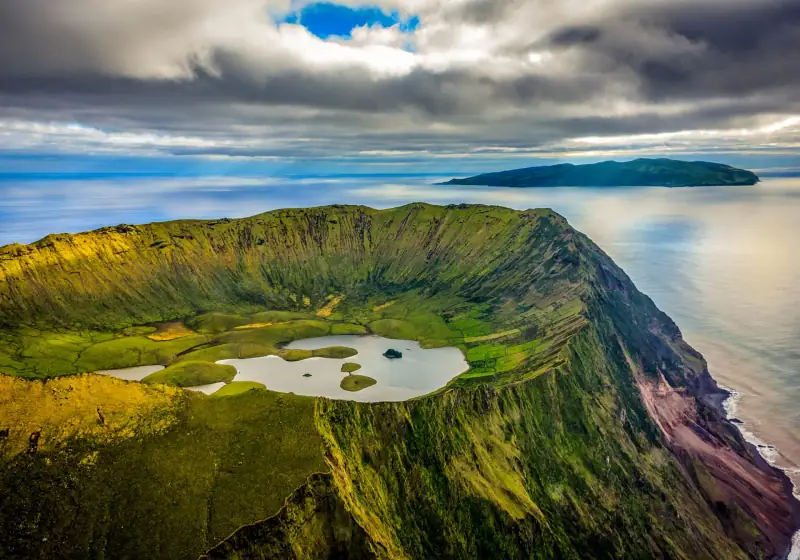
Corvo Island: A Complete Guide to the Smallest Island in the Azores
Complete guide to Corvo in the Azores: the Caldeirão, Vila do Corvo, birdwatching and practical tips for the archipelago's most remote island.
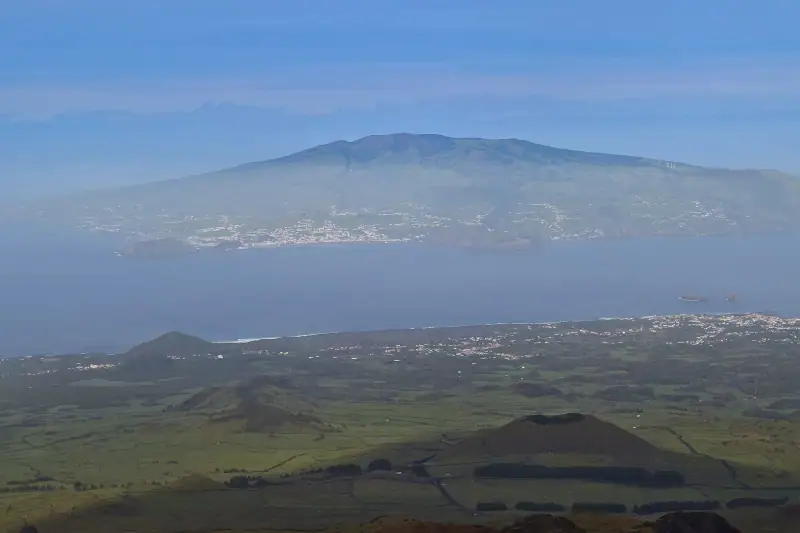
Faial Island: A Complete Guide to the Blue Island of the Azores
Complete guide to Faial in the Azores: the caldera, Capelinhos, Horta marina, beaches and hikes. Everything you need to visit the Blue Island.
Ready-made
Azores itineraries
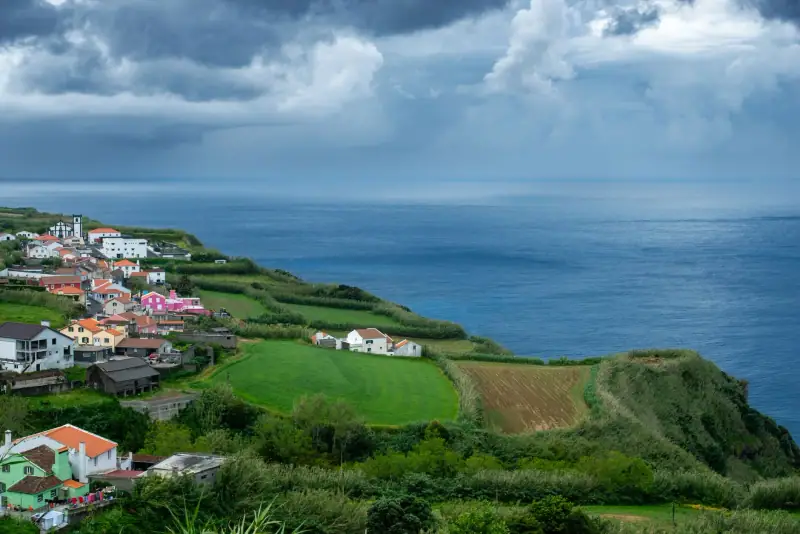
São Miguel Road Trip: Driving Around the Island
A complete guide to driving around São Miguel in the Azores: route, essential stops, road tips and lesser-known spots.
4 days
São Miguel in 4 Days Without a Car: A Realistic Itinerary by Bus and Organized Tour
Can you visit São Miguel without a rental car? A realistic 4-day itinerary with public buses, organized tours, schedules, prices and distances.
5 days
São Miguel in 5 days with kids: stops, miles and a realistic pace
5 days on São Miguel (Azores) with kids: day-by-day stops, distances and drive times, naps, swims, whales and pace pitfalls to avoid.
Can be adapted in the planner