Things to do
Visiting Jozani Forest in Zanzibar Without a Tour: Prices, Daladala and Practical Tips
We may earn a commission when you book through links on this page, at no extra cost to you. We don't visit or try the places we cover: we summarize published sources. How we work
In short
- Jozani is a national park open to everyone: pay at the gate, no booking needed. A park ranger guide is compulsory and included in the ticket.
- Entry is about $10 to $12 per adult (around 30,000 TZS); children pay roughly half. The Butterfly Centre is a separate $5 to $7 ticket.
- From Stone Town, a daladala toward Paje or Jambiani costs about 3,000 TZS (under $2) for 45 minutes to 1 h; a taxi for the day runs $40 to $60.
- Arrive at opening (7:30 to 8 am) to beat tour groups. Bring cash, as the card terminal is not always working.
“Do you really have to pay for a $100 excursion to see the red colobus of Jozani?” That is the question more and more independent travelers ask while planning a stay in Zanzibar. Good news: Jozani-Chwaka Bay Forest is a national park open to everyone, and nothing requires you to go through an agency to get there. This guide covers the real ticket price, transport options by daladala or car, and tips for visiting this unique sanctuary without being overcharged.
Jozani, Zanzibar’s only national park
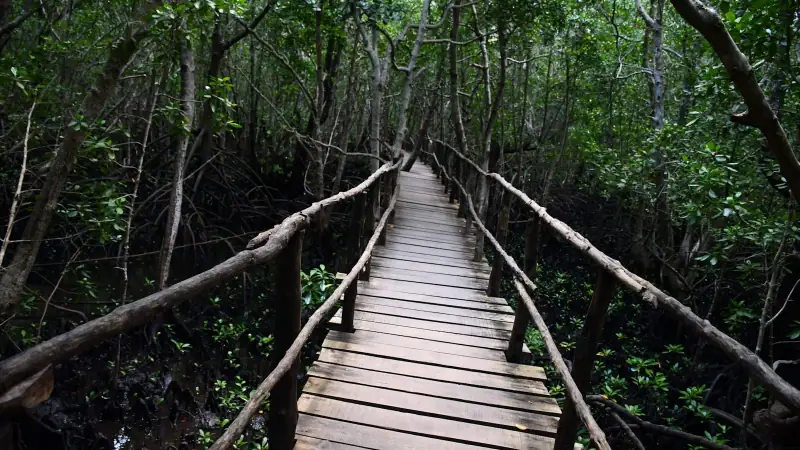
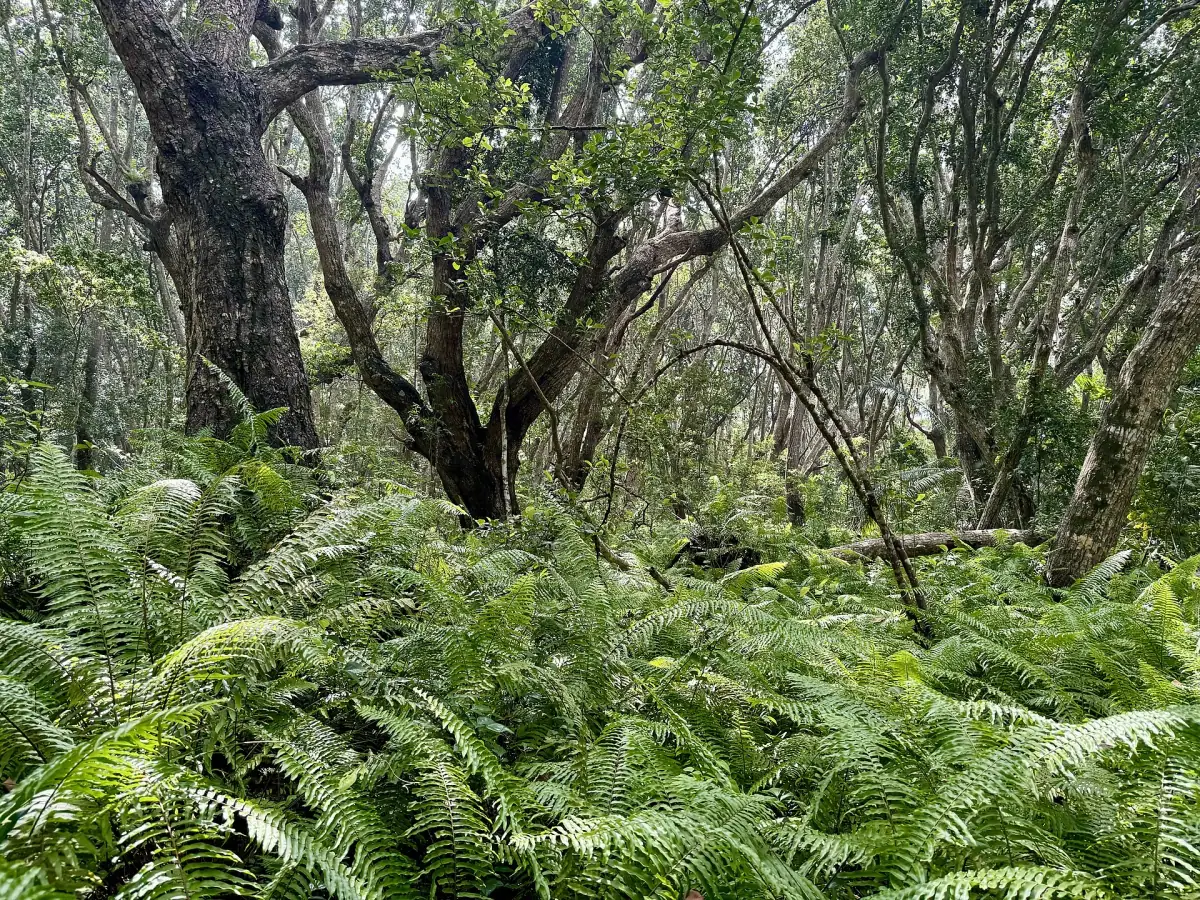
Jozani-Chwaka Bay Forest is the only land national park in the archipelago. It is home to the Zanzibar red colobus (Kirk’s red colobus), an endangered endemic monkey found nowhere else in the world. The park combines a humid tropical forest, a mangrove area crossed by a wooden boardwalk, and rich wildlife (mongooses, more than 40 bird species).
About 35 km (22 mi) southeast of Stone Town, on the road to the east coast, Jozani is a logical stop if you are heading down to Paje or Jambiani, which makes it an easy excursion to combine without an organized tour.
Can you really visit Jozani without a tour?
Yes, absolutely. Unlike some excursions sold as “exclusive experiences” by Stone Town agencies, Jozani is a national park jointly managed by Tanzanian conservation authorities and the UNESCO Man and the Biosphere program, with a ticket gate open to the public. You do not need to book ahead: just show up at the entrance, pay for your ticket, and an official park ranger goes with you on the trail.
The one firm rule: you do not walk alone in the forest, and the park guide is compulsory for conservation and safety reasons. But this guide is part of the entry ticket. You pay nothing more than a visitor on an organized excursion, just without the middleman’s margin.
How much does Jozani cost in 2026?
Here are the rates reported at the park ticket office:
| Item | Indicative price |
|---|---|
| Adult entry (guide included) | $10-12 |
| Child entry | about 50% of the adult rate |
| Zanzibar Butterfly Centre (neighboring, separate site) | $5-7 |
| Jozani + Butterfly Centre combined, independently | $15-19 |
Payment is in US dollars or Tanzanian shillings (around 30,000 TZS). Keep cash on you: there is not always a working card terminal at the gate, which is fairly common outside the busiest tourist areas. See our guide to ATMs and bank cards in Zanzibar to plan your withdrawals before heading south.
The park is open every day from 7:30 am to 5 pm, with a last entry advised around 4 pm so you have time to finish the visit before closing.
How to get to Jozani without a tour
By daladala (the cheapest option)
The daladala is the local shared minibus, and by far the cheapest way to reach Jozani from Stone Town.
- Go to the Darajani daladala terminal, near Stone Town’s central market.
- Look for a vehicle showing “Paje” or “Jambiani” as its destination. The road passes right in front of the Jozani entrance.
- Tell the driver or the touts that you are getting off at Jozani (“Jozani, please” is enough).
- Expect about 3,000 TZS per person (under $2) for a 45-minute to 1-hour ride.
There are no fixed schedules: daladalas leave when they are full enough, which takes a bit of patience and flexibility. It is also one of the most authentic ways to travel like Zanzibaris themselves. To organize your trips and stay connected on the ground, consider setting up a local SIM card before heading out, useful for checking schedules or calling a taxi for the return.
By rental car
If you have rented a vehicle, Jozani sits right on the road linking Stone Town to the east coast (Paje/Jambiani). The trip takes about 45 minutes from Stone Town on a road that is generally in good condition. It is the most flexible option if you plan to link several stops the same day (Butterfly Centre, fishing village, beach). See our complete guide to car rental and the international permit in Zanzibar before you commit, because local driving rules and required documents often surprise travelers.
By negotiated taxi
For a group of 2 to 4 people, a taxi for the day from Stone Town generally comes to $40 to $60 round trip, with waiting time during the visit included. Negotiate the price before getting in and make clear whether you want an extra stop at the Butterfly Centre or on the coast.
What do you actually see during the visit?
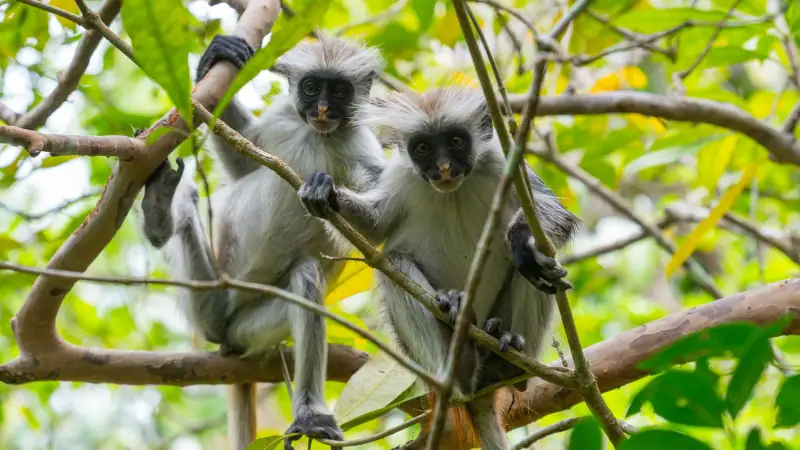
Once your ticket is paid, the park ranger takes you on the main forest trail, a loop of about 1 h to 1 h 30 through dense humid forest. This is where the red colobus live: these monkeys are used to people and can usually be seen from just a few meters away, no binoculars needed.
As an option (sometimes included depending on the guide, sometimes for a small extra fee), the mangrove boardwalk lets you cross a coastal mangrove area with dry feet, with a view of the characteristic aerial roots and different wildlife (crabs, waterbirds).
Allow 1 h 30 to 2 h in total for a full visit including both trails, not counting transport time.
Should you add the Zanzibar Butterfly Centre?
Right next to Jozani’s main entrance is the Zanzibar Butterfly Centre, an independent site (separate ticket, $5 to $7) with an enclosed garden where dozens of local butterfly species fly freely, with explanations of their life cycle. It is a good add-on for families, easy to fit into the same trip since the two sites are less than a 5-minute walk apart. If you are traveling with young children, this combination makes a full morning without too much fatigue.
Practical tips for a smooth visit
- Closed-toe shoes and light clothing: the forest trail is sometimes wet and muddy, especially in the rainy season.
- Mosquito repellent: the forest is humid all year, and mosquitoes are present even in daytime.
- Plenty of water: there is not always somewhere to buy it inside the park, so bring your bottle from Stone Town or your accommodation.
- Cash in shillings or dollars: do not count on a bank card at the gate.
- Tip for the guide: not required but generally welcome (1,000 to 2,000 TZS), as rangers’ salaries remain modest.
- Camera without flash: flash disturbs the colobus, so avoid it to respect the wildlife.
Combining Jozani with the east coast
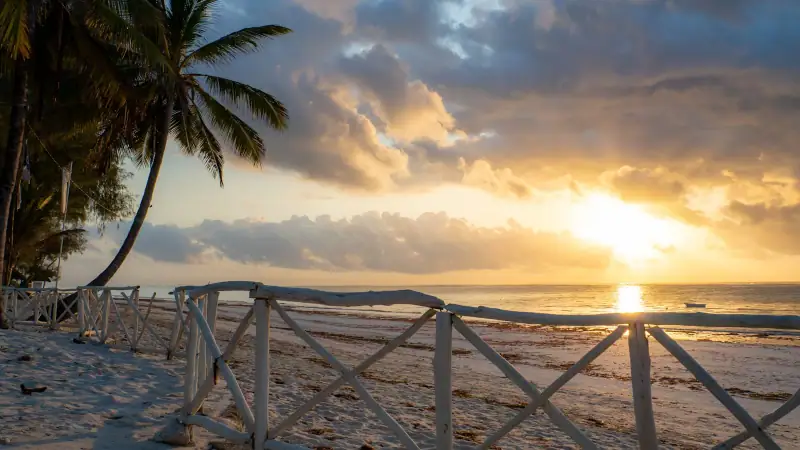
Jozani’s location, halfway between Stone Town and the east coast, makes it a natural stop for anyone heading down to Jambiani or Paje. Many independent travelers handle their accommodation transfer the same day: daladala or taxi from Stone Town, a 2-hour stop at Jozani, then the same vehicle (or another daladala) on to the chosen beach. This setup avoids a pointless round trip to Stone Town and fits easily into a tight Zanzibar travel budget, without sacrificing the experience.
In summary
- Jozani can be visited without a tour, with a park guide included in the entry ticket ($10-12 per adult)
- The daladala from Darajani (Stone Town) is the cheapest option, about 3,000 TZS
- A rental car or negotiated taxi offers more flexibility to combine several stops
- Arrive early (7:30-8 am) to avoid tour groups and watch the red colobus in peace
- The neighboring Zanzibar Butterfly Centre is a separate ticket, to add depending on your time
- Bring cash (shillings or dollars), as the park does not always accept cards
With this information, a morning at Jozani costs clearly less than a standard organized excursion, for an experience just as complete, and even more authentic at the pace of local transport.
Frequently asked questions
Can you visit Jozani Forest without booking an organized tour?
Yes. Jozani-Chwaka Bay is a national park run by the Zanzibari authorities, not a private excursion: you can get there on your own (daladala, taxi or rental car) and pay for your ticket directly at the entrance gate. The only requirement is that the forest trail must be done with a park ranger, but this guide is included in the ticket price and assigned on site, with no prior booking.
How much does Jozani Forest cost in 2026?
Expect about $10 to $12 per adult, according to the rates reported (check the current amount with the park, as some sources list more), payable in dollars or Tanzanian shillings (around 30,000 TZS), park guide included. The child rate is generally half. This price covers only the forest and the mangrove; the neighboring Zanzibar Butterfly Centre ($5 to $7) is an independent site with its own ticket.
How do you get to Jozani from Stone Town by daladala?
Take a daladala toward Paje or Jambiani (lines serving the east coast) from the Darajani terminal in Stone Town, and ask the driver to drop you at Jozani. Expect about 3,000 TZS per person for a trip of about 45 minutes to 1 h. There is no official stop and no fixed schedule: daladalas leave when they are full, so allow a margin and check the fare with other passengers before boarding to avoid being overcharged as a tourist.
What is the best time of day to visit Jozani and avoid groups?
Arrive at opening, around 7:30 to 8 am, before the tour operator minibuses drop off their groups in mid-morning. Red colobus monkeys are also more active and easier to see early in the morning, when the heat is still bearable for hiking the main trail.
Do you need to rent a car to visit Jozani, or is the daladala enough?
The daladala is plenty for a simple forest visit, as long as you accept some schedule flexibility. If you plan to combine Jozani with several stops the same day (an east coast beach, the Butterfly Centre, a fishing village), a rental car with an international permit becomes more comfortable and cost-effective for a group. A taxi negotiated for the day from Stone Town is a middle option, generally around $40 to $60 round trip including waiting time.
Is Jozani Forest suitable for children or people with reduced mobility?
Yes for children: the main trail is short (about 1 h to 1 h 30 with the guide), flat and shaded, and watching red colobus usually delights younger kids since the monkeys are used to people. The mangrove boardwalk, however, is more uneven and can be difficult for people with reduced mobility or strollers; in that case it is better to stick to the forest trail.
More Zanzibar guides
Keep reading
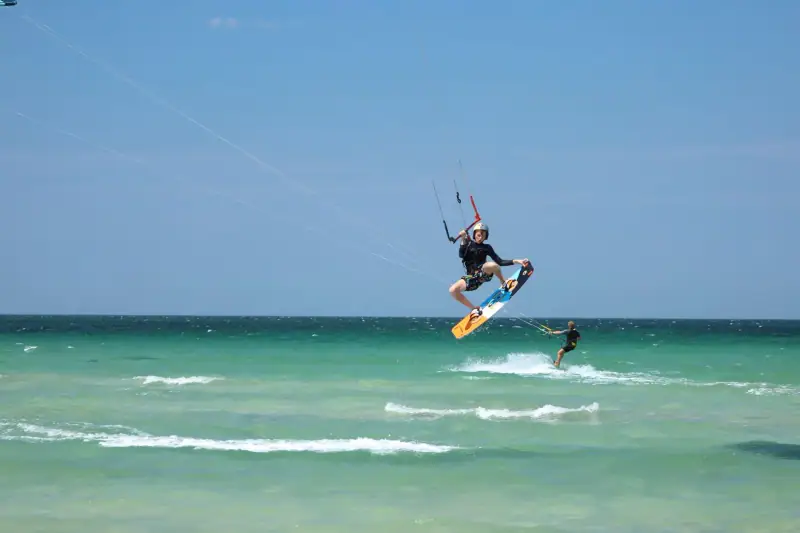
Kitesurfing in Zanzibar: Paje, Jambiani and what to know
Guide to kitesurfing in Zanzibar: the best spots (Paje, Jambiani), schools, prices, skill level needed and the best season to ride.
Mangapwani, Zanzibar: visiting the slave chamber and coral cave without a tour
Mangapwani, 20 km (12 mi) from Stone Town: slave chamber, coral cave and beach. Getting there without a tour, hours, prices to check and practical tips.
Where to Stay in Bwejuu, Zanzibar: Village, Beach and East Coast Hotels
Bwejuu, between Paje and Michamvi: which lodging to pick, what it costs, which beach, and how to handle the tides, cash and transport without a car.
Ready-made
Zanzibar itineraries
5 days
Zanzibar in 5 Days Without a Car: A Realistic Itinerary With Transport
Zanzibar in 5 days without a car: Stone Town, Nungwi and Paje with distances, travel times, taxi and daladala prices, and pitfalls to avoid.
10 days
Zanzibar Island Tour: Complete 10 to 14-Day Itinerary
Stone TownNungwi and KendwaMatemwePaje and JambianiStone Town

3 days
Zanzibar's East Coast: A Complete Guide to Paje and Jambiani
Paje, Jambiani, kitesurfing and Swahili villages: a guide to Zanzibar's east coast, with beaches, dramatic tides and authentic village life.