What to see
Visiting Kaohsiung: a complete guide to the southern metropolis
We may earn a commission when you book through links on this page, at no extra cost to you. We don't visit or try the places we cover: we summarize published sources. How we work
In short
- Allow 3 to 4 days for Pier-2, Lotus Pond, Cijin Island, the night markets and museums; 5 to 6 days with excursions to Tainan or Maolin.
- The HSR links Taipei to Zuoying (Kaohsiung) in under 2 hours for NT$1,490 (about US$49).
- Kaohsiung has two MRT lines (Red and Orange), a Light Rail tram and YouBike bikes; the Ipass card gives a 20% discount.
- Best months are October to March; July-August bring intense heat and typhoon risk.
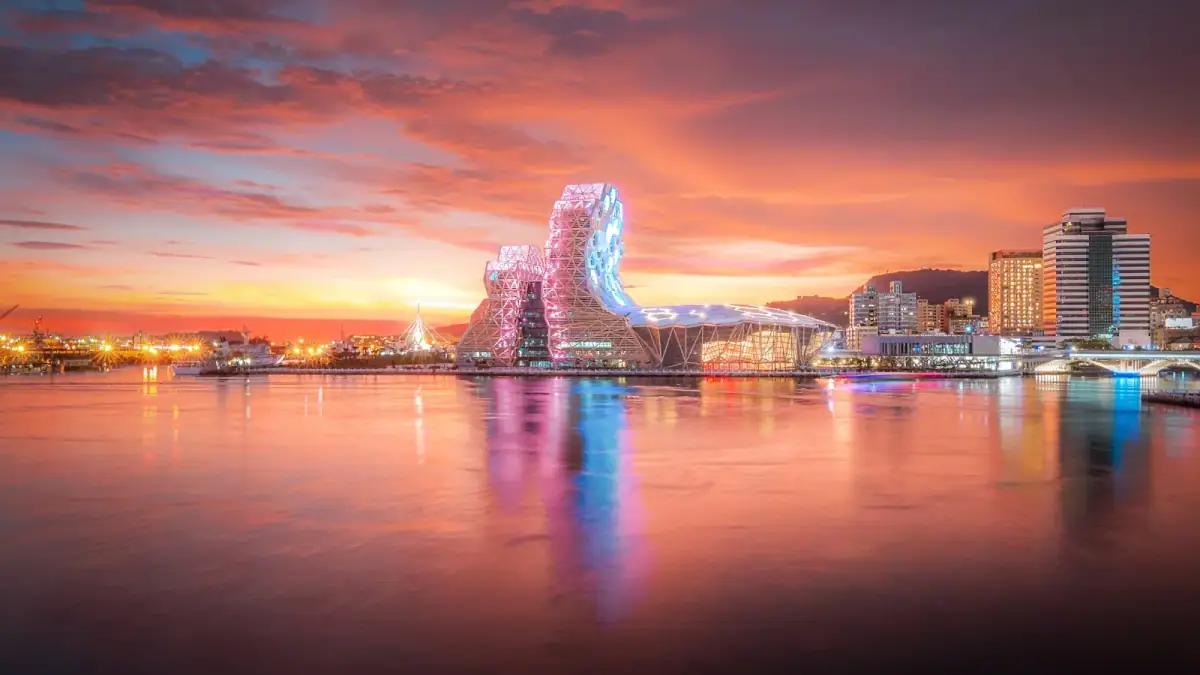
Kaohsiung is Taiwan’s second city, but often the first in the hearts of travelers who discover it. Less touristy than Taipei, more modern than Tainan, this southern port metropolis surprises with its cultural vitality, its green spaces carved out of former industrial warehouses and the warm welcome of its residents. Here is the complete guide to visiting Kaohsiung well.
Why visit Kaohsiung?
Long seen as a charmless industrial city, Kaohsiung has undergone a spectacular transformation since the 2000s. The redevelopment of the port, the creation of the Pier-2 art district, the building of a modern subway and the emergence of a dynamic food scene have made this city a must-see on a trip to Taiwan.
What sets Kaohsiung apart:
- A port turned cultural space: the Pier-2 district is one of the liveliest art districts in Asia
- A distinct local cuisine: southern Taiwan has its own specialties, different from Taipei’s
- A slower pace: fewer crowds, residents more available to chat
- Varied landscapes: sea, mountains, rice paddies and mangroves less than an hour from the center
- An ideal springboard: Kaohsiung is the perfect base to explore Tainan, Kenting and the south of the island
If you are torn between the two big cities, our article Taipei vs Kaohsiung will help you choose according to your tastes.
Kaohsiung’s highlights
Pier-2 Art Center
The former port warehouse district has been transformed into a gigantic open-air cultural space. The Pier-2 Art Center stretches several hundred meters along the quay, with contemporary art galleries, artists’ studios, trendy cafes, designer shops and many permanent art installations in the alleys.
The district is split into three zones (Penglai, Dayi and Dayong) linked by the Light Rail tram. Each renovated warehouse houses a different use: music, visual arts, design, food. In the evening, Pier-2 lights up and becomes one of the liveliest places in the city.
Getting there: Yancheng District MRT station (Orange Line) or Pier-2 Light Rail station. Open 24 hours for the outdoor areas, galleries 10 am to 6 pm.
Lotus Pond (Zuoying)
About twenty minutes from the center by subway, Lotus Pond is an artificial lake surrounded by colorful temples, pagodas and monumental statues. It is one of Kaohsiung’s iconic landscapes, especially spectacular at sunrise or sunset.
The two most famous monuments are the Dragon Tiger Pagodas, where you enter through the dragon’s mouth and exit through the tiger’s tail for good luck, and the Confucius Temple, one of the largest in Taiwan.
A walk on the zigzagging piers crossing the lake gives wonderful reflections of the temples. In the morning, tai chi and qigong practitioners bring the lakeside to life.
Getting there: Zuoying MRT station (Red Line), then a 15-minute walk or YouBike ride.
Where to stay in Kaohsiung
Hotels, B&Bs and apartments in every neighborhood of the city.
Cijin Island
Cijin is a small elongated island closing off Kaohsiung Bay, reached by ferry from downtown in 5 minutes (about NT$30, under US$1). It is an immediate change of scene: no cars, streets lined with old temples and colorful houses, a fine-sand beach and a lively seaside promenade.
Cijin’s main attractions:
- Cijin Beach: a popular beach with street-food kiosks by the sea
- Cihou Lighthouse: a Japanese colonial lighthouse atop a cliff, with a panorama of the bay
- Cijin Seafood Street: the emblematic street for grilled shrimp, oysters, milkfish and fresh octopus
- Tianhou Temple: a temple dedicated to Mazu, goddess of the sea, very lively on weekends
Cijin is particularly pleasant to explore by YouBike, which you can borrow as soon as you leave the ferry.
Formosa Boulevard station
Even if you do not use the subway, make a detour to Formosa Boulevard station (intersection of the Red and Orange Lines) just to see its stained-glass dome, the Dome of Light. With 4,500 m² (about 48,400 sq ft) of stained glass depicting a cosmic cycle in four acts, it is the largest stained-glass work in the world according to the Guinness Book.
Entry to the station is free without a subway ticket if you ask the attendant politely. The light is especially beautiful in the late afternoon when the rays pass through the colored panels.
Kaohsiung Museum of Fine Arts (KMoFA)
Housed in the former Fine Arts Garden (Guozheng Park), KMoFA is Taiwan’s largest art museum outside Taipei. It holds permanent collections of contemporary Taiwanese and Asian art, and regularly hosts international exhibitions.
The surrounding park is itself very pleasant for a stroll, with an artificial lake, outdoor sculptures and picnic areas frequented by Taiwanese families on weekends.
Getting there: Guozheng Park MRT station (Red Line). Free on Fridays from 2 pm to 9 pm.
Kaohsiung’s night markets
Kaohsiung has its own night markets, less known than Taipei’s but often more authentic. For a deep dive into Taiwanese street-food culture, read our complete guide to Taiwan’s food scene.
Liuhe Tourist Night Market: the most central and accessible for tourists, a few minutes’ walk from Zhongshan Junior High station. Local specialty: grilled milkfish (wu yu), a must-try.
Ruifeng Night Market: bigger, more authentic and frequented by Kaohsiung residents themselves rather than tourists. Sunday evening is particularly lively. Atmosphere guaranteed.
Kaisyuan Night Market: much loved by locals, with excellent stalls for bubble tea, gua bao (braised pork buns) and seafood.
Tours and activities in Kaohsiung
Street food tours, guided harbor visits and excursions from Kaohsiung.
Excursions from Kaohsiung
Tainan (40 minutes)
The historic city of Tainan, former capital of Taiwan, is only 40 minutes by train from Kaohsiung (or 15 minutes by HSR from Zuoying). It is an essential excursion for anyone who wants to understand the island’s history: ancient temples, Dutch ruins, old streets and delicate cuisine (Tainan is the capital of Taiwanese cooking).
Plan a full day or, better, stay a night.
Maolin National Park
About 50 kilometers (31 mi) northeast of Kaohsiung, Maolin National Park is a territory inhabited by the indigenous Rukai community. Between October and March, millions of purple butterflies (genus Euploea, called chieh in Taiwanese) overwinter in this park’s gorges, creating a natural spectacle unique in the world.
The rest of the year, Maolin offers fine hikes in laurel forests, ford-crossing gorges and villages where you can taste indigenous cuisine.
Kenting National Park
90 kilometers (56 mi) to the south, Kenting National Park is Taiwan’s top beach destination. White-sand beaches, snorkeling, surfing, tropical forests and a lively nightlife around the Kenting night market. Allow 1 h 30 by bus or 1 hour by taxi. For a farther getaway, Kaohsiung is also one of the departure points for getting to Penghu by plane or ferry.
Getting around Kaohsiung
The MRT subway: two lines (Red and Orange) cover the city’s main areas. A single ticket costs NT$20-45 (about US$0.65-1.45). The Ipass Card (rechargeable smart card, NT$100 deposit) gives a 20% discount and also works on buses and in shops.
The Light Rail tram: a circular line runs along the harbor and links Pier-2 to the Kaohsiung stadium. Very handy for exploring the waterfront. It is paid (a few dozen NT$ depending on distance), with free periods organized from time to time: check the current fare.
YouBike bikes: the shared-bike system works perfectly in Kaohsiung. The first half hour is free with the Ipass Card, then NT$10 (about US$0.32) per 30-minute block.
Buses: the bus network is dense but less intuitive for foreign travelers. Useful for reaching Zuoying (Lotus Pond) and a few outlying sites.
Taxis and apps: Uber works in Kaohsiung. Local taxis are cheap and generally use the meter.
For excursions outside the city, renting a car is a practical option.
Where to stay in Kaohsiung
Yancheng / Pier-2 district: the trendiest area, ideal for travelers who want to be in the middle of the art scene. Many design hotels and hostels.
Xinxing (downtown): a practical area around Formosa Boulevard, with excellent subway access, varied restaurants and a good concentration of mid-range hotels.
Zuoying (north): recommended if you arrive by HSR (Zuoying station). A few decent hotels and proximity to Lotus Pond, but farther from the harbor sights.
Indicative budget:
- Hostel dorm: NT$400-700 (about US$13-23)
- Budget/mid-range double room: NT$1,200-2,500 (about US$39-80)
- 4-star comfort hotel: NT$3,000-6,000 (about US$100-195)
Budget for visiting Kaohsiung
Kaohsiung is slightly cheaper than Taipei for accommodation and dining. Here are the usual ranges:
| Item | Tight budget | Comfort |
|---|---|---|
| Accommodation | NT$400-700/night | NT$2,000-4,000/night |
| Meals (3/day) | NT$200-300 | NT$500-1,000 |
| Local transport | NT$50-100/day | NT$100-200/day |
| Activities/museums | NT$100-300/day | NT$300-800/day |
| Daily total | ~NT$800 (~US$26) | ~NT$3,000 (~US$100) |
For more on managing your budget, see our article on the travel budget for Taiwan.
Practical information for Kaohsiung
Language: Mandarin and Taiwanese (Hokkien) are the main languages. English is spoken in tourist areas and by young people. The subway and signs are in English.
Connectivity: local SIM cards (Chunghwa Telecom, Taiwan Mobile) available at the airport or in 7-Eleven stores are cheap and give excellent 4G/5G connection throughout the city. Alternatively, check your carrier’s international plan or use a travel eSIM.
Ipass card: essential to make getting around easier (subway, bus, tram) with a 20% discount.
Airport: Kaohsiung International Airport (KHH) is 15 minutes from the center by subway (Red Line, toward Zuoying). It receives flights from Osaka, Tokyo, Seoul, Hong Kong, Singapore and other Asian cities.
Best time: October to March for mild, dry weather. Avoid July-August (intense heat, typhoon risk). For the ideal calendar, read our guide to the best time to visit Taiwan.
Suggested 3-day itinerary in Kaohsiung
Day 1: The port and the creative city: morning at Pier-2 to explore the galleries and pedestrian streets. Lunch in one of the district’s cafes. Afternoon: ferry crossing to Cijin Island, a walk and sunset on the beach. Evening at the Liuhe night market.
Day 2: Temples and culture: morning at Lotus Pond (sunrise recommended). Visit the Confucius Temple and the Dragon Tiger Pagodas. Return by subway, with a stop at Formosa Boulevard station for the Dome of Light. Afternoon at KMoFA. Evening at the Ruifeng night market.
Day 3: Excursion to Tainan: a full day in Tainan by train (40 min). Fort Zeelandia, the Anping district, temples and local cuisine. Back in the evening.
Kaohsiung more than earns its place in any Taiwan itinerary. Far from being a simple transit city between Taipei and Kenting, it is a destination in its own right, with a strong cultural identity, a distinctive local cuisine and a sense of hospitality typical of the south of the island. Start your stay with our complete guide to Taiwan for an overall view before diving into the neighborhoods of this city in perpetual renewal.
Frequently asked questions
How many days do you need to visit Kaohsiung?
Allow 3 to 4 days to enjoy the essentials: Pier-2, Lotus Pond, Cijin Island, the night markets and the museums. If you want to include excursions to Tainan or Maolin National Park, plan 5 to 6 days.
Is Kaohsiung easy to reach from Taipei?
Yes, very easily. The HSR high-speed train links Taipei to Zuoying (Kaohsiung) in under 2 hours for NT$1,490 (about US$49). It is the fastest and most comfortable way. Flying is also possible but less convenient door to door.
What is the best neighborhood to stay in Kaohsiung?
The Xinxing district (Zhongzheng Road) and the area around Formosa Boulevard MRT station are the most practical: central, well served and close to the major sights. The harbor district (Yancheng) is trendier and close to Pier-2.
Is Kaohsiung worth the detour compared with Taipei?
Absolutely. Kaohsiung offers a different atmosphere, more relaxed and more authentic. The harbor, Cijin's beaches, Hakka culture and the less touristy night markets make it a city in its own right. Our Taipei vs Kaohsiung comparison details the differences.
Is Kaohsiung very hot?
Kaohsiung is south of the Tropic of Cancer and has a subtropical climate. Summers (June to September) are very hot and humid, with temperatures of 32 to 36 °C (90 to 97 °F) and typhoon risks. The ideal high season runs from October to March, with temperatures of 20 to 27 °C (68 to 81 °F).
Can you get around Kaohsiung without a car?
Yes. Kaohsiung has an excellent MRT subway network, a tram (Light Rail), buses and the YouBike shared-bike system. Most major tourist sites are reachable by public transport.
What dishes should you try in Kaohsiung?
Don't miss grilled milkfish (wu yu), a local specialty, zha liang (pork-filled fried tofu rolls), Kaohsiung-style roast duck, and the many street-food stalls of the Liuhe and Ruifeng night markets.
More Taiwan guides
Keep reading
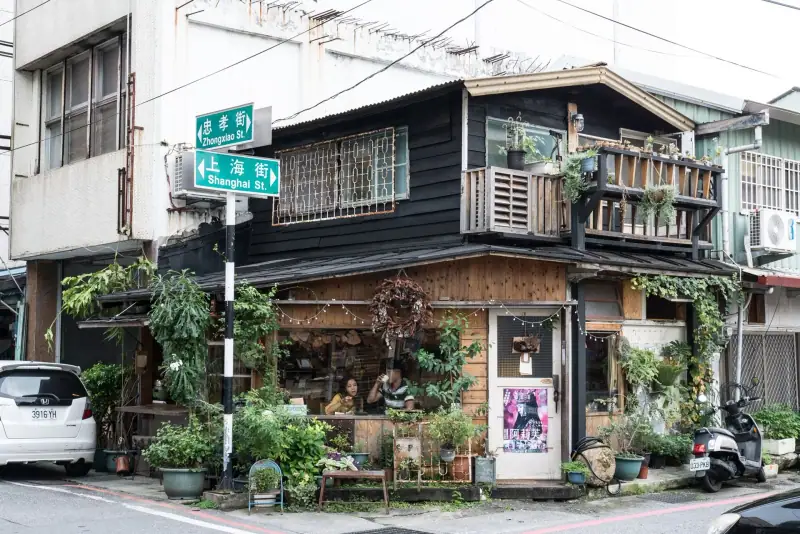
Visiting Hualien: a complete guide to the gateway to Taroko
Everything you need to visit Hualien: Taroko, Qixingtan Beach, Dongdamen night market, rafting, Amis culture and practical tips for eastern Taiwan.
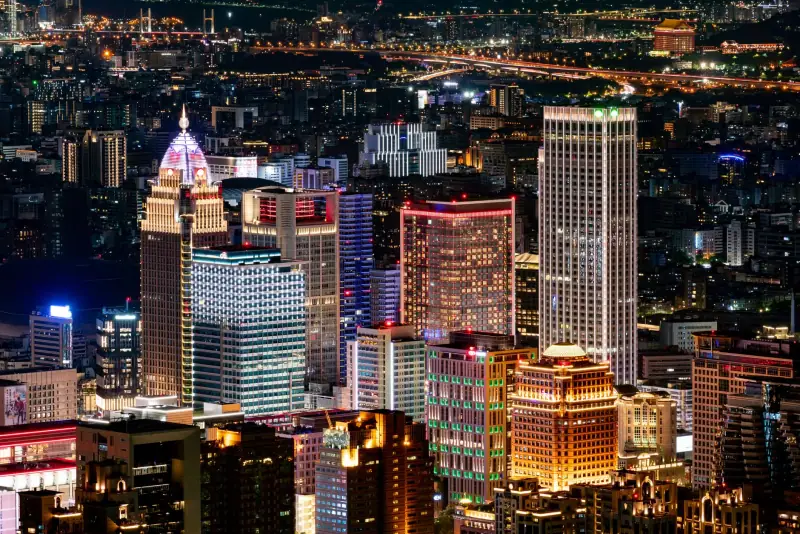
Taipei must-sees: the 15 sights not to miss
Taipei's top sights: Taipei 101, Longshan Temple, the National Palace Museum, night markets and trendy districts. A full sightseeing guide.
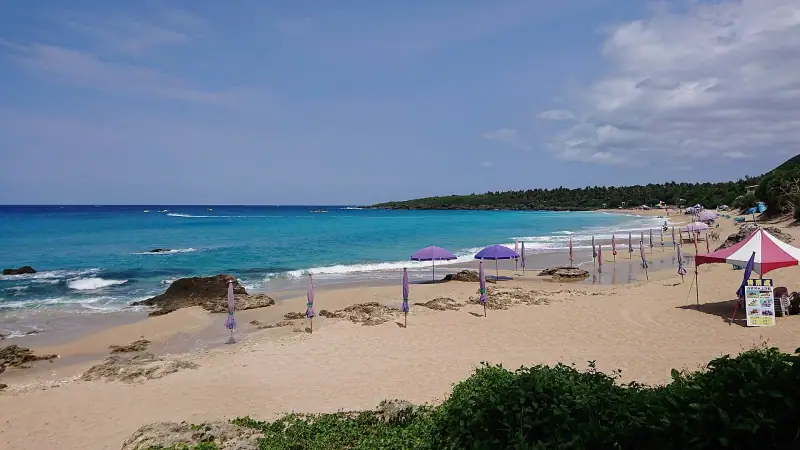
Visiting Kenting: a complete guide to Taiwan's beach paradise
Visiting Kenting: beaches, national park, Eluanbi Cape, Hengchun and night markets. A complete guide to the southern tip of Taiwan.
Ready-made
Taiwan itineraries
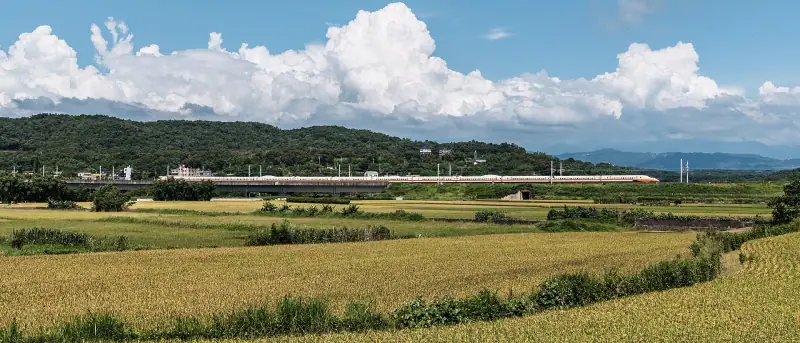
10 days
Taiwan in 10 days without a car: train and HSR itinerary, stops and travel times
TaipeiSun Moon LakeTainanKaohsiungKentingHualien
5 days
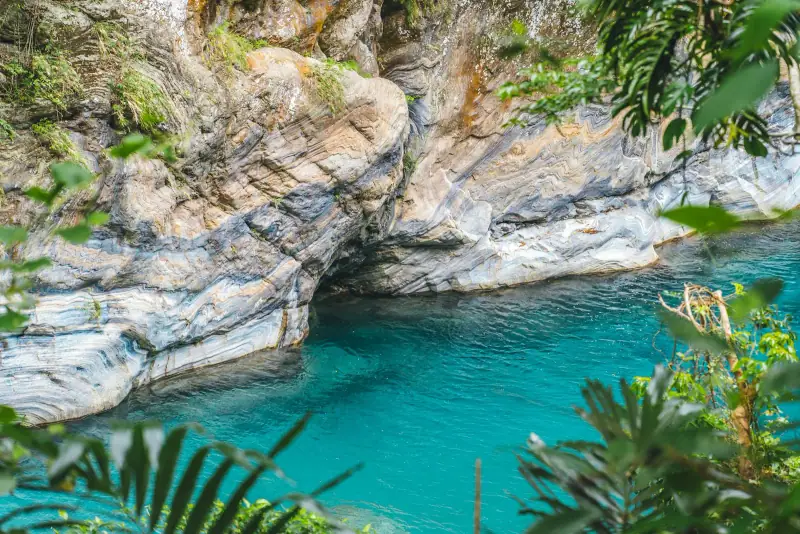
Eastern Taiwan road trip: the Pacific coast and Taroko Gorge
A complete guide to a road trip in eastern Taiwan: Taroko Gorge, Hualien, the Rift Valley, Highway 11 and Taitung in 5 to 7 days.
7 days
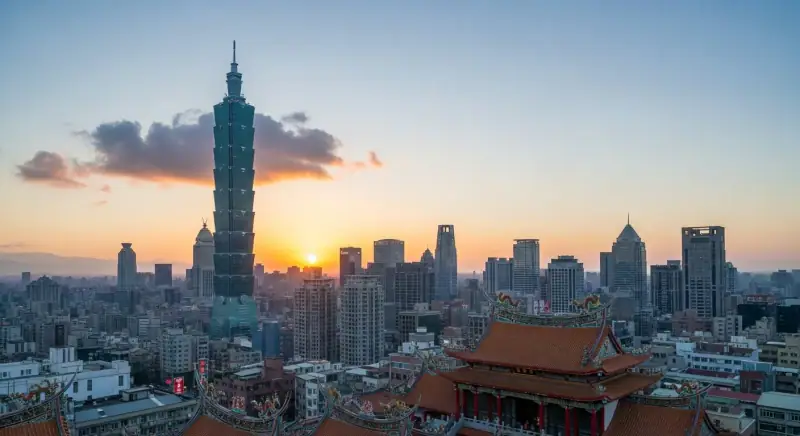
Taiwan in 7 days: the perfect itinerary for a first trip
TaipeiHualienSun Moon LakeTainan