Plan your trip
Best time to visit Taiwan: month by month
We may earn a commission when you book through links on this page, at no extra cost to you. We don't visit or try the places we cover: we summarize published sources. How we work
In short
- The best period is September to November: clear skies, pleasant temperatures (20-27 °C / 68-81 °F) and the end of typhoon season. Spring (March to May) is a good alternative.
- Typhoons hit mainly from July to September, sometimes in June and October; on average 3 to 5 reach Taiwan each year.
- Winter suits the south (Kaohsiung, Kenting, 20-25 °C / 68-77 °F); Taipei can be gray and cool (12-18 °C / 54-64 °F). It is low season with good prices.
- Avoid July-August if you can: heat, humidity and typhoons; Mei-yu rains hit the north in May and June.
Understanding Taiwan’s climate is essential to planning a successful trip. The island has a subtropical climate in the north and a tropical one in the south, which means very different conditions depending on region and season. Add typhoons, festivals and price variations, and some periods are far better than others for traveling.
Overview of Taiwan’s climate
Taiwan is a mountainous island with varied microclimates. The Central Range divides the island between a drier west coast and a wetter east coast, directly exposed to the Pacific trade winds. Mountains above 3,000 meters (9,840 ft) can see snow in winter, while Kenting’s beaches stay swimmable all year.
Climate summary:
- Taipei (north): subtropical, hot humid summers, cool rainy winters, cloudy spring
- Taichung (center): drier than the north, hot summers, mild winters
- Kaohsiung/Tainan (south): dry tropical, scorching summers, dry mild winters (20-25 °C / 68-77 °F)
- Hualien (east): rainy all year, but summers are less humid than in the north
- Mountains (Alishan, Sun Moon Lake): cool and misty, temperatures 5-10 °C (9-18 °F) lower than the coasts
Month-by-month analysis
January and February: mild winter and New Year festivities
January is the coldest month in Taipei (12-18 °C / 54-64 °F), often cloudy and rainy. The south, on the other hand, is ideal: Kaohsiung and Kenting show 20-25 °C (68-77 °F) with sunshine. It is low season, so accommodation prices are low.
The biggest festival of the Taiwanese year falls in January or February: Lunar New Year (春節, Chūnjié). The whole country stops for a week, families gather, temples are packed and lantern shows light up the sky. It is a magnificent sight, but plan for many restaurants and shops being closed and transport being overloaded.
The Pingxi lantern festival (15th day of Lunar New Year, so February or early March) is one of the most beautiful spectacles in Taiwan: thousands of paper lanterns rise into the night sky from this mountain village.
Verdict: ideal for southern Taiwan and fans of traditional festivals. Avoid if you want sun in Taipei.
March and April: warm spring and mountain flowers
Spring is one of the best periods for Taiwan. Temperatures rise in Taipei (18-24 °C / 64-75 °F), rain is less frequent and nature wakes up in the mountains. It is cherry blossom season on the high plateaus of Alishan and Wuling Farm, a magnificent sight but very busy with local tourists on weekends.
Hikes in the national parks are excellent: trails dry out after winter and before the big heat. Taroko Gorge is at its best for visiting.
Verdict: a very good period, especially in April. Book mountain accommodation ahead for bloom weekends.
Hotels in Taiwan
Compare prices and book with free cancellation.
May and June: rainy season in the north
May marks the start of the rainy season (Mei-yu) in northern Taiwan, a period of intense rainfall tied to the monsoons. Taipei can get its heaviest rains of the year. The center and south are spared more.
In June, temperatures climb (28-32 °C / 82-90 °F in Taipei) and humidity becomes heavy. The first typhoons can form offshore, although their frequency is still low that month.
On the other hand, it is an excellent period for the mountains: cool and covered in lush vegetation, the cypress forests of Alishan and the inland national parks are magnificent.
Verdict: acceptable with a good raincoat and flexible plans. Favor the central regions and the south.
July and August: hot summer, typhoons and beaches
Taiwanese summer is hot, humid and rich in typhoons. Temperatures reach 32-36 °C (90-97 °F) in Taipei with stifling humidity. It is also the peak typhoon season: on average, 3 to 5 typhoons hit Taiwan each year, mainly between July and September.
Despite this, it is high tourist season for the Taiwanese themselves: Kenting’s beaches and the east coast are packed, and amusement parks run at full capacity. Accommodation is more expensive.
If you have a choice, avoid July-August. But if you have no other option (school vacations), choose the south, start activities early in the morning, and check typhoon bulletins daily via Taiwan’s weather agency (CWA).
Verdict: not recommended for a first trip. Acceptable with travel insurance covering typhoons.
September and October: the best period
September marks the start of the post-typhoon period. The last disturbances move away, skies clear, temperatures become delightful (25-30 °C / 77-86 °F). Vegetation is at its greenest after the summer rains. Prices drop after the high season.
October stands out for Taiwan: 22-28 °C (72-82 °F), often blue skies, magnificent light, few people at natural sites, reasonable prices. It is the ideal time for hikes in Taroko, boat rides on Sun Moon Lake and exploring Tainan’s temples.
Verdict: the best time of year, no contest. Book as early as possible.
November and December: pleasant fall
November is still very pleasant: 18-25 °C (64-77 °F), little rain, falling prices. It is the last good window before winter conditions arrive in the north.
December cools Taipei (14-18 °C / 57-64 °F) but the south stays warm and dry. It is an excellent period for Kaohsiung, Tainan and Kenting, ideal for enjoying beaches and temples without the summer heat. Christmas and Christmas Eve are not official holidays in Taiwan, but shopping malls are prettily decorated.
Verdict: good for the south. November is still excellent for Taipei and the east coast.
Understanding typhoons in Taiwan
Typhoons are the main weather constraint for travelers in Taiwan from June to October. Here is what you need to know.
Frequency. About 3 to 5 typhoons hit Taiwan directly each year. Many pass offshore without causing major damage in cities, but are enough to close national parks and mountains for safety reasons.
What happens during a typhoon. The government declares a typhoon day, which closes schools, offices, shops and transport. The streets empty. Most hotels stay open but do not serve meals. Keep food and water for 24-48 hours.
What to do if a typhoon arrives during your stay. Stay in your accommodation and don’t take risks in the streets. A typhoon usually takes 12 to 36 hours to pass. Afterward, everything resumes quickly. On the islands, flights and ferries are suspended longer: see our guide to getting to Penghu. Follow the information on the official CWA Taiwan app or on the weather agency website (cwa.gov.tw).
Travel insurance. Consider it in summer. Check that your policy covers disruption due to weather conditions.
The major festivals
| Month | Festival | Description |
|---|---|---|
| January/February | Lunar New Year | The biggest festival of the year, parades, packed temples |
| February/March | Pingxi Lantern Festival | Paper lanterns in the night sky |
| June | Dragon Boat Festival | Dragon boat races, age-old traditions |
| August | Ghost Festival (Zhongyuan) | Offerings to ancestors, mystical atmosphere |
| September | Moon Festival (Mid-Autumn) | Mooncakes, family barbecues |
| October | National Day (10/10) | Military parade in Taipei, fireworks |
Final recommendation
| Period | Rating | For whom |
|---|---|---|
| September-November | ⭐⭐⭐⭐⭐ | Ideal for everyone |
| March-April | ⭐⭐⭐⭐ | Flower and hiking fans |
| November-December (south) | ⭐⭐⭐⭐ | To avoid the crowds and the northern cold |
| January-February | ⭐⭐⭐ | Festival fans, favor the south |
| May-June | ⭐⭐⭐ | With weather flexibility |
| July-August | ⭐⭐ | Avoid if possible |
Whatever period you travel in, Taiwan will charm you. The key is to adjust your itinerary to the weather conditions and prepare your trip accordingly. See our complete Taiwan guide for all the other aspects of preparation.
Frequently asked questions
What is the best time to visit Taiwan?
The best period is September to November. The weather is clear, temperatures pleasant (20-27 °C / 68-81 °F) and typhoon season is over. Spring (March-May) is a good alternative, with flowers in the mountains.
Are there typhoons in Taiwan?
Yes, typhoons hit Taiwan mainly from July to September, sometimes in June and October. They can disrupt transport and close nature parks. Avoid this period if possible, or consider cancellation insurance.
Can you visit Taiwan in December-January?
Yes, winter is a good time for the south of the island (Kaohsiung, Kenting) with 20-25 °C (68-77 °F). The north (Taipei) can be gray and cool (12-18 °C / 54-64 °F) but remains pleasant. It is low season with good prices.
When can you see cherry blossoms in Taiwan?
Cherry trees bloom in Taiwan at altitude from January to March depending on elevation. Alishan and Wuling Farm are the most famous sites, with the most spectacular blooms in February-March.
Is Taiwan pleasant to visit in summer?
Summer (June-August) is hot and humid (30-35 °C / 86-95 °F, high humidity) and is typhoon season. The southern beaches are busy. It is possible but less ideal: favor mornings for activities and avoid high mountains if a typhoon is forecast.
More Taiwan guides
Keep reading
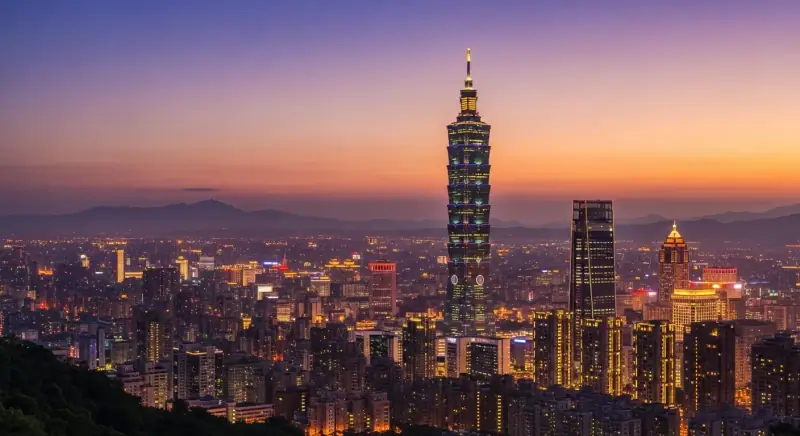
Taiwan budget: how much does a trip cost in 2026?
What budget for traveling in Taiwan? Flights, accommodation, meals, transport and activities: everything to plan your trip without surprises.

Visiting Kaohsiung: a complete guide to the southern metropolis
Everything to visit Kaohsiung: Pier-2, Lotus Pond, Cijin, night markets, transport and practical tips for southern Taiwan's gem.
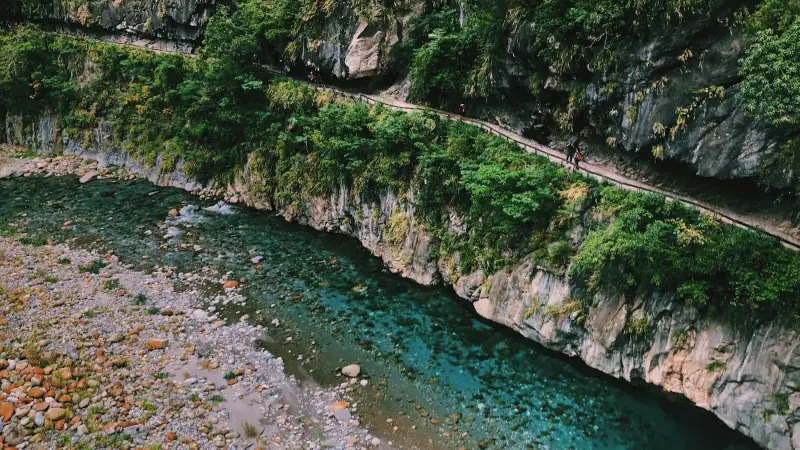
Taroko Gorge: the complete guide to the national park
Everything to visit Taroko Gorge in Taiwan: trails, permits, accommodation, getting there from Hualien and safety tips.
Ready-made
Taiwan itineraries
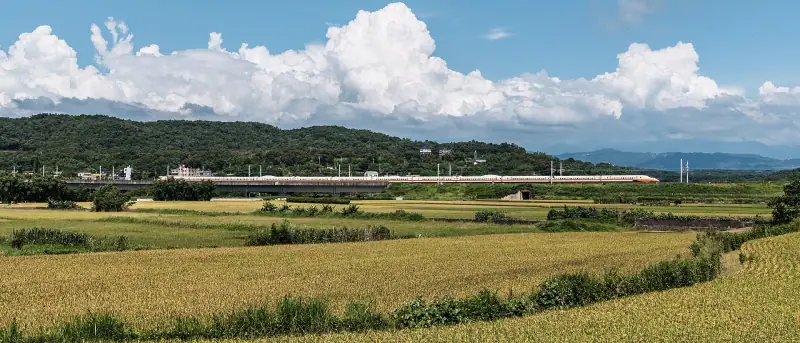
10 days
Taiwan in 10 days without a car: train and HSR itinerary, stops and travel times
TaipeiSun Moon LakeTainanKaohsiungKentingHualien
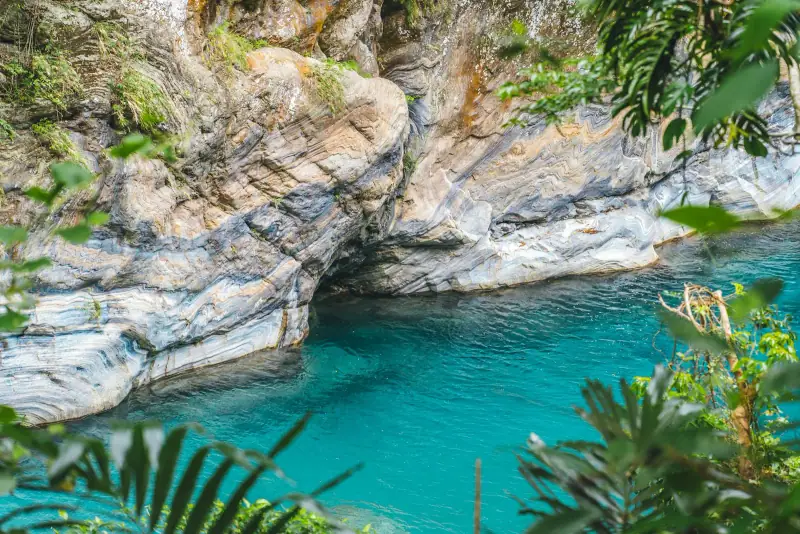
5 days
Eastern Taiwan road trip: the Pacific coast and Taroko Gorge
A complete guide to a road trip in eastern Taiwan: Taroko Gorge, Hualien, the Rift Valley, Highway 11 and Taitung in 5 to 7 days.
7 days
Taiwan in 7 days: the perfect itinerary for a first trip
TaipeiHualienSun Moon LakeTainan