Things to do
Hiking in Slovenia: the best trails for every level
We may earn a commission when you book through links on this page, at no extra cost to you. We don't visit or try the places we cover: we summarize published sources. How we work
In short
- Easy: the Lake Bled loop (6 km / 3.7 mi, 1 h 30), Vintgar Gorge (6.5 km / 4 mi round trip, 2 h, entry about €15 / ~$17) and the Lake Bohinj walk (12 km / 7.5 mi, 3 h).
- Intermediate: Savica waterfall and Dvojno jezero lakes (8 km / 5 mi), Mala Osojnica, the Tamar Valley and trails along the Soča.
- Triglav (2,864 m / 9,396 ft) takes 2 days with a night in a mountain hut and involves via ferrata sections; it is for experienced hikers, with a guide recommended for beginners.
- Best period: June to September for high mountains, May and October for low and mid altitudes; book huts in summer.
Slovenia is a paradise for hikers. With Triglav National Park, the Julian Alps, limestone gorges and deep forests, the country offers trails for every level, in breathtaking scenery. Here is a selection of the most beautiful hikes.
Easy hikes (beginners and families)
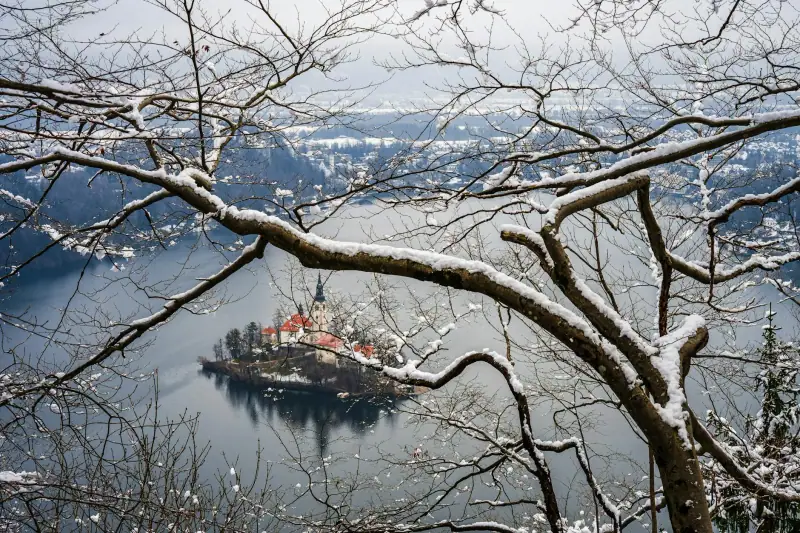
Lake Bled loop (6 km / 3.7 mi, 1 h 30, 50 m / 164 ft of elevation gain)
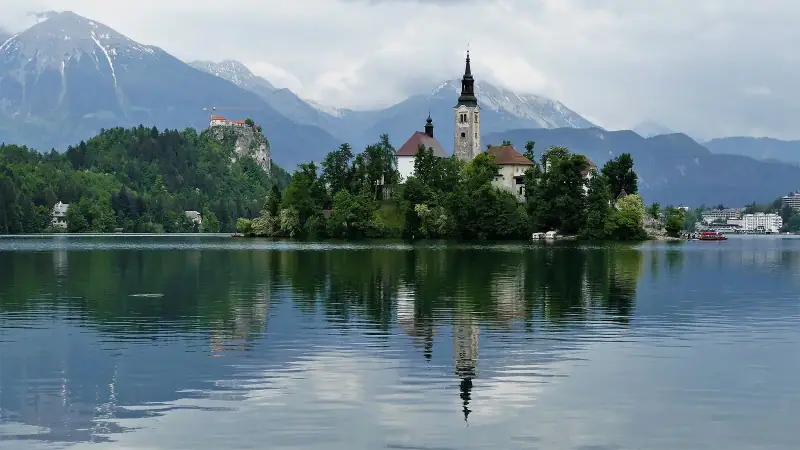
The most famous walk in Slovenia. The path goes all the way around the lake, with changing views of the island, the castle and the mountains. Passable in every season (except when icy in winter).
Highlights:
- View of the island from the south shore (the “postcard” viewpoint)
- Several café terraces to stop at
- Several cafés and terraces on the south shore for a treat break (check hours, some close out of season)
Access: from the center of Bled. Parking at the lakeside.
Vintgar Gorge (6.5 km / 4 mi round trip, 2 h, 100 m / 328 ft of elevation gain)
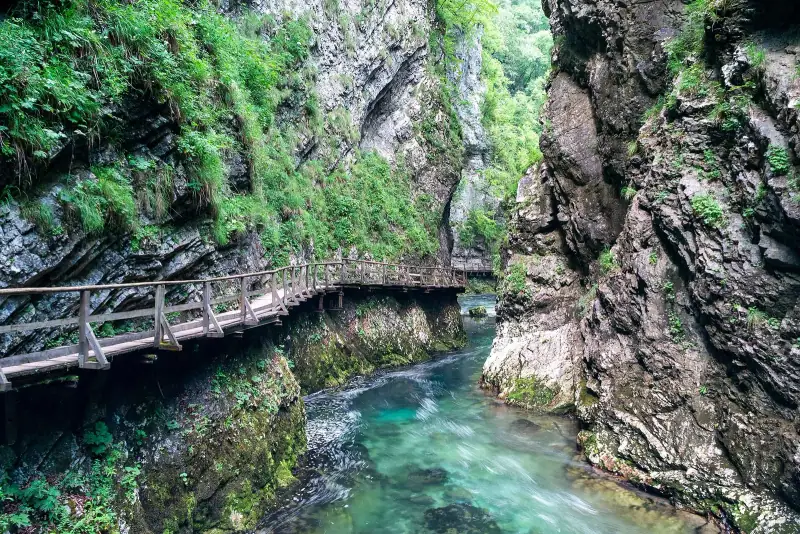
4 km (2.5 mi) from Bled, this gorge carved into the limestone by the Radovna River is a magnificent sight. The walk on the wooden walkways follows rapids, waterfalls and pools of turquoise water.
Practical info:
- Usually open from May to October
- Paid entry (about €15 / ~$17 in 2026, fixed-time ticket: check on vintgar.si)
- Can be overcrowded in summer: arrive early
- Shuttle from Bled in summer
Walk around Lake Bohinj (12 km / 7.5 mi, 3 h, 100 m / 328 ft of elevation gain)
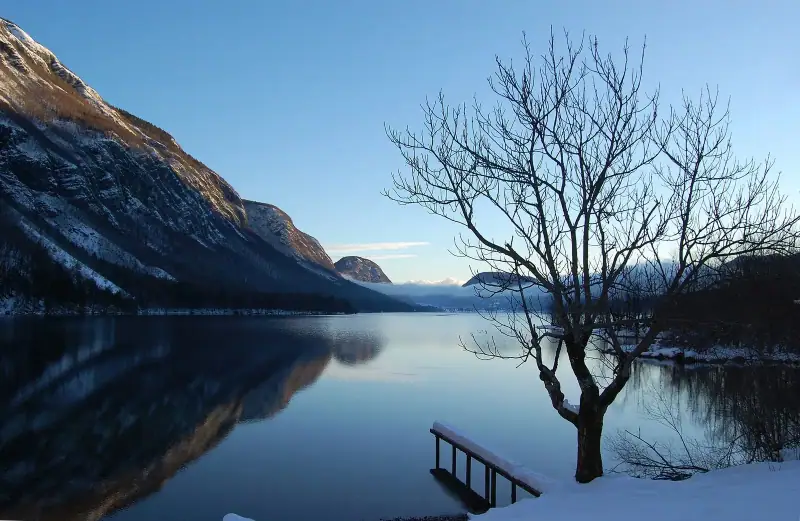
Wilder and less visited than Bled, the walk around Lake Bohinj offers magnificent alpine panoramas. The north shore is busier, the south shore wilder.
Variation: take the cable car up to Vogel (1,535 m / 5,036 ft) for a panoramic view over the Alps and the lake.
Intermediate hikes (good fitness)
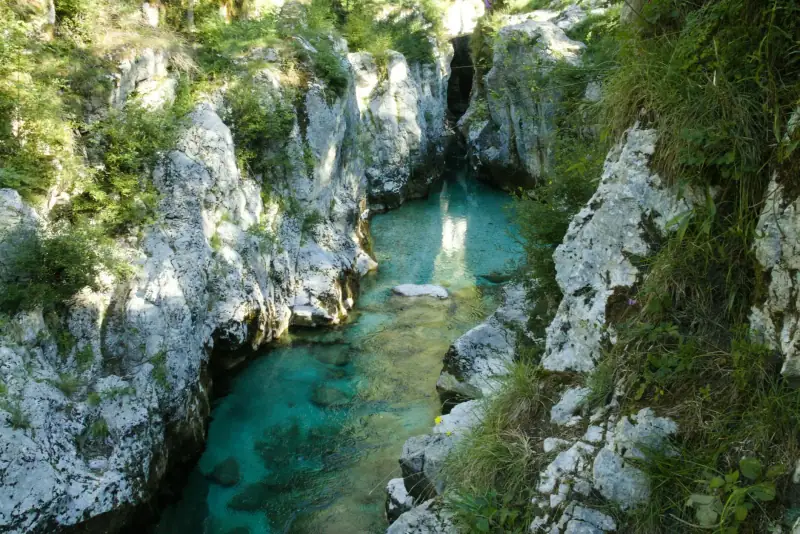
Savica waterfall and the Dvojno jezero lakes (8 km / 5 mi, 3-4 h, 300 m / 984 ft of elevation gain)
At the far end of Lake Bohinj, the Savica waterfall (51 m / 167 ft high) is one of the most beautiful in Slovenia. The climb from the parking lot to the waterfall is accessible but steady. The more athletic can continue to the alpine lakes of Dvojno jezero for breathtaking views.
Ridges above Bled: Mala Osojnica (790 m / 2,592 ft, 3 h, 350 m / 1,148 ft of elevation gain)
Above Lake Bled, several viewpoints offer the most famous views of the lake. The trail to Mala Osojnica starts from Mlino (west side of the lake). The climb is steep but short. The splendid view is the reward.
Tamar Valley (9 km / 5.6 mi round trip, 3 h, 200 m / 656 ft of elevation gain)
Beyond Kranjska Gora, the Tamar Valley goes deep into the Julian Alps to the foot of the north face of Jalovec (2,645 m / 8,678 ft). Grand alpine scenery, waterfalls, chamois and marmots along the way.
Hike along the Soča (variable, 2-6 h)
Many walks follow the Soča River between Bovec and Tolmin. The trails follow the emerald banks, cross old bridges and offer plunging views of the rapids and natural pools.
Hard hikes (experienced mountain walkers)
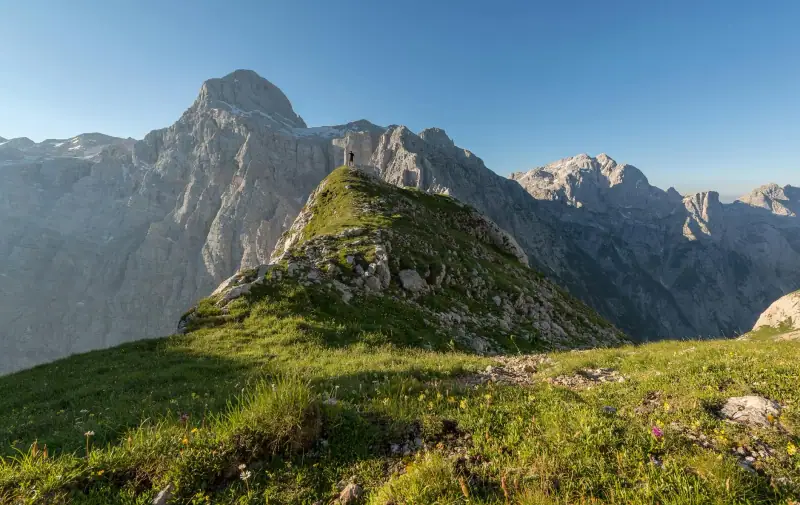
Triglav (2,864 m / 9,396 ft), the roof of Slovenia
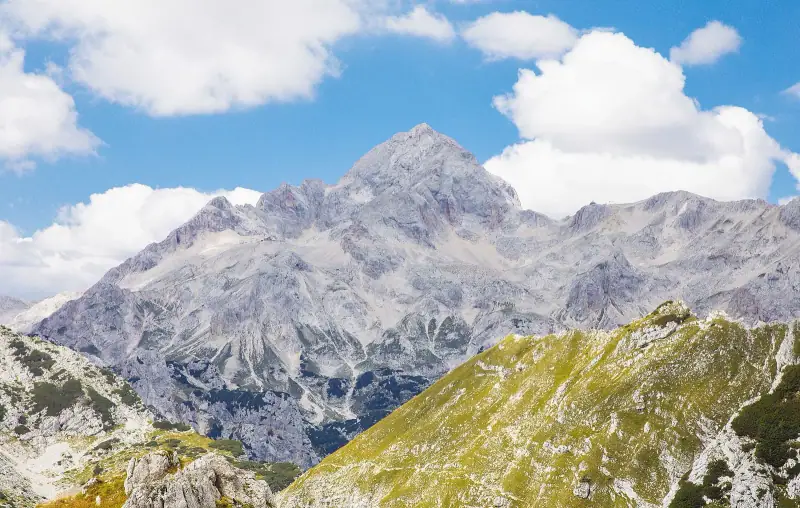
Triglav is the national summit, featured on the Slovenian flag. Every good Slovene is expected to have climbed it once in a lifetime. For experienced foreign visitors, it is a memorable experience.
What to know:
- Duration: 2 days (round trip), with a night in a high-altitude hut
- Season: July to September (snow possible before and after)
- Level: hiking with mountaineering passages (via ferrata, cables, anchor points)
- Equipment: stiff mountain boots, helmet recommended, harness for some sections
- Guide: recommended for those new to via ferrata
Main access routes:
- Normal route from the Dom Planika hut (2,401 m / 7,877 ft): 3-4 h to the summit
- Route from Bohinj: 2 days with a night at the Koča na Doliču hut
The summit: a 360° view over the Julian Alps, the Dolomites and sometimes the Adriatic Sea. An unforgettable experience.
Mount Krn (2,244 m / 7,362 ft)
Less visited than Triglav, Mount Krn in the Julian Alps offers spectacular panoramas over the Soča Valley and the World War I battlefields. Several access trails from Bovec or the valley villages.
Duration: 5-7 h round trip from Bovec
Themed hikes
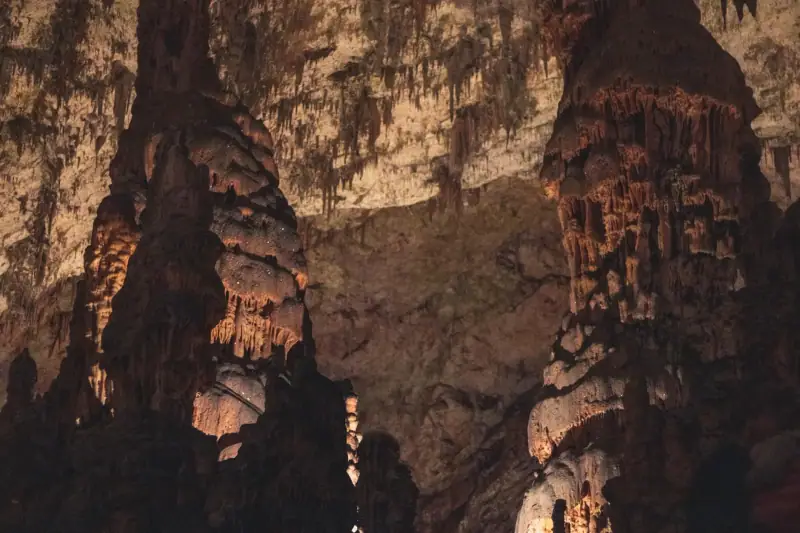
World War I trails
The Soča Valley was the theater of 12 deadly battles between 1915 and 1917 (the “Isonzo front”). Historic trails run through the trenches, cemeteries and combat positions, notably around Kobarid (Caporetto) and on Mount Krn.
Worth seeing: the Kobarid Museum (awarded by the Council of Europe) is the perfect complement to this historical hike.
Botanical trails
Triglav National Park is an exceptional flora reserve. The Juliana Alpine Botanical Garden in Trenta (Soča Valley) shows 600 species of alpine plants in their natural environment. A marked botanical trail completes it.
Accommodation for hikers
Huts, guesthouses and hotels in the Julian Alps.
Equipment for hiking in Slovenia
Essentials
- Hiking boots (with ankle support for mountain trails)
- Sunscreen and sunglasses (the sun is strong at altitude)
- Light rain jacket (afternoon thunderstorms at altitude are frequent)
- Water: carry 1.5 to 2 liters (about 3 to 4 pints); huts sell water, but mountain springs are often drinkable
- Topographic map or GPS with downloaded tracks (Mapy.cz or Kompass for Slovenia)
For Triglav and the summits
- Hiking helmet
- Harness and lanyard (for via ferrata sections)
- Crampons or gaiters early and late in the season
- Headlamp
Useful information
- Mountain weather: meteo.arso.gov.si (forecasts at altitude in Slovenian/English)
- Mountain rescue: 112
- Planinska zveza Slovenije (Slovenian alpine club): www.pzs.si for maps and trail information
To combine hiking and water sports, see our guide to canyoning and adventure sports.
Frequently asked questions
Do you need to be experienced to hike in Slovenia?
No, Slovenia offers hikes for every level. The walks around Lake Bled, in Vintgar Gorge or on the shores of Lake Bohinj suit beginners and families. Triglav is a mountaineering-style hike reserved for experienced people.
Can you hike Triglav (the national summit)?
Triglav (2,864 m / 9,396 ft) is accessible to experienced hikers with good equipment and in good physical shape. It generally takes 2 days round trip, with a night in a hut. A guide is recommended for those new to mountaineering.
What is the best period for hiking in Slovenia?
June to September for high-mountain hikes. May and October for low and mid altitudes. The Julian Alps are magnificent in summer with the mountain-pasture flowers, and in fall with the colors. Some trails stay snowy until June.
Are the trails well marked in Slovenia?
Yes, Slovenian trails are marked with the standard alpine system: a red circle with a white dot in the center for mountain trails. Topographic maps are available in bookshops and tourist offices.
Are there mountain huts in Slovenia?
Yes, the network of mountain huts (planinska koča) is well developed in the Julian Alps. More than 170 huts are spread across the country. They offer overnight stays, hot meals and information on trail conditions. Booking is compulsory in summer.
More Slovenia guides
Keep reading
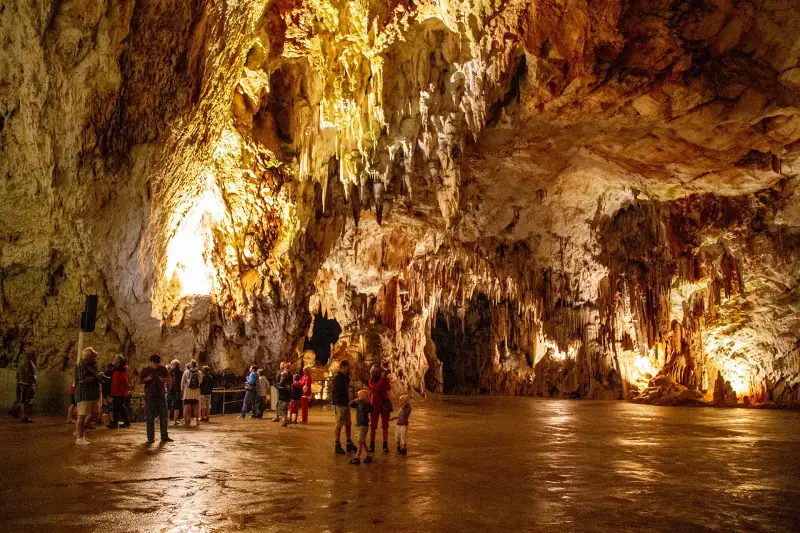
Caves in Slovenia: Postojna, Škocjan and the other underground wonders
Complete guide to the caves of Slovenia: Postojna, Škocjan (UNESCO), Predjama. Prices, tips and advice to plan your visit.
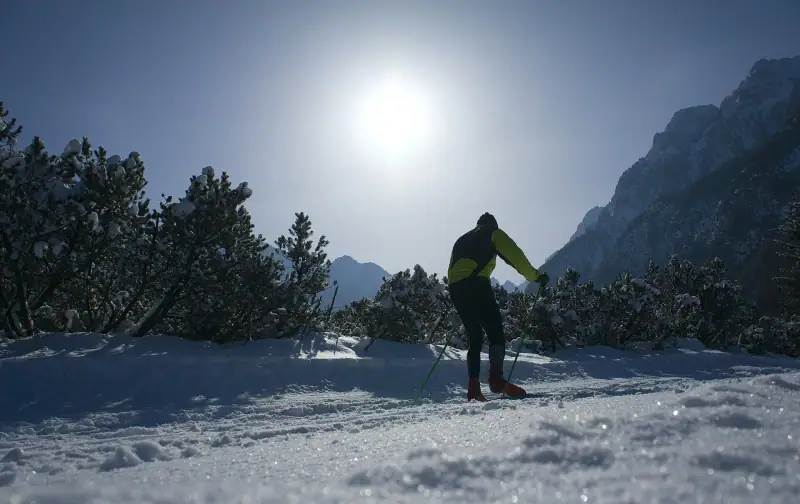
Skiing in Slovenia: Kranjska Gora, Vogel, Krvavec, resorts and prices
Skiing in Slovenia: Kranjska Gora, Vogel and Krvavec compared, lift passes, 2026-2027 opening dates, access from Ljubljana, lodging and budget.
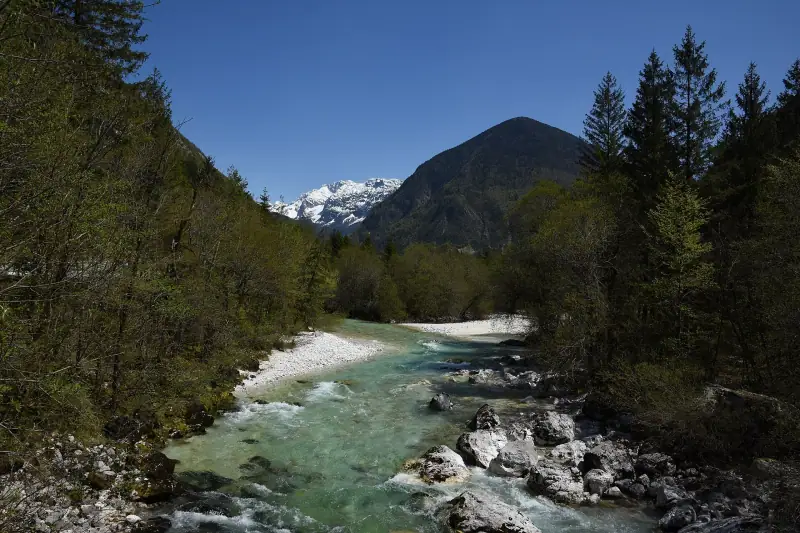
Visiting Bovec: a complete guide to Slovenia's adventure capital
Discover Bovec and the Soča: rafting, canyoning, Julian Alps hikes, Boka Waterfall and practical tips for an unforgettable stay.
Ready-made
Slovenia itineraries
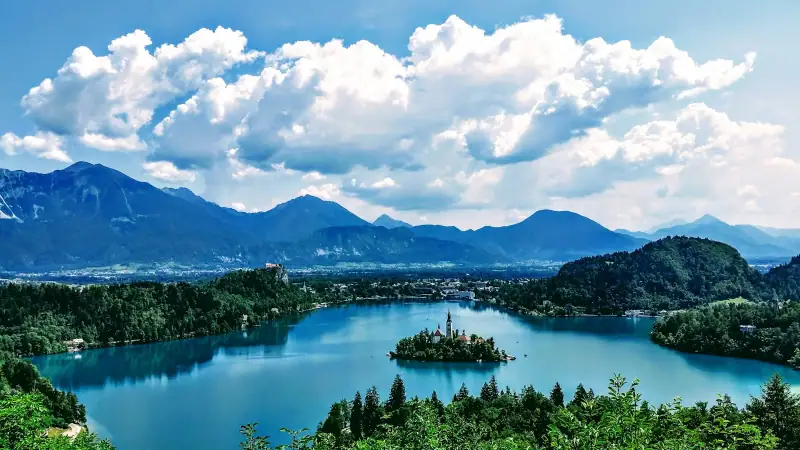
10 days
Slovenia in 10 days: the complete itinerary to see it all
LjubljanaBledBovecPiran or KoperLjubljana
5 days
Slovenia road trip: the complete guide to driving the country
Plan your Slovenia road trip: itineraries, scenic roads, practical tips and the highlights you should not miss by car.
6 days