Where to stay
Where to Stay in Syracuse: Ortygia or the Mainland, a Complete Guide
We may earn a commission when you book through links on this page, at no extra cost to you. We don't visit or try the places we cover: we summarize published sources. How we work
In short
- Ortygia is the most atmospheric base, within a 10-minute walk of everything, but costs 20 to 30% more than the mainland, where parking is easier.
- High-season Ortygia prices: B&B €80-120 (~$95-140), boutique hotel €140-250 (~$165-290), luxury €250 and up (~$290+).
- Book Ortygia 2 to 3 months ahead for mid-June to August, and about 2 months ahead for Easter and Holy Week.
- From Catania airport (about 60 km / 37 mi) the Interbus coach reaches Syracuse station in about 1 h 15.
Choosing where to stay in Syracuse means first choosing between two worlds that seem to have nothing in common and in reality are very close: Ortygia, the historic island linked to the mainland by two narrow bridges, and Syracuse’s modern center, quieter and more affordable.
Syracuse is one of the great cities of Antiquity. Founded by Corinthian settlers around 734 BC, it was at its peak the most powerful Greek city in the western Mediterranean, a rival of Athens and Carthage. Today, its island of Ortygia and the neighboring Neapolis Archaeological Park have been UNESCO World Heritage sites since 2005. It is a city both majestic and intimate, ideal for a slow, cultural stay.
This guide will help you choose the right area for your travel style, your budget and your program.
Ortygia: sleeping on the historic island
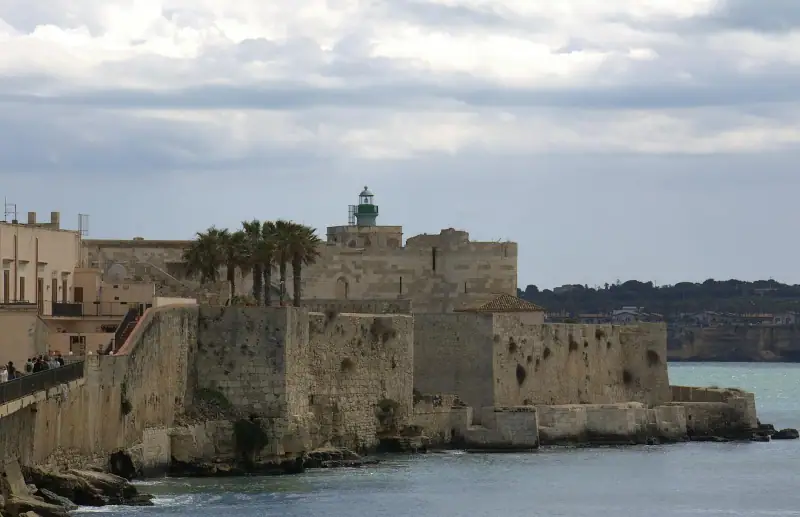
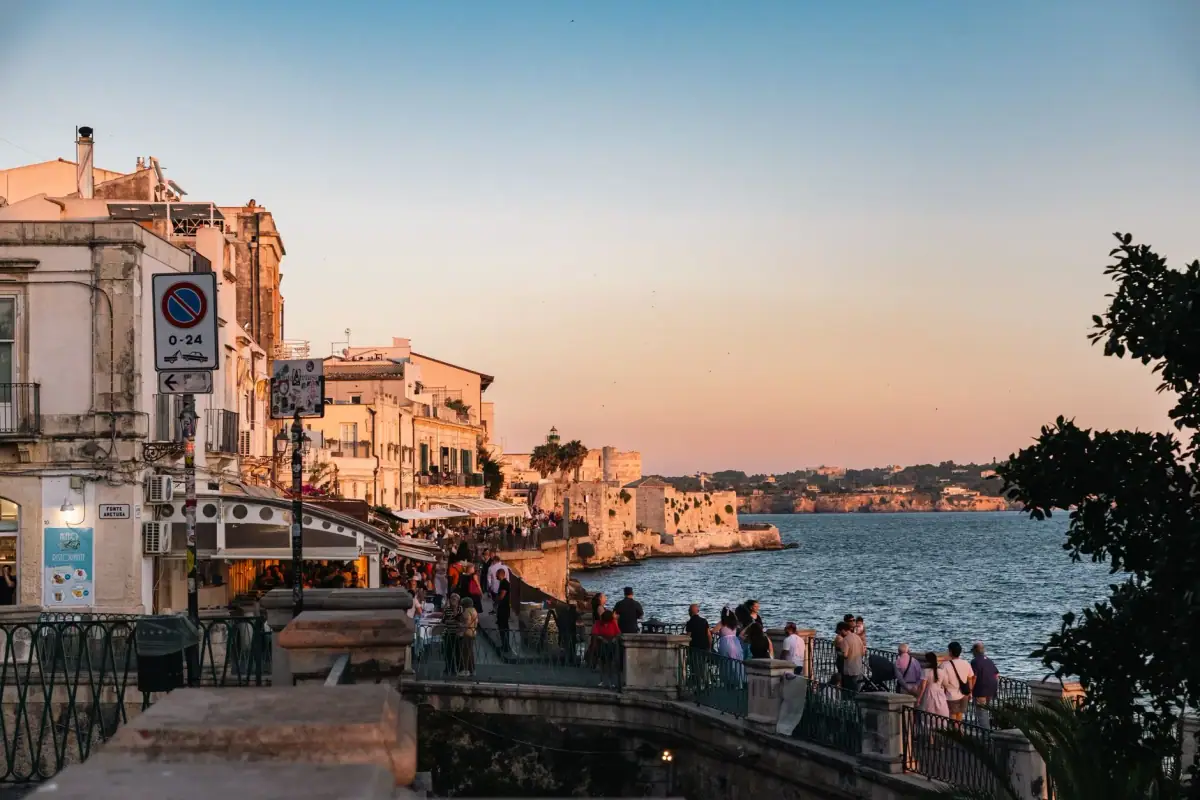
Ortygia (Ortigia in Italian) is the ancient heart of Syracuse, an island of about 1.5 km by 600 m (0.9 mi by 2,000 ft) linked to the mainland by two bridges. This is where the city’s tourist, culinary and cultural heart beats.
Why choose Ortygia:
You are at the center of everything. Piazza del Duomo, one of Italy’s most beautiful Baroque squares, built around a Greek temple of the 5th century BC, the Arethusa Fountain, the medieval Jewish quarter (the Giudecca), Castello Maniace at the tip of the island and the waterfront are never more than ten minutes’ walk away. The density of experiences and discoveries is at its maximum.
The atmosphere is unique: lanes of blond limestone gilded by the evening sun, restaurants on terraces, the crowd of strollers at sunset on the harbor side make up the image each visitor takes away from Syracuse.
You do not need a car from Ortygia for the main sights. The Neapolis Archaeological Park is about twenty minutes’ walk from the bridges, or a taxi ride for less than €7-8 (~$8-9).
Drawbacks to know about:
Ortygia is largely pedestrian: if you come by car, park it in a public parking lot at the entrance to the bridges and do not try to drive in the lanes. In July-August, the island is saturated with tourists in the evening; terraces lively until midnight can disturb sleep if your room faces the street. Prices are noticeably higher than elsewhere in Syracuse, especially for places with a sea view or a view of Piazza del Duomo.
Ortygia’s micro-neighborhoods:
Around Piazza del Duomo: The noble heart. 17th- and 18th-century palaces frame the great square. Many historic palazzi have been converted into boutique hotels. Maximum activity but possible noise at night.
The Giudecca district: The old medieval Jewish quarter, with lanes still marked by finely carved stone doorways. Less touristy, calmer and very authentic. A few discreet B&Bs in carefully restored houses.
The Lungomare Levante: The east side of Ortygia, facing the Ionian Sea. Places with sea views are found here, airier in summer, but at the highest prices on the island.
Near the Arethusa Fountain: The southern part of Ortygia, calmer than Piazza del Duomo. Right next to Castello Maniace and the tip of the island, ideal for sunrise walks.
Hotels and B&Bs on Ortygia
Baroque palazzi converted into boutique hotels, charming B&Bs with terraces. Compare and book with free cancellation.
The mainland center: station, Neapolis and residential districts
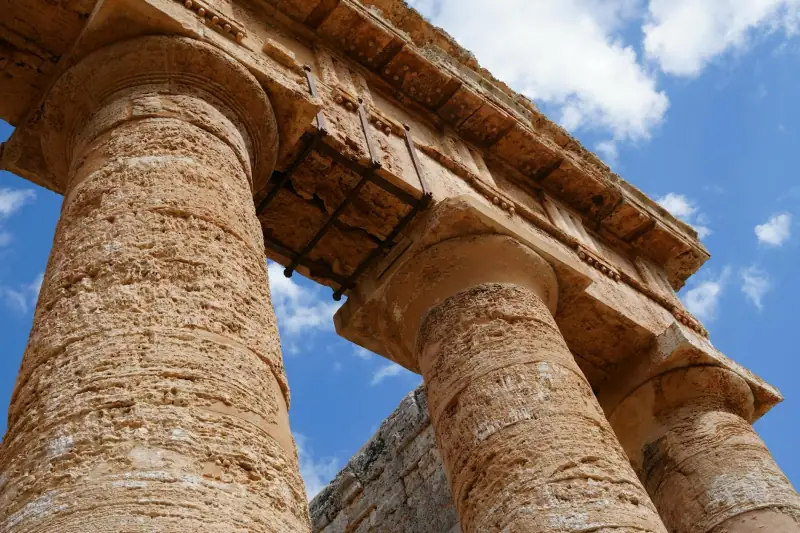
The other Syracuse, the one guidebooks often neglect, spreads over the mainland on the other side of the bridges. It includes the modern residential districts, the central railway station and the surroundings of the Neapolis Archaeological Park.
Why choose the mainland center:
Rates are 20 to 30% lower than on Ortygia for often equivalent quality of lodging. Parking is much easier, which is decisive if you have a rental car to explore Sicily. You are right next to the Archaeological Park (Greek Theater, Roman Amphitheater, Ear of Dionysius), an advantage if that is your priority. And nights are much quieter, without the noise of Ortygia’s lively terraces.
Drawbacks:
Less charm and atmosphere than Ortygia. You have to walk about fifteen minutes or take a taxi to reach the island and its restaurants.
Station district: Functional and well served by transport, with several modern hotels and practical B&Bs. Recommended if you arrive or leave by train on a tight schedule.
Neapolis district: Around Via Teocrito, a short walk from the Archaeological Park entrance. A residential area with a few well-kept family B&Bs. Ideal for travelers whose top priority is the park visit.
Places to stay by budget in Syracuse
Budget (€35-70 per night / ~$40-80)
Syracuse has good affordable options, especially out of season and in the mainland center. On Ortygia itself, bargains are found in rooms without sea views, in a few hostels or in shared rental apartments.
What you find:
- Family B&Bs in the mainland center (double room with Sicilian breakfast)
- Guesthouse rooms in private homes, sometimes in apartments in the heart of Ortygia
- Short-term apartment rentals (ideal for 2 nights or more)
- Hostels with dorms or affordable private rooms
Tips: Even on a small budget, try to spend at least one night on Ortygia: waking up in the blond-stone lanes in the early morning is worth the slight extra cost. Look for rooms without a sea view, on the courtyard side or on secondary lanes: even without a panorama, you get the charm of the district and walking access to everything.
Mid-range (€80-160 per night / ~$95-185)
This is the leading category in Syracuse. Ortygia’s Baroque palazzi house many carefully restored boutique hotels combining modern comfort and historic architecture. Vaulted ceilings, marble floors, shaded inner courtyards and panoramic rooftop terraces are common in this range.
What you find:
- Boutique hotels in 17th-18th-century palaces on Ortygia
- Charming B&Bs with flowered terraces or an inner garden
- 3- and 4-star hotels in the mainland center or at the entrance to Ortygia
- Rooms with a view of the rooftops or the sea depending on orientation
Good to know: Many places in this range are small (6 to 15 rooms). Booking ahead is essential in summer. Choose places with verified air conditioning (essential from June to September) and, if you have a car, ask about a partner parking lot before booking.
Guided tours of Syracuse and Ortygia
Discover Ortygia, the Neapolis Archaeological Park and Syracuse's highlights with a passionate local guide.
Luxury (€170-400 per night / ~$195-465)
Syracuse’s high end has grown in quality and number in recent years. Several luxury hotels occupy historic buildings on Ortygia with private rooftops, terrace pools and polished hotel service.
What you find:
- Historic palaces fully restored as upscale character hotels
- Suites with a view of Piazza del Duomo or the Ionian Sea
- Private villas with a pool in the seaside suburbs (Arenella, Fontane Bianche)
- Concierge service, airport shuttles, private Sicilian cooking classes
- Some places offer private car transfers from Catania or Palermo
For weddings and honeymoons, Syracuse is one of Sicily’s most popular destinations. Piazza del Duomo at sunset, the Baroque waterfront, the city’s particular light: everything makes it an exceptional romantic setting.
How to get to Syracuse
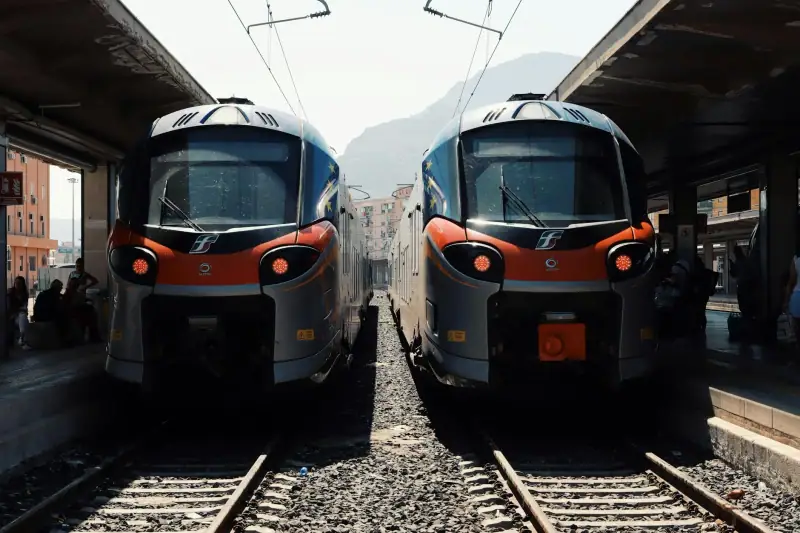
From Catania airport
Catania-Fontanarossa International Airport (CTA) is the main air entry point for eastern Sicily and therefore for Syracuse. The two cities are about 60 km (37 mi) apart.
By Interbus coach: Direct coaches link Catania airport to Syracuse station in about 1 h 15. It is the most practical option without a car. Departures are spaced 1 to 2 hours apart depending on the season; check timetables online before you travel.
By rental car: 50 to 70 minutes via the A18 motorway then the SS114. Renting is recommended if you plan excursions to Ragusa, Agrigento or the southern beaches. See our guide to car rental in Sicily to compare offers from Catania airport.
By taxi: Expect about €90-120 (~$105-140) for a direct taxi from Catania airport. Expensive but practical for late arrivals or groups with luggage.
From other Sicilian cities
From Catania: Trenitalia train in 1 h 15 to 1 h 30 (about €6-9 / ~$7-10 depending on class), or Interbus coach. The train is often the best option.
From Palermo: Train with a change in Catania (4 h 15 to 5 h 30 in total) or car (about 2 h 50 to 3 h 10 via the A19 to Catania, then the A18 or SS114 to Syracuse). The Palermo to Syracuse road trip is one of the island’s great crossings; see our Sicily road trip itinerary.
From Agrigento: About 2 h 30 by car (about 212 km / 132 mi via the A19 then the SS417 or similar). No direct rail link between the two cities.
Rental car in Syracuse
Essential for exploring Ragusa, Agrigento and the beaches of the Val di Noto from Syracuse at your own pace.
Beaches near Syracuse
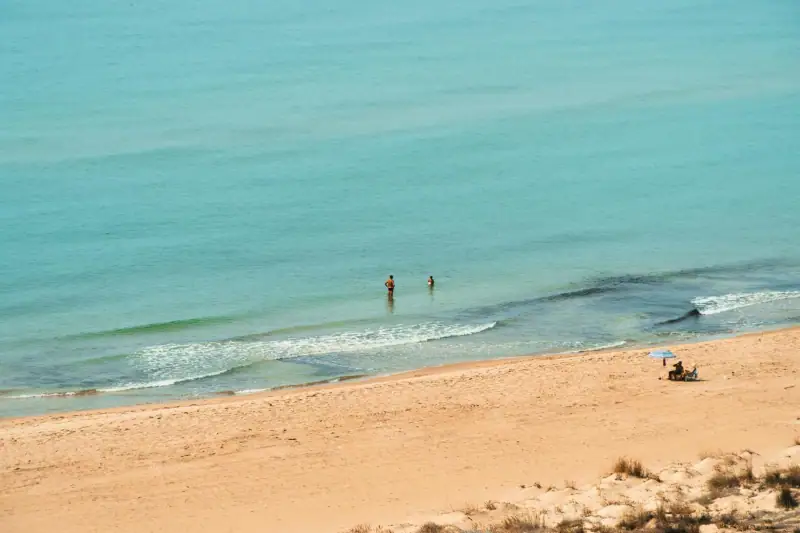
If your stay combines culture and swimming, several beautiful beaches are reachable from the center of Syracuse without great distance:
Arenella (about 8 km / 5 mi south): The beach closest to the center, lively in summer, reachable by taxi or local bus. Clear water, sandy bottom and a mix of tourists and Syracusans. Ideal for an afternoon swim after a cultural morning.
Fontane Bianche (about 14 km / 9 mi south): One of the most beautiful beaches in the province of Syracuse, with almost white fine sand. Reachable by car in 20 to 25 minutes. Busy in July-August but big enough to find space.
Ognina (about 12 km / 7.5 mi south): A small cove less known to tourists than the two above, reachable by car in about twenty minutes from the center.
For those who want to combine Syracuse’s cultural riches with the beaches of the Val di Noto on a wider circuit, our Sicily road trip guide offers itineraries including Syracuse, Noto, Ragusa and the south coast.
Practical tips for choosing your accommodation
Book early for Ortygia in summer. The island’s best boutique B&Bs are often full from March-April for July and August. If you have an address in mind, do not wait until after Easter to confirm your booking.
Check parking if you come by car. Ortygia is largely pedestrian: places that offer access to a partner parking lot are rare and in high demand. Otherwise, plan to park in the public lots on the mainland side, at the entrance to the bridges, and walk onto the island (5 minutes on foot).
Air conditioning is essential from June to September. Syracuse summers are hot and sunny. Always check that air conditioning is included in the price, not a paid option.
Ask for a courtyard room on Ortygia. Summer nights are noisy on the street side: lively terraces, groups of tourists, scooters. A room overlooking an inner courtyard guarantees much calmer sleep.
Watch out during Holy Week. The Settimana Santa in Syracuse is one of the most impressive in Sicily, with spectacular night processions. Accommodation is full 2 to 3 months before Easter.
To organize your stay in Syracuse, see our complete guide to visiting Syracuse, which details all the must-see sights: Piazza del Duomo, Arethusa Fountain, Neapolis Archaeological Park and the Ear of Dionysius.
Flights to Catania for Syracuse
Catania airport is the natural gateway to Syracuse. Compare flights.
Ortygia or mainland, Syracuse has a unique experience in store whatever your address. But if you have not tried it yet, stay at least one night on the island. Waking up in the lanes of Ortygia at sunrise, before the groups arrive, with low golden light on the stones and the sea a few steps away, is among the loveliest mornings Sicily can offer.
Frequently asked questions
Is it better to stay on Ortygia or in mainland Syracuse?
Ortygia is recommended for an immersive experience: you are within walking distance of the monuments, restaurants and waterfront. It is more picturesque but also 20 to 30% more expensive. The mainland center suits travelers with a car or tight budgets: lower rates, easier parking, direct access to the Neapolis Archaeological Park, but less atmosphere.
How do you get to Syracuse from Catania airport?
Catania-Fontanarossa Airport is about 60 km (37 mi) from Syracuse. By car via the A18 motorway then the SS114, allow 50 to 70 minutes. By Interbus coach, direct services link the airport to Syracuse station in about 1 h 15. The Catania to Syracuse train also serves the central station in 1 h 15 to 1 h 30.
How much does a hotel night cost in Syracuse?
On Ortygia in high season (July-August): B&B €80-120 (~$95-140), boutique hotel €140-250 (~$165-290), luxury €250 and up (~$290+). Out of season (October to May), rates drop by 30 to 50%. In the mainland center, expect 20-30% less for equivalent quality.
Do you need to book far ahead to stay in Syracuse?
In high season (mid-June to end of August), book 2 to 3 months ahead for Ortygia: the best boutique addresses are full from March-April. During the Easter holidays (a very popular period), also book 2 months ahead. The rest of the year, 2 to 4 weeks is generally enough.
Are there beaches near the places to stay in Syracuse?
Yes. Arenella beach is about 10-12 km (6-7 mi) from the center of Ortygia (15-20 min by car or taxi). Fontane Bianche, known for its fine sand, is 14 km (9 mi) away (25 min by car). In summer, local buses serve these beaches from Syracuse station.
Can you do without a car in Syracuse?
Yes, no problem for visiting Ortygia and the Neapolis Archaeological Park: both can be done on foot from the center. A car becomes useful for excursions: Ragusa (about 70 km / 43 mi), Agrigento (about 212 km / 132 mi), the southern beaches. We recommend taking a car only for the second half of a Sicilian trip.
More Sicily guides
Keep reading
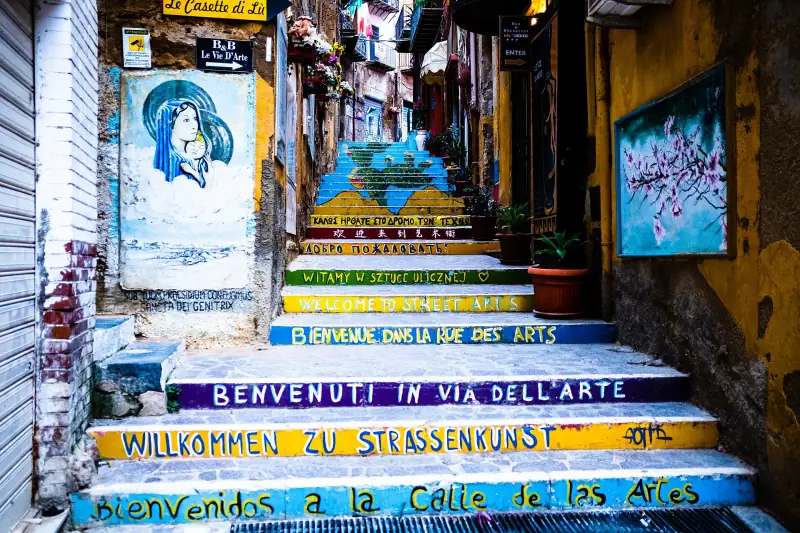
Where to Stay in Agrigento: Hotels, Areas and Practical Tips
Where to stay in Agrigento: Valley of the Temples hotels, charming B&Bs and San Leone beach. A complete guide by area and by budget.
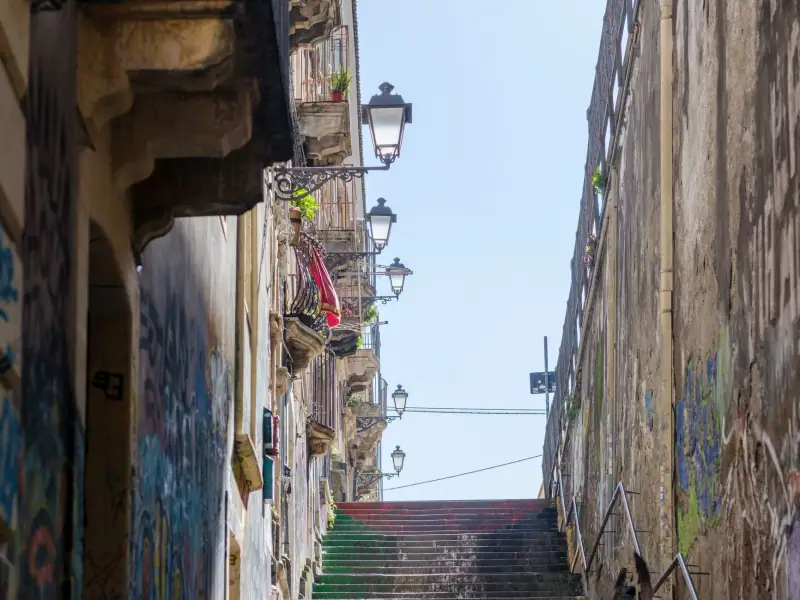
Where to Stay in Catania: Best Areas and Hotels
A complete guide to choosing where to stay in Catania: areas, budgets and well-located hotels near Mount Etna and the UNESCO-listed Baroque center.
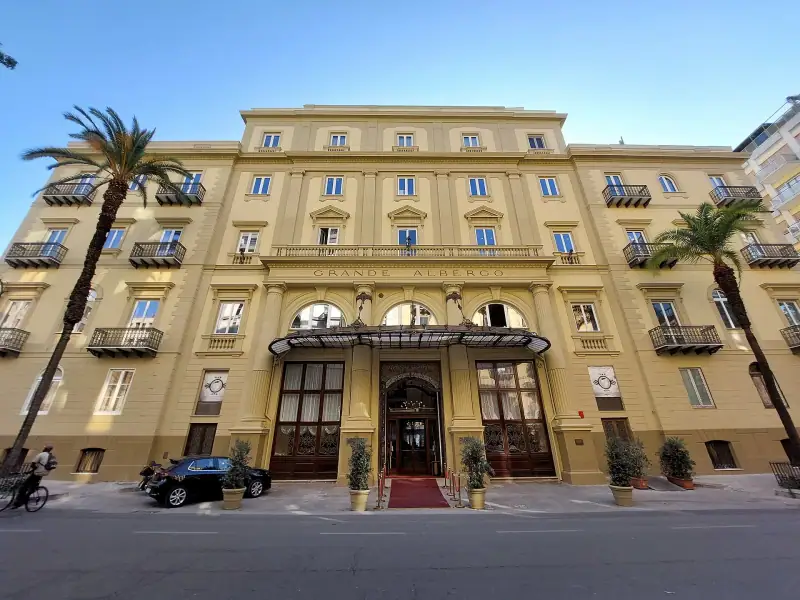
Where to Stay in Palermo: Best Areas and Hotels
A complete guide to where to stay in Palermo: historic neighborhoods, boutique hotels, B&Bs and places to stay by budget. Everything to choose well.
Ready-made
Sicily itineraries
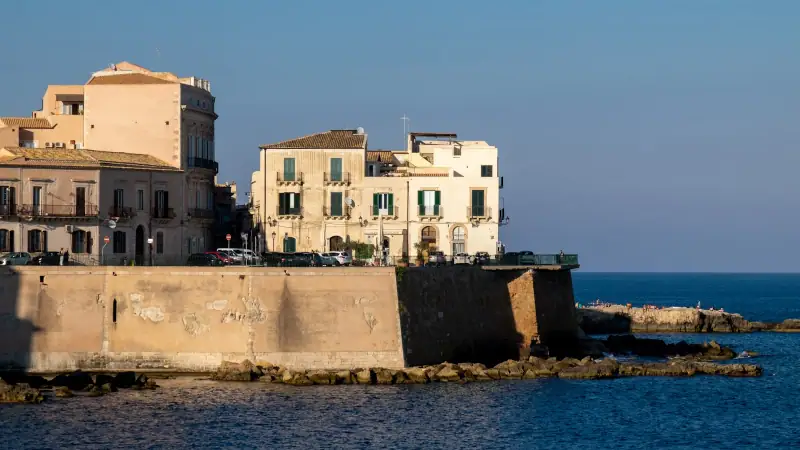
6 days
Southeast Sicily Itinerary: Syracuse, Noto, Ragusa and Agrigento in 6 Days
SyracuseRagusa or NotoAgrigento
5 days
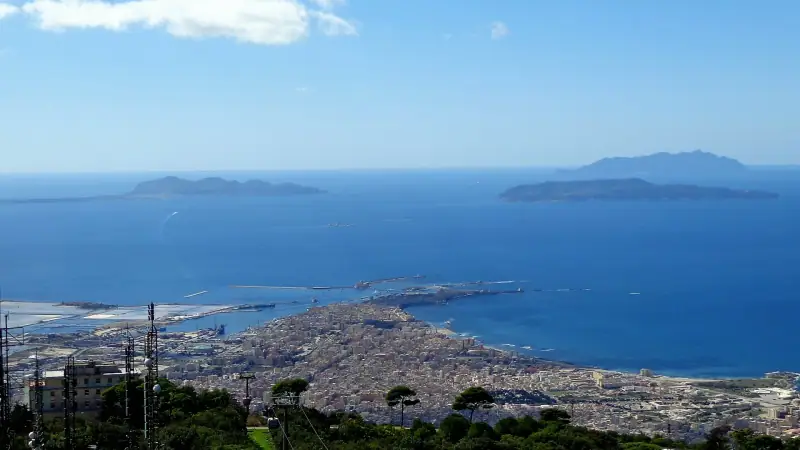
Western Sicily in 5 Days: Trapani, Marsala and the Aegadian Islands
A 5-day itinerary in western Sicily: Trapani and its salt pans, Marsala and its wine, Segesta, the Aegadian Islands. Practical tips for 2026.
14 days
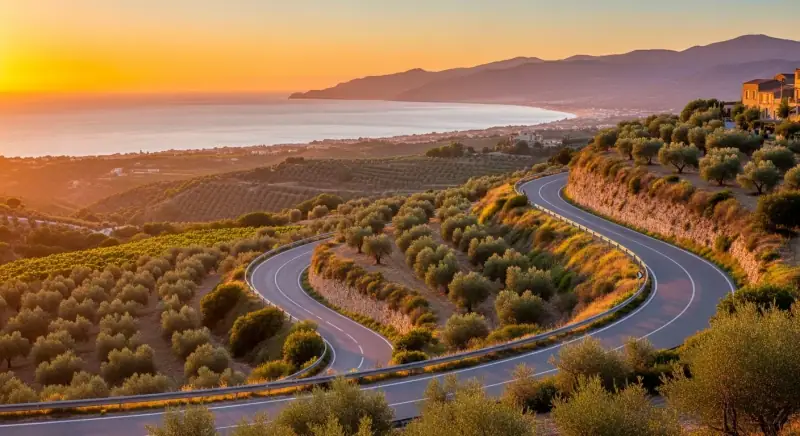
Sicily Road Trip: The Full Island Loop in 14 Days
A 2-week Sicily road trip itinerary: full loop of Palermo, Mount Etna, Syracuse, Agrigento and Trapani, with practical tips for driving the island.