Where to stay
Where to stay in Val d'Isère: neighborhoods, hamlets and types of lodging
We may earn a commission when you book through links on this page, at no extra cost to you. We don't visit or try the places we cover: we summarize published sources. How we work
In short
- For a first stay, the village center (Le Châtelard) is the best compromise: restaurants, shops and atmosphere on foot.
- La Daille, at the entrance of the resort, is more functional and usually has more affordable residences and apartments.
- Le Fornet, at the end of the valley, is the quietest and closest to nature, with fewer restaurants and shops.
- Book several months ahead for winter school holidays; Bourg-Saint-Maurice, about 30 km (19 mi) down the valley, is a cheaper fallback.
Val d’Isère is not a resort like the others: stretched over several kilometers at the head of the upper Isère valley, it is made up of a historic village and several districts that each have their own character. Choosing where to sleep therefore changes the stay profoundly. Lodging at the foot of the slopes spares you the ski locker doors and walks in ski boots, but may take you away from village life. Conversely, staying in the center of Le Châtelard guarantees atmosphere and restaurants within reach, with higher rates.
This guide compares the main areas of the resort, the lodging formats (hotel, chalet, residence, apartment, campground), the logic of the seasons and a few tips for booking at the best price. It complements our article on what to see and do in Val d’Isère, which details the ski area, the Col de l’Iseran and the hikes in the Vanoise.
How to choose: questions to ask before booking
Before comparing offers, a few criteria weigh more than the number of stars or the photo of the living room.
Ski or not? In winter, closeness to a ski lift is the first criterion for most guests. Being “ski-in” is a real comfort, especially with children, but you pay for it. If you come for relaxation, food or walking, more central or quieter lodging will be more pleasant.
What ski level? The resort’s areas do not give access to the same slopes. Beginners and families will appreciate a starting point toward the gentle zones, while experienced skiers will rather get closer to the big high-altitude areas. Our article on the resort details these areas.
With or without a car? Many visitors leave their car in the parking lot for the whole stay. Check whether your lodging offers a space or a garage, and at what rate: in high season, parking in the resort can weigh on the budget. Our guide to renting a car in Savoie in winter and summer will help if you are unsure.
Which period? The resort lives mostly in winter, with a short but pleasant summer season. In between, many places close. To choose your dates well, read our guide to choosing the best time to visit Savoie.
What budget? Val d’Isère is among the most expensive destinations in the region. The same lodging can cost far more during school holidays than in a quiet week. That difference is often more decisive than the choice of area.
Le Châtelard: the heart of the village
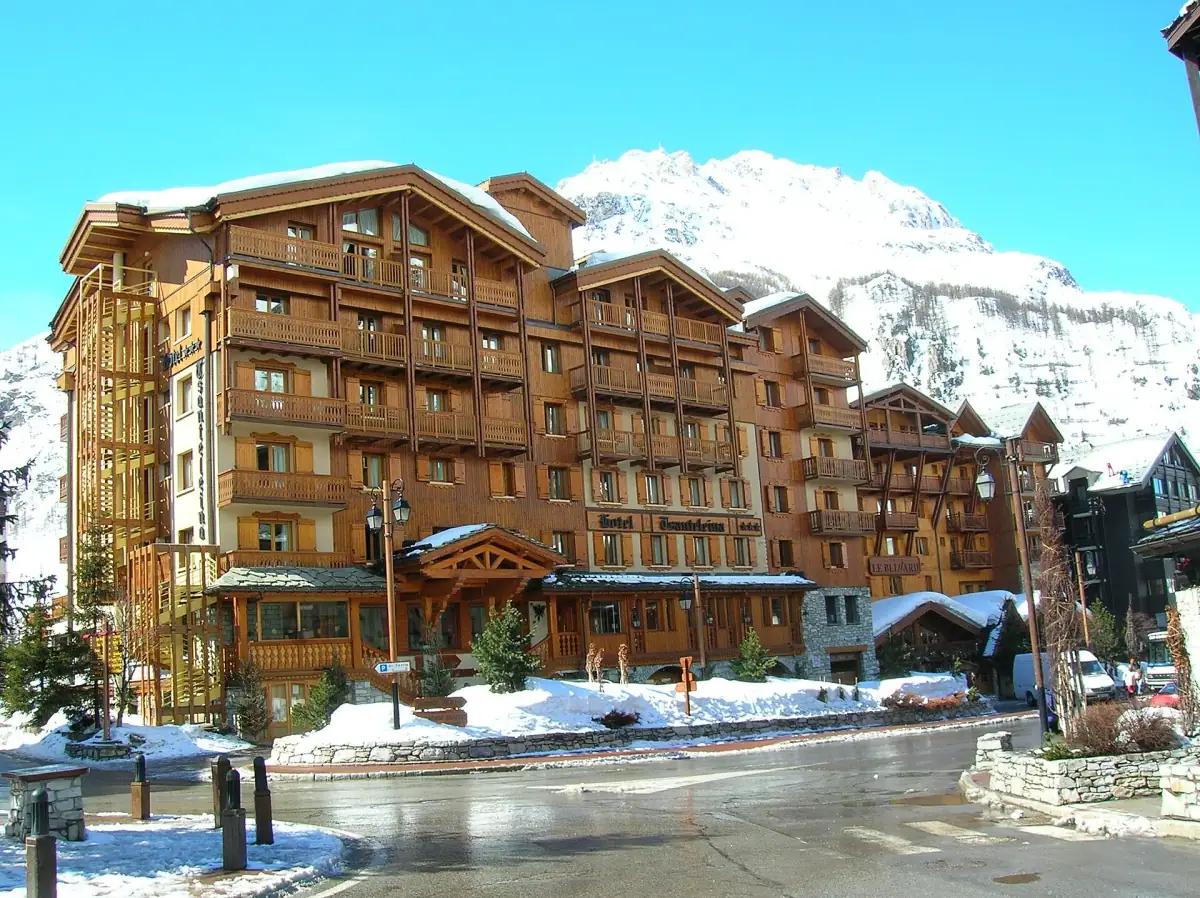
Le Châtelard is the historic and shopping center of the resort. This is where the lanes, the stone and wood chalets, the church, the boutiques, the restaurants and the bars are concentrated. Sleeping here gives you the atmosphere of a genuine mountain village, with lively evenings in winter.
Pros. You are within walking distance of most services: shops, equipment rental, ski schools, restaurants. The main lifts are reachable on foot or in a few minutes depending on the exact address. For a stay of a few days when you want everything at hand, it is the best base.
Cons. Rates are among the highest in the resort, and choice is more limited in high season. In the evening, the bustle can bother light sleepers, especially on the main street side. Ask for a courtyard-facing or upper-floor room, and check recent reviews on noise.
Who it suits. Couples, groups of friends and travelers who like going out after skiing. Families with young children also do well here, as long as they choose an address a bit set back from the main road.
Lodging in Val d'Isère
Compare hotels, chalets and apartments in the village and neighboring districts for your dates.
La Daille: the practical choice at the entrance of the resort
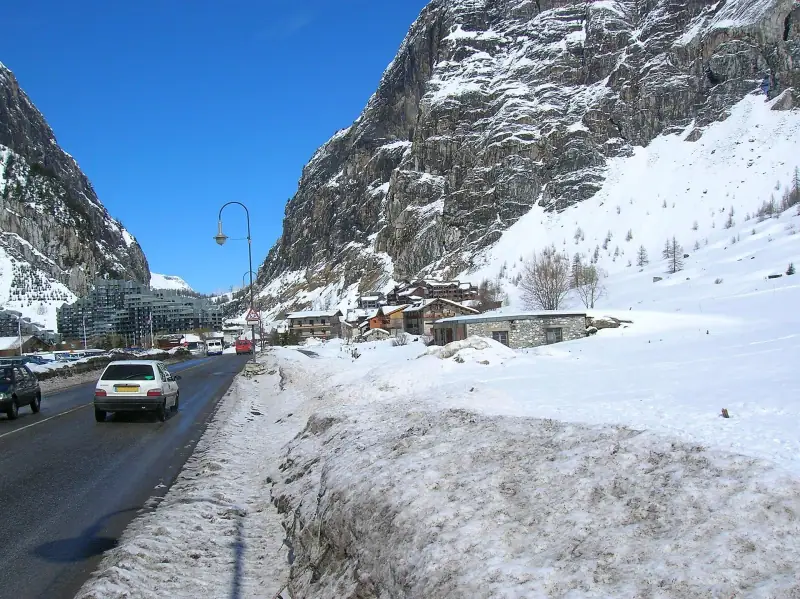
La Daille is at the entrance of the resort, on the side where you arrive from Bourg-Saint-Maurice. This district was designed for skiing, with lifts that leave directly from the base and a cluster of residences, local shops and essential services. The architecture is more functional than picturesque, but the location is very efficient for anyone who comes to ski.
Pros. The lifts are close, which makes ski days easier. Prices for residences and apartments are generally more accessible than in the village center, and you will find shops, ski schools and restaurants there. It is also the first district you pass on arrival, which simplifies arrival-day logistics.
Cons. The historic village is farther away: you need to take the free shuttle or plan a walk of a few kilometers. The evening atmosphere is more subdued. Some buildings have a “1960s-70s resort” feel, with less charm than the chalets of the center.
Who it suits. Skiers who want to maximize their time on the slopes, families on a tight budget and those who prefer functional lodging to an address with character.
Le Fornet: quiet at the end of the valley
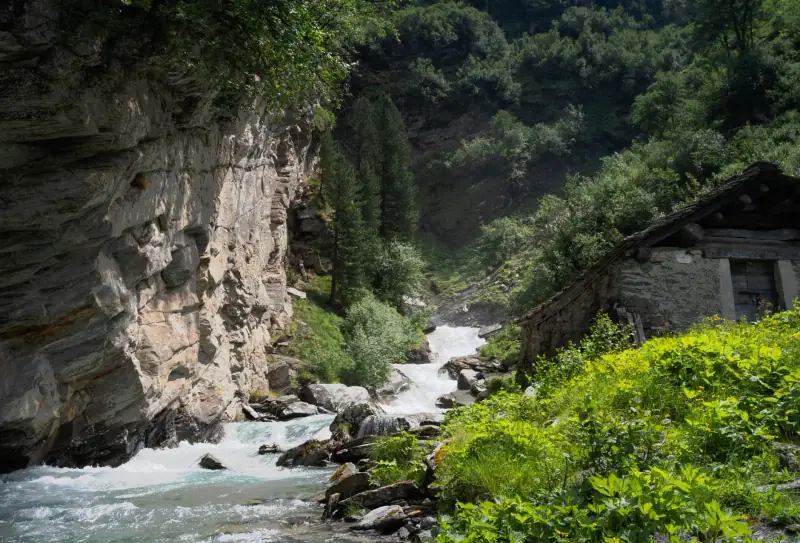
At the very end of the valley, the hamlet of Le Fornet is the starting point toward the Pissaillas glacier and the Col de l’Iseran. It is a quieter corner, closer to nature than to resort life.
Pros. Quiet, high-mountain scenery and direct access to a wilder high-altitude area. In summer, it is a convenient starting point for hikes and for the pass road. Prices are often lower than in the village center, even if the choice is small.
Cons. Resort life is a few kilometers away: without a shuttle or a car, you depend on timetables. Restaurants and shops are fewer. In the evening, plan your return if you have dinner in the village.
Who it suits. Experienced skiers, hikers, quiet-seekers and those who want to avoid the crowds. Le Fornet suits nature stays well, less so those looking for nightlife.
Le Laisinant, La Legettaz and the other hamlets
Between the resort and its ends, several hamlets and residential districts offer alternatives. Le Laisinant, close to the slopes and a few minutes’ walk from the shops, is a good compromise between quiet and proximity. Other areas, such as La Legettaz, Le Joseray or La Gorge, offer more discreet chalets and apartments, often more family-oriented.
Pros. You will find a quieter, residential atmosphere, sometimes with individual chalets for groups. Rates can be more reasonable than in Le Châtelard, depending on the season and comfort level.
Cons. You depend more on shuttles or walking to reach the shops, and some paths become slippery in winter. Check the exact distance to the nearest lift: “close to the slopes” can mean several minutes’ walk in ski boots.
Who it suits. Families, groups renting a whole chalet and travelers who prefer a residential atmosphere to a lively center.
Which type of lodging to choose
Beyond the area, the lodging format determines comfort, freedom and budget.
Hotel. The simplest option, with breakfast, reception, sometimes a spa or pool. Resort hotels often offer half board, practical in winter when you come back tired. They range from simple family places to palace hotels, with considerable gaps in rates. Check the cancellation policy.
Chalet. Renting a chalet, with or without service, is a typical experience. It is attractive for a group of friends or a large family, since the cost per person becomes more reasonable. Some chalets come with staff (cook, cleaning), which raises the bill. Check what is included: sheets, cleaning, firewood, shuttle, parking.
Tourist residence. Equipped apartments, often with a pool or wellness area, and à la carte services. It is a good compromise between the comfort of a hotel and the freedom of an apartment. Arrivals are generally on Saturday in high season, which structures stays in full weeks.
Vacation apartment. Practical for cooking and cutting the food budget. Check cleaning fees, the tourist tax, arrival conditions and any security deposits. Think about ski storage space and whether there is a ski room.
Campground and outdoor lodging. In summer, some outdoor lodging lets you sleep at lower cost, but the altitude means cool nights, even in July. Check the opening dates: the offer is limited and seasonal.
Activities around Val d'Isère
Snowshoeing, walks, Vanoise discoveries: see the activities offered in the region.
Winter or summer: two resorts in one
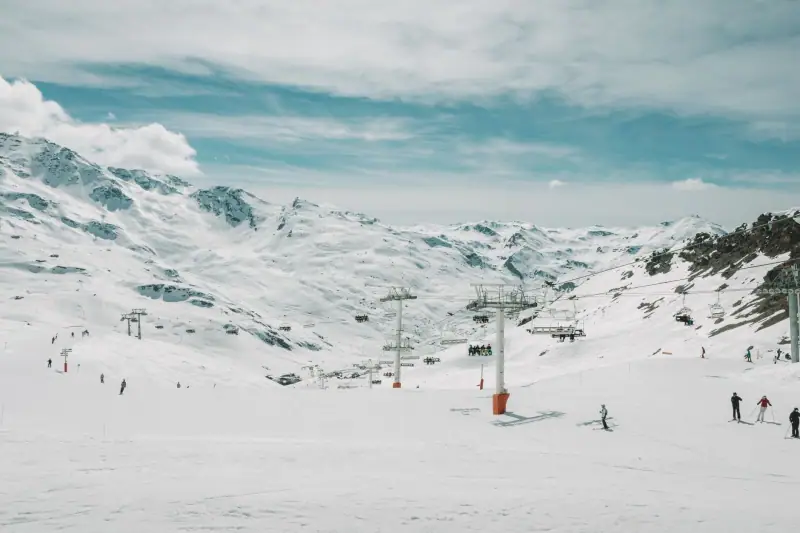
Val d’Isère changes face with the season, and this choice shapes the lodging offer.
Winter is high season. Hotels, residences and chalets are open, prices are high during school holidays, and quiet weeks often offer better terms. Arrivals and departures are concentrated on Saturday, which creates traffic jams on the Tarentaise road: if you can, shift your arrival or choose another day.
Summer is calmer. The Col de l’Iseran road reopens, the Vanoise trails are accessible and the atmosphere is family-oriented. Some lodging and restaurants stay closed. For hikers, our article on watching Vanoise wildlife gives outing ideas. Check the property’s opening dates before booking: some open late in the season or close early.
The shoulder seasons (late spring, early fall) are very quiet: many shops are closed, and it is not the ideal period for a first stay. They suit travelers looking for almost total silence, or those combining the visit with other towns in the region.
Budget: what makes the nightly rate vary
It is impossible to give a single rate: gaps are large and depend on the period, the area, the comfort level and the length of stay. Here is what matters most.
- School holidays. Winter holiday weeks are by far the most expensive. A week outside holidays is often much more affordable.
- Closeness to the slopes. The closer you are to a lift, the higher the price. Accepting a few minutes of shuttle or walking can lighten the bill.
- The format. An apartment with a kitchen lets you cut restaurant meals, which are themselves costly in a resort.
- The length of stay. Many residences and chalets offer weekly stays, sometimes with a fixed arrival day.
- Extra costs. Factor in the tourist tax, cleaning, bed linen, parking and the ski locker.
For an overall view of the budget for a stay in the region, see our guide to the cost of a trip to Savoie.
Getting there and getting around by neighborhood
Reaching Val d’Isère takes a little organization. From Bourg-Saint-Maurice, the end of the train line in the Tarentaise, a coach or shuttle service runs up the valley to the resort. Our article on Bourg-Saint-Maurice details this gateway to the upper Tarentaise. By car, the upper valley road can be very busy on holiday Saturdays, and winter equipment is required in the mountains in winter.
Once there, the resort is served by shuttles linking the different districts. This makes areas far from the center perfectly workable without a car. Check the timetables and service periods, which vary by season, as well as the distance between the stop and your lodging. If you plan to rent a car to fan out around the region before or after your stay, you can compare offers:
Sleeping down the valley: the Bourg-Saint-Maurice option
If your budget is tight or the resort’s lodging is full, sleeping in Bourg-Saint-Maurice is an alternative to consider. The town lies at the bottom of the valley, about 30 km (19 mi) from Val d’Isère, and has the train station, shops and hotels that are often more affordable.
Pros. Generally lower rates, year-round town life, and very convenient access by train. It is also a useful base for combining the upper Tarentaise with other resorts.
Cons. The daily trip takes time and can be tiring at busy periods, especially in winter. You also lose the resort atmosphere and the possibility of ski-in lodging. Best for those with a car or who are fine relying on coach timetables.
Sleeping in Bourg-Saint-Maurice
For a gentler budget, compare lodging down the valley.
Which area for your profile?
To decide quickly, here is a summary by type of traveler.
- Couple looking for atmosphere: Le Châtelard, for restaurants, bars and evenings in the village center.
- Family with skiing children: La Daille or Le Laisinant, for closeness to the lifts and a more reasonable budget.
- Experienced skiers: Le Fornet for quiet and access to the high-altitude areas, or Le Châtelard for life after skiing.
- Group of friends: a chalet in a hamlet, which shares costs and offers a common space.
- Small budget: an apartment in La Daille outside school holidays, or a night down the valley.
- Summer hikers: Le Fornet or the village, depending on the opening dates of the properties.
Tips for booking well
- Book early for school holidays: the best locations go several months ahead.
- Favor a refundable option: a late snowfall, a health problem or a change of dates happen quickly.
- Measure the real distance to the slopes: look at the map, not just the phrase “ski-in” or “close to the slopes”.
- Read recent reviews, focusing on noise, heating, cleanliness and welcome.
- Check what is included: ski room, parking, wifi, sheets, cleaning, tourist tax.
- Compare several dates: shifting your arrival by a day or a week can change the rate significantly.
- Warn the property of a late arrival: in the mountains, reception may close early and roads can delay the trip.
- Check opening dates if you come outside high season, because many properties close between seasons.
What about meals?
Lodging influences your meals. An apartment or chalet with a kitchen lets you prepare breakfast and a few dinners, and build evenings around local products. To enjoy fondue, raclette and the other specialties on the spot, see our guide to Savoie cheeses. With half board, you make life easier, but lose the freedom to vary addresses.
In short: key takeaways
For a first stay, sleep in Le Châtelard if you want atmosphere, or in La Daille if you put the slopes and budget first. Le Fornet suits fans of quiet and nature, while hamlets like Le Laisinant offer a good balance. Rates vary mostly with dates: avoid school holidays if you can, book a refundable rate early and check the opening dates of properties off season. Whatever you choose, well-located and well-chosen lodging makes the stay smoother and leaves you free to enjoy the high mountains.
Frequently asked questions
What is the best area to stay in Val d'Isère?
For a first stay, the village center (Le Châtelard) offers the best compromise: restaurants, shops and atmosphere on foot. If skiing is your priority, choose lodging close to a lift, in La Daille, Le Laisinant or Le Fornet depending on your level and budget.
Is it cheaper to stay in La Daille or in the village?
Generally yes: La Daille, more functional, often offers residences and apartments at more accessible rates than the village center. The gap varies a lot with dates, so compare several weeks before booking.
Can you do without a car in Val d'Isère?
Yes. The resort's districts are linked by free shuttles in the winter season, and the village is walkable. Arrive by train at Bourg-Saint-Maurice, then by coach or shuttle. Check the timetables and service period before you go.
When should you book lodging in Val d'Isère?
For winter school holidays and busy weekends, book several months ahead, as the best locations go early. Outside holidays, a few weeks is often enough. Favor refundable offers.
Is Val d'Isère open in summer?
The resort remains accessible in summer, but some hotels, shops and restaurants close between seasons. Check the opening dates of the property you have in mind and of the Col de l'Iseran road, which is closed in winter.
Are there budget options for staying in Val d'Isère?
Apartments with a kitchen, stays outside school holidays and hamlets away from the slopes cut the bill. Another option is to stay down the valley in Bourg-Saint-Maurice, at the price of a daily trip.
More Savoie guides
Keep reading
Where to stay in Megève: neighborhoods and types of lodging
Where to stay in Megève? Pedestrian center, Rochebrune, Mont d'Arbois, Jaillet, Côte 2000: compare areas, lodging types and tips for booking well.
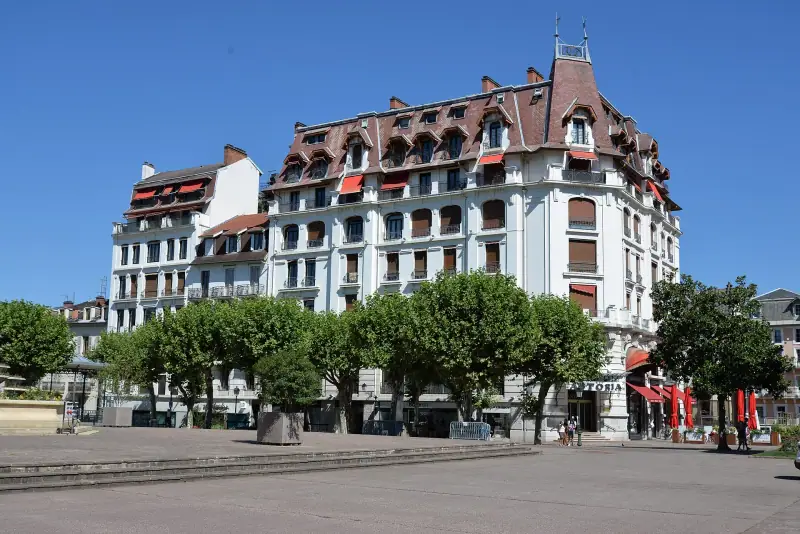
Where to stay in Aix-les-Bains: neighborhoods, the lake and types of lodging
Where to stay in Aix-les-Bains? Spa district, lakefront, Revard heights or nearby villages: compare areas and lodging types before you book.
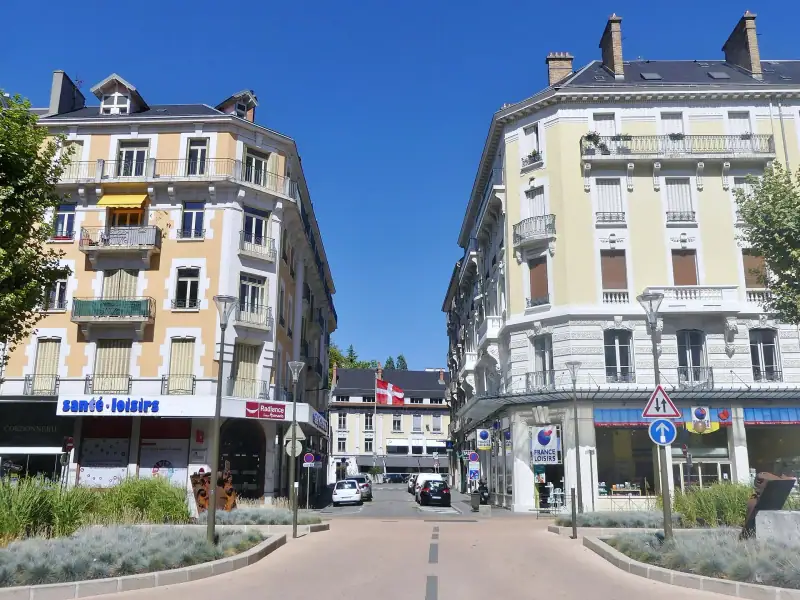
Where to stay in Chambéry: neighborhoods, nearby towns and types of lodging
Where to stay in Chambéry? Historic center, train station area, quiet districts or Lac du Bourget: compare areas and lodging types to match your stay.
Ready-made
Savoie itineraries
7 days
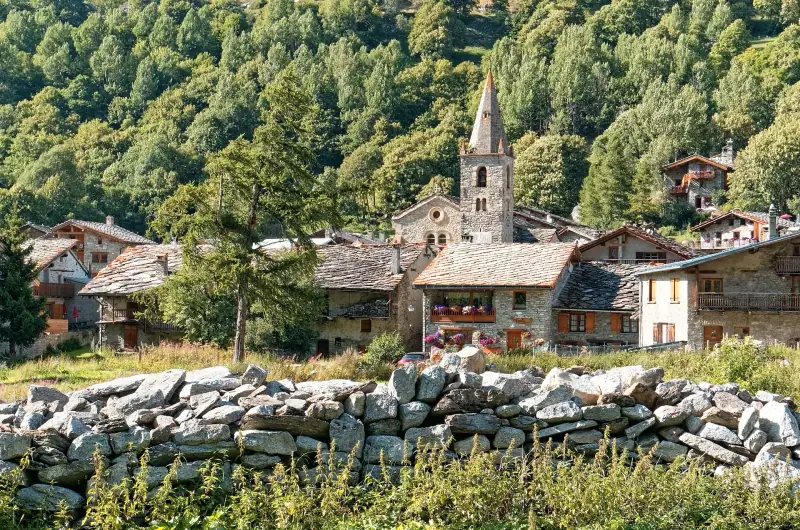
One week in Savoie: a day-by-day road trip itinerary
Chambéry or Aix-les-BainsAnnecyMegève or ChamonixTarentaise (Bourg-Saint-Maurice or Val d'Isère)
5 days
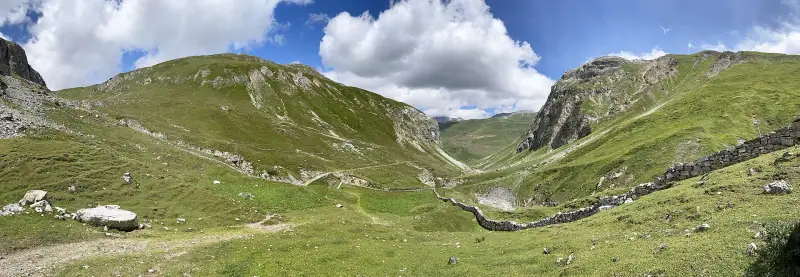
Savoie in 5 days without a car: a realistic itinerary by train and bus
ChambéryAnnecyChamonix
3 days
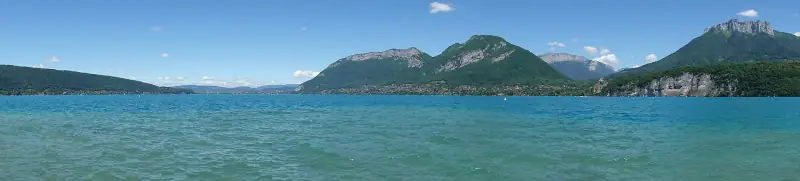
3 days around Lake Annecy: a day-by-day itinerary
What to do in 3 days in Annecy and around the lake? Old town, Talloires, Menthon, Duingt, cycling, swimming and Semnoz: a detailed, realistic itinerary.