What to see
Visiting Alghero: A Complete Guide to Sardinia's Catalan Pearl
We may earn a commission when you book through links on this page, at no extra cost to you. We don't visit or try the places we cover: we summarize published sources. How we work
In short
- Plan 2 to 3 days: one for the old town and ramparts, one for Neptune's Grotto and Capo Caccia, one for beaches and surroundings.
- The boat to Neptune's Grotto takes 45 minutes each way and costs €15 to 18 (about $17 to 21) round trip plus about €18 (about $21) for the grotto entrance.
- Alghero-Fertilia Airport (AHO) is 12 km (7 mi) from the center; the ARST bus takes 30 minutes and a taxi costs €20 to 25 (about $23 to 29).
- Alghero is the only town in Sardinia where Catalan (l'Alguerès) is still spoken; street signs are bilingual.
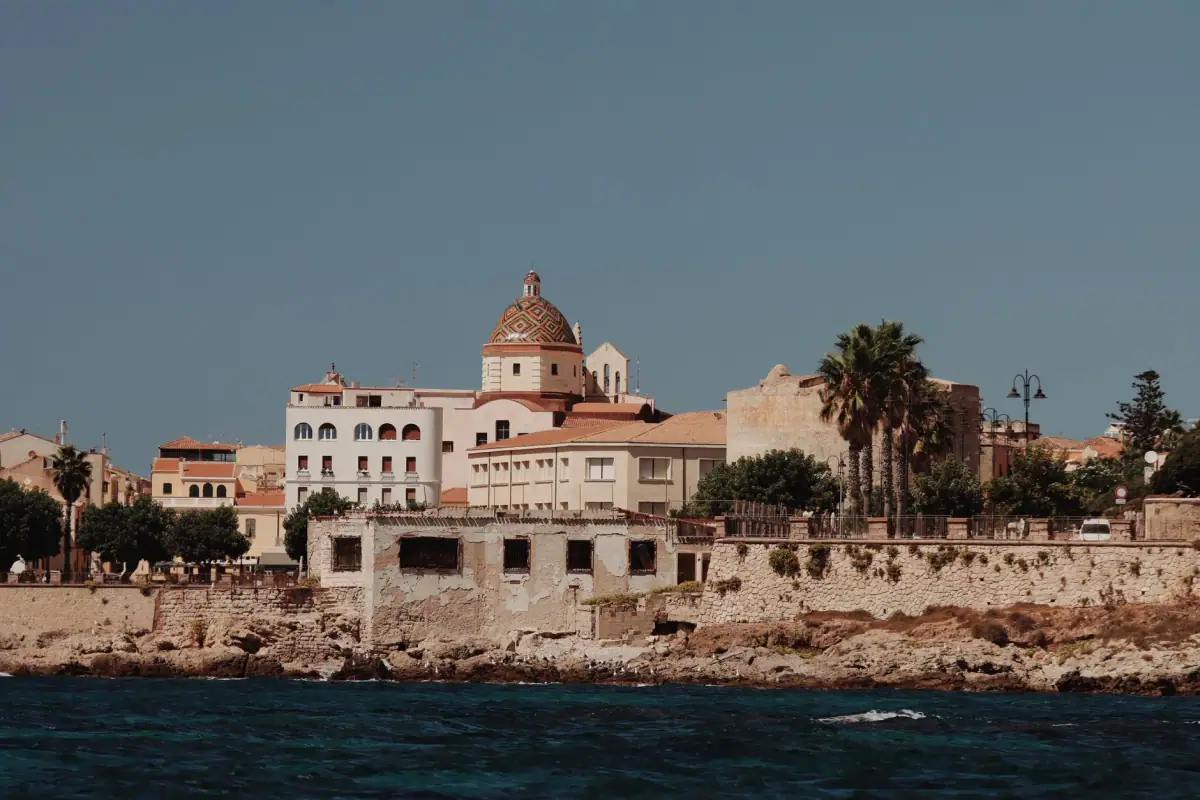
Alghero is a magnificent anomaly. On this Italian island, in the far northwest, a town speaks Catalan, displays Aragonese coats of arms on its medieval towers and serves spiny lobster in the Catalan style. Founded in the early 12th century by the Genoese Doria family, then conquered by the Catalans in 1353, Alghero has kept a unique identity for seven centuries: not quite Italian, not quite Spanish, but deeply Sardinian with a Catalan soul. Its orange-hued ramparts plunging into a turquoise sea, its labyrinthine historic center and its sparkling beaches make it one of the most appealing destinations in the whole Mediterranean.
The old town: a medieval jewel
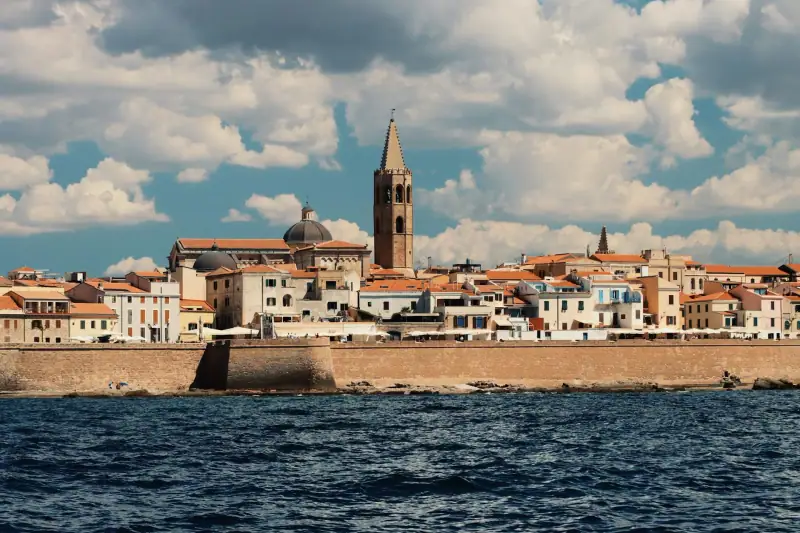
Alghero’s Città Vecchia is surrounded by its original Aragonese ramparts, built and reinforced between the 14th and 16th centuries. These ochre limestone bastions, set directly on the sea, form one of the best-preserved fortified complexes in Sardinia.
The ramparts and bastions
The rampart walk (Passeggiata delle Mura) is the first thing to do on arriving in Alghero. It runs along the bastions from the Torre di Porta Terra to the Torre della Polveriera over almost 1.5 km (1 mi), offering spectacular views over the Gulf of Alghero and the cliffs of the hinterland. The sunset from the Bastione di San Giacomo is one of the most beautiful in all of Sardinia.
Several towers mark the route:
- Torre di San Giovanni: The best-preserved tower, with its characteristic Ghibelline battlements. It was once linked to a chain that closed the harbor entrance.
- Torre dell’Espero Reial: A round tower at the northwest corner, offering the clearest view of the open sea.
- Torre di Porta Terra: The town’s former land gate, the only access from the hinterland in the Middle Ages.
Santa Maria Cathedral
In the heart of the old town, the Cattedrale di Santa Maria is a masterpiece of Catalan Gothic. Begun in 1552, its construction stretched over two centuries, which explains the mix of styles: the octagonal Catalan-Aragonese bell tower contrasts with the 18th-century neoclassical facade. The interior, with five naves and octagonal pillars, has an elegant sobriety typical of Catalan architecture.
The cathedral was where Charles V, passing through Alghero in 1541, attended mass, an event etched in the town’s collective memory.
Palaces and lanes
The Palazzo d’Albis (Via Carlo Alberto), where Charles V stayed during his visit, is now a residential building, but its Aragonese facade is remarkable. Via Carlo Alberto and Via Roma hold the fine noble houses of the 16th and 17th centuries, with their balustraded balconies in local stone.
The cobbled lanes of the old town (Via Principe Umberto, Via Simon, Carrer de la Mar) are lined with craft shops (Alghero red coral, ceramics), trattorias and enoteche. Piazza Civica, the old medieval market square, is now the lively heart of Alghero life.
Guided tours of Alghero
Old town walking tours, kayak trips to Capo Caccia, boat outings.
Neptune’s Grotto: the absolute highlight
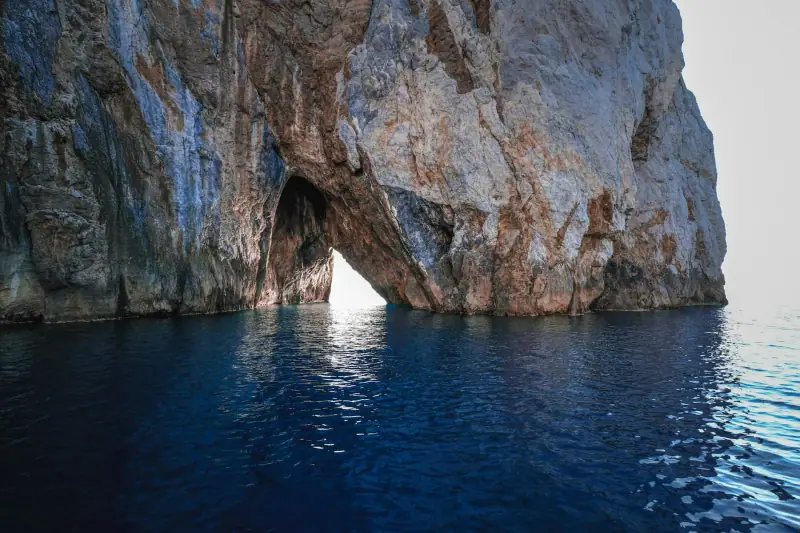
Thirty-five km (22 mi) northwest of Alghero, Capo Caccia is a limestone headland 180 m (590 ft) high that drops sheer into the sea. At its base, reachable only by boat or by the 654 steps of the Escala del Cabirol, lies Neptune’s Grotto (Grotta di Nettuno).
An exceptional sea cave
Discovered in 1800 by local fishermen, the Grotta di Nettuno is one of the most beautiful sea caves in the whole Mediterranean. Over more than 4 km (2.5 mi) of explored galleries (700 m / 2,300 ft open to the public), it holds an underground lake with transparent water, forests of stalactites and stalagmites, pools with green and blue reflections, and dazzling white calcite formations.
The guided visit lasts about 45 minutes. Temperatures in the cave stay between 14 and 16 °C (57 to 61 °F) all year, so bring a sweater even in midsummer.
Highlights of the visit:
- Lago Lamarmora, an underground freshwater lake with perfectly still water
- The calcite organ pipes, translucent columns formed over several millennia
- The “theater” room with its extraordinary formations
- The unique sound atmosphere (absolute silence broken by dripping water)
How to get there
By boat from Alghero (recommended): Shuttles leave several times a day from Alghero harbor (duration: 45 minutes each way, a spectacular coastal trip). Price: €15 to 18 (about $17 to 21) round trip plus about €18 (about $21) for the grotto entrance (full 2026 rate, check before you go). In high season, book the day before.
By the Escala del Cabirol: 654 steps cut into the cliff; allow 25 to 30 minutes down (and as much back up). Breathtaking view of the cape, but physically demanding. Parking at the top.
By road: A road access exists (it regularly closes because of rockfalls); check conditions before you go.
Capo Caccia beyond the grotto
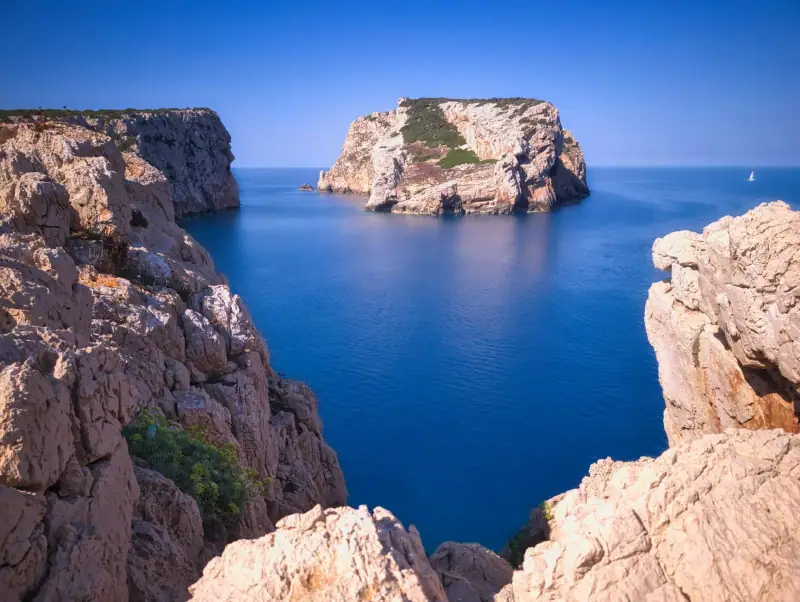
Capo Caccia deserves a visit in itself: the cliffs of Capo Caccia are among the most impressive in Sardinia, a habitat for peregrine falcons and vultures. Cala d’Inferno and Cala del Bollo, two coves reachable only by boat, have extraordinarily clear water. Sea kayak excursions from Alghero let you follow these cliffs over a full day.
Alghero’s beaches and surroundings
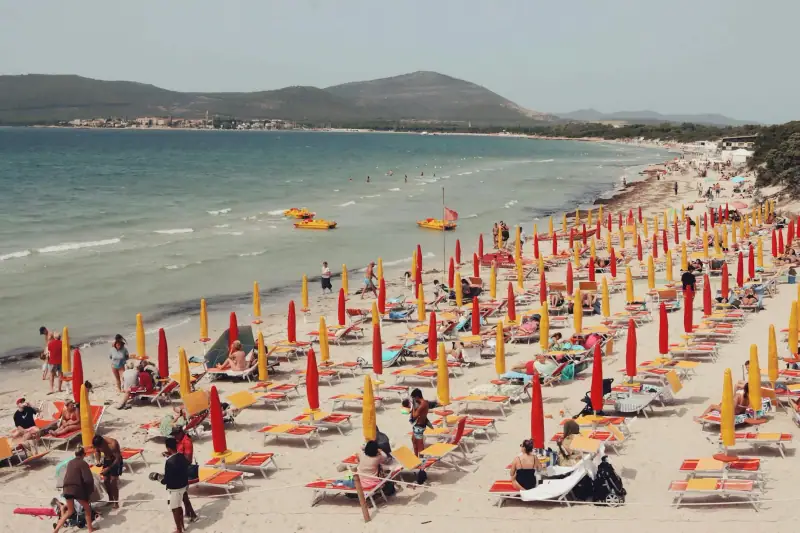
Alghero’s territory holds some of the most beautiful beaches of northwest Sardinia.
Beaches near Alghero
Spiaggia di San Giovanni: Alghero’s urban beach, 1 km (0.6 mi) from the historic center. Fine sand, shallow turquoise water, perfect for families. Several lidi (beach clubs) with loungers (€12 to 18 a day, about $14 to 21), but part of it is free access.
Lido di Alghero: The continuation of San Giovanni to the north, quieter, with fewer services but more space. Ideal for a morning swim.
Spiaggia di San Marco: 8 km (5 mi) north, reachable by car or bike from Alghero. Wilder, less crowded, with white sand dunes and crystal-clear water.
Beaches of the northwest coast
Porto Ferro: 20 km (12 mi) from Alghero, this long, wild 3 km (2 mi) beach borders a forested valley. No services (bring everything), sometimes rough water (a surf spot), unspoiled natural feel.
Spiaggia di Mugoni: In the Gulf of Alghero, at the foot of Monte Doglia. A very beautiful white-sand beach in a sheltered cove, shallow turquoise water. Access by a track (5 minutes on foot from the parking lot).
Cala Dragunara: A small cove reachable on foot from the Capo Caccia parking lot, with extraordinarily translucent water. Very busy in summer, arrive early.
Beaches of Fertilia and the northern Sinis
Along the road to Fertilia (the former Italian settler village of the 1930s), the Peschiera beaches border a freshwater lagoon where flamingos are sometimes visible in fall and winter. The atmosphere is radically different from the rest of the coast: calmer, more “end of the world”.
For an overview of the most beautiful Sardinian beaches, see our guide to the beaches of Sardinia.
Alghero’s food: spiny lobster and Catalan flavors
Alghero’s cooking is a unique synthesis of Sardinian tradition and Catalan heritage. Several dishes cannot be found anywhere else in Sardinia.
Local specialties
Aragosta alla catalana: Catalan-style spiny lobster is the emblematic dish of Alghero. The lobster is steamed then served cold with tomatoes and onions in a lemon and olive oil dressing. Simple, but extraordinary with absolutely fresh shellfish. Expect €40 to 60 per person (about $46 to 70) in a good restaurant.
Zuppa di vongole alla algherese: Clam soup flavored with garlic, parsley and chili, served with grilled bread rubbed with oil. A Catalan recipe adapted to local produce.
Pardulas: Small cakes made with fresh cheese (ricotta or pecorino) flavored with saffron and orange, typical of the Sardinian-Catalan pastry tradition. The best are found at old-town bakers.
Vernaccia di Oristano: This amber white wine from central Sardinia (close to a Spanish fino or amontillado) pairs perfectly with seafood. In Alghero’s enoteche, it is often offered by the glass as an aperitif.
Where to eat in Alghero
- Trattoria Lo Quarter (Via Principe Umberto): In the vaulted cellars of a medieval palace, authentic Sardinian-Catalan cooking. Try the minestrone alla sarda and the spaghetti all’aragosta.
- Ristorante La Lepanto (Via Carlo Alberto): An Alghero institution since 1974, a specialist in aragosta alla catalana. Terrace on the old town.
- Trattoria Il Bastione (Bastione Marco Polo): Sea view from the ramparts, wood-grilled fish, relaxed atmosphere.
- Mercato Civico (Via Sassari): Alghero’s covered market, open in the morning. Stalls of local specialties, cheeses, cured meats, olives and red coral products (jewelry).
Hotels in Alghero
From boutique hotels in the old town to seaside residences, book your stay.
Where to stay in Alghero
In the old town
Sleeping inside the walls is the ultimate Alghero experience. B&Bs and small hotels in the medieval lanes let you enjoy the ramparts in the evening when the day visitors have left. Downside: little parking, one-way streets. Expect to pay €80 to 150 a night (about $93 to 175) in season for a double.
Recommended areas: Around Piazza Civica, along Lungomare Dante and in the lanes behind the cathedral.
Near the beach (San Giovanni/Fertilia)
For families with children, residences and hotels along San Giovanni beach are practical: the beach on foot, easy parking, access to the center in 15 minutes on foot or by bike. Expect to pay €70 to 120 a night (about $81 to 140).
In an agriturismo in the hinterland
The countryside between Alghero and Sassari is dotted with agriturismi where you can taste farm products. Some offer guest rooms at €60 to 90 a night (about $70 to 105) with a generous breakfast. Ideal for an authentic experience away from the crowded beaches.
Getting around Alghero
Rental car: Essential for exploring Capo Caccia, the wild beaches and the hinterland. Alghero-Fertilia Airport has the main rental companies (Europcar, Hertz, Sixt, Avis). Book ahead in summer for the best rates.
ARST bus: Regular lines link Alghero to Sassari (45 minutes, several times a day), Cagliari (3 h 30) and the nearby beaches. In summer, special shuttles serve the most popular beaches.
Bike: Alghero is relatively flat around the center and the coast. Several rental shops offer mountain bikes and e-bikes to explore the coast to Fertilia and beyond.
Boat from the harbor: Tourist shuttles leave regularly for Neptune’s Grotto and follow the coast to the north. Ideal for discovering cliffs that cannot be reached by land.
To plan your itinerary in Sardinia, see our complete road trip in Sardinia.
Alghero in practice
Essential information
- Airport: Alghero-Fertilia (AHO), 12 km (7 mi) from the center.
- Language: Italian and Sardinian, with Catalan (l’Alguerès) among the older generation. English is spoken in hotels and tourist restaurants.
- Currency: Euro. ATMs in the town center.
- Parking: Paid parking around the old town (€1 to 2 an hour, about $1.15 to 2.35). Free parking in Fertilia and by the less crowded beaches.
Budget
| Type | Indicative price |
|---|---|
| Lodging (double) | €70-200/night (~$81-230) |
| Restaurant meal | €25-50/person (~$29-58) |
| Neptune’s Grotto (boat + entrance) | €33-36/person (~$38-42) |
| Car rental | €35-70/day (~$41-81) |
| Beach loungers | €12-20/day (~$14-23) |
Places around Alghero to explore
Stintino and La Pelosa beach (60 km / 37 mi)
Sixty km (37 mi) north on the SS127, the fishing village of Stintino is home to Spiaggia della Pelosa, regularly voted one of the most beautiful beaches in Europe: powdery white sand, shallow turquoise water, a small Aragonese tower in the distance. In high season, access is limited and paid (€6 to 10 per person, about $7 to 12) to protect the Posidonia seagrass beds. Arrive early.
The Burgos forest and the Anglona
Inland, between Alghero and Sassari, the Foresta di Burgos is one of the last large holm oak forests in Sardinia. Marked trails allow half-day hikes. The village of Burgos keeps the ruins of a perched medieval castle.
Sassari (35 km / 22 mi)
Sardinia’s second city, 35 km (22 mi) from Alghero, deserves half a day: the National Archaeological Museum (the second most important after Cagliari) and the Fontana di Rosello (16th century, in white marble) are its two main attractions. A university atmosphere, far less touristy than Cagliari.
To see how Alghero fits into a wider circuit, see our complete guide to Sardinia.
Events and cultural life
Alguer en Música (July-August): An open-air music festival in the lanes of the old town, with Catalan, Sardinian and Mediterranean concerts. Free admission for most events.
Feast of San Giovanni (June 24): Alghero’s patron saint’s day, with a maritime procession (illuminated boats in the harbor), fireworks and festivities throughout the old town.
Settimana Santa (Easter): Night processions in the old town, in tribute to the Catalan tradition, among the most moving in Sardinia.
Estate Musicale Internazionale (August): Classical and jazz concerts in the courtyards of medieval palaces.
Alghero is a destination that suits every kind of trip: romantic for a long weekend as a couple, active for families with children and young people (kayaking, diving, beaches), cultural for medieval history buffs, delicious for lovers of Mediterranean cooking. In any format, the Catalan pearl of Sardinia never disappoints.
Frequently asked questions
How many days do you need to visit Alghero?
Plan 2 to 3 days minimum. One day for the old town and the ramparts, one for Neptune's Grotto and Capo Caccia, and a third for the beaches and surroundings. A week lets you explore the whole northwest region.
How do I get to Alghero from the airport?
Alghero-Fertilia Airport (AHO) is only 12 km (7 mi) from the center. An ARST bus links the airport to town in 30 minutes for €1.30 (about $1.50). A taxi costs €20 to 25 (about $23 to 29). With a rental car, allow 15 minutes.
What is the best time to visit Alghero?
May-June and September-October are ideal: warm sea, moderate crowds, reasonable prices. In July-August the town is very lively but crowded and expensive. Winter is mild and lets you enjoy the old town without tourists.
Is Neptune's Grotto really worth the trip?
Absolutely. It is one of the most beautiful sea caves in the Mediterranean. The boat trip from Alghero (45 minutes each way) with a visit inside the cave is an unforgettable experience. Book ahead in high season.
Is Catalan still spoken in Alghero?
Yes! Alghero is the only town in Sardinia where Catalan is still spoken by part of the population (the older generation in particular). It is called 'l'Alguerès'. Street signs are bilingual (Sardinian/Catalan), and some shops display their sign in Catalan.
Is there good nightlife in Alghero?
Yes, Alghero is the most festive town in northwest Sardinia. The old town terraces come alive from 7 pm for aperitifs. Lungomare Dante and the lanes of the old town offer bars, live music and restaurants open past midnight in summer.
More Sardinia guides
Keep reading
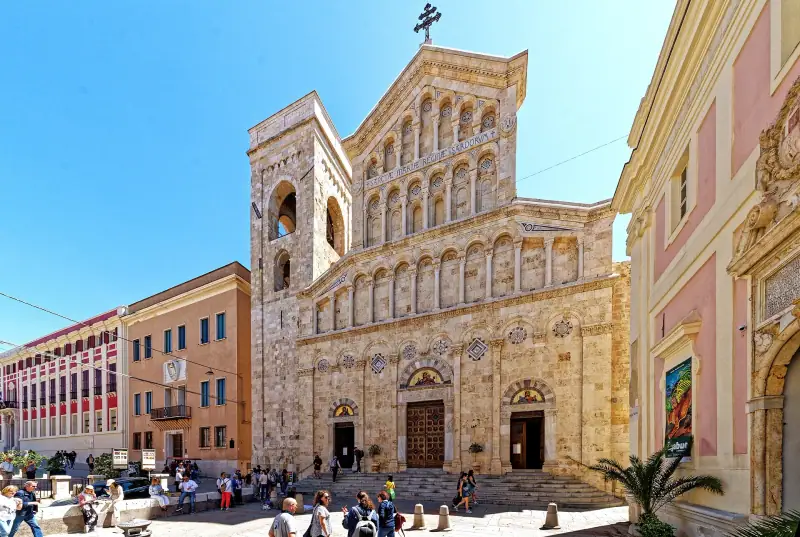
Cagliari Highlights: What to See and Do in Sardinia's Capital
The highlights of Cagliari: Castello, Poetto, museums, markets, food. A complete guide to visiting the capital of Sardinia in 2 days.
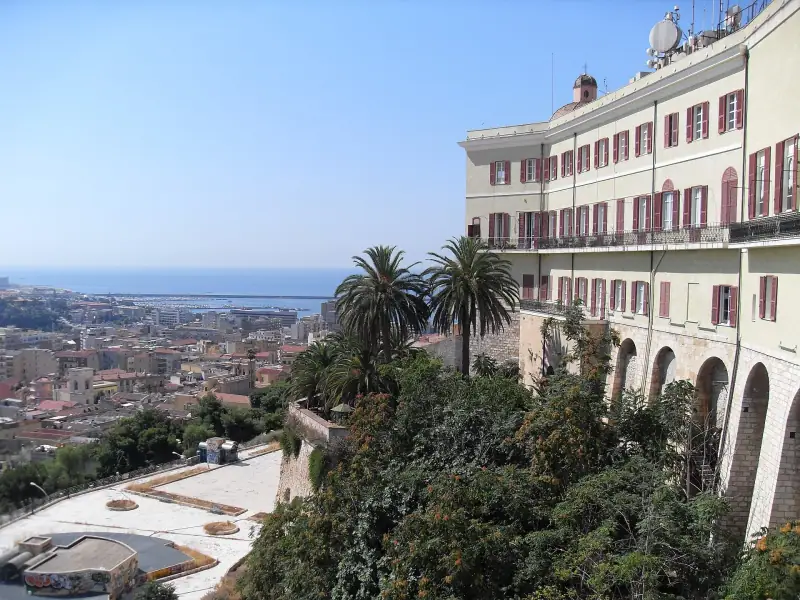
Visiting Cagliari: A Complete Guide to Sardinia's Capital
A complete guide to visiting Cagliari in 2026: neighborhoods, Castello, Poetto beach, museums, food, hotels, transport and practical tips.
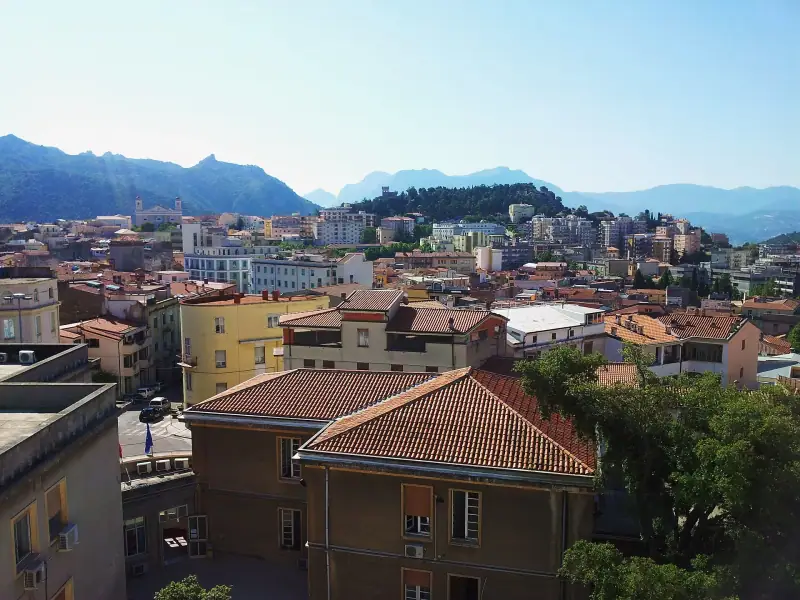
Visiting Nuoro: A Complete Guide to the Capital of the Barbagia
Visiting Nuoro: Sardinian museums, Monte Ortobene, Grazia Deledda, the Barbagia. A 2026 practical guide to inland Sardinia's most authentic town.
Ready-made
Sardinia itineraries
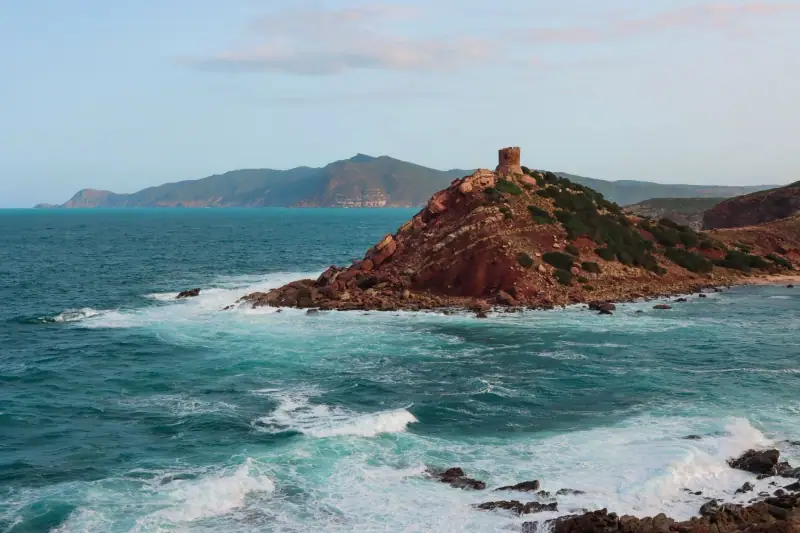
14 days
Sardinia Road Trip: The Complete Island Loop in 10-14 Days
Plan your Sardinia road trip: a complete 10 to 14 day itinerary, scenic roads, essential stops and driving tips.
7 days
Sardinia in 7 Days: A Complete Itinerary for an Unforgettable Week
7-day Sardinia itinerary: Cagliari, Chia, Ogliastra, nuraghi and Costa Smeralda. A day-by-day plan with practical tips.
5 days
Sardinia in 5 Days by Car: A Realistic Itinerary (Distances and Drive Times)
PalauCastelsardoAlghero