What to see
Cagliari Highlights: What to See and Do in Sardinia's Capital
We may earn a commission when you book through links on this page, at no extra cost to you. We don't visit or try the places we cover: we summarize published sources. How we work
In short
- Two days cover the essentials: the Castello quarter, the National Archaeological Museum, San Benedetto market and Poetto beach. Three days add Nora and the Molentargius lagoon.
- Free sights include the Castello ramparts, the Saint-Remy bastion, the Poetto promenade and the Molentargius lagoon.
- The National Archaeological Museum costs about €10 (about $12), with a reduced combined ticket at €5 (about $6); check the official museum site.
- Poetto beach is 8 km (5 mi) of fine sand, 15 to 20 minutes from the center by bus.
Cagliari surprises. Too often seen as a simple transit city on the way to the southern beaches, the capital of Sardinia deserves some of your time. Perched on several hills overlooking the Gulf of Cagliari, with about 150,000 inhabitants (more than 400,000 in the metropolitan area) and the atmosphere of an authentic Mediterranean city, Cagliari is one of the most interesting cities in southern Italy. Here is what not to miss.
The Castello quarter: the medieval city
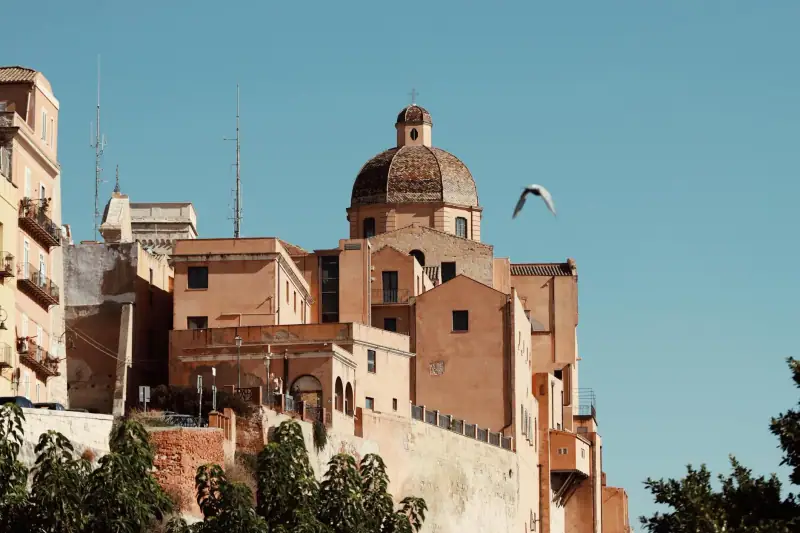
The Castello (Castellu in Sardinian) is the historic heart of Cagliari, perched on a hill 80 m (260 ft) above sea level and surrounded by Pisan ramparts of the 12th to 14th centuries. It is the most impressive and most photographed quarter of the city.
The medieval towers
Tower of San Pancrazio (Torre di San Pancrazio): One of the two great towers that defended the entrance to the Castello. Built in 1305 by the Pisans, it is 36 m (118 ft) high and offers a 360° view from its top over the gulf, the Molentargius lagoon and the hinterland. Admission: about €3 (about $3.50). The tower has been reported closed for restoration work: check with the Cagliari tourist office.
Elephant Tower (Torre dell’Elefante): The other great Pisan tower, built in 1307, owes its name to the small stone elephant sculpture on its outer face. The elephant has been Cagliari’s heraldic symbol since the Middle Ages.
Cagliari Cathedral
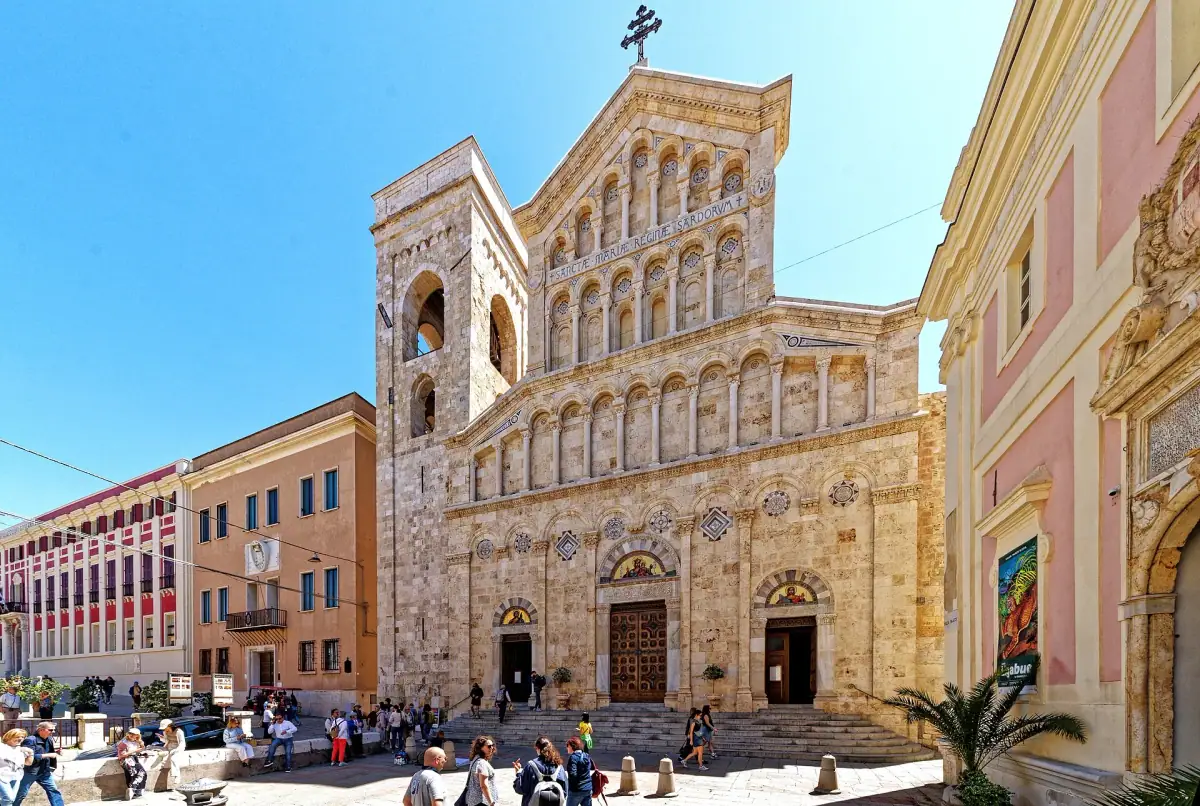
The Cattedrale di Santa Maria on Piazza Palazzo is one of the richest cathedrals in Sardinia. Its 18th-century Baroque facade hides an original Romanesque-Pisan interior (13th century) with remarkable altarpieces and a medieval treasury. In the crypt are royal tombs of the House of Savoy.
The museums of the Castello
National Archaeological Museum of Cagliari (MAN): Probably the most important museum in Sardinia. Its collection of Nuragic bronzetti (bronze statuettes from the Nuragic civilization, 900-700 BC) is unique in the world: warriors, boats, animals and mythological figures sculpted with extraordinary precision. It also has Phoenician vases, Roman coins and Sasanian sculptures. Admission: about €10 (about $12); a combined ticket with the Pinacoteca has a reduced rate of €5 (about $6). Check the rate on the official site of Cagliari’s national museums.
Pinacoteca Nazionale: A collection of Sardinian and mainland paintings from the Middle Ages to the 18th century, with several particularly interesting altarpieces from the Catalan period.
Guided tours of Cagliari
Walking tours of the Castello, tastings, evening visits.
The markets of Cagliari
San Benedetto market
The largest covered market in Italy (after Milan’s). Spread over two levels and a surface of 8,000 m² (about 86,000 sq ft), San Benedetto market is the beating heart of Cagliari. The ground floor is devoted to fish (groupers, tuna, red mullet, octopus, sea urchins); the first floor to fruit, vegetables, cured meats and cheeses.
Since the original building is being renovated, the market has been reported to be in a temporary structure on Piazza Nazzari (check the location and reopening date with the city hall). Open Monday to Saturday from about 7 am to 2 pm. Arrive before 9 am to see the market at its peak and buy the freshest fish.
The antiques market on Piazza Carlo Alberto
On Saturday and Sunday mornings, Piazza Carlo Alberto (Stampace quarter) hosts a flea and antiques market with a few Sardinian finds (pottery, traditional textiles, cork objects).
Poetto beach
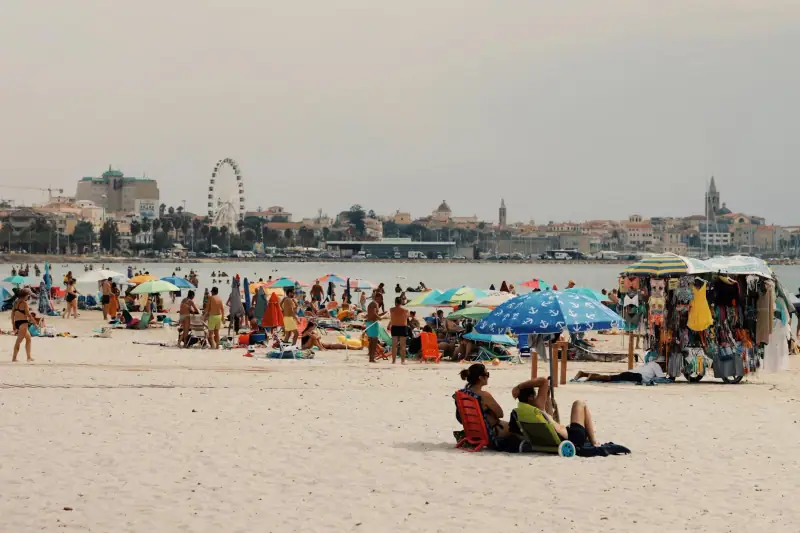
Spiaggia del Poetto is Cagliari’s urban beach: 8 km (5 mi) of fine sand stretching from the Sella del Diavolo to the lido of Quartu. Reachable from the center in 15 to 20 minutes by PF or PQ buses (check lines and terminus with the CTM company), it is used by Cagliaritani all year round.
In summer, beach clubs offer loungers and umbrellas (a 2024 survey noted about €35 to 40 a day, about $41 to 46, for an umbrella and two loungers in Cagliari; check with the establishment), bar-restaurants are open until evening, and a lively promenade runs along the beach. The water is clean and shallow (ideal for children).
The Sella del Diavolo (“Devil’s Saddle”) is the rocky promontory that closes the beach to the west. A 30-minute path from Calamosca beach leads up to a remarkable panoramic view over the whole gulf.
The Molentargius lagoon
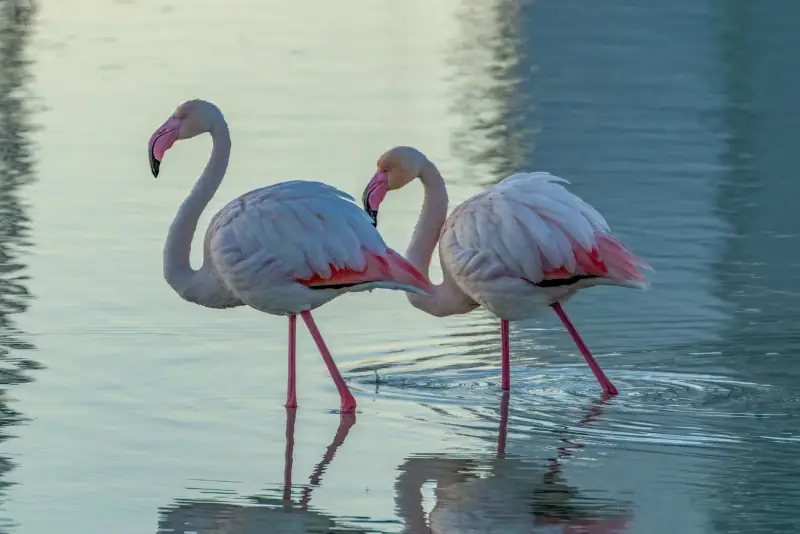
Between Cagliari and Quartu Sant’Elena, the Molentargius lagoon is an extraordinary urban nature park: several hundred flamingos (flamingo selvatico) live there permanently, visible a few dozen meters away from the park’s paths. Free access, ideal early in the morning or late in the afternoon.
Hotels in Cagliari
Book your accommodation in the Sardinian capital.
Cagliari’s food highlights
Cagliari is the best city in Sardinia for eating well, with plenty of variety.
Bottarga: The “dried mullet roe” from the Cabras lagoon (80 km / 50 mi away, but sold everywhere in Cagliari) is a unique specialty. Grated over spaghetti all’aglio e olio, it is an essential Sardinian dish.
Sea urchin (ricci di mare): Cagliari is Sardinia’s main sea urchin market. From December to April, they are eaten raw with bread and a glass of Vermentino, at the port stalls or in fish restaurants.
Malloreddus al sugo di salsiccia: The small ridged saffron pasta (a Cagliari specialty) with a Sardinian pork sausage sauce is the regional dish par excellence.
Seadas: The typical Sardinian dessert: a fritter filled with fresh cheese (pecorino) and drizzled with local honey. A must-try.
Cannonau and Vermentino: The two great Sardinian wines are everywhere in Cagliari’s restaurants. Cannonau (red, powerful and fruity) goes with meats. Vermentino (white, fresh and aromatic) goes with fish and seafood.
To go further, see our guides to Sardinian cuisine and the best restaurants in Cagliari.
Unforgettable sunsets
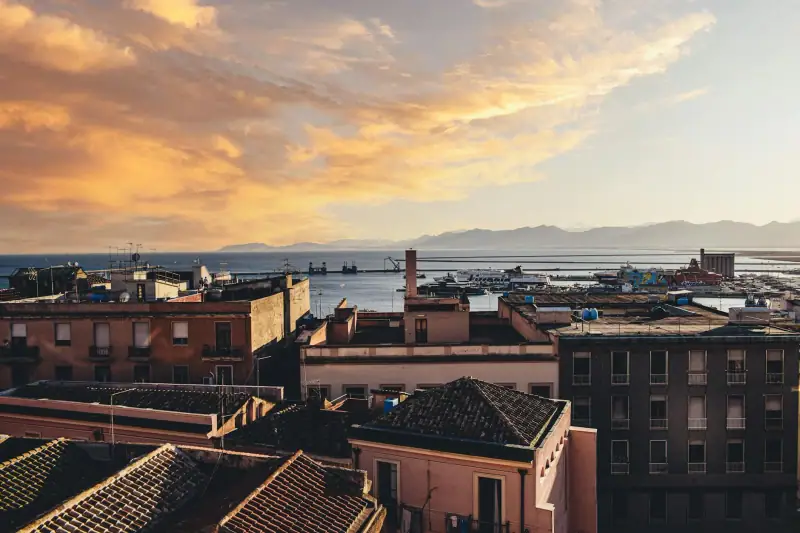
Cagliari offers several memorable spots to watch the sunset:
- Saint-Remy Bastion (Bastione di Saint Remy): a panoramic terrace above Stampace, with a view over the whole gulf. Free, crowded but magical.
- Elephant Tower: a view to the west, orange colors on the sea and the hills.
- Sant’Elia promontory: east of Cagliari, a 360° view over the gulf, less crowded.
Frequently asked questions
How many days do you need to visit Cagliari?
2 days are ideal for the highlights: Castello, museums, San Benedetto market, Poetto beach. With 3 days, you can explore the surroundings (Nora, the Molentargius lagoon).
Is Cagliari a beautiful city?
Yes, Cagliari is a surprising city that charms with its perched medieval quarter, its views over the gulf, its busy markets and its authentic Mediterranean atmosphere. Less touristy than Rome or Florence, it reveals its treasures to those who take the time.
What are the best free things to do in Cagliari?
The ramparts and towers of Castello (free access), the Saint-Remy bastion with its panoramic view, the Poetto promenade, the Molentargius lagoon and the sunset from Castello are all free.
Is there nightlife in Cagliari?
Yes, Via Baylle in the Marina quarter and the squares of the Villanova quarter bring the city to life in the evening. Aperitifs in the enoteche of Via Sardegna, and summer concerts at various venues around the city (the Roman Amphitheater is under restoration: check the program).
What is the best time to visit Cagliari?
Cagliari is pleasant all year, but October-November and March-April are particularly nice: mild weather, few tourists, low prices, lively local life.
More Sardinia guides
Keep reading
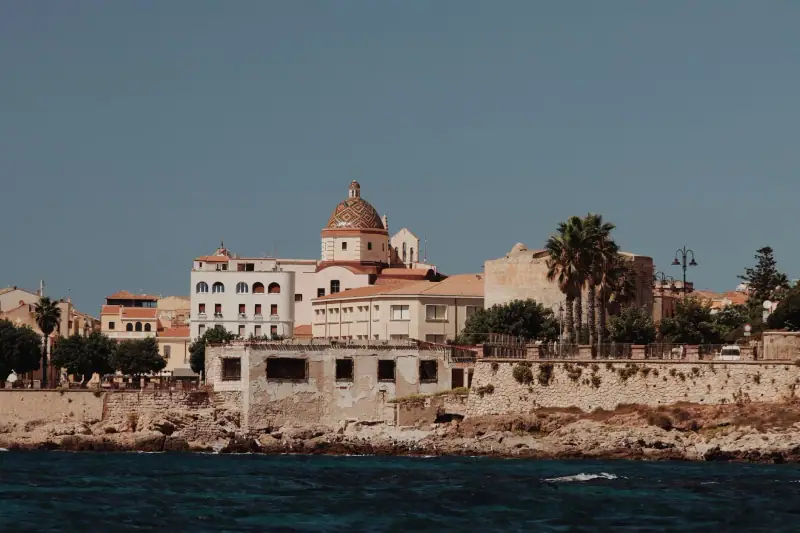
Visiting Alghero: A Complete Guide to Sardinia's Catalan Pearl
Visiting Alghero: Catalan old town, Neptune's Grotto, beaches. A 2026 practical guide to the pearl of northwest Sardinia.
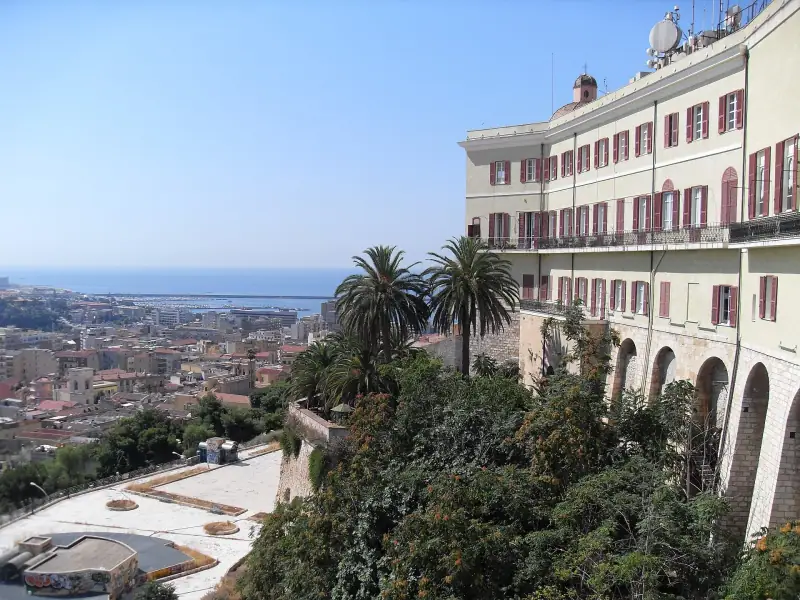
Visiting Cagliari: A Complete Guide to Sardinia's Capital
A complete guide to visiting Cagliari in 2026: neighborhoods, Castello, Poetto beach, museums, food, hotels, transport and practical tips.
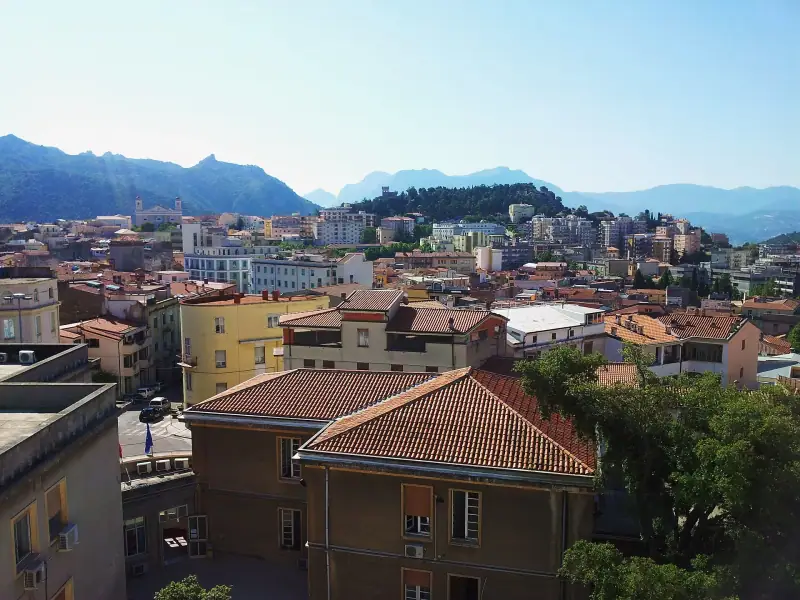
Visiting Nuoro: A Complete Guide to the Capital of the Barbagia
Visiting Nuoro: Sardinian museums, Monte Ortobene, Grazia Deledda, the Barbagia. A 2026 practical guide to inland Sardinia's most authentic town.
Ready-made
Sardinia itineraries
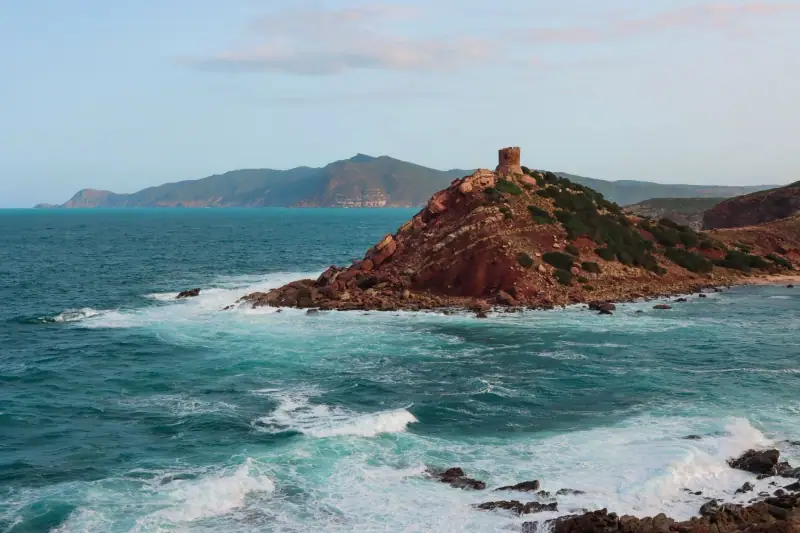
14 days
Sardinia Road Trip: The Complete Island Loop in 10-14 Days
Plan your Sardinia road trip: a complete 10 to 14 day itinerary, scenic roads, essential stops and driving tips.
7 days
Sardinia in 7 Days: A Complete Itinerary for an Unforgettable Week
7-day Sardinia itinerary: Cagliari, Chia, Ogliastra, nuraghi and Costa Smeralda. A day-by-day plan with practical tips.
5 days
Sardinia in 5 Days by Car: A Realistic Itinerary (Distances and Drive Times)
PalauCastelsardoAlghero