Where to stay
Where to stay in Karongi (Kibuye): guide to lodging on Lake Kivu
We may earn a commission when you book through links on this page, at no extra cost to you. We don't visit or try the places we cover: we summarize published sources. How we work
In short
- Lodging in Karongi runs about USD 15 to 45 for guesthouses, USD 60 to 130 for mid-range hotels and USD 150 to 350 for luxury lodges.
- Karongi is about 127 km (79 mi) from Kigali (2 h to 2 h 30); at 1,460 m (4,790 ft), days are mild, 22 to 26 °C.
- June to September is the best and busiest season; book lakeside lodges at least 3 to 4 weeks ahead.
- Karongi is the central stage of the 227 km (141 mi) Congo Nile Trail; Napoleon Island's fruit bats fly out every evening at sunset.
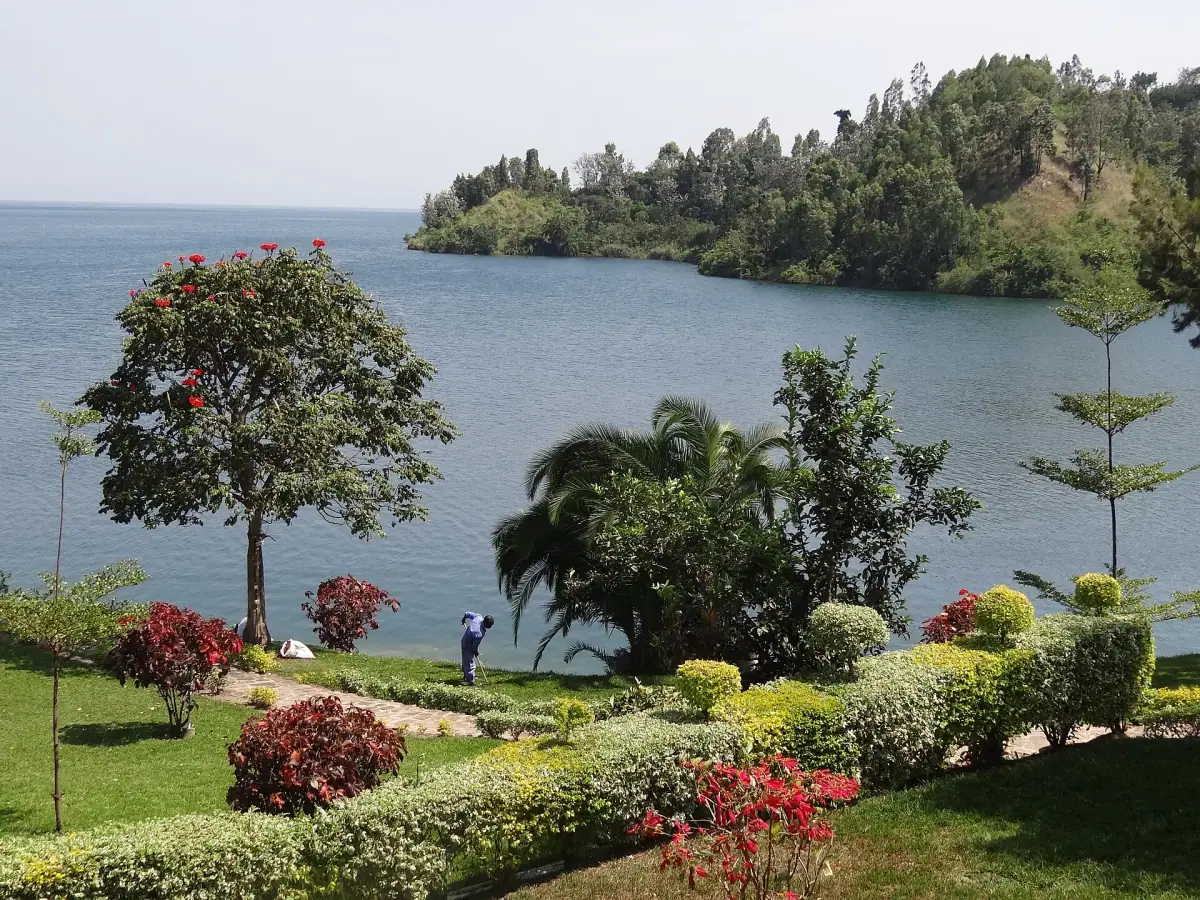
Tucked onto a peninsula that plunges into Lake Kivu like the prow of a ship, Karongi, which regulars still call Kibuye, is probably Rwanda’s most soothing and least crowded destination. There are no big international chain hotels and no minute-by-minute organized tourist flows here: just the blue-gray water of the lake at 1,460 meters (4,790 ft), the green terraced hills running down to its shores, and the quiet rhythm of a fishing town becoming aware of its exceptional tourism potential.
If you are planning a trip to Rwanda and wondering whether to include Karongi, this guide will help you choose where to stay according to your budget and expectations. Whether you prefer a luxury lodge with a lake terrace, an authentic guesthouse at USD 20 a night, or you arrive by bike after riding the Congo Nile Trail, Karongi has a room for you.
Why choose Karongi for your Lake Kivu stay?
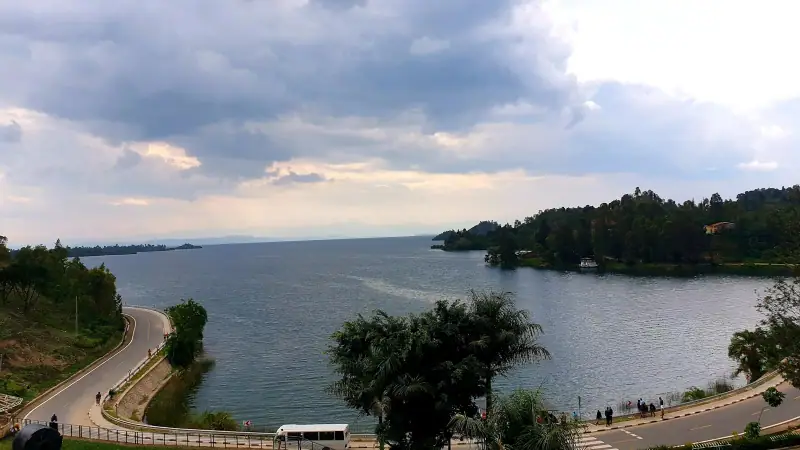
Karongi has an exceptional geographic position in Rwanda’s Western Province. The town is built on a rocky peninsula jutting into Lake Kivu, with 270° views over the water and the wooded hills. At about 1,457 to 1,460 meters (4,780 to 4,790 ft), the climate is mild all year: sunny days between 22 and 26 °C (72 to 79 °F), cool nights between 15 and 18 °C (59 to 64 °F). No stifling humidity, no crushing heat: a microclimate ideal for strolling by the water.
What sets Karongi apart from other Lake Kivu destinations:
- Calm and authenticity: far less visited than Rubavu (Gisenyi), the town keeps an authentic local rhythm
- Spectacular scenery: the peninsula offers some of the finest panoramas in Rwanda
- Napoleon Island: every evening, tens of thousands of giant fruit bats fly out from this islet in a striking sight
- The Congo Nile Trail: Karongi is the central stage of this 227 km (141 mi) trek along the Rwandan shore of the lake
- More affordable prices: at an equal level of comfort, lodging is generally 20 to 30% cheaper than in Rubavu
- Lake beaches: several sandy coves allow swimming in the calm waters of Lake Kivu
The town is about 127 km (79 mi) from Kigali (2 h to 2 h 30 by road), about 100 to 110 km (62 to 68 mi) south of Rubavu and about 100 to 104 km (62 to 65 mi) north of Rusizi (Cyangugu), making it a natural stop on the Lake Kivu tourist route. It fits well into a 7 to 10-day Rwanda circuit.
Stays in Karongi (Kibuye)
Compare prices and availability for lodges and hotels on the shores of Lake Kivu.
Luxury lodges and hotels in Karongi
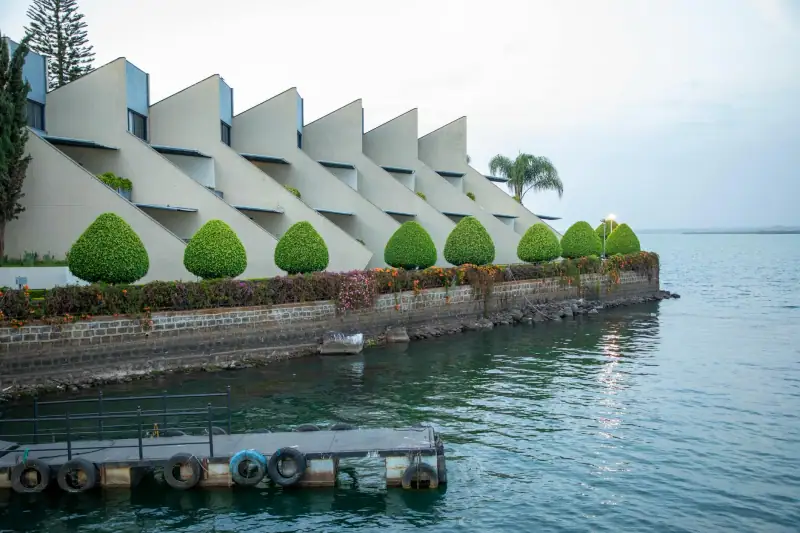
Karongi has a modest but authentic upscale offer. Unlike better-known Rwandan destinations, the luxury places here rely on the view and on blending into nature rather than on size. They are often small, discreet lodges on the heights of the peninsula or right on the lakeshore.
What upscale places in Karongi offer:
- Chalets or rooms with a lake-view terrace
- A fine-dining restaurant serving modern takes on Rwandan cuisine and local produce
- Direct or close access to the shore for swimming and water activities
- Kayaks, paddleboards and dugout canoe trips arranged from the hotel
- A sunset excursion to Napoleon Island (fruit bats)
- Transfer service to and from Kigali
- Wi-Fi in common areas
Indicative prices: USD 150 to 350 a night for a double room, breakfast often included Who it suits: couples on a romantic trip, honeymooners, travelers looking for a relaxing base after the gorilla trek
These places are generally run by local operators or Rwandan hoteliers who know their region well. Staff are attentive, and the guides offered for excursions often know the lake and its fishing traditions very well.
Mid-range hotels on the lake
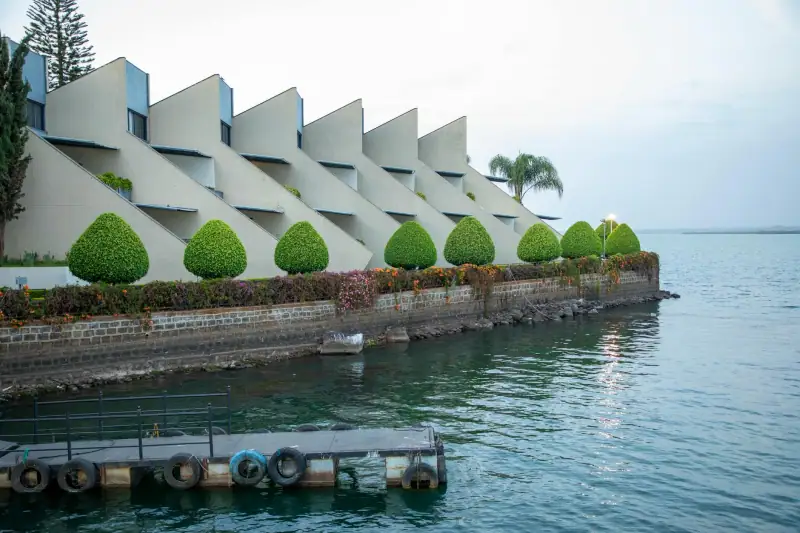
The mid-range market is the most developed in Karongi. These hotels are often on the peninsula or a few hundred meters from the lake, with terraces overlooking the water and the relaxed atmosphere typical of the town.
What they generally offer:
- Comfortable double rooms with a private bathroom
- A terrace or balcony with a view of the lake or the hills
- A restaurant serving brochettes, fresh lake fish, Rwandan cuisine and a few international dishes
- A bar with a lake view, pleasant at sunset
- Working Wi-Fi
- Access to a shared beach or organized water activities
- Breakfast on request (often extra)
Indicative prices: USD 60 to 130 a night for a double room Who it suits: families, independent travelers, Congo Nile Trail participants wanting a comfortable stage
Mid-range hotels offer the best value for a stay in Karongi. The difference from luxury is often small in terms of experience: the same lake view, the same activities within reach, a slightly less formal level of service.
Car rental in Rwanda
Explore Lake Kivu and the Western region at your own pace with a rental car.
Budget guesthouses in Karongi
Karongi is one of Rwanda’s most affordable destinations for travelers on a tight budget. Local guesthouses, concentrated in the center of Kibuye Town and in residential areas near the peninsula, offer simple, clean rooms at very accessible rates.
What you find there:
- A single or double room with a shared or private bathroom depending on the property
- A simple breakfast (tea, sliced bread, eggs or beans)
- A warm welcome and local staff who are usually happy to advise on activities
- Closeness to local markets, bus stops and the fishing port
Indicative prices: USD 15 to 45 a night for a double room Who it suits: backpackers, Congo Nile Trail cyclists, long-stay travelers
If your budget is limited, do not hesitate to pick a guesthouse in Karongi: the town center is small and easy to explore on foot, and activities on the lake (excursion to Napoleon Island, dugout canoe hire) remain accessible without a car. Market restaurants serve hearty, tasty meals for under USD 3.
What to do during your stay in Karongi
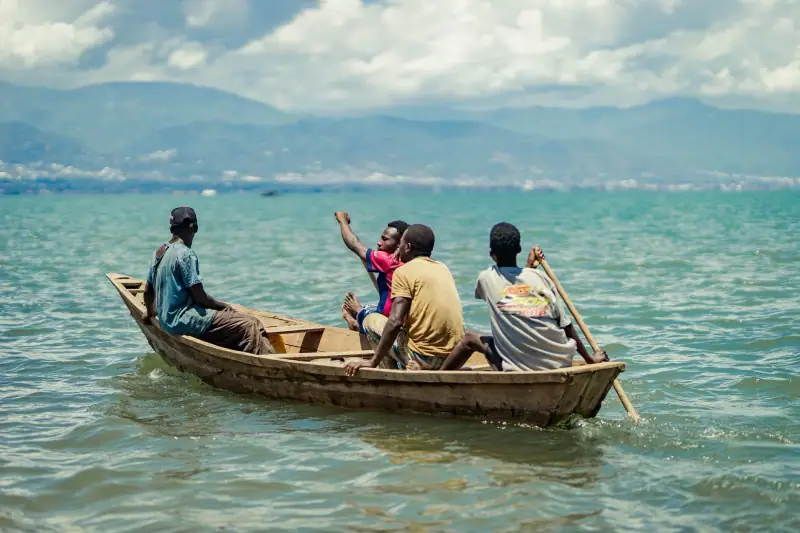
Lodging in Karongi is only a starting point for a host of activities on and around Lake Kivu. Here are the essentials for your stay.
Napoleon Island and the fruit bats: Karongi’s headline excursion. Every evening at sunset, the tens of thousands of giant fruit bats that colonize this rocky islet take flight in an impressive sight. Boat trips leave from the port of Kibuye Town. This moment alone is worth the detour to Karongi.
Swimming and water sports: Lake Kivu is pleasant for swimming, with cool (about 24 °C / 75 °F at the surface) and calm water. Several beaches on the Karongi peninsula allow swimming; see the health note in the FAQ above. Kayaks, paddleboards and fishermen’s dugout canoe trips are offered by various local operators.
The Congo Nile Trail: Karongi is the central stage of this 227 km (141 mi) path that runs along the Rwandan shore of Lake Kivu from Rubavu (Gisenyi) in the north to Rusizi (Cyangugu) in the south. Whether you ride or trek the full trail, or walk just a section of a few hours around the peninsula, the scenery is spectacular. Ask your lodging about renting bikes or arranging a local guide.
The Kibuye church memorial: The Catholic parish of Saint-Jean in Kibuye is one of the most poignant memorial sites in Rwanda. In April 1994, thousands of people took refuge there and were killed. The church, designated a memorial site, is open to visitors who wish to pay tribute to the victims and better understand the tragedy of 1994. A respectful visit, and an essential one for understanding Rwanda’s recent history.
A walk on the Karongi peninsula: The peninsula is easily covered on foot in an hour. From the heights, the views over the lake and the surrounding hills are among the finest in Rwanda. At sunrise or at the end of the day, the light on Lake Kivu is especially magical.
Activities and excursions in Karongi
Napoleon Island, kayaking, Congo Nile Trail: explore Lake Kivu from Karongi.
How to get to Karongi from Kigali and other towns
Karongi is well served by Rwandan public transport, though options are fewer than for the big tourist cities.
From Kigali (Nyabugogo terminal): Buses and minibuses serve Karongi every morning. Allow 2 h to 2 h 30 for about 127 km (79 mi) of paved national road. The road passes through Muhanga (Gitarama) and offers superb views over the Rwandan hills. Fare: about 3,000 to 5,000 RWF (about €2.50 to €4 / $3 to $5).
From Rubavu (Gisenyi): The road runs along the east shore of Lake Kivu for about 100 to 110 km (62 to 68 mi), crossing spectacular scenery of hills and tea plantations. Allow about 1 h 45 to 2 h. Several buses make the trip in the morning; ask at Rubavu bus station.
By rental car: Driving between Kigali and Karongi is pleasant on a well-maintained road. If you drive, plan photo stops, as there are many viewpoints over Lake Kivu and the hills. Parking is easy at all lodgings.
By moto-taxi: For short trips from the bus stop to your lodging, moto-taxis (everywhere in Rwanda) are handy and cheap. Negotiate the fare before getting on.
When to stay in Karongi
Like all of western Rwanda, Karongi enjoys a pleasant climate all year, with two dry seasons and two rainy seasons.
Main dry season (June to September): the best time to stay in Karongi. The sun is generous, the lake is calm and deep blue, and sunsets over Napoleon Island are spectacular. It is also high tourist season, so book your lodging ahead, especially lakeside lodges.
Short dry season (December to January): an excellent alternative to high season. Weather is often mild, lodgings less crowded and rates slightly lower. The lake is calm and bright at this time.
Rainy season (March to May and October to November): frequent showers, sometimes heavy in the late afternoon. The lake can be slightly choppier and the scenery extremely green. Prices are lower, and places are available without booking long ahead. Photographers appreciate the particular light of these periods.
Suggestion: avoid the main rainy seasons (especially March to May) if you want to make the most of swimming and water activities. June to August are the most reliable months for a lake stay.
Practical tips for lodging in Karongi
Booking ahead: in high season (June to September), lakeside places fill quickly. Book lodges at least 3 to 4 weeks ahead. City-center guesthouses are generally available at the last minute.
Currency and payments: the Rwandan franc (RWF) is the local currency. Large lodges and mid-range hotels often accept Visa and Mastercard, but small guesthouses mainly run on cash. There are a few ATMs in the town center, but it is better to withdraw Rwandan francs in Kigali before leaving.
Mobile network and internet: MTN and Airtel coverage is decent in Karongi, though sometimes slower than in Kigali. Wi-Fi at lodges and mid-range hotels works but can be unstable. Check your carrier’s international plan or use a travel eSIM for a reliable connection.
Water and food: do not drink tap water. Bottled water is available at all lodgings and local shops. Lake Kivu is an excellent source of fresh fish (tilapia, sambaza), found in all restaurants and markets in Karongi.
Altitude: Karongi lies at about 1,457 to 1,460 m (4,780 to 4,790 ft). Days are warm (22 to 26 °C / 72 to 79 °F) and nights cool (15 to 18 °C / 59 to 64 °F). Bring a light layer for the evening, especially if you dine on a terrace by the lake.
Safety: Karongi is a calm, safe town for travelers. As anywhere, watch your belongings in busy market areas. At night, stay in the lit areas of the tourist peninsula.
Flights to Kigali
Find fares for your flight to Rwanda and start your Lake Kivu trip.
Combining Karongi with the rest of Rwanda
Karongi fits well into Rwanda’s classic circuits. The most popular combinations:
Full Lake Kivu circuit (4 to 5 days): Kigali → Rubavu/Gisenyi (2 lakeside nights) → Karongi/Kibuye (2 nights) → Nyungwe (2 forest nights) → Kigali. A dream circuit for lovers of Rwandan landscapes and nature.
Classic Rwanda circuit (7 to 10 days): Kigali (1 to 2 nights) → Musanze/gorillas (2 to 3 nights) → Rubavu (1 night) → Karongi (1 to 2 nights) → Nyungwe/chimpanzees (2 nights) → Kigali. A complete program bringing together the country’s major experiences.
Congo Nile Trail stage: If you do the Congo Nile Trail by bike or on foot, Karongi is your natural midway stop. Cyclist-friendly lodgings with secure bike storage are available. The northern stage (Rubavu to Karongi, about 60 km / 37 mi for the 1st stage or ~102 km / 63 mi in two combined stages) is considered among the most spectacular of the trail.
Nyungwe extension: From Karongi, Nyungwe forest is reachable in about 2 h to 2 h 30 by road (via Rusizi, about 114 km / 71 mi). Combining one night at Karongi by the lake with two nights in Nyungwe forest to see chimpanzees and Angolan colobus is one of Rwanda’s most rewarding circuits.
To prepare your full itinerary, see the guides: Visiting Karongi (Kibuye), Lake Kivu: complete guide and Where to stay in Rubavu (Gisenyi).
Karongi (Kibuye) is one of those Rwandan destinations that leave a lasting mark on those who stop there. Less known than Kigali, less crowded than Musanze, less lively than Rubavu, it makes up for it with a peaceful beauty and a rare authenticity. Sleeping here is a break out of time on the shore of an extraordinary mountain lake, far from cookie-cutter tourist circuits. Whether you choose a lodge with a lake terrace for a romantic stay or a local guesthouse to extend your Congo Nile Trail adventure, Karongi holds memories you would not trade for anything.
Frequently asked questions
What is the average price of accommodation in Karongi (Kibuye)?
Prices vary with standard: allow USD 15 to 40 for a budget guesthouse, USD 60 to 130 for a comfort hotel on the lake, and USD 150 to 350 for a luxury lodge with a panoramic view of Lake Kivu. Rates are generally lower than in Rubavu or Musanze for a similar level of comfort.
Is it better to stay in the town center or on the lake in Karongi?
To enjoy Karongi's atmosphere fully, favor places on the peninsula or on the lakeshore. Most tourist sights (Napoleon Island, beaches, walks) are reachable on foot from them. The town center suits budget lodging but is a little farther from the water.
Do you need to book far ahead to sleep in Karongi?
In low season (March to May, October to November), most hotels have availability. In high season (June to September) and during Rwandan holidays, lakeside places fill quickly, so book at least 3 to 4 weeks ahead for the popular lodges. Guesthouses can usually be booked at the last minute.
Is there lodging reachable by bike from the Congo Nile Trail?
Yes, Karongi (Kibuye) is a key stage of the Congo Nile Trail. Several guesthouses and hotels regularly host cyclists, with secure storage for bikes. Kibuye Town, the natural end of the stage from Rubavu, has most of the places suited to trail adventurers.
Can you swim in Lake Kivu at Karongi?
Yes, the Karongi peninsula has several beaches where swimming is possible. For health questions about swimming in the lake, ask your doctor or a travel clinic before the trip, and see the official travel health pages (CDC in the US, TravelHealthPro in the UK). The water is cool (around 24 °C / 75 °F at the surface) and calm. Several hotels have direct access to the beach or lake.
How do you get to Karongi from Kigali?
From Kigali (Nyabugogo terminal), buses and minibuses serve Karongi every morning. The trip takes 2 h to 2 h 30 for about 127 to 135 km (79 to 84 mi). A public bus costs 3,000 to 5,000 RWF (about €2.50 to €4 / $3 to $5). By rental car from Kigali, the well-paved national road via Muhanga (Gitarama) is comfortable and offers superb views over the Rwandan hills.
More Rwanda guides
Keep reading
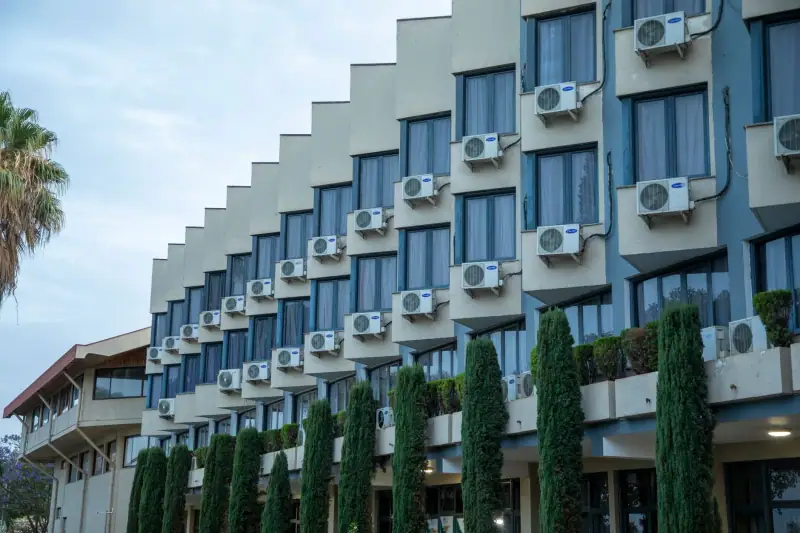
Where to stay in Huye (Butare): guide to the best lodging
Guide to lodging in Huye (Butare): hotels, guesthouses and lodges in Rwanda's cultural capital. Budget, mid-range and comfort options.
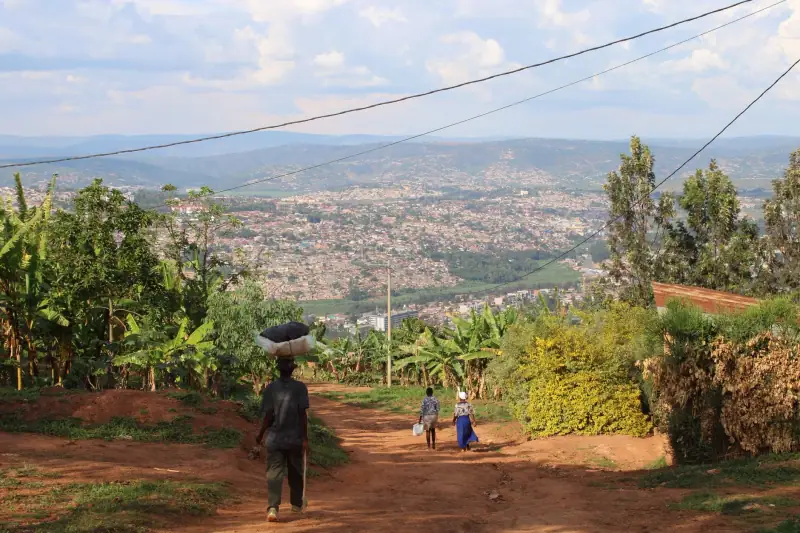
Where to stay in Kigali: the best neighborhoods and hotels
How to choose where to stay in Kigali: the best neighborhoods, hotels at every price and guesthouses. A practical guide to sleeping well in Kigali.
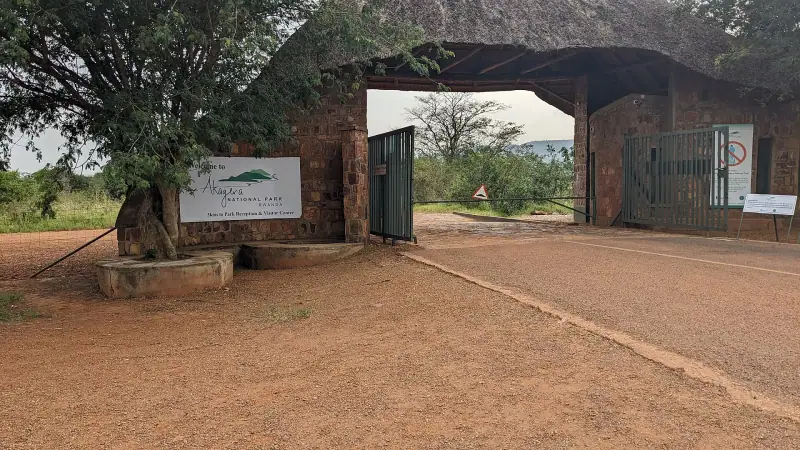
Where to stay in Akagera: complete guide to lodging near the park
Where to stay in Akagera, Rwanda: lodges inside the park, tented camps and camping. A complete guide to sleeping in the Rwandan savanna.
Ready-made
Rwanda itineraries
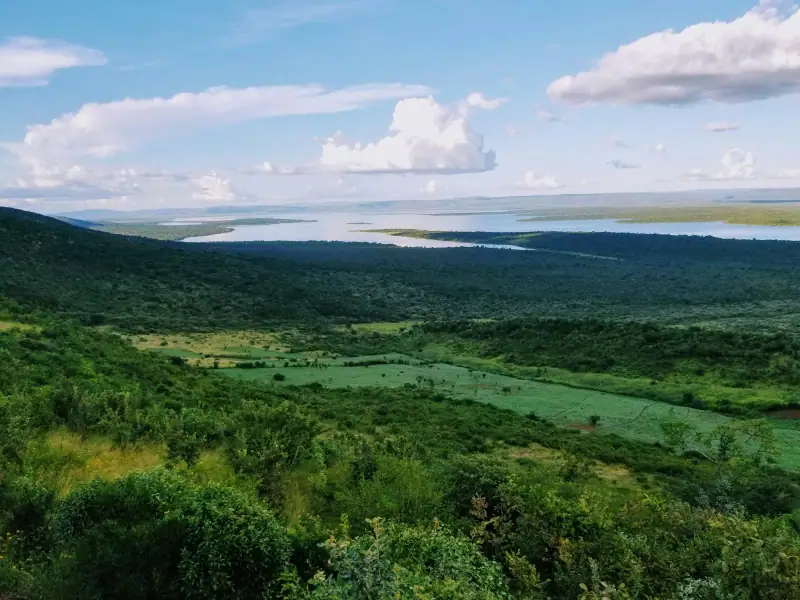
10 days
Rwanda in 10 days: complete itinerary with gorillas, safari, Lake Kivu and Nyungwe
KigaliAkagera National ParkMusanzeRubavu (Gisenyi)Nyungwe
7 days
Rwanda in 7 days: complete itinerary and practical tips
KigaliMusanzeGisenyi (Rubavu)
Can be adapted in the planner
3 days
Lake Kivu road trip: from Rubavu to Karongi along the Rwandan shore
Rubavu (Gisenyi)Karongi (Kibuye)