Where to stay
Where to stay in Akagera: complete guide to lodging near the park
We may earn a commission when you book through links on this page, at no extra cost to you. We don't visit or try the places we cover: we summarize published sources. How we work
In short
- Sleeping inside Akagera gives you dawn and dusk game drives; lodges run roughly USD 200 to 600 per person per night, camping USD 30 to 60.
- Outside the park, Kayonza and Rwamagana offer rooms from about USD 40 to 120 a night, but you will start early and miss the dawn drives.
- Plan at least 2 nights: four game-drive outings and one boat trip on Lake Ihema. Kigali is 2 h to 2 h 30 away by road.
- The dry season from June to September is the peak; book lodges 2 to 3 months ahead.
Akagera National Park holds a place of its own among African safari destinations. Successfully rehabilitated since 2010 by African Parks in partnership with the Rwanda Development Board, this large territory of savanna, riverine forest and lakes in eastern Rwanda has become one of the conservation success stories on the continent. Lions, elephants, giraffes, hippos, rhinos, crocodiles: Akagera now holds remarkable wildlife across its 1,120 km² (432 sq mi) of protected land.
Choosing where to sleep in Akagera goes well beyond comfort: it shapes the whole visit. Staying inside the park means dawn over the Rwandan savanna, the sounds of the night, and game drives at first light and at dusk, the golden hours for wildlife. This guide explains every lodging option, from the luxury tented camp in the bush to the lakeside campsite, to help you plan a stay that fits your expectations and budget.
Why your choice of lodging changes everything in Akagera
Unlike other Rwandan destinations such as Kigali, Musanze or Rubavu, where lodging is simply a place to rest, Akagera works differently. The park is open from sunrise to sunset (exact hours are set by the park administration). The most productive activities, dawn game drives, boat tours on Lake Ihema and guided night outings, depend on staying in or near the park.
Advantages of staying in the park:
- Access to dawn game drives (the first 2 hours after sunrise are by far the richest for spotting predators)
- Dusk outings, when lions and leopards become active
- Evening boat tours on Lake Ihema
- Full sensory immersion: birdsong at 5 am, wildlife sounds at night
- No daily drive from Kigali (about 2 h to 2 h 30 each way)
- Easy access to several areas of the park without retracing the road
When to consider lodging outside the park:
- A limited budget (lodges in the park are exclusively upscale)
- A quick one-day stop within a longer tour
- A preference for more urban places with more services (reliable Wi-Fi, varied restaurants)
In every case, plan at least one night in the park to take in Akagera fully. This is where Rwanda shows a lesser-known side, very different from the green hills of Musanze or the forests of Nyungwe.
Stays in Akagera and the region
Compare the lodges and hotels available near Akagera National Park.
Lodges and tented camps inside the park
Akagera National Park, managed by African Parks, has several official lodging options directly inside its boundaries. They are designed to limit environmental impact while offering comfort suited to international safari travelers.
Akagera Game Lodge
Akagera Game Lodge is the park’s best-known property. Set on high ground with a panoramic view over Lake Ihema and the surrounding savanna, it is the most complete base for exploring the park. It was fully renovated as part of the park’s rehabilitation and offers:
- Rooms and chalets blended into the savanna landscape
- A main terrace with a clear view of Lake Ihema and its hippos
- A restaurant serving Rwandan and international cuisine, often using locally sourced produce
- A swimming pool overlooking the lake, a rare luxury in the middle of the African savanna
- A team of guides for game drives, the boat tour and birdwatching outings
- A conservation shop (revenue supports wildlife protection projects)
Guided game drives leave from the lodge at dawn and in the evening, in open 4x4 vehicles suited to wildlife viewing. The boat tours on Lake Ihema also depart from the lodge. They are among Akagera’s most popular activities, getting you close to hippos, crocodiles and extraordinary birdlife in safety.
Indicative prices: USD 300 to 600 per person per night on full board, depending on the season and room type. Game drives and activities are often included in packages or sold as extras.
Ruzizi Tented Lodge
Located in the southern sector of the park, close to the Kayonza gate (south entrance), Ruzizi Tented Lodge offers an even more immersive experience in the savanna. Its rigid-frame safari tents stand on stilts beside Lake Ihema, in an area particularly rich in wildlife. It is the most popular option for travelers looking for an authentic African bush experience:
- Spacious tents with a private bathroom and a lakeside terrace
- No physical barrier between you and the surrounding nature; hippos and elephants sometimes pass near the camp at night
- An intimate, quiet atmosphere (a small number of tents)
- Meals prepared at the camp and served on the shared veranda overlooking the water
- Direct access to dawn outings on the lake and to game drives
At Ruzizi the “night in Africa” reaches its peak: falling asleep to frogs, hippo grunts and hornbill calls.
Indicative prices: USD 400 to 700 per person per night on full board, depending on the season. Packages usually include game drives and the boat tour.
Camping in the park
For travelers on a tight budget who still want to sleep inside the park, the official Akagera campsites are a valuable alternative. Run directly by the park, they sit at strategic viewpoints, some on high ground overlooking the savanna, others on the lakeshore.
Facilities are simple: tent pitches, basic toilet blocks, available water. There is no restaurant at the campsites, so bring your own food and full camping gear. The atmosphere is authentic, and a night in the park remains a unique experience even in a tent.
Indicative prices: USD 30 to 60 per person per night for the pitch. Game drives and boat tours are available as extras from the park administration.
Booking: all lodging inside the park (lodge, tented camp, campsite) is booked directly with Akagera National Park through African Parks. Book ahead, especially in high season (June to September).
Safari activities and excursions at Akagera
Game drives, boat tours, birdwatching: book your activities inside the national park.
Lodging near the park
If the places inside the park are beyond your budget, several options exist in the towns and villages close to Akagera National Park. They let you visit the park by day by car, with one major logistical constraint: the park gate opens at sunrise, so you must leave early in the morning from your outside lodging.
Lodging in Kayonza
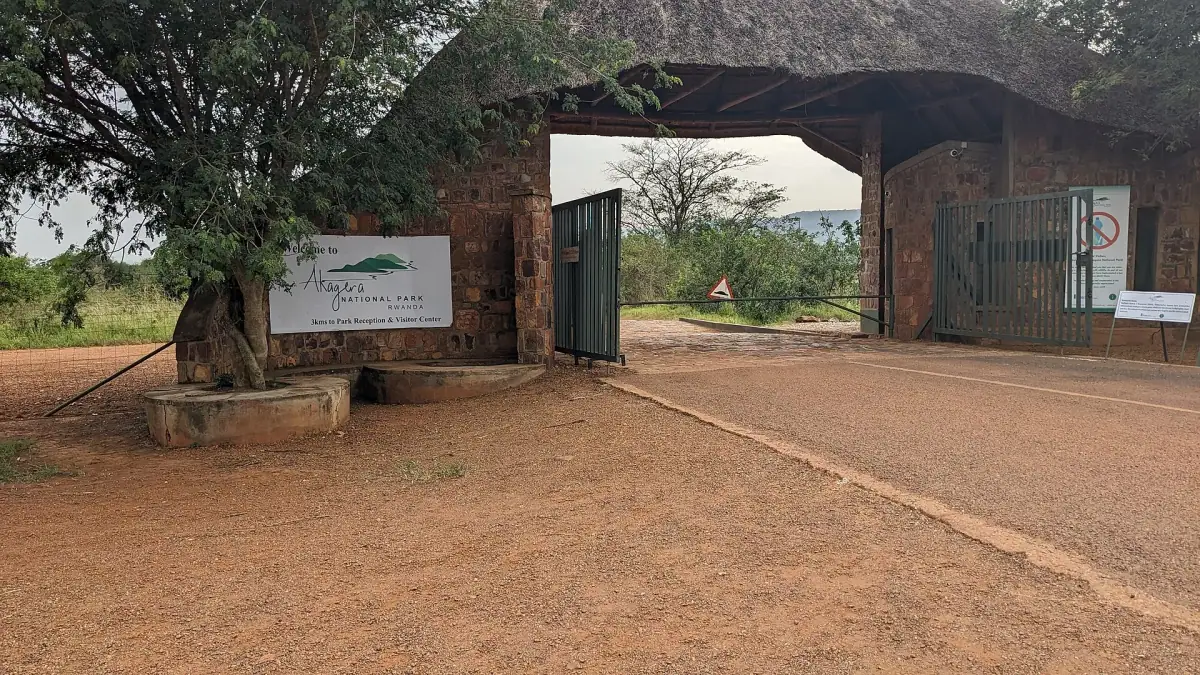
Kayonza is the main town of the Eastern Province, about 30 to 40 km (19 to 25 mi) from the park’s main entrance (south entrance, also called the Kayonza Gate). It is a busy road junction on the national road from Kigali to the Ugandan border. The town has mid-range hotels and guesthouses for travelers in transit or on a safari stopover.
What Kayonza properties offer:
- Simple double rooms with a private bathroom
- Breakfast included or available on request
- A restaurant serving local Rwandan food
- Secure parking for safari vehicles
- Working Wi-Fi in common areas
Indicative prices: USD 40 to 80 a night for a double room
Advantage: much more affordable than lodges in the park Drawback: a very early start is a must to reach the park at opening; you miss the most intense dawn game drives
Lodging in Rwamagana
Rwamagana, the administrative center of the Eastern Province, is about 28 to 30 km (17 to 19 mi) from the park’s south entrance, closer than Kayonza. The town is better equipped with services (banks, supermarkets, varied restaurants). It can be a useful base if you combine a day at Akagera with other stops in eastern Rwanda.
Indicative prices: USD 50 to 120 a night for a double room, depending on the standard
A practical solution: Kigali as a home base
For a short stay at Akagera (one day), Kigali can remain your base. The park entrance is about 100 to 120 km (62 to 75 mi) from the capital, or 2 h to 2 h 30 by road. Many tour operators offer day or overnight trips from Kigali with transfers included, which spares you from driving on eastern Rwandan roads.
This option suits travelers who visit Akagera as an add-on to a Rwanda circuit centered on gorillas (Musanze) and forests (Nyungwe), with only one day for the savanna.
How to get to Akagera from Kigali and other towns
The Akagera area is well connected to Kigali by the national road. Logistics are simple with a rental car or a driver.
From Kigali: allow about 2 h to 2 h 30 by road depending on the entrance chosen. The main road passes through Rwamagana, then Kayonza. It is paved all the way to the park entrance. The last stretch to the gate may be a track depending on roadworks.
From Musanze (Volcanoes National Park): the trip is longer, about 4 h 30 to 5 h via Kigali, roughly 220 to 250 km (137 to 155 mi). The two parks are rarely combined in one circuit without passing through Kigali.
By public transport: Kigali-Kayonza buses serve Kayonza regularly from the Nyabugogo terminal in Kigali. From Kayonza, a moto-taxi or taxi can take you to the park entrance (about 30 to 40 km / 19 to 25 mi more). This works for travelers on a tight budget but is less practical for dawn outings.
By rental car: the most flexible option. A 4x4 is recommended if you plan to drive the park’s tracks yourself. Roads inside the park can be bumpy, especially after the rainy season. Fill the tank in Kigali or Kayonza, as there is no fuel station in the park.
Car rental for Akagera
A 4x4 is recommended for exploring Akagera National Park and the savanna tracks.
When to stay in Akagera
The timing directly affects your Akagera experience and lodging rates.
Long dry season (June to September): the prime period for a safari in Akagera. The vegetation is low and open, animals gather around water points and lakes, and visibility is excellent. It is the best time to see lions, elephants and giraffes. It is also peak tourist season, so lodges charge high rates and fill quickly. Book at least 2 to 3 months ahead.
Short dry season (December to January): an excellent alternative. Weather is often mild, wildlife is active, and there are fewer tourists than in the long season. A good time for migratory birds.
Rainy seasons (March to May and October to November): the vegetation is lush and the park takes on a greener, wilder look. Interior tracks can be difficult, and wildlife is more scattered and harder to see. Lodging rates are lower. This period suits birdwatchers (many migratory species) and budget travelers who accept less predictable sightings of big game.
Suggestion: if you only have one chance to visit Akagera, aim for July to August: ideal weather, wildlife at its most visible, perfect light for photos.
Practical tips for your stay in Akagera
Book early, especially in high season. Lodges inside the park have limited capacity: Akagera Game Lodge and Ruzizi Tented Lodge have only a few dozen rooms or tents. In July and August they are booked months ahead. Do not put off booking if your dates are fixed.
Pack the right clothes. For game drives, neutral colors (khaki, beige, olive green) are recommended, with no white or bright red that could disturb wildlife. Bring a light windbreaker for dawn outings (it can be cool at 1,500 m / 4,921 ft early in the morning) and a hat for the afternoons.
Insect protection. Mosquitoes are present. Wear long clothing in the evening and sleep under a mosquito net (provided by all lodges). Ask your doctor or a travel clinic before you go, and see the official travel health pages (CDC in the US, TravelHealthPro in the UK).
Power and network. The mobile network (MTN, Airtel) works partially in the park, with dead zones. Lodges have generators and sometimes solar panels for charging devices. Bring a power bank for your cameras and smartphones.
Park entrance fees. Park entry (separate from the price of lodging) is a significant expense: expect about USD 100 per day for an adult foreign visitor (a lower rate applies if you sleep several nights in the park). Check current rates on the African Parks or Rwanda Development Board website before your trip, as they can change.
Money. Bring cash in Rwandan francs (RWF) or US dollars. Luxury lodges accept Visa and Mastercard, but there is no ATM in the park. Get cash in Kigali before you leave.
Combining Akagera with the rest of Rwanda
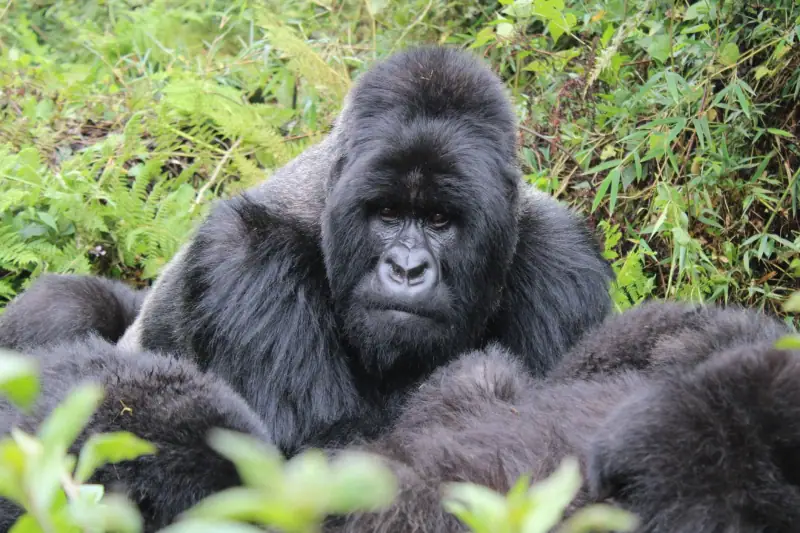
Akagera fits naturally into several combined Rwanda circuits. The most common ones:
Classic 7-day Rwanda (gorillas + savanna): Kigali (1 night) → Musanze/gorillas (2 to 3 nights) → Kigali (1 transit night) → Akagera (2 nights). This circuit condenses Rwanda’s two big wildlife experiences: meeting mountain gorillas in Volcanoes National Park and a safari in the Akagera savanna. See the 7-day Rwanda itinerary for the detailed plan.
Full 10-day Rwanda circuit: Kigali → Musanze/gorillas → Rubavu/Lake Kivu → Nyungwe/chimpanzees → Kigali → Akagera. This circuit touches every side of Rwanda. Akagera at the end is the perfect finishing touch before the flight home from Kigali. See the 10-day Rwanda itinerary for all the details.
Safari weekend from Kigali (2 days): Kigali (Friday evening) → early Saturday departure for Akagera (morning game drive + afternoon boat tour + night in the park) → Sunday morning game drive → back to Kigali (Sunday early afternoon). This format suits expatriates or business travelers based in Kigali who want to see Akagera without being away long.
Combination tip: pairing a safari in Akagera with a gorilla visit in Musanze is the ideal duo for a memorable Rwanda trip: two unique wildlife experiences, less than 5 hours’ drive apart.
What you can see from your lodge in Akagera
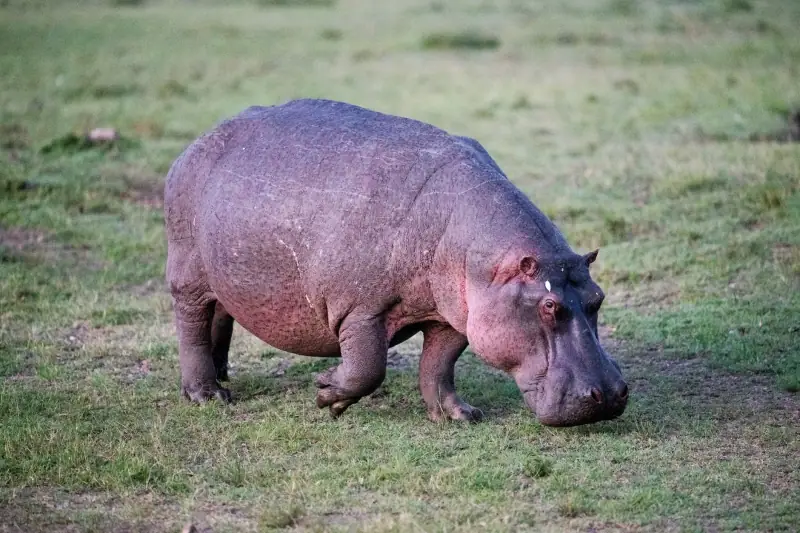
One of the pleasant surprises of staying in Akagera’s lodges is that wildlife does not stay only in the park: it sometimes comes very close to the accommodation. Early in the morning from the terrace of your room, you may see:
- Hippos coming out of Lake Ihema to graze on the grassy banks
- Herds of elephants moving along the edge of the camp at dawn
- Buffalo grazing quietly a few hundred meters away
- Extraordinary birdlife: ibis, goliath herons, giant kingfishers, open-billed storks
- Impalas, warthogs and vervet monkeys in the grassy areas near the buildings
This closeness to wild animals, with no barrier and no zoo, is what makes a stay in Akagera unique among Rwandan destinations. It is a total immersion you will not find elsewhere in the country.
Akagera is one of the finest successes of contemporary African conservation, and sleeping within its boundaries is a rare privilege. Whether you choose the panoramic comfort of Akagera Game Lodge, the wild intimacy of Ruzizi Tented Lodge or the simplicity of a lakeside campsite, you will leave with images and feelings that are hard to match. In the Rwanda of a thousand hills, Akagera is the unexpected savanna, and it deserves every minute you give it.
Frequently asked questions
Do you have to sleep inside the park to do a safari in Akagera?
No, staying in the park is not required. You can visit Akagera from Kigali on a day trip or stay near the park entrances. Staying inside is a much better experience, though: you get the dawn and evening game drives (the best hours for wildlife) and full immersion in the Rwandan savanna.
What is the average price of accommodation in Akagera?
Lodges inside Akagera National Park are upscale, usually USD 200 to 600 per person per night, often with full board and game drives included. Outside the park, cheaper options exist around Kayonza or Kabarondo from USD 40 to 80 a night, but without the savanna immersion.
What is the best time to stay in Akagera?
The long dry season (June to September) is ideal: the vegetation is low, animals gather around water points and lakes, and visibility is excellent. December to February is a very good alternative. The rainy seasons (March to May and October to November) bring lower rates but sometimes difficult tracks and harder wildlife viewing.
How many nights should you plan in Akagera?
At least two nights: that allows four outings (two dawn game drives, two evening ones) and a boat tour on Lake Ihema. One night is possible as a quick trip from Kigali, but you will not see the park at its best. Three nights allow a calmer exploration and a chance at rarer sightings (lions, rhinos).
Can you camp in Akagera National Park?
Yes, Akagera has equipped campsites run by the park (African Parks / Rwanda Development Board). They sit at strategic viewpoints over the lakes or the savanna and offer basic facilities (toilets, water). It is the cheapest way to sleep inside the park. Book directly with Akagera National Park through its official website.
How do you get to Akagera from Kigali?
From Kigali, allow about 2 h to 2 h 30 by road to the southern entrance (Kayonza Gate), roughly 100 to 120 km (62 to 75 mi) east. The road goes through Kayonza and Kabarondo. You can take a public bus to Kayonza or Kabarondo and then a moto-taxi to the park entrance. A rental car or a driver-guide is the most practical option; the roads are paved up to the park entrance.
More Rwanda guides
Keep reading
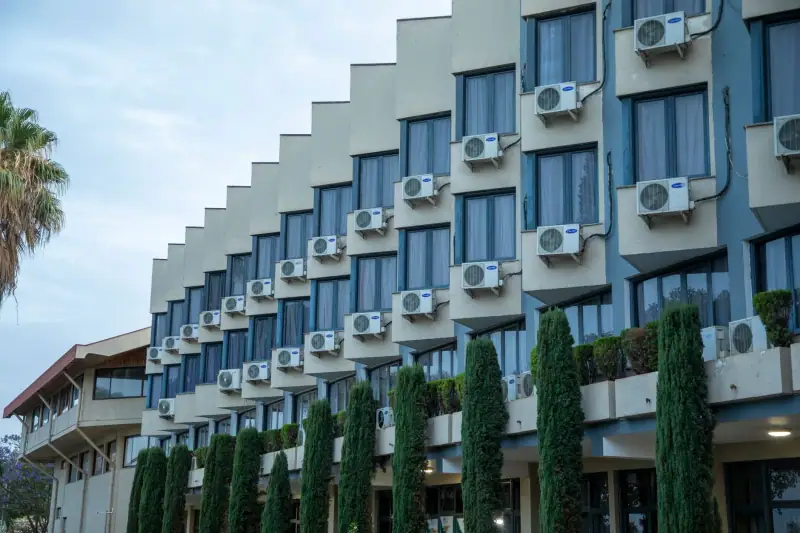
Where to stay in Huye (Butare): guide to the best lodging
Guide to lodging in Huye (Butare): hotels, guesthouses and lodges in Rwanda's cultural capital. Budget, mid-range and comfort options.
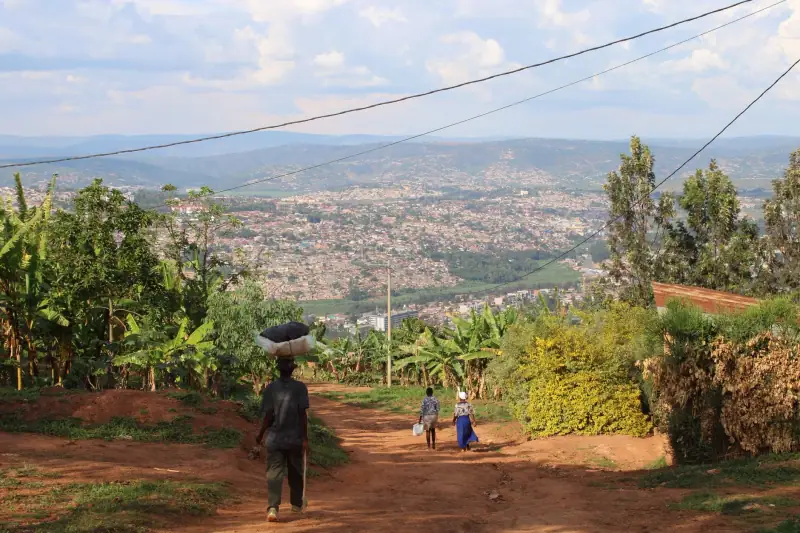
Where to stay in Kigali: the best neighborhoods and hotels
How to choose where to stay in Kigali: the best neighborhoods, hotels at every price and guesthouses. A practical guide to sleeping well in Kigali.
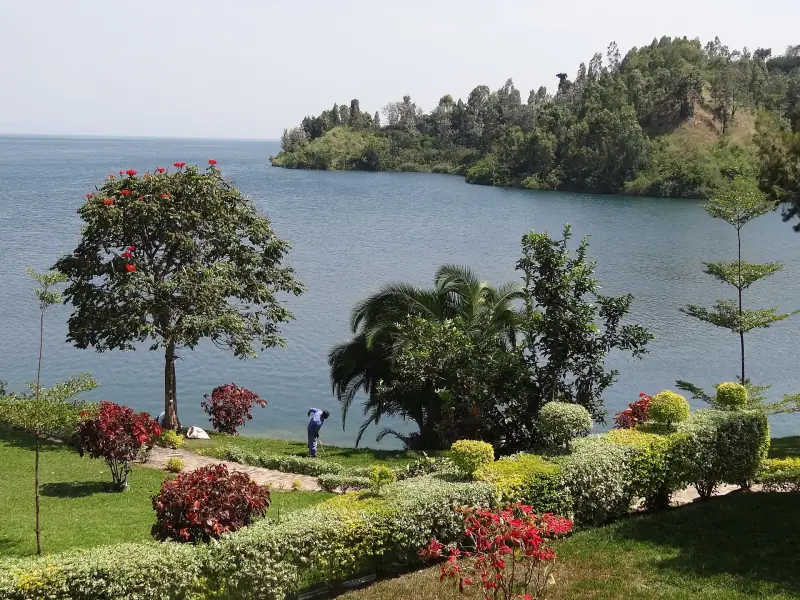
Where to stay in Karongi (Kibuye): guide to lodging on Lake Kivu
Where to stay in Karongi (Kibuye), Rwanda: luxury lodges, Lake Kivu hotels and budget guesthouses. A complete guide with tips for choosing well.
Ready-made
Rwanda itineraries
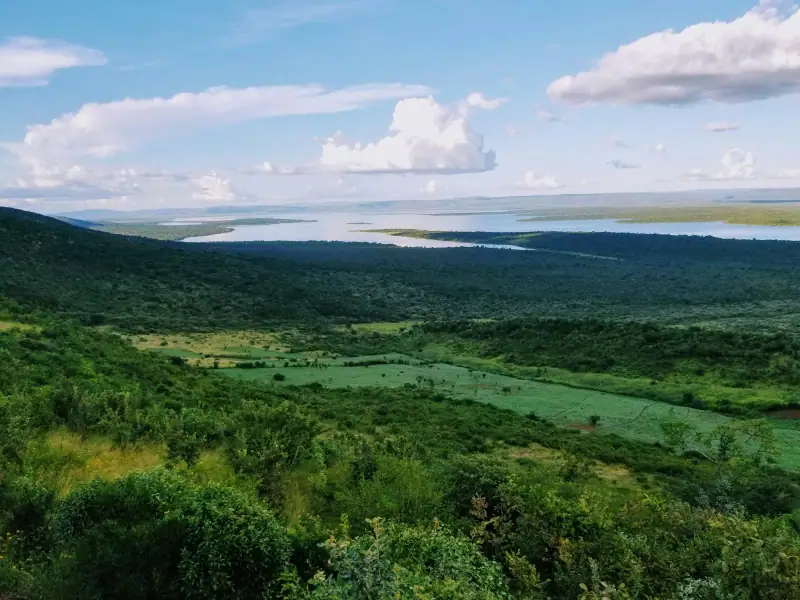
10 days
Rwanda in 10 days: complete itinerary with gorillas, safari, Lake Kivu and Nyungwe
KigaliAkagera National ParkMusanzeRubavu (Gisenyi)Nyungwe
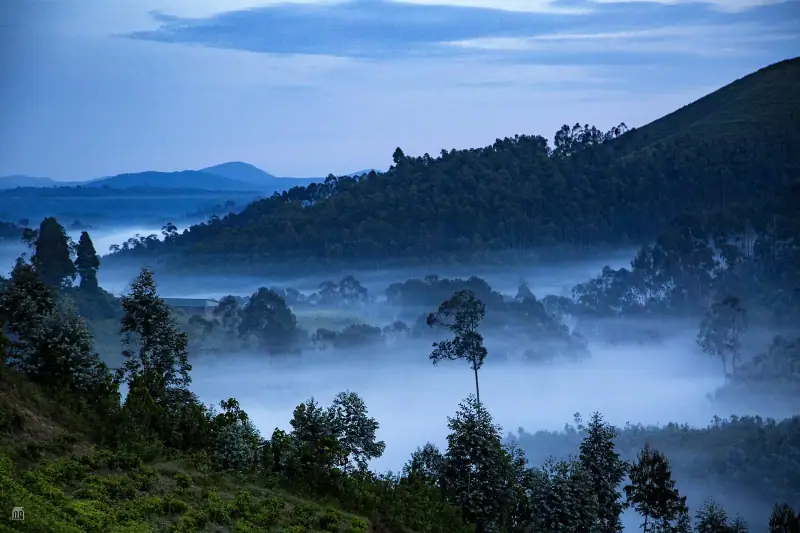
7 days
Rwanda in 7 days: complete itinerary and practical tips
KigaliMusanzeGisenyi (Rubavu)
Can be adapted in the planner
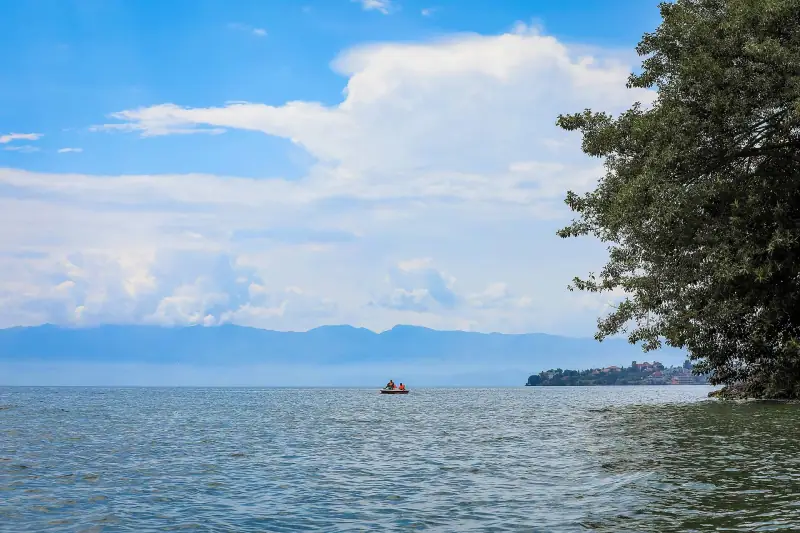
3 days
Lake Kivu road trip: from Rubavu to Karongi along the Rwandan shore
Rubavu (Gisenyi)Karongi (Kibuye)