Itineraries
Lake Kivu road trip: from Rubavu to Karongi along the Rwandan shore
We may earn a commission when you book through links on this page, at no extra cost to you. We don't visit or try the places we cover: we summarize published sources. How we work
Day by day
- Day 1Rubavu (Gisenyi): lakefront, beaches, sunset, optional kayak
- Day 2Coastal road: fishing villages, terraced plantations, arrive in Karongi
- Day 3Karongi: Napoleon Island bats, kayak, lake activities
Where to sleep
- Rubavu (Gisenyi)1 night
- Karongi (Kibuye)1 night
In short
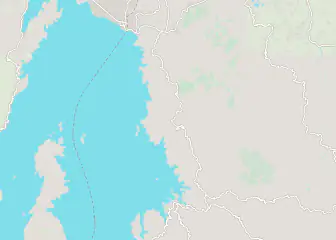
- The coastal road links Rubavu (Gisenyi) and Karongi (Kibuye) over about 90 km (56 mi), 1 h 30 to 2 h non-stop; plan 2 nights.
- The road is paved and passable in a sedan; a 4x4 is more comfortable on winding high-altitude stretches and side tracks.
- Highlights: lakefront and kayaking at Rubavu, fishing villages, terraced plantations, Napoleon Island fruit bats near Karongi, and the Gisovu tea plantation detour.
- Best months are June to September and December to January; avoid driving at night.
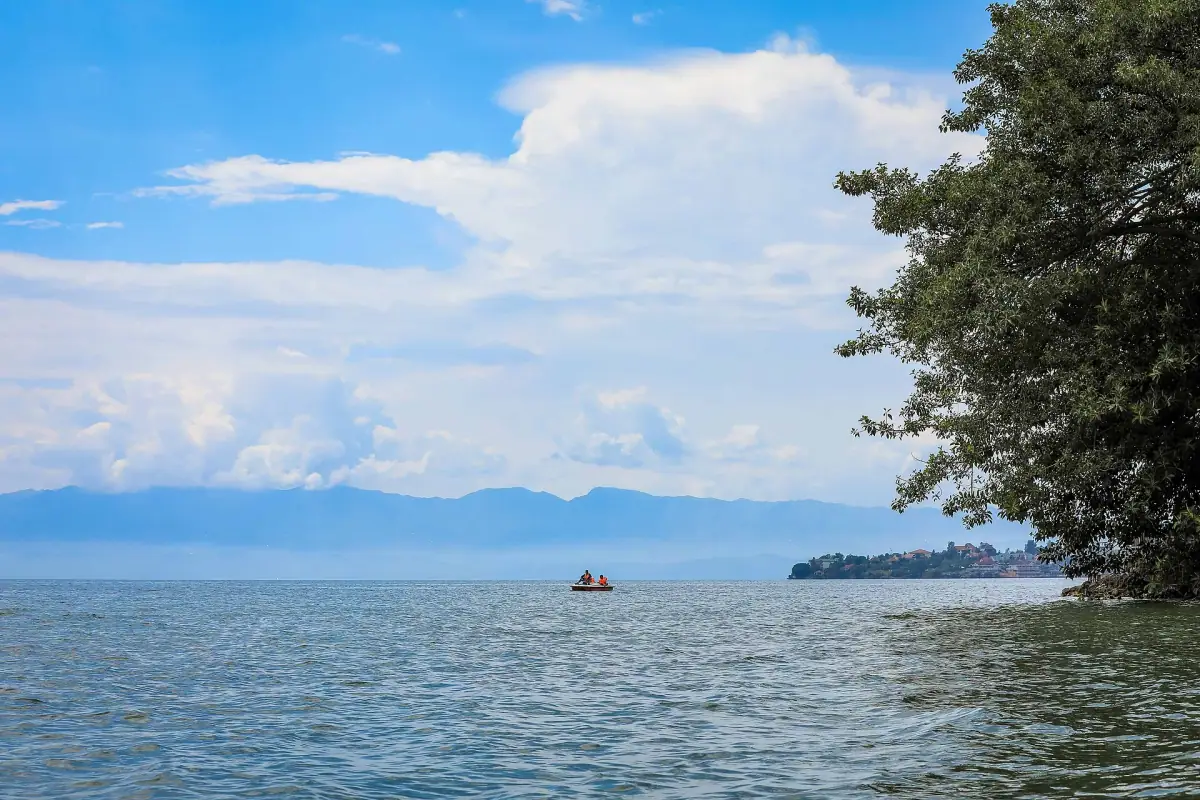
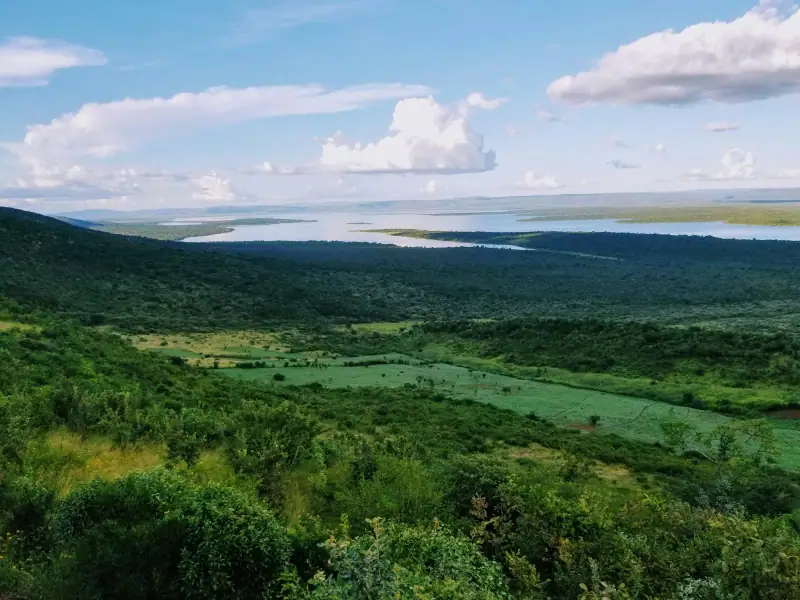
Between green hills plunging into blue water and fishermen’s dugout canoes coming alive at dawn, the Lake Kivu coastal road is one of East Africa’s most beautiful road trips. Over about 90 kilometers (56 mi), it links Rubavu (Gisenyi) in the north to Karongi (Kibuye) in the south, crossing banana plantations, fishing villages perched on the hills and natural viewpoints over the immensity of the lake shared between Rwanda and the DRC.
This 2 to 3-day circuit is ideal as a complement to a stay at Volcanoes National Park or in Kigali. It offers a welcome change of pace after the intensity of gorilla trekking: winding roads, impromptu stops, sunsets over the water and everyday Rwandan hospitality.
The Lake Kivu road trip at a glance
| Stage | Distance from Rubavu | Highlights |
|---|---|---|
| Rubavu (Gisenyi) | Start | Beaches, lakefront, sunset |
| Fishing villages | 15-45 km (9-28 mi) | Dugout canoes, fish markets, hills |
| Coastal viewpoints | 30-60 km (19-37 mi) | Views over the lake, tea plantations |
| Karongi (Kibuye) | ~90 km (56 mi) | Islands, kayaking, lakeside relaxation |
Recommended duration: 2 nights (1 night in Rubavu, 1 night in Karongi)
Total distance: about 90 km (56 mi) (1 h 30 to 2 h by direct road)
Road type: paved, winding hairpin stretches, passable in a sedan
Preparing your Lake Kivu road trip
Renting your car
A rental car is the best option to enjoy this circuit fully. It gives you the freedom to stop at an unexpected viewpoint, to drive past a fishing village at landing time or to turn back for a missed photo. Rental agencies are present in Kigali (airport and city center) and, to a lesser extent, in Rubavu.
A standard-clearance vehicle (compact SUV or high sedan) is enough for the main road. If you plan detours on secondary tracks to isolated beaches, opt for a 4x4. The national road along the lake is paved over the whole Rubavu-Karongi stretch.
Rent a car for this circuit
Compare rates from local and international agencies for your Lake Kivu road trip from Kigali or Rubavu.
When to go
The dry season from June to September is the ideal period. Roads are at their best, clear skies allow views as far as the eye can see over the lake and the Congolese hills to the west, and the still-green grass offers an intense palette of greens. The second dry season (December to January) is also excellent.
In the rainy season, vegetation is spectacularly lush but secondary roads can be soaked and mornings misty. This is not a deal-breaker, just less comfortable.
Where to start: Kigali to Rubavu
From Kigali, Rubavu is about 140-155 km (87-96 mi) by the national road that climbs toward Musanze then drops toward the lake. Allow 2 h to 2 h 30 by road depending on traffic leaving Kigali. A variant goes through Musanze (Ruhengeri) if you fit this circuit into a Volcanoes stay, which is the most common case for travelers who link gorillas and Lake Kivu.
Day 1: Rubavu (Gisenyi), the lakeside introduction
Arrival and first contact with the lake
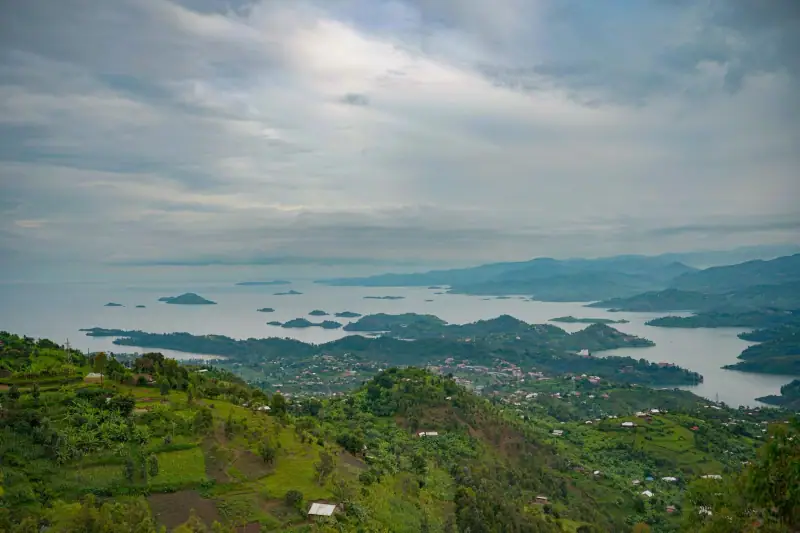
Rubavu, which everyone still calls Gisenyi, is the port town of northern Lake Kivu, on the border with the DRC (Goma is only a few kilometers away). At 1,460 meters (4,790 ft), the town enjoys a temperate climate all year and a lively atmosphere: a busy lakefront, terrace restaurants, a colorful market.
Rubavu’s lakefront is one of the most pleasant in Rwanda. Several fine-sand beaches run along the town’s northern shore, where swimming is possible and popular with locals on weekends.
Day 1 program:
- Arrive in early afternoon from Kigali or Musanze
- Settle in at your lodging and take a first look at the lake
- Stroll along the lakefront
- Sunset from the shore (spectacular with reflections on the calm water)
- Dinner at a local restaurant with a lake view
See the guide to lodging in Rubavu / Gisenyi for the best addresses by budget.
Where to sleep in Rubavu?
From lakeside lodges to town guesthouses: find the right lodging to start your road trip.
Kayaking and water activities in Rubavu
The morning of the first (or second) day is ideal for a kayak outing on the lake. The water is especially calm early in the morning, before the daytime wind rises. Several local operators offer hourly or half-day rentals from the main beach. It is one of the most memorable ways to see the hills wake up, reflected in the lake.
Day 2: The coastal road from Rubavu toward Karongi
The start: take your time
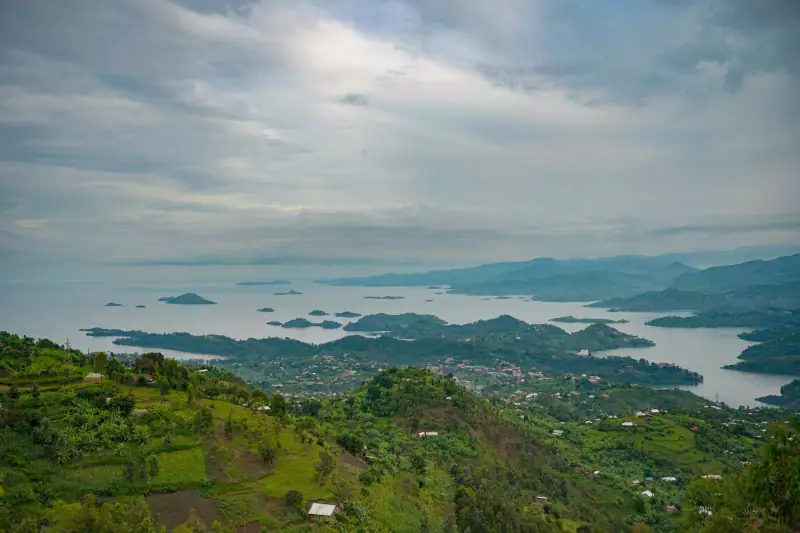
Leave Rubavu in mid-morning so as not to miss the magic of the first hours on the road. The road first follows the lake’s northern shore, with clear views of the immensity of the water, then climbs in hairpins over the hills that plunge toward the shore. On these ridges are the finest natural viewpoints.
Boat excursions on Lake Kivu
Cruises, island excursions and guided tours from Rubavu or Karongi.
Fishing villages: essential stops
Between Rubavu and Karongi, the road passes through or alongside several fishing villages that have lived from the lake for generations. The liveliest time is early morning, when the canoes return with the night’s catch. You can see fish being landed, watch nets drying on the banks and sometimes buy fresh fish directly from the fishermen.
These villages are discreet, authentic and often photogenic. No tourist sign points them out: simply look for the boats moored below the road and stop. Residents generally welcome visitors with curiosity and kindness.
Good to know: always ask before photographing people. A simple hand gesture and a smile are usually enough to get agreement.
Terraced plantations: postcard landscapes
The road crosses stretches of hills entirely sculpted into farming terraces: banana, bean, sorghum, and in places tea plantations that descend to lake level. These green staircase landscapes are the visual signature of the Western Province. At some bends in the road, the view takes in the blue lake, the Rwandan hills and, on a clear day, the volcanoes or the Congolese heights on the other side all at once.
Recommended detour: the Gisovu tea plantation
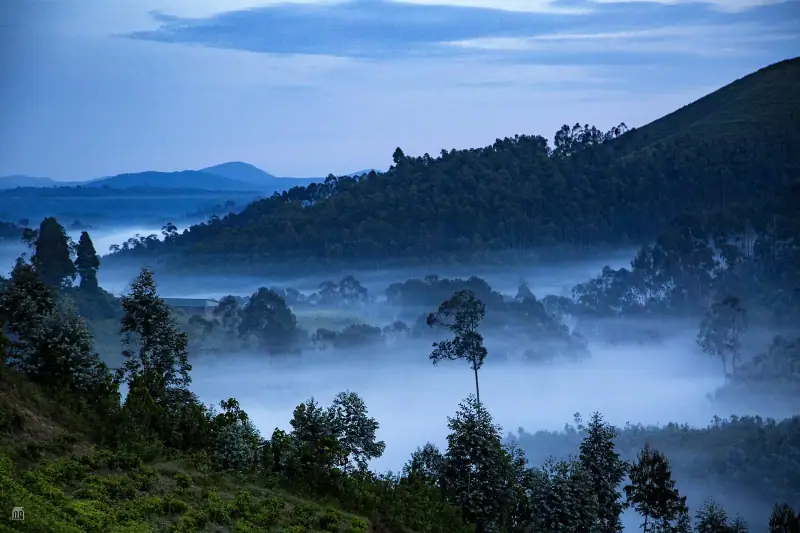
The Gisovu tea plantation, in the southeast part of Karongi District (~60-80 km / 37-50 mi from Karongi town, at the entrance to Nyungwe), is one of the province’s most spectacular. Rows of bright green tea bushes cover entire hills, often in morning mist, with an almost mystical atmosphere. Visits are generally possible, letting you understand the Rwandan tea cycle, from the hand-picked leaf to export.
This detour is especially suited if you have a third day or if you return to Kigali by the southern road (via Huye/Butare), which is a fine alternative to the direct road.
Day 2 (afternoon) or Day 3: Karongi (Kibuye) and the lake’s islands
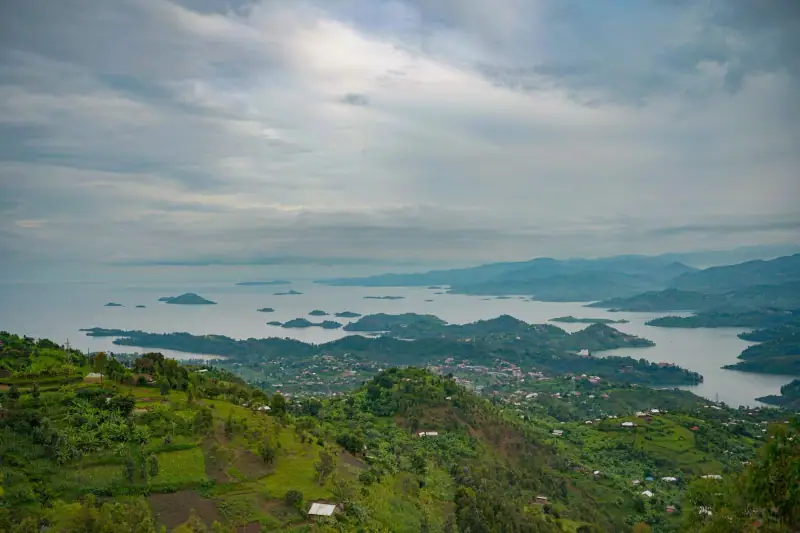
Karongi, the pearl of the lake
Karongi, formerly known as Kibuye, is the main town on Lake Kivu’s central coast. Smaller and quieter than Rubavu, it is known for its calm waters, its coves and its islands reachable by boat. Karongi’s lakefront is less developed for tourism than Rubavu’s, which makes it an even more unspoiled stop.
Arriving from the north, descending the hairpins that give a plunging view over the town and its bays, is one of the most photogenic moments of the whole circuit.
See the complete guide to Karongi / Kibuye for the town’s activities and points of interest.
Nyamunini Island (Napoleon Island): bats and biodiversity
The best-known of Lake Kivu’s islands on the Karongi side is Nyamunini Island, nicknamed Napoleon Island for its shape recalling a Napoleonic bicorn hat. The island is home to an impressive colony of fruit bats (roussettes) and hosts a great diversity of birds. At dusk, the sight of thousands of bats taking flight is a striking moment.
Local operators offer boat excursions from Karongi port. The crossing takes about 20 to 40 minutes depending on lake conditions. Negotiate directly at the port or go through your lodging.
Kayak, paddleboard and night fishing at Karongi
As in Rubavu, kayaking is one of the essential activities at Karongi. In the morning, the water of the main bay is absolutely calm and reflects the surrounding hills, an almost meditative experience. Pedal boats and paddleboards can also be rented from some lakeside hotels.
For adventurous night owls, some operators offer night fishing outings by dugout canoe, accompanied by local fishermen. Lake Kivu is notably abundant in tilapia and sambaza (a small local fish, fried and served across the region).
Where to sleep in Karongi?
Lakeside lodges, town guesthouses: find the ideal lodging for your night in Karongi / Kibuye.
Extending or adapting the circuit
3-day option: add the Gisovu plantation and return via the south
If you have a third day, leave Karongi to the south toward Nyungwe or Huye (Butare). This road climbs through the hills of the Southern Province and offers magnificent farming landscapes. A stop at the Gisovu tea plantation fits this itinerary perfectly.
Karongi to Huye: about 120 km (75 mi), 2 h 30 to 3 hours by road.
Karongi to the Nyungwe entrance (Gisakura): about 91 km (57 mi), 2 hours by road.
See the Nyungwe guide and the Huye / Butare guide to prepare these stages.
Loop option from Kigali
This circuit fits perfectly into a loop tour from Kigali:
- Kigali to Musanze (gorillas, volcanoes): 2 nights
- Musanze to Rubavu: 1 night
- Rubavu to Karongi (Lake Kivu road trip): 1 night
- Karongi to Kigali (return by the central road): end of circuit
This loop matches the backbone of the 7-day Rwanda circuit.
Practical tips for the road trip
Fuel
Fill up in Rubavu before leaving. There are fuel stations on the road, notably at Kibuye center, but the gaps between stations can exceed 50 km (31 mi) on some stretches. With a full tank, there is nothing to worry about for the whole trip.
Connectivity and GPS
4G network coverage is generally good on the main road, including on high-altitude segments. Google Maps works properly for navigating between Rubavu and Karongi. Download the offline map of the Western Province if you plan detours on secondary tracks. Check your carrier’s international plan or use a travel eSIM.
Road safety
The road is winding and has hairpins with reduced visibility. Adapt your speed, especially uphill. Pedestrians, cyclists and two-wheelers regularly use the national road. Driving at night is strongly discouraged on this type of route.
Indicative budget for this circuit
| Item | Estimated cost |
|---|---|
| Car rental (2-3 days, Kigali) | €80-150 / day (~$93-175) |
| Fuel (round trip) | €20-35 (~$23-41) |
| Lodging (per night, mid-range) | €40-120 (~$46-140) |
| Meals (per person per day) | €15-35 (~$17-41) |
| Island / kayak excursion | €10-30 (~$12-35) |
For an overall budget, see the Rwanda budget guide.
Why Lake Kivu is unique in Africa
Lake Kivu is one of the African Great Lakes, shared between Rwanda and the DRC. It covers about 2,700 km² (1,042 sq mi) and reaches 480 meters (1,575 ft) deep in places. Its geological feature is notable: its deep waters hold large reserves of dissolved methane and CO₂, a resource Rwanda partly exploits to produce electricity.
To learn everything about this exceptional lake, read the complete Lake Kivu guide.
In summary: what to remember
- 90 km (56 mi) of coastal road between Rubavu and Karongi, drivable in 1 h 30 to 2 h direct
- 2 days recommended to enjoy the stops, villages and sunsets
- Headline activities: kayaking, island excursions (Nyamunini Island), fishing villages, the Gisovu tea plantation
- Best time: June to September and December to January
- Swimming is possible (check local conditions with your lodging)
- Fits perfectly into a 7-day Rwanda circuit after the gorillas in Volcanoes National Park
Frequently asked questions
How many kilometers between Rubavu and Karongi?
Rubavu and Karongi are about 90 km (56 mi) apart along the coastal road following the Rwandan shore of Lake Kivu. By car, non-stop, the trip takes 1 h 30 to 2 hours. With stops, allow a full day or two days to enjoy the route fully.
Do you need a 4x4 to drive along Lake Kivu?
The main road between Rubavu and Karongi is paved and passable in a sedan. Some side roads to fishing villages or isolated beaches may need a higher-clearance vehicle, especially in the rainy season. A 4x4 remains more comfortable on the winding high-altitude stretches.
Can you do the Rubavu-Karongi road trip by public transport?
Yes, minibuses (matatu) run between the two towns, generally with a change at Kibuye center. The trip takes 3 to 4 hours depending on connections. Freedom to stop along the way is very limited, however: to stop at fishing villages or viewpoints, a rental car is essential.
When is the best time for this road trip?
The dry season (June to September) offers the most passable roads and the clearest views over the lake. The second dry season (December to February) is also very good. In the rainy season (March to May, October to November), the vegetation is exuberant but side roads can be slippery and views blurred by morning mist.
Can you swim in Lake Kivu?
Yes, Lake Kivu is known for its freshwater quality and for having no crocodiles, unlike many African lakes. Swimming is possible from the beaches of Rubavu and Karongi and at several lakeside hotels. Check local conditions with your lodging, and for health questions ask your doctor or a travel clinic and see the official travel health pages (CDC in the US, TravelHealthPro in the UK).
Can you visit the islands of Lake Kivu from Karongi?
Yes. From Karongi (Kibuye), several operators offer boat excursions to the lake's islands, including Nyamunini Island (nicknamed Napoleon Island), home to a colony of fruit bats and very rich in birds. The crossing generally takes 20 to 40 minutes depending on the island chosen.
More Rwanda guides
Keep reading
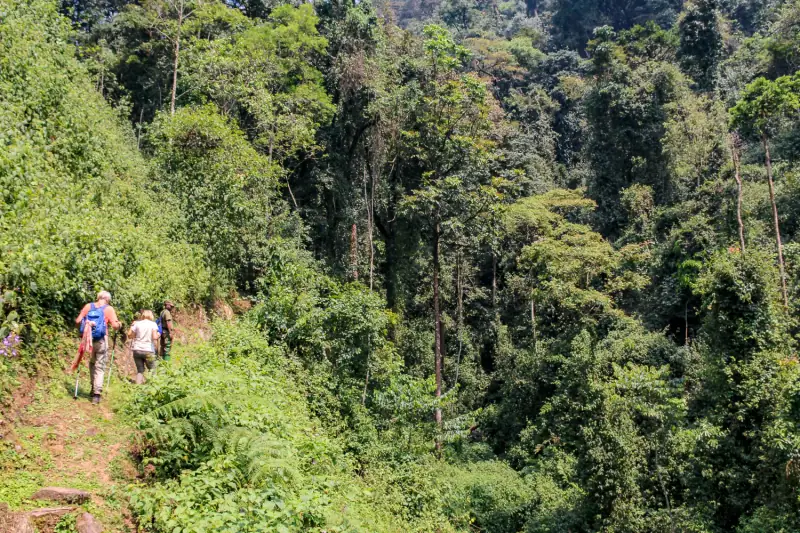
Hiking in Rwanda: the best treks from the volcanoes to Nyungwe
Complete guide to hiking in Rwanda: Bisoke volcano, Karisimbi, Dian Fossey's grave, Nyungwe canopy walk, Congo Nile Trail. Levels, rates, preparation.
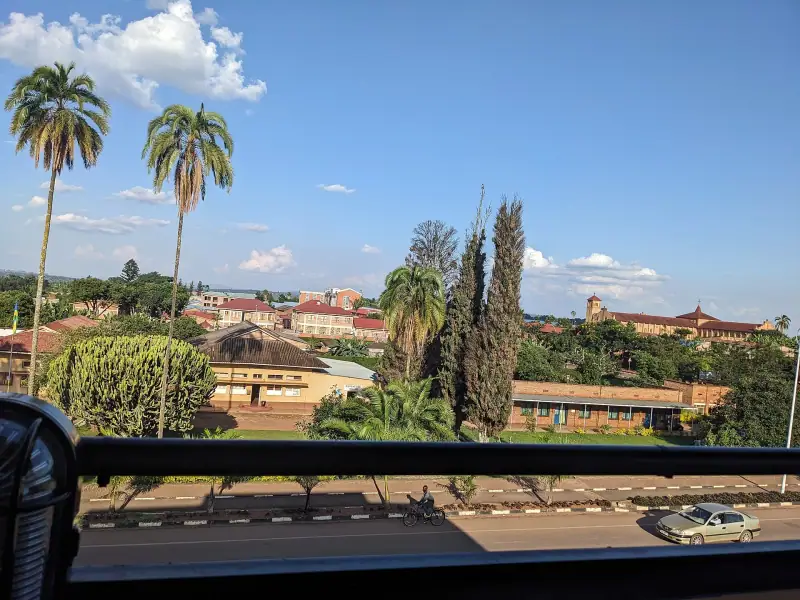
Visiting Huye (Butare): complete guide to Rwanda's cultural capital
Huye (Butare), Rwanda's cultural capital: National Museum, Nyanza Royal Palace, gateway to Nyungwe. A complete guide to visiting the town.
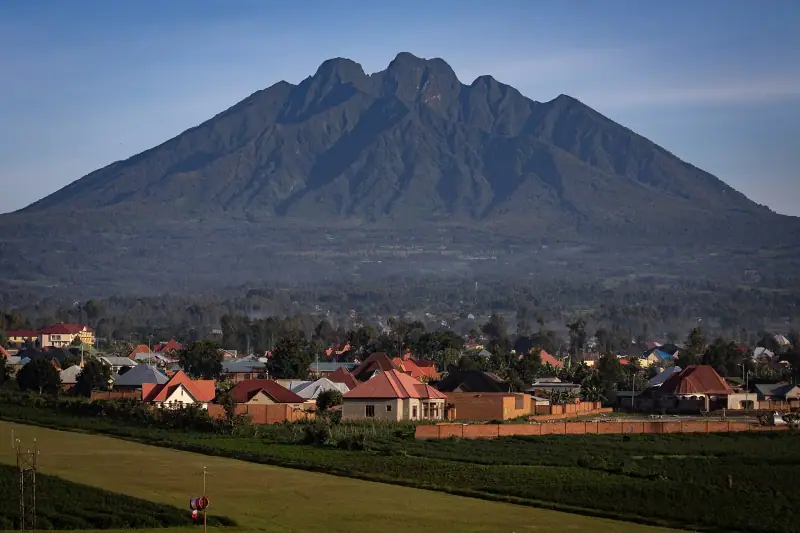
Visiting Musanze: complete guide to the gateway to the gorillas and volcanoes
Musanze, Rwanda: Virunga gorillas, volcanoes, Lakes Ruhondo and Burera, caves and market. A complete guide to the capital of the North.
Ready-made
Rwanda itineraries
10 days
Rwanda in 10 days: complete itinerary with gorillas, safari, Lake Kivu and Nyungwe
KigaliAkagera National ParkMusanzeRubavu (Gisenyi)Nyungwe
7 days
Rwanda in 7 days: complete itinerary and practical tips
KigaliMusanzeGisenyi (Rubavu)
Can be adapted in the planner