Plan your trip
Best time to visit Rwanda: season-by-season guide
We may earn a commission when you book through links on this page, at no extra cost to you. We don't visit or try the places we cover: we summarize published sources. How we work
In short
- The long dry season (June to September) is best for gorilla trekking and the Akagera safari, but also the busiest and most expensive; permits book months ahead.
- December to February and November are good compromises between weather, permit availability and prices.
- April and May (long rains) are the cheapest, with lodges up to 30-40% cheaper, but trails are muddy; the gorilla permit stays at USD 1,500 all year.
- Umuganda, the community day, falls on the last Saturday of each month and limits morning travel; April is the genocide commemoration period.
Rwanda is a destination you can visit all year, but each season brings its own advantages and drawbacks depending on your plans. Understanding the country’s climate calendar is essential for planning your trip, especially if mountain gorillas are your priority.
Rwanda’s climate at a glance
Rwanda has a tropical climate tempered by altitude (most of the country lies between 1,500 and 2,500 m / 4,920 and 8,200 ft). There are no cold seasons and no excessive heat, but two dry seasons and two rainy seasons alternate through the year.
Average temperatures:
- Kigali (1,500 m / 4,920 ft): 18 to 26 °C (64 to 79 °F) all year
- Musanze / Ruhengeri (1,850 m / 6,070 ft): 15 to 22 °C (59 to 72 °F)
- Karisimbi volcano (4,507 m / 14,787 ft): can drop below 0 °C (32 °F) at night
- Nyungwe (2,200 m / 7,220 ft): 10 to 20 °C (50 to 68 °F), humid and misty
Rwanda’s four seasons
Long dry season: June to September
This is the high tourist season, and for good reason: it is the most pleasant period for trekking and safari.
Weather conditions:
- Little or no rain
- Pleasant temperatures, cool nights in the volcanoes
- Less dense vegetation in the parks, so better visibility for spotting animals
For gorillas: the best period. Trails are dry, the climb is easier, and gorilla families often come down to more accessible altitudes.
For Akagera: excellent. The grasses are lower and animals gather around water points. It is the best time for safari.
Drawbacks:
- Gorilla permits booked months ahead
- Higher lodge prices
- Less green, less “African”-looking landscapes
Short dry season: December to February
An excellent compromise between weather conditions and permit availability.
Weather conditions:
- Some rain in January but generally dry
- Temperatures slightly warmer than in June to September
- Landscapes still green after the rainy season
For gorillas: decent to good conditions. Less crowded than in July and August, so permits are easier to get. Vegetation is a little denser but most treks remain accessible.
For Akagera: also a good period, before the grasses grow too tall with the March rains.
Suggestion: if you could not get a permit in high season, December to January is an excellent alternative.
Book your gorilla trek
Gorilla permits and excursions in Rwanda: booking well ahead is essential.
Long rainy season: March to May
The classic low season. Fewer travelers, but sometimes difficult conditions.
Weather conditions:
- Frequent, heavy rain, especially in April
- Slippery, muddy forest trails
- Exuberant vegetation, magnificent green landscapes
For gorillas: technically possible all year, but trekking in the rainy season is physically demanding. Expect muddy trails and dense vegetation. It is not recommended for people with physical difficulties.
For birds: paradoxically the best period for birdwatching in Rwanda. Migratory species are present and the lush vegetation hosts intense bird activity.
Advantages:
- Lodge prices up to 30-40% lower
- Fewer tourists in the parks
- Magnificent landscapes for photography
- Gorilla permits available at the last minute
Who is it for? Flexible travelers, birders, nature photographers, and those trying to cut their budget.
Short rainy season: October to November
A pleasant transition period, often underrated.
Weather conditions:
- Moderate rain, often in the late afternoon
- Mornings generally sunny
- Green, flowery landscapes
For gorillas: acceptable conditions. Dry mornings allow treks in good conditions. Rain generally arrives after noon, which affects the morning trek little.
Tip: November is often an excellent month: the rains fade, the vegetation is magnificent, prices are not yet at their highest and permits are available.
Month-by-month comparison table
| Month | Weather | Gorillas | Safari | Crowds | Prices |
|---|---|---|---|---|---|
| January | ⭐⭐⭐⭐ | ⭐⭐⭐⭐ | ⭐⭐⭐ | ⭐⭐⭐ | ⭐⭐⭐ |
| February | ⭐⭐⭐⭐ | ⭐⭐⭐⭐ | ⭐⭐⭐ | ⭐⭐⭐ | ⭐⭐⭐ |
| March | ⭐⭐⭐ | ⭐⭐⭐ | ⭐⭐ | ⭐⭐⭐⭐ | ⭐⭐⭐⭐ |
| April | ⭐⭐ | ⭐⭐ | ⭐⭐ | ⭐⭐⭐⭐⭐ | ⭐⭐⭐⭐⭐ |
| May | ⭐⭐ | ⭐⭐ | ⭐⭐ | ⭐⭐⭐⭐⭐ | ⭐⭐⭐⭐⭐ |
| June | ⭐⭐⭐⭐⭐ | ⭐⭐⭐⭐⭐ | ⭐⭐⭐⭐ | ⭐⭐⭐ | ⭐⭐⭐ |
| July | ⭐⭐⭐⭐⭐ | ⭐⭐⭐⭐⭐ | ⭐⭐⭐⭐⭐ | ⭐⭐ | ⭐⭐ |
| August | ⭐⭐⭐⭐⭐ | ⭐⭐⭐⭐⭐ | ⭐⭐⭐⭐⭐ | ⭐⭐ | ⭐⭐ |
| September | ⭐⭐⭐⭐ | ⭐⭐⭐⭐ | ⭐⭐⭐⭐ | ⭐⭐⭐ | ⭐⭐⭐ |
| October | ⭐⭐⭐ | ⭐⭐⭐ | ⭐⭐⭐ | ⭐⭐⭐⭐ | ⭐⭐⭐⭐ |
| November | ⭐⭐⭐ | ⭐⭐⭐⭐ | ⭐⭐⭐ | ⭐⭐⭐⭐ | ⭐⭐⭐⭐ |
| December | ⭐⭐⭐⭐ | ⭐⭐⭐⭐ | ⭐⭐⭐ | ⭐⭐⭐ | ⭐⭐⭐ |
⭐ = less favorable, ⭐⭐⭐⭐⭐ = optimal
Recommendations by type of trip
For gorilla trekking
Ideal: July to August (high season, optimal conditions) Very good: June, September, January to February Acceptable: October to November, December Not advised: March to May (unless you have no choice)
For the Akagera safari
Ideal: July to September (low grass, concentrated animals) Very good: December to February Acceptable: October to November Harder: March to May (tall vegetation, reduced visibility)
Lodges in Rwanda
Compare prices and availability for your travel period.
For Lake Kivu
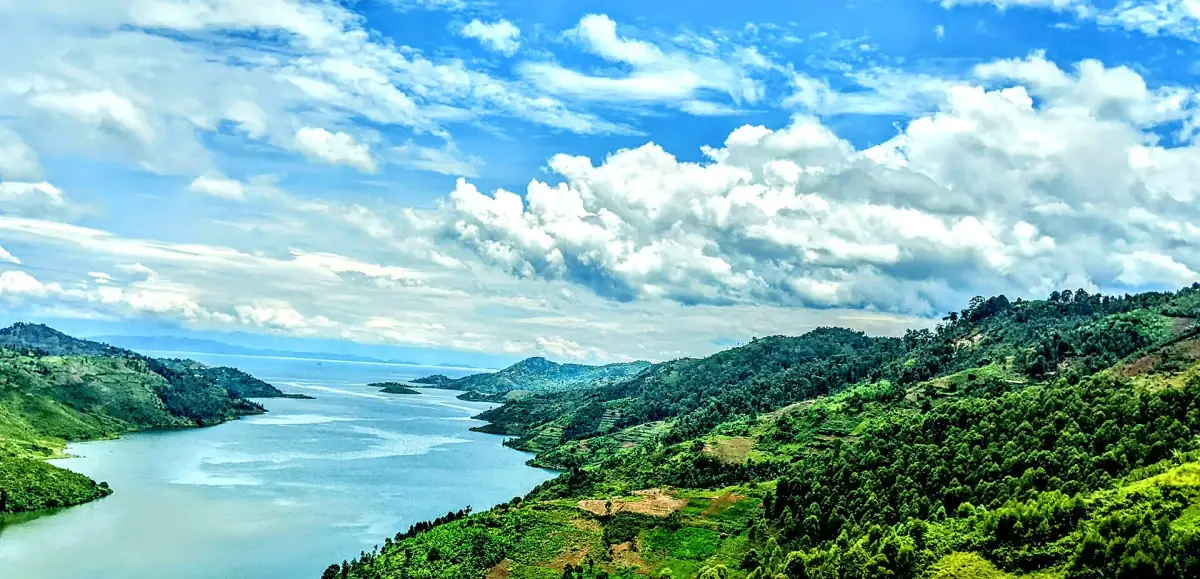
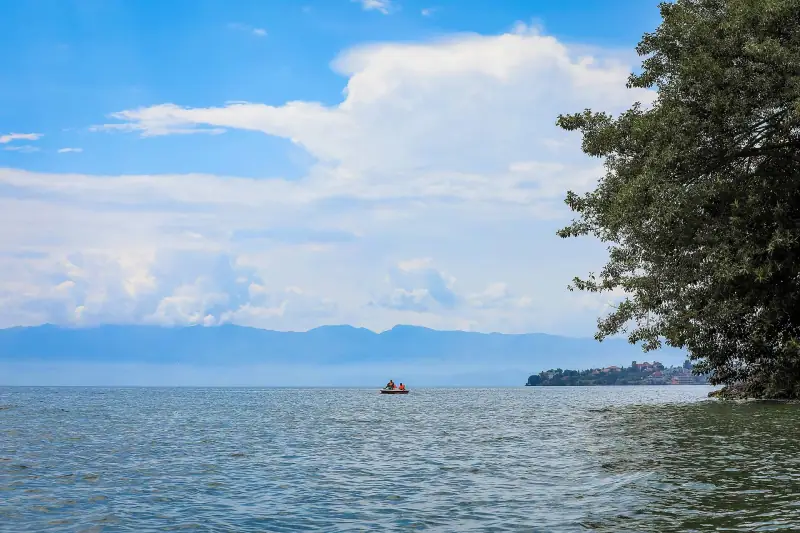
Lake Kivu is good to visit all year. The long dry season offers the finest sunsets. In the rainy season, storms over the lake are spectacularly beautiful.
For birds (birdwatching)
Ideal: November to April, when Palearctic migrants are present and the vegetation is lush.
For budget
Prices are lowest from April to May. If you can put up with some rain and wet tracks, you can save up to 40% on lodging. The price of the gorilla permit does not vary by season.
Tips for choosing your period
Book gorilla permits 3 to 6 months ahead, whatever the period. In high season (July to August), book at least 6 months ahead. In low season, 1 to 3 months is generally enough.
Combine seasons if you have time. A traveler leaving in December can enjoy good gorilla conditions, green landscapes and intermediate prices.
Check national holidays. Rwanda holds Umuganda (community day) on the last Saturday of every month, which limits morning travel. In April, Rwanda commemorates the genocide, and some sites may be closed or have restricted access.
In summary, the long dry season from June to September is the best period for most travelers. But if you are flexible, January-February or November offer an excellent balance of conditions, availability and price. Don’t let the rainy season scare you if your budget is limited: Rwanda stays beautiful even in the rain.
Frequently asked questions
What is the best season to see gorillas in Rwanda?
Gorillas can be seen all year, but the long dry season (June to September) is ideal: trails are less slippery, vegetation is less dense and trekking conditions are better. Permits are, however, harder to get.
Can you go to Rwanda in the rainy season?
Yes, gorillas are accessible in every season. The long rainy season (March to May) is less recommended for trekking (muddy trails), but it is the best period for birds and for photographing green landscapes. Lodge prices also drop.
Which month is the cheapest to go to Rwanda?
April and May (long rainy season) are the months with the lowest lodging rates. However, gorilla permits stay at the same price (USD 1,500) all year.
Is it cold in Rwanda?
Rwanda lies at altitude (1,500 to 4,500 m / 4,920 to 14,760 ft). Temperatures are pleasant all year in Kigali (20-26 °C / 68-79 °F), but it can be cool in the Volcanoes (10-15 °C / 50-59 °F) and even very cold at night in high-altitude forest areas.
When should you avoid traveling to Rwanda?
The long rainy season from April to May can make some tracks impassable. March and April are the wettest months. Apart from these practical constraints, no period is really to be avoided.
More Rwanda guides
Keep reading
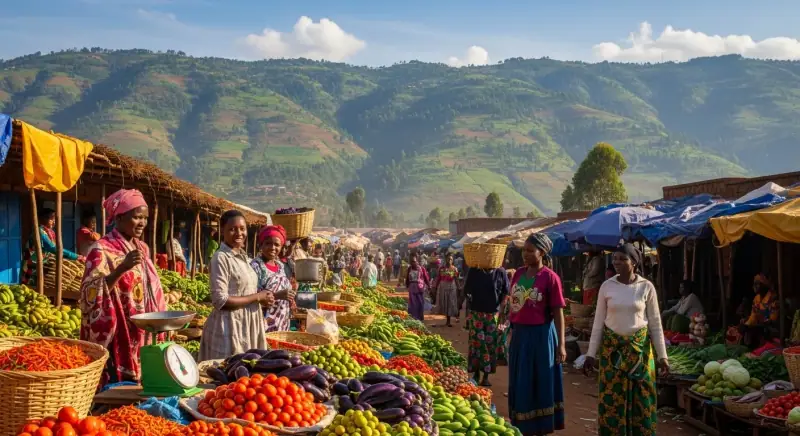
Rwanda budget: how much does a trip cost in 2026?
Estimate your Rwanda trip budget: gorilla permit, lodging, transport, meals. Tips for traveling on a budget or in comfort.
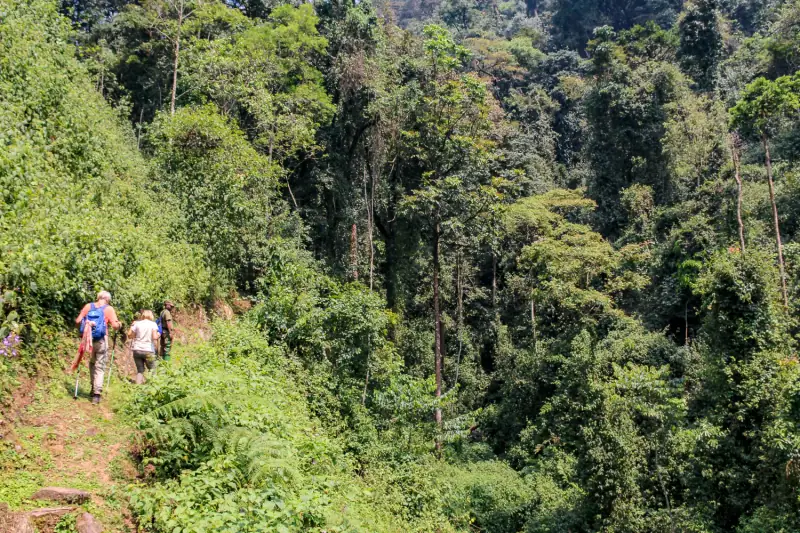
Hiking in Rwanda: the best treks from the volcanoes to Nyungwe
Complete guide to hiking in Rwanda: Bisoke volcano, Karisimbi, Dian Fossey's grave, Nyungwe canopy walk, Congo Nile Trail. Levels, rates, preparation.
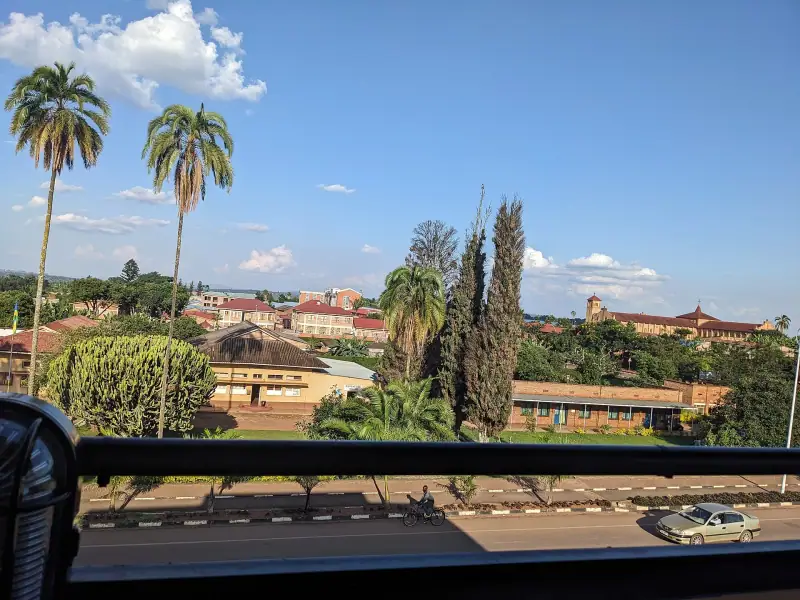
Visiting Huye (Butare): complete guide to Rwanda's cultural capital
Huye (Butare), Rwanda's cultural capital: National Museum, Nyanza Royal Palace, gateway to Nyungwe. A complete guide to visiting the town.
Ready-made
Rwanda itineraries
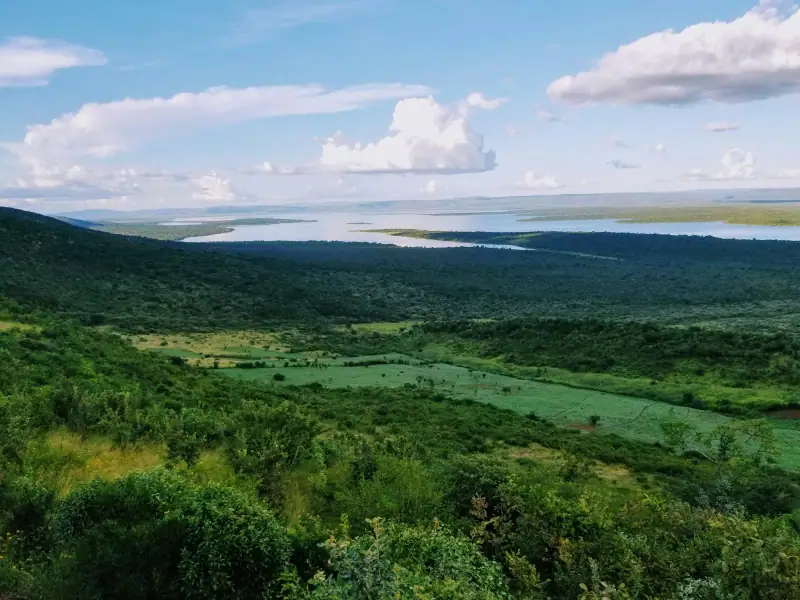
10 days
Rwanda in 10 days: complete itinerary with gorillas, safari, Lake Kivu and Nyungwe
KigaliAkagera National ParkMusanzeRubavu (Gisenyi)Nyungwe
7 days
Rwanda in 7 days: complete itinerary and practical tips
KigaliMusanzeGisenyi (Rubavu)
Can be adapted in the planner
3 days
Lake Kivu road trip: from Rubavu to Karongi along the Rwandan shore
Rubavu (Gisenyi)Karongi (Kibuye)