What to see
Visit Kotor: A Complete Guide to the UNESCO-Listed Old Town
We may earn a commission when you book through links on this page, at no extra cost to you. We don't visit or try the places we cover: we summarize published sources. How we work
In short
- One full day covers the Old Town and the climb to San Giovanni Fortress (about 1,200 to 1,355 steps, 45 min to 1 h 30); two days add Perast, Our Lady of the Rocks and Risan.
- The ramparts cost about €8 (about $9) per adult in season; wear non-slip shoes and avoid the middle of the day in summer.
- In July and August, cruise ships crowd the Old Town between 10 am and 5 pm: arrive before 9 am or after 5 pm.
- Tivat Airport (TIV) is about 12 km (7.5 mi) from Kotor, 15 to 20 min by taxi or shuttle; Podgorica (TGD) is about 90 km (56 mi) away.
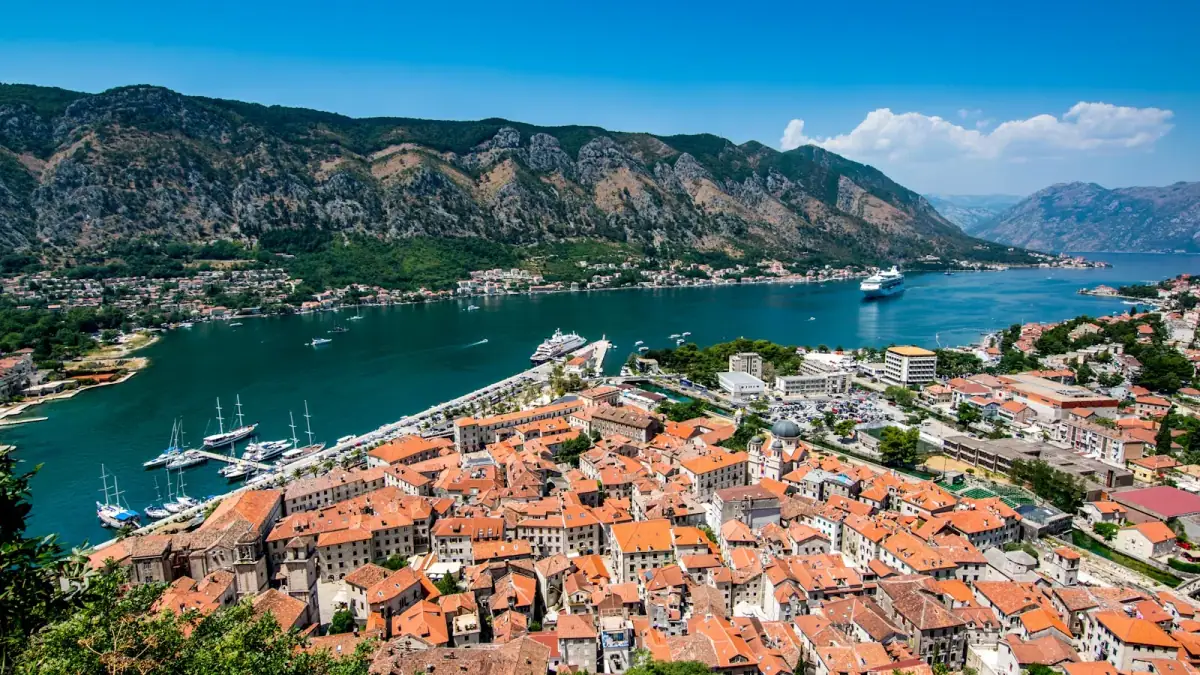
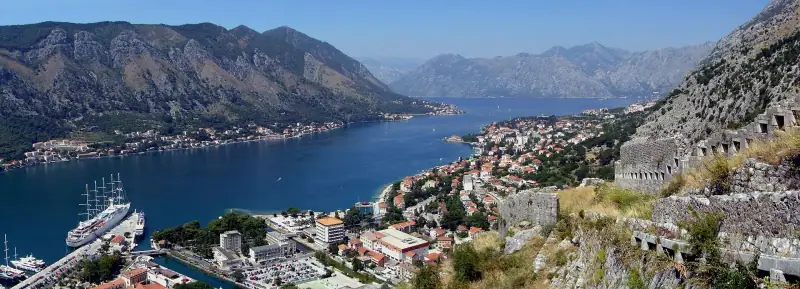
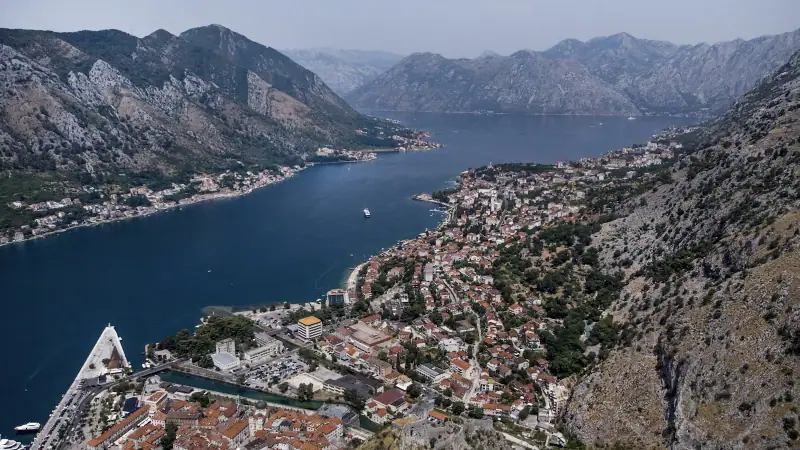
Kotor is one of those towns that exceed the expectations even of well-prepared travelers. Nestled at the end of the Bay of Kotor, one of the most spectacular natural fjords in the Mediterranean, it unfolds its medieval maze between Venetian walls several kilometers long and limestone mountains that plunge into deep blue water. Its old town, a UNESCO World Heritage Site since 1979, is one of the best-preserved historic centers on the eastern Adriatic, and its character (cobbled lanes, nonchalant cats, surprising squares) remains far more authentic than that of its big Croatian rival, Dubrovnik.
A former naval city of the Republic of Venice, which dominated it for several centuries (1420-1797), Kotor keeps the mark of the Lion of St. Mark everywhere: on the gates, the facades, the coats of arms carved in stone. Before Venice, the town lived under Byzantine, Serbian and Ragusan (Dubrovnik) influence. This layering of histories gives Kotor a depth that few Adriatic towns of its size can claim.
This guide helps you prepare everything: the highlights of the Stari Grad, the climb up the ramparts, excursions on the Bay of Kotor, and practical tips for enjoying the town at its best pace.
The Stari Grad: Kotor’s Old Town
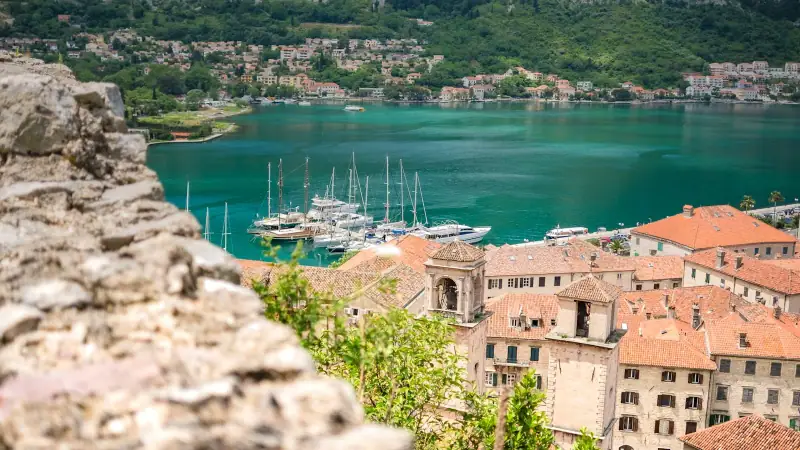
The Stari Grad (the old town, in Montenegrin) is the heart of the visit. Bounded by its ramparts, it forms an irregular triangle of cobbled streets, squares that surprise you at every turn, Orthodox and Catholic churches side by side, and countless cats that have made the town’s reputation worldwide.
The main entrance through the Sea Gate (Vrata od Mora), on the quay side, opens onto Arms Square (Trg od Oružja), the largest in the old town. The Clock Tower (Sahat Kula), erected in the 17th century, marks its center. At its foot, the Pillar of Shame recalls the days when offenders were publicly exposed, an amusing contrast with today’s festive atmosphere.
The Stari Grad has three main gates: the Sea Gate (south, quay side), the River Gate (Vrata od Rijeke, north) and the Gurdić Gate (east, facing the mountain). Each deserves a look for its architectural details and Venetian coats of arms.
St. Tryphon Cathedral
Kotor’s most important building is without question St. Tryphon Cathedral (Katedrala Svetog Tripuna), dedicated to the town’s patron saint. Its Romanesque facade with two asymmetrical bell towers, both rebuilt after the 1667 earthquake, the asymmetry (33 m versus 35 m / 108 ft versus 115 ft) resulting from work stopping for lack of funds, is the most photographed image of the Stari Grad. The original construction dates from the 12th century (1166), making it one of the best-preserved Romanesque cathedrals on the eastern Adriatic coast.
Inside, the carved stone ciborium (canopy) above the main altar is a masterpiece of Balkan Romanesque art, dated to the 14th century. The cathedral treasury, reached from one of the aisles, holds relics of the saint, medieval goldwork and Byzantine icons. Entry is generally paid (a few euros).
Guided tours of Kotor
Old town, ramparts, excursions on the Bay of Kotor: local guides show you Kotor and its surroundings.
St. Luke’s Church and the coexistence of religions
One detail that says a lot about Kotor’s history: St. Luke’s Church (Crkva Svetog Luke), built in 1195, served successively as a Catholic and then an Orthodox place of worship, before becoming for a time a space shared between the two denominations. Now Orthodox, it keeps two altars side by side, one Catholic, one Orthodox. This symbol of religious coexistence is unique in the region and worth the detour, especially as the building is remarkably well preserved.
The cats of Kotor
Kotor has a special relationship with its cats. The cat colony that has lived in the old town for centuries is protected and cared for by residents and local associations. Dozens of cats wander freely between the lanes, sleep on fountain ledges and happily accept a pat from passersby. Tradition says Montenegrin sailors brought cats aboard their ships to fight rats, and that their descendants settled permanently in the old town.
The Cats Museum of Kotor (Muzej Mačaka), a space dedicated to the history of this special relationship between the town and its felines, draws cat lovers. Cat-themed souvenirs can also be found in many shops of the Stari Grad.
The Pima Palace and the Maritime Museum
The Maritime Museum of Montenegro (Pomorski Muzej Crne Gore) is housed in the Grgurina Palace, a fine example of 18th-century Baroque architecture. It traces the naval history of Kotor and Montenegro, from the fleet of the Republic of Venice to the great families of Montenegrin captains of the 19th century. The collection includes navigation instruments, uniforms, paintings of naval battles and ship models.
The ramparts and San Giovanni Fortress
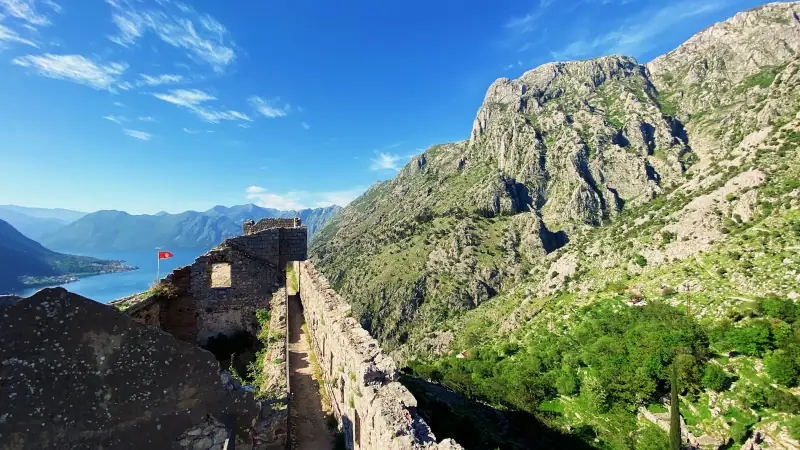
Climbing the ramparts is the most memorable experience Kotor offers. The fortification system stretches about 4.5 km (2.8 mi) around and above the old town, linking the Stari Grad to San Giovanni Fortress (Tvrđava Sveti Ivan), perched about 280 meters (920 ft) up the mountainside.
The climb from the old town takes about 1,200 to 1,355 steps (according to local sources; the exact number varies with renovations). Allow about 45 minutes to 1 h 30 to climb depending on your pace, stopping for the views and the many cats that have colonized the stairs. The climb is physically demanding, especially in great heat: bring water and suitable shoes, and avoid the middle of the day in summer.
The panorama from San Giovanni is the ultimate reward: the old town below, the Bay of Kotor fanning open, the mountains of the opposite shore reflected in the turquoise water, and the villages of Prčanj and Stoliv clinging to the cliffs. In clear weather, the view reaches the Luštica peninsula and the open sea.
Entry to the ramparts is paid (generally around €8, or about $9, per adult in season). Access is from several points in the old town, including the Gurdić Gate on the east side. Out of season, the ramparts may be free to enter and partly closed depending on weather conditions.
Where to stay in Kotor
Hotels in the old town, apartments with fjord views or charming stays in the villages of the Bay of Kotor: compare the best options.
The Bay of Kotor: excursions from town
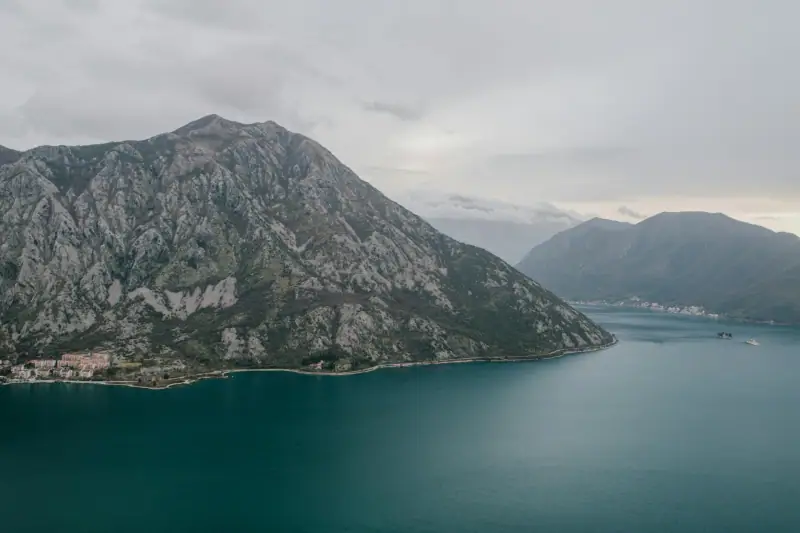
Kotor is the natural entry point to the Bay of Kotor (Boka Kotorska), the set of bays and fjords that reaches inland for about 28 km (17 mi). Our complete guide to the Bay of Kotor covers the whole region, but here are the essential excursions from Kotor.
Perast and Our Lady of the Rocks (about 12 km / 7.5 mi)
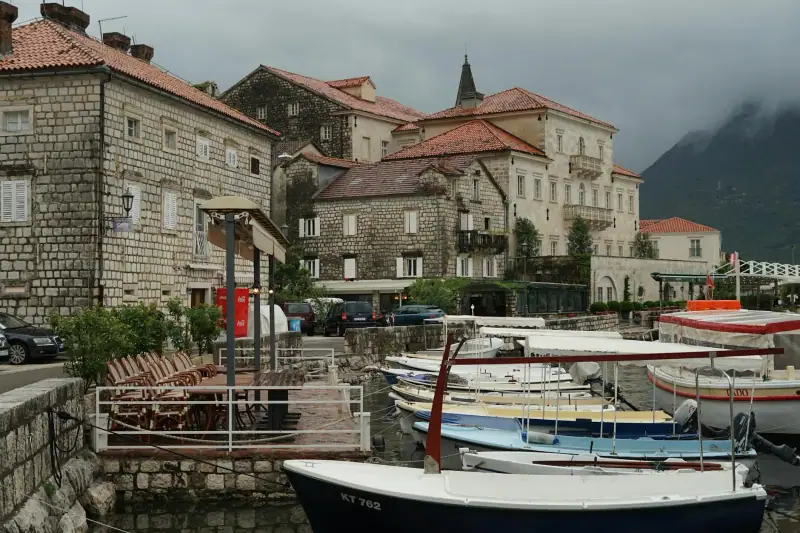
Perast is the most elegant village on the Bay of Kotor. Its 17th and 18th-century baroque palaces, built by the great captain families who made the wealth of the Republic of Venice, line an impeccable seafront promenade. The town once had several palaces, many churches and a renowned naval school. Even today the aristocratic atmosphere is palpable in every architectural detail.
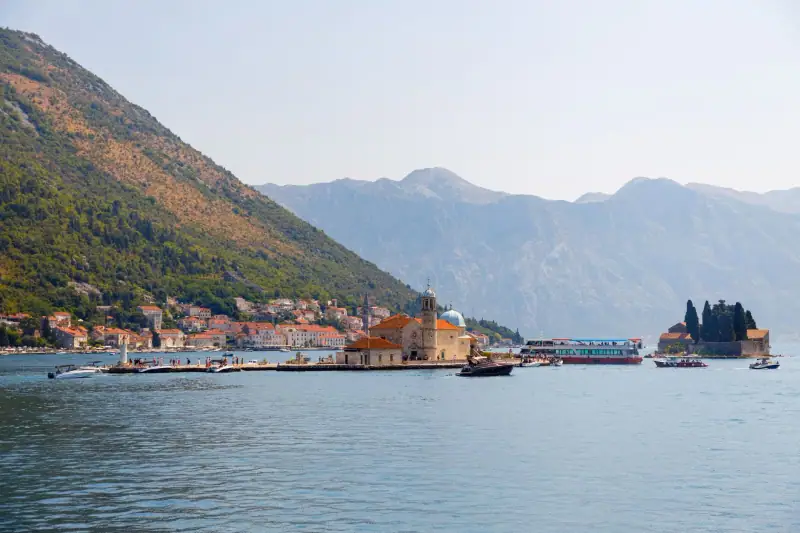
From Perast, boats shuttle (a few euros per person) to the two artificial islets visible from the shore: Our Lady of the Rocks (Gospa od Škrpjela) and St. George (Sveti Đorđe). The first, built from the 15th century on an artificial islet piled up stone by stone by local sailors, holds a baroque church whose interior is entirely covered in silver votive plaques. Tradition says that every year on July 22, the people of Perast lay a new stone there during a boat procession.
Risan and the Roman mosaics
Risan, about 18 km (11 mi) from Kotor by road (the bay forces a detour around the fjord), is the oldest town on the Bay of Kotor, with traces of settlement going back to Illyrian and Roman antiquity. Its main attraction: the Roman mosaics (2nd to 3rd century AD) discovered under an ancient villa, the most famous of which depicts Hypnos, god of sleep. The mosaics are remarkably well preserved and open to the public (paid entry, a few euros).
The Luštica peninsula
More isolated, the Luštica peninsula extends between the Boka bay and the open sea, southwest of Kotor. It offers little-known wild beaches (Žanjice beach, Mirišta beach), almost untouched fishing villages and views over the entrance to the Bay of Kotor. A car is essential to explore it.
Car rental to explore the Bay of Kotor
Perast, Risan, Herceg Novi, the Luštica peninsula: with a car, all of the Bay of Kotor opens up to you from Kotor.
Getting to Kotor
By air
Tivat Airport (TIV) is the closest to Kotor: about 12 km (7.5 mi), or 15 to 20 minutes by taxi or shuttle. It is the ideal gateway to the Montenegrin coast, served by several low-cost airlines in season. Podgorica Airport (TGD) is an alternative, but it is about 90 km (56 mi) from Kotor (1 h 15 to 1 h 30 by car).
Shared shuttles and taxis link Tivat to Kotor. In season, water-taxi connections exist between Tivat and Kotor (more picturesque, a bit longer).
By bus
Kotor has a bus station outside the walls, on the north side. Regular buses link Kotor to Budva (about 30 to 40 min, €2 to 3, or about $2 to 3), Podgorica (about 1 h 30 to 2 h, €5 to 8, or about $6 to 9) and Herceg Novi (about 50 to 70 min, €3 to 5, or about $3.50 to 6). International connections exist to Dubrovnik, Belgrade and Sarajevo, especially in high season.
By car
The road from Budva follows the coast for about 20 km (12 mi) (25 to 35 min depending on traffic in high season). From Dubrovnik, allow about 90 to 95 km (56 to 59 mi) and 1 h 30 to 2 h including the border crossing. The road from Podgorica via the E65 is about 90 km (56 mi) (about 1 h 15).
Parking: Cars are not allowed into the old town. Paid parking lots (open-air and covered) are available outside the walls, particularly on the north side and the quay side. In high season, arriving early in the morning is strongly advised.
When to visit Kotor
May and October are the most pleasant times for Kotor. Temperatures are mild (20 to 26 °C / 68 to 79 °F), the light is beautiful, café terraces are open, and the Stari Grad lanes are passable without fighting cruise groups.
June and September are also excellent, with the advantage of a sea warm enough for swimming nearby. This is tourist high season without the excesses of summer.
July-August is the cruise peak. Large cruise ships call at Kotor several times a week, which can flood the old town with several thousand extra visitors between 10 am and 5 pm. If you visit in this period, adopt the local strategy: visit early in the morning (before 9 am) or late in the afternoon (after 5 pm). The low evening light on the ramparts and the Stari Grad rooftops is the most beautiful anyway.
November to March: Kotor out of season is an experience in itself. The old town regains its absolute calm, the cats take back the squares, and the Bay of Kotor under a winter sky has something romantic and melancholy. Some hotels and restaurants close, but the places that stay open are generally the most authentic, at prices clearly below high season.
For your overall travel strategy, see our guide to the best time to visit Montenegro.
Food in Kotor
Kotor has an interesting food scene, as long as you steer away from the photo-menu restaurants aimed at passing tourists. The konobas (traditional taverns) of the old town serve the classics of Montenegrin Adriatic cooking: mussels buzara (shellfish cooked with garlic and white wine), grilled fish, prsut (Montenegrin smoked ham) with sheep’s cheese and kajmak (fermented cream).
The inner lanes of the Stari Grad, away from the main routes, have the most interesting places. Look for spots frequented by locals rather than those with waiters posted at the door to hail passersby.
For a full exploration of the country’s food, read our guide to Montenegrin cuisine. Our selection of the best restaurants in Kotor details the places worth a visit.
Practical tips for visiting Kotor
Suitable shoes: The Stari Grad lanes are paved with smooth stone, and climbing the ramparts takes a minimum of physical preparation. Shoes with non-slip soles are essential.
Dress: Religious buildings (St. Tryphon Cathedral, St. Luke’s Church) require proper dress (shoulders and knees covered). Bring a shawl or a spare garment.
Water: Drinking fountains are rare inside the walls. Bring your reusable bottle, especially for the climb.
Money: The euro is used in Montenegro. ATMs are found outside and inside the old town. Most restaurants and hotels accept cards, but some small businesses prefer cash.
Early-morning visits: The light on the ramparts and the Stari Grad rooftops is especially beautiful in the first hour after sunrise. And above all, the old town is empty, a radically different experience from midday in high season.
Cruises: If you arrive by sea, your ship lets you off right on the quay in front of the walls. Enjoy it, but know that your fellow passengers will do the same, so plan accordingly.
To choose your lodging, see our guide “Where to stay in Kotor”, which details the best areas and places to stay for your budget.
Flights to Tivat, the gateway to Kotor
Tivat Airport is 15 minutes from Kotor. Compare flights to find the best fare.
Kotor on your Montenegro itinerary
Kotor is ideally placed for branching out across Montenegro. A few ideas:
- Kotor + Budva (2 days): The two most visited towns in the country, 20 km (12 mi) apart. Combine Kotor’s historical depth with the beach energy of Budva.
- Kotor + Cetinje (1 day): The road climbing from Kotor to Cetinje crosses Lovćen National Park and offers spectacular views of the Bay of Kotor from the Krstac pass.
- Montenegro road trip (7 to 10 days): Kotor is the ideal starting point for a Montenegro road trip covering the coast, Lake Skadar, Cetinje and the mountainous north around Žabljak.
Kotor is a town you earn and savor. Its Stari Grad is small enough to be tamed in a few hours, but rich enough to fill several days if you want to take in all its nuances. The Bay of Kotor around it adds exceptional depth: villages of Venetian captains, Roman mosaics, votive islets, a territory with no equivalent on the Adriatic. And the cats, always, a reminder that Kotor is above all a living town.
Frequently asked questions
How long does it take to visit Kotor?
A full day is enough to see the Old Town and climb to the ramparts and San Giovanni Fortress. Two days let you explore the villages of the Bay of Kotor (Perast, Our Lady of the Rocks, Risan) and enjoy the center without rushing. If you want to branch out to Budva, Lake Skadar and Herceg Novi, plan Kotor as a base for 3 to 4 days.
How much does it cost to enter Kotor's ramparts?
Entry to the ramparts and San Giovanni Fortress is generally paid in season (usual price around €8, or about $9, per adult, free for young children). Check current prices at one of the Old Town gates before entering. Out of season (November to March), access is often free.
Can you visit Kotor as an excursion from Dubrovnik?
Yes. The distance between Dubrovnik and Kotor is about 90 km (56 mi) (1 h 30 to 2 h by car, border crossing included). Many organized excursions from Dubrovnik include Kotor in the day. With a rental car, the road follows the Croatian coast and then drops into the Bay of Kotor, one of the most beautiful drives on the eastern Adriatic.
Is Kotor more beautiful than Dubrovnik?
The comparison is common but the two towns are very different. Kotor is more intimate and less touristy than Dubrovnik: its lanes are narrower, its cats are everywhere, and the natural setting of the Bay of Kotor (often called 'the fjord of the Balkans') is unique in the Mediterranean. Dubrovnik is bigger, more renovated and more emblematic. Kotor draws those seeking authenticity; Dubrovnik those who want the spectacle. Both deserve a visit.
Is Kotor crowded in summer?
Yes. In July and August, Kotor receives many cruise ships a week, which can concentrate thousands of visitors in the Old Town in the middle of the day. The local strategy is simple: arrive at opening time (8 to 9 am) or after 5 pm to avoid the groups. The ideal period remains June and September.
What are the cats of Kotor?
Kotor is known for its colony of cats that has lived in the Old Town for centuries. According to local tradition, sailors brought cats aboard to fight rats on ships, and the cats settled in the Old Town. Today, several shelters and associations protect these cats. There is even a Cats Museum in Kotor (Muzej Mačaka) in the Stari Grad.
Do you need a car to visit Kotor?
The Old Town can be seen entirely on foot. To explore the villages of the Bay of Kotor (Perast, Risan, Herceg Novi) or reach Budva and the rest of the country, however, a car is recommended. Buses link Kotor to Budva, Podgorica and the main towns, but service is infrequent to the isolated villages of the fjord.
More Montenegro guides
Keep reading
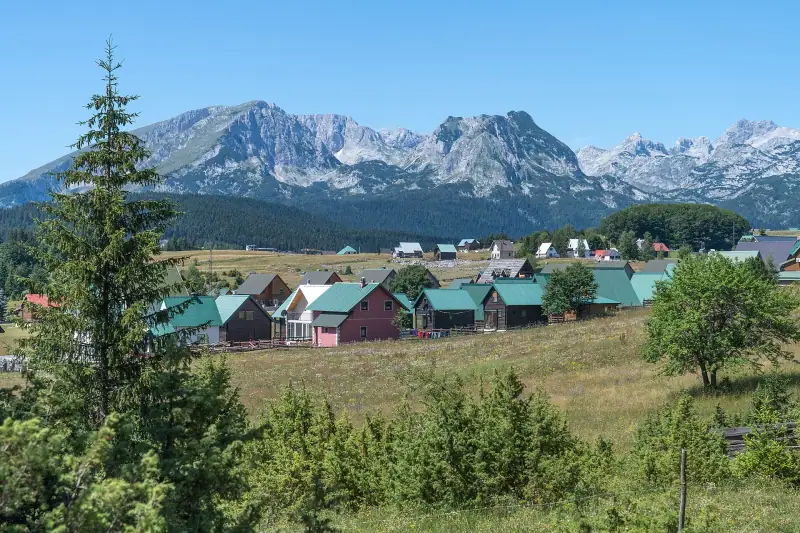
Visit Žabljak: A Complete Guide to the Capital of Durmitor
Žabljak, gateway to Durmitor: Black Lake, hiking, Tara canyon, skiing and wild nature. A complete guide for your stay in the Montenegrin mountains.
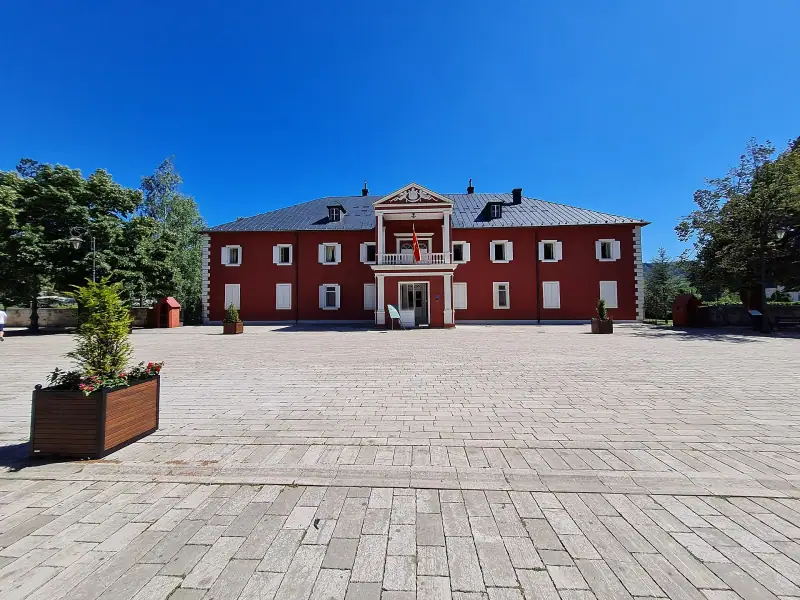
Visit Cetinje: A Complete Guide to Montenegro's Old Royal Capital
Cetinje, former royal capital of Montenegro: monastery, royal palaces, museums and the switchback road from Kotor. A practical guide for a day trip.
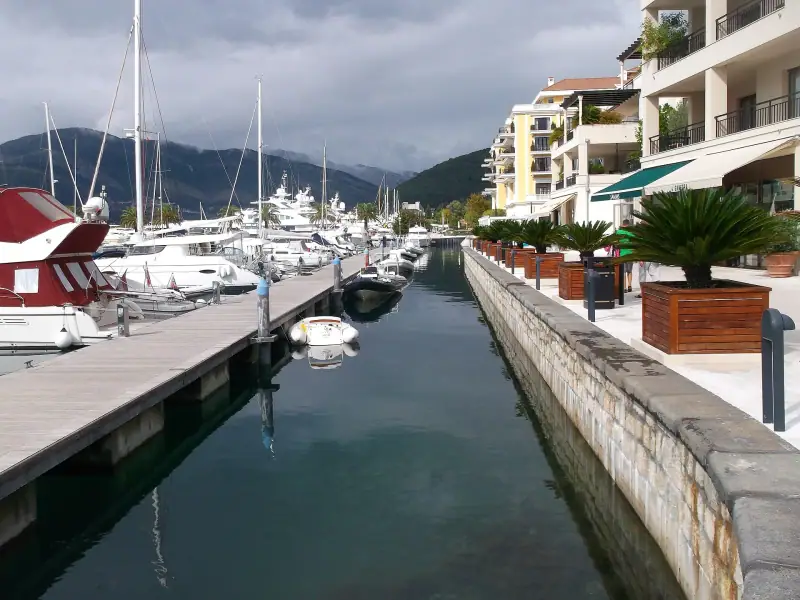
Visit Tivat: A Complete Guide to the Town of Porto Montenegro
A complete guide to Tivat, Montenegro: Porto Montenegro, beaches, the airport, activities and practical tips for a successful stay on the Adriatic coast.
Ready-made
Montenegro itineraries
5 days
Montenegro in 5 Days Without a Car: A Realistic Itinerary
KotorBudvaKotor
3 days
3 Days in the Bay of Kotor: A Complete Itinerary
3 days in the Bay of Kotor: medieval Kotor, Perast, Our Lady of the Rocks, Herceg Novi. A practical day-by-day guide to the Montenegrin fjord.
14 days
Montenegro Road Trip: A Complete 10 to 14 Day Itinerary
Plan your Montenegro road trip with this complete itinerary. Coast, mountains, lakes and medieval towns in 10 to 14 days of freedom.