What to see
Visit Žabljak: A Complete Guide to the Capital of Durmitor
We may earn a commission when you book through links on this page, at no extra cost to you. We don't visit or try the places we cover: we summarize published sources. How we work
In short
- At 1,456 m (4,777 ft), Žabljak is described as the highest town in the Balkans and the base for Durmitor National Park, Black Lake and the Tara canyon.
- Plan 2 to 3 days minimum, 4 to 5 for rafting and long hikes. Park entry is €5 (about $6) per person per day.
- Bobotov Kuk (2,523 m / 8,278 ft) is a 7 to 8 hour hike best done July to September; the Black Lake loop (3.5 km / 2.2 mi) is easy.
- A car is strongly recommended. Podgorica is 150 km (93 mi), about 2 h 30; there is one daily bus from Podgorica (3 h, €10 to 12, or about $12 to 14).
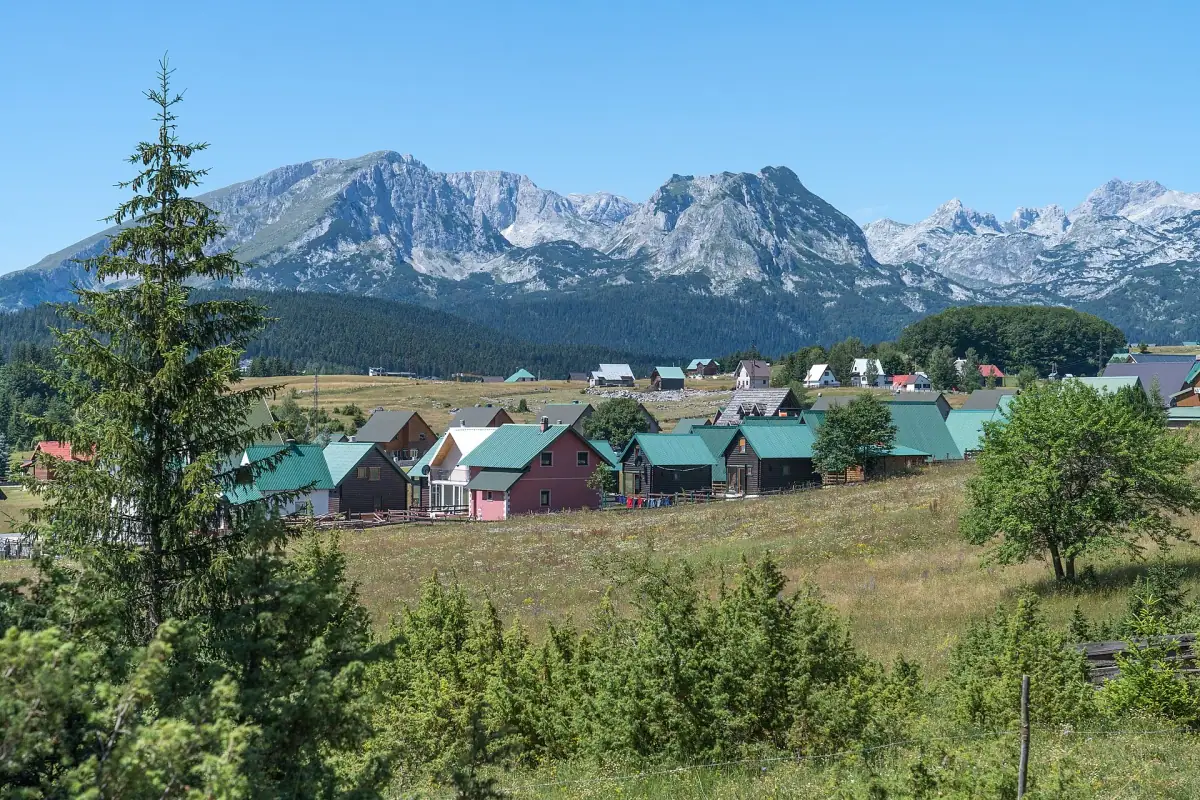
Žabljak. The name sounds like a password for insiders. At 1,456 meters (4,777 ft), this small town of 3,000 inhabitants is officially the highest town in the Balkans, and probably one of the best placed for reaching wild, unspoiled nature in the whole region. Gateway to Durmitor National Park, a UNESCO World Heritage Site since 1980, Žabljak is not a beach destination. It is a mountain base, a base camp for hikers, kayakers and anyone who wants to see Montenegro from somewhere other than a crowded beach.
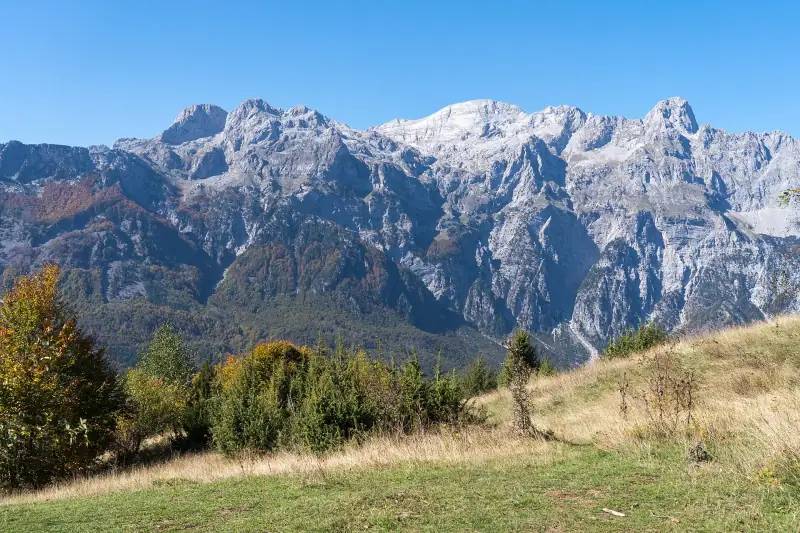
Here, the air smells of fir trees. The peaks exceed 2,500 meters (8,200 ft). The Tara canyon, a few kilometers away, is one of the deepest in Europe. And Black Lake reflects the sky and mountains in almost total silence. Here is everything you need to know to visit Žabljak.
Durmitor National Park
Durmitor National Park covers 39,000 hectares (about 96,000 acres) of mountains, primeval forests, glaciers and lakes. Created in 1952, it was added to the UNESCO World Heritage list in 1980, after being listed as a biosphere reserve in 1977. The Durmitor massif has 48 peaks above 2,000 meters (6,560 ft), including Bobotov Kuk (2,523 m / 8,278 ft), the highest point in Montenegro.
The park shelters exceptional biodiversity: brown bears, wolves, lynx, chamois, golden eagles and a hundred butterfly species. The black pine (Pinus nigra) forests are among the oldest in Europe, with some trees over 400 years old.
Park entry fee: €5 (about $6) per person per day. Free for children under 7. The ticket is checked at the start of the Black Lake trail. If you stay in the park, a weekly pass (€15, about $17) is often a better deal.
Recommended gear: even in summer, temperatures can drop to 5 to 8 °C (41 to 46 °F) at night. Bring a waterproof jacket, hiking shoes and a windbreaker, even for a simple walk around the lake.
Black Lake (Crno Jezero)
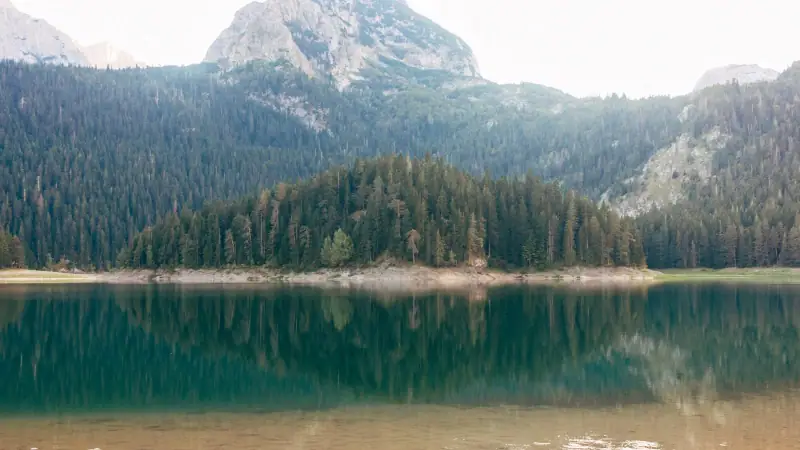
Black Lake is Žabljak’s emblem. Located at 1,416 m (4,646 ft), 2 km (1.2 mi) from the town center, it owes its name to the dark color its waters take when the conifer forests are reflected in them. The lake actually consists of two basins linked by a narrow channel, the Big Lake (Veliko jezero, 8 ha / 20 acres) and the Little Lake (Malo jezero, 2 ha / 5 acres), which merge into a single body of water during spring floods.
The loop around the lake (about 3.5 km / 2.2 mi, almost no elevation gain) is one of the most beautiful and accessible walks in Montenegro. It follows the shores through a forest of fir and centuries-old beech, with changing views of the surrounding massifs; the walls of Medjed (2,287 m / 7,503 ft) and Bandijerna (2,250 m / 7,382 ft) dominate the landscape.
Practical tips:
- Arrive early in the morning (before 9 am) to avoid the groups and enjoy the reflections on the water.
- Swimming is banned in Black Lake (ecosystem protection).
- A small kiosk at the entrance sells drinks and snacks. No restaurant directly on the shore.
- In May-June, white water crowfoot covers part of the lake’s surface, a rare sight.
Stays in Žabljak
Mountain chalets, guesthouses and hotels near the national park.
Hiking in Durmitor
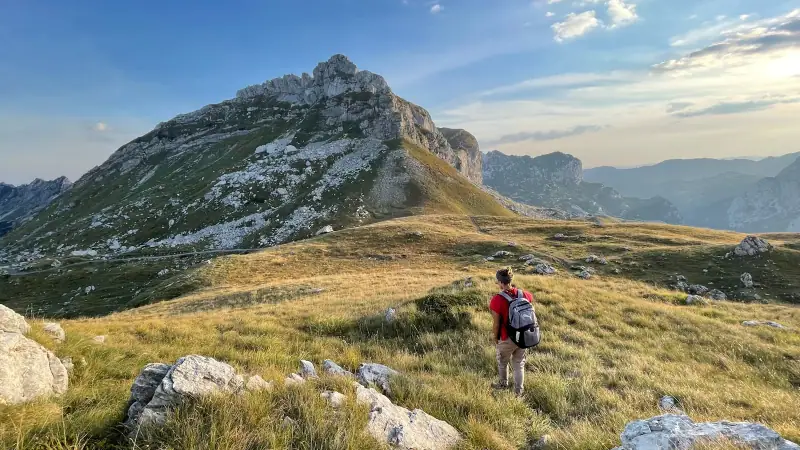
Durmitor is a paradise for hikers. About fifty marked trails cross the park, from a 1-hour family path to multi-day treks. Here are the main options by level.
Bobotov Kuk (2,523 m / 8,278 ft): hard
This is the Durmitor hike. Bobotov Kuk is the roof of Montenegro. The start is at the Štuoc hut (1,850 m / 6,070 ft), reachable by car from Žabljak in 20 min. From there the trail climbs through scree and rocky gullies to the summit, marked by a metal cross.
Technical data: 12 km (7.5 mi) round trip, 700 m (2,300 ft) of elevation gain, 7 to 8 h. Level: experienced. Recommended period: July to September (snow possible until June). Bring water (2 liters minimum) and a meal.
In good weather, the view from the summit takes in nearly all of Montenegro: the Adriatic coast to the southwest, the Albanian and Serbian massifs to the east, the Tara canyon to the north.
The glacial lakes loop: moderate
Durmitor has 18 glacial lakes, many reachable on foot from Žabljak. The “Šareni Pasovi” loop links several of them in a day (15 km / 9.3 mi, 5 to 6 h, 500 m / 1,640 ft of elevation gain). Among the most beautiful: Zminje Lake (1,480 m / 4,856 ft), Jablan Lake and Barno Lake.
The Black Lake loop: easy
Ideal for families and beginner walkers. 3.5 km (2.2 mi), 1 h 30, almost no elevation gain. Excellent marking, wide and well-kept path. Start from the Black Lake parking lot (2 km / 1.2 mi from the center of Žabljak).
Outdoor activities in Durmitor
Guided hikes, climbing, mountain biking and organized snowshoe tours.
The Tara canyon and rafting
About twenty kilometers (12 mi) from Žabljak, the canyon of the Tara River is one of the deepest in Europe, 1,300 meters (4,265 ft) deep on some stretches. In 1977, the Tara River and its canyon were added to the UNESCO World Heritage list, along with Durmitor park.
The Đurđevića Tara Bridge
Twenty kilometers (12 mi) from Žabljak, this concrete bridge, 365 meters (1,198 ft) long and 172 meters (564 ft) high, spans the Tara canyon in a spectacular curve. Built in 1940, it is one of the most photographed monuments in Montenegro. A zip line crosses the canyon from one of the bridge’s arches (€20 to 25, about $23 to 29, book there or online).
A stop at the Đurđevića Tara Bridge fits easily into a road trip in Montenegro between the coast and the mountains.
Rafting on the Tara
Rafting on the Tara is one of the most intense experiences in Montenegro. The river has sections for all levels, from gentle family floating to class IV rapids for thrill seekers. The season runs from April to October, with the liveliest water in spring (May-June, snowmelt).
Our guide to rafting on the Tara details the agencies, prices and the different sections available.
Skiing in Žabljak (Savin Kuk)
Žabljak is not only a summer mountain. The Savin Kuk ski resort (up to 2,213 m / 7,260 ft) is Montenegro’s main winter sports resort. It has 2 two-seater lifts, 3 surface lifts (one lit for night skiing) and about 4.6 km (2.9 mi) of slopes: a modest area, to check with the tourist office before you go.
Season: December to March, sometimes early April. Natural snow cover is generally excellent; Žabljak gets an average of 5 meters (16 ft) of snow a year.
Lift passes: about €12 to 15 (about $14 to 17) a day (prices to confirm with the resort). Equipment rental is available there (full ski or snowboard set: €15 to 20, or about $17 to 23, a day). The mood is friendly and lines are rare compared with Alpine resorts.
Cross-country skiing and snowshoeing: Nordic ski trails (15 km / 9.3 mi) crisscross the national park. Snowshoe tours are offered by several local agencies (€30 to 50, about $35 to 58, with a guide).
Where to eat in Žabljak
The food in Žabljak is hearty, suited to the mountain climate. Grilled meats, local cheeses, lamb stews and polenta make up the base of the menu in most konobas (traditional restaurants).
Specialties to try:
- Kačamak: Montenegrin polenta mixed with kajmak (fermented cream) and potatoes. The classic mountain dish.
- Jagnjetina ispod sača: lamb cooked very slowly under a bell covered in embers for 3 to 4 hours. Tender and fragrant.
- Cicvara: cornmeal porridge with melted kajmak. Rich and filling. To avoid confusing it with kačamak, see kačamak or cicvara: the difference and where to eat them.
- Sheep’s cheeses: the Durmitor mountain pastures produce fresh and aged cheeses sold directly by shepherds.
- Proja: cornbread served with fresh cheese or kajmak.
Restaurants to try:
- Konoba Stari Mlin: the local reference for mountain cooking, rustic wooden setting, generous portions.
- Restaurant Nacional: overlooking Black Lake, traditional cooking with an open view of the massifs.
- Ranč Durmitor: on the edge of town, specializing in oven-roasted lamb and grills.
To go deeper into the country’s flavors, our guide to Montenegrin cuisine lists the regional specialties.
Car rental in Montenegro
Essential for reaching Žabljak and exploring Durmitor at your own pace.
Where to stay in Žabljak
Lodging in Žabljak has grown a lot in recent years, driven by the rising popularity of mountain tourism.
Chalets and cottages
The most popular option: wooden chalets in the park’s forests or on the edge of town. Some have a sauna or fireplace, perfect for cool evenings. Expect €60 to 120 (about $70 to 139) a night for a 4-person chalet.
Guesthouses
Žabljak has about ten small family guesthouses, often run by residents. Warm welcome, hearty breakfasts (local cheese, honey, eggs, cornbread). Rates: €25 to 50 (about $29 to 58) a night for a double room.
Hotels
A few mid-size hotels (2 to 4 stars) are located in the town center or near the lake. The newest have a spa and an indoor pool.
Indicative budget:
- Hostel dorm: €12 to 18 (about $14 to 21) a night
- Room in a family guesthouse: €25 to 50 (about $29 to 58) a night
- Private chalet (2 to 4 people): €60 to 120 (about $70 to 139) a night
- 3 to 4-star hotel with spa: €80 to 150 (about $93 to 174) a night
Book ahead in July-August (summer season) and January-February (ski season): supply is limited and demand is high.
Getting to Žabljak
By car (recommended)
A car is the most practical way to reach Žabljak and explore Durmitor. From Montenegro’s main towns:
- From Podgorica: 150 km (93 mi), about 2 h 30. Scenic road via Nikšić or Kolašin.
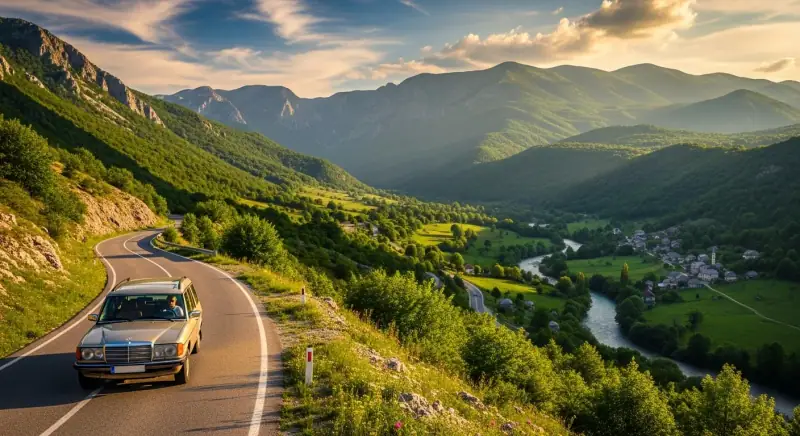
- From Kotor: about 180 km (112 mi), 3 h 30. Spectacular route via the Morača gorges.
- From Budva: 200 km (124 mi), 3 h. Same route as from Kotor.
- From Dubrovnik: 250 km (155 mi), 4 h. Crossing the Bosnian border is possible.
Mountain roads are in good condition but winding. In winter, snow chains may be required on some stretches (signs indicate it).
By bus
A daily bus links Podgorica to Žabljak (3 h, €10 to 12, or about $12 to 14). A few seasonal services run from Kotor and Budva in summer. Žabljak’s bus station is in the town center.
From the airport
The nearest airport is Podgorica (TGD), 150 km (93 mi) away. By taxi or shuttle from Podgorica: €80 to 100 (about $93 to 116). By public bus, you have to transit through Podgorica (bus station).
Flights to Montenegro
Compare fares to Podgorica (TGD) or Tivat (TIV), Montenegro's two airports.
When to visit Žabljak
Žabljak is a four-season destination, but each period has its strengths.
June and July: summer is the ideal hiking season. Snow has melted on most trails (except the highest), the glacial lakes are at their maximum level, the meadows are covered in alpine flowers. Days are long (sunrise at 5 am, sunset at 9 pm). July is the busiest season.
August: hot on the coast, but pleasant at altitude (20 to 25 °C / 68 to 77 °F in the day, 8 to 12 °C / 46 to 54 °F at night). Ideal for combining beach and mountains in a single Montenegro trip.
September and October: the golden season. The vegetation takes on spectacular autumn colors, the crowds disperse, hikes are cool and hotels are cheaper. October can see the first snow at altitude.
December to March: ski season. The Savin Kuk resort is open, the mood is Alpine and warm. Some guesthouses and restaurants close out of season, but the essentials stay accessible.
Avoid November: the transition season, between the closing of the lifts and the opening of the ski season. Many businesses close and the weather is often gray.
Practical tips
Altitude: At 1,456 m (4,777 ft), altitude can affect sensitive people. Ask your doctor or a travel clinic, and see the official travel health pages (CDC in the US, TravelHealthPro in the UK).
Fickle weather: In the mountains, the weather can change in 30 minutes. Even on a fine morning, set out hiking with a waterproof jacket and a windbreaker in your pack.
Drinking water: Tap water is drinkable in Žabljak. The fountains in the national park provide fresh, pure spring water.
Money: The euro is the official currency. Žabljak has a few ATMs in the town center. Small shops, sheepfolds and kiosks in the park take cash only.
Phone and internet: Network coverage is good in town, more patchy in the park. Download offline maps (Maps.me or AllTrails) before heading out on a hike.
Wildlife: Durmitor is home to bears and wolves. Encounters are rare, but when hiking make some noise so as not to surprise an animal. Do not feed wild animals and keep your distance.
Camping: Wild camping is banned in the national park. Several developed campgrounds are available on the edge of the park (€10 to 15, about $12 to 17, a night for a tent pitch).
Žabljak is the antithesis of the Montenegrin Adriatic coast. No summer crowds, no yachts at anchor, no beach nightclubs. Just peaks, forests, glacial lakes and air that stings the lungs in the best way. For travelers who want to understand the deep soul of Montenegro, a country where the mountain is more present than the sea in the national identity, Žabljak is a stop you should not skip.
To fit Žabljak into a full tour of the country, see our 7-day Montenegro itinerary. And to prepare your budget, our Montenegro budget guide will give you all the up-to-date price ranges.
Frequently asked questions
Is Žabljak worth the detour?
Absolutely. Žabljak is one of Montenegro's most spectacular destinations. At 1,456 m (4,777 ft), it is the highest town in the Balkans, and it gives access to Durmitor National Park, Black Lake and the Tara canyon. A highlight for nature and hiking lovers.
How long should you plan in Žabljak?
2 to 3 days minimum to enjoy the national park, Black Lake and a high-altitude hike. 4 to 5 days if you want to go rafting on the Tara, do long hikes and explore the surroundings at your own pace.
How do you get to Žabljak from Kotor or Budva?
Žabljak is about 180 km (112 mi) from Kotor, roughly 3 h 30 by road (sources give 172 to 190 km). A car is strongly recommended: the mountain roads are winding but very beautiful. A daily bus leaves from Podgorica (3 h, €10 to 12, or about $12 to 14).
Can you visit Žabljak in winter?
Yes. Žabljak is also a ski resort (Savin Kuk, up to 2,213 m / 7,260 ft). The season runs from December to March. In winter, snow depth can exceed 2 meters (6.5 ft) and the town is quieter. The trails remain open to snowshoe hikers.
Is Black Lake a paid site?
Access to Black Lake (Crno jezero) is included in the Durmitor National Park entry fee. Expect €5 (about $6) per person per day. This fee gives access to the lake trail and the marked areas of the park.
What is the best hike from Žabljak?
The Bobotov Kuk loop (2,523 m / 8,278 ft, the highest point in Montenegro) is Durmitor's emblematic hike. Allow 7 to 8 hours round trip from the Štuoc hut. More accessible, the Black Lake loop (3.5 km / 2.2 mi, 2 h) is ideal for families.
More Montenegro guides
Keep reading
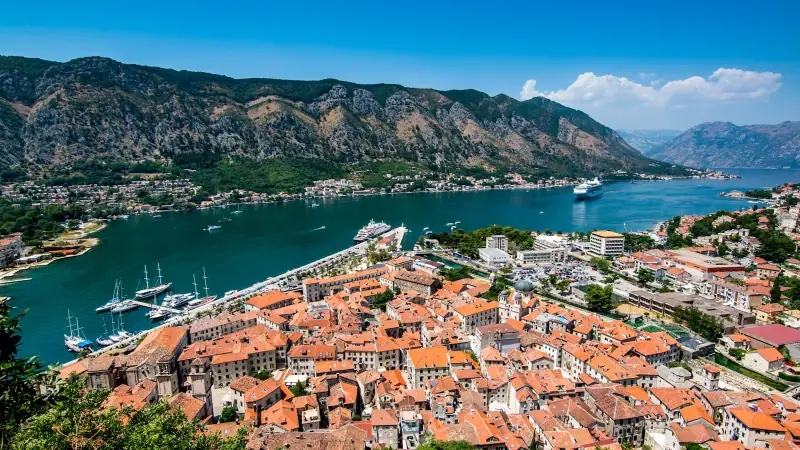
Visit Kotor: A Complete Guide to the UNESCO-Listed Old Town
Kotor, medieval jewel of the Bay of Kotor: ramparts, cathedral, legendary cats and the Montenegrin fjord. Everything you need to plan your visit.
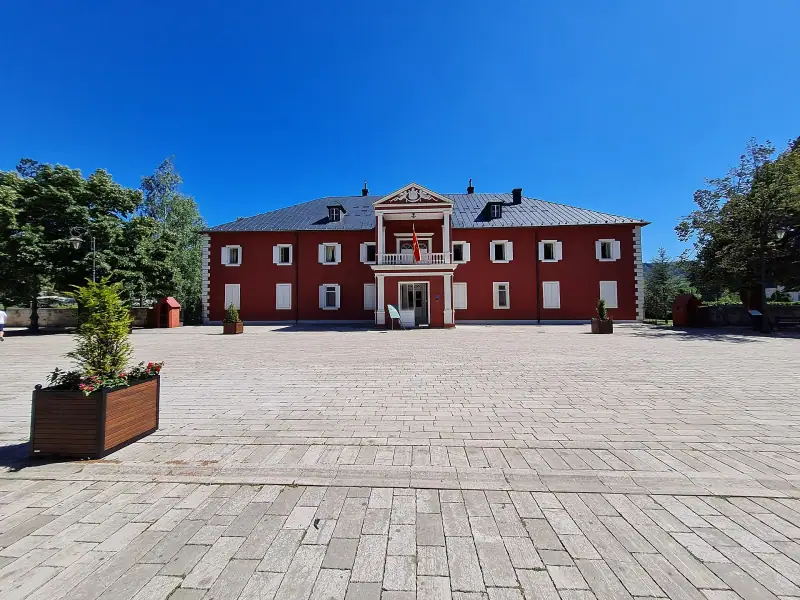
Visit Cetinje: A Complete Guide to Montenegro's Old Royal Capital
Cetinje, former royal capital of Montenegro: monastery, royal palaces, museums and the switchback road from Kotor. A practical guide for a day trip.
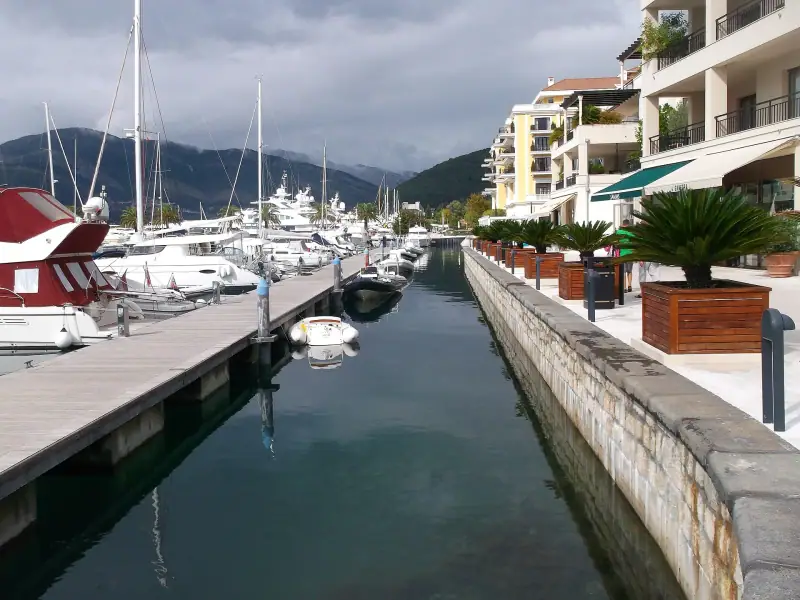
Visit Tivat: A Complete Guide to the Town of Porto Montenegro
A complete guide to Tivat, Montenegro: Porto Montenegro, beaches, the airport, activities and practical tips for a successful stay on the Adriatic coast.
Ready-made
Montenegro itineraries
5 days
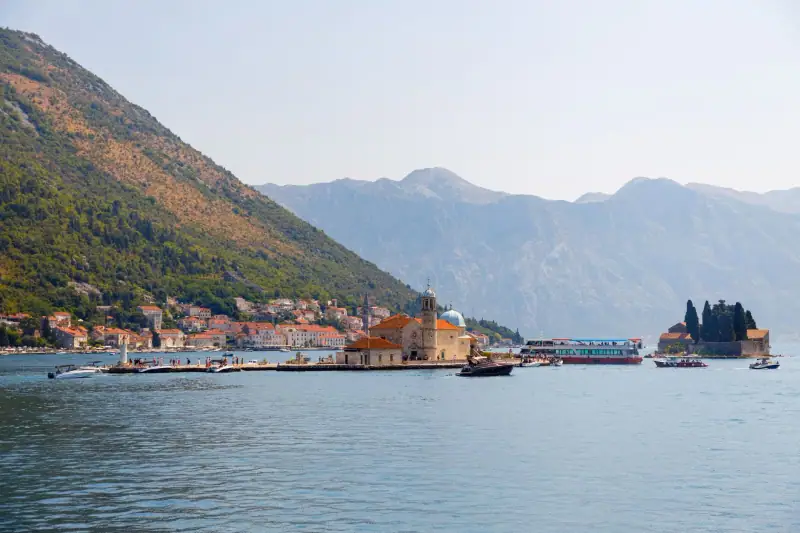
Montenegro in 5 Days Without a Car: A Realistic Itinerary
KotorBudvaKotor
3 days
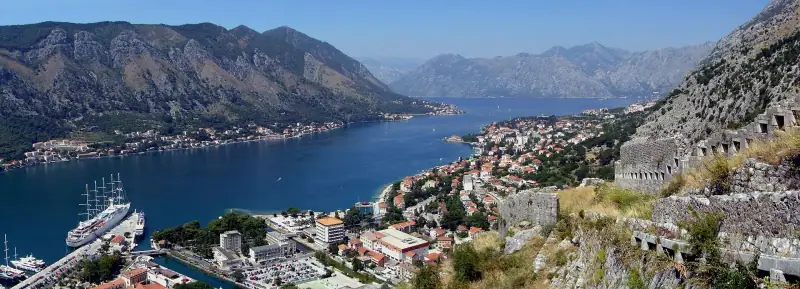
3 Days in the Bay of Kotor: A Complete Itinerary
3 days in the Bay of Kotor: medieval Kotor, Perast, Our Lady of the Rocks, Herceg Novi. A practical day-by-day guide to the Montenegrin fjord.
14 days
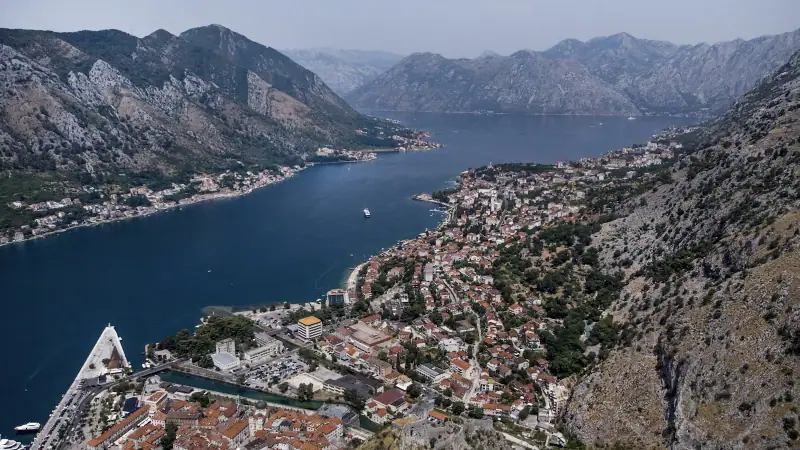
Montenegro Road Trip: A Complete 10 to 14 Day Itinerary
Plan your Montenegro road trip with this complete itinerary. Coast, mountains, lakes and medieval towns in 10 to 14 days of freedom.