What to see
Visit Budva: A Complete Guide to the Pearl of the Montenegrin Adriatic
We may earn a commission when you book through links on this page, at no extra cost to you. We don't visit or try the places we cover: we summarize published sources. How we work
In short
- Two to three days cover the Old Town (Stari Grad), the main Riviera beaches and a trip to Sveti Stefan or Kotor; allow a week to explore the whole Budva Riviera.
- June and September are ideal: sea at 24 to 26 °C (75 to 79 °F) and far fewer crowds than July and August, when prices can double or triple.
- A full meal at a local restaurant costs about €10 to 18 (about $12 to 21) per person; Kotor is 20 km (12 mi) away, 25 to 35 min by car.
- Tivat Airport (TIV) is about 22 km (14 mi) from Budva, 30 to 40 min by car or taxi; Podgorica (TGD) is about 65 km (40 mi) away.
Budva is the town that packs everything Montenegro has to offer into a few square kilometers: a medieval old town set on a rock between two coves, pebble and sand beaches stretching over 35 km (22 mi) of Riviera, and a nightlife that makes it one of the liveliest party spots in the Balkans. With fewer than 20,000 year-round residents and several hundred thousand tourists every summer, Budva is the undisputed tourist capital of Montenegro.
Founded, according to tradition, by the Phoenicians more than 2,500 years ago (around the 5th century BC according to archaeological digs), and passed through the hands of Rome, Byzantium, Venice and the Ottoman Empire, the town carries fifteen centuries of history in its walls. Its Stari Grad, the old town, is one of the best-preserved historic centers on the eastern Adriatic, comparable to Dubrovnik or Kotor, but more accessible, livelier and less saturated with organized groups (at least outside July and August).
This guide gives you all the bearings to enjoy Budva at its best, whether you come for the beach, culture, food or simply to understand why this small town became, in a few decades, the beating heart of Montenegrin tourism.
The Stari Grad: Budva’s Old Town
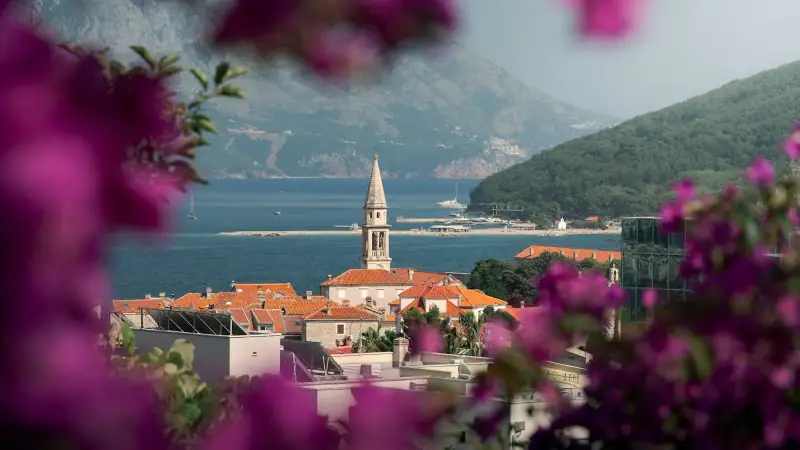
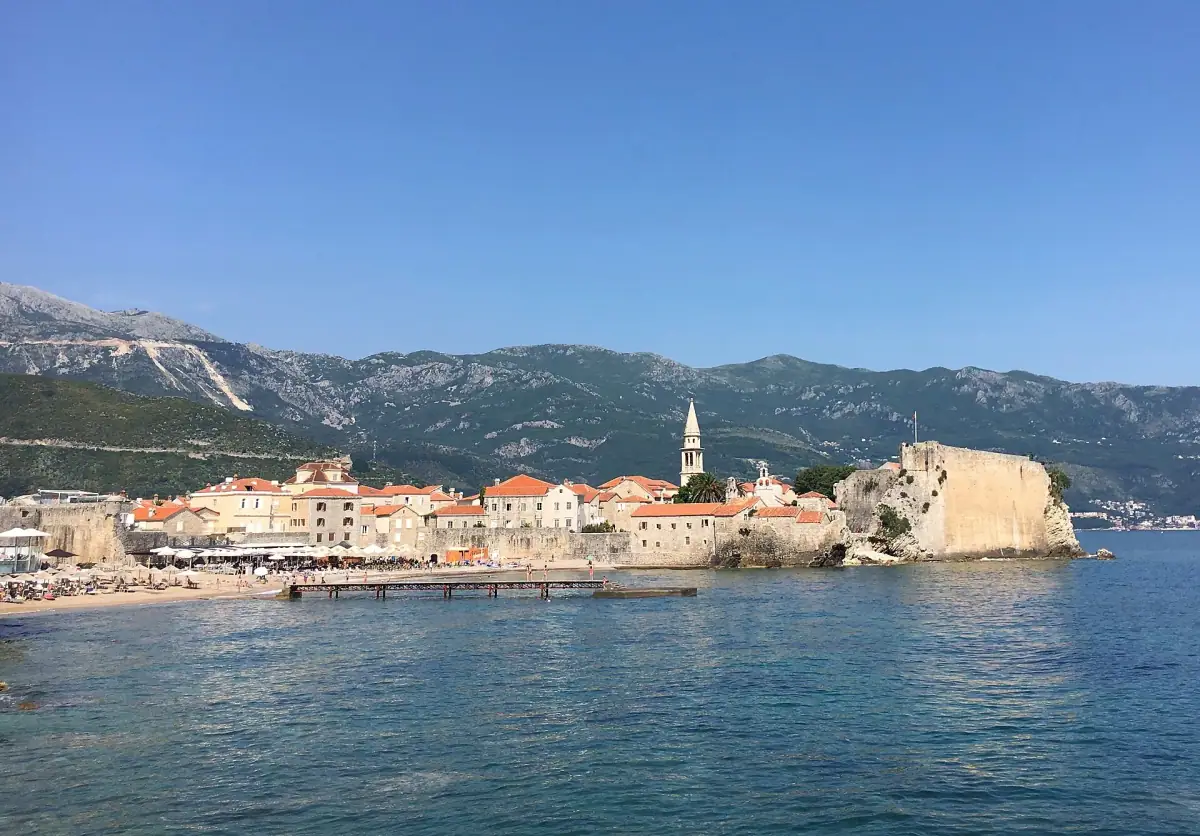
The Stari Grad (old town in Montenegrin) is Budva’s first stop. This fortified peninsula juts into the Adriatic, surrounded by Venetian walls dating largely from the 15th to 18th centuries, rebuilt after the devastating 1979 earthquake that leveled much of the old town.
Entering the Stari Grad through the main gate (Porta Terraferma) on the land side means stepping into a labyrinth of cobbled lanes, ochre stone houses and shaded squares. The space is compact, about 400 meters long by 200 wide (1,310 by 655 ft), but every corner holds something: a small Orthodox church, a craftsman’s workshop, a terrace with a sea view.
The citadel and the ramparts
The Budva Citadel (Citadela), at the southern tip of the peninsula, is the town’s most sought-after viewpoint. Built in the 14th and 15th centuries and strengthened under Venetian rule, it has served as a fortress, a prison and a granary. Today it houses a small collection of old weapons and a maritime library, but it is mostly its terraces that are worth the detour: 360° views over the Adriatic, the nearby islets and the mountains of the hinterland.
The walk along the ramparts that ring the old town is reached from the citadel. The wall walk offers plunging views of the beaches of Ricardova Glava and Mogren on one side, and the orange roofs of the Stari Grad on the other.
Citadel admission: Generally a few euros per adult, with a combined ticket with the ramparts available in season. Opening hours vary by period.
The churches of the Stari Grad
The old town has several small churches that reflect the mix of cultures that shaped Budva. St. Ivan’s Church (Crkva Svetog Ivana), in the middle of the Stari Grad, is the largest: its origins go back to the 7th century, and in its present form it dates from the 15th century. It holds the Madonna in Punta (Gospa od Pojasa), a Byzantine icon venerated by both Catholics and Orthodox. Santa Maria in Punta (Sveta Marija in Punta), at the southwest tip of the peninsula, is one of the oldest buildings in town.
Guided tours of Budva and the Riviera
Old town, boat trips to Sveti Stefan, a tour of the Riviera: local guides take you to discover the best of Budva.
Beaches of Budva and the Budva Riviera
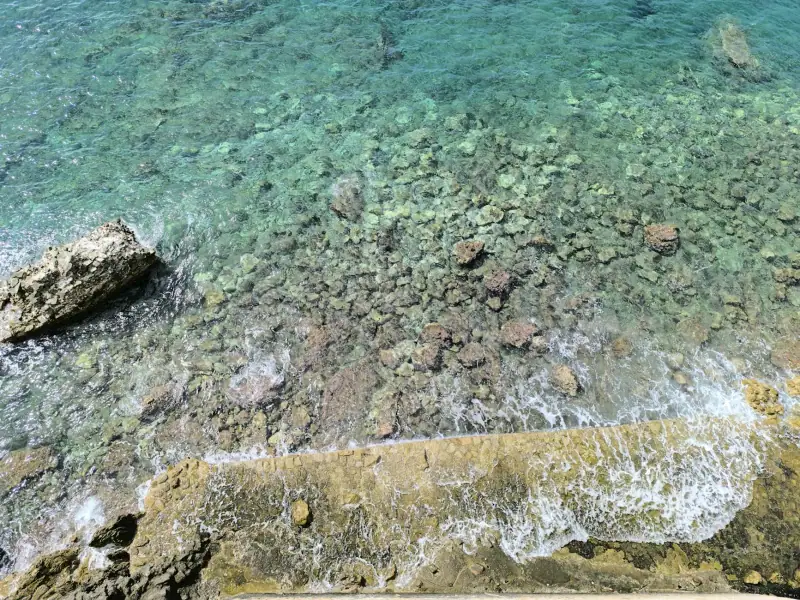
The Budva Riviera stretches about 35 km (22 mi) between Jaz in the north and Buljarica in the south, offering a succession of beaches with very different characters. Here are the main ones:
Mogren Beach
Five minutes’ walk from the Stari Grad, Mogren Beach is divided into two coves (Mogren I and Mogren II) linked by a tunnel cut through the rock. It is Budva’s most emblematic beach: small (a few hundred meters of fine pebbles), framed by cliffs covered in Mediterranean vegetation, with a direct view of the old town walls. Ideal for a swim early or late in the day, it is very busy in high season.
Ricardova Glava Beach
Just below the northern walls of the Stari Grad, Ricardova Glava is a small pebble beach reached on foot from the old town. Less known than Mogren, it offers a direct view of the fortifications and very calm water. Excellent for snorkeling along the rocks.
Bečići Beach
About 3 km (2 mi) south of Budva, Bečići is the largest sand beach on the Riviera (about 2 km / 1.2 mi long). It was awarded the title of “most beautiful beach in Europe” at an international contest in the 1930s, and the families who gather there today easily understand why: golden sand, shallow water, full facilities (umbrellas, loungers, beach restaurants, water sports). It is also one of the least crowded beaches in high season relative to its size.
Jaz Beach
About 2.5 km (1.6 mi) west of Budva, Jaz is a large sand and pebble beach known for its open-air concerts (it has hosted the Rolling Stones and other big names). Less built-up than Bečići, it keeps a wilder character with crystal-clear water. A popular campground sits behind the beach.
Sveti Stefan Beach
Six kilometers (4 mi) south of Budva, Sveti Stefan beach offers one of the most photographed panoramas in Montenegro: a medieval islet linked to land by a pinkish sand tombolo, converted into a luxury hotel (Aman Sveti Stefan). The beach to the left of the tombolo is public and free: that is where you enjoy the view of the islet while swimming. The beach to the right (Miločer) is private and paid.
Stays in Budva
Seafront hotels, apartments in the old town or resorts on the Riviera: compare the best places.
Activities in Budva and on the Riviera
Boat trips
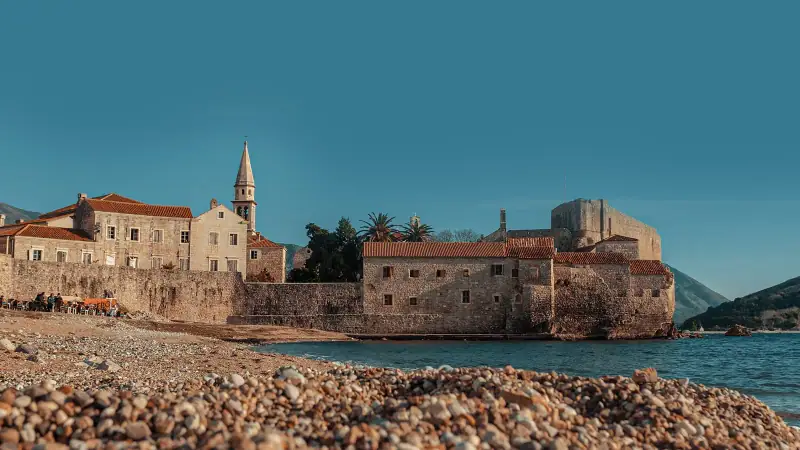
Boat trips from Budva’s harbor let you discover coves and beaches that cannot be reached on foot, and sail along the Riviera to the islet of Sveti Stefan. Outings by speedboat, catamaran or traditional boat (karaka) are offered by many operators at the port. Duration: 2 hours to a full day. Swimming, snorkeling and stops at secret beaches can be included.
Water sports
Windsurfing, kitesurfing, paddleboarding, jet skiing, parasailing: all the developed beaches of the Riviera offer water sports equipment in high season. Jaz Beach is popular for kitesurfing (steady wind in the afternoon). Snorkeling is excellent around the rocks of Mogren and Ricardova Glava.
Scuba diving
The waters off Budva hide several interesting wrecks and coral areas. Dive centers operate from Budva’s harbor and offer introductory dives as well as outings for certified divers. Our article on diving in Montenegro details the best spots in the region.
Hiking: Spas Fortress
Three kilometers (2 mi) from the center of Budva, perched on the hill above the town, Spas Fortress (Gradina Spas) is a medieval ruin reached on foot in 45 to 60 minutes. The path starts from the Podmaine district and crosses an olive grove. At the top, the panoramic view of Budva, the Riviera and the mountains of the hinterland is exceptional, and generally free of crowds.
Food in Budva
Budva, a quintessential tourist town, has a varied food scene ranging from traditional konobas to trendy restaurants with sea views. Here is what to taste and how to avoid the tourist traps.
Coastal Montenegrin must-eats
- Mussels buzara: mussels and clams cooked with garlic, white wine and parsley, an emblematic dish of the Adriatic coast. Served in every seaside konoba.
- Grilled fish: locally caught sea bream, sea bass, red mullet and mackerel, charcoal-grilled and served with blitva (Swiss chard sautéed in garlic and olive oil).
- Prsut: Montenegrin dry-cured ham, smokier than Italian prosciutto, served as a starter with sheep’s cheese and marinated olives.
- Kajmak: thick fermented cream, a staple alongside grilled meats and homemade breads.
- Priganice: soft fried dough balls, served sweet (with honey and jam) or savory (with white cheese), popular at breakfast or as a snack.
Tips for eating well in Budva
Avoid the photo-menu restaurants planted at the entrances to the Stari Grad lanes, which target tourists exclusively with high prices and mediocre quality. The best places are generally in the inner lanes of the old town or in residential districts set slightly back from the sea. Montenegrin food is hearty and cheap once you step away from the first line of the sea: a full meal (starter, main, drink) costs €10 to 18 (about $12 to 21) per person in a local restaurant.
For a full exploration of the country’s food, read our guide to Montenegrin cuisine.
Car rental to explore the Riviera
With a car, Sveti Stefan, Petrovac, Lake Skadar and Cetinje are within half a day of Budva.
Nightlife in Budva
Budva is famous throughout southeastern Europe for its summer nightlife. The town draws a young crowd from Serbia, Bosnia, Russia and all of Eastern Europe, and its clubs are among the busiest on the Adriatic.
The main street of the Stari Grad (Njegoševa Street) turns into a lively promenade from 9 pm: café-bar terraces, street musicians and groups of travelers crossing paths until the small hours. For more intense nights, several clubs open around midnight and close at dawn in July and August, mainly along the beach and on the road to Bečići.
If you travel outside high season, nightlife is much calmer, which some travelers greatly prefer for enjoying the old town in regained silence.
Getting to Budva
By air
Tivat Airport (TIV) is the closest to Budva: about 22 km (14 mi), or 30 to 40 min by car or taxi. Many European low-cost airlines serve Tivat in season. Podgorica Airport (TGD), larger, is about 65 km (40 mi) from Budva (1 h to 1 h 15 by car).
From Tivat Airport, taxis and shuttles run directly to Budva. Water-taxi connections are also available in season from Tivat’s port (faster if weather conditions allow).
By bus
Budva is well connected to Montenegro’s intercity bus network. Regular services run from Kotor (about 30 to 40 min, €2 to 3, or about $2 to 3), Podgorica (about 1 h 30, €5 to 7, or about $6 to 8), Herceg Novi and Cetinje. Budva’s bus station is about 500 meters (1,640 ft) from the Stari Grad.
International buses link Budva to Belgrade, Sarajevo, Zagreb and several other Balkan cities, especially in high season.
By car
Budva is reached from Kotor by the coastal main road (Magistrala), a 20 to 25 min drive. From Podgorica, allow about 1 h on the E65. From Dubrovnik in Croatia, the distance is about 90 to 95 km (56 to 59 mi) (2 h to 2 h 30 including the border crossing).
Watch out for parking: In July and August, parking near the old town is a real headache. Paid lots exist at the entrance to town, and it is strongly recommended to park the vehicle and get around on foot or by taxi in the central areas.
When to visit Budva
June and September are the best times: the sea is warm (24 to 26 °C / 75 to 79 °F), the sun shines almost every day, beaches are accessible without being saturated and lodging prices are noticeably below high season.
July and August are the absolute high season. Budva can host tens of thousands of tourists at once. Beaches are packed by 9 am, restaurants have waiting lists in the evening, and lodging prices can be two to three times those of spring. Worth it for those who want the maximum festive atmosphere, and to be avoided by those seeking peace and quiet.
October to May: The old town takes on a romantic, almost mysterious atmosphere out of season. Most restaurants, hotels and activity providers close between November and April. Swimming is possible until October (water around 20 to 22 °C / 68 to 72 °F). Out of season, the few lodgings and restaurants that stay open offer very low rates.
For overall advice on the timing of your trip, read our article on the best time to visit Montenegro.
Excursions from Budva
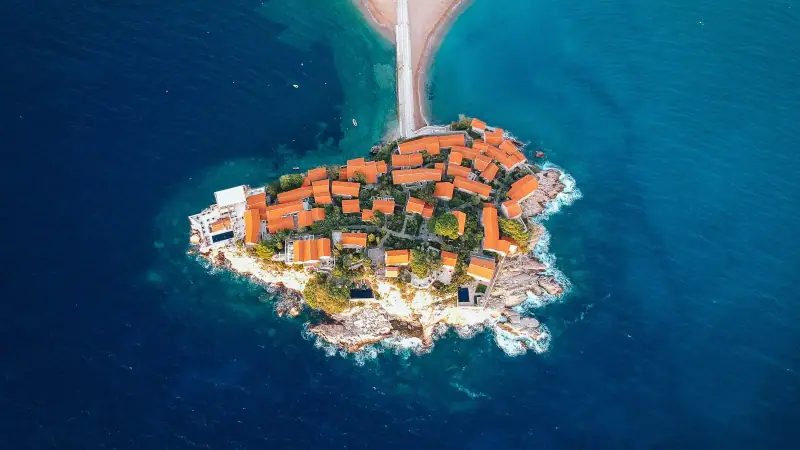
Budva’s central position on the Montenegrin coast makes it an ideal base for excursions in every direction.
Kotor and the Bay of Kotor (20 km / 12 mi)
Twenty kilometers (12 mi) to the north, Kotor and its famous Bay of Kotor make the most popular excursion from Budva. Kotor’s UNESCO World Heritage old town, the villages of Perast and Risan and the Our Lady of the Rocks islets deserve a full day. See also our guide to where to stay in Kotor if you want to spend the night there.
Cetinje and Lovćen National Park (30 km / 19 mi)
Inland, Cetinje, Montenegro’s old royal capital, is about 30 km (19 mi) from Budva. The combination of Cetinje and the Njegoš Mausoleum in Lovćen National Park is best done as a full day with a car.
Lake Skadar (45 km / 28 mi)
To the southeast, Lake Skadar, the largest lake in the Balkans, offers exceptional lake scenery with its giant water lilies, pelicans and fishing villages. At 45 km (28 mi) from Budva, it can be visited in a day or on an organized excursion.
Sveti Stefan and Petrovac (6 to 20 km / 4 to 12 mi)
On the Riviera, the islet of Sveti Stefan (6 km / 4 mi to the south) and the charming beach of Petrovac (about 17 km / 11 mi) make excellent half days or beach days away from the bustle of Budva.
Flights to Tivat and Podgorica
Tivat Airport is 30 min from Budva. Compare flights to Tivat and Podgorica.
Practical tips for visiting Budva
Best hours for the old town: Early morning (before 9 am) and late afternoon (after 5 pm) are when the light is best and the lanes quietest. In July and August, the heat and the groups make a visit unpleasant between 11 am and 4 pm.
Water and shade: In summer, the heat on the coast can exceed 35 °C (95 °F). Bring a water bottle, a cap and sunscreen. Equipped beaches rent umbrellas (generally €5 to 10, or about $6 to 12, per day for two loungers and an umbrella).
Money: The euro is Montenegro’s official currency. ATMs are plentiful in central Budva. Most restaurants and hotels accept bank cards, but some small businesses prefer cash.
Languages: Montenegrin (close to Serbian) is the official language. English is widely spoken in Budva’s hotels, restaurants and tourist activities.
Safety: Budva is generally very safe for tourists. Be watchful of your belongings on crowded beaches in high season (pickpockets). Avoid leaving valuables in a parked vehicle.
Internet: Wi-Fi is available in almost all lodgings and cafés. Local SIM cards (A1, T-Com, m:tel) give you a local data plan at a reasonable price for the length of your stay.
To prepare your overall budget, see our Montenegro budget guide. And to plan a full itinerary including Budva, our Montenegro road trip is an excellent starting point.
Budva is not the quietest or most unspoiled Montenegro, but it is the liveliest. Its medieval old town, range of beaches, summer energy and central position on the coast make it an essential base for exploring the coast and the hinterland. Whether you stay two days or two weeks, Budva adapts to every travel style, as long as you are not looking for absolute solitude in August.
For lodging, find our detailed selection in the complete “Where to stay in Budva” guide.
Frequently asked questions
How many days should you plan to visit Budva?
Two to three days are enough to see the Old Town, enjoy the main Riviera beaches and make an excursion to the island of Sveti Stefan or to Kotor. Allow a week if you want to explore the whole Budva Riviera and branch out to Cetinje or Lake Skadar.
What is the best time to go to Budva?
June and September are ideal: warm sea (24 to 26 °C / 75 to 79 °F), reliable sun, but crowds far lighter than in July and August. July and August are the absolute high season, with packed beaches and the highest prices. Out of season (October to May) the Old Town is wonderful but many restaurants and hotels close.
Is Budva expensive?
Budva is one of the most expensive destinations in Montenegro in season. In July and August, lodging prices can triple compared with spring. Out of season, however, Budva stays very affordable. For restaurants, expect €10 to 20 (about $12 to 23) per person on average in the Old Town.
How do you get from Kotor to Budva?
The distance between Kotor and Budva is about 20 km (12 mi). By car, allow 25 to 35 min depending on traffic (the road can take longer in high season). Local buses run regularly between the two towns for €2 to 3 (about $2 to 3). A taxi costs €15 to 25 (about $17 to 29) depending on the period.
Can you visit Budva without a car?
Yes, the Old Town and the beaches right next to it (Mogren, Ricardova Glava) can be done entirely on foot. For the farther Riviera beaches (Jaz, Bečići, Sveti Stefan), water taxis, local buses or a scooter rental get you there without a car.
What should you absolutely see in Budva?
Budva's Old Town (Stari Grad) with its ramparts and citadel is a must. Mogren Beach for its natural beauty. The islet of Sveti Stefan for the panorama (even though access to the hotel is reserved for guests). Spas Fortress for the view. And at least one evening on the main square of the Stari Grad.
Is Budva suitable for families?
Yes, especially in June and September. The sandy beaches of Bečići and Jaz are ideal for children. The Old Town is small and safe. In July and August, the crowds and intense nightlife can be less suitable for families with young children.
More Montenegro guides
Keep reading
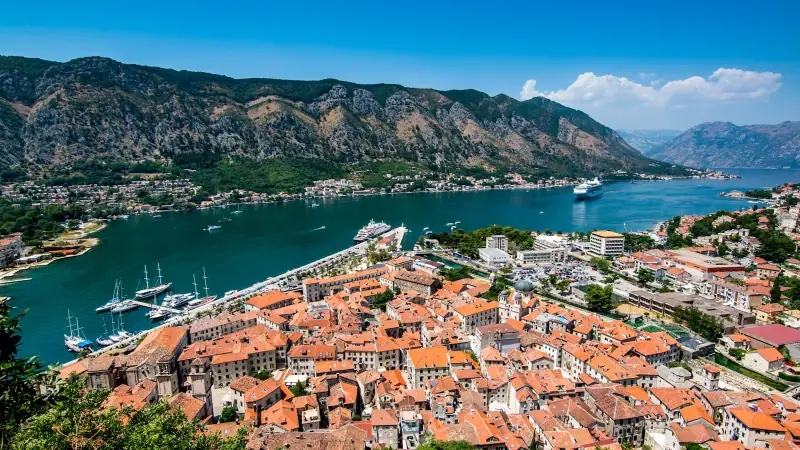
Visit Kotor: A Complete Guide to the UNESCO-Listed Old Town
Kotor, medieval jewel of the Bay of Kotor: ramparts, cathedral, legendary cats and the Montenegrin fjord. Everything you need to plan your visit.
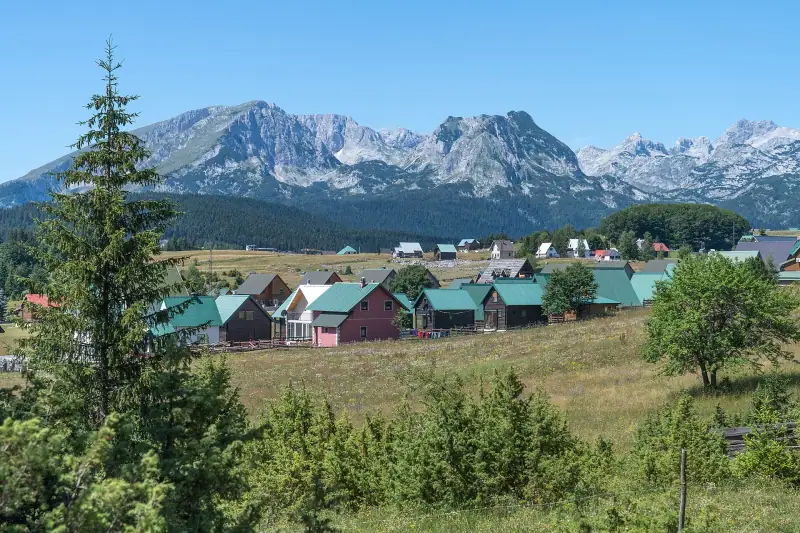
Visit Žabljak: A Complete Guide to the Capital of Durmitor
Žabljak, gateway to Durmitor: Black Lake, hiking, Tara canyon, skiing and wild nature. A complete guide for your stay in the Montenegrin mountains.
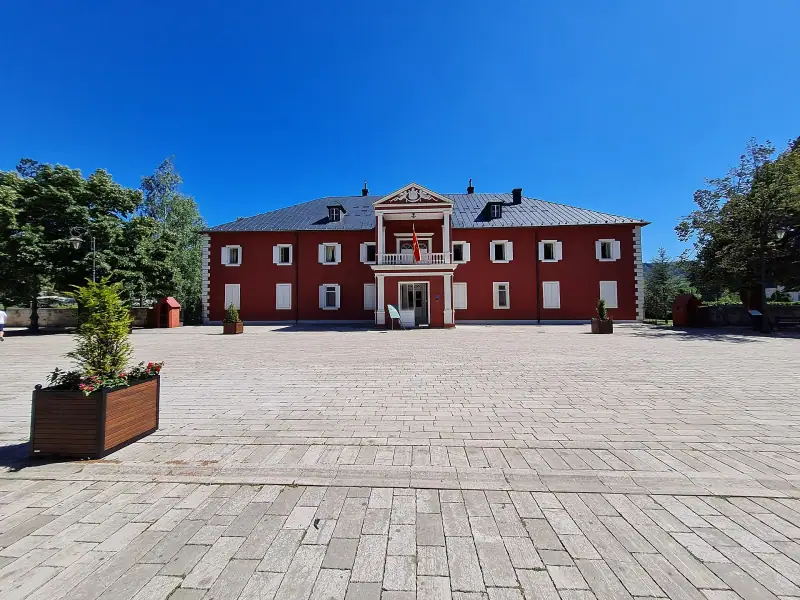
Visit Cetinje: A Complete Guide to Montenegro's Old Royal Capital
Cetinje, former royal capital of Montenegro: monastery, royal palaces, museums and the switchback road from Kotor. A practical guide for a day trip.
Ready-made
Montenegro itineraries
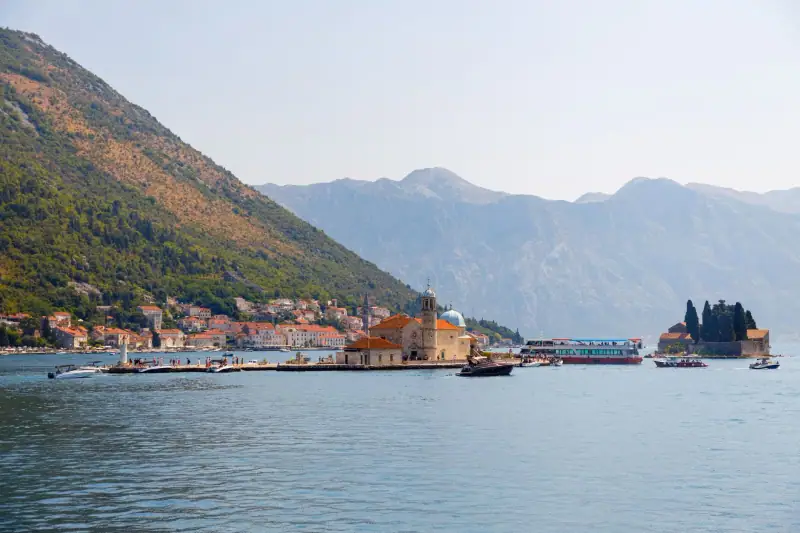
5 days
Montenegro in 5 Days Without a Car: A Realistic Itinerary
KotorBudvaKotor
3 days
3 Days in the Bay of Kotor: A Complete Itinerary
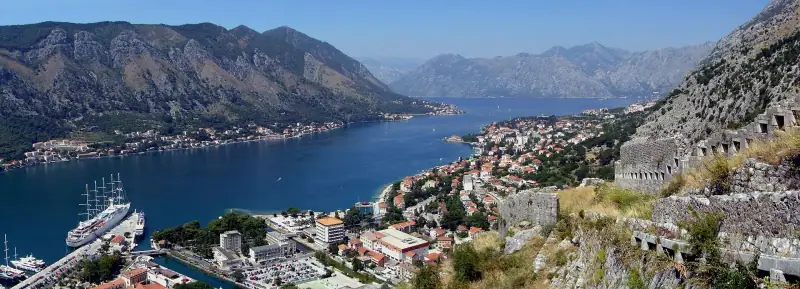
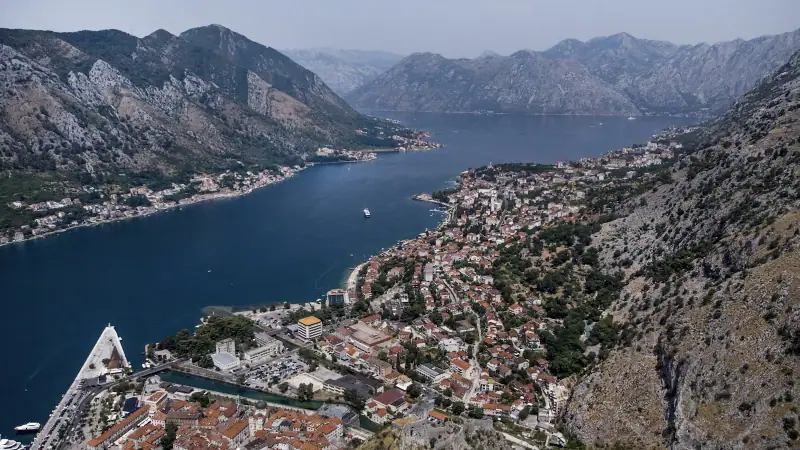
3 days in the Bay of Kotor: medieval Kotor, Perast, Our Lady of the Rocks, Herceg Novi. A practical day-by-day guide to the Montenegrin fjord.
14 days
Montenegro Road Trip: A Complete 10 to 14 Day Itinerary
Plan your Montenegro road trip with this complete itinerary. Coast, mountains, lakes and medieval towns in 10 to 14 days of freedom.