Things to do
Hiking in Mongolia: the best treks and trails
We may earn a commission when you book through links on this page, at no extra cost to you. We don't visit or try the places we cover: we summarize published sources. How we work
In short
- Marked trails are rare and limited to popular parks like Terelj; elsewhere you follow tracks or navigate by map and GPS.
- Hiking season runs June to September: July and August for the north (Khövsgöl, Altai), June and September for the rest of the country.
- Terelj is the easiest area (1 to 3 days); the Altai (7 to 14 days, up to 4,374 m / 14,350 ft) needs special permits, a guide and high-mountain gear.
- In remote areas (Altai, northern Khövsgöl) a guide is strongly recommended; tell someone your itinerary before leaving.
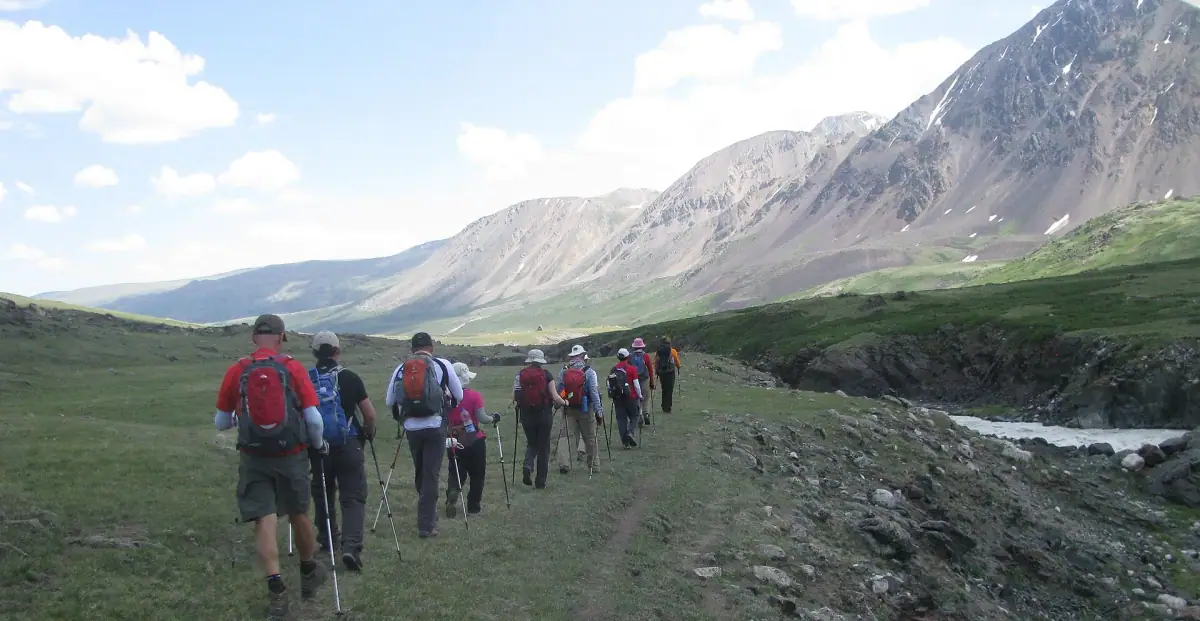
Hiking in Mongolia means walking in a country where trails often do not exist, where the horizon is always open, and where the only company is eagles and herds of yaks. An experience of absolute freedom, provided you are well prepared.
Hiking in Mongolia: what makes it different
Mongolia is an atypical hiking destination. Forget marked long-distance trails and huts at every stage: here you navigate by map (or GPS), ford rivers and sleep in a tent or in makeshift yurts.
What makes Mongolian hiking unique:
- Landscapes of absolute immensity, with no trace of humans
- Omnipresent wildlife: golden eagles, marmots, gazelles, yaks
- Encounters with nomadic families in the middle of nature
- No crowds or tourists on the trails (outside Terelj)
- Total freedom of movement on nomadic lands
Specific challenges:
- Trails absent or unmarked in most regions
- Rivers to cross without bridges (waterproof boots are essential)
- Aggressive mosquitoes near lakes and rivers in July and August
- Long distances between water points
- Changeable weather even in summer
The best hiking areas
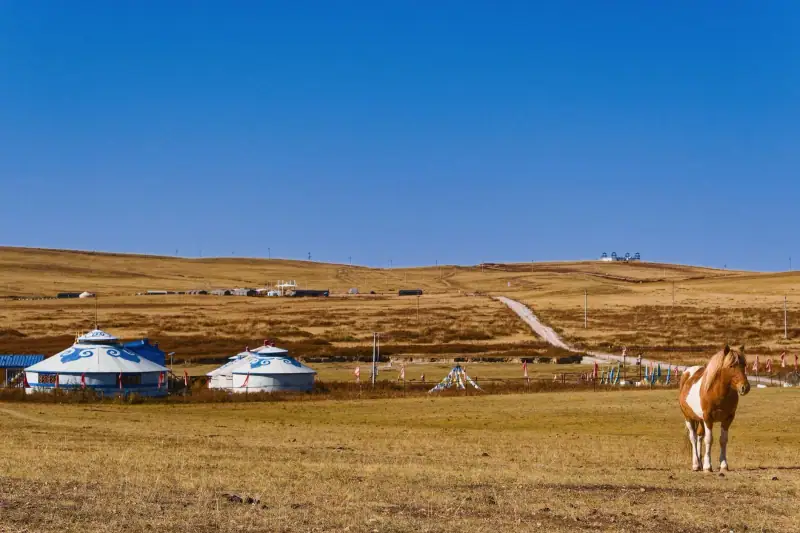
1. Gorkhi-Terelj National Park (level: easy to moderate)
Location: 80 km (50 mi) east of Ulaanbaatar Recommended duration: 1 to 3 days Elevation gain: 200 to 500 m (655 to 1,640 ft) depending on the hike
Terelj is the most accessible hiking ground in Mongolia. Trails exist around the main camps, and the landscapes are already spectacular: strangely shaped granite rocks, rivers, rolling steppes.
Notable hikes:
- Turtle Rock (Melkhii Khad) loop: 4 km (2.5 mi) round trip, 2 hours, easy
- Aryabal Monastery: 6 km (3.7 mi) round trip, 3 hours, moderate, fine view over the valley
- Summit Trek: 12 km (7.5 mi), 6 to 7 hours, moderate-difficult, exceptional panorama
2. Lake Khövsgöl and the northern region (level: moderate to difficult)
Location: 700 km (435 mi) north of Ulaanbaatar Recommended duration: 3 to 7 days Elevation gain: 500 to 1,500 m (1,640 to 4,920 ft) depending on the trek
Lake Khövsgöl National Park offers the wildest hikes in Mongolia. The trail along the west shore of the lake (reachable only on foot or on horseback) is an extraordinary experience.
Notable hikes:
- Lake Khövsgöl circuit: 10 to 12 days, expedition, advanced level
- West shore (northern section): 3 to 4 days, boat access at the start
- Tsaatan Valley: 2 to 3 days on horseback from Mörön, visiting the reindeer herders
3. Khentii massif (level: moderate to difficult)
Location: 200 to 400 km (125 to 250 mi) east of Ulaanbaatar Recommended duration: 3 to 7 days
Genghis Khan’s native region, little visited. Dense forests, fish-rich rivers and a unique mystical-historical atmosphere. The sacred mountain Burkhan Khaldun (UNESCO heritage) is the country’s symbolic high point.
4. Western Mongolian Altai (level: difficult to expedition)
Location: 1,200 km (745 mi) west of Ulaanbaatar Recommended duration: 7 to 14 days
The Mongolian Altai is the playground of mountaineers and experienced hikers. Tavan Bogd (“Five Saints”), at the meeting point of Kazakhstan, Russia and China, rises to 4,374 m (14,350 ft) at Khuiten Uul, the highest point in Mongolia.
To reach these summits: special permits required, guide mandatory, high-mountain equipment.
5. Arkhangai region (level: easy to moderate)
Location: central steppe, 430 km (267 mi) from Ulaanbaatar
The most accessible region after Terelj for hikers who want greenery. Tövkhön Khiid Monastery is reached by a 4-hour round-trip hike in the forest. Terkh Lake and the Khorgo volcano offer surprising landscapes.
Recommended gear
Essential
- Waterproof lace-up hiking shoes (many rivers to cross)
- Trekking poles (unstable terrain, steppe descents)
- GPS or compass + printed topographic maps
- Suitable sleeping bag (-5 °C / 23 °F minimum even in summer)
- Light tent (frequent bivouac)
- Water purifier or tablets (never drink water without filtering it, except at Lake Khövsgöl)
Strongly recommended
- Strong mosquito protection (DEET 40%+)
- Waterproof clothing (sudden rain)
- Light gloves and beanie (cool nights even in summer)
- Waterproof bag for electronics
- High-protection sunscreen (intense UV at altitude)
Optional
- Radio/satellite device (areas without coverage)
- SIM card with mobile data (partial coverage in the parks), or check your carrier’s international plan or use a travel eSIM
- Binoculars (wildlife watching)
Accommodation for hikers
Base camps and yurts around the trekking areas.
Horse hiking and trekking
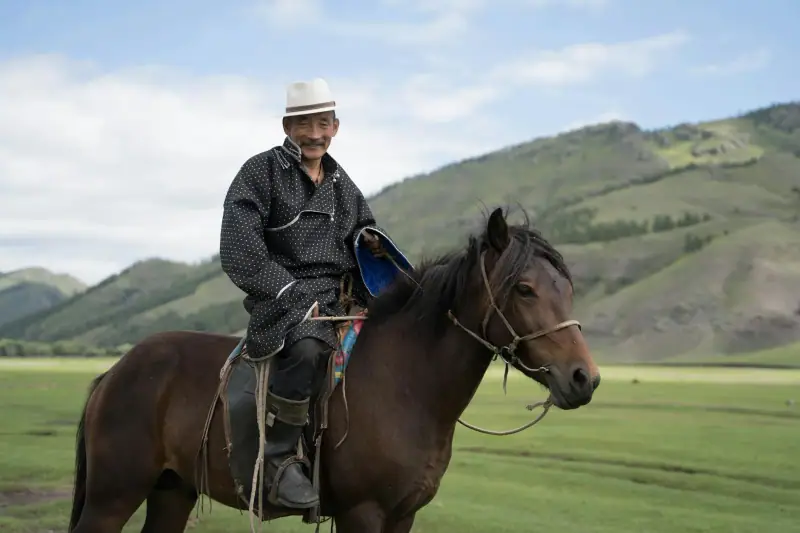
In Mongolia, the line between hiking and riding is blurry. The horse is often the most logical way to cover long distances. For the most remote areas (the west shore of Khövsgöl, the pastoral regions of the Altai), a horseback expedition is often the only realistic option.
See the article on horseback riding in Mongolia for a complete guide to riding across the steppes.
Practical tips
- Always tell someone your itinerary before heading into isolated areas
- Start early in the morning to enjoy cool temperatures and avoid afternoon storms
- Respect national park boundaries and obtain the necessary permits
- Do not camp too close to water sources (herd crossing areas)
- Always greet the nomads you meet, as they can point out water points and passages
Hiking in Mongolia takes humility, preparation and a good dose of adventure. In return, it offers experiences you will find nowhere else on Earth.
Frequently asked questions
Do you need a guide to hike in Mongolia?
In remote regions (Altai, northern Khövsgöl), a guide is strongly recommended. Trails are often absent or unmarked, and the distances between water points are considerable. At Terelj or other tourist sites, you can hike alone.
What is the best time to hike in Mongolia?
June to September is hiking season. July and August for the northern regions (Khövsgöl, Altai). June and September for the rest of the country (less heat, fewer mosquitoes).
Are there marked trails in Mongolia?
Marked trails are rare and limited to popular national parks like Terelj. Across most of the country you follow tracks, traces or simply your instinct with a map and compass (or GPS).
Can you trek independently in Mongolia?
It is possible for experienced hikers with full equipment, a GPS and mastery of off-trail navigation. Bring enough water and tell your embassy your itinerary.
Are bears dangerous in Mongolia?
Brown bears are present in the north (Khövsgöl, Khentii) and the east of the country. Incidents are rare but real. Make noise when walking in forest and do not leave food in your camp.
More Mongolia guides
Keep reading
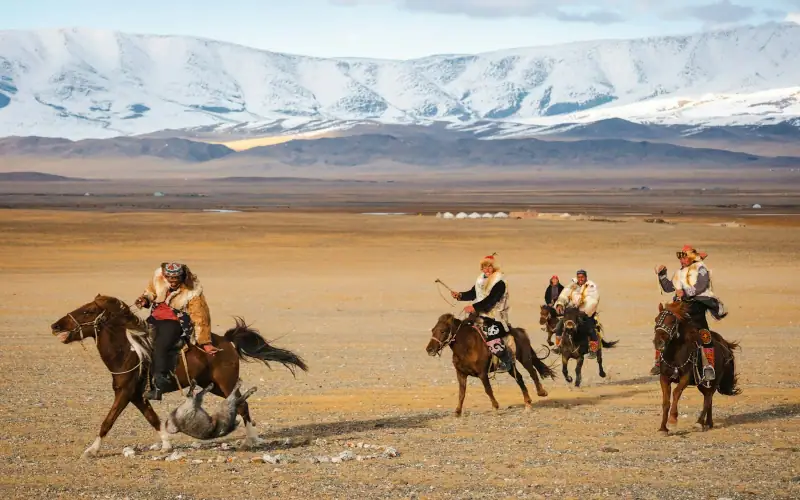
Horse riding in Mongolia: everything about riding on the steppe
Riding in Mongolia: how to ride Mongolian horses, riding circuits, required levels and tips for an unforgettable experience on the steppe.
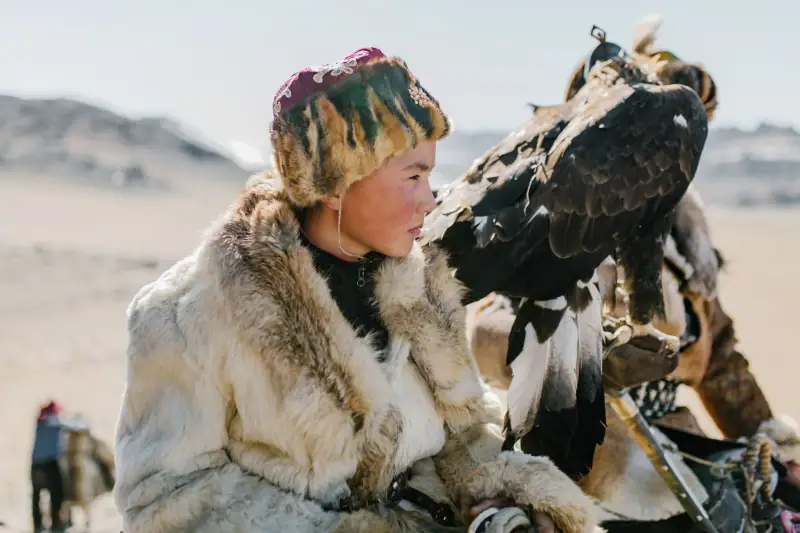
The Eagle Festival in Mongolia: a complete guide to attending the Berkutchi
Attend the Eagle Festival in Ölgii, Mongolia: dates, program, Kazakh berkutchi, practical tips and an itinerary for this unique experience.
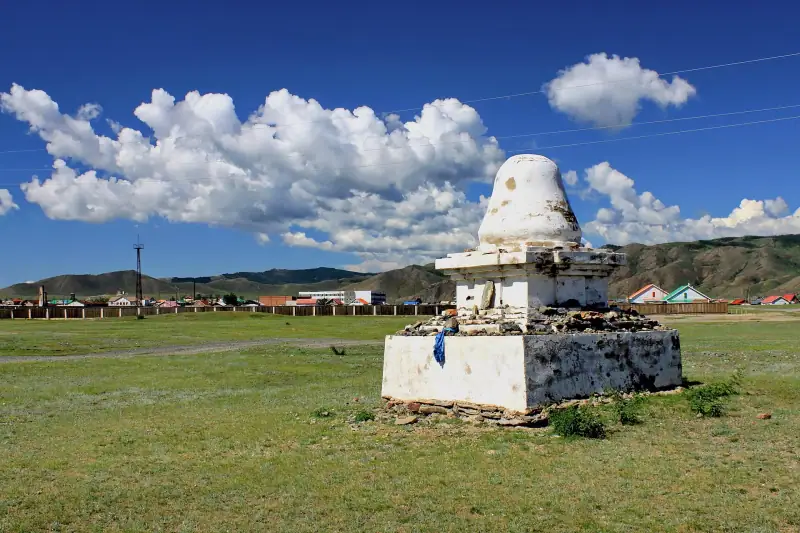
Visiting Karakorum: a complete guide to the ancient Mongol capital
Karakorum, heart of the 13th-century Mongol Empire: ruins, Erdene Zuu Monastery, the Orkhon Valley and practical tips for a memorable stay.
Ready-made
Mongolia itineraries
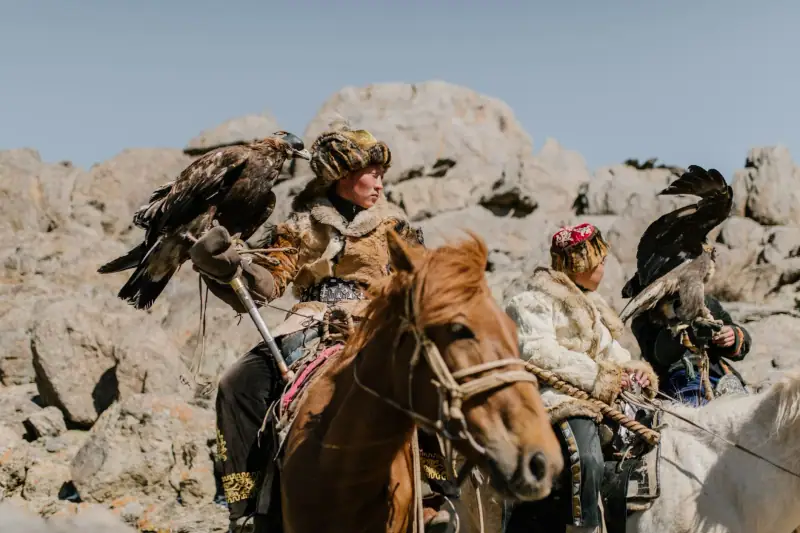
10 days
Western Mongolia in 10 days: Ölgii, the Altai and Kazakh culture
Western Mongolia in 10 days: Ölgii, the Kazakh Altai, eagle hunters, Tavan Bogd National Park. Full itinerary, budget and tips.
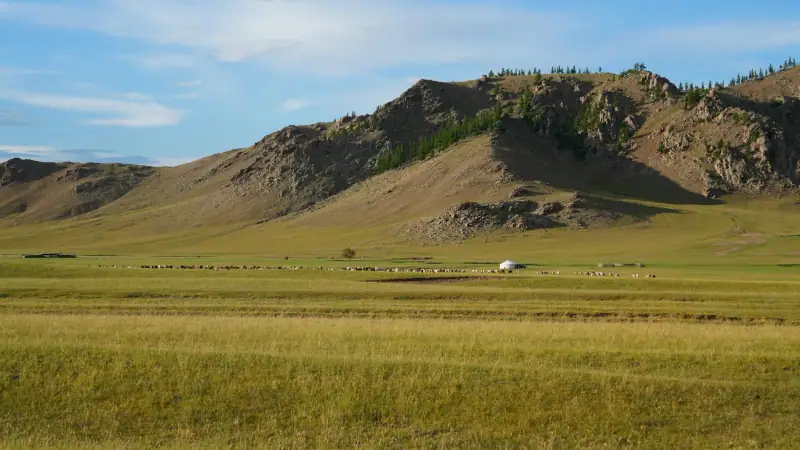
7 days
Mongolia in 7 days: a full itinerary around Ulaanbaatar
UlaanbaatarTereljKarakorumUlaanbaatar
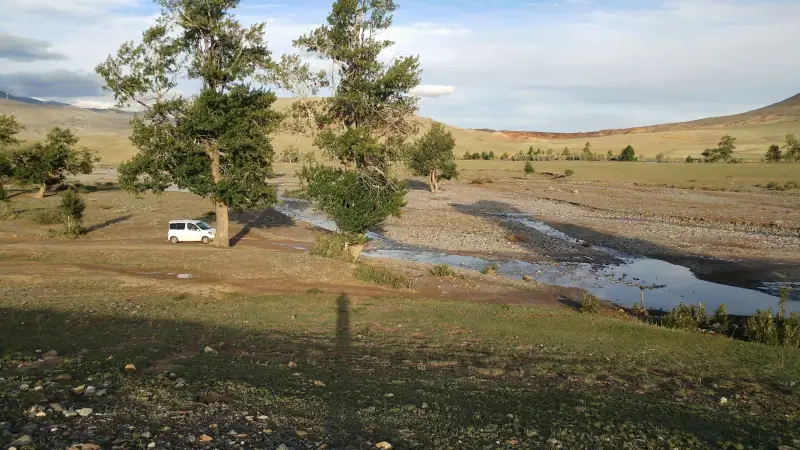
14 days
Mongolia road trip: the grand tour in 14 to 21 days
Plan a Mongolia road trip: a 14 and 21-day itinerary through Ulaanbaatar, the Gobi, the steppe, Khövsgöl and the Altai, with logistics and budget.