Things to do
Sunset and night fishing in the Maldives from a local island: prices, booking, rules
We may earn a commission when you book through links on this page, at no extra cost to you. We don't visit or try the places we cover: we summarize published sources. How we work
In short
- A group sunset trip from a guesthouse costs about €30-50 per person (about $35-58); night formulas quoted by English-speaking guides run $100-200.
- You fish with a hand line, no rod, and the catch can be cooked for dinner by the guesthouse; booking is almost always done on the spot the day before.
- Parrotfish and other protected species must not be caught; do not fish from the beach or the island reef.
- Sunset trips leave around 4:30 to 5:30 pm for about two hours; night trips leave around 6 pm.
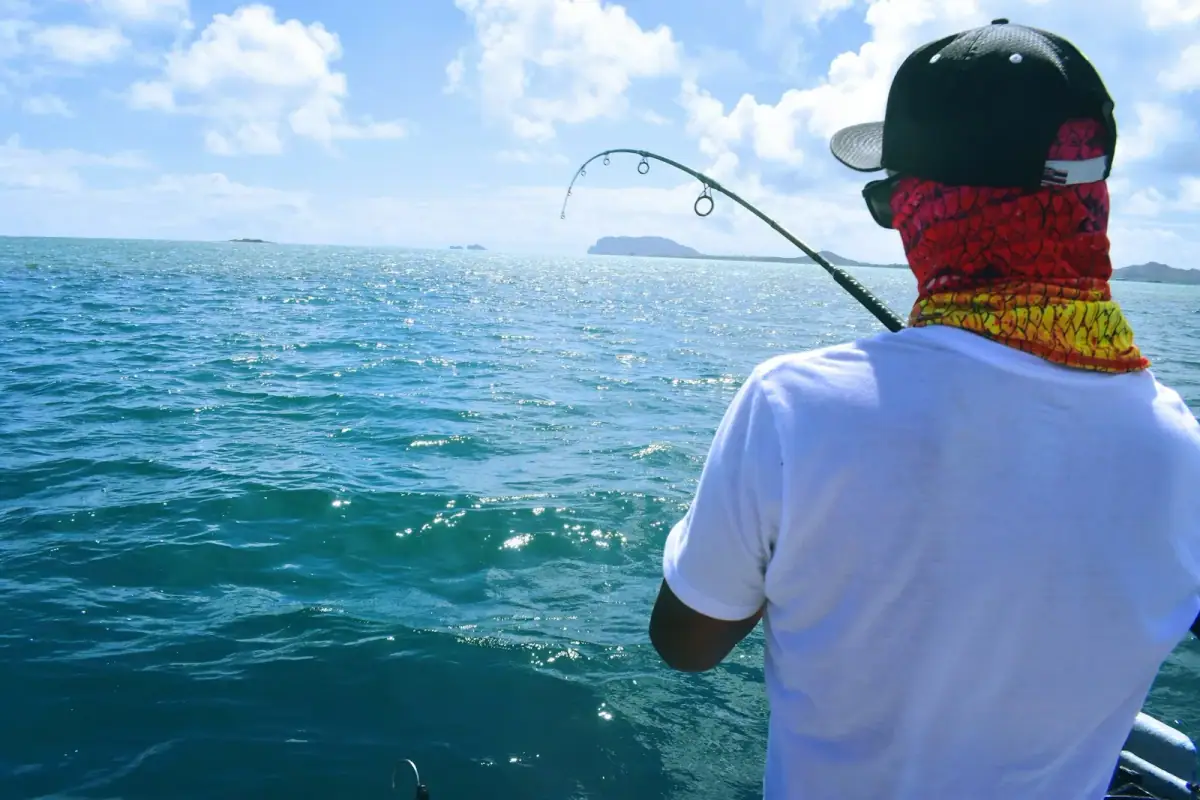
On a local island in the Maldives, you can board a traditional dhoni in the late afternoon, fish with a hand line during the sunset, sometimes into the night, then find your catch on your plate at dinner. The outing is almost always organized on the spot, through your guesthouse, for a modest budget compared with resort excursions.
In short: allow about €30 to 50 per person (about $35-58) for a group sunset outing from a guesthouse ($100 to 200 for the night formulas quoted by English-speaking guides), booked the day before on the spot. You fish with a hand line, with no rod, and the fish can be cooked at dinner. Some species, including parrotfish, are protected.
Sunset or night fishing: what is the difference?
Both outings use the same technique, but not the same rhythm.
- Sunset fishing: departure in the late afternoon (around 4:30 to 5:30 pm), about two hours, return at nightfall. This is the most common formula, the easiest for families and the cheapest.
- Night fishing: departure around 6 pm, longer, with a lamp on board. The mood is calmer and reef fish (snapper, grouper) bite readily after dusk.
Advertised lengths for fishing trips in the Maldives run from 3 to 8 hours depending on the formula. For a local island, expect the lower end of the range.
How does hand-line fishing work?
The traditional method is simple: a nylon line wound on a piece of wood, a sinker and a hook, baited with raw fish. No reel, no rod: you feel the bite directly in your fingers, and the crew shows the gesture.
- Boarding a dhoni, often from the island’s harbor.
- Sailing 15 to 30 minutes to a calmer reef bottom.
- Anchoring and handing out lines and bait.
- Fishing: everyone keeps their own line, the crew helps unhook.
- Return at night, with the fish handed to the guesthouse kitchen.
You do not need any personal gear. Typical catches are reef fish; do not expect impressive size.
How much does a fishing trip on a local island cost?
Rates depend on the island, the boat and the number of participants. The following are orders of magnitude (to be confirmed with the operator):
| Formula | Duration | Price per person |
|---|---|---|
| Group sunset, guesthouse | about 2 h | €30-50 (~$35-58) |
| Group night fishing, English-language listings | 3 to 4 h | about $100-200 |
| Private charter (whole boat) | 4 h and more | several hundred dollars per boat |
The gap comes from the format: a small dhoni shared with other travelers costs far less than a boat hired exclusively. Always check whether the price includes bait, lines, drinks and cooking of the fish. The overall trip budget is detailed in our guide to the Maldives budget.
Boat trips in the Maldives
Compare sea excursions bookable online: sunset, snorkeling, dolphins.
Book in advance or on the spot?
On the spot is the rule. The outing is decided the day before, sometimes the same morning, depending on the sea and wind. The guesthouse reception calls a captain from the island, you agree on the time and price, and you generally pay at the end of the outing or in cash. If you are short of cash, read our guide to cash and bank cards in the Maldives.
In advance, only in three cases:
- Your stay is 3 days or less.
- You want a private boat for a group or a beach dinner request.
- You are traveling in peak high season, from December to March.
Tip: plan the fishing in your first days to have a margin if the outing is canceled by weather. Night and line fishing are possible all year, but the sea is calmer from December to April.
Guesthouses in Maafushi
A practical base for day or sunset boat trips.
Which island to choose for fishing?
Almost all guesthouse islands offer the outing, with no marked specialty. The simplest to start with:
- Maafushi (South Malé Atoll): the best equipped, with several agencies and a choice of times. See our Maafushi guide, where traditional dhoni fishing is among the common excursions.
- Thulusdhoo (North Malé Atoll): calmer, ideal for combining fishing and surfing. See visiting Thulusdhoo.
- Ari Atoll: sunset line fishing is offered there by local operators, with a meal prepared from the catch. See the Ari Atoll guide.
To chain several islands in one stay, read our island-hopping guide for the Maldives.
Fishing with children: from what age?
There is no official minimum age that could be confirmed; each crew sets its own rule. In practice, children from 6 to 8 years old who are comfortable on a boat and wearing a life jacket enjoy it a lot, especially at sunset. Night fishing suits the youngest less: fatigue, darkness, rougher sea. State the children’s ages when booking and ask for life jackets in their size.
Which rules to respect?
The Maldives protects part of its marine wildlife, and this is a point to respect even on a tourist outing.
- Parrotfish: banned from being caught, killed or transported since the general fishing regulation of 2020 (see the sources at the bottom of the page).
- Sharks, turtles, manta rays, dolphins, whale sharks: never targeted. If you hook one, tell the crew and release it.
- Protected reefs: do not fish from the beach or the island’s reef, even with a hand line.
- No nets, no spearguns on a tourist outing.
- Litter: bring back all lines and hooks; abandoned lines injure turtles and corals.
A crew that offers to fish a protected species or to bring up coral is one to avoid.
What to pack
- Light covering clothes and a hat, as the sun is strong on the water
- A thin sweater for the night return: the wind is cooler on a boat
- A bottle of water (see our guide to drinking water in the Maldives)
- A waterproof pouch for the phone
- A little cash to pay the crew
What you will eat on your return
Most guesthouses cook the fish you caught grilled, in curry or as garudhiya, the Maldivian tuna soup. Tell the kitchen before leaving, as dinner can be ready when you return. Our guide to street food in the Maldives details the dishes to try on the island. If you are vegetarian, the outing is still possible without eating the catch: see eating vegetarian in the Maldives.
Fishing, dolphins, snorkeling: how to build your outings
On a 5 to 7 day stay on a local island, the excursions complement each other well:
- Morning: snorkeling on the reef or a sandbank outing.
- Afternoon or end of day: a dolphin excursion, which often leaves at sunset, or dhoni fishing.
Both evening outings use the same type of boat: ask the crew whether dolphins can be watched on the way back from fishing, without promising anything.
A suggested approach for a first stay
For a first stay on a local island, book sunset fishing the day before with your guesthouse, in a group, and ask for the catch to be cooked at dinner. Allow €30 to 50 per person (about $35-58), keep night fishing for a second evening if you liked the experience, and book online only if your stay is very short.
Sources
Frequently asked questions
Do you need to know how to fish to join a fishing trip in the Maldives?
No. Traditional fishing is done with a hand line, with no rod or reel: a crew explains the gesture in two minutes. Beginners and children comfortable on a boat do very well.
How much does a fishing trip on a local island cost?
On guesthouse islands, group sunset trips are generally offered at around €30 to 50 per person (about $35-58). English-speaking guides rather quote $100 to 200 per person for night trips or longer formulas. Ask for the final price and what it includes before boarding.
Do you need to book in advance or on the spot?
On the spot in the vast majority of cases: the guesthouse or an agency on the island organizes the trip the day before or the same day, depending on the weather. Advance booking is only useful for a very short stay or a private outing.
Can the guesthouse cook your catch?
It is very often offered: the guesthouse kitchen prepares the fish at dinner, sometimes for a small extra. Ask when you book, before leaving, not on your return.
Can you fish from the beach or the reef of your island?
It is not a good idea. Many reefs are protected or reserved, and some species such as parrotfish may not be caught. Go through a local crew who knows the authorized zones.
Is there a risk of seasickness?
Yes, especially from May to November when the sea is rougher. Outings take place in the calmer waters near the reefs, but if you are prone to it, ask your doctor or a travel clinic about options (see the official travel health pages: CDC in the US, TravelHealthPro in the UK).
More Maldives guides
Keep reading
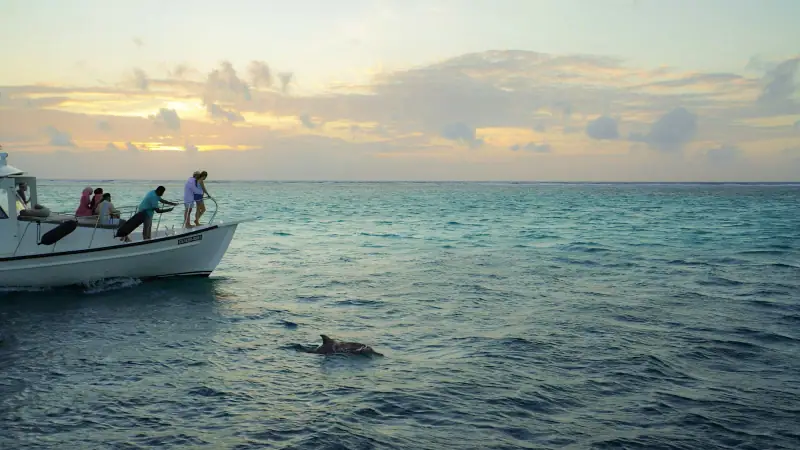
Dolphin excursions in the Maldives: everything you need to know
Complete guide to dolphin excursions in the Maldives: where to go, when to see dolphins, prices, best islands and tips for an unforgettable experience.
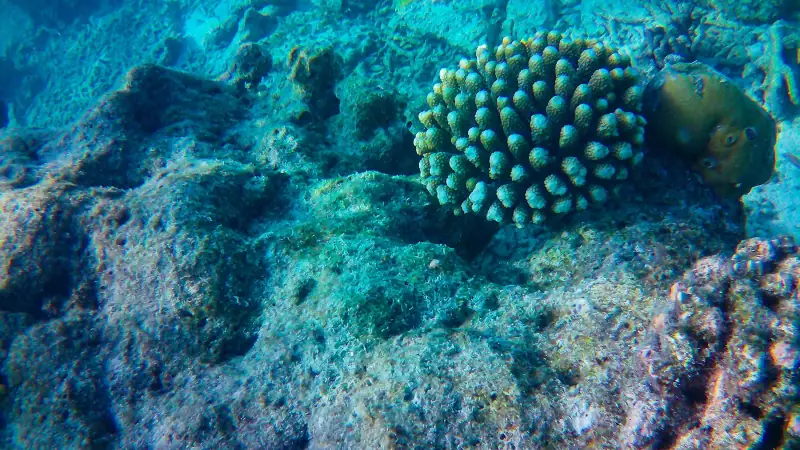
Diving in the Maldives: the best sites and practical tips
Complete guide to diving in the Maldives: best sites by atoll, species to see, dive centers, required levels and best times.
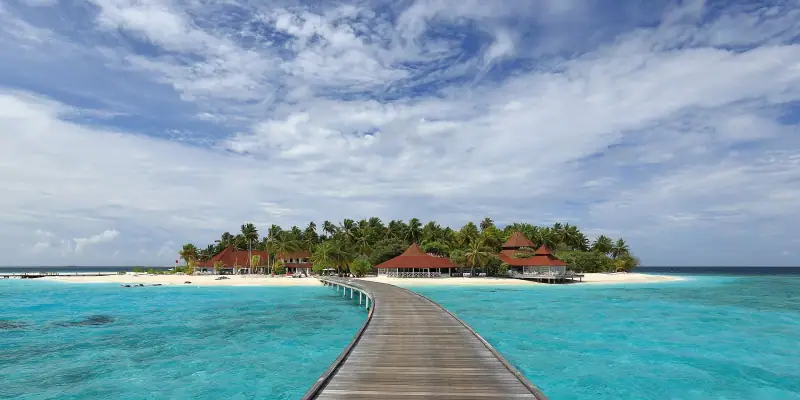
Visiting Ari Atoll: a complete guide to the whale shark paradise
Ari Atoll, Maldives: whale sharks year-round, Maaya Thila, Dhigurah and guesthouses. Complete 2026 guide to this exceptional atoll.
Ready-made
Maldives itineraries
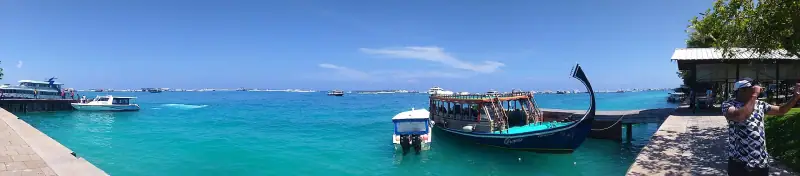
10 days
Maldives in 10 days: a complete itinerary to explore the atolls
10-day Maldives itinerary: Malé, Hulhumalé, Maafushi, Thulusdhoo and Ari Atoll. Day-by-day plan with transport, budgets and practical tips.
7 days
Maldives in 7 days: the ideal full-week itinerary
Complete itinerary to visit the Maldives in 7 days: Malé, Maafushi, island hopping and resort option. Day-by-day plan with practical tips.
5 days
Maldives in 5 days without a seaplane: a realistic local-island itinerary
MaafushiThulusdhoo