Things to do
Diving in the Maldives: the best sites and practical tips
We may earn a commission when you book through links on this page, at no extra cost to you. We don't visit or try the places we cover: we summarize published sources. How we work
In short
- Discovery dives need no certification; deeper or current dives call for Open Water at minimum, and some sites for Advanced.
- Dry season (November-April) gives the best visibility (20-30 m / 65-100 ft or more); whale sharks peak November-May in Ari, mantas June-November in Baa.
- A guided dive from a guesthouse costs about €50-70 (about $58-81); 10-dive packages run €400-600 (about $465-695).
- Hanifaru Bay is snorkeling only; for Advanced divers, the Rasdhoo hammerheads and the British Loyalty wreck in Addu are highlights.
The Maldives regularly appears in rankings of the best dive destinations in the world. It is no accident: the archipelago’s waters combine exceptional marine biodiversity, remarkable visibility and a density of spectacular species (whale sharks, manta rays, eagle rays, hammerhead sharks) that is hard to find elsewhere in the Indian Ocean.
Why dive in the Maldives?
The Maldives offers several unique advantages for diving:
Big species. Nowhere else will you find such a concentration of marine megafauna accessible from a guesthouse island. Whale sharks (the largest fish in the world), giant oceanic manta rays, eagle rays, hammerhead sharks at sunrise in Rasdhoo…
Visibility. In the dry season, visibility regularly reaches 25-35 meters (80-115 ft) in the channels between atolls. The water is warm (27-30 °C / 81-86 °F) all year, so no thick wetsuit is needed.
Variety of sites. Reefs, current channels, wrecks, coral gardens, caves… The Maldives offers very varied dives suited to all levels.
Concentration. Unlike other destinations where you sometimes have to sail for hours to reach the spots, in the Maldives the best dive sites are often 20-40 minutes by boat from the guesthouses.
The emblematic species
The whale shark (Rhincodon typus)
The king of Maldivian diving. The whale shark is the largest fish in the world (8-15 meters / 26-50 ft) and feeds exclusively on plankton. Harmless to humans, it allows close approaches while snorkeling or diving.
Where and when: Ari Atoll (south area), all year with a peak November-May. Current channels, plankton zones.
The giant manta ray (Manta birostris)
Maldivian manta rays are oceanic manta rays, the largest in the world (wingspan up to 7 meters / 23 ft). They feed on zooplankton and are present in all the archipelago’s current channels.
Where and when: Baa Atoll (Hanifaru Bay) June-November. Ari Atoll all year. Many channels in Malé Atoll.
The hammerhead shark (Sphyrna lewini)
The channels of Rasdhoo Atoll are known for schools of hammerhead sharks at sunrise. An early-morning dive (departure at 5:30 am) in the Rasdhoo channel often lets you see dozens of hammerheads in a single dive.
Where and when: Rasdhoo Atoll (Hammerhead Point), all year, best chances November-March.
The tiger shark and bull shark (Fuvahmulah)
Fuvahmulah, an isolated island in the south of the Maldives, has become famous for its dives with tiger sharks and bull sharks at depths of 15-30 meters (50-100 ft). For experienced divers only.
Where and when: Fuvahmulah, all year (peak November-April for tigers).
The sea turtle
Green and hawksbill turtles are very common on all Maldivian reefs. They can be seen diving as well as snorkeling. Turtles are protected: touching them is forbidden.
The best sites by atoll
North and South Malé Atolls
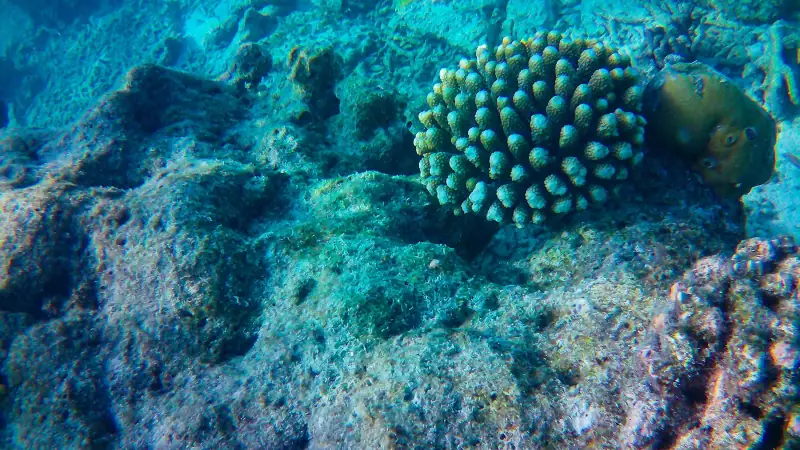
Banana Reef (North Malé): one of the first dive spots discovered in the Maldives and still one of the most beautiful. A banana-shaped reef with caves, overhangs and abundant fish. Level: all levels.
HP Reef (North Malé): an emblematic site known for its lionfish, turtles and giant groupers. Moderate-current dive. Level: Open Water.
Cocoa Thila (South Malé): spectacular coral formations with whitetip sharks sleeping under the overhangs. Level: Open Water.
Guraidhoo Corner (South Malé): a channel with excellent current for watching gray sharks, trevally and barracuda. Level: Advanced minimum.
Ari Atoll
Maaya Thila: one of the best night-dive sites in the Maldives. By day as well, with whitetip sharks and eagle rays. Level: Advanced.
Fish Head (Mushimasmingili Thila): a site known for large schools of trevally and gray sharks in large numbers. Level: Advanced, strong current possible.
Rangali Madivaru: the main whale shark zone in South Ari Atoll. Shallow dive (8-15 m / 26-50 ft) with a good chance of encounters. Level: Open Water.
Baa Atoll
Hanifaru Bay: a site in the UNESCO biosphere reserve of Baa Atoll. From June to November, hundreds of manta rays gather to feed. A natural spectacle unique in the world. Snorkeling only (diving is banned to preserve the site). Level: snorkelers.
Addu Atoll
British Loyalty (wreck): the wreck of a British oil tanker scuttled in 1946, now covered in corals and inhabited by barracuda, groupers and rays. One of the best wreck dives in the Maldives. Level: Advanced.
Practical: organizing your dives
From a guesthouse
The guesthouses of Maafushi, Thulusdhoo and Rasdhoo all have partnerships with local dive centers. The process is simple:
- Arrive at the guesthouse
- Talk to the dive center (often in the same building)
- Show your certification (if you have one)
- Choose your dives from the available options
- Pay in cash or by card
Indicative prices from a guesthouse:
- Introductory dive (Discover Scuba Diving): €80-120 (about $93-140)
- 1 guided dive (certified): €50-70 (about $58-81)
- 2-dive-a-day package: €80-110 (about $93-128)
- Full Open Water course (PADI/SSI): €350-500 (about $405-580)
From a resort
Resorts have their own dive centers with quality equipment and professional instructors. Service is generally excellent but prices are 20-40% higher than at a guesthouse.
Gear to bring
- Personal mask and snorkel (recommended even if you dive with a tank)
- 3 mm shorty wetsuit (optional, the water is 28-30 °C / 82-86 °F, but useful for sun protection and against stinging cnidarians)
- Buoyancy vest and regulator: rented there
- Dive light for cave or night dives
Accommodation near the best spots
Guesthouses and resorts close to the emblematic dive sites.
Diving in the Maldives for beginners
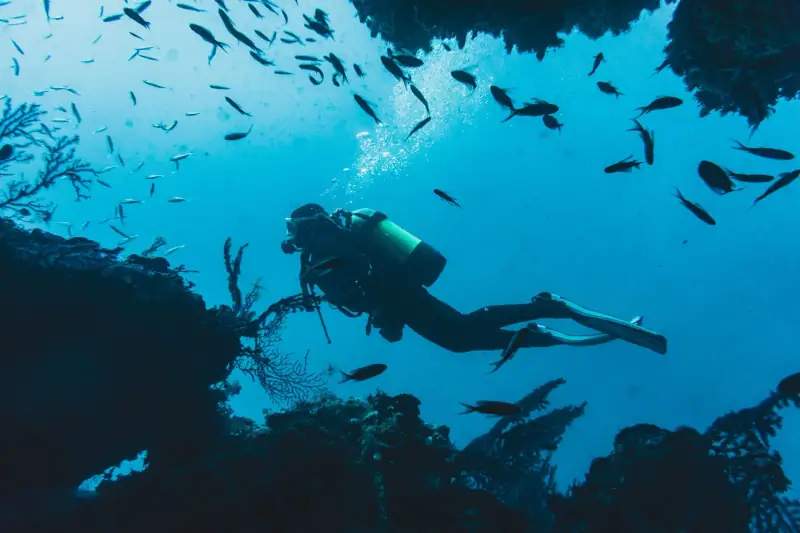
If you have never dived, the Maldives is an excellent place to start. Warm water (no thick wetsuit), exceptional visibility and non-aggressive wildlife make it an ideal destination for first introductory dives.
Typical program of an introductory dive (Discover Scuba Diving):
- Theory briefing (30-45 min)
- Practice in a pool or shallow lagoon (30 min)
- Guided dive at sea (20-40 min at 5-8 m / 16-26 ft maximum)
After a successful introductory dive, many travelers decide to take their Open Water certification there (a 4-day course, €350-500, about $405-580).
Tip for beginners: avoid strong-current sites (Guraidhoo Corner, Fish Head, Maaya Thila) for your first dives. Start with the calm, shallow reefs around the guesthouses.
Essential tips for diving in the Maldives
Respect wildlife. Never touch corals or animals. Do not feed the fish. Keep perfect buoyancy to avoid damaging the reefs.
Watch the currents. Maldivian channels can have very strong currents. Always dive with a local guide who knows the tide cycles.
Check for a compressor. At guesthouses and resorts, tanks are refilled there. But if you are on a safari boat or on a very remote island, check that filling facilities are available.
Take out dive insurance. In addition to your standard travel insurance, take out dive insurance such as DAN (Divers Alert Network). It covers decompression accidents and access to hyperbaric chambers. The nearest chamber is at ADK Hospital in Malé.
Sources
Frequently asked questions
Do you need to be certified to dive in the Maldives?
No, introductory dives (level 0) are available at every center. For deep dives or dives with current (pelagic species), an Open Water (PADI) level minimum is recommended. For dives with whale sharks or mantas, good experience is needed.
Can you swim with whale sharks in the Maldives?
Yes, it is one of the most popular activities. Whale sharks are present all year in Ari Atoll, particularly between November and May. They are harmless animals that feed on plankton. You can swim near them snorkeling or diving.
When is the best time to dive in the Maldives?
The dry season (November-April) offers the best visibility (20-30 m / 65-100 ft or more). For manta rays in Baa Atoll, it is June to November. For whale sharks in Ari Atoll, November to May is optimal.
How much does a dive cost in the Maldives?
Allow €50-80 for a guided dive from a guesthouse (about $58-93). 10-dive packages cost €400-600 (about $465-695). Resort dive centers are often more expensive (€80-120 per dive, about $93-140).
Are the Maldives suitable for beginner divers?
Yes, many sites are suited to beginners, notably the shallow reefs around the local islands. Lagoons with weak current are perfect for first dives. Just avoid strong-current channels if you are starting out.
More Maldives guides
Keep reading
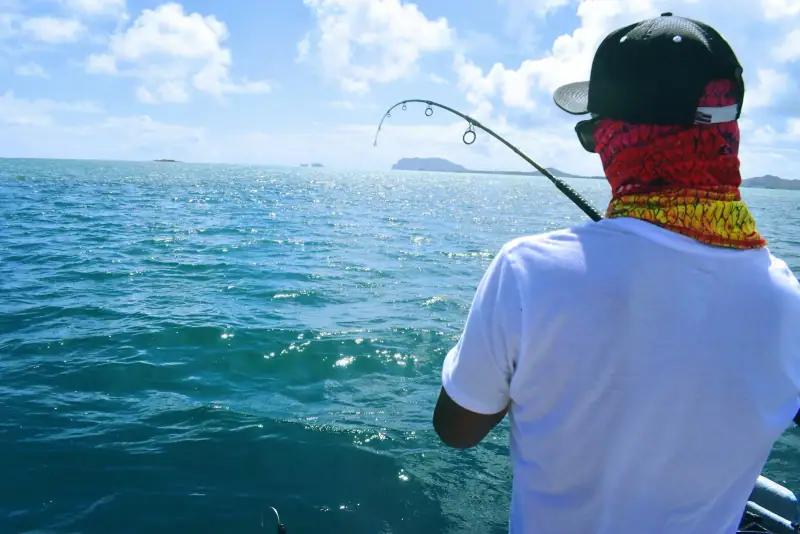
Sunset and night fishing in the Maldives from a local island: prices, booking, rules
Hand-line fishing by dhoni at sunset or night from a guesthouse: realistic prices, booking on the spot, fish cooked at dinner and the rules.
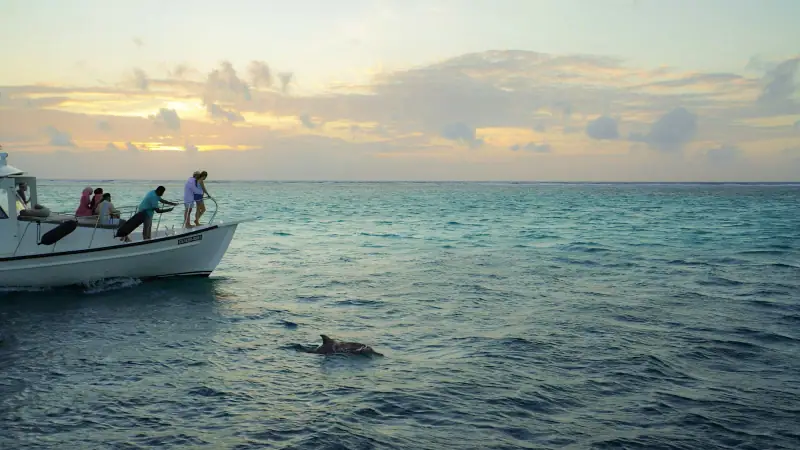
Dolphin excursions in the Maldives: everything you need to know
Complete guide to dolphin excursions in the Maldives: where to go, when to see dolphins, prices, best islands and tips for an unforgettable experience.
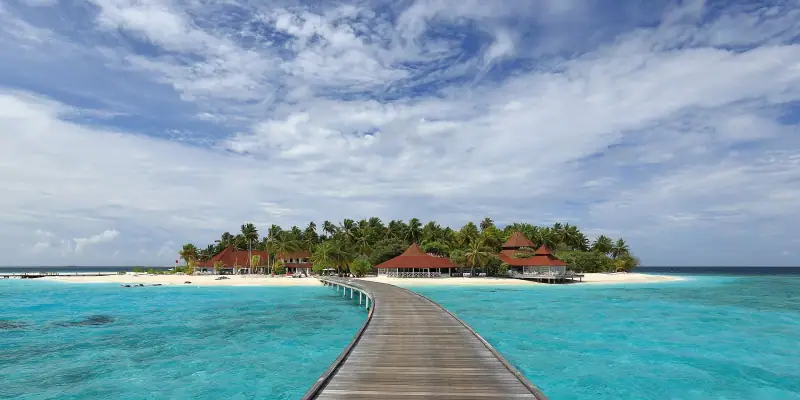
Visiting Ari Atoll: a complete guide to the whale shark paradise
Ari Atoll, Maldives: whale sharks year-round, Maaya Thila, Dhigurah and guesthouses. Complete 2026 guide to this exceptional atoll.
Ready-made
Maldives itineraries
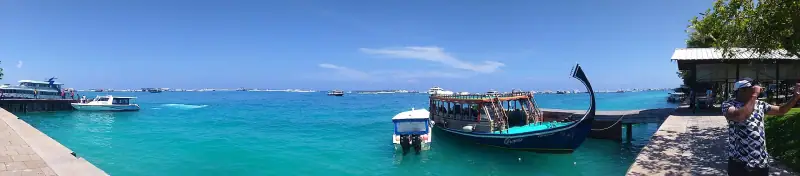
10 days
Maldives in 10 days: a complete itinerary to explore the atolls
10-day Maldives itinerary: Malé, Hulhumalé, Maafushi, Thulusdhoo and Ari Atoll. Day-by-day plan with transport, budgets and practical tips.
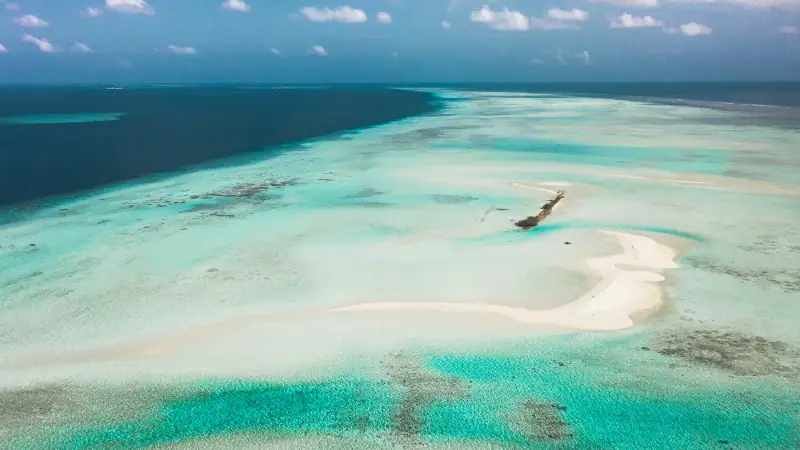
7 days
Maldives in 7 days: the ideal full-week itinerary
Complete itinerary to visit the Maldives in 7 days: Malé, Maafushi, island hopping and resort option. Day-by-day plan with practical tips.
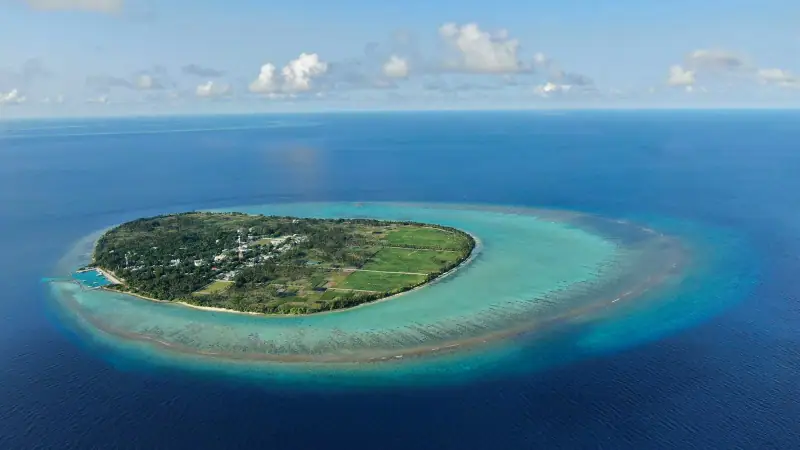
5 days
Maldives in 5 days without a seaplane: a realistic local-island itinerary
MaafushiThulusdhoo