Things to do
Dolphin excursions in the Maldives: everything you need to know
We may earn a commission when you book through links on this page, at no extra cost to you. We don't visit or try the places we cover: we summarize published sources. How we work
In short
- Standard trips leave between 4 and 5 pm and last 2 to 3 hours, returning at sunset (6 to 7:30 pm).
- Price: €30-50 per adult (about $35-58) and €15-25 per child (about $17-29); resorts often charge €100-150 (about $115-175).
- Spinner dolphins are the most common species; sightings are very frequent but never guaranteed.
- Maafushi is the ideal base, with every guesthouse running daily trips; book on arrival as evening outings fill up.
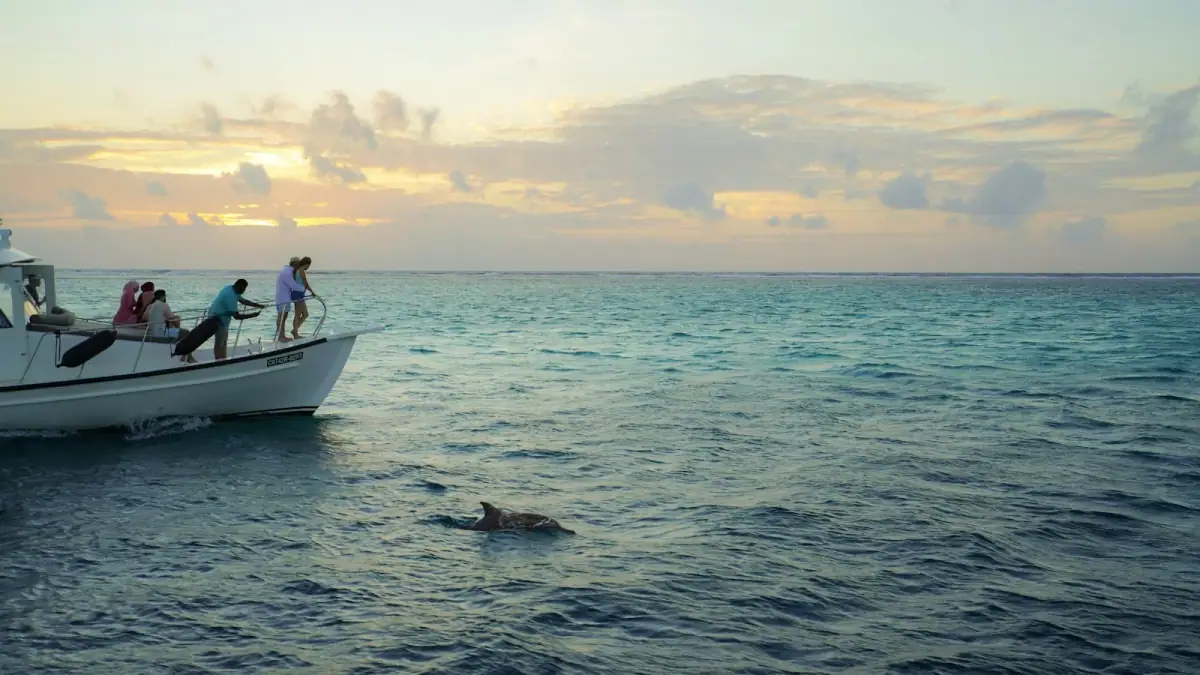
Among all the excursions available in the Maldives, watching dolphins at sunset is often cited as one of the most magical moments of a stay. Seeing dozens of dolphins leaping in the boat’s wake, with the sky turning orange and the turquoise waters darkening, is an experience that stays engraved in memory.
The dolphins of the Maldives
Species present
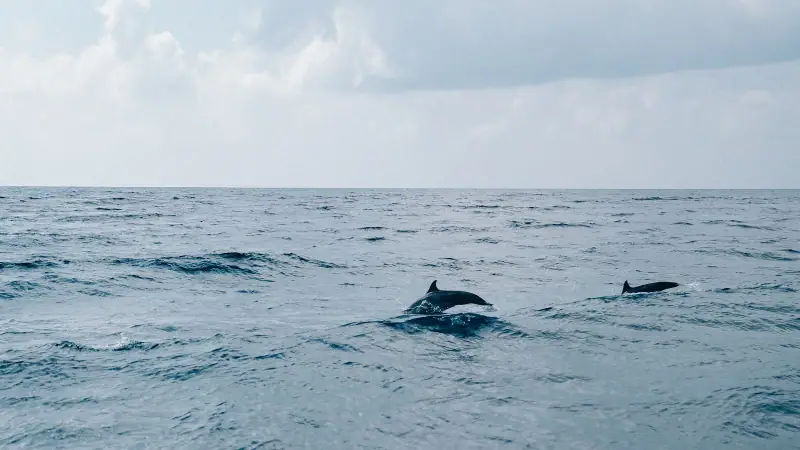
The spinner dolphin (Stenella longirostris) is the species most frequently seen in the Maldives. This small dolphin (1.5-2 m / 5-6.5 ft) is famous for its spectacular leaps and its horizontal spins out of the water, which earned it its name. They live in large groups (from a few dozen to several hundred individuals).
The bottlenose dolphin (Tursiops truncatus), the best-known dolphin, is also present in Maldivian waters. Larger (2.5-4 m / 8-13 ft) and more solitary, it readily approaches boats to play in the wake.
The pantropical spotted dolphin (Stenella attenuata) is also regularly seen in open sea and in the channels.
Pilot whales and pygmy killer whales are rarer but reported in some areas.
Dolphin behavior
Maldivian spinner dolphins have very particular behavior. By day, they rest in calm, shallow waters. In the evening and at night, they move to the channels and deeper waters to hunt fish and squid in groups.
It is this evening migration that makes late afternoon the best time to watch them from a boat.
How a dolphin excursion works
The standard excursion
Most dolphin excursions are organized from guesthouses on local islands such as Maafushi. Here is how it typically goes:
Schedule: departure between 4 and 5 pm, return at sunset (6 to 7:30 pm) Duration: 2 to 3 hours Boat: speedboat for 10-20 people or dhoni (traditional Maldivian boat) Price: €30-50 per adult (about $35-58), €15-25 per child (about $17-29)
The program:
- The captain and guide know the areas dolphins frequent
- The boat sails to these areas (15-30 min trip)
- At the sight of the first dolphins, the boat slows or stops
- Dolphins often approach on their own and play in the wake
- Return at sunset with unforgettable photos
What is generally included
- Round-trip transport from the island
- Experienced guide/captain
- Fresh water on board
- Sometimes: Maldivian tea and snacks
What is not included
- Snorkeling gear (if there is a swim-with-dolphins option)
- Tip for the guide
Which islands to leave from
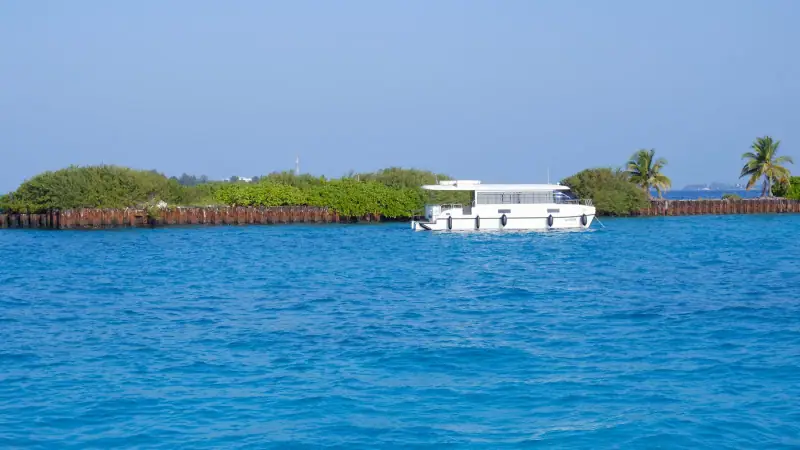
Maafushi (South Malé Atoll)
Maafushi is the ideal base for dolphin excursions. All guesthouses organize these outings daily. The waters around South Malé Atoll hold very regular groups of spinner dolphins.
Advantage: multiple competing operators = competitive prices
Resorts (all areas)
Resorts offer their own dolphin excursions, often by dhoni (traditional boat) with higher service quality. Prices are generally much higher (often €100-150 per person, about $115-175, or more for a private outing; check with the resort).
Safari boats
Liveaboard boats can see dolphins during their night or morning sailings. These are often the most spontaneous and most beautiful encounters.
Tips for photographing dolphins
Camera: a recent smartphone can capture nice images. For quality photos, a camera with burst mode and a 70-200 mm lens is ideal.
GoPro/action cam: perfect for video sequences. Mount it on the bow of the boat or on a pole above the water.
Settings: high shutter speed (1/1000 s minimum), burst mode, auto ISO.
Tips:
- Pick one side of the boat and stay there to anticipate the leaps
- Dolphins often leap repeatedly: anticipate the next jump after the first
- Sunset light is magnificent but may be insufficient to freeze motion. Raise the ISO
Guesthouses in Maafushi
All guesthouses organize daily dolphin excursions.
Good practices for responsible watching
Maldivian dolphins are wild animals. Their well-being must come before our desire to see them up close. A few rules for responsible watching:
Keep your distance. A well-run boat approaches dolphins gently with the engines cut. It does not chase or encircle them.
No excessive noise. Dolphins communicate by ultrasound. Engines and shouting disrupt their communication. With the best operators, silence is requested during the approach.
Do not jump in the water without permission. If the operator offers swimming, wait for their instructions. Diving straight into a group of dolphins is stressful for them.
Choose a responsible operator. Some operators chase dolphins aggressively to satisfy tourists. Favor those who respect the animals and limit the number of boats around a group.
Speak up about what you see. If you observe disrespectful behavior from an operator, report it to your guesthouse or the local authorities.
The dolphin excursion is often the surprise of Maldivian stays. Even travelers who came with other expectations often count this as one of their best memories. Book your place as soon as you arrive at your guesthouse, as evening outings often leave with few places available.
Frequently asked questions
Are dolphin sightings guaranteed in the Maldives?
Nothing is ever guaranteed with wildlife. However, dolphin sightings are very frequent in the Maldives, especially at sunset. Spinner dolphins (long-snouted dolphins) are particularly abundant. Most excursions end with a successful sighting.
What time are the dolphin excursions?
Most dolphin excursions leave in the late afternoon to take advantage of sunset sightings. Dolphins are active in the evening when they hunt in groups. Some operators also offer morning outings.
Can you swim with dolphins in the Maldives?
That is generally not the aim of standard excursions (the dolphins are wild, not captive). Some outings let you put on a mask and snorkel if the dolphins approach the boat, but it is not systematic.
Are dolphin excursions suitable for children?
Yes, it is one of the best activities for families with children. Seeing dozens of dolphins leaping in the boat's wake is a spectacle that delights young and old. Young children must stay seated.
Which dolphin species is seen most in the Maldives?
The spinner dolphin is the most common. These dolphins owe their name to their habit of twirling out of the water. Bottlenose dolphins are also regularly seen.
More Maldives guides
Keep reading
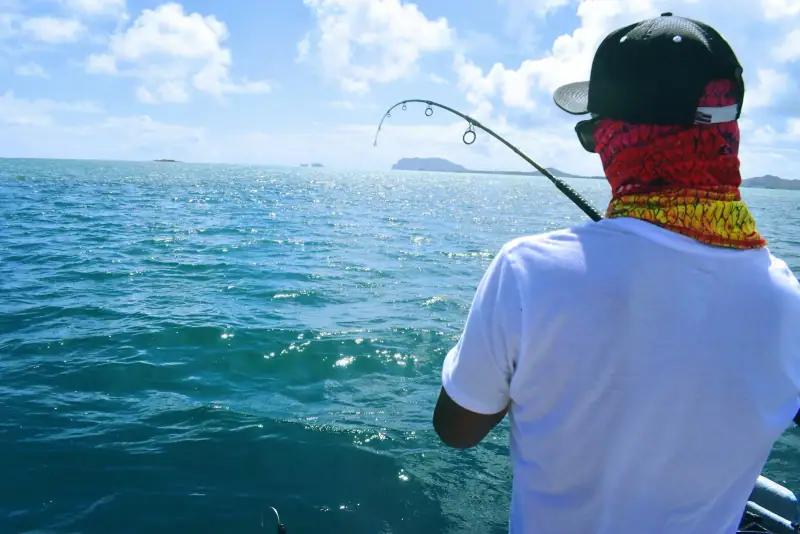
Sunset and night fishing in the Maldives from a local island: prices, booking, rules
Hand-line fishing by dhoni at sunset or night from a guesthouse: realistic prices, booking on the spot, fish cooked at dinner and the rules.
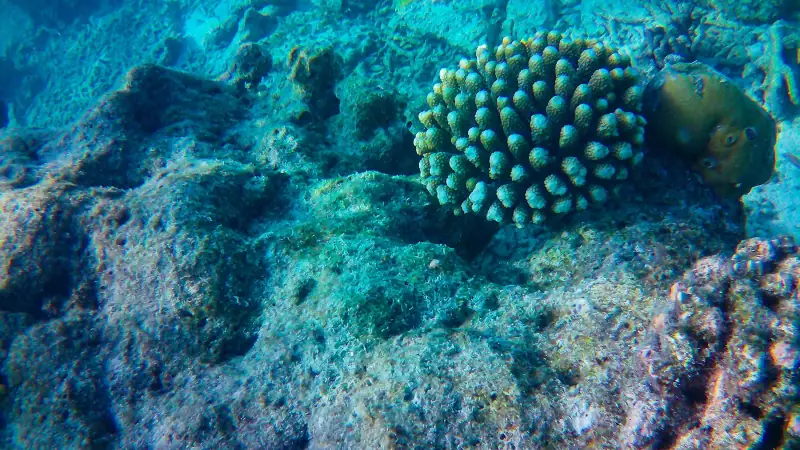
Diving in the Maldives: the best sites and practical tips
Complete guide to diving in the Maldives: best sites by atoll, species to see, dive centers, required levels and best times.
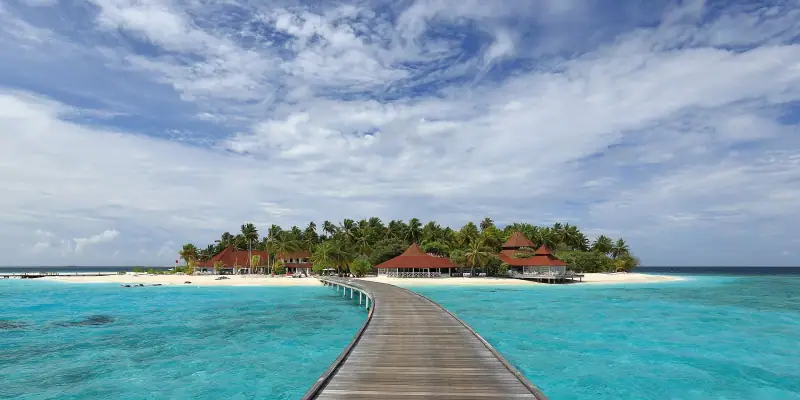
Visiting Ari Atoll: a complete guide to the whale shark paradise
Ari Atoll, Maldives: whale sharks year-round, Maaya Thila, Dhigurah and guesthouses. Complete 2026 guide to this exceptional atoll.
Ready-made
Maldives itineraries
10 days
Maldives in 10 days: a complete itinerary to explore the atolls
10-day Maldives itinerary: Malé, Hulhumalé, Maafushi, Thulusdhoo and Ari Atoll. Day-by-day plan with transport, budgets and practical tips.
7 days
Maldives in 7 days: the ideal full-week itinerary
Complete itinerary to visit the Maldives in 7 days: Malé, Maafushi, island hopping and resort option. Day-by-day plan with practical tips.
5 days
Maldives in 5 days without a seaplane: a realistic local-island itinerary
MaafushiThulusdhoo